Reinterpreting the ryokan: Japanese architects embrace tradition for modern leisure designs


Several high-profile Japanese architects have told CLAD how Japan’s traditional country inns are inspiring contemporary designs for lodgings as diverse as urban hostels and five-star resorts.
In a special CLADmag feature on ryokans – the name for roadside accommodations where guests can take a relaxing break from travelling – architect Yukio Hashimoto revealed that a “modern Japanese interpretation” of traditional architectural practices is becoming prevalent in the country.
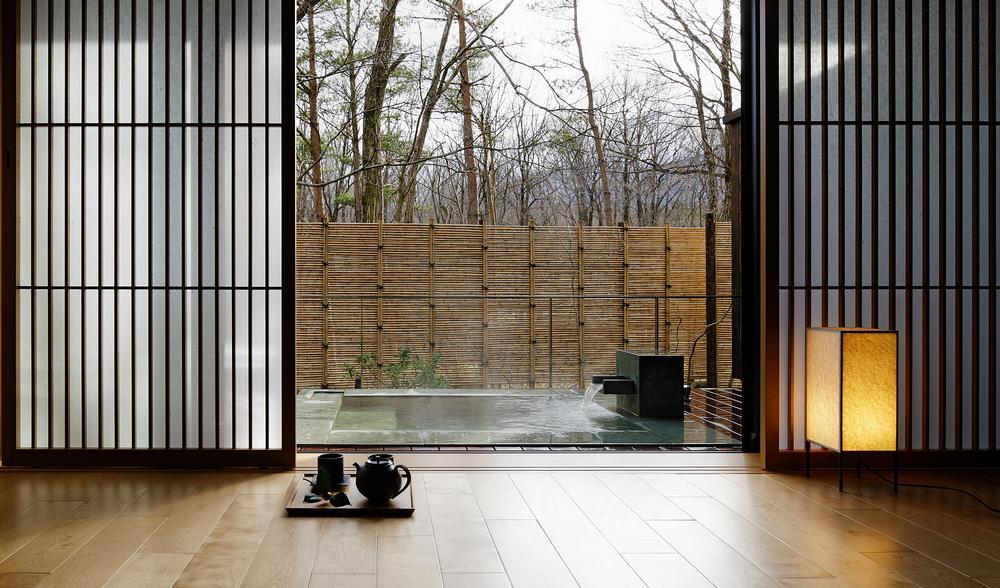
Last year Hashimoto completed a renovation of the 32-room Chikusenso hot springs resort in Miyagi Prefecture, mixing traditional ryokan features with a contemporary twist.
“Combining traditional Japanese design with modern materials creates something unique, something that can only exist here,” he said. “For sliding partitions, traditionally we use paper, but I used kimono fabric. That’s a new experiment – I think it creates a more contemporary feeling in the space and gives new relevance to something traditional.”
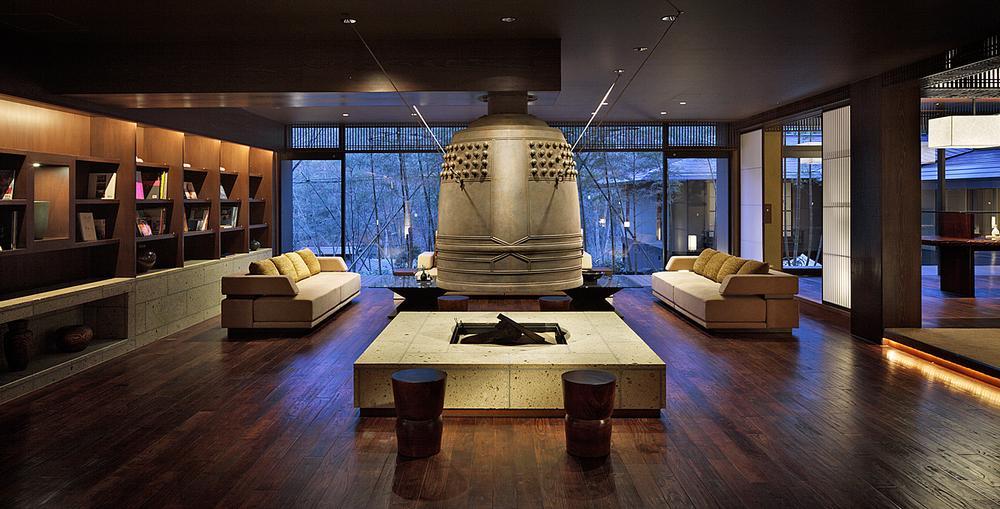
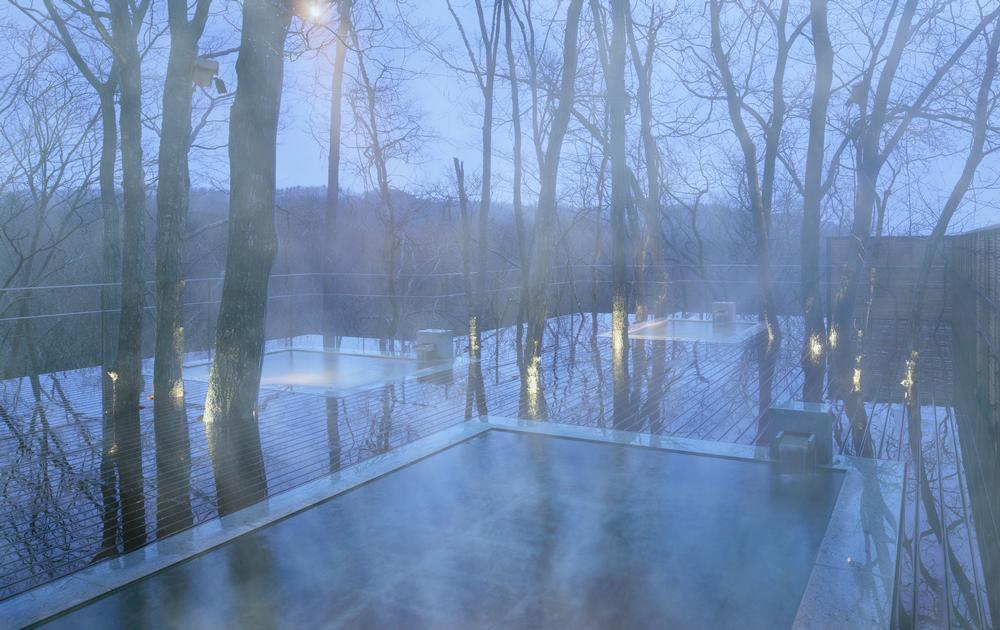
In other modern flourishes, Hashimoto added floor-to-ceiling windows overlooking the surrounding forest and a bright red lacquered tub “art piece” to one the bathrooms. These sit alongside more traditional touches, such as a large Japanese-style iron bell in the living area, a courtyard with a bubbling stream and hot spring baths placed around existing trees outside.
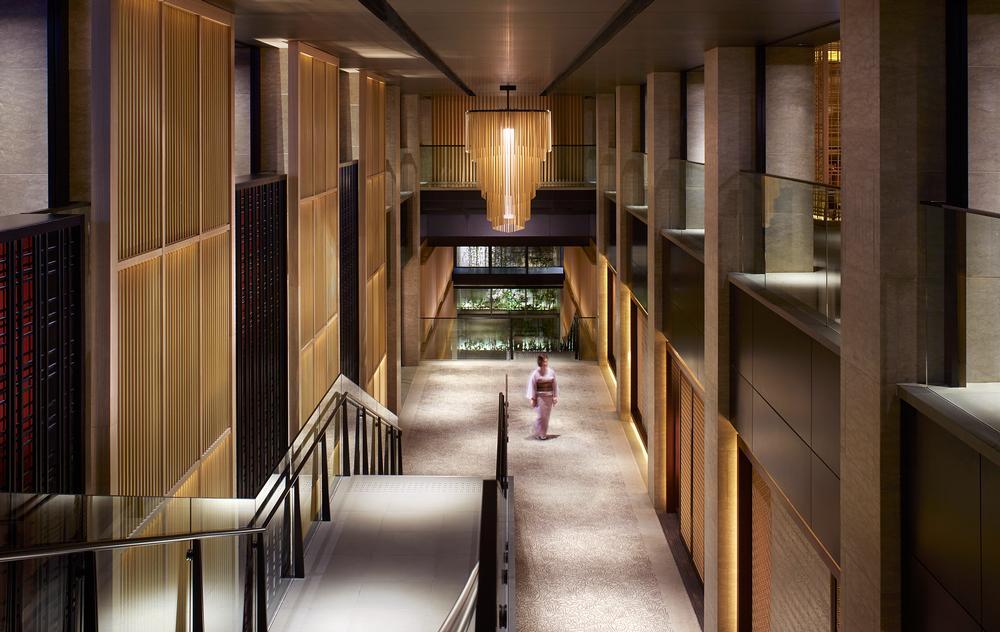
Tokyo-based practice Nikken Sekkei took a similar approach to a much bigger project: the 134-room seven-storey Ritz Carlton Kyoto, which opened last year. Despite its size, lead architect Hiroaki Otani told CLAD the studio approached the project “as a private guest house.”
The hotel’s short stature – created by housing three floors underground – long, horizontal form and overhanging roof gives it a traditionally demure presence. The designers also included traditional ryokan features, such as intricate balustrades, water features and a garden incorporating the background landscape.
“Historically, it was actually Japanese architects who thought the least highly of the architectural value of Japanese culture,” said Otani. “Now there’s a new sense of pride in our unique architectural culture. They probably realised the obvious truth – that architectural culture cannot be separated from the climate and history of a place.”
Architect Masayuki Irie, who has designed a lantern-shaped hostel in eastern Tokyo using modern fire-resistant materials, agreed. “In an information society where embodiment is slipping away, traditional forms help bring people a peace of mind,” he told CLAD.
“However, it’s rational that during all eras in history buildings have been made from the materials created in that era. [These days], things like iron and glass will always be the main materials for building.”
The latest edition of CLADmag, the quarterly magazine from CLAD, can be read on both Digital Turning Pages and as a text PDF download.
Architecture design ryokans Japan Ritz Carlton CLADmag hotels hospitality Tokyo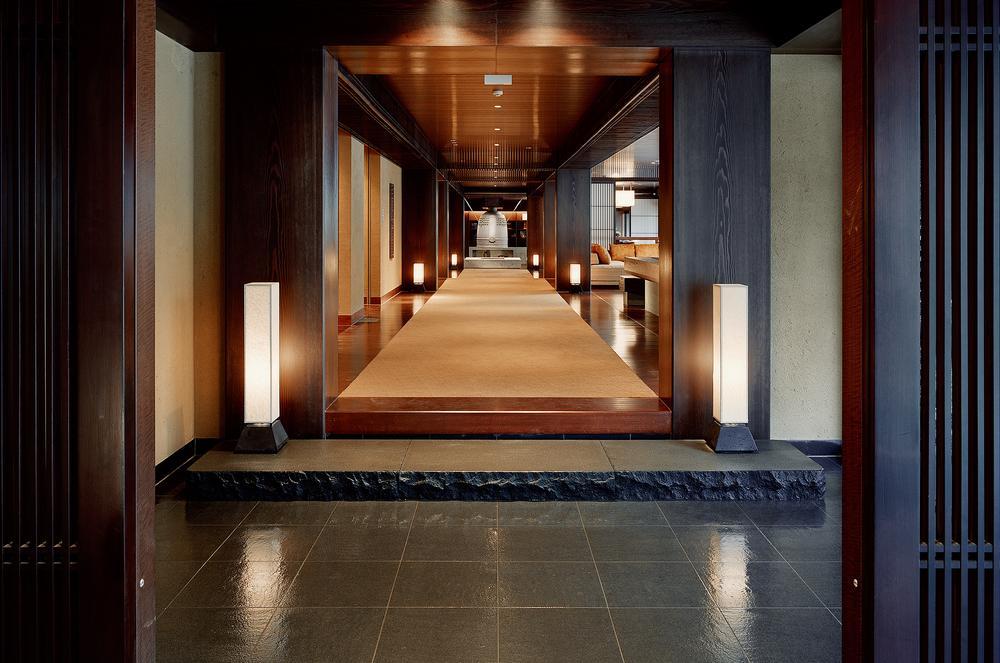
Bain Capital looks to Japanese onsens for growth potential
Toyo Ito and SANAA in the spotlight as MoMA celebrates Japanese design
More than an art museum, Shigeru Ban creates community space for Japanese city
Pan-Asian expansion for St Gregory wellness brand
AI firm Midjourney enters wellness with spa, fitness and body scanning concept
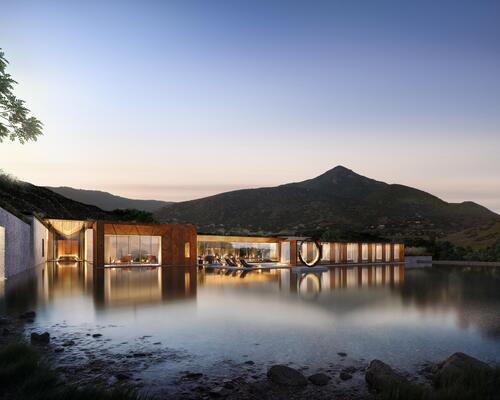
Hot spring wellness community Ameyalli sells residences and breaks ground on resort and spa

OMA completes New Museum transformation with landmark expansion and Oberon restaurant
OMA has completed a major transformation of New York's New Museum, creating a larger cultural campus that combines expanded exhibition spaces with learning, performance, hospitality and public programming. The latest addition, Oberon, extends the visitor experience beyond the gallery, reflecting a growing trend for museums to become all-day destinations.
The New Museum in New York has entered a new chapter with the completion of a major
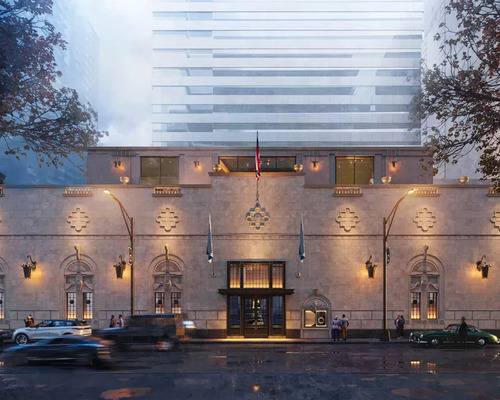
David Rockwell creates immersive magic destination, The Hand and The Eye
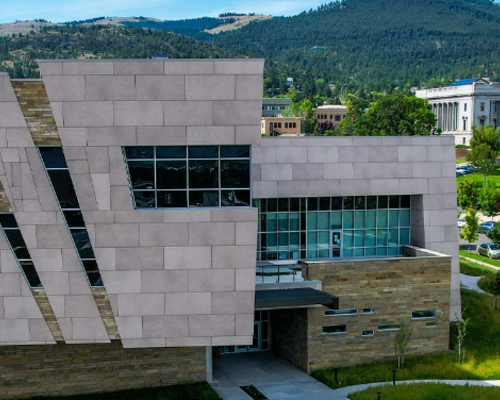
Montana Heritage Center by Cushing Terrell opens after US$107 million investment

Universal launches new theme park model with Kids Resort
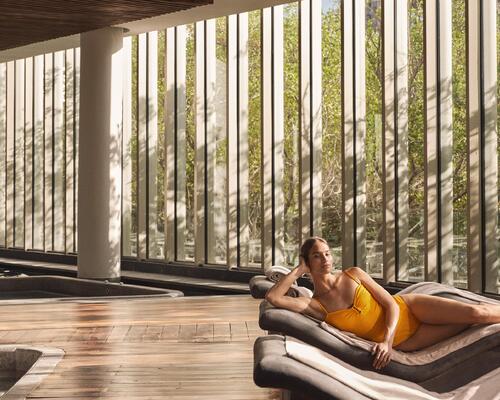
'Minor wellness hotels' recorded the strongest growth across top KPIs in 2025, finds RLA Global
Great Barrier Reef attraction set for AU$180 million reinvention
Fairmont Cheshire, The Mere, has architecture by Leach Rhodes Walker and interiors by Bergman Design House.
Marriott International partners with Fitwel for wellness solutions across its residential portfolio
Preidlhof Luxury DolceVita Resort to unveil new spa in February 2027
Places Leisure is working with Roberts Limbrick to build £60m wellness flagship in Basingstoke
Hoshino Resorts opens Kai Kusatsu as it expands the Kai onsen ryokan brand
Qiddiya and Populous share details of Saudi Arabia’s National Tennis Centre
Disney confirms US$30 billion investment programme as it highlights its economic impact
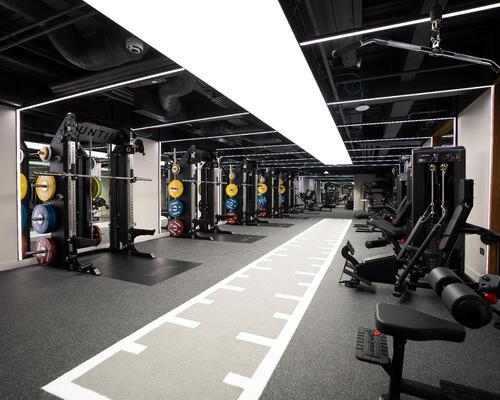
Until combines multiple disciplines at new Canary Wharf club
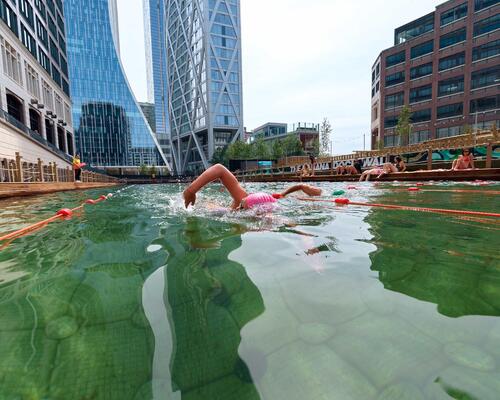
Sea Lanes opens following a partnership between The Eden Project and Canary Wharf Group
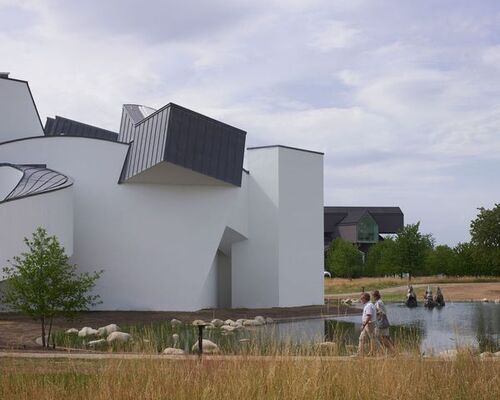
Bas Smets brings water and wilderness to Vitra
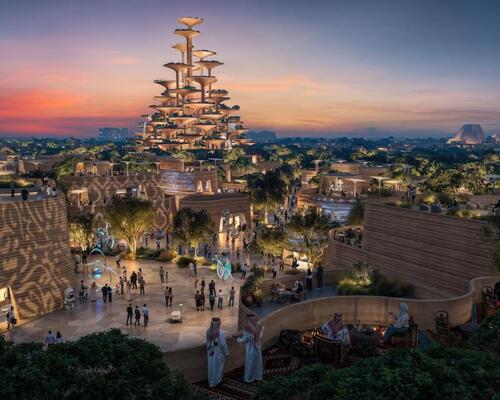
Expo 2030 Riyadh will create a permanent global destination
Luxury resort coming to Hunter Valley will have longevity spa
'Data chocolate', dreams made real and artworks shaped by visitors’ emotions: Refik Anadol’s AI art museum launches in Los Angeles
London Museum reveals 2026 opening date for new Smithfield home
BIG unveils Eve Music Hall as Croatia venue nears completion
Bob Rogers hands BRC to long-serving leadership team
Palazzo di Varignana launches family wellbeing and longevity retreat in Emilia Romagna
Anasa Wellness and Spa debuts at Patmos Aktis as it joins Marriott
Design-led Koru Health Club combines high-performance training with recovery

Wellness care hospital opens in Vilnius with innovative spa and hospitality concept

Universal and Puy du Fou projects point to rise of Oxford–Cambridge corridor
A proposed Puy du Fou development near Bicester and Universal Destinations and Experiences’ planned resort in Bedford are emerging as part of a wider transformation of the Oxford–Cambridge Growth Corridor into a major centre for UK leisure and tourism investment.
For years, the corridor has been associated primarily with science, technology, housing and university-led economic growth. However, the clustering of large-scale visitor attraction projects along the
All-inclusive eco-wellness development Auko to open near Vietnam’s Son Doong caves








Designed to restore neglected land and renew the identity of Iraq’s capital city, Baghdad Sustainable Forests promises a new way of living surrounded by nature. Gensler’s Ian Mulcahay tells us why he thinks the project could become a model for the repair and enhancement of urban centres