Floating developments will soon be mainstream: Koen Olthuis


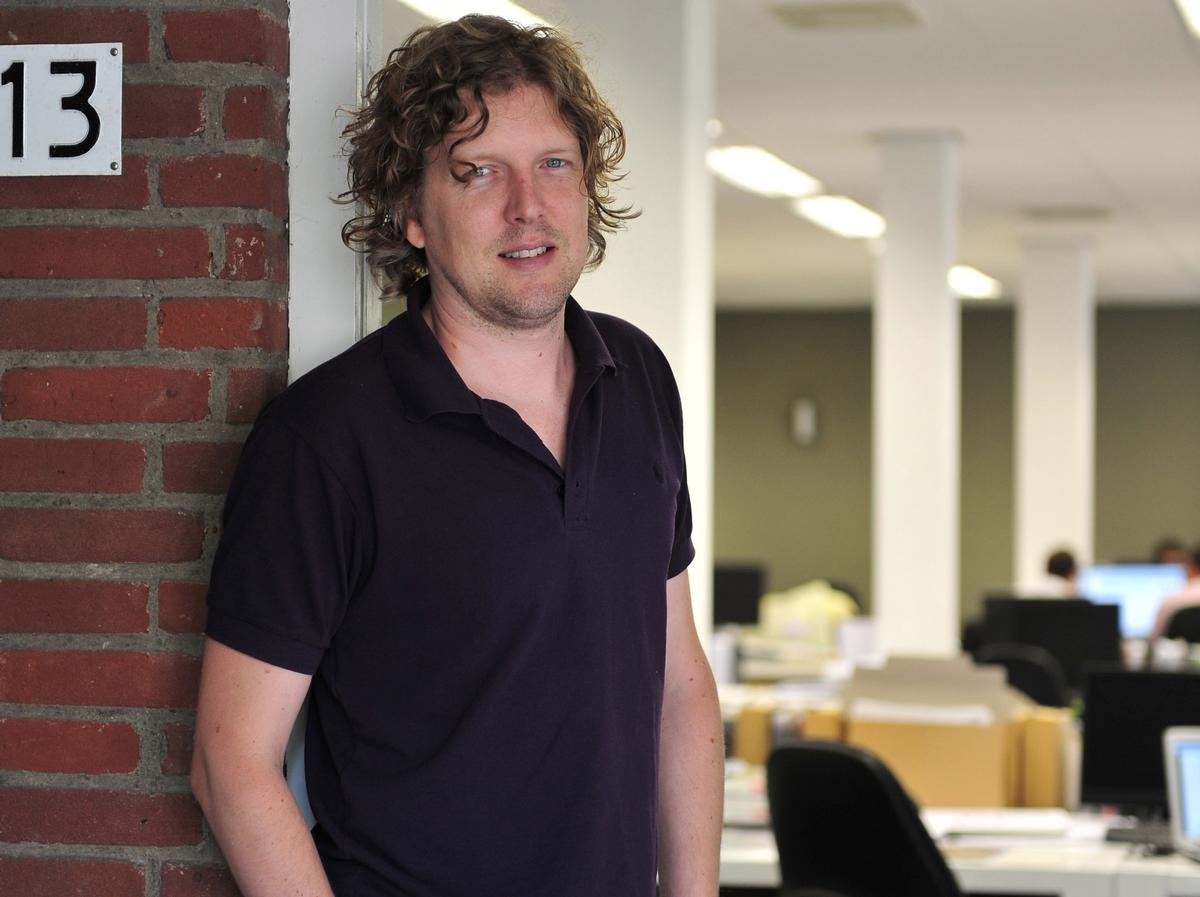
It won’t be long before living, working and spending our leisure time on floating cities is a normal part of life, according to Koen Olthuis, founder of Waterstudio.
“In the next 10 to 15 years, more and more architecture will start to explore the possibilities of floating developments,” Olthuis said, speaking exclusively to CLAD. “It will grow from something that’s a fringe architecture to something that’s mainstream.”
Olthuis, a longtime proponent of water-based architecture, has designed floating resorts and hotels, apartments, mosques and schools - and even floating private islands. However, the potential for floating architecture, he says, goes far beyond one-off developments: it’s an urban planning tool.
“When I started designing floating structures, other architects thought I was crazy, but now this approach is starting to be adopted by developers,” Olthuis said. “We’re also talking to governments around the world about how floating developments can upgrade and improve their cities.”
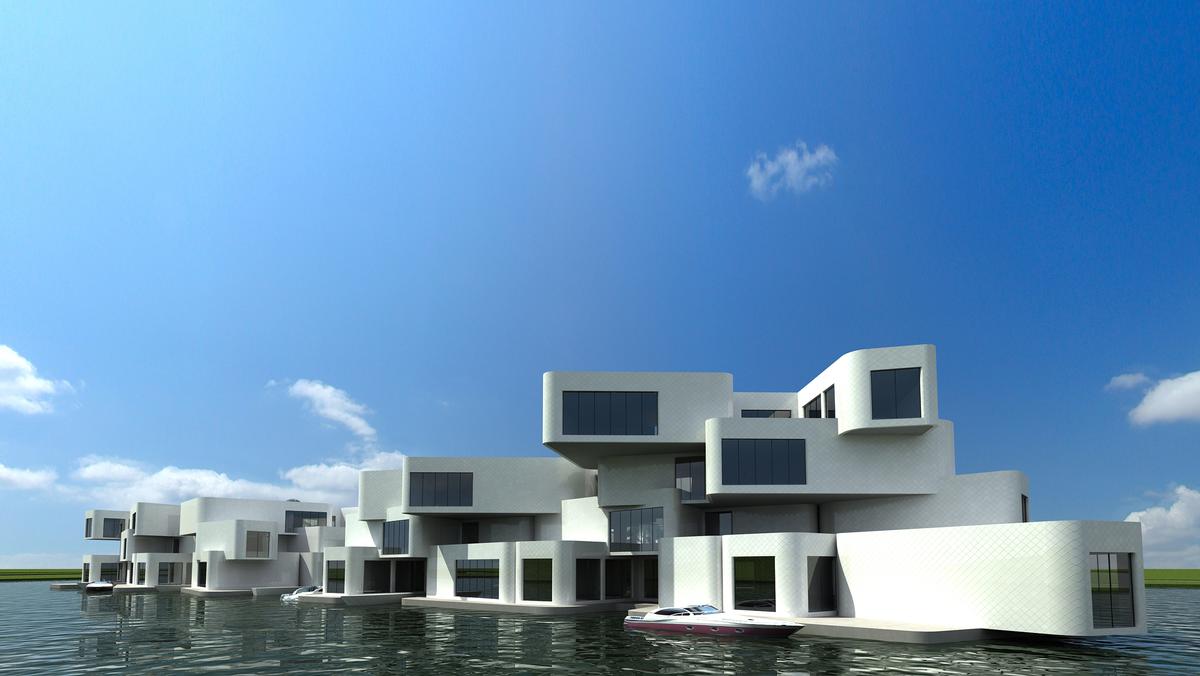
Olthuis' modular concept is a system of floating components that can be built on and organised to extend the footprint of a waterside city. Capitalising on urban water space, these components can be pieced together to create large-scale floating neighbourhoods connected to the main city grid.
“I’m not saying we have to build floating cities, but that every city that is next to the water should have at least 5 per cent of its buildings on the water,” said Olthuis, who was included in the 2015 book Fifty Under Fifty: Innovators of the 21st Century.
Whatever the city needs can be built accordingly – or even brought in temporarily, if a city was hosting a sporting event, for example – creating a system of architecture that is not static, but responsive and dynamic.
“Take the Olympic Games. It’s so strange that every four years we build so many hotels and stadiums and only use them for a few weeks. Imagine if as a city you could just lease these floating functions from a developer,” Olthuis told CLAD.
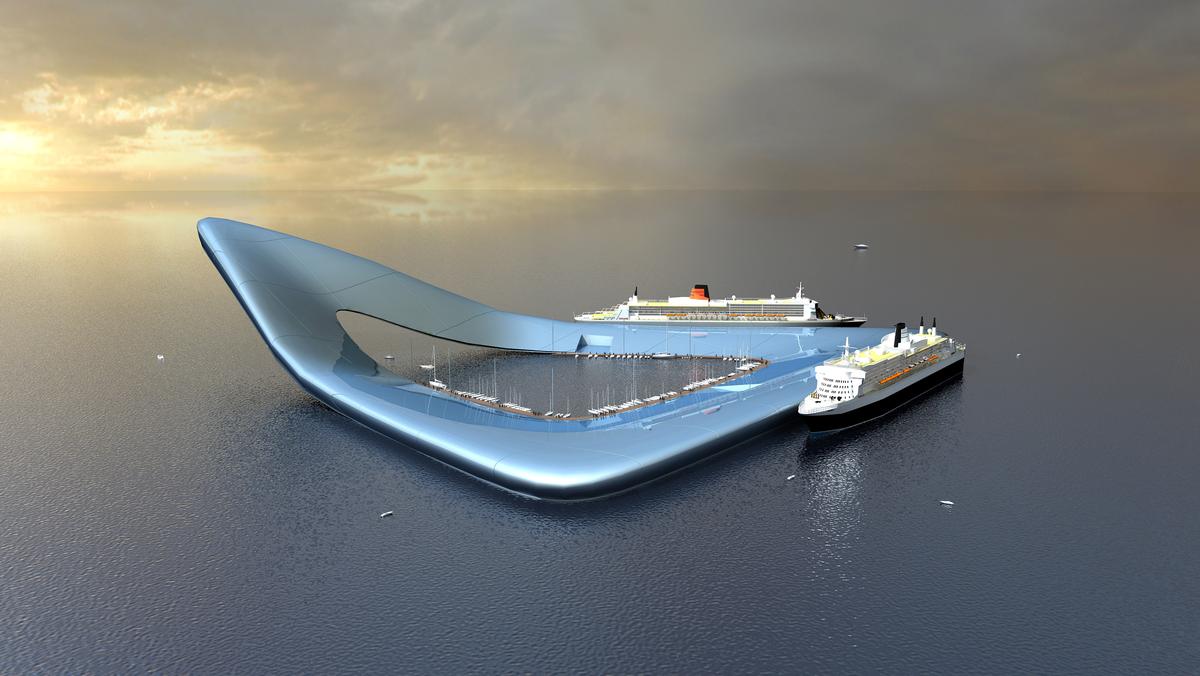
“Qatar has the World Cup in 2022 and they need 35,000 hotel rooms for that event. But if they built 35,000 hotel rooms, within 10 years they’d be empty. So they’re thinking about using cruise ships. To host the cruise ships, they would use floating harbours and floating cruise terminals – something that can facilitate these cruise ships for a few weeks, and then after that you can bring the floating harbours to another location.”
Olthuis is also working in the Middle East exploring the potential of ecotourism, where satellite resorts could float out at sea in areas where there are coral reefs or mangroves.
“It’s one big playing field and we’re trying to work out what it means for the future of leisure architecture and real estate,” he said.
water architecture floating architecture urban planning floating cities floating hotel floating island innovation waterstudio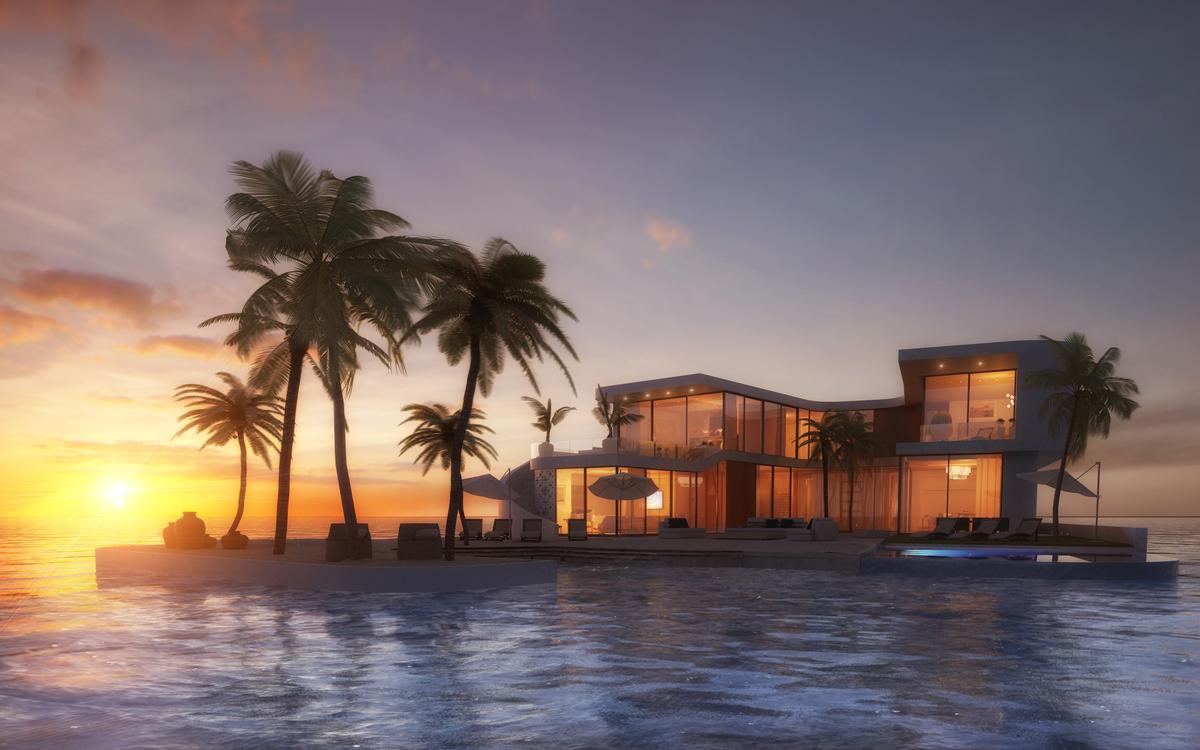
Fancy owning a floating private island? Dutch developers create a luxury secluded getaway
Snowflake shaped designs revealed for European floating hotel
AI firm Midjourney enters wellness with spa, fitness and body scanning concept
Hot spring wellness community Ameyalli sells residences and breaks ground on resort and spa

OMA completes New Museum transformation with landmark expansion and Oberon restaurant
OMA has completed a major transformation of New York's New Museum, creating a larger cultural campus that combines expanded exhibition spaces with learning, performance, hospitality and public programming. The latest addition, Oberon, extends the visitor experience beyond the gallery, reflecting a growing trend for museums to become all-day destinations.
The New Museum in New York has entered a new chapter with the completion of a major
David Rockwell creates immersive magic destination, The Hand and The Eye
Montana Heritage Center by Cushing Terrell opens after US$107 million investment
Universal launches new theme park model with Kids Resort
'Minor wellness hotels' recorded the strongest growth across top KPIs in 2025, finds RLA Global
Great Barrier Reef attraction set for AU$180 million reinvention
Fairmont Cheshire, The Mere, has architecture by Leach Rhodes Walker and interiors by Bergman Design House.
Marriott International partners with Fitwel for wellness solutions across its residential portfolio
Preidlhof Luxury DolceVita Resort to unveil new spa in February 2027
Places Leisure is working with Roberts Limbrick to build £60m wellness flagship in Basingstoke
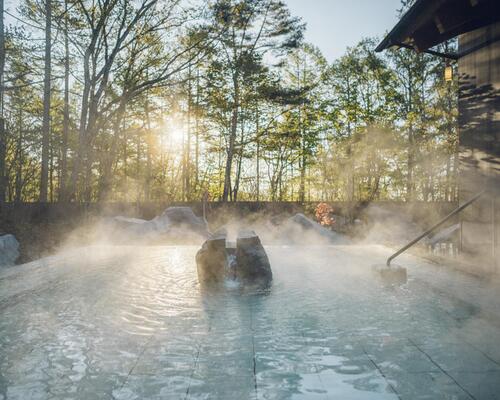
Hoshino Resorts opens Kai Kusatsu as it expands the Kai onsen ryokan brand
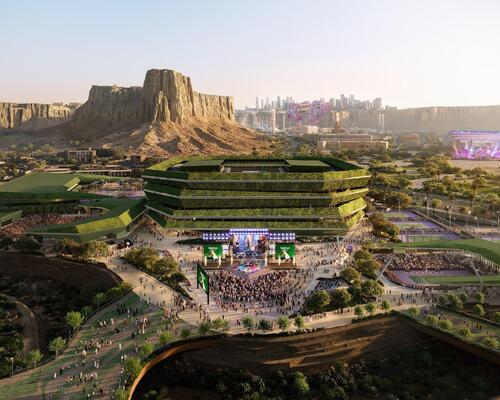
Qiddiya and Populous share details of Saudi Arabia’s National Tennis Centre
Disney confirms US$30 billion investment programme as it highlights its economic impact
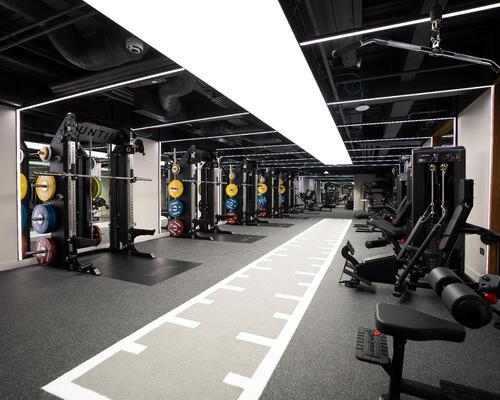
Until combines multiple disciplines at new Canary Wharf club
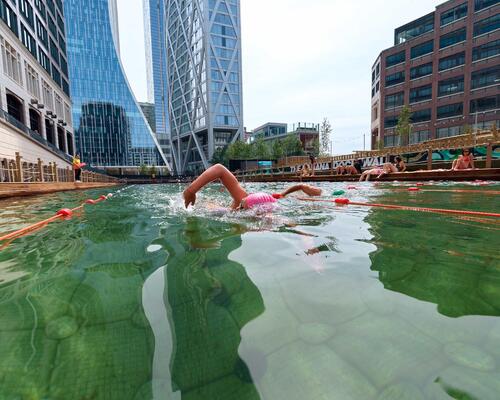
Sea Lanes opens following a partnership between The Eden Project and Canary Wharf Group
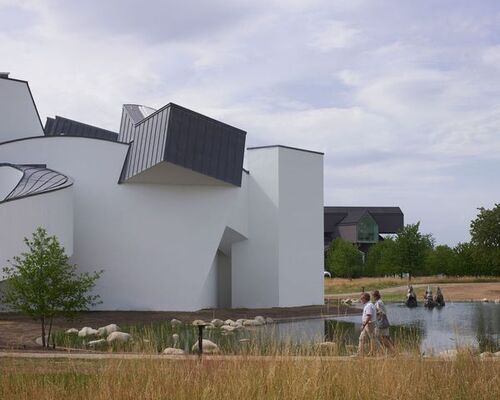
Bas Smets brings water and wilderness to Vitra
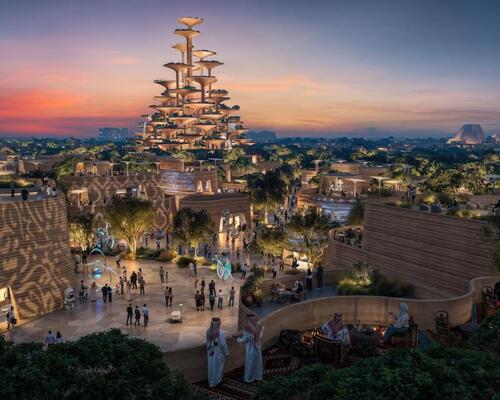
Expo 2030 Riyadh will create a permanent global destination
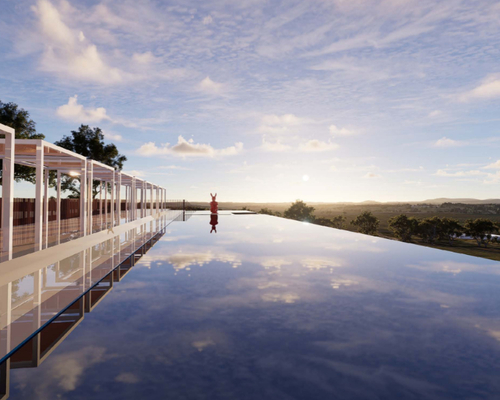
Luxury resort coming to Hunter Valley will have longevity spa
'Data chocolate', dreams made real and artworks shaped by visitors’ emotions: Refik Anadol’s AI art museum launches in Los Angeles
London Museum reveals 2026 opening date for new Smithfield home
BIG unveils Eve Music Hall as Croatia venue nears completion
Bob Rogers hands BRC to long-serving leadership team
Palazzo di Varignana launches family wellbeing and longevity retreat in Emilia Romagna
Anasa Wellness and Spa debuts at Patmos Aktis as it joins Marriott
Design-led Koru Health Club combines high-performance training with recovery

Wellness care hospital opens in Vilnius with innovative spa and hospitality concept

Universal and Puy du Fou projects point to rise of Oxford–Cambridge corridor
A proposed Puy du Fou development near Bicester and Universal Destinations and Experiences’ planned resort in Bedford are emerging as part of a wider transformation of the Oxford–Cambridge Growth Corridor into a major centre for UK leisure and tourism investment.
For years, the corridor has been associated primarily with science, technology, housing and university-led economic growth. However, the clustering of large-scale visitor attraction projects along the
All-inclusive eco-wellness development Auko to open near Vietnam’s Son Doong caves















Designed to restore neglected land and renew the identity of Iraq’s capital city, Baghdad Sustainable Forests promises a new way of living surrounded by nature. Gensler’s Ian Mulcahay tells us why he thinks the project could become a model for the repair and enhancement of urban centres