Second location confirmed for Lefay


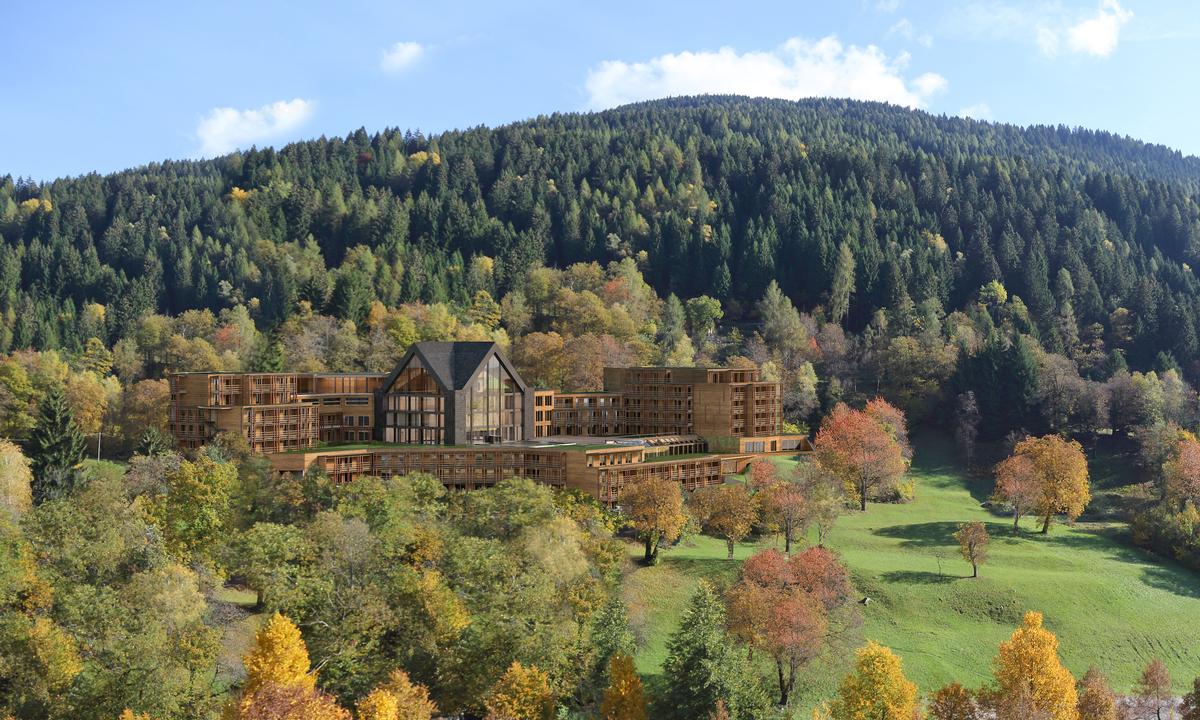
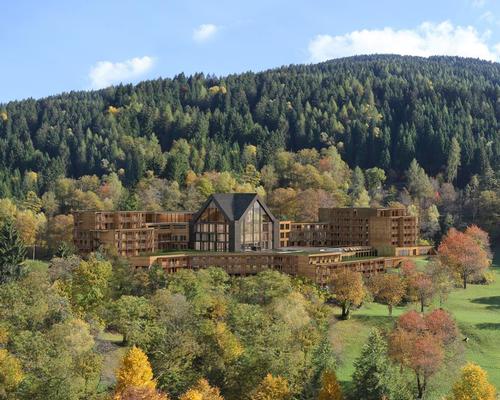
Destination spa Lefay has announced plans for a second location, Lefay Resort and Spa Dolomiti, in the ski region of Madonna di Campiglio, Italy.
Set in the Italian Dolomite mountains, the resort is due to open in 2019, and will include 84 suites and a 5,000sq m (54,000sq ft) wellbeing area. Swimming pools, relaxation areas, saunas, a fitness zone and numerous treatment rooms will all be included in the spa, which is set to be one of the largest in the Alpine region.
The resort will also introduce the concept of Lefay Wellness Residences, with 25 homes starting at 100sq m (1,076sq ft) and with direct access to the wellness area and two restaurants.
“With Lefay Resort and Spa Dolomiti, the brand strengthens its identity, characterised by the reinterpretation of the concept of luxury and a holistic wellbeing philosophy,” said Liliana Leali, Lefay Resort CEO.
“Sustainability, Italian spirit and a unique wellness method are the core values of Lefay Collection, and in 2019, they will also be found in one of the most fascinating mountain destinations in Italy. We’re very excited about this opening and ready to face a new challenge, with the certainty that it will also be a new opportunity for new projects and resources within the local community.”
The new resort is being created by architect Hugo Demetz, who worked on the original Lefay Resort, and is designed to blend into the surrounding landscape. It will reinterpret local traditional architecture, using elements commonly found in mountain buildings, such as stone and wood. Interiors will be by Italian architecture firm Alberto Apostoli.
The resort will have a focus on sustainability, and will be supplied by renewable energy sources and certified by ClimaHotel. Similarly to the development of Lefay Resort & Spa Lago di Garda, which for the last five years has offset 100 per cent of the property’s CO2 emissions, the property in the Dolomites will also be committed to the neutralisation of its own emissions.
The company also said a third Lefay location is being planned in Tuscany, and that it will explore expansion in central Europe in cooperation with select partners.
Lefay Resorts was founded in 2006, the vision of Leali and Domenico Alcide, founders of Air Dolomiti regional airlines, which was sold to Lufthansa in 2003.
The original Lago di Garda location in Gargnano, Italy, features a 3,800sq m “temple of wellness”, with six different types of saunas, five relaxation areas, indoor and outdoor saltwater pools, and an indoor thalassotherapy pool.
It also offers health programmes through the Lefay Spa Scientific Committee, which blend classic Chinese medicine with Western scientific research.
In 2016, the Lefay Resort & Spa Lago di Garda was named Worldwide Health and Wellness Destination at the Professional Spa and Wellness Awards.
Lefay Resorts Italy Dolomites Dolomiti spa wellness Alberto ApostoliLefay Resort & Spa Lago di Garda takes top honours at Professional Spa and Wellness Awards 2016
Lefay Resort & Spa launches private spa suite
Luxury Lake Garda resort launches day spa service for non-guests
Stress-reducing retreat at Lefay Resort
AI firm Midjourney enters wellness with spa, fitness and body scanning concept
Hot spring wellness community Ameyalli sells residences and breaks ground on resort and spa

OMA completes New Museum transformation with landmark expansion and Oberon restaurant
OMA has completed a major transformation of New York's New Museum, creating a larger cultural campus that combines expanded exhibition spaces with learning, performance, hospitality and public programming. The latest addition, Oberon, extends the visitor experience beyond the gallery, reflecting a growing trend for museums to become all-day destinations.
The New Museum in New York has entered a new chapter with the completion of a major
David Rockwell creates immersive magic destination, The Hand and The Eye
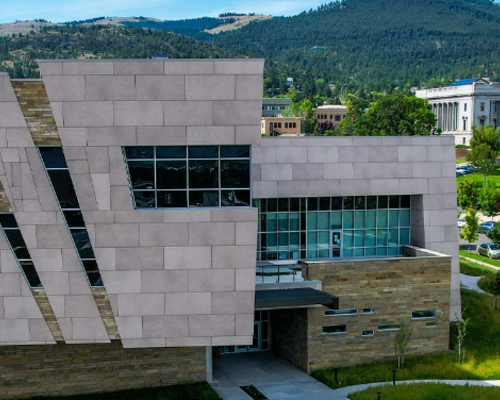
Montana Heritage Center by Cushing Terrell opens after US$107 million investment

Universal launches new theme park model with Kids Resort
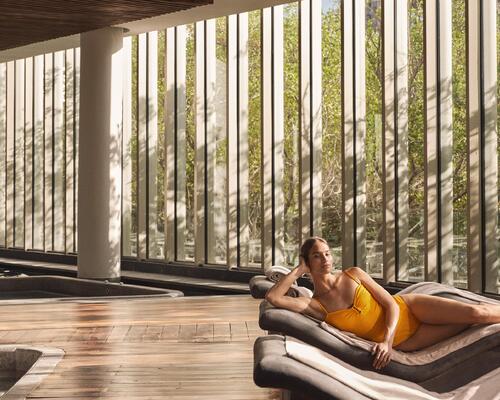
'Minor wellness hotels' recorded the strongest growth across top KPIs in 2025, finds RLA Global
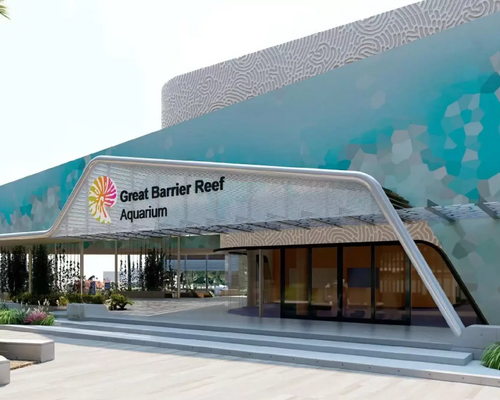
Great Barrier Reef attraction set for AU$180 million reinvention
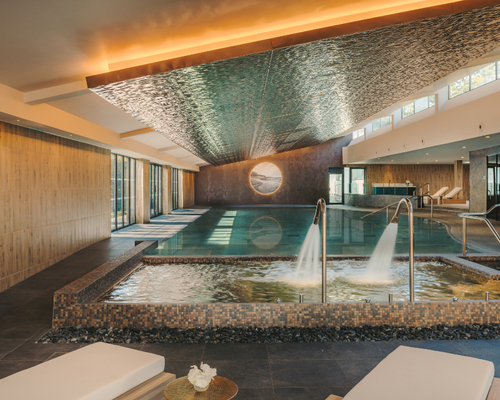
Fairmont Cheshire, The Mere, has architecture by Leach Rhodes Walker and interiors by Bergman Design House.
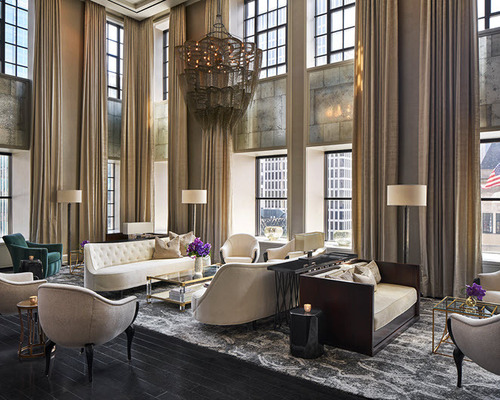
Marriott International partners with Fitwel for wellness solutions across its residential portfolio
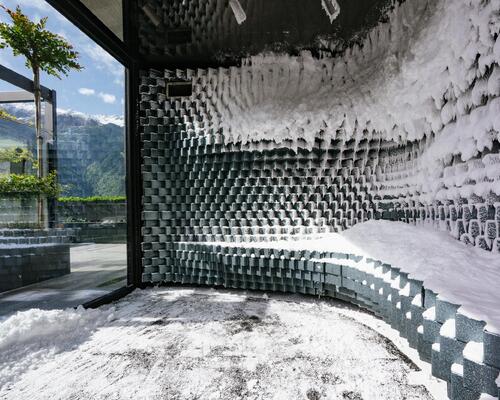
Preidlhof Luxury DolceVita Resort to unveil new spa in February 2027
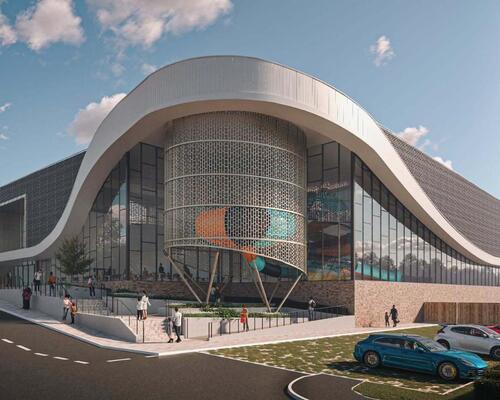
Places Leisure is working with Roberts Limbrick to build £60m wellness flagship in Basingstoke
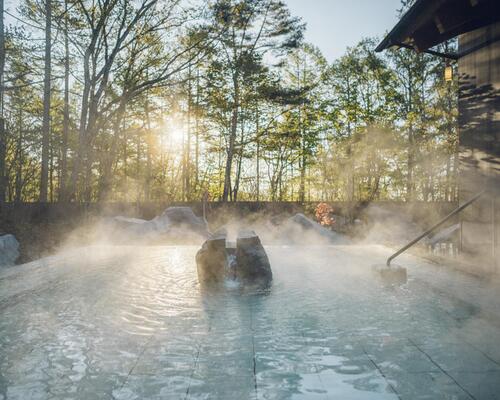
Hoshino Resorts opens Kai Kusatsu as it expands the Kai onsen ryokan brand
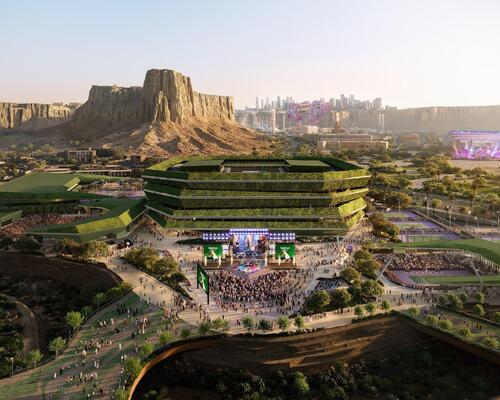
Qiddiya and Populous share details of Saudi Arabia’s National Tennis Centre
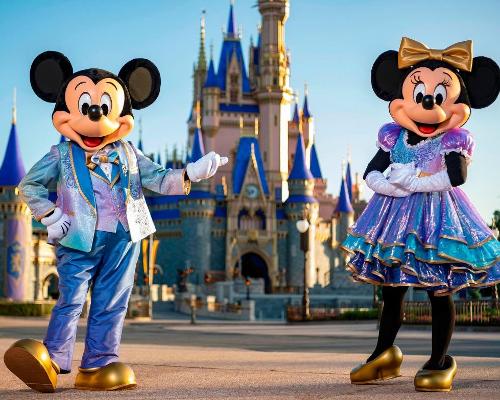
Disney confirms US$30 billion investment programme as it highlights its economic impact
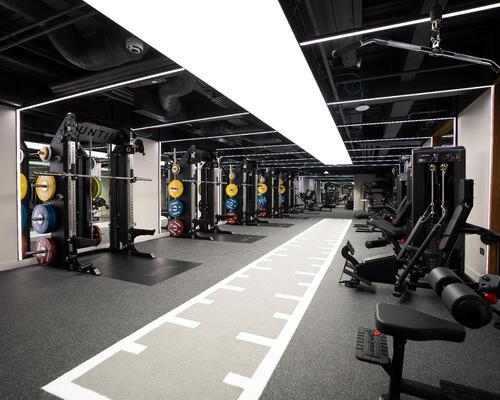
Until combines multiple disciplines at new Canary Wharf club
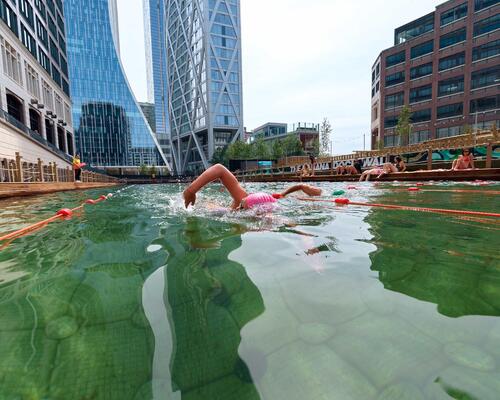
Sea Lanes opens following a partnership between The Eden Project and Canary Wharf Group
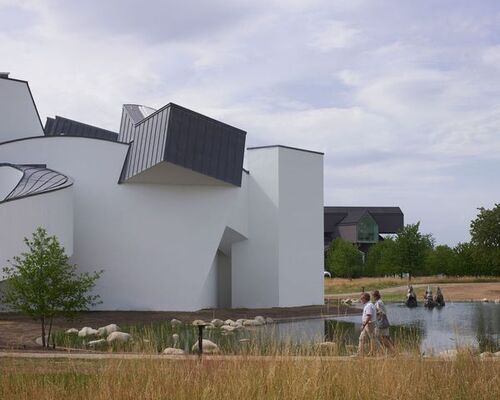
Bas Smets brings water and wilderness to Vitra
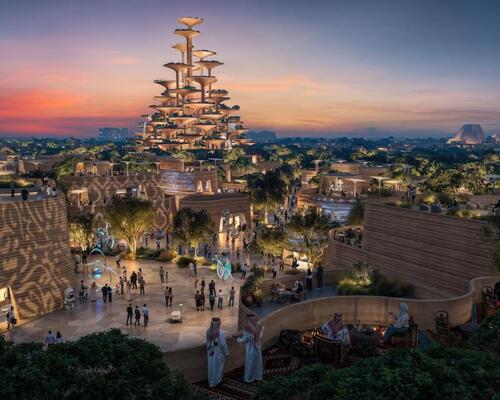
Expo 2030 Riyadh will create a permanent global destination
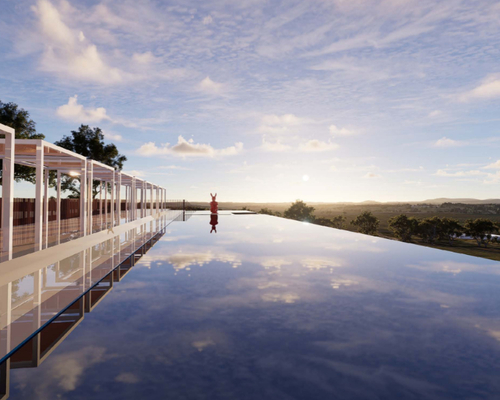
Luxury resort coming to Hunter Valley will have longevity spa
'Data chocolate', dreams made real and artworks shaped by visitors’ emotions: Refik Anadol’s AI art museum launches in Los Angeles
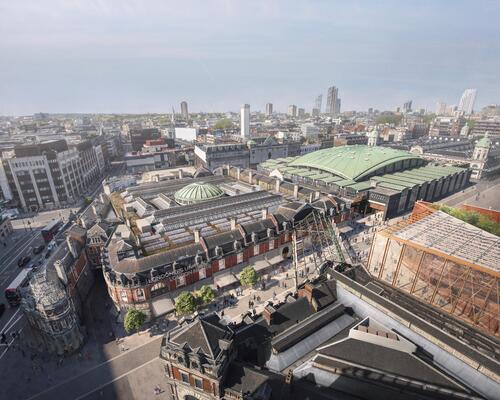
London Museum reveals 2026 opening date for new Smithfield home
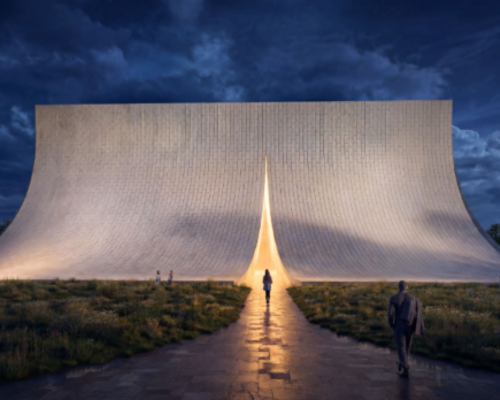
BIG unveils Eve Music Hall as Croatia venue nears completion
Bob Rogers hands BRC to long-serving leadership team
Palazzo di Varignana launches family wellbeing and longevity retreat in Emilia Romagna
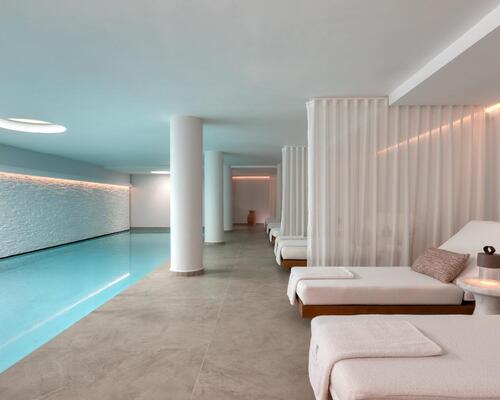
Anasa Wellness and Spa debuts at Patmos Aktis as it joins Marriott
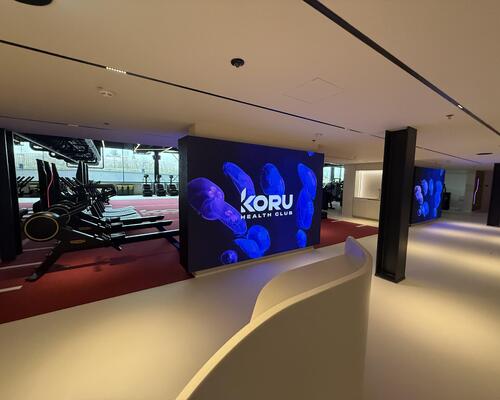
Design-led Koru Health Club combines high-performance training with recovery

Wellness care hospital opens in Vilnius with innovative spa and hospitality concept

Universal and Puy du Fou projects point to rise of Oxford–Cambridge corridor
A proposed Puy du Fou development near Bicester and Universal Destinations and Experiences’ planned resort in Bedford are emerging as part of a wider transformation of the Oxford–Cambridge Growth Corridor into a major centre for UK leisure and tourism investment.
For years, the corridor has been associated primarily with science, technology, housing and university-led economic growth. However, the clustering of large-scale visitor attraction projects along the
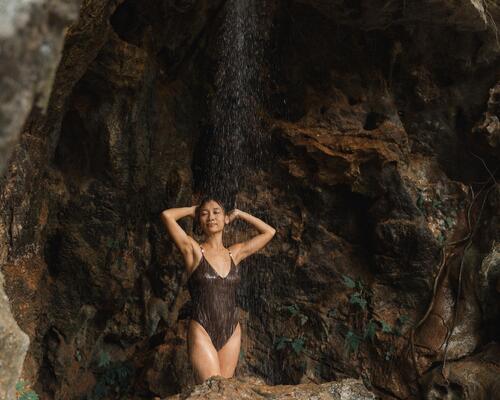
All-inclusive eco-wellness development Auko to open near Vietnam’s Son Doong caves