IOC opts for 'safe, well organised Games' in choosing Tokyo


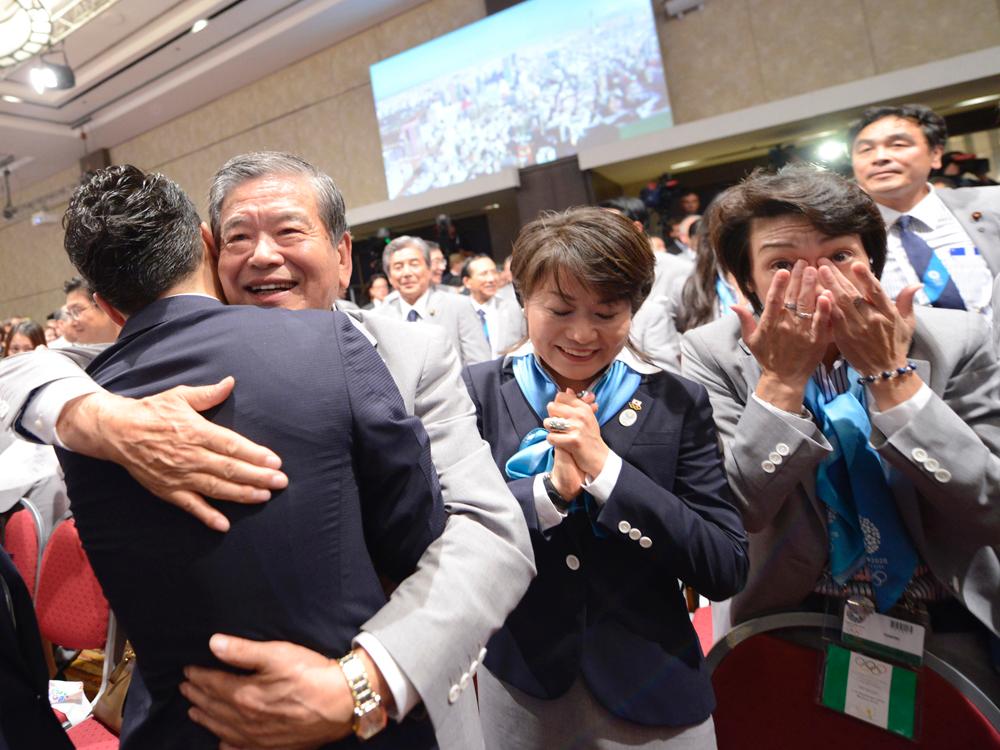
Japan's ability to organise and deliver on major projects and its fortitude in the face of a major challenge – as demonstrated by rebuilding after the tsunami and Fukushima Daiichi nuclear disaster – is thought to have won it the 2020 Olympic bid.
Jacques Rogge, president of the International Olympic Committee (IOC), stressed the importance to the IOC of ensuring the 2020 games is of the highest quality, saying: "Tokyo presented a very strong technical bid from the outset - and it needed to in competition with such high-calibre bids from Istanbul and Madrid.
"All three cities were capable of staging excellent Games in 2020, but in the end it was Tokyo's bid that resonated the most with the IOC membership. We believe Tokyo will deliver a well-organised, safe Games that will reinforce Olympic values, while demonstrating the benefits of sport to a new generation, by inviting us to 'discover tomorrow'".
Tokyo won a final round of voting by the full members of the International Olympic Committee (IOC) at the 125th IOC sessions in Buenos Aires, Argentina. The winning bid received 60 votes to Istanbul's 36 in the final round, with Madrid having been eliminated in the first round after losing a tie-breaker with Istanbul.
The main venue of the 2020 Games will be Tokyo's National Olympic Stadium, built originally for the 1964 Games. Which will be demolished and rebuilt in a US$1bn scheme designed by architect Zaha Hadid. The project will be completed in time for the venue to host games during the 2019 Rugby World Cup.
Tokyo’s organising committee has budgeted US$10 billion for the Games, including the cost of constructing venues and improving transport infrastructure.
Tokyo last hosted the Summer Games in 1964. At that time it signalled its rebirth as a modern city after the destruction caused by World War II.
Japan's economy has been suffering from deflation for 15 years and government debt has increased to more than twice the size of its US$6 trillion economy, in part because of the costs of caring for the country’s elderly population. Analysts believe one of the main challenges for the government is likely to be justifying the expense of the Games.
However, since Prime Minister Shinzo Abe came to power late last year and adopted more bold monetary and government reforms, Japan has become the fastest-growing country in the G7.
Nomura Securities' chief strategist Hiromichi Tamura, in a report published on 4 July, said the 2020 Olympics is likely to add about US$14 billion to Japan’s economy. Although this is a lower percentage of GDP than the country got from its previous three Olympics: the Summer Games in Tokyo in 1964, and the Winter Games in Sapporo in 1972 and Nagano in 1998, hosting the Games will bring other benefits. Tamura said the win will fuel consumer confidence and spending, which is the missing part of the puzzle in Japan’s economic recovery so far.
“If the government’s growth strategies go according to plan, the benefits should be obvious to everyone” by 2020, he said. “In the same way that the 1964 Tokyo Olympics showed that Japan had entered the ranks of modern industrialised nations, the 2020 Tokyo Olympics could show that Japan is back.”
Tokyo's success in winning both the 2019 Rugby World Cup and 2020 Olympic Games makes this the second Olympic Games to be awarded in tandem with another major sporting event, following the double being tackled by Rio de Janeiro, which hosts both the FIFA World Cup in 2014 and the Olympic Games in 2016.
Image: International Olympic Committee

OMA completes New Museum transformation with landmark expansion and Oberon restaurant
OMA has completed a major transformation of New York's New Museum, creating a larger cultural campus that combines expanded exhibition spaces with learning, performance, hospitality and public programming. The latest addition, Oberon, extends the visitor experience beyond the gallery, reflecting a growing trend for museums to become all-day destinations.
The New Museum in New York has entered a new chapter with the completion of a major
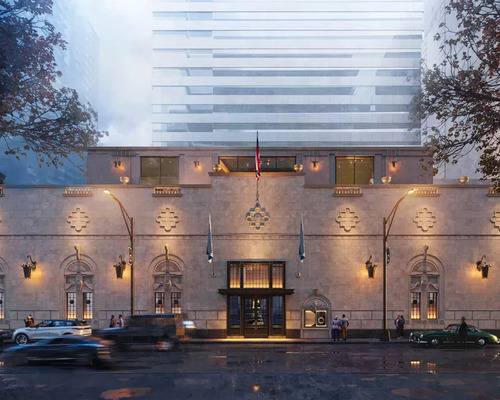
David Rockwell creates immersive magic destination, The Hand and The Eye
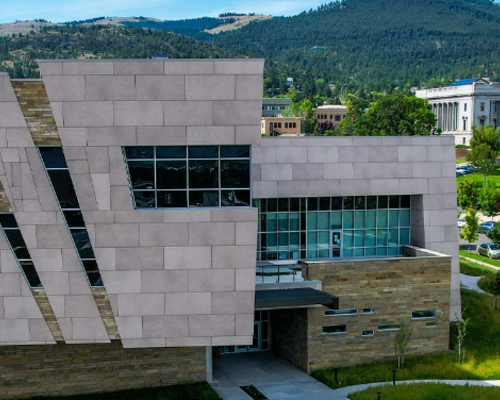
Montana Heritage Center by Cushing Terrell opens after US$107 million investment

Universal launches new theme park model with Kids Resort
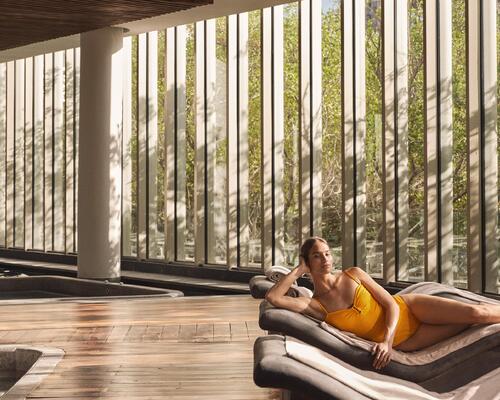
'Minor wellness hotels' recorded the strongest growth across top KPIs in 2025, finds RLA Global
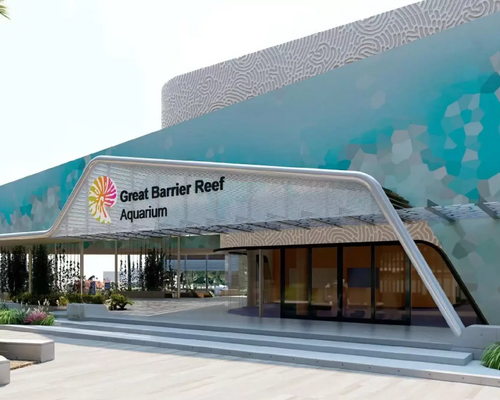
Great Barrier Reef attraction set for AU$180 million reinvention
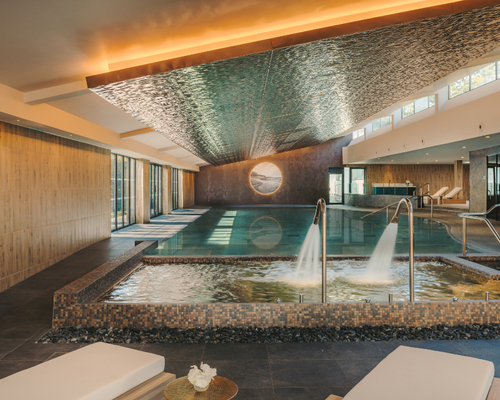
Fairmont Cheshire, The Mere, has architecture by Leach Rhodes Walker and interiors by Bergman Design House.
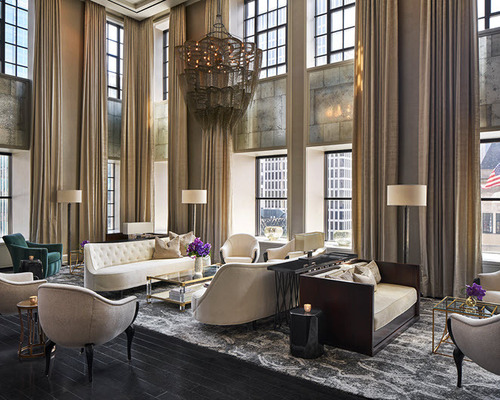
Marriott International partners with Fitwel for wellness solutions across its residential portfolio
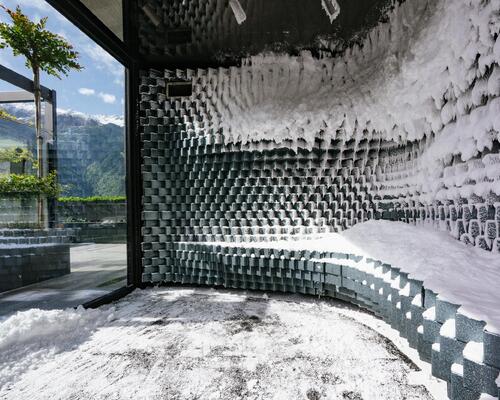
Preidlhof Luxury DolceVita Resort to unveil new spa in February 2027
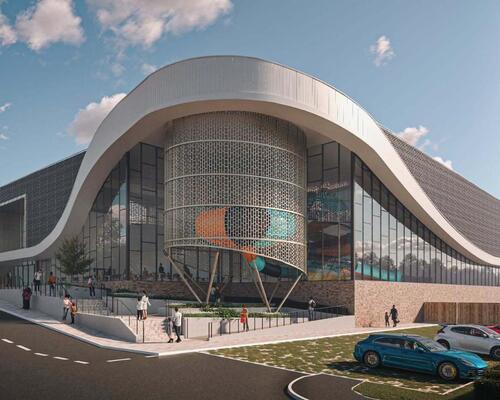
Places Leisure is working with Roberts Limbrick to build £60m wellness flagship in Basingstoke
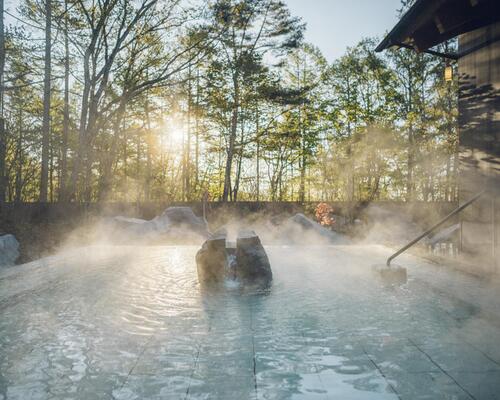
Hoshino Resorts opens Kai Kusatsu as it expands the Kai onsen ryokan brand
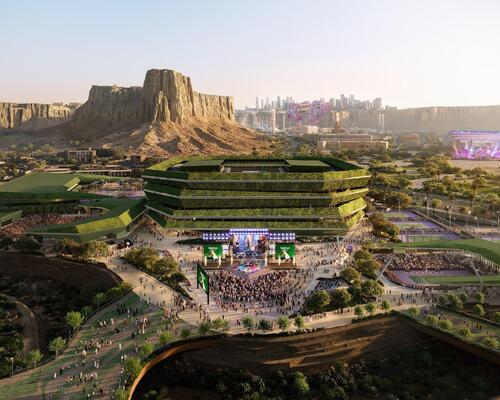
Qiddiya and Populous share details of Saudi Arabia’s National Tennis Centre
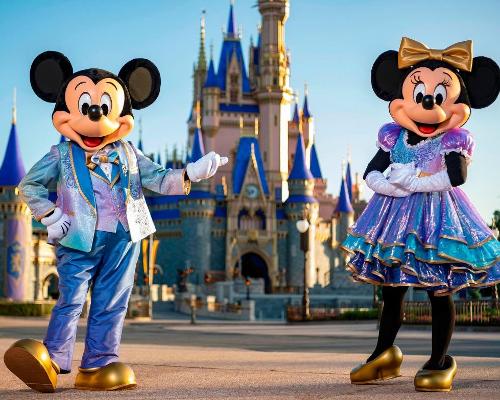
Disney confirms US$30 billion investment programme as it highlights its economic impact
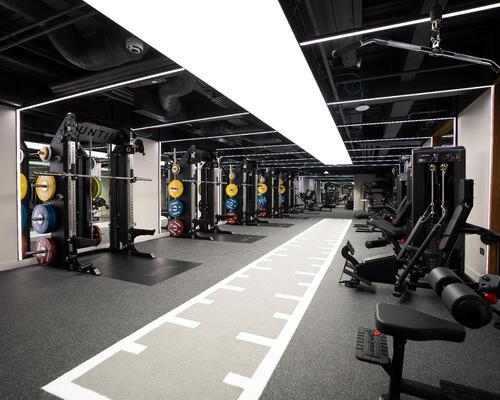
Until combines multiple disciplines at new Canary Wharf club
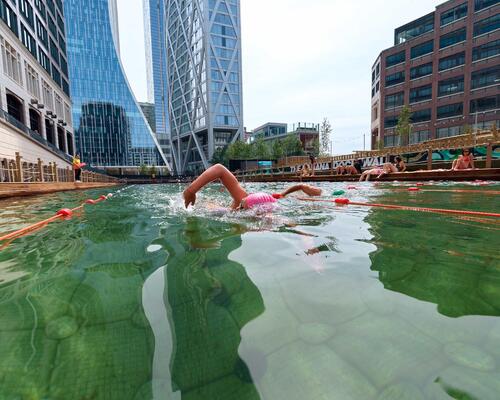
Sea Lanes opens following a partnership between The Eden Project and Canary Wharf Group
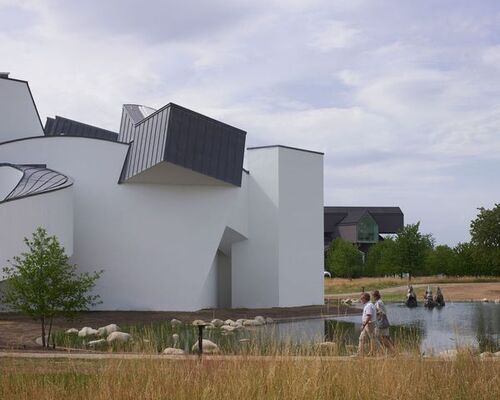
Bas Smets brings water and wilderness to Vitra
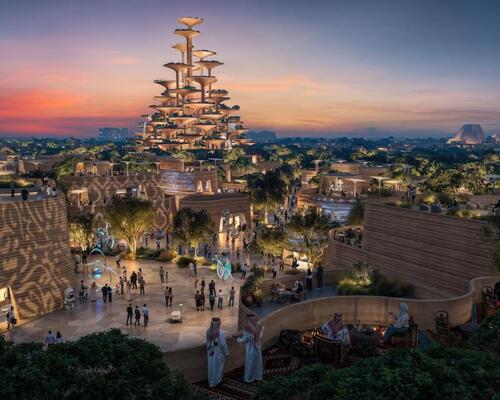
Expo 2030 Riyadh will create a permanent global destination
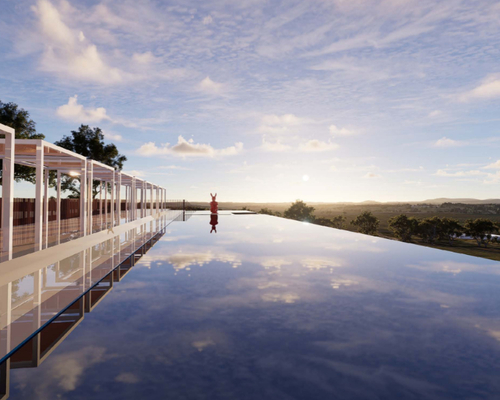
Luxury resort coming to Hunter Valley will have longevity spa
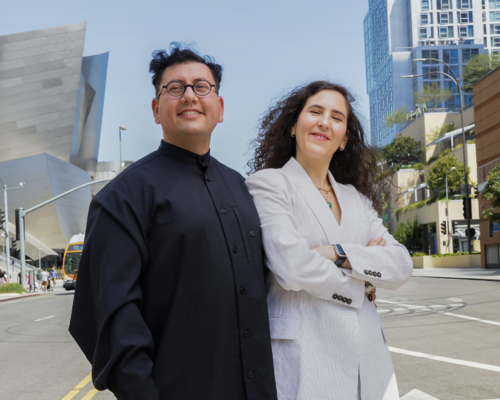
'Data chocolate', dreams made real and artworks shaped by visitors’ emotions: Refik Anadol’s AI art museum launches in Los Angeles
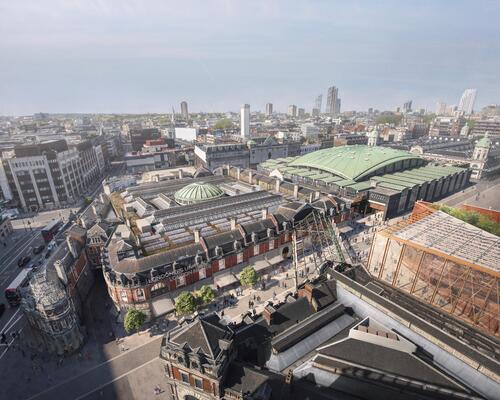
London Museum reveals 2026 opening date for new Smithfield home
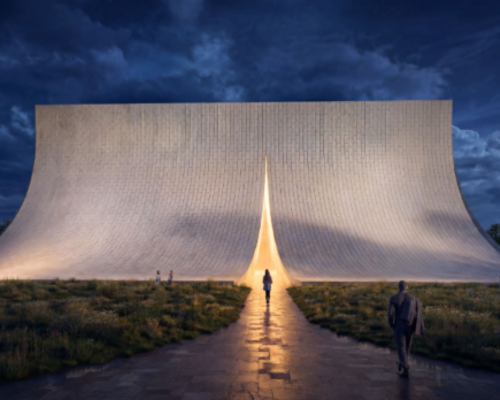
BIG unveils Eve Music Hall as Croatia venue nears completion
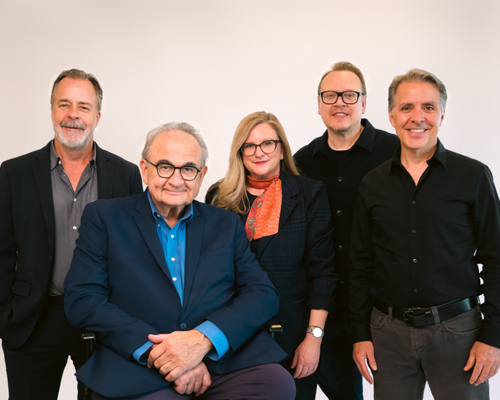
Bob Rogers hands BRC to long-serving leadership team
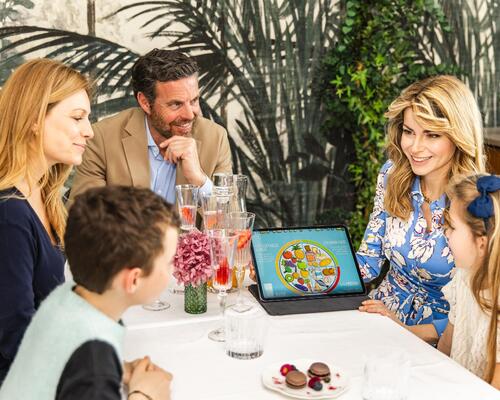
Palazzo di Varignana launches family wellbeing and longevity retreat in Emilia Romagna
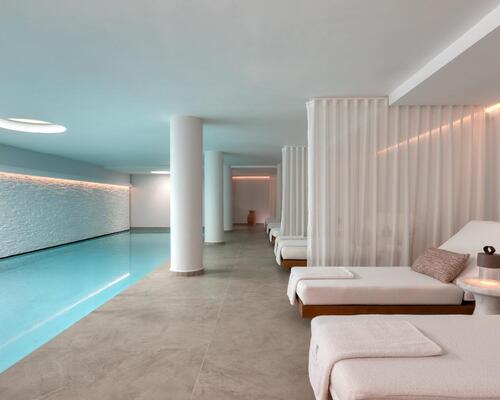
Anasa Wellness and Spa debuts at Patmos Aktis as it joins Marriott
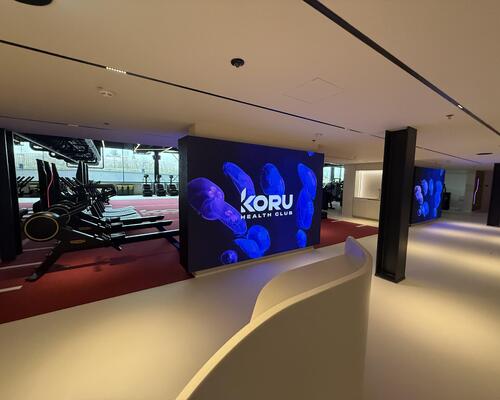
Design-led Koru Health Club combines high-performance training with recovery

Wellness care hospital opens in Vilnius with innovative spa and hospitality concept

Universal and Puy du Fou projects point to rise of Oxford–Cambridge corridor
A proposed Puy du Fou development near Bicester and Universal Destinations and Experiences’ planned resort in Bedford are emerging as part of a wider transformation of the Oxford–Cambridge Growth Corridor into a major centre for UK leisure and tourism investment.
For years, the corridor has been associated primarily with science, technology, housing and university-led economic growth. However, the clustering of large-scale visitor attraction projects along the

All-inclusive eco-wellness development Auko to open near Vietnam’s Son Doong caves
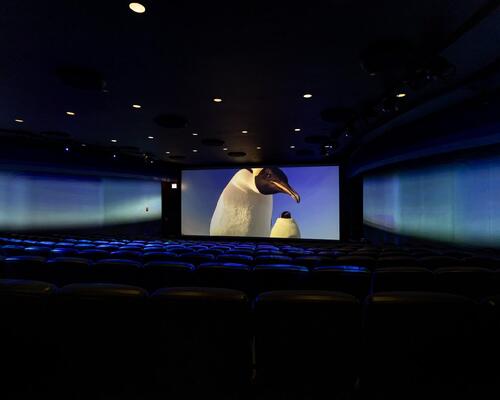
Shedd Aquarium upgrades its visitor experience with new Immersion Theater
Shedd Aquarium has opened the Immersion Theater developed in partnership with SimEx-Iwerks, as part of a wider strategy to enhance the guest experience and create additional revenue opportunities.
The attraction has transformed the aquarium’s Phelps Auditorium into a multi-sensory venue combining panoramic projection, environmental effects and interactive technology.
A new pre-show area allows visitors to engage with augmented reality marine animals before entering the
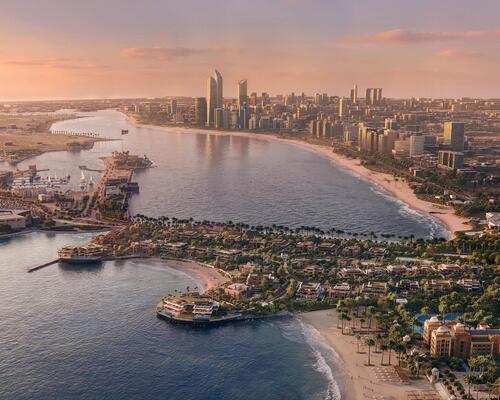
Mandarin Oriental announces standalone Mansions-branded residences for Abu Dhabi



Designed to restore neglected land and renew the identity of Iraq’s capital city, Baghdad Sustainable Forests promises a new way of living surrounded by nature. Gensler’s Ian Mulcahay tells us why he thinks the project could become a model for the repair and enhancement of urban centres