Hungarian studio prevail in architecture competition for Budapest's Museum of Ethnography


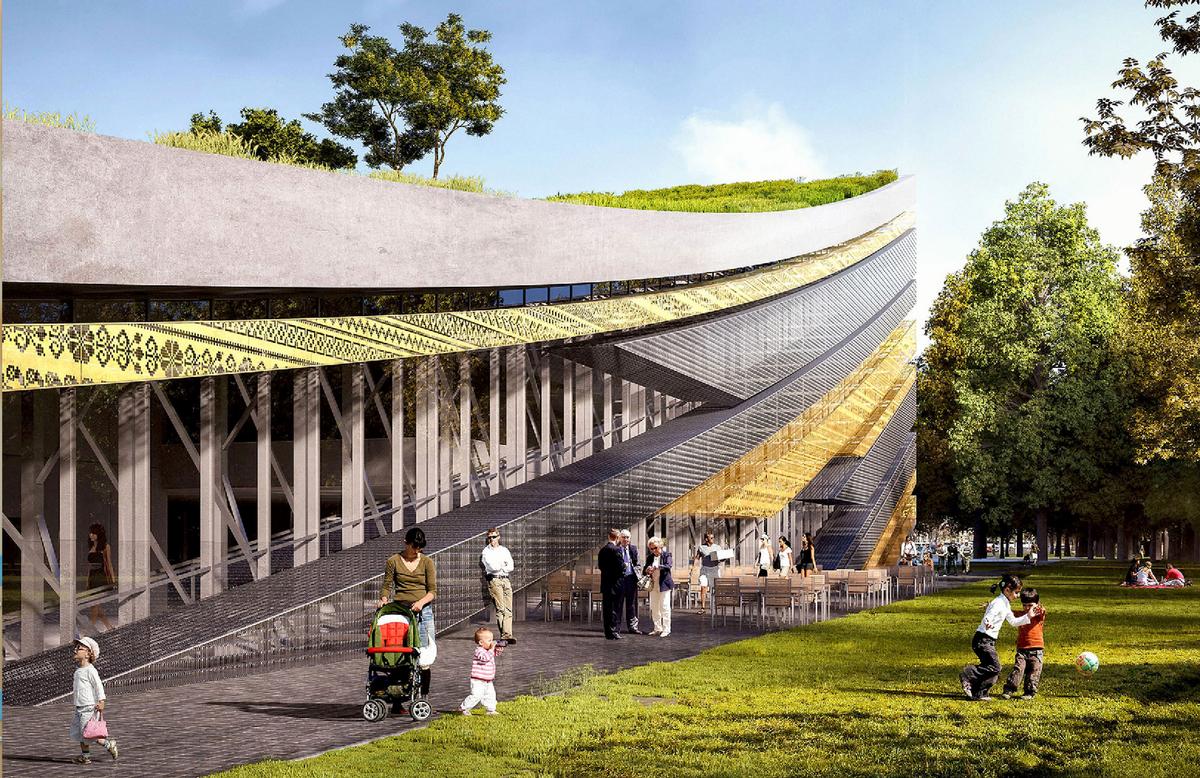
Hungarian architects Napur have won the international design competition to design the new Museum of Ethnography building in Budapest.
The firm – who worked in collaboration with architects and designers Rudolf Mihály, Orfi József, Bodonyi Csaba, Dávid Papp and Exon 2000 – overcame high-profile competition from 14 other design teams, including the likes of MVRDV, Bjarke Ingels Group (BIG) and the Office for Metropolitan Architecture.
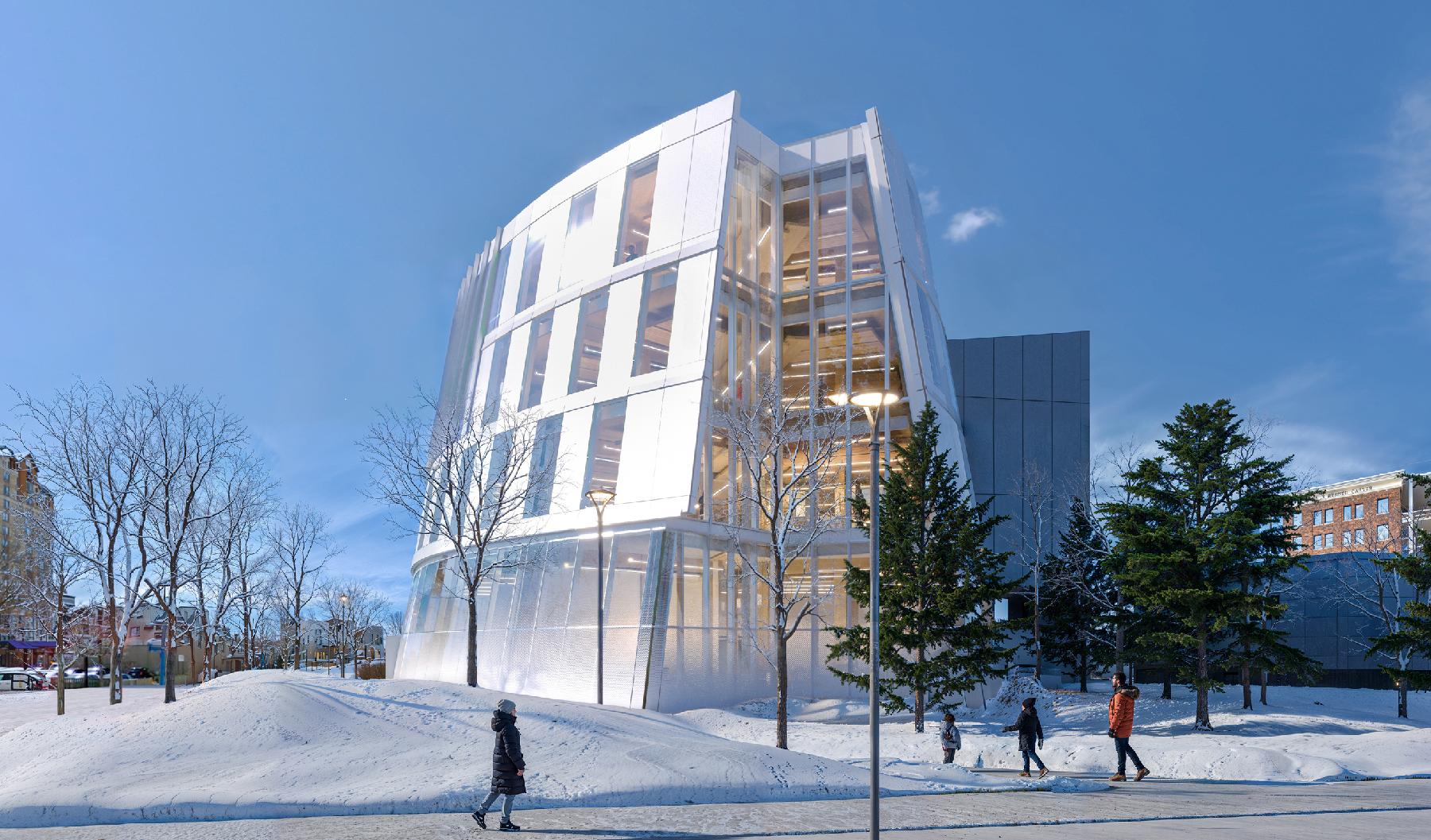
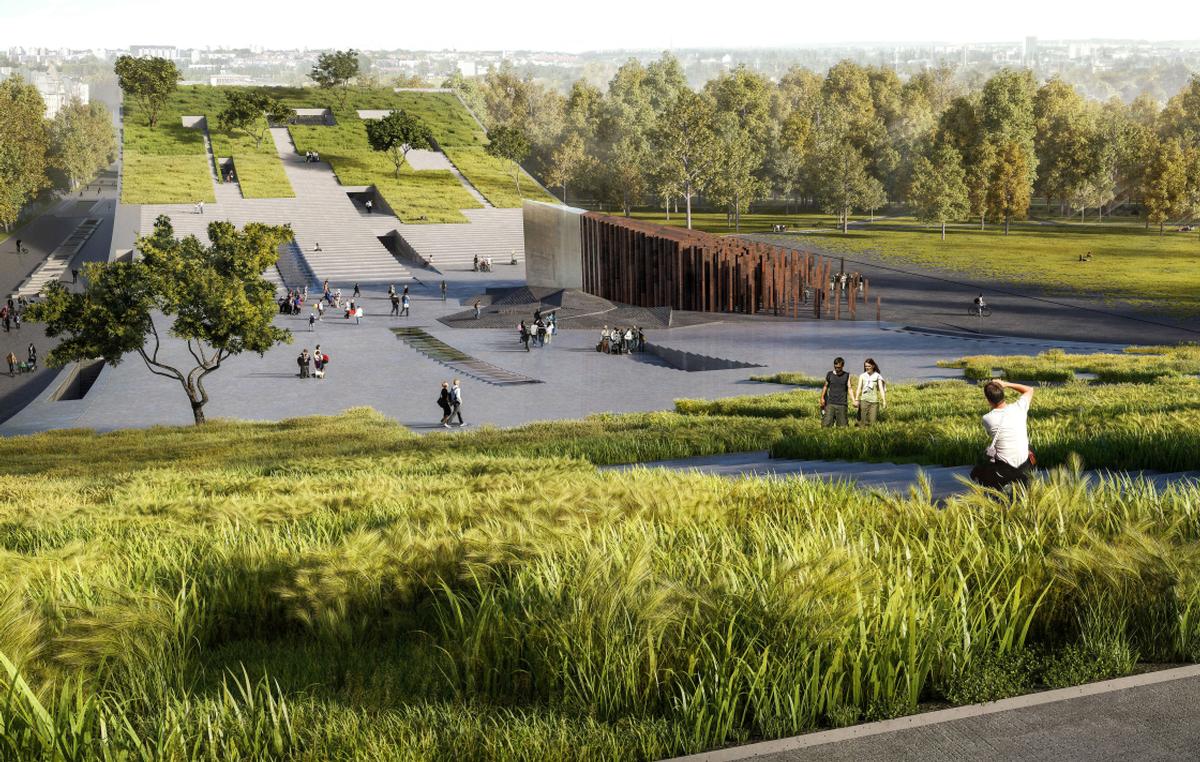
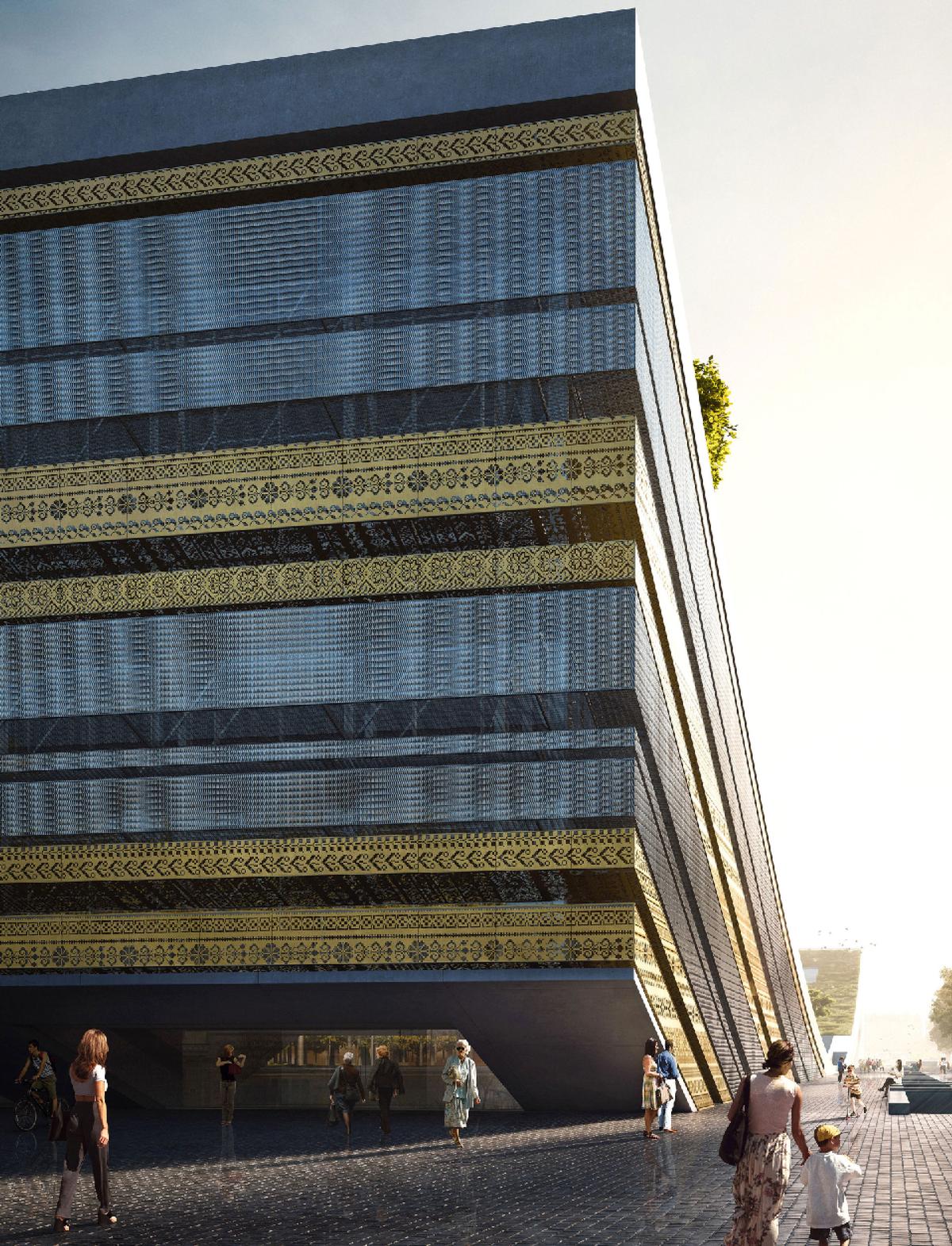
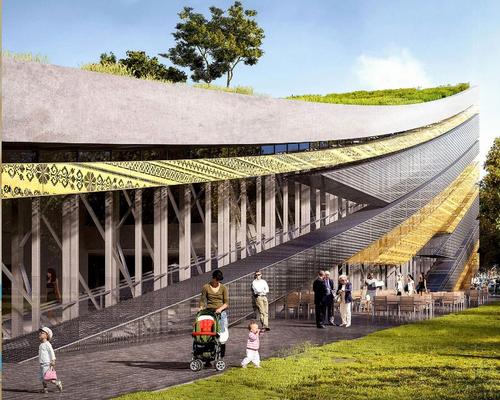
The winning scheme is a gradually curving convex volume with an intricate, partly-golden patterned facade and a grass-covered roof.
The jury, who unanimously selected Napur's scheme, said: "This emblematic building distinguished by clear outlines might well become iconic internationally. In regard to the museum’s operation, the submitted project fully satisfies the technological requirements and those linked to the collection. It was valued as one of the best from the perspective of sustainability too."
Napur senior architects Marcel Ferencz and György Détári told CLAD: “It’s a great feeling to be honoured with a first prize in an international competition. We did not expect it. Our first goal was just to find a correct form for the place.
“Innovation for us does not mean for us to use new technologies or new materials. It’s using common structures and materials to achieve the dreamt of architectural effect.”
The building will house a collection of more than 200,000 ethnographic artefacts and 400,000 historical documents.
The jury ranked the designs of Sauerbruch Hutton and BIG in second and third place, respectively. They will share a prize money pot of €400,000 (US$429,000, £293,000) with the winners.
Last year, French studio Vallet de Martinis DIID Architects won a competition to design a new home for the museum, but the competition was rerun after the prospective site of the project was changed.
The Museum of Ethnography is a major component of a wider HUF75bn (US$277m, €235m, £183m) museum quarter scheme in Budapest’s City Park.
Other museums in the area will include the House of Hungarian Music designed by Sou Fujimoto, the New National Gallery by SANAA and the Museum of Hungarian Architecture by KÖZTI Architects & Engineers.
The quarter has been projected to draw an extra 300,000 tourists to Budapest every year, as the city tries to compete with other popular culture destinations across Europe, such as Prague and Barcelona.
Construction on the museums is expected to begin in 2018 at the latest.
Hungary Budapest Museum of Ethnography architecture competition Napur Architect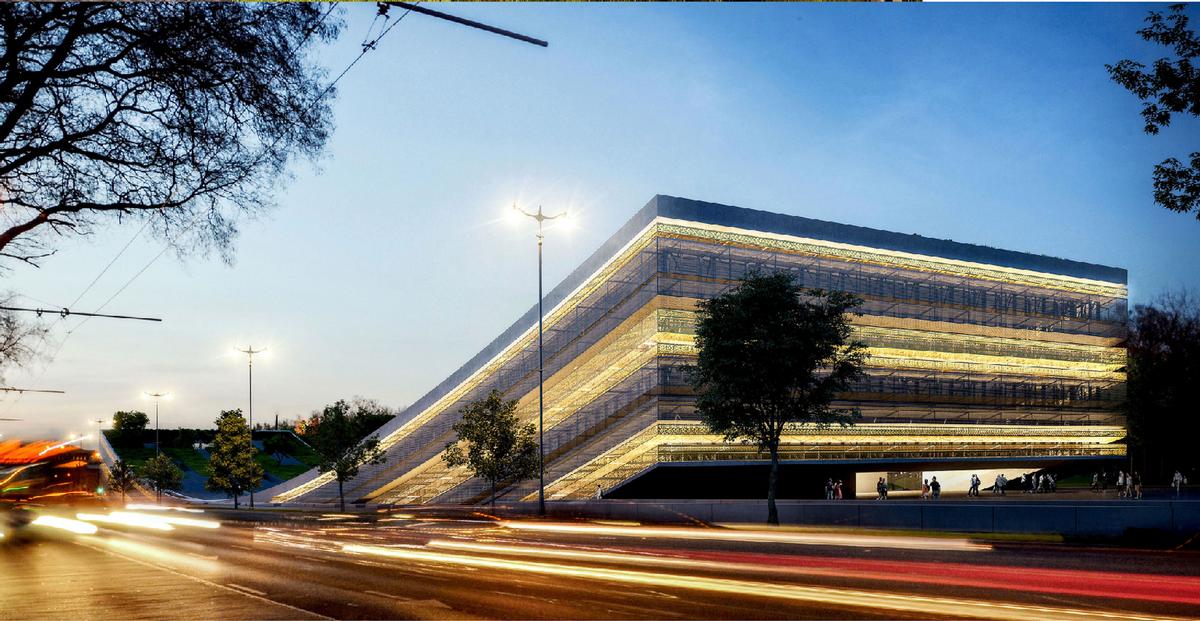
BIG, OMA and Herzog & de Meuron in the running to design a home for Budapest's Museum of Ethnography
Snøhetta and SANAA are head to head in final competition for Budapest's Ludwig Museum job
Budapest finalises plans for US$277m cultural museum quarter
AI firm Midjourney enters wellness with spa, fitness and body scanning concept
Hot spring wellness community Ameyalli sells residences and breaks ground on resort and spa

OMA completes New Museum transformation with landmark expansion and Oberon restaurant
OMA has completed a major transformation of New York's New Museum, creating a larger cultural campus that combines expanded exhibition spaces with learning, performance, hospitality and public programming. The latest addition, Oberon, extends the visitor experience beyond the gallery, reflecting a growing trend for museums to become all-day destinations.
The New Museum in New York has entered a new chapter with the completion of a major
David Rockwell creates immersive magic destination, The Hand and The Eye
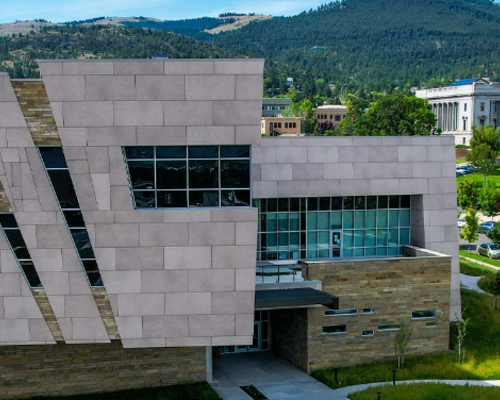
Montana Heritage Center by Cushing Terrell opens after US$107 million investment

Universal launches new theme park model with Kids Resort
'Minor wellness hotels' recorded the strongest growth across top KPIs in 2025, finds RLA Global
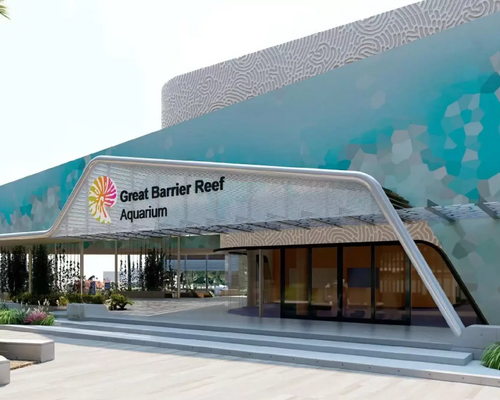
Great Barrier Reef attraction set for AU$180 million reinvention
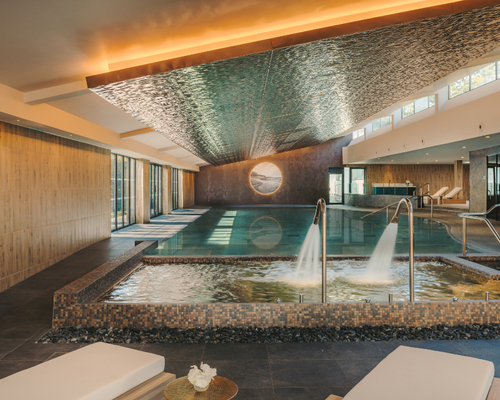
Fairmont Cheshire, The Mere, has architecture by Leach Rhodes Walker and interiors by Bergman Design House.
Marriott International partners with Fitwel for wellness solutions across its residential portfolio
Preidlhof Luxury DolceVita Resort to unveil new spa in February 2027
Places Leisure is working with Roberts Limbrick to build £60m wellness flagship in Basingstoke

Hoshino Resorts opens Kai Kusatsu as it expands the Kai onsen ryokan brand
Qiddiya and Populous share details of Saudi Arabia’s National Tennis Centre

Disney confirms US$30 billion investment programme as it highlights its economic impact
Until combines multiple disciplines at new Canary Wharf club
Sea Lanes opens following a partnership between The Eden Project and Canary Wharf Group
Bas Smets brings water and wilderness to Vitra
Expo 2030 Riyadh will create a permanent global destination
Luxury resort coming to Hunter Valley will have longevity spa
'Data chocolate', dreams made real and artworks shaped by visitors’ emotions: Refik Anadol’s AI art museum launches in Los Angeles
London Museum reveals 2026 opening date for new Smithfield home
BIG unveils Eve Music Hall as Croatia venue nears completion
Bob Rogers hands BRC to long-serving leadership team

Palazzo di Varignana launches family wellbeing and longevity retreat in Emilia Romagna
Anasa Wellness and Spa debuts at Patmos Aktis as it joins Marriott
Design-led Koru Health Club combines high-performance training with recovery

Wellness care hospital opens in Vilnius with innovative spa and hospitality concept

Universal and Puy du Fou projects point to rise of Oxford–Cambridge corridor
A proposed Puy du Fou development near Bicester and Universal Destinations and Experiences’ planned resort in Bedford are emerging as part of a wider transformation of the Oxford–Cambridge Growth Corridor into a major centre for UK leisure and tourism investment.
For years, the corridor has been associated primarily with science, technology, housing and university-led economic growth. However, the clustering of large-scale visitor attraction projects along the

All-inclusive eco-wellness development Auko to open near Vietnam’s Son Doong caves



Designed to restore neglected land and renew the identity of Iraq’s capital city, Baghdad Sustainable Forests promises a new way of living surrounded by nature. Gensler’s Ian Mulcahay tells us why he thinks the project could become a model for the repair and enhancement of urban centres