GWI Q&A: Canyon Ranch’s Nicola Finley talks inequality and the black community’s concept of wellness
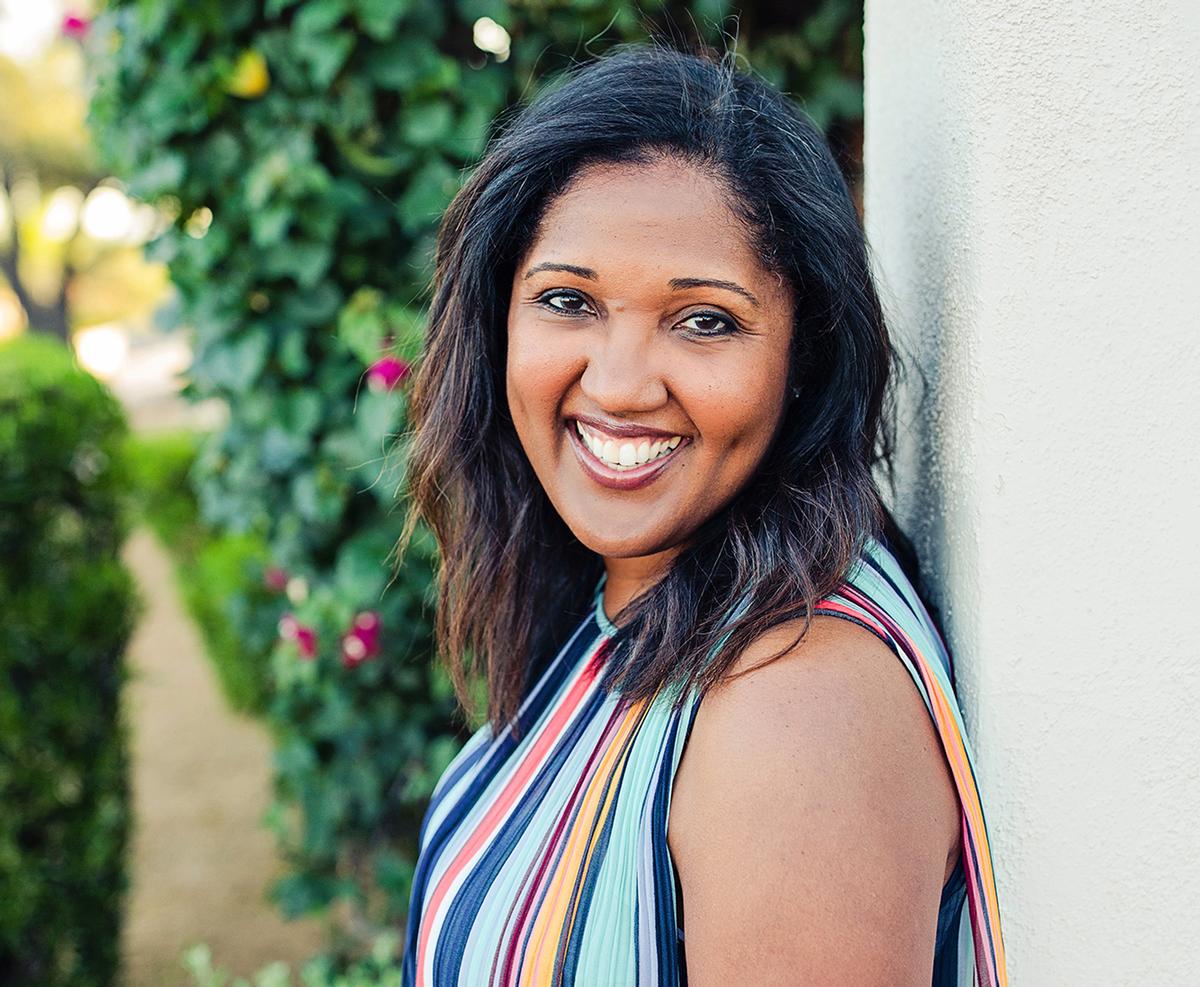
Dr Nicola Finley, doctor and integrative medicine practitioner at Canyon Ranch, Tucson, spoke with GWI’s VP of research and forecasting, Beth McGroarty, for the latest instalment of the PositivelyWell Q&A series.
Finley focused on inequality in wellness for communities, looked at how women of colour are served by the industry and shed more light on the black community’s concept of wellness.
Spa Business has rounded up key points from the interview before the full version is broadcast later this week.
Inequality in wellness
According to Finley, many people of colour have not felt seen, heard or valued by the wellness industry.
They may feel unwelcome in the wellness sector because it’s so homogenous, she says – to the point where the spa and wellness industry has neglected to embrace the large and profitable market represented by black and Latina women.
“Places are more welcoming when everyone is not the same race, age, body type and/or socioeconomic background and there is diversity – in terms of race, gender, body type, age or disability. This really helps,” she said.
Moreover, Finley says that as a black woman, she feels spas don’t generally cater to the needs of diverse communities.
She gives the example of having to bring her own shampoo and conditioner to spas, because what they provide isn’t moisturising enough for her hair. Makeup services also often don’t offer colours that work for her skin tone.
“It’s hard to understand: they want me as a customer, and yet they're not demonstrating that,” she explained.
“These are little things, but little things add up to something big. If companies want to tap into and serve these lucrative markets, we need to take the next step and have people of colour in leadership roles where they’re in a position to make changes and decisions.”
Integrative wellnessFinley proposed that COVID-19 has underlined the need to embrace integrative medicine, because it addresses the whole person – including their body, mind and spirit – which could help address inequality within wellness.
The integrative model holds that a person’s ethnicity, environment, emotions, family structure, and lifestyle (whether access to exercise or healthy food) have a huge impact on their health.
She also believes wellness professionals and doctors should be trained in and practice cultural humility. Meaning they’re not only taught about other cultures, but also how to practice self-reflection and apply a self-critique to their own implicit biases and how that impacts their behaviour.
“Working on cultural humility is crucial in the wellness space because there’s just not enough diversity among providers yet, “ she explains.
“For instance, dieticians and nutritionists are overwhelmingly not from communities of colour. But practitioners can take better care of diverse and vulnerable populations if they practice cultural humility in addition to cultural competency.”
Finley feels that in order to bridge the health/wellness inequality gap, the industry also needs to help educate underserved populations to become health-literate and aware of the importance of prevention.
Different concepts of wellness
In general, she says she has found that communities of colour embrace a more integrative concept of health – not just traditional medicine, but also a greater openness to natural and alternative approaches.
She told McGroarty that black communities’ concept of wellness in particular, very often has ‘spirituality at the centre’.
However, she highlighted that the narrative surrounding wellness needs to change for these communities, in order for them to embrace it.
More people of colour would explore wellness if they didn’t assume it was a luxury, but instead saw it as an important way of taking care of themselves with self-care practices.
COVID-19 and the wellness marketIn Finley’s opinion, COVID-19 has made wellness a stronger market and something that’s become central to more people’s lives, especially because more people are working from home.
She believes this means people aren’t turning off from work, which could lead to more stress.
“People may need to reinvent new approaches to achieve work-life balance and self-care is going to be needed so much more.”
Finley believes that wellness offers a solution to help people cope with common impacts on wellbeing from the pandemic, in particular because it's specialised to help anxiety and improve sleep and mental wellbeing.
“COVID-19 may be unleashing so much uncertainty, but the need for “more wellness” in our future seems quite certain,” she concluded.
To read the whole interview and hear why Finley firmly believes dance is a crucial wellness practice, visit the GWI website later this week.
Canyon Ranch Nicola Finley Beth McGroarty GWI equalityJames Nestor to deliver keynote speech at GWS 2020 in November
GWS announces venue change – will be held at The Breakers, Florida
Global Wellness Institute joins Vatican's COVID-19 Commission working group
PositivelyWell Q&A explores COVID-19 impact with architect Bill Bensley
AI firm Midjourney enters wellness with spa, fitness and body scanning concept


Hot spring wellness community Ameyalli sells residences and breaks ground on resort and spa

OMA completes New Museum transformation with landmark expansion and Oberon restaurant
OMA has completed a major transformation of New York's New Museum, creating a larger cultural campus that combines expanded exhibition spaces with learning, performance, hospitality and public programming. The latest addition, Oberon, extends the visitor experience beyond the gallery, reflecting a growing trend for museums to become all-day destinations.
The New Museum in New York has entered a new chapter with the completion of a major
David Rockwell creates immersive magic destination, The Hand and The Eye
Montana Heritage Center by Cushing Terrell opens after US$107 million investment

Universal launches new theme park model with Kids Resort
'Minor wellness hotels' recorded the strongest growth across top KPIs in 2025, finds RLA Global
Great Barrier Reef attraction set for AU$180 million reinvention
Fairmont Cheshire, The Mere, has architecture by Leach Rhodes Walker and interiors by Bergman Design House.
Marriott International partners with Fitwel for wellness solutions across its residential portfolio
Preidlhof Luxury DolceVita Resort to unveil new spa in February 2027
Places Leisure is working with Roberts Limbrick to build £60m wellness flagship in Basingstoke
Hoshino Resorts opens Kai Kusatsu as it expands the Kai onsen ryokan brand
Qiddiya and Populous share details of Saudi Arabia’s National Tennis Centre

Disney confirms US$30 billion investment programme as it highlights its economic impact
Until combines multiple disciplines at new Canary Wharf club
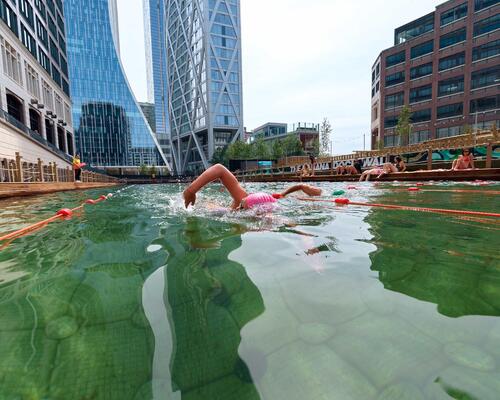
Sea Lanes opens following a partnership between The Eden Project and Canary Wharf Group
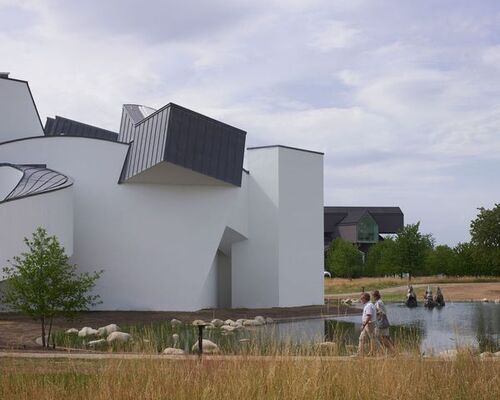
Bas Smets brings water and wilderness to Vitra
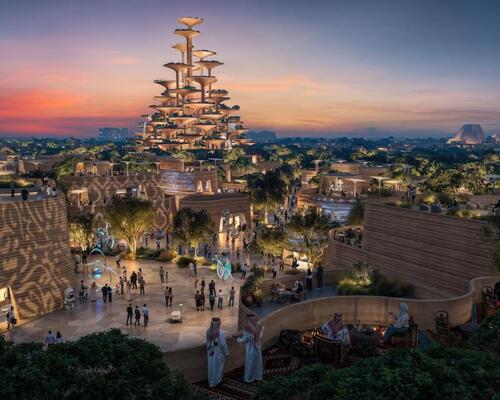
Expo 2030 Riyadh will create a permanent global destination
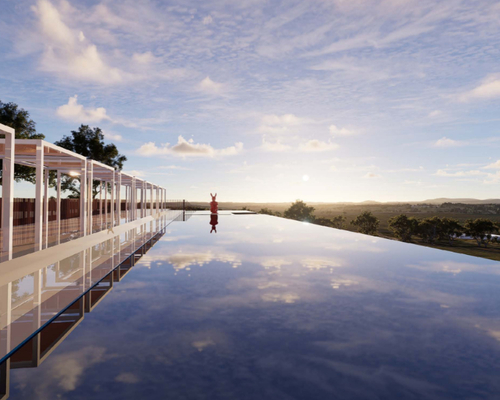
Luxury resort coming to Hunter Valley will have longevity spa
'Data chocolate', dreams made real and artworks shaped by visitors’ emotions: Refik Anadol’s AI art museum launches in Los Angeles
London Museum reveals 2026 opening date for new Smithfield home
BIG unveils Eve Music Hall as Croatia venue nears completion
Bob Rogers hands BRC to long-serving leadership team
Palazzo di Varignana launches family wellbeing and longevity retreat in Emilia Romagna
Anasa Wellness and Spa debuts at Patmos Aktis as it joins Marriott
Design-led Koru Health Club combines high-performance training with recovery

Wellness care hospital opens in Vilnius with innovative spa and hospitality concept

Universal and Puy du Fou projects point to rise of Oxford–Cambridge corridor
A proposed Puy du Fou development near Bicester and Universal Destinations and Experiences’ planned resort in Bedford are emerging as part of a wider transformation of the Oxford–Cambridge Growth Corridor into a major centre for UK leisure and tourism investment.
For years, the corridor has been associated primarily with science, technology, housing and university-led economic growth. However, the clustering of large-scale visitor attraction projects along the

All-inclusive eco-wellness development Auko to open near Vietnam’s Son Doong caves




Designed to restore neglected land and renew the identity of Iraq’s capital city, Baghdad Sustainable Forests promises a new way of living surrounded by nature. Gensler’s Ian Mulcahay tells us why he thinks the project could become a model for the repair and enhancement of urban centres