Exclusive: Bjarke Ingels on how he's turning the traditional zoo inside-out with cageless concept


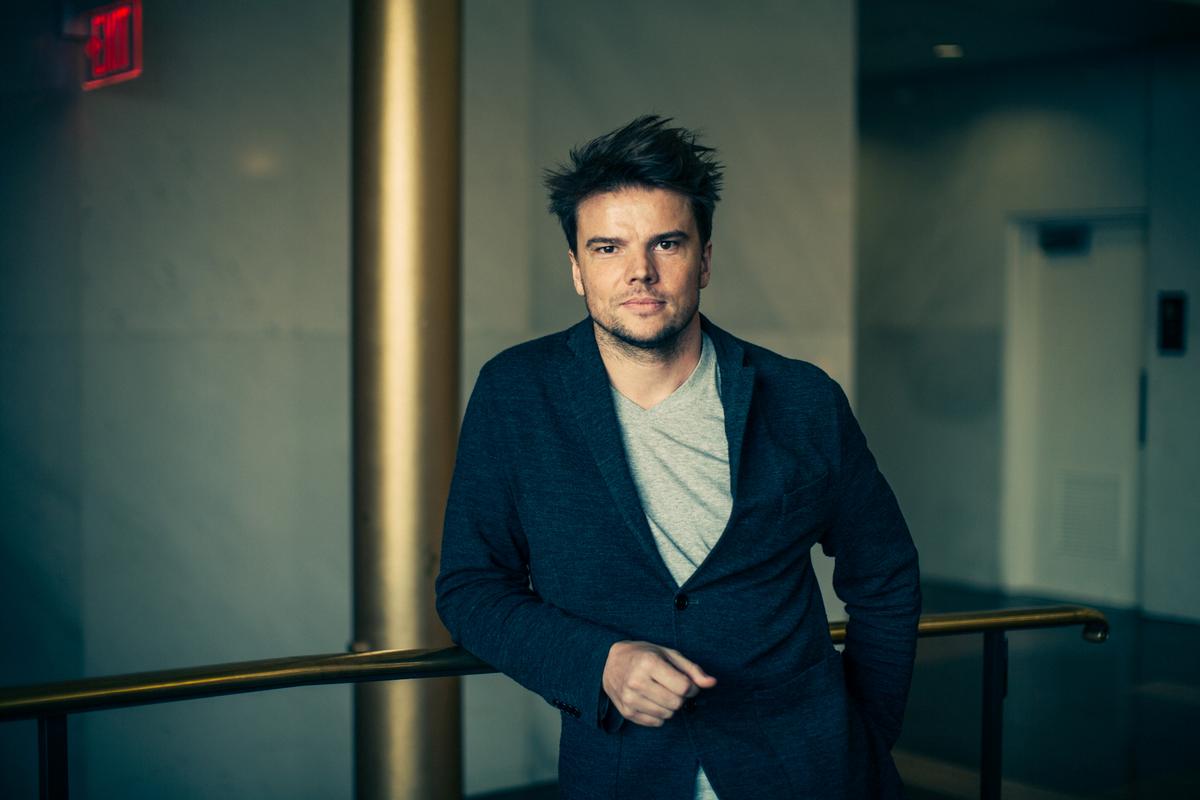
Bjarke Ingels has said that his upcoming zoo project in Givskud, Denmark, will completely reimagine the traditional format, doing away with cages and revolutionising the relationship between the zoo’s visitors and its inhabitants.
Ingels, founding architect of his own practice, BIG, created designs for Denmark’s Zootopia – a hybrid of a traditional zoo and a safari based on the concept of a completely cageless experience.
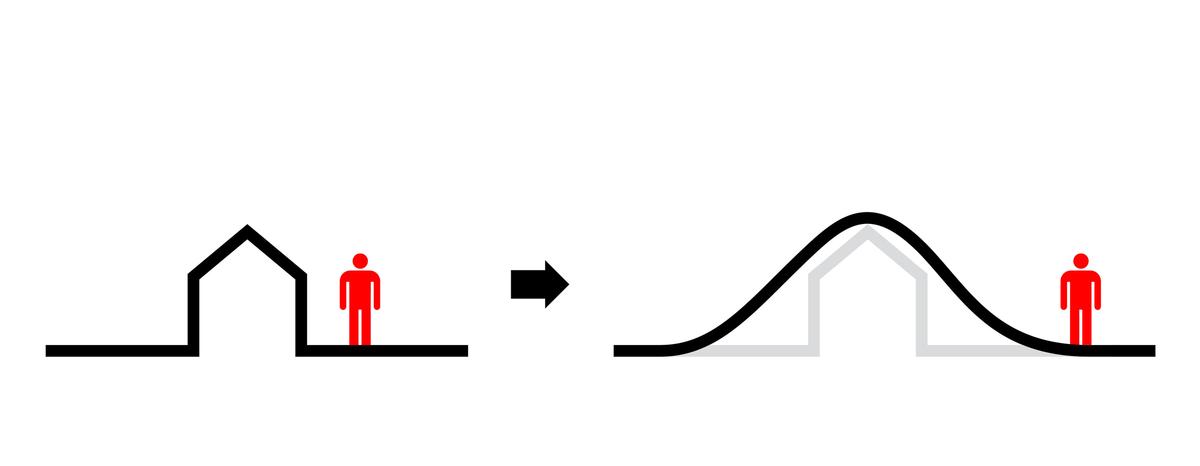
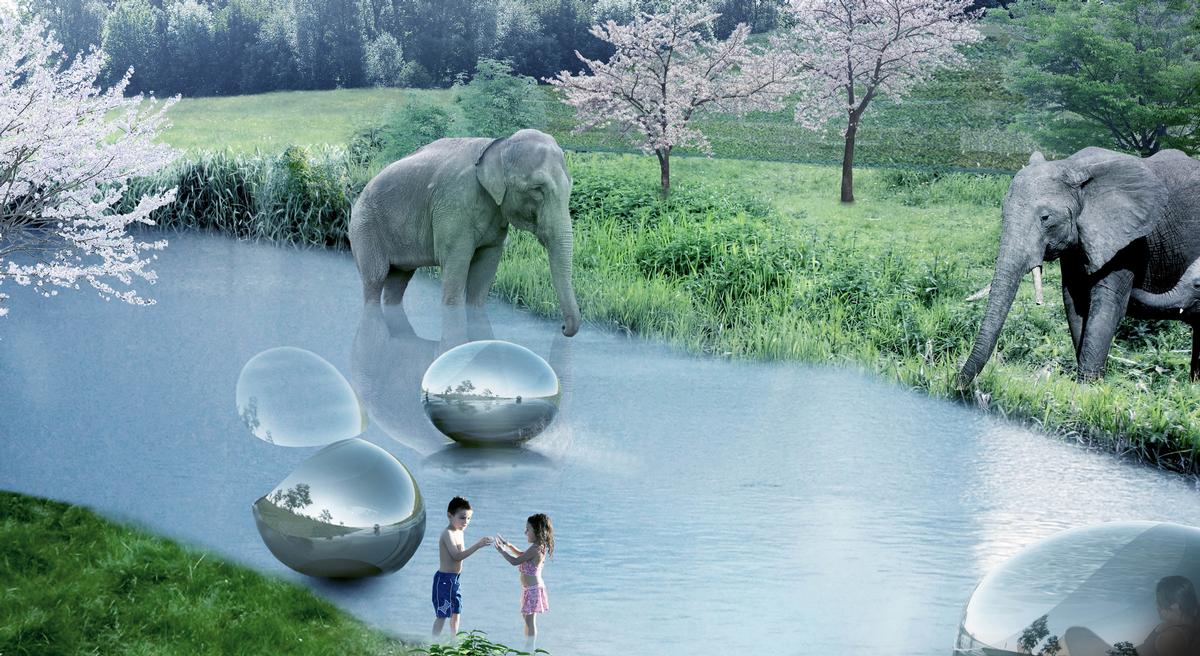
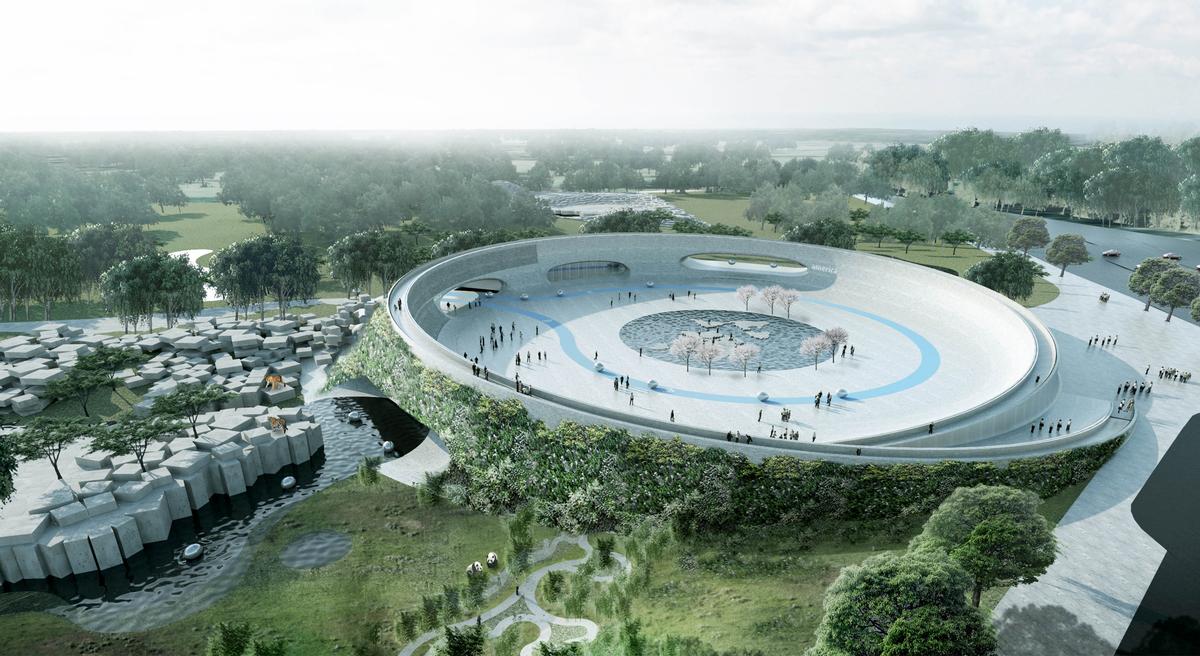
“Essentially the idea is to interface with animals in completely new ways,” said Ingels speaking exclusively to CLAD. “What we’ve tried to do is eliminate all traces of human architecture, so there are no buildings. This means no Chinese pagodas or African huts. Instead you’ll see rolling hills growing over the areas where the animals retreat when winter comes in Denmark; combinations of level changes; and trenches with water where the depth prevents certain animals from crossing.”
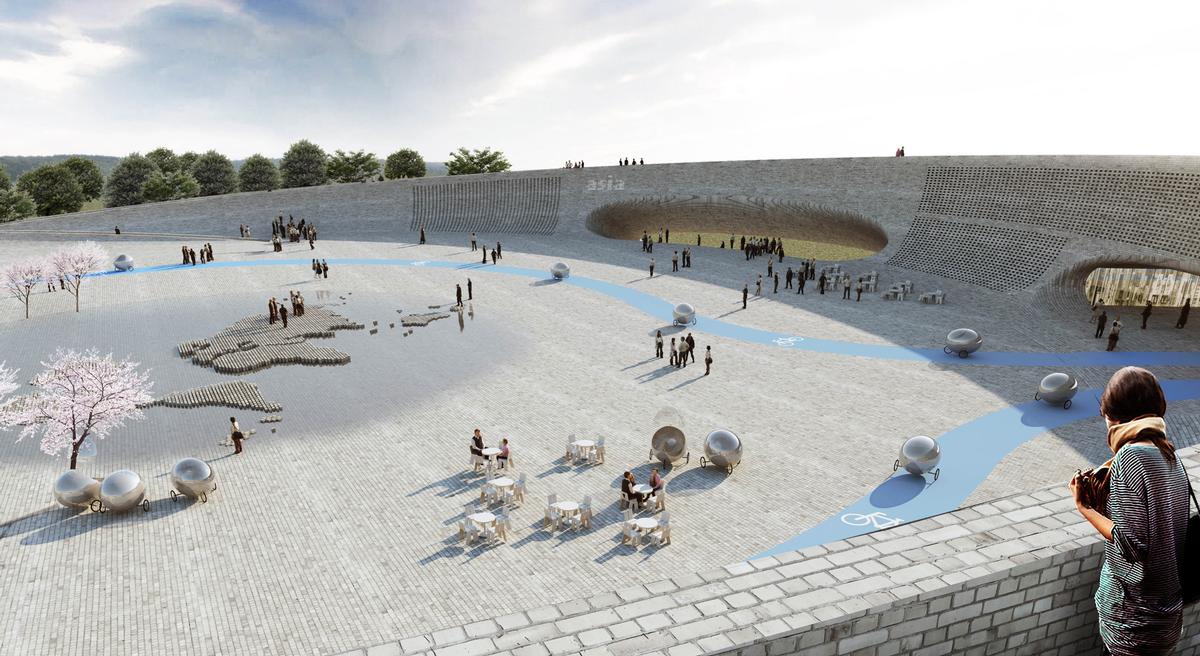
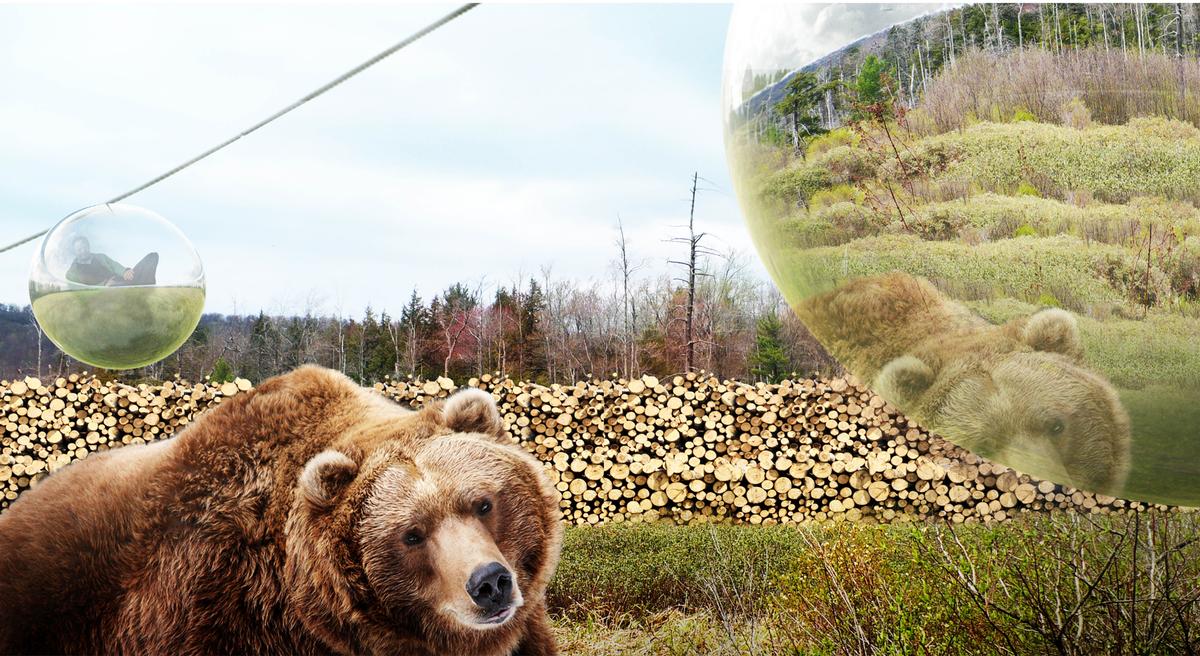
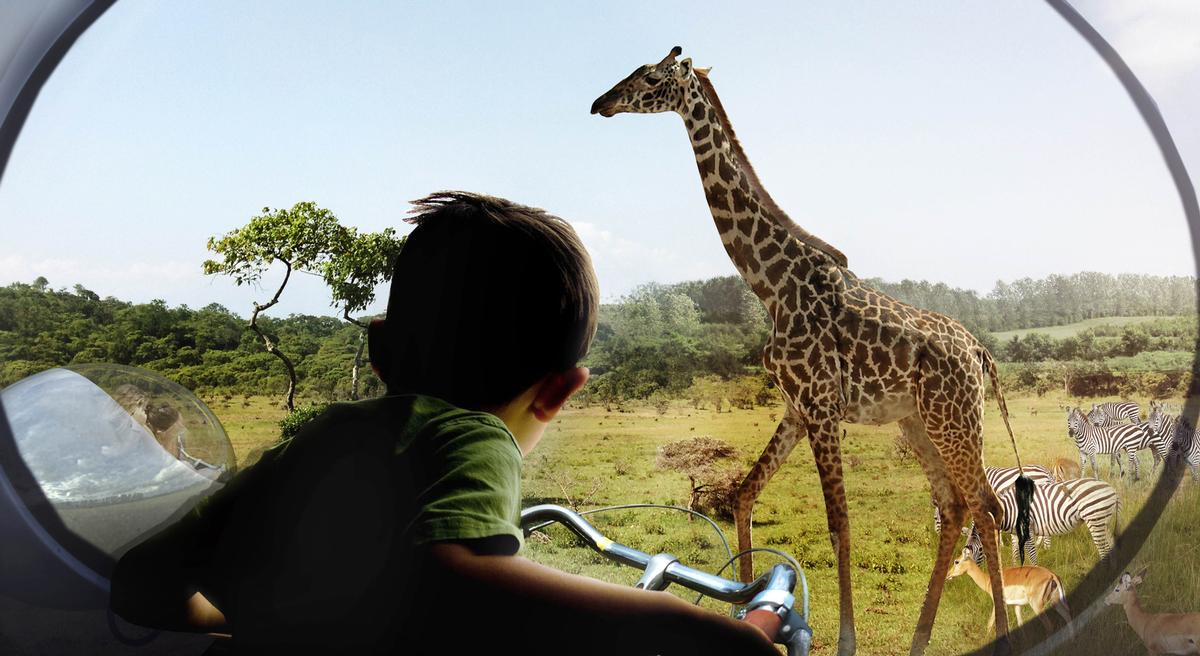
On entering the 1,200,000sq m (3,937,007sq ft) Zootopia, visitors will arrive in a central plaza resembling a giant crater. Visitors will be able to walk along the rim of this crater and get views out across the Zootopia landscape, which will be divided into three zones: America, Asia and Africa. Each region will offer different methods of exploration, starting in Asia where guests can travel on water, cycle through the Africa area and then take a cable car through America. There will also be the option of taking a 4km (2.5m) hike through all three continents.
“The zoo’s aim is to be a place where visitors don’t notice the barriers between them and the animals, turning the traditional zoo inside-out,” continued Ingels.
“Zootopia will only have social animals. A lot of people associate zoos with lonesome animals in small cages, all going crazy from boredom and claustrophobia. When you have a social zoo however, you can have a big group of animals together in a habitat that resembles the way they would live in the wild. In this case, the brief created a natural starting point for our design; the continuous and diverse landscape seamlessly serves animal and human needs.”
The first phase of the project is expected to be completed in 2019 to coincide with the park's 50th anniversary. For more from Bjarke Ingels, an exclusive profile will be available in the Q3 2015 edition of Attractions Management, out next week.

Bjarke Ingels unveils plans to turn Battersea chimneys into Tesla coils
Bjarke Ingels' maritime-themed building will connect to James Corner’s 'healthy lifestyle' park in Philadelphia, with hammock grove and flowering meadows
BJARKE INGELS VIDEO: From roof gardens to basketball courts, BIG's designs for 2 WTC
Bjarke Ingels, Renzo Piano and other top architects take part in Lego art project at New York’s High Line
Bjarke Ingels finishes project at his old high school with addition of a sunken arts building
Webinar will explain the vision behind BIG's Dryline scheme for New York City
See inside Bjarke Ingels' W57 building in New York City
Generating leisure: BIG reveals power plant that doubles as an attraction
Could BIG's Dryline be New York's next High Line?
BIG gets bigger
Leisure defines Bjarke Ingels’ Europa City masterplan
BIG to design freedom-focused safari experience for Givskud Zoo, Denmark
AI firm Midjourney enters wellness with spa, fitness and body scanning concept
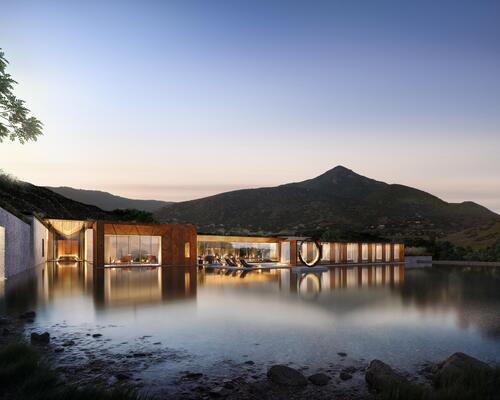
Hot spring wellness community Ameyalli sells residences and breaks ground on resort and spa

OMA completes New Museum transformation with landmark expansion and Oberon restaurant
OMA has completed a major transformation of New York's New Museum, creating a larger cultural campus that combines expanded exhibition spaces with learning, performance, hospitality and public programming. The latest addition, Oberon, extends the visitor experience beyond the gallery, reflecting a growing trend for museums to become all-day destinations.
The New Museum in New York has entered a new chapter with the completion of a major
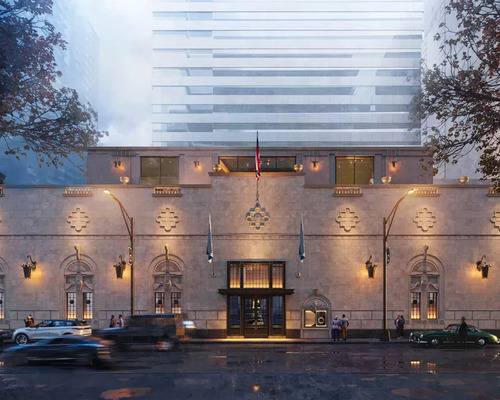
David Rockwell creates immersive magic destination, The Hand and The Eye
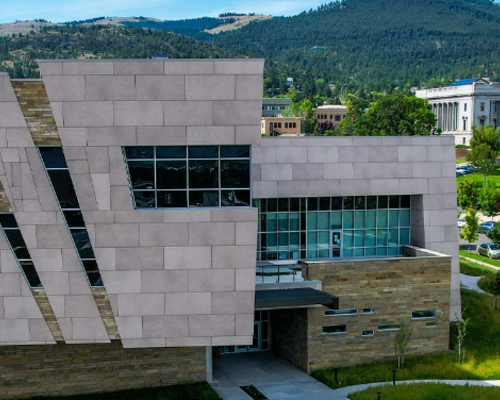
Montana Heritage Center by Cushing Terrell opens after US$107 million investment
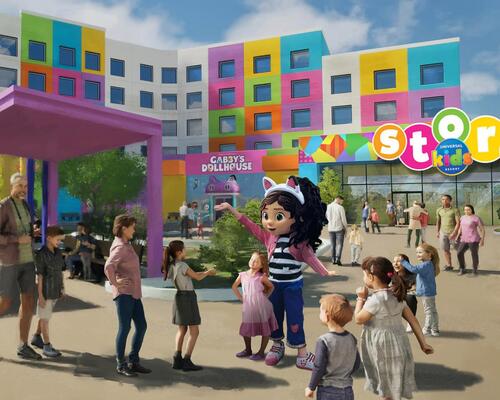
Universal launches new theme park model with Kids Resort
'Minor wellness hotels' recorded the strongest growth across top KPIs in 2025, finds RLA Global
Great Barrier Reef attraction set for AU$180 million reinvention
Fairmont Cheshire, The Mere, has architecture by Leach Rhodes Walker and interiors by Bergman Design House.
Marriott International partners with Fitwel for wellness solutions across its residential portfolio
Preidlhof Luxury DolceVita Resort to unveil new spa in February 2027
Places Leisure is working with Roberts Limbrick to build £60m wellness flagship in Basingstoke
Hoshino Resorts opens Kai Kusatsu as it expands the Kai onsen ryokan brand
Qiddiya and Populous share details of Saudi Arabia’s National Tennis Centre
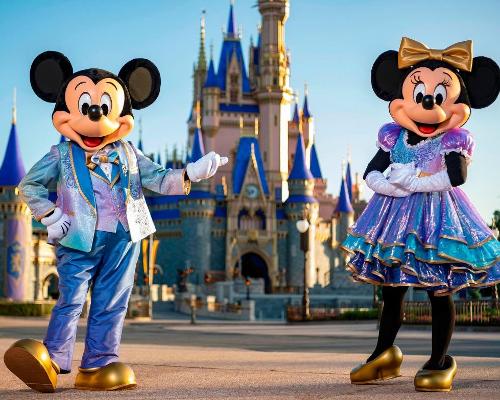
Disney confirms US$30 billion investment programme as it highlights its economic impact
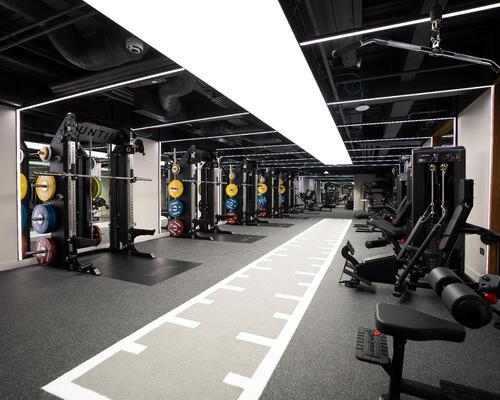
Until combines multiple disciplines at new Canary Wharf club
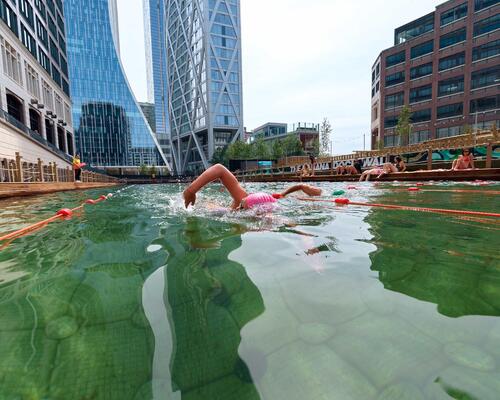
Sea Lanes opens following a partnership between The Eden Project and Canary Wharf Group
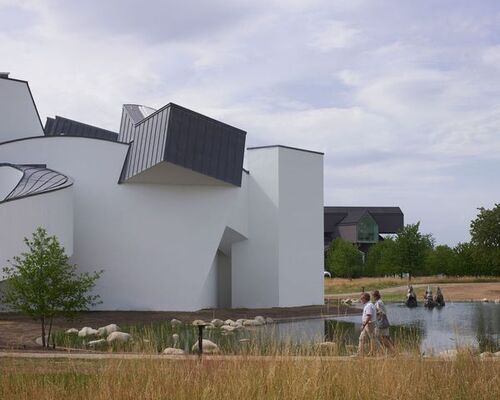
Bas Smets brings water and wilderness to Vitra
Expo 2030 Riyadh will create a permanent global destination
Luxury resort coming to Hunter Valley will have longevity spa
'Data chocolate', dreams made real and artworks shaped by visitors’ emotions: Refik Anadol’s AI art museum launches in Los Angeles
London Museum reveals 2026 opening date for new Smithfield home
BIG unveils Eve Music Hall as Croatia venue nears completion
Bob Rogers hands BRC to long-serving leadership team
Palazzo di Varignana launches family wellbeing and longevity retreat in Emilia Romagna
Anasa Wellness and Spa debuts at Patmos Aktis as it joins Marriott
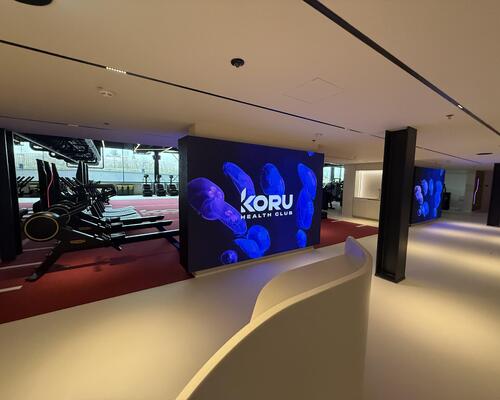
Design-led Koru Health Club combines high-performance training with recovery

Wellness care hospital opens in Vilnius with innovative spa and hospitality concept

Universal and Puy du Fou projects point to rise of Oxford–Cambridge corridor
A proposed Puy du Fou development near Bicester and Universal Destinations and Experiences’ planned resort in Bedford are emerging as part of a wider transformation of the Oxford–Cambridge Growth Corridor into a major centre for UK leisure and tourism investment.
For years, the corridor has been associated primarily with science, technology, housing and university-led economic growth. However, the clustering of large-scale visitor attraction projects along the
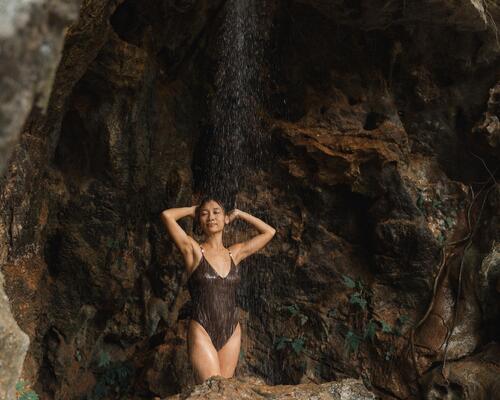
All-inclusive eco-wellness development Auko to open near Vietnam’s Son Doong caves