Clinique La Prairie taps genetic science to refresh signature wellbeing programme

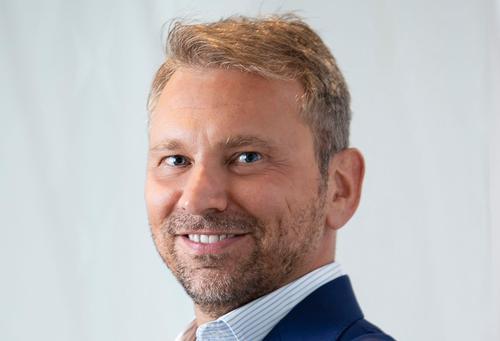
– Simone Gibertoni
Swiss health clinic operator, Clinique La Prairie (CLP), has refreshed its signature Master Detox programme using the power of nutrigenomic science.
Established in 1931, CLP’s original property is located in Montreux, Switzerland, which specialises in integrative medi-wellness treatments focused on four pillars of wellness – medicine, wellbeing, nutrition and movement.
Grouped under the wellbeing bracket, the seven-day master Detox therapy has been updated to focus on personalisation by harnessing the power of genetic, cellular and nutritional science to develop bespoke cleanses under CLP’s new method – called the CLP Genomic Detox.
Claimed to purify the body and boost the gut microbiome, the programme is tailored to guests’ exact DNA and health profile following modern medical testing to identify the best plan based on people’s individual genetic make-up, physiological deficiencies and body type.
The method is based on nutrigenomic science – the field relating to how genetic variations affect the way humans react to nutrients in foods.
The programme begins with an in-depth assessment to analyse DNA, blood levels, physiological imbalances and mineral and metal levels. Guests will then be put on a tailored diet – including a period of liquid fasting and several days of a vegan diet – claimed to help regulate the body’s inflammatory process, reduce toxin load, and boost liver and kidney function.
In addition, individual plans may be customised to include antioxidant supplements and IV infusions exclusively developed by CLP.
Based on participant’s gene-test results, the on-site medical team will also teach guests what lifestyle habits, nutritional decisions or environmental choices are best-suited to them to improve their longterm wellbeing.
CEO of CLP, Simone Gibertoni told Spa Business: “We’ve used this quieter time to optimise our programmes and have been able to create new innovations based on clinical findings, allowing us to improve our treatments for our patients as they return.
“We cannot overestimate the power of preventative medicine, and COVID-19 has really displayed that, when it comes to immunity, prevention is more effective than a cure.”
During the programme, guests will also have access to CLP’s on-site spa for results-focused massages and technologies claimed to draw out toxins and stimulate lymphatic function as well as cryotherapy sessions and indoor and outdoor workouts.
Upon returning home, guests will receive a one-month CLP Genomic Detox cure kit to help them continue the cleansing and purification process at home.
The Master Detox programme includes full-board accommodation and has a starting price of CHF17,200 (US$18,144, £14,579, €16,120) per person.
Clinique La Prairie Simone Gibertoni genetics nutrigenomicsClinique La Prairie announces first business venture in Asia
Clinique La Prairie launches first ‘city hub’ in Madrid
Global expansion plans for Clinique La Prairie
FEATURE: Promotion – Simone Gibertoni: Clinique La Prairie
FEATURE: Everyone’s talking about – DNA testing

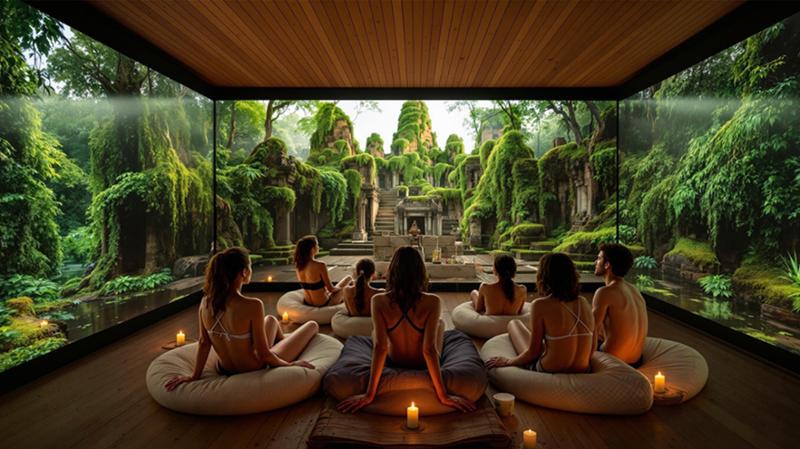
AI firm Midjourney enters wellness with spa, fitness and body scanning concept


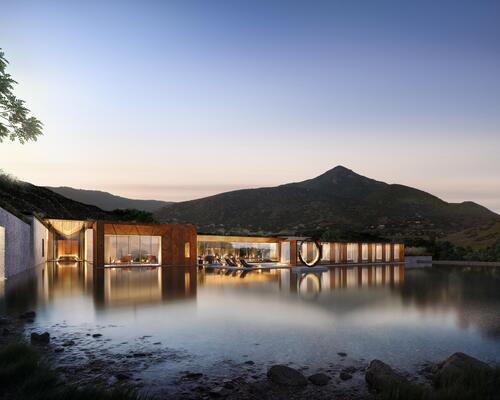
Hot spring wellness community Ameyalli sells residences and breaks ground on resort and spa

OMA completes New Museum transformation with landmark expansion and Oberon restaurant
OMA has completed a major transformation of New York's New Museum, creating a larger cultural campus that combines expanded exhibition spaces with learning, performance, hospitality and public programming. The latest addition, Oberon, extends the visitor experience beyond the gallery, reflecting a growing trend for museums to become all-day destinations.
The New Museum in New York has entered a new chapter with the completion of a major
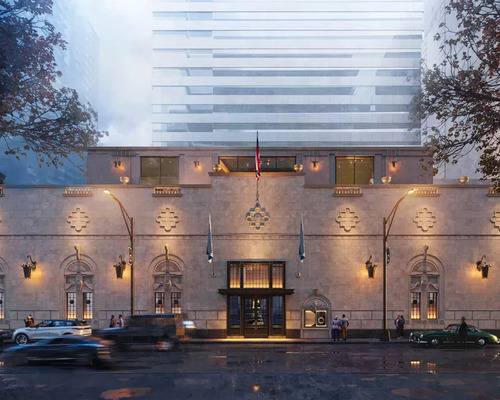
David Rockwell creates immersive magic destination, The Hand and The Eye
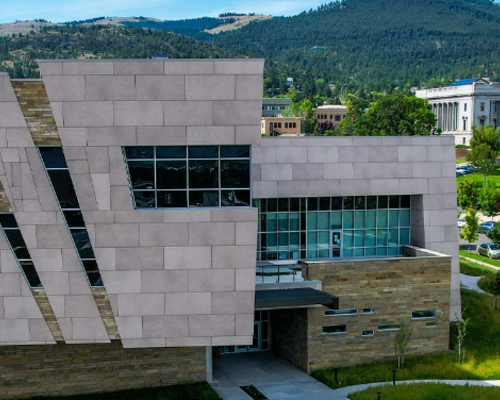
Montana Heritage Center by Cushing Terrell opens after US$107 million investment

Universal launches new theme park model with Kids Resort
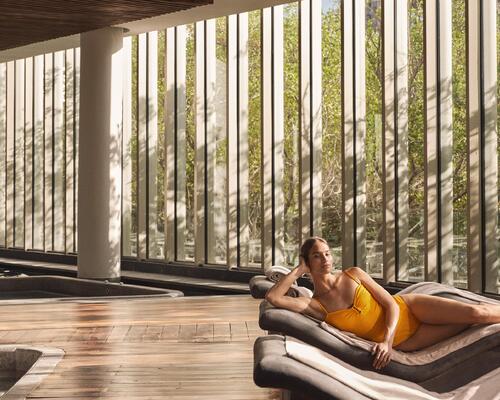
'Minor wellness hotels' recorded the strongest growth across top KPIs in 2025, finds RLA Global
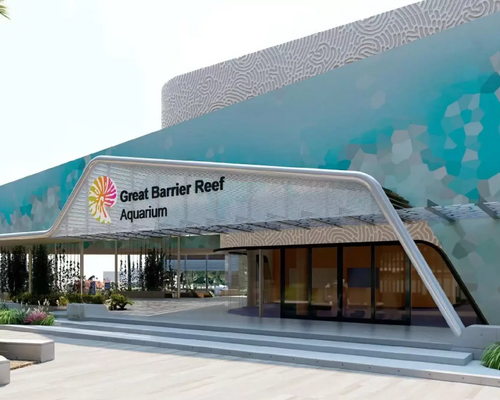
Great Barrier Reef attraction set for AU$180 million reinvention
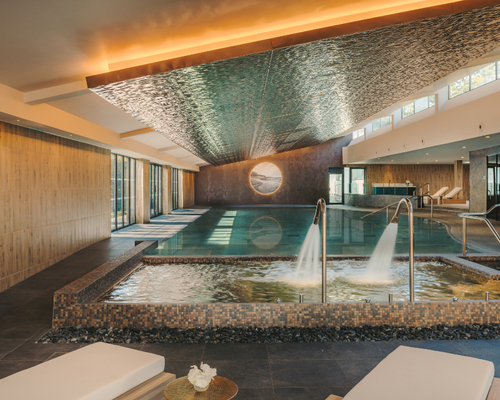
Fairmont Cheshire, The Mere, has architecture by Leach Rhodes Walker and interiors by Bergman Design House.
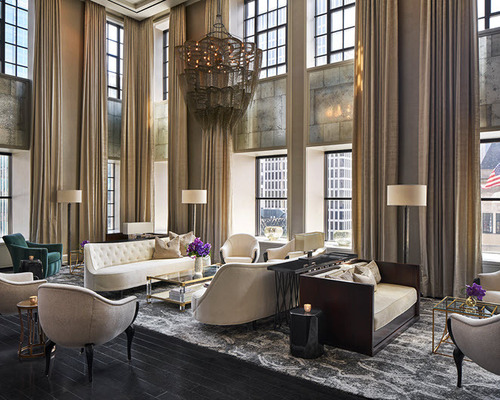
Marriott International partners with Fitwel for wellness solutions across its residential portfolio
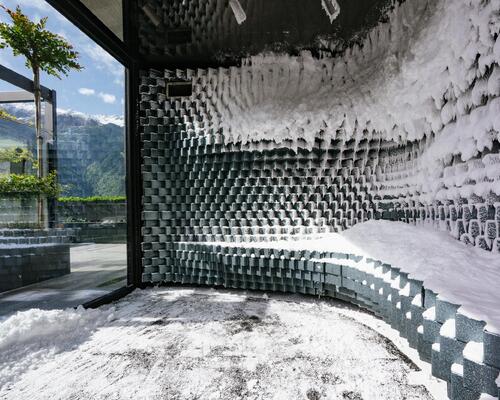
Preidlhof Luxury DolceVita Resort to unveil new spa in February 2027
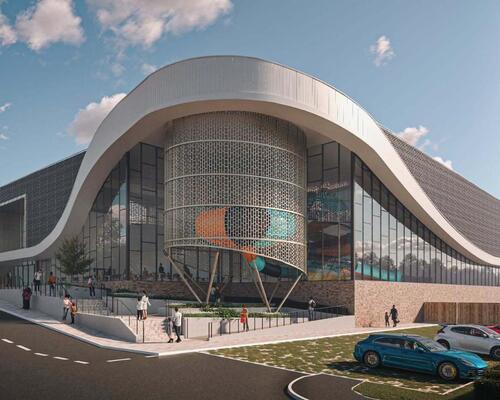
Places Leisure is working with Roberts Limbrick to build £60m wellness flagship in Basingstoke
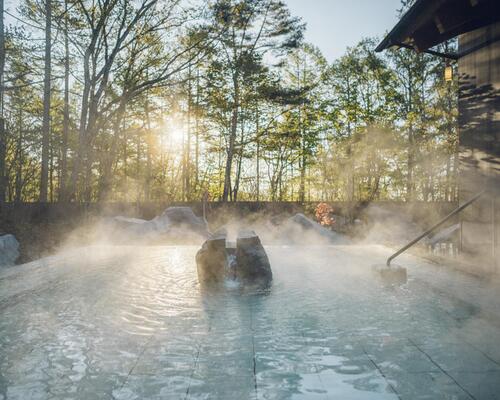
Hoshino Resorts opens Kai Kusatsu as it expands the Kai onsen ryokan brand
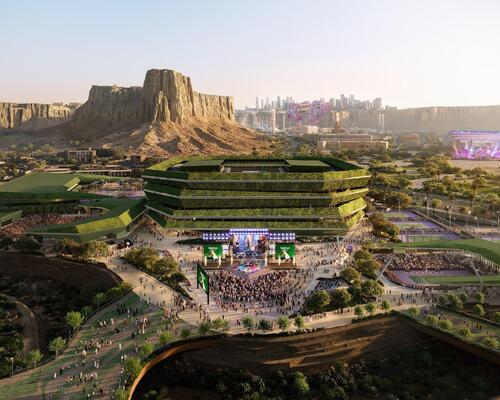
Qiddiya and Populous share details of Saudi Arabia’s National Tennis Centre
Disney confirms US$30 billion investment programme as it highlights its economic impact
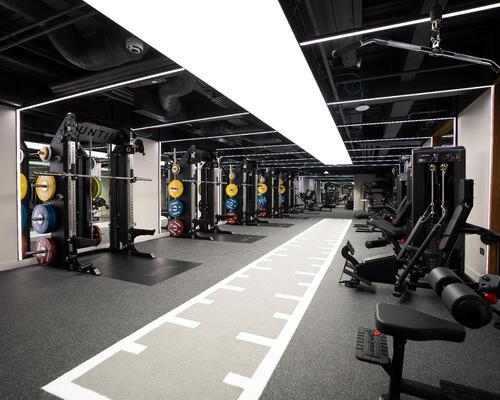
Until combines multiple disciplines at new Canary Wharf club
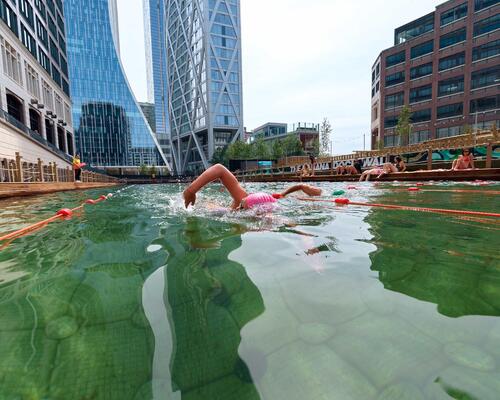
Sea Lanes opens following a partnership between The Eden Project and Canary Wharf Group
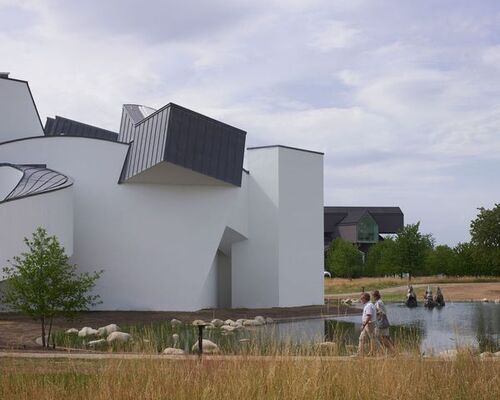
Bas Smets brings water and wilderness to Vitra

Expo 2030 Riyadh will create a permanent global destination
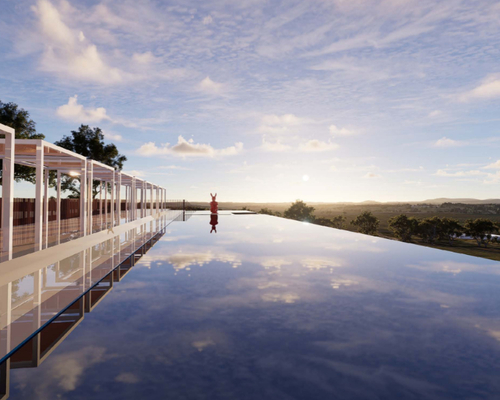
Luxury resort coming to Hunter Valley will have longevity spa
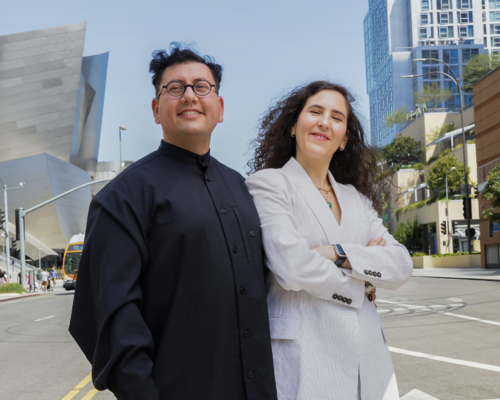
'Data chocolate', dreams made real and artworks shaped by visitors’ emotions: Refik Anadol’s AI art museum launches in Los Angeles
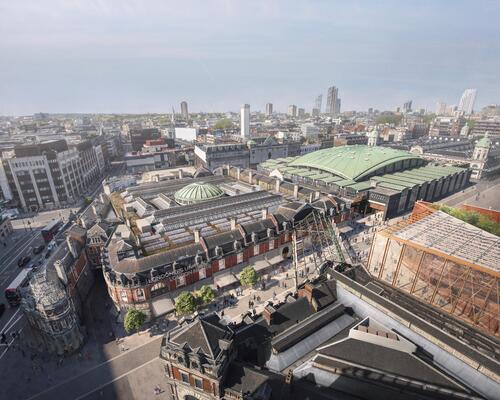
London Museum reveals 2026 opening date for new Smithfield home
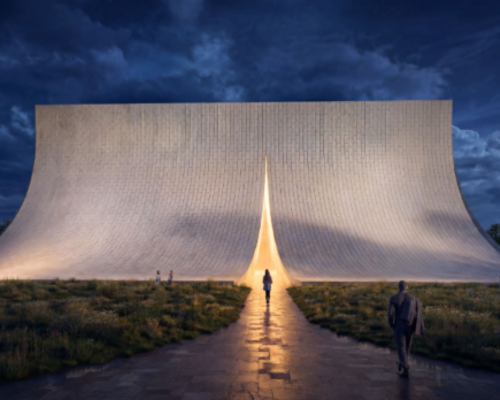
BIG unveils Eve Music Hall as Croatia venue nears completion
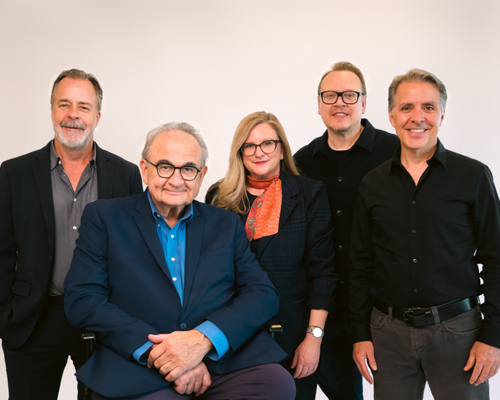
Bob Rogers hands BRC to long-serving leadership team

Palazzo di Varignana launches family wellbeing and longevity retreat in Emilia Romagna
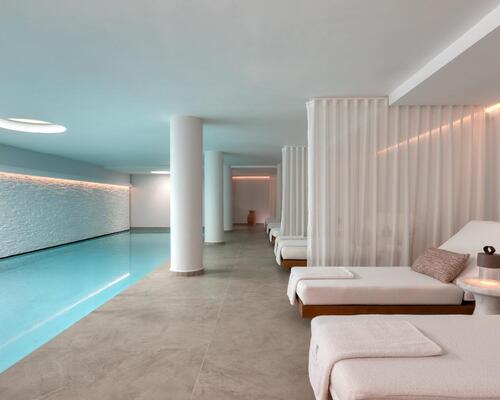
Anasa Wellness and Spa debuts at Patmos Aktis as it joins Marriott
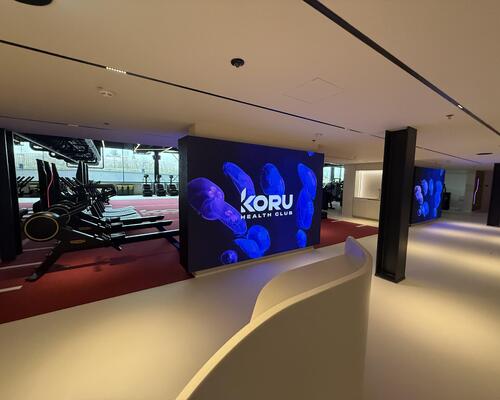
Design-led Koru Health Club combines high-performance training with recovery

Wellness care hospital opens in Vilnius with innovative spa and hospitality concept

Universal and Puy du Fou projects point to rise of Oxford–Cambridge corridor
A proposed Puy du Fou development near Bicester and Universal Destinations and Experiences’ planned resort in Bedford are emerging as part of a wider transformation of the Oxford–Cambridge Growth Corridor into a major centre for UK leisure and tourism investment.
For years, the corridor has been associated primarily with science, technology, housing and university-led economic growth. However, the clustering of large-scale visitor attraction projects along the

All-inclusive eco-wellness development Auko to open near Vietnam’s Son Doong caves