Levant Capital takes a majority stake in Warehouse Gym – plans 20 more sites


Private equity firm, Levant Capital, has taken a majority stake in UAE-based premium operator, Warehouse Gym.
The investment will be used to drive regional expansion, as well as to introduce advanced fitness solutions and broaden the wellness offering.
Founded by Kevin Texeira, Fahad Al Rafi and Edris Al Rafi, the first Warehouse Gym launched in 2013 in an industrial area of Dubai, hence the name. The USP is street art, design and music. All the gyms are based around strength training with two or three immersive studios, PT areas, recovery rooms, restaurants and juice bars.
The company has grown to a chain of 10 clubs, with plans to expand the network to 30 sites over the next four years. It currently has 50,000 members.
The next launch will be a 55,000-square-foot facility at Dubai Science Park, before the end of the year. Alongside the gym, group exercise studios and recovery suite, this club will feature a co-working space, private meeting zones, creative suites, a podcast studio, a restaurant and nutrition services. A further five sites are in the pipeline for 2025.
CEO, Teixeira, says this is a pivotal moment in the brand's story: “Levant Capital’s extensive experience and resources will undoubtedly help us scale to new heights and continue delivering exceptional fitness experiences to our growing community. Everything we've accomplished makes me proud and excited for the future. I'm confident our partnership with Levant Capital will enrich our members' fitness experience, support our growth, and offer exciting opportunities to our employees."
Warehouse Gym has high female membership rates and appeals to younger demographics, with under-16 access. Its mental health programmes and holistic wellness offerings, including recovery, mobility and nutrition, are central to the offering. It is also a collaborative partner for global fitness brand, Puma.
“The UAE recognises the importance of physical, mental and social wellbeing and has rightly prioritised health and fitness through nationwide fitness challenges and by promoting sports calendars that stimulate the desire to participate in quality sports,” says Al Rafi. “We've always strived to play a key role in elevating the health and fitness experience for our fast-growing base of members in the UAE and have exciting innovation and expansion plans over the next few years. Our partnership with Levant Capital will serve to accelerate and achieve those plans.”
The Middle East and North Africa fitness market has been expanding at an annual rate of 30 per cent since 2020, with the UAE market valued at US$550 million and the Kingdom of Saudi Arabia market valued at US$1.7 billion. However, it’s highly fragmented, with mainly independent players. With penetration standing at 7 per cent and 8 per cent respectively, there's plenty of growth potential, particularly at the premium end of the market.
Kevin Texeira Fahad Al Rafi Edris Al Rafi Warehouse Gym Levant CapitalJohn Foy joins IN2 Fitness as it ramps up growth in Saudi Arabia
UBX signs master franchise deal in United Arab Emirates
AI firm Midjourney enters wellness with spa, fitness and body scanning concept
Hot spring wellness community Ameyalli sells residences and breaks ground on resort and spa

OMA completes New Museum transformation with landmark expansion and Oberon restaurant
OMA has completed a major transformation of New York's New Museum, creating a larger cultural campus that combines expanded exhibition spaces with learning, performance, hospitality and public programming. The latest addition, Oberon, extends the visitor experience beyond the gallery, reflecting a growing trend for museums to become all-day destinations.
The New Museum in New York has entered a new chapter with the completion of a major
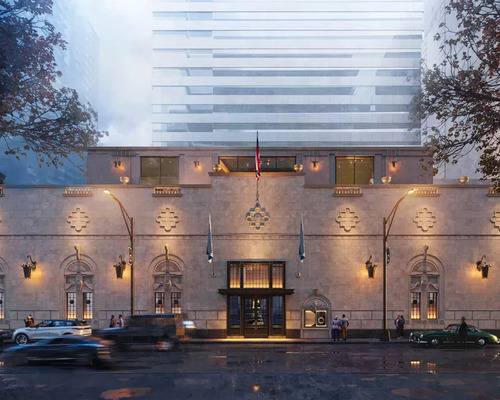
David Rockwell creates immersive magic destination, The Hand and The Eye
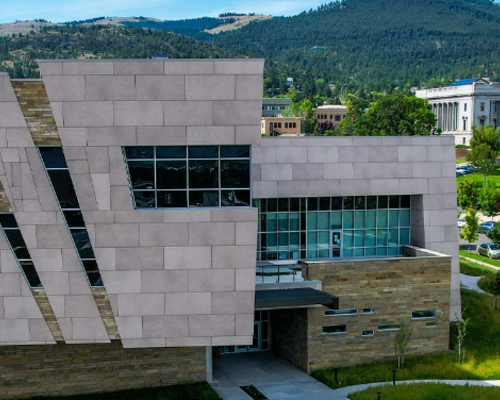
Montana Heritage Center by Cushing Terrell opens after US$107 million investment

Universal launches new theme park model with Kids Resort
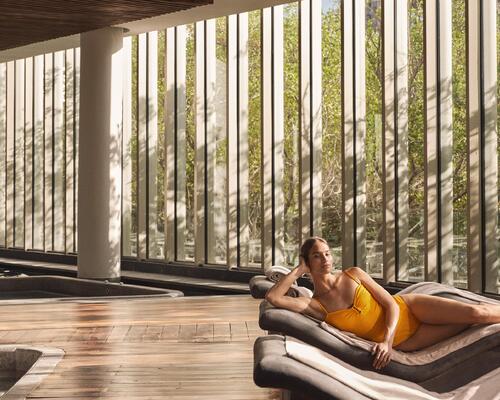
'Minor wellness hotels' recorded the strongest growth across top KPIs in 2025, finds RLA Global
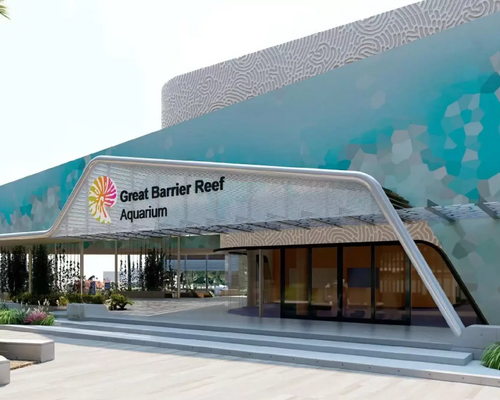
Great Barrier Reef attraction set for AU$180 million reinvention
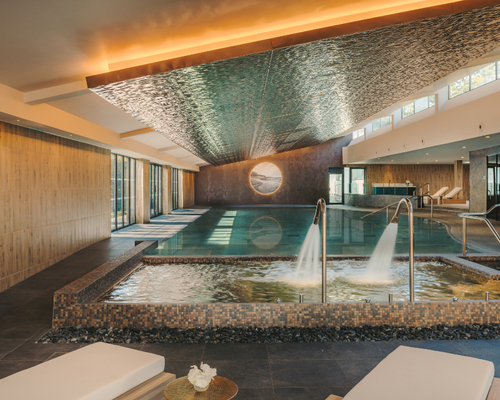
Fairmont Cheshire, The Mere, has architecture by Leach Rhodes Walker and interiors by Bergman Design House.
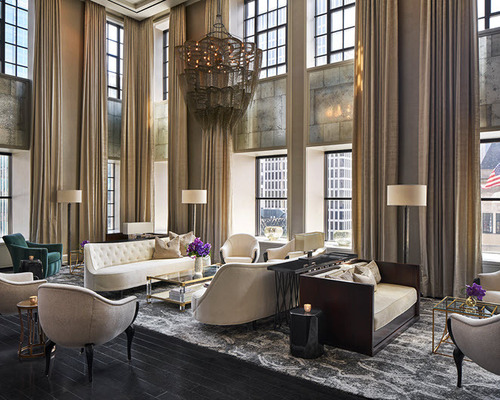
Marriott International partners with Fitwel for wellness solutions across its residential portfolio
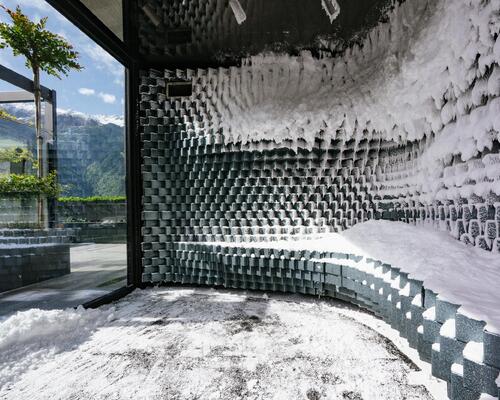
Preidlhof Luxury DolceVita Resort to unveil new spa in February 2027
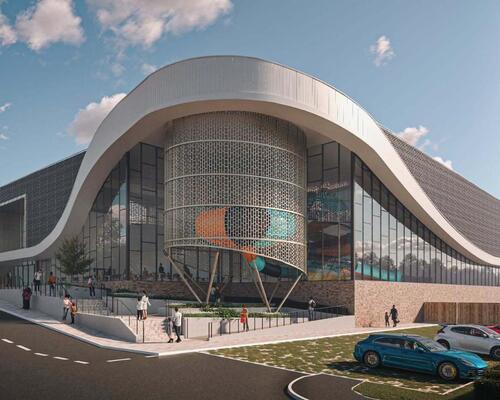
Places Leisure is working with Roberts Limbrick to build £60m wellness flagship in Basingstoke
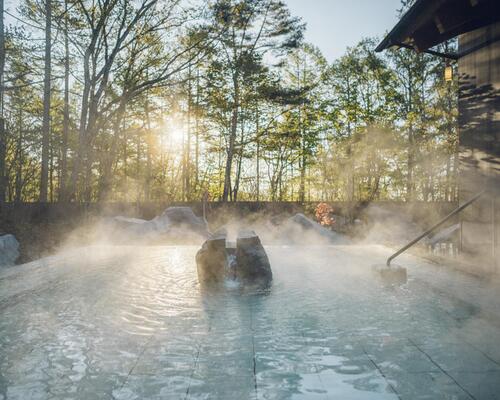
Hoshino Resorts opens Kai Kusatsu as it expands the Kai onsen ryokan brand
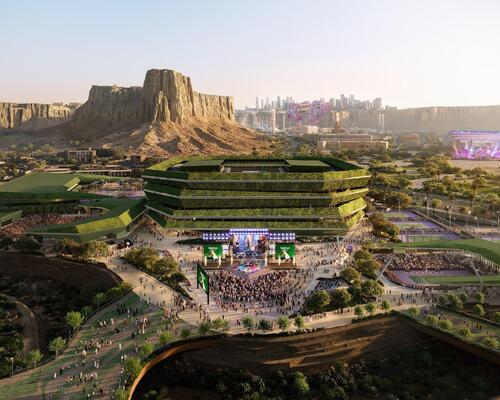
Qiddiya and Populous share details of Saudi Arabia’s National Tennis Centre
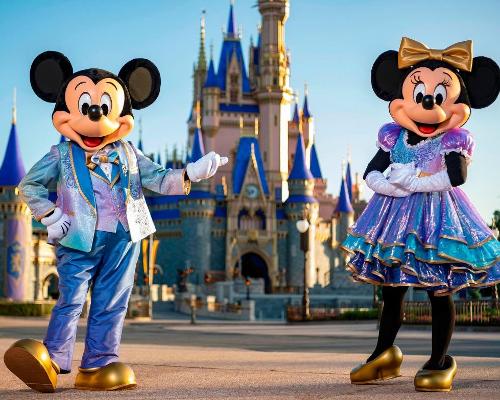
Disney confirms US$30 billion investment programme as it highlights its economic impact
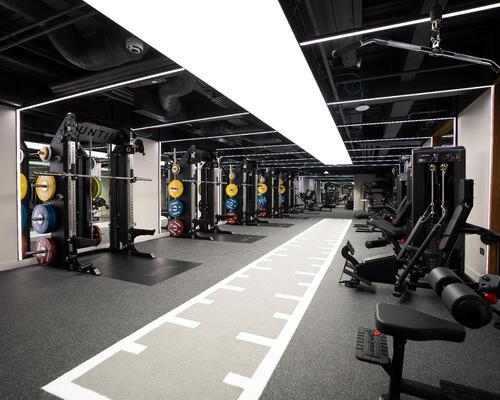
Until combines multiple disciplines at new Canary Wharf club
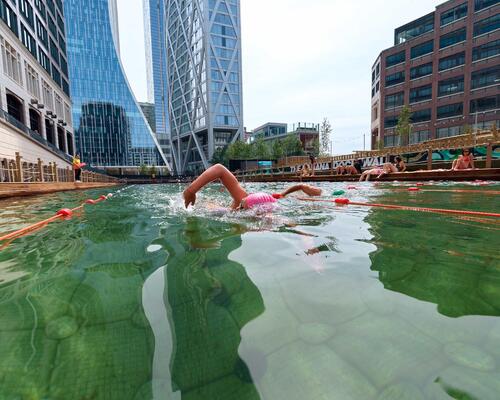
Sea Lanes opens following a partnership between The Eden Project and Canary Wharf Group
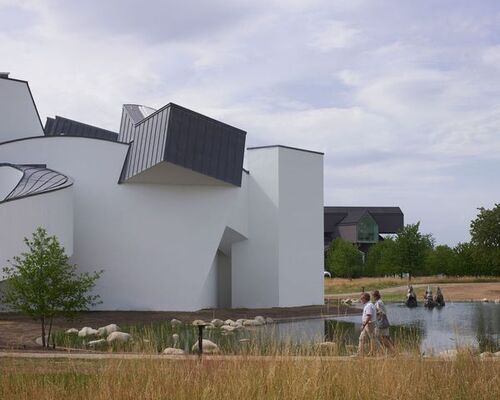
Bas Smets brings water and wilderness to Vitra
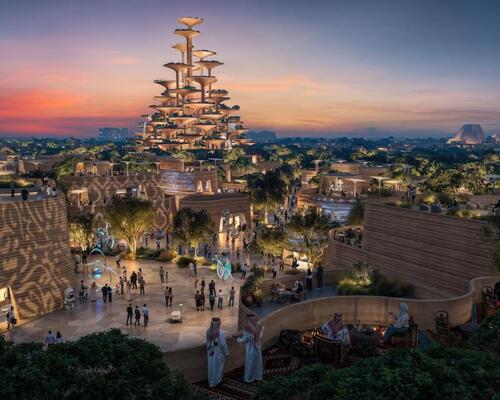
Expo 2030 Riyadh will create a permanent global destination
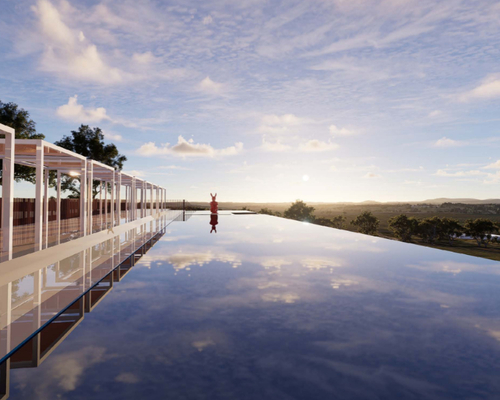
Luxury resort coming to Hunter Valley will have longevity spa
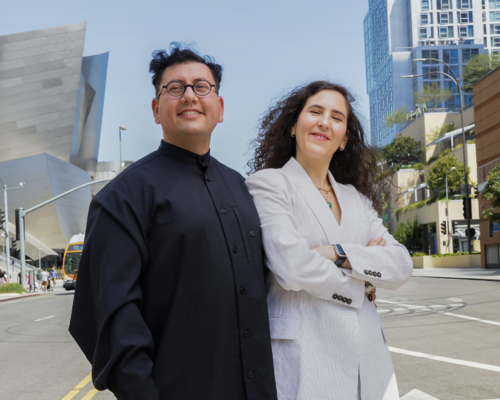
'Data chocolate', dreams made real and artworks shaped by visitors’ emotions: Refik Anadol’s AI art museum launches in Los Angeles
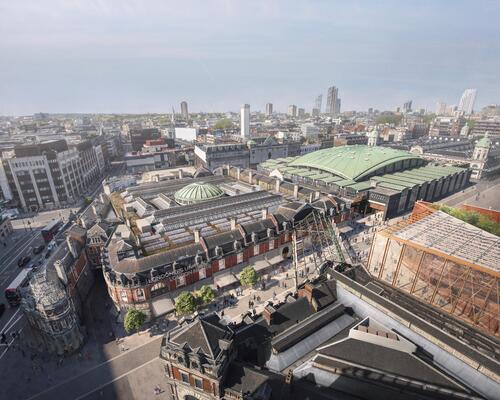
London Museum reveals 2026 opening date for new Smithfield home
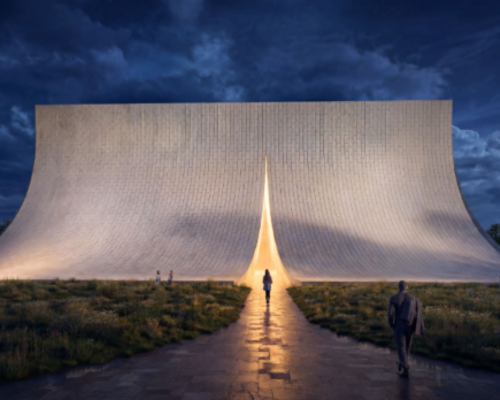
BIG unveils Eve Music Hall as Croatia venue nears completion
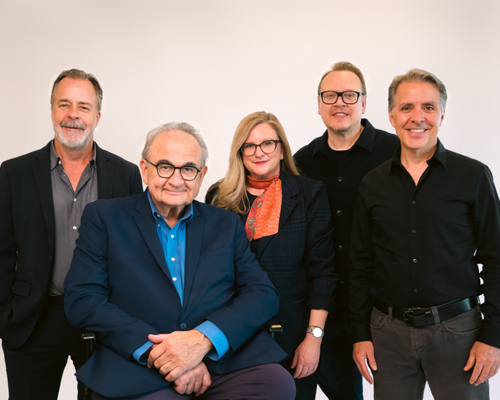
Bob Rogers hands BRC to long-serving leadership team
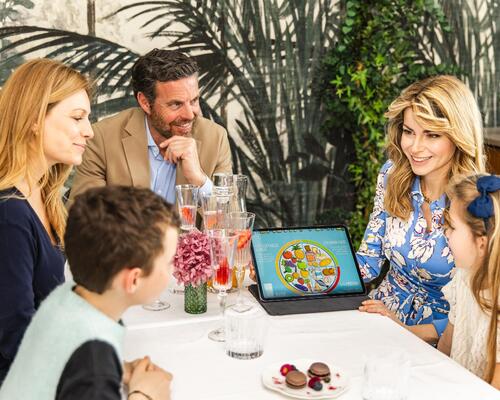
Palazzo di Varignana launches family wellbeing and longevity retreat in Emilia Romagna
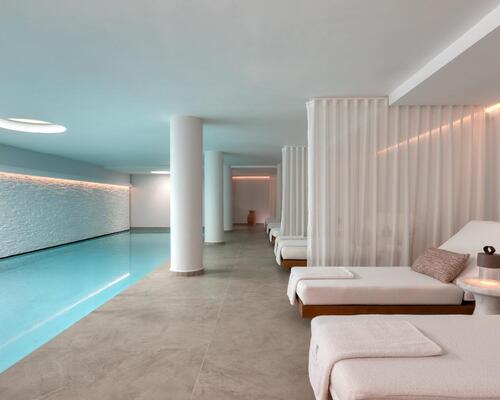
Anasa Wellness and Spa debuts at Patmos Aktis as it joins Marriott
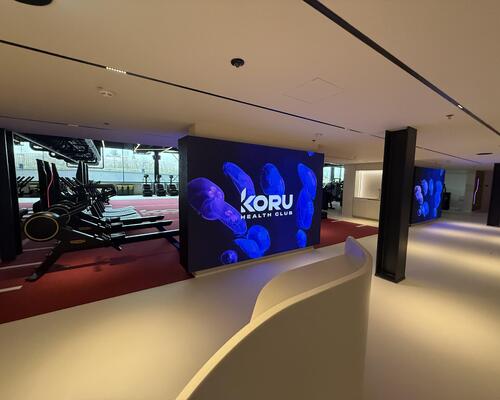
Design-led Koru Health Club combines high-performance training with recovery

Wellness care hospital opens in Vilnius with innovative spa and hospitality concept

Universal and Puy du Fou projects point to rise of Oxford–Cambridge corridor
A proposed Puy du Fou development near Bicester and Universal Destinations and Experiences’ planned resort in Bedford are emerging as part of a wider transformation of the Oxford–Cambridge Growth Corridor into a major centre for UK leisure and tourism investment.
For years, the corridor has been associated primarily with science, technology, housing and university-led economic growth. However, the clustering of large-scale visitor attraction projects along the
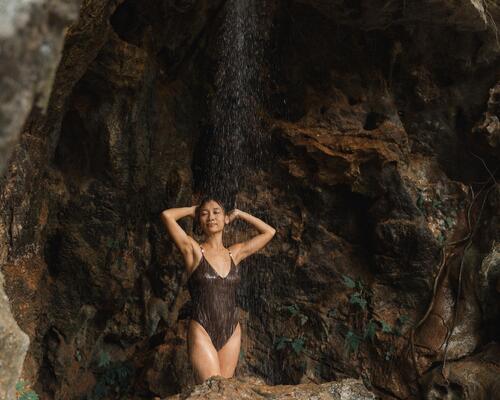
All-inclusive eco-wellness development Auko to open near Vietnam’s Son Doong caves