Heritage charity warns councils against seductive power of CGI building images


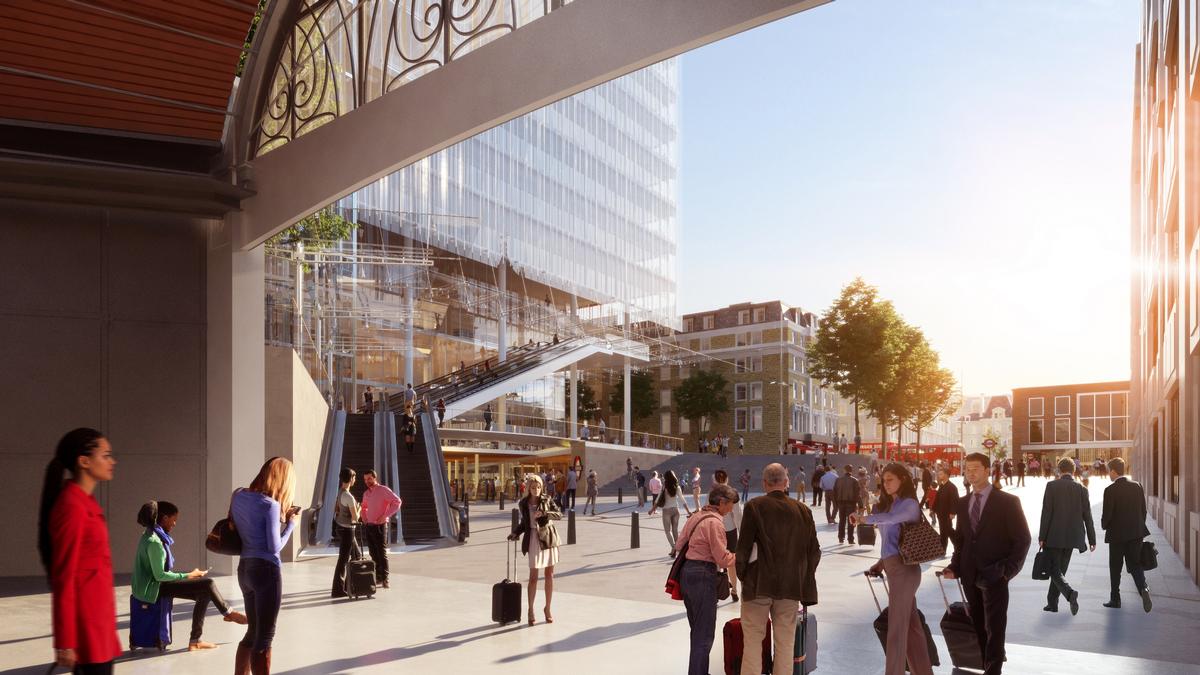
A British heritage charity has warned that council planning committees are too easily seduced by glitzy computer-generated images of buildings they’re tasked with approving or rejecting.
According to the Telegraph newspaper, Marcus Binney of Save Britain's Heritage argued that such images rarely show the reality of how the building will appear and be used in reality.
"[Developers] lavish large amounts of money on producing these images, and they're very persuasive,” he is quoted as saying. “People have got to be suspicious of images of people drinking espressos under nice awnings.”
Binney highlighted Renzo Piano's contentious Paddington Cube’ development as a case in point, arguing the renderings of the scheme, showing sunlight streaming through the site, are misleading as lifts and a fire escape would block the light.
In response, Westminster City Council's cabinet member for planning and public realm, Cllr Daniel Astaire, said: “Council planning decisions are judged on each development’s individual merits, taking account of all the benefits a proposal brings to the city, its people and economy. We do not grant permission based on computer generated concepts.”
Save Britain's Heritage also stated that two other UK projects – The Saffron Tower in Croydon and Lincoln Plaza on the Isle of Dogs – had been promoted with attractive visualisations, but went on to be nominated for the 2016 Carbuncle Cup, an award for the UK's ugliest building.
Eric de Broches des Combes, a leading creator of computer images for architects, recently told CLAD that “a rendering is not a picture, but an illustration,” and should be considered in its proper context.
“Architecture is an act of convincing,” he said. “It’s a very political act and visualisations are part of the whole vocabulary. A rendering is a guide, and if it’s used correctly by someone with a conscience, it should be a good way to illustrate their vision.
“The problem is that the people who are looking at drawings know nothing about what goes into architecture. They don’t want to read plans or sections. They just want to see a picture of people wandering around a building with balloons and happy kids. This is where simplification comes from. Renderings are not a replacement for detailed plans, they just provide an illustration.
“Our aim is, of course, to convince people [about a building], but it’s our philosophy that we won’t lie. Anything depicted in the rendering should be something that could happen for real. If I don’t feel it is, I’ll discuss that with the client.”
The Paddington Cube is likely to go ahead, with British communities secretary Sajid Javid last week deciding not to block the mixed-use scheme. He said the fate of the project “should be determined by the local planning authority,” which supports it.
Save Britain's Heritage architecture design planning computer-generated images Reno Piano Paddington CubeRenzo Piano's Paddington Cube wins reprieve from communities secretary Sajid Javid
Lack of diversity in renderings 'doesn't correspond to the real world', says Luxigon founder
Renzo Piano's 'game-changing' Paddington Cube given green light despite local opposition
FEATURE: Luxigon – Eric de Broches des Combes
AI firm Midjourney enters wellness with spa, fitness and body scanning concept
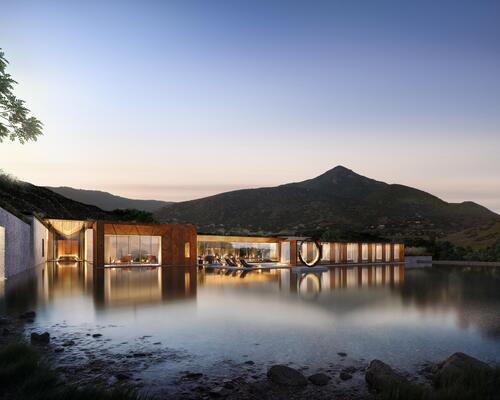
Hot spring wellness community Ameyalli sells residences and breaks ground on resort and spa

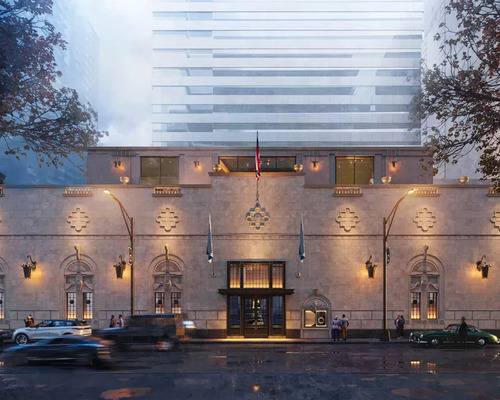
OMA completes New Museum transformation with landmark expansion and Oberon restaurant
OMA has completed a major transformation of New York's New Museum, creating a larger cultural campus that combines expanded exhibition spaces with learning, performance, hospitality and public programming. The latest addition, Oberon, extends the visitor experience beyond the gallery, reflecting a growing trend for museums to become all-day destinations.
The New Museum in New York has entered a new chapter with the completion of a major
David Rockwell creates immersive magic destination, The Hand and The Eye

Montana Heritage Center by Cushing Terrell opens after US$107 million investment

Universal launches new theme park model with Kids Resort
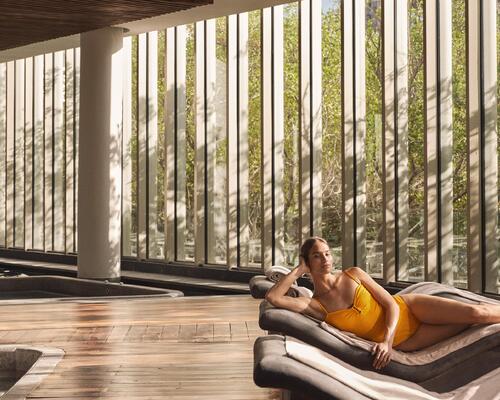
'Minor wellness hotels' recorded the strongest growth across top KPIs in 2025, finds RLA Global
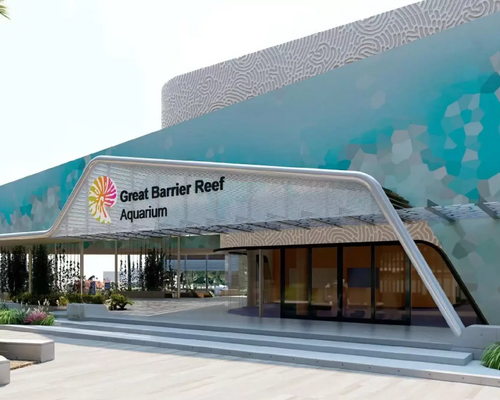
Great Barrier Reef attraction set for AU$180 million reinvention
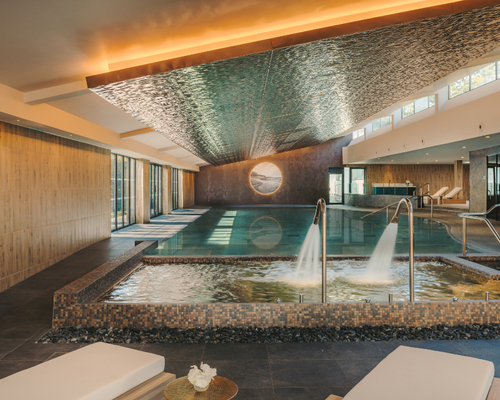
Fairmont Cheshire, The Mere, has architecture by Leach Rhodes Walker and interiors by Bergman Design House.
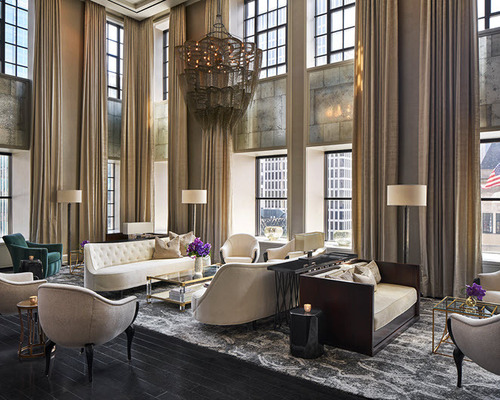
Marriott International partners with Fitwel for wellness solutions across its residential portfolio
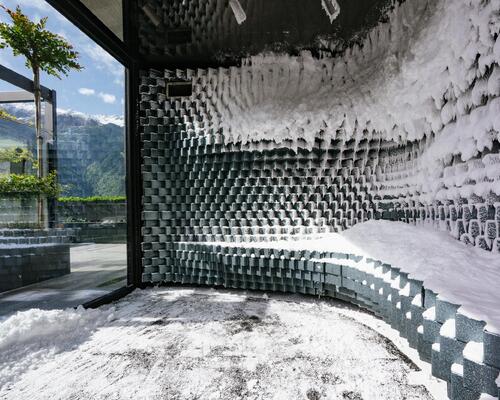
Preidlhof Luxury DolceVita Resort to unveil new spa in February 2027
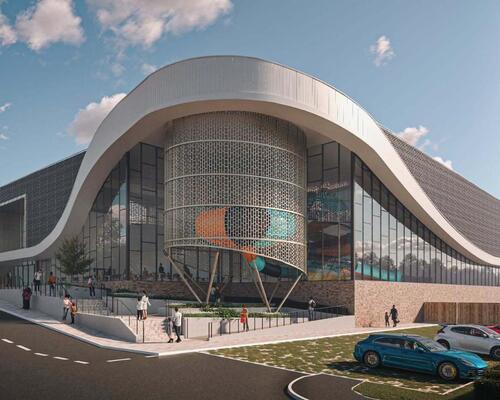
Places Leisure is working with Roberts Limbrick to build £60m wellness flagship in Basingstoke
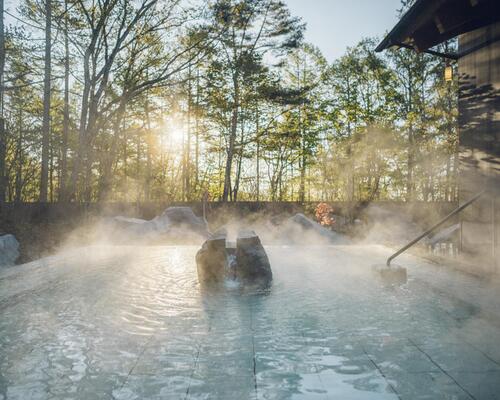
Hoshino Resorts opens Kai Kusatsu as it expands the Kai onsen ryokan brand
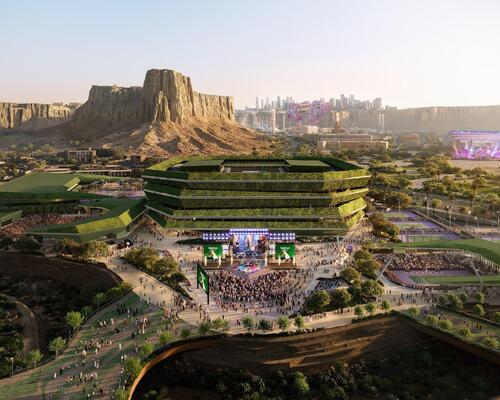
Qiddiya and Populous share details of Saudi Arabia’s National Tennis Centre
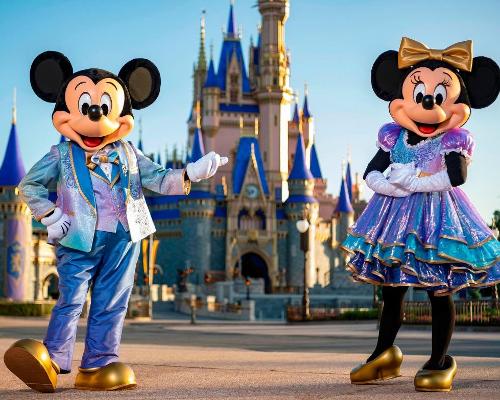
Disney confirms US$30 billion investment programme as it highlights its economic impact
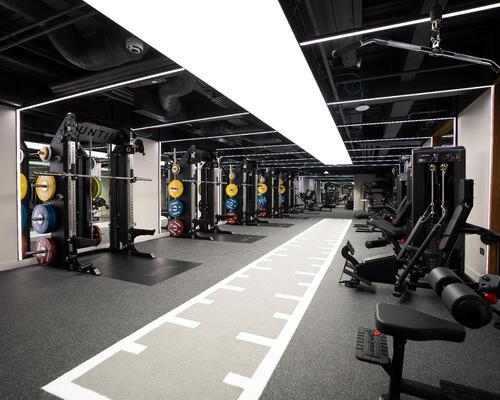
Until combines multiple disciplines at new Canary Wharf club
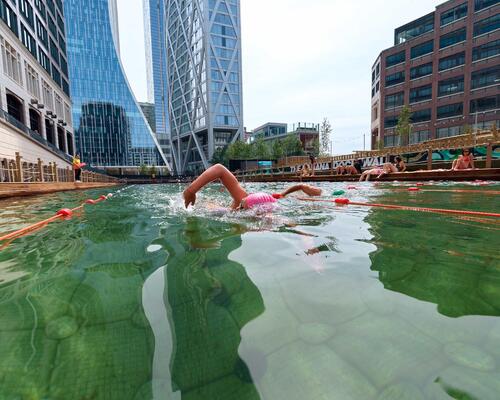
Sea Lanes opens following a partnership between The Eden Project and Canary Wharf Group
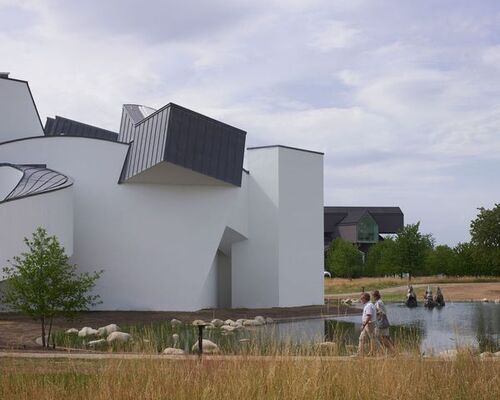
Bas Smets brings water and wilderness to Vitra
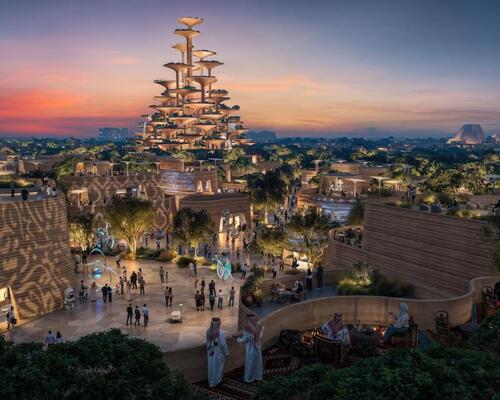
Expo 2030 Riyadh will create a permanent global destination
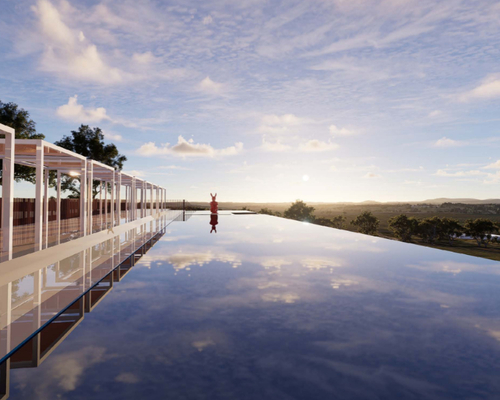
Luxury resort coming to Hunter Valley will have longevity spa

'Data chocolate', dreams made real and artworks shaped by visitors’ emotions: Refik Anadol’s AI art museum launches in Los Angeles
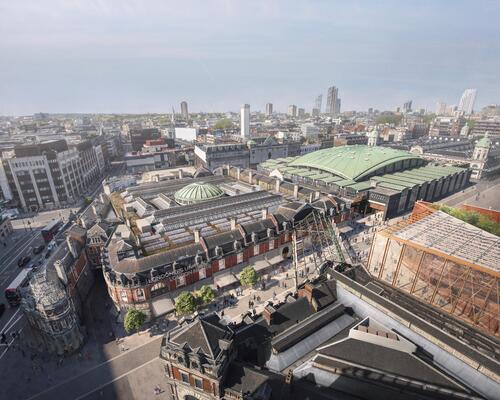
London Museum reveals 2026 opening date for new Smithfield home
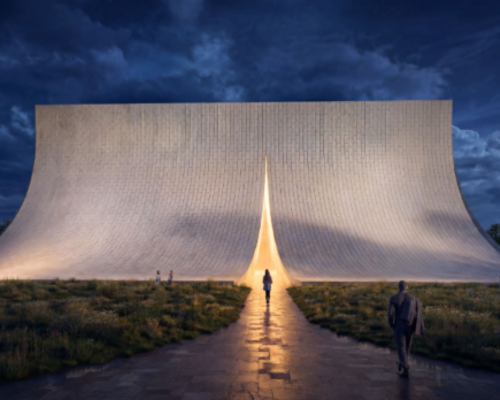
BIG unveils Eve Music Hall as Croatia venue nears completion
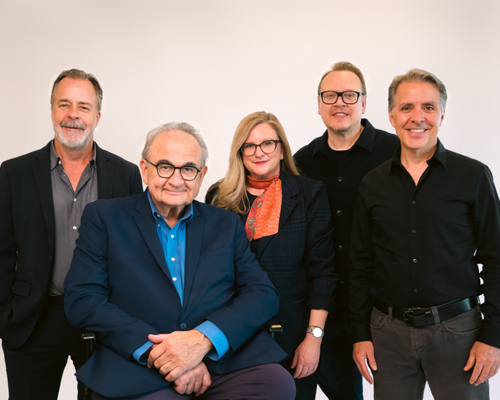
Bob Rogers hands BRC to long-serving leadership team

Palazzo di Varignana launches family wellbeing and longevity retreat in Emilia Romagna
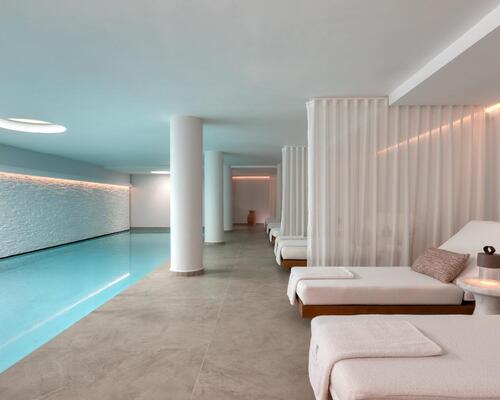
Anasa Wellness and Spa debuts at Patmos Aktis as it joins Marriott
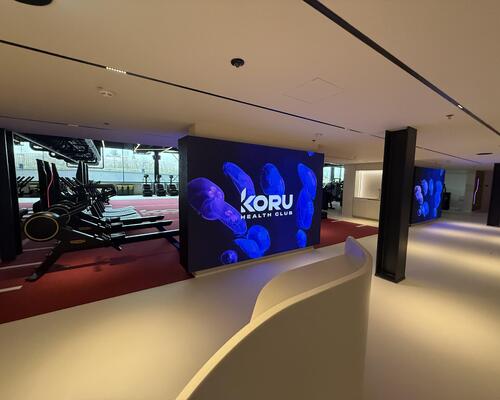
Design-led Koru Health Club combines high-performance training with recovery

Wellness care hospital opens in Vilnius with innovative spa and hospitality concept

Universal and Puy du Fou projects point to rise of Oxford–Cambridge corridor
A proposed Puy du Fou development near Bicester and Universal Destinations and Experiences’ planned resort in Bedford are emerging as part of a wider transformation of the Oxford–Cambridge Growth Corridor into a major centre for UK leisure and tourism investment.
For years, the corridor has been associated primarily with science, technology, housing and university-led economic growth. However, the clustering of large-scale visitor attraction projects along the

All-inclusive eco-wellness development Auko to open near Vietnam’s Son Doong caves