Rick Cook on the need for sustainability, wellness and resiliency in design
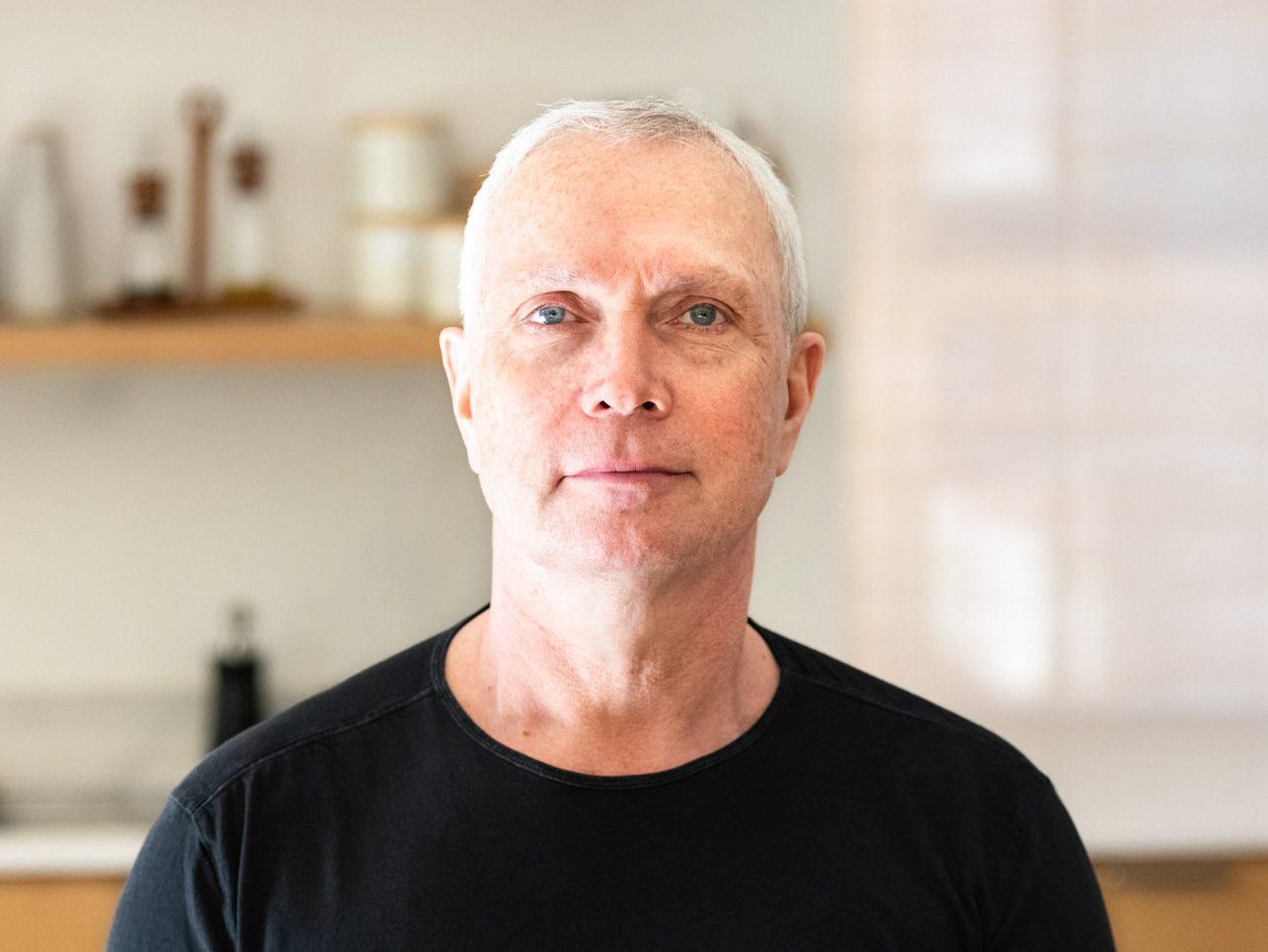
– Rick Cook
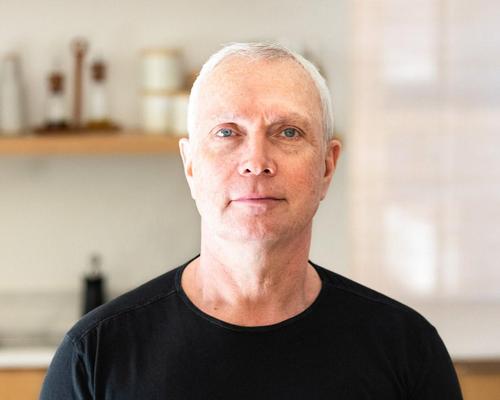
Since being established in 2003, COOKFOX Architects have gained a reputation for being proponents of architecture at the intersection of sustainability and wellness, which co-founder Rick Cook says is more pressing now than ever.
"Our current studio is LEED Platinum, but it's also the first WELL Gold certified project in New York," he explained to CLAD in an interview by way of example. "Which has much more of a focus on human health and wellness and ways that we can achieve those. And, go figure, they're now topics that we're all going to be focussed on moving forward."
Cook was talking from his home overlooking the Hudson River, social distancing as a result of the COVID-19 pandemic, and suggested that the current situation would draw wellness in architecture into sharp focus.
"We're all going to be very interested in our health – and there are technologies that are showing some promise for how we can continue to provide healthy environments when we gather together – but a big blanket statement for COOKFOX is that we like to go back to nature under the theory of biomimicry. You might as well look at three billion years of evolution to see how problems are solved instead of thinking we're going to do it in the next three days."
Needless to say, this is a far cry from when he and Bob Fox set up the firm with a simple desire to pursue beautiful, innovative and sustainable design.
The firm's mission to "create environmentally responsible, holistic and biophilic architecture that fosters occupant wellbeing and a healthy urban landscape" is now particularly pertinent, but Cook explains that he rather stumbled upon the concept of sustainability through his work in the late nineties designing the Ross Institute Center for Well-Being, which educates students to become effective global citizens
"The thought at the time we did the Centre for Well-Being was that the world of architectural design had been really obsessed with the visual," he explained. "The way we conveyed the art of architecture was through pictures in magazines, but the way you experience architecture is with all of your senses."
"Around that time, the US Green Building Council and the LEED rating system were founded and they were really focussed on energy and carbon. We had a global perspective, but it was really focussed on energy.
"So, when we all started making buildings that we tried to ensure were better for the planet, it was really about energy, technology and how we could reduce the carbon footprint. But what we stumbled on was that when we made buildings better for the planet, we could make buildings better for people."
COOKFOX recognised that the energy costs for a typical company in the US was a tiny fraction of the cost of running the business, whereas its people could account for anywhere between two-thirds and three-quarters of that cost.
"If you could increase productivity, you could more than pay for the stuff that we were interested in. Radically cutting the energy – where the cost for a company is 1 per cent – that's nothing. But if you can impact productivity by 1 per cent, you can have a huge economic impact," explained Cook.
With that in mind, the firm started pitching in terms of human health, wellness and wellbeing, but it was the output of these that captured the attention of prospective clients.
"The funny thing is that it wasn't so much that people really cared that much about people's health as much as we'd like at the time," Cook said. "It was that there was a lot of competition for the best talent, which there still is today, so we started to talk in terms of recruitment and retention – and when you talk about recruitment and retention of talent, people really listen."
Today, COOKFOX's work ranges in scope from small "jewel" projects and single-family homes to complex urban transformations and large institutional and commercial spaces. All, however, are built on the firm's underlying principles.
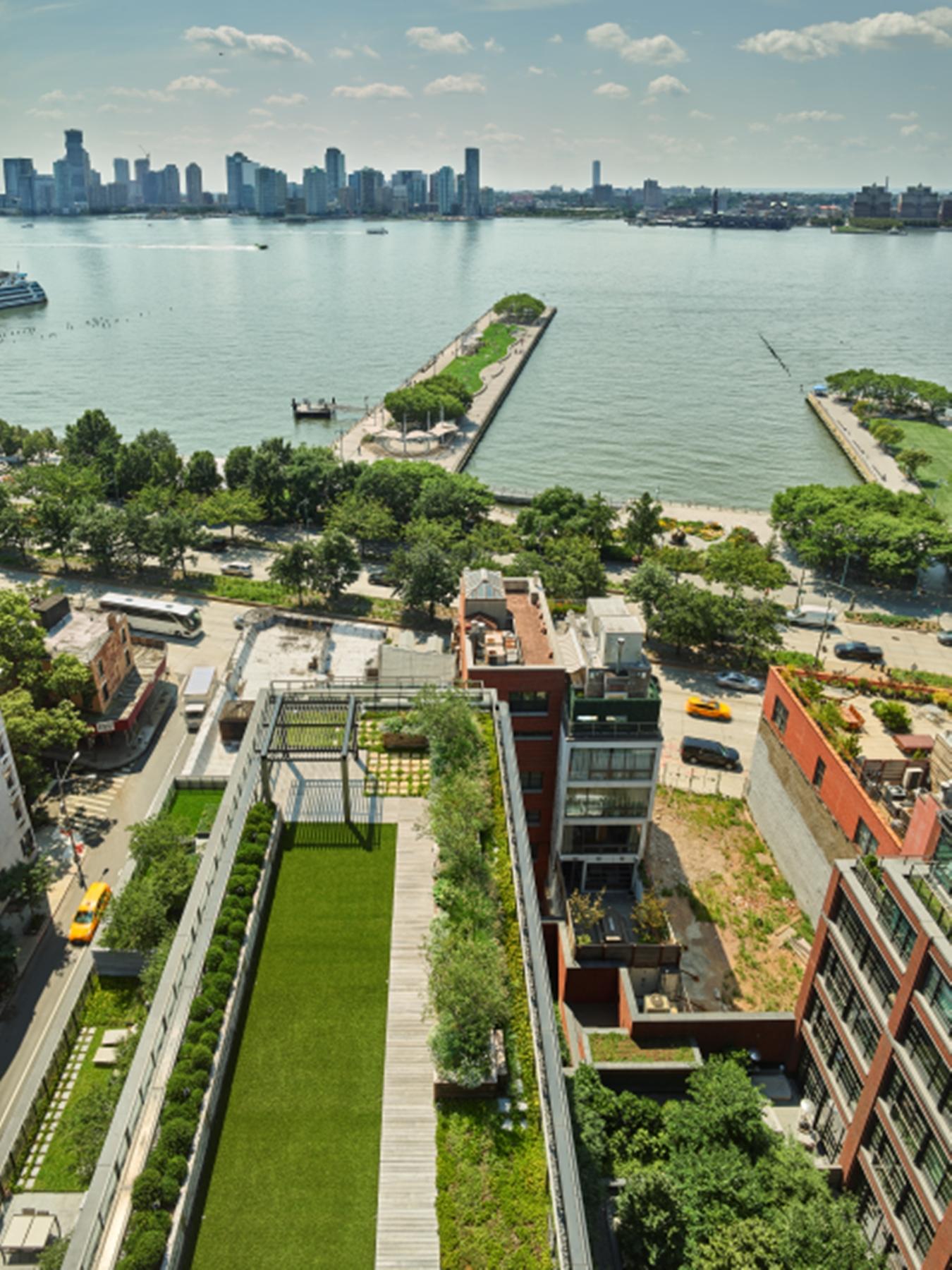
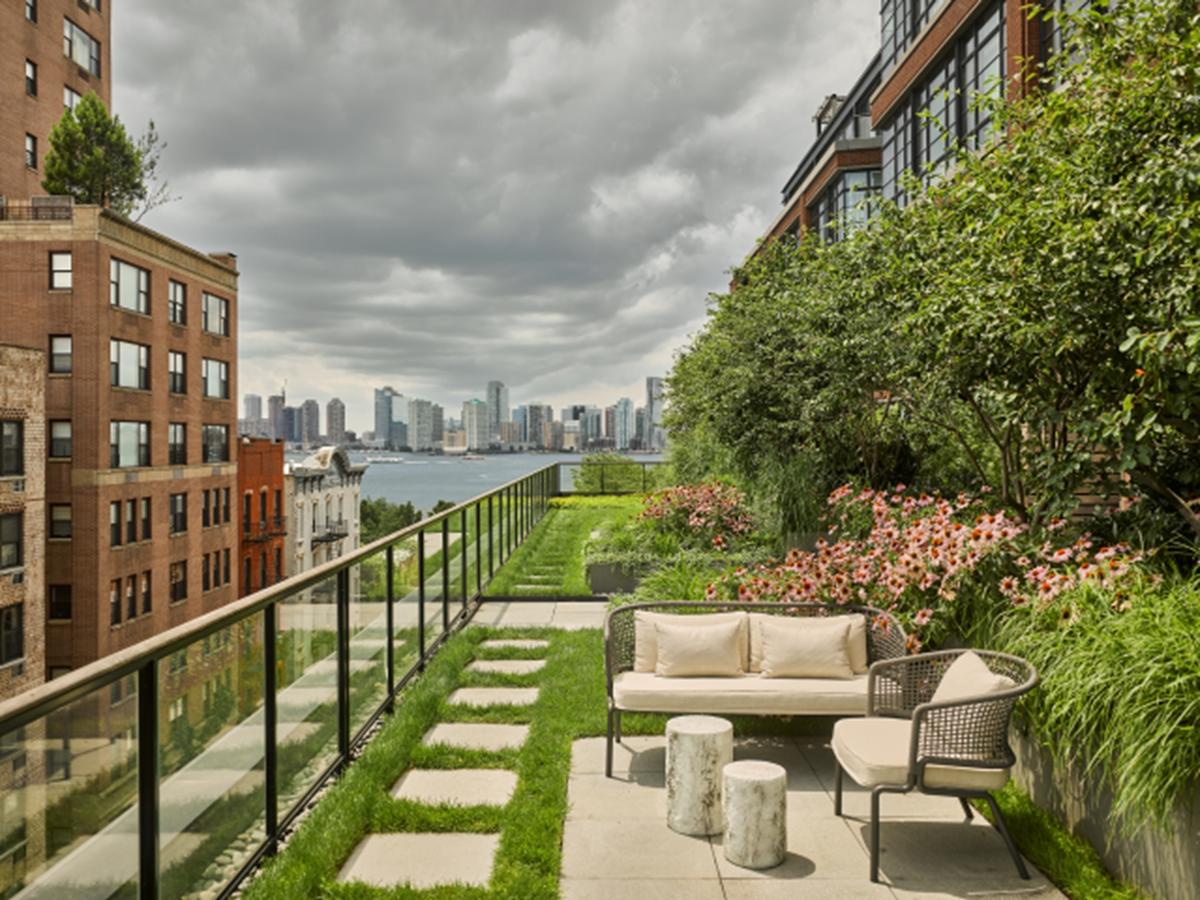
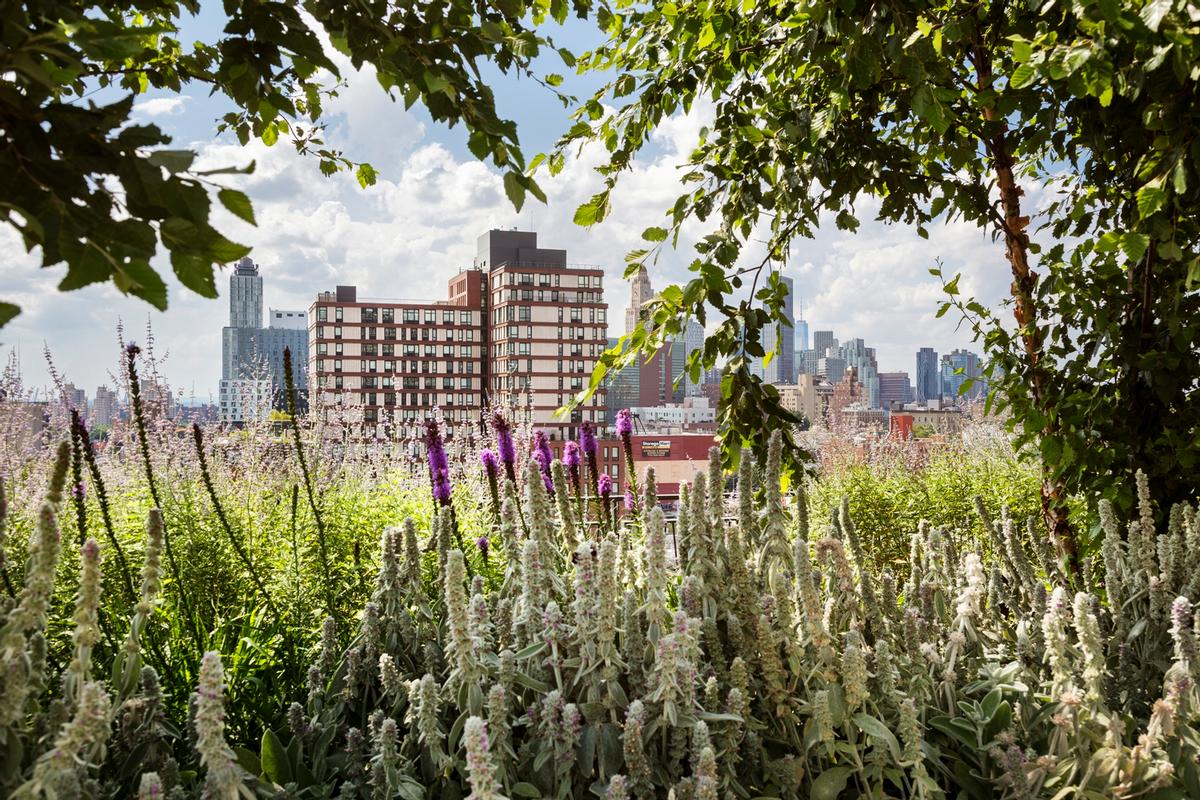
Its 150 Charles Street residential development in New York, for example, saw the adaptive reuse of a massive abandoned warehouse made of concrete, brick and glass. The firm sought to integrate the development with the natural and historic environment of the West Village and, as a result, it features biophilic elements throughout, as well as over 30,000sq ft (2,800sq m) of landscaped space, including green rooftops, planted terraces and courtyards.
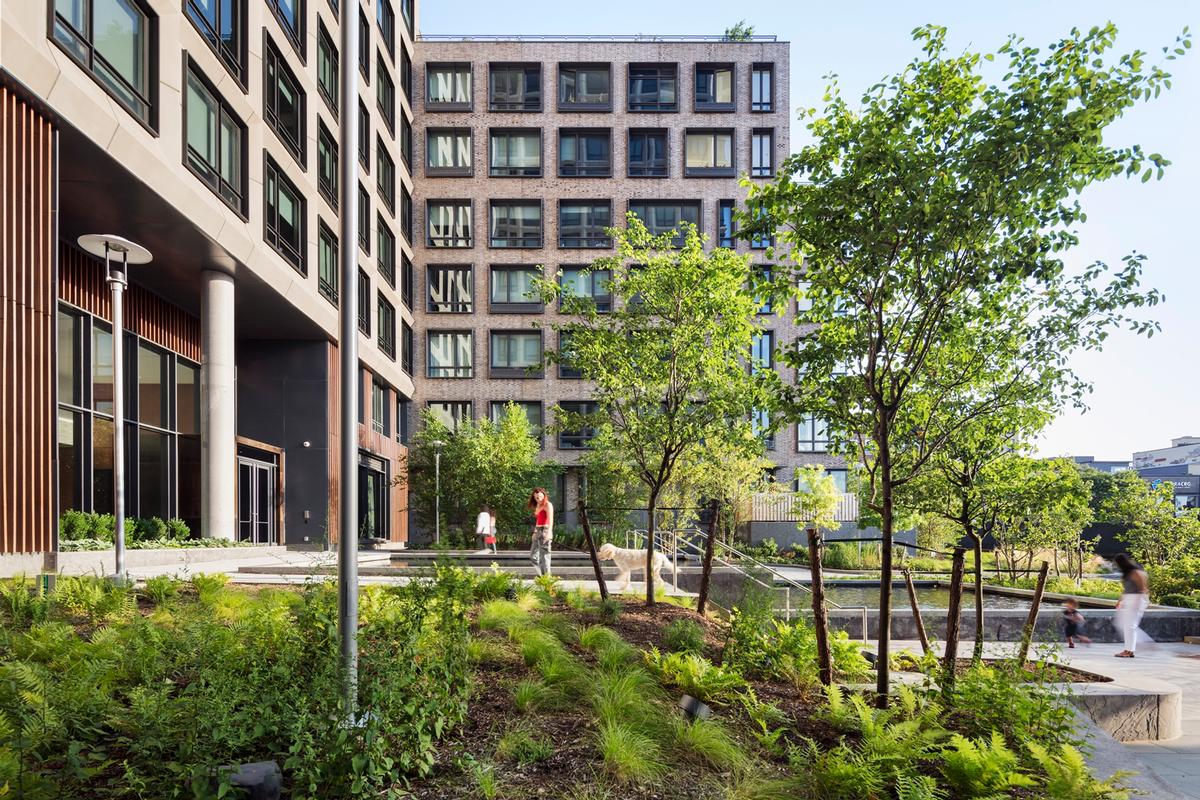
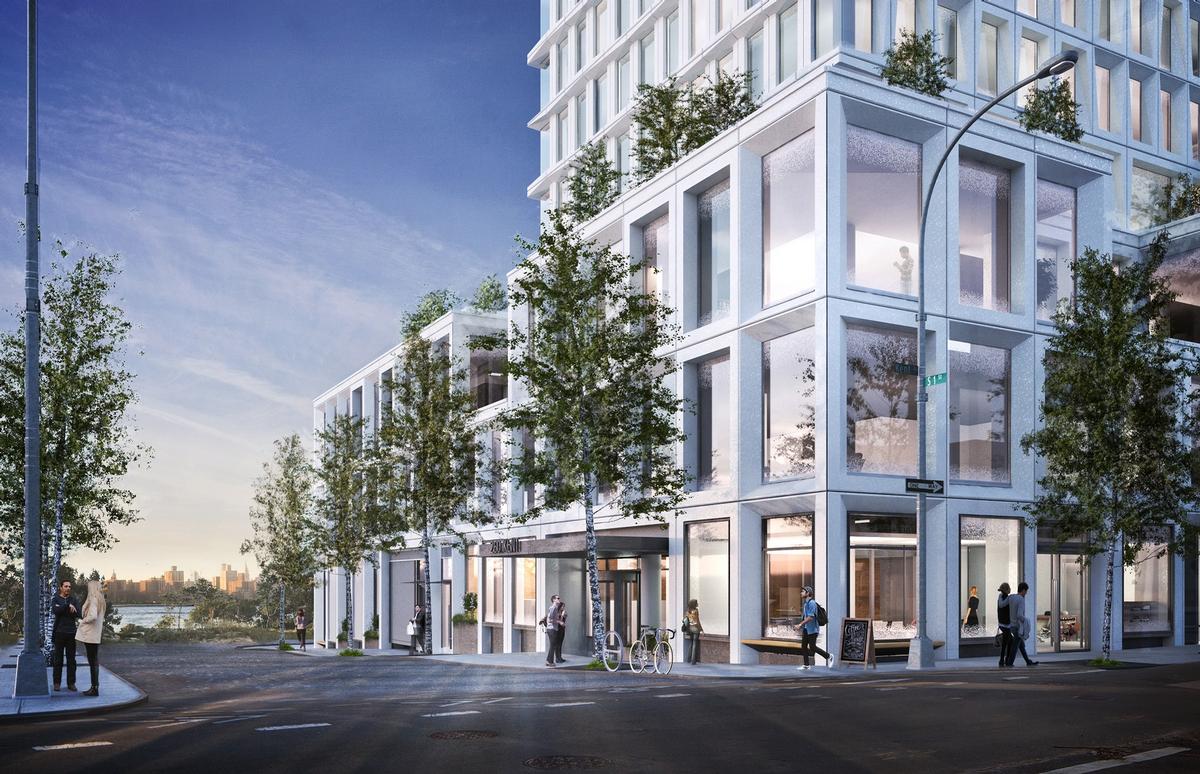
The mixed-use 550 Vanderbilt development in Brooklyn was designed to integrate nature for the health and wellbeing of its residents, with natural materials like wood and stone used to create an inviting, tactile experience that transitions residents from the street to their homes.
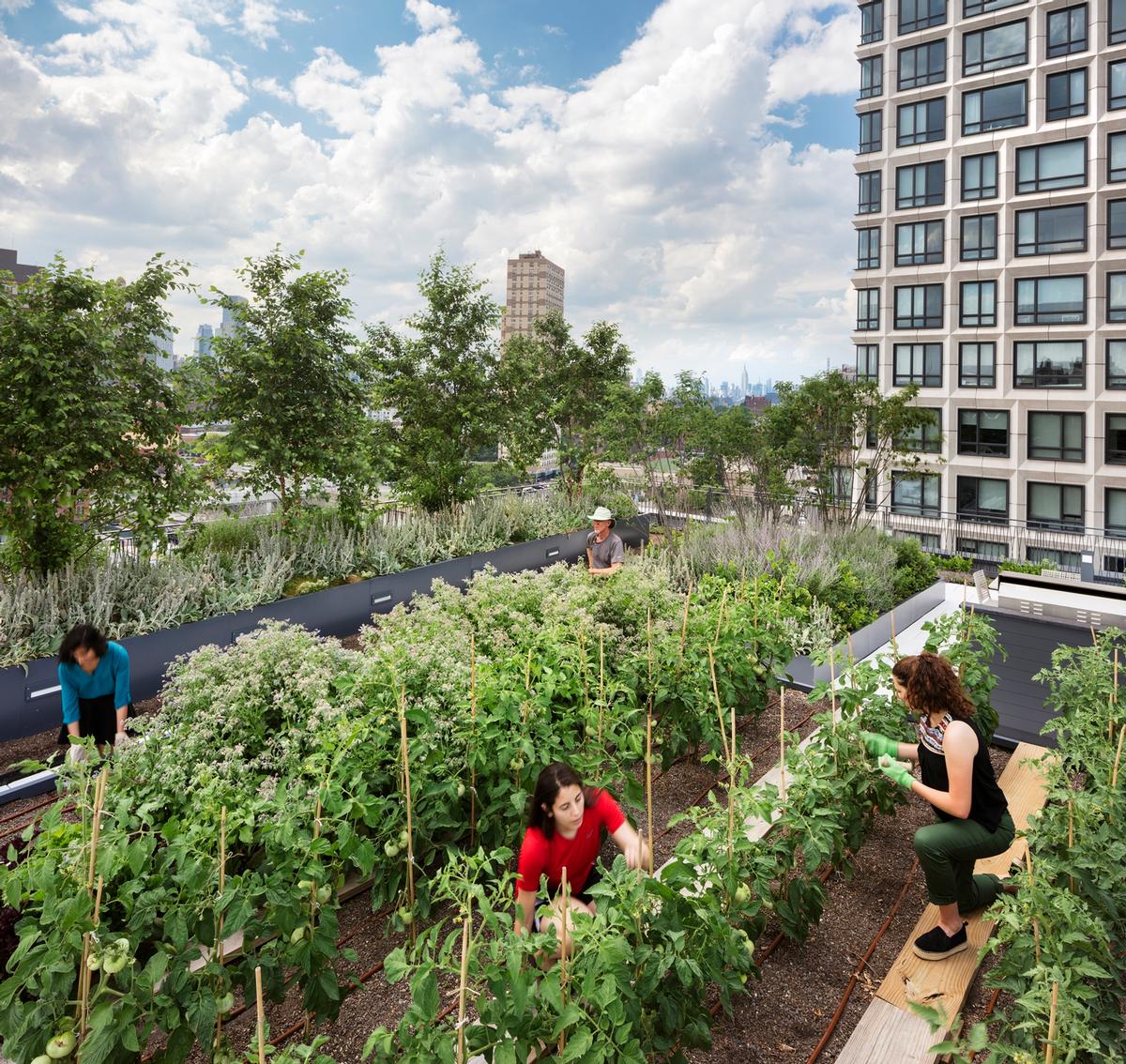
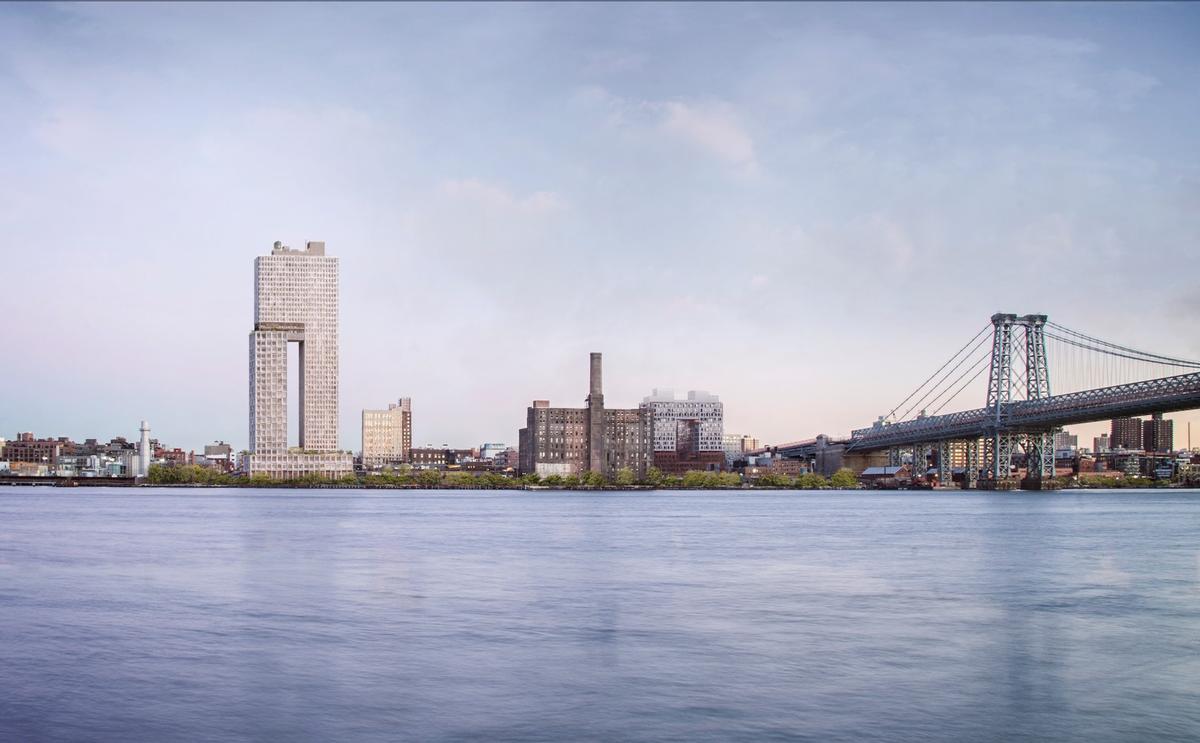
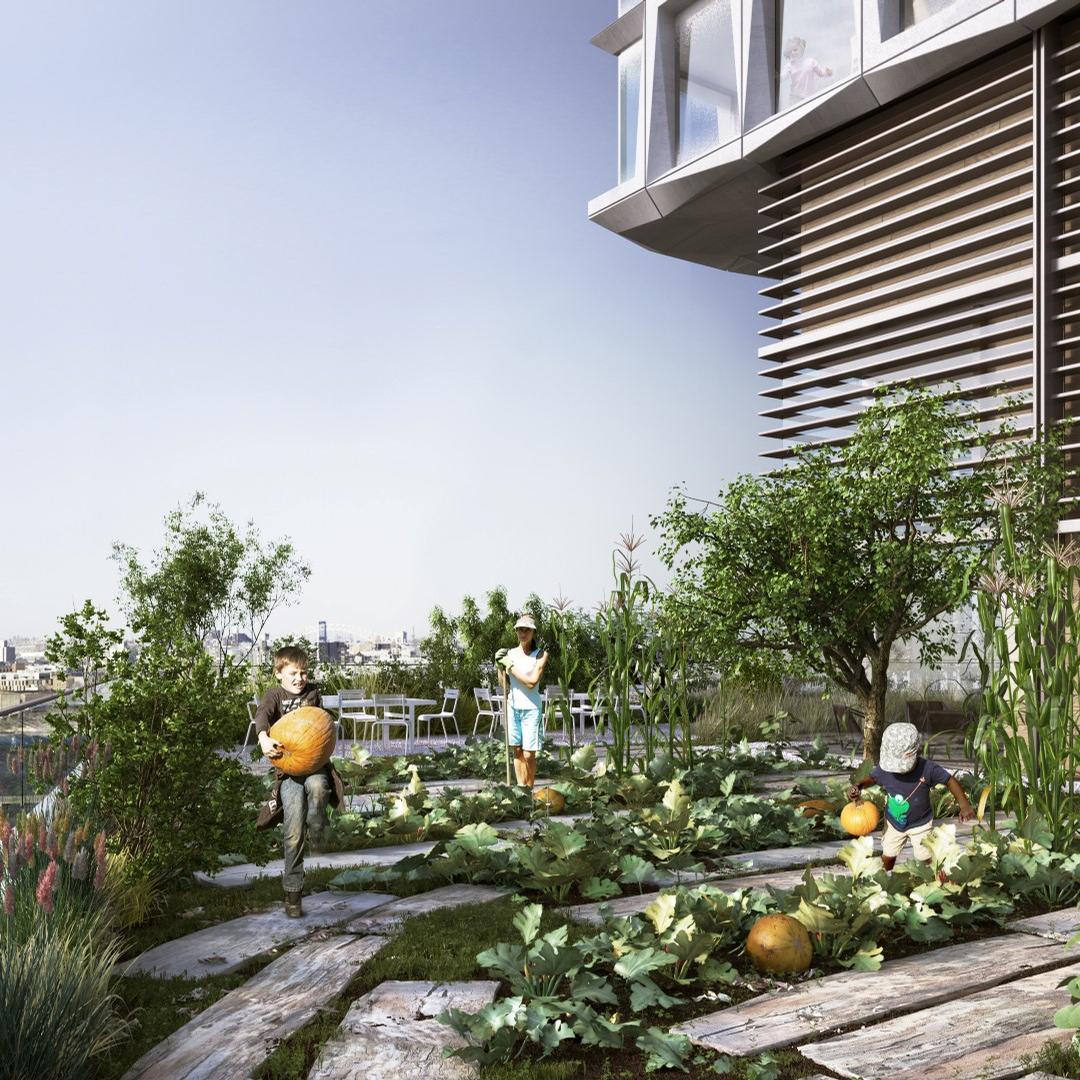
And One South First/10 Grand, a residential, commercial and retail development in a converted sugar refinery also in Brooklyn, not only features a gym, a café and common areas for its occupants, but also a roof garden with greenery and outdoor recreation space.
As these projects show, COOKFOX remains true to its original vision, but that vision has been – and continues to be – distilled and refined over time, not least recently during a project for Oxford Properties, of which Google is now a tenant.
"When we did the research for the new Google headquarters, there were three overlapping things that came up over and over again about the workplace of the future," said Cook. "One was wellness, another was authenticity and the third one was flexibility, which you can substitute for resiliency."
"We talk about resiliency from natural disasters, in environmentally responsible work and, now, we're all going to be confronted with resiliency in the way we work."
This idea of resiliency is a more macro concept for providing insulation against many individual threats as whole – be they from the climate, to health, against economic upheaval or anything else – and Cook sees it being the next major trend in architecture and beyond.
interview COOKFOX Architects sustainability wellness resiliency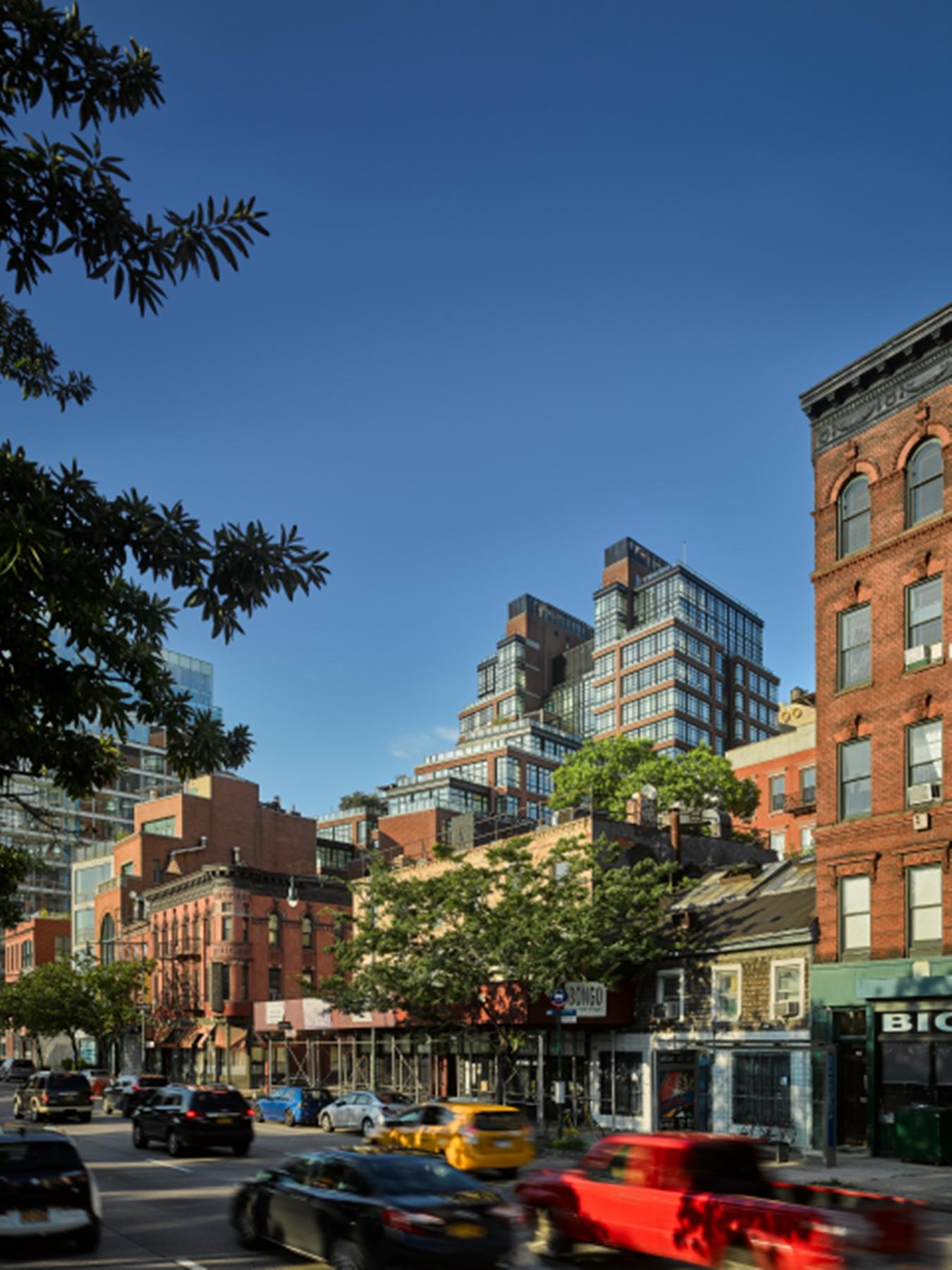
AI firm Midjourney enters wellness with spa, fitness and body scanning concept


Hot spring wellness community Ameyalli sells residences and breaks ground on resort and spa

OMA completes New Museum transformation with landmark expansion and Oberon restaurant
OMA has completed a major transformation of New York's New Museum, creating a larger cultural campus that combines expanded exhibition spaces with learning, performance, hospitality and public programming. The latest addition, Oberon, extends the visitor experience beyond the gallery, reflecting a growing trend for museums to become all-day destinations.
The New Museum in New York has entered a new chapter with the completion of a major
David Rockwell creates immersive magic destination, The Hand and The Eye
Montana Heritage Center by Cushing Terrell opens after US$107 million investment

Universal launches new theme park model with Kids Resort
'Minor wellness hotels' recorded the strongest growth across top KPIs in 2025, finds RLA Global
Great Barrier Reef attraction set for AU$180 million reinvention
Fairmont Cheshire, The Mere, has architecture by Leach Rhodes Walker and interiors by Bergman Design House.
Marriott International partners with Fitwel for wellness solutions across its residential portfolio
Preidlhof Luxury DolceVita Resort to unveil new spa in February 2027
Places Leisure is working with Roberts Limbrick to build £60m wellness flagship in Basingstoke
Hoshino Resorts opens Kai Kusatsu as it expands the Kai onsen ryokan brand
Qiddiya and Populous share details of Saudi Arabia’s National Tennis Centre
Disney confirms US$30 billion investment programme as it highlights its economic impact
Until combines multiple disciplines at new Canary Wharf club
Sea Lanes opens following a partnership between The Eden Project and Canary Wharf Group
Bas Smets brings water and wilderness to Vitra
Expo 2030 Riyadh will create a permanent global destination
Luxury resort coming to Hunter Valley will have longevity spa
'Data chocolate', dreams made real and artworks shaped by visitors’ emotions: Refik Anadol’s AI art museum launches in Los Angeles
London Museum reveals 2026 opening date for new Smithfield home
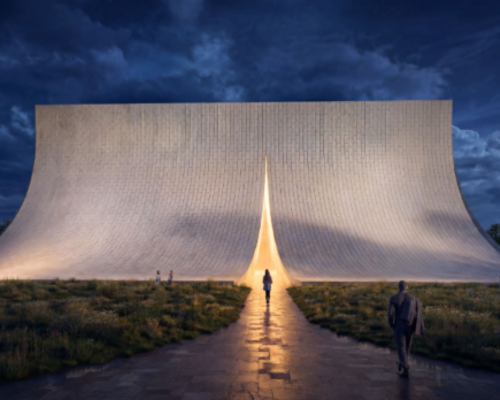
BIG unveils Eve Music Hall as Croatia venue nears completion
Bob Rogers hands BRC to long-serving leadership team
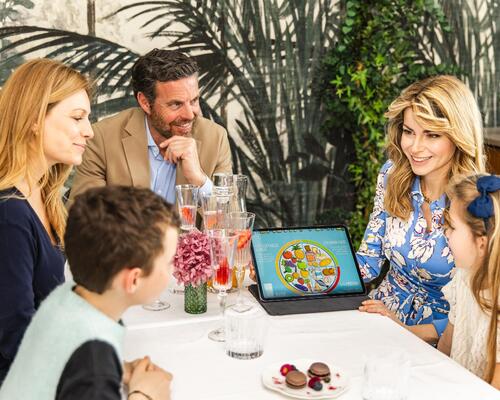
Palazzo di Varignana launches family wellbeing and longevity retreat in Emilia Romagna
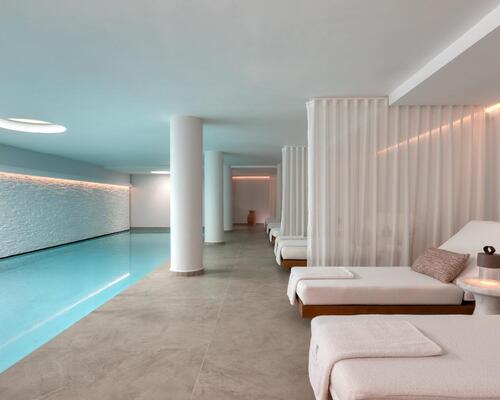
Anasa Wellness and Spa debuts at Patmos Aktis as it joins Marriott
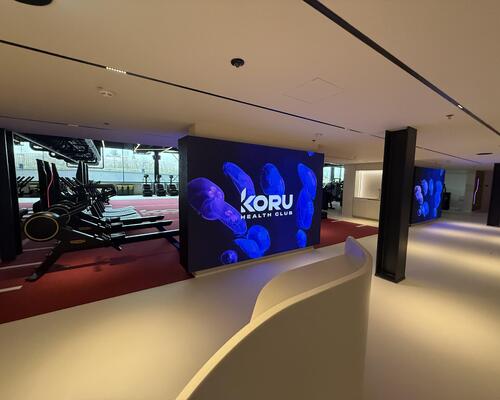
Design-led Koru Health Club combines high-performance training with recovery

Wellness care hospital opens in Vilnius with innovative spa and hospitality concept

Universal and Puy du Fou projects point to rise of Oxford–Cambridge corridor
A proposed Puy du Fou development near Bicester and Universal Destinations and Experiences’ planned resort in Bedford are emerging as part of a wider transformation of the Oxford–Cambridge Growth Corridor into a major centre for UK leisure and tourism investment.
For years, the corridor has been associated primarily with science, technology, housing and university-led economic growth. However, the clustering of large-scale visitor attraction projects along the

All-inclusive eco-wellness development Auko to open near Vietnam’s Son Doong caves




Designed to restore neglected land and renew the identity of Iraq’s capital city, Baghdad Sustainable Forests promises a new way of living surrounded by nature. Gensler’s Ian Mulcahay tells us why he thinks the project could become a model for the repair and enhancement of urban centres