'Never before seen in hotel architecture': RSH+P unveil huge glass canopy at The Berkeley


– Ivan Harbour
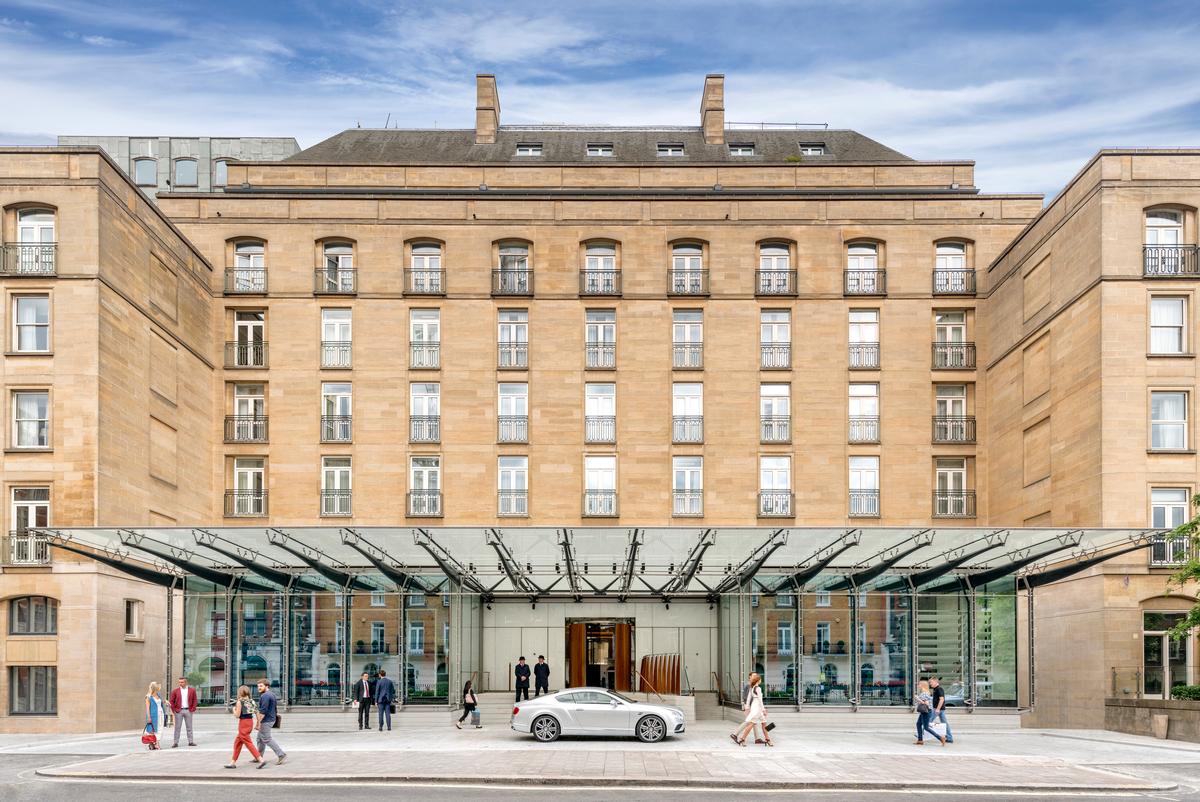
Landmark London hotel The Berkeley Hotel has unveiled its new entrance, created by Rogers Stirk Harbour + Partners (RSH+P) to “create the ultimate sense of arrival”.
The building, designed for the hotel by architect Brian O'Rorke in 1972, has had an extensive redesign, particularly to its facade.
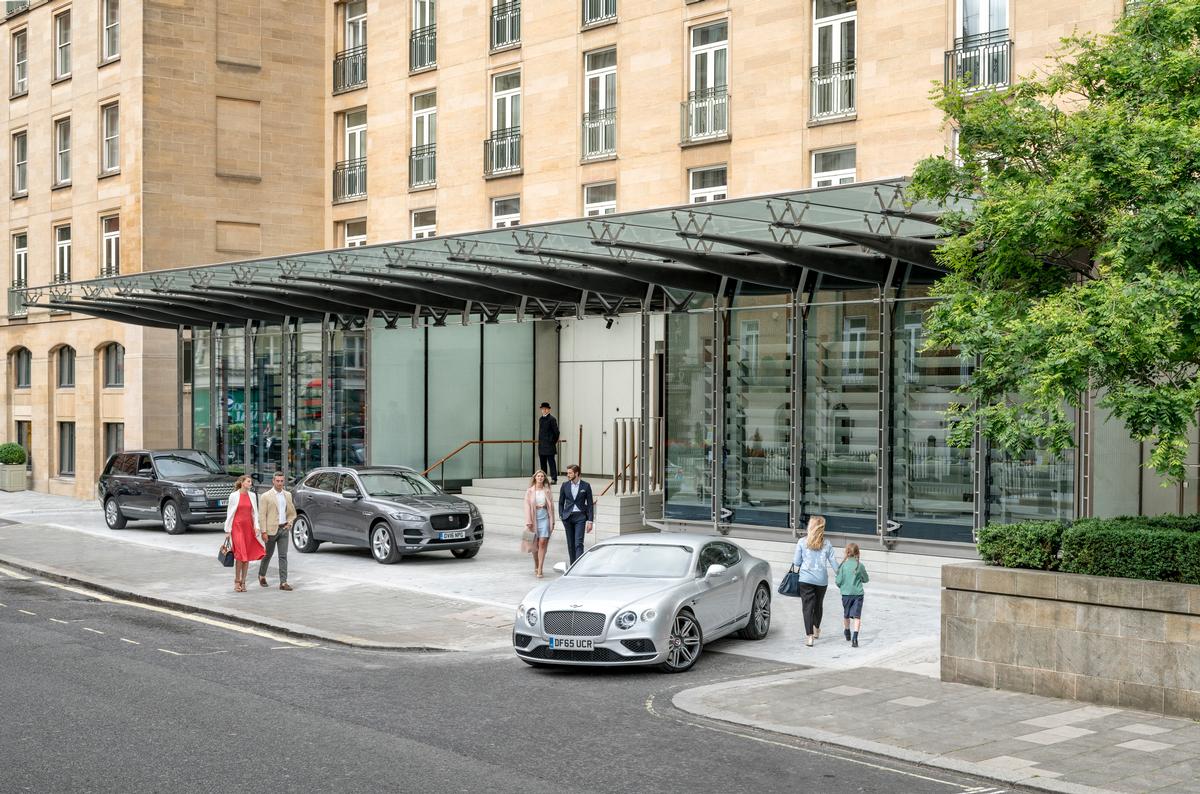
RSH+P added a huge glass canopy supported by sixteen sculpted carbon fibre beams, each 9m long, using materials and technology more often seen in the construction of Formula 1 cars and elite racing bikes.
The creation of the canopy – a feat the studio said “has never been seen before in hotel architecture” – was undertaken by Spanish engineer and fabrication firm Bellapart.
“The carbon fibre beams bring a lightness and elegance to the glass structure, creating an open, transparent and welcoming point of arrival,” said studio founder Richard Rogers. “It is a tribute to my late colleague Amo Kalsi [who worked on the project] as it shows off his incredible architectural skill and sensitivity, bringing light and drama to The Berkeley.”
Two ceiling glass pavilions flank the entrance doors and the extended outer walls of the hotel’s Blue Bar and Collins Room – which have both been redesigned by Robert Angel. A subtle honeycomb detailing reflects light throughout the day and night allowing for a constant sense of illumination, shadow and movement.
“This breath-taking new design of our entrance is a perfect example of how an established building in the centre of a major capital can embrace the most cutting-edge design aesthetic and provide guests with an exciting environment,” said the hotel’s general manager Knut Wylde.
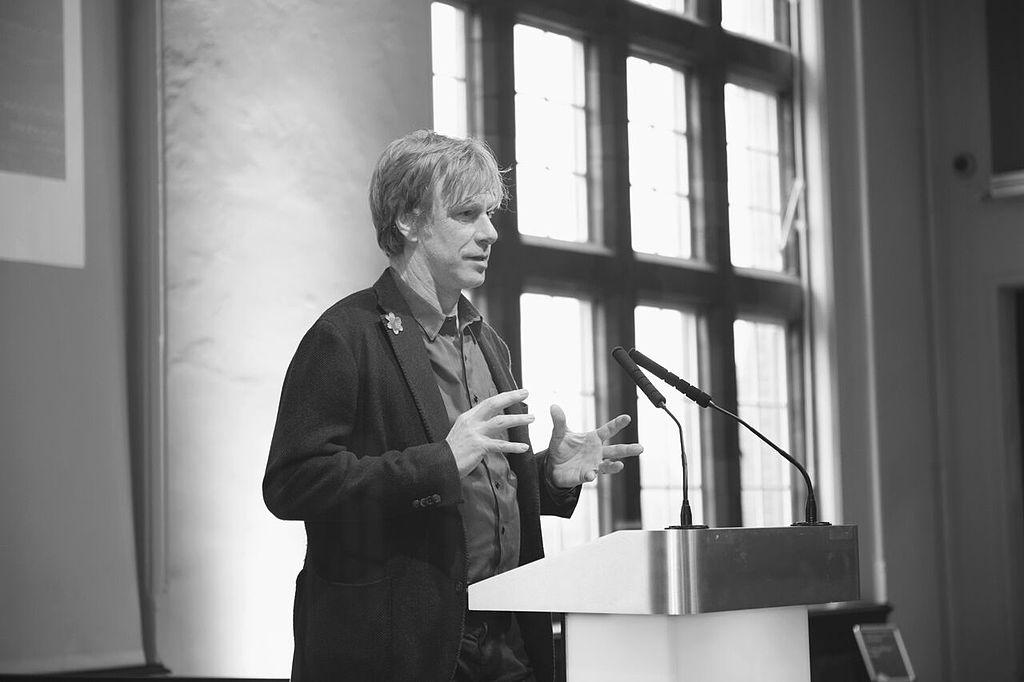
Ivan Harbour, who led the project for RSH+P, added: “The architectural approach, in keeping with the morphology of the hotel was to contrast new additions, which pioneer glazing and carbon fibre technology, with the existing architecture.
“The result brings an extraordinary level of 21st century craftsmanship to the forecourt of The Berkeley, giving a unique arrival befitting of the hotel.”
In an interview with CLAD, Harbour claimed that this is the first time carbon fibre has been used as a building structure in this way. "It's an amazing use of technology," he said. "It really is unique. We're very happy that it doesn't feel like an add-on to the hotel; rather it is a new part of the hotel – both distinctively different and very dramatic."
Following this project, the hotel will unveil a series of new suites designed by John Heah and Helen Green Studio, and new terraces created by RSH+P.
The Berkeley is managed by Maybourne Hotel Group, who also manage Claridge's and The Connaught in London’s Mayfair.
Richard Rogers The Berkeley RSH+P Ivan Harbour hotel architecure Robert Angell Maybourne Hotel Group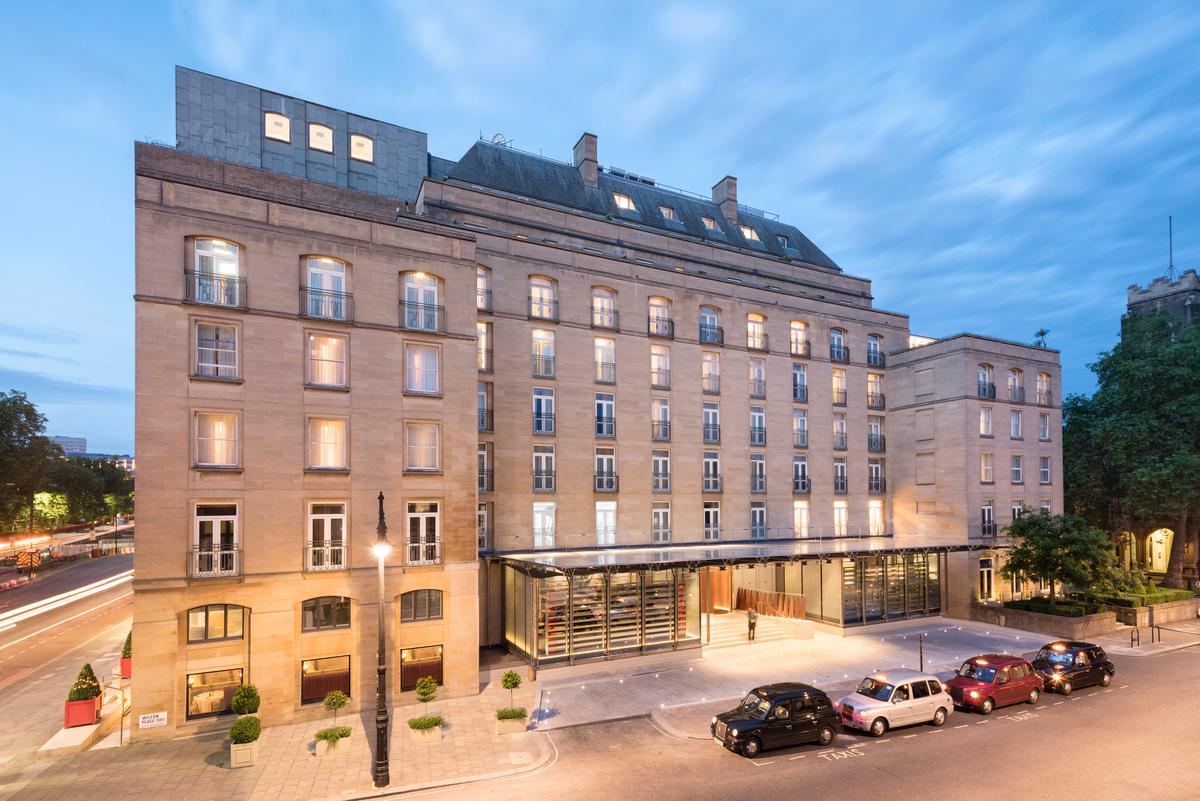

AI firm Midjourney enters wellness with spa, fitness and body scanning concept
Hot spring wellness community Ameyalli sells residences and breaks ground on resort and spa

OMA completes New Museum transformation with landmark expansion and Oberon restaurant
OMA has completed a major transformation of New York's New Museum, creating a larger cultural campus that combines expanded exhibition spaces with learning, performance, hospitality and public programming. The latest addition, Oberon, extends the visitor experience beyond the gallery, reflecting a growing trend for museums to become all-day destinations.
The New Museum in New York has entered a new chapter with the completion of a major
David Rockwell creates immersive magic destination, The Hand and The Eye
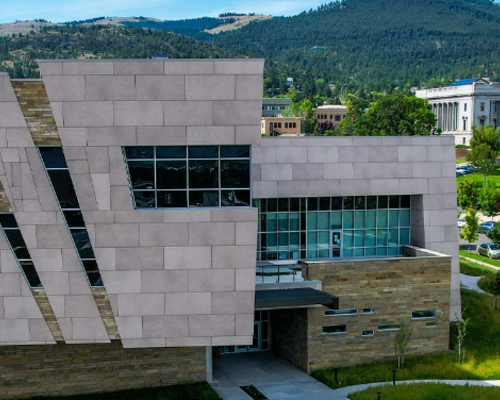
Montana Heritage Center by Cushing Terrell opens after US$107 million investment

Universal launches new theme park model with Kids Resort

'Minor wellness hotels' recorded the strongest growth across top KPIs in 2025, finds RLA Global
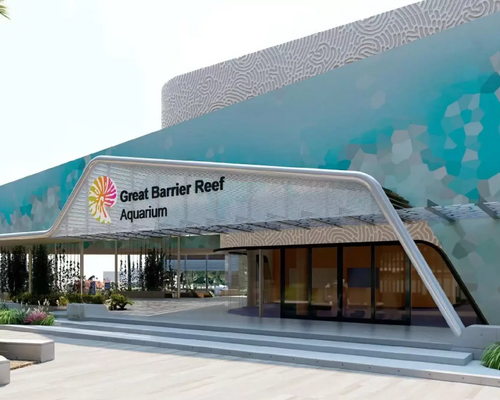
Great Barrier Reef attraction set for AU$180 million reinvention
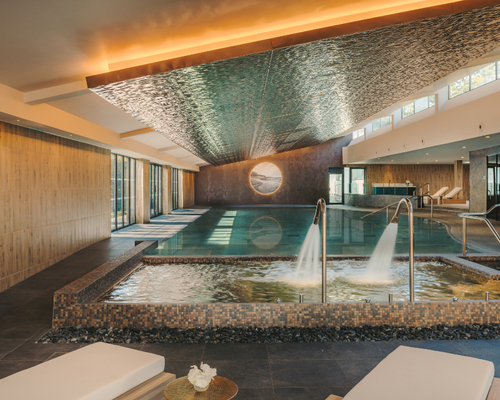
Fairmont Cheshire, The Mere, has architecture by Leach Rhodes Walker and interiors by Bergman Design House.

Marriott International partners with Fitwel for wellness solutions across its residential portfolio
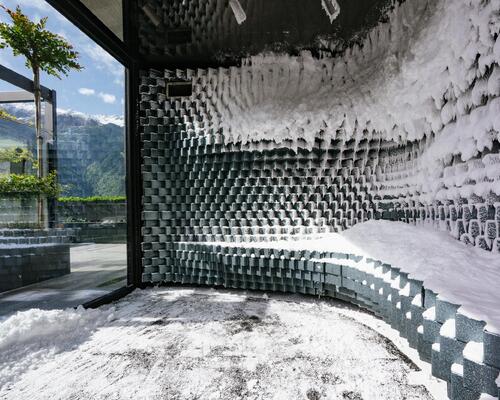
Preidlhof Luxury DolceVita Resort to unveil new spa in February 2027
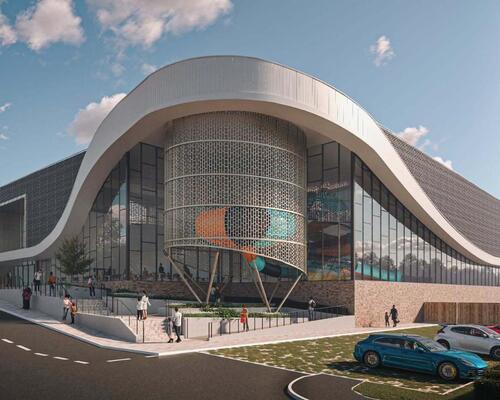
Places Leisure is working with Roberts Limbrick to build £60m wellness flagship in Basingstoke

Hoshino Resorts opens Kai Kusatsu as it expands the Kai onsen ryokan brand
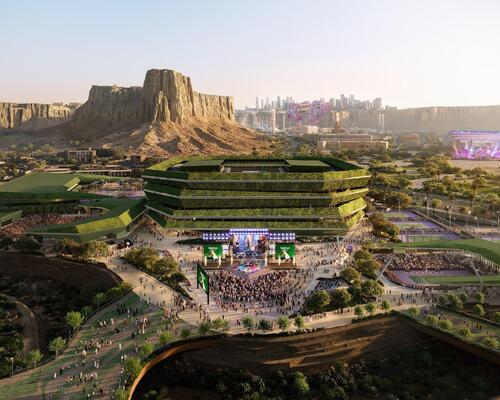
Qiddiya and Populous share details of Saudi Arabia’s National Tennis Centre

Disney confirms US$30 billion investment programme as it highlights its economic impact
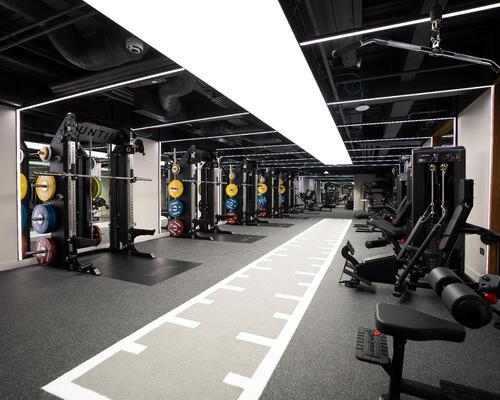
Until combines multiple disciplines at new Canary Wharf club
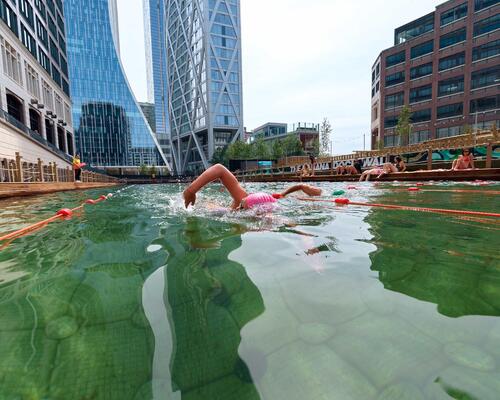
Sea Lanes opens following a partnership between The Eden Project and Canary Wharf Group
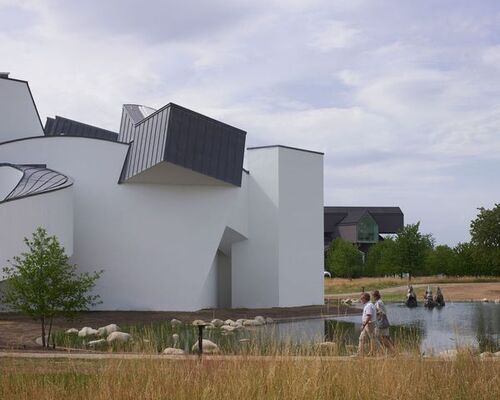
Bas Smets brings water and wilderness to Vitra
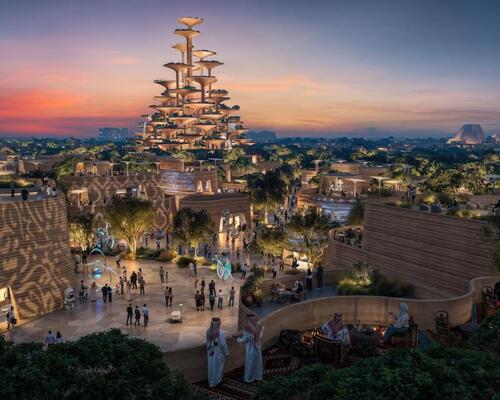
Expo 2030 Riyadh will create a permanent global destination
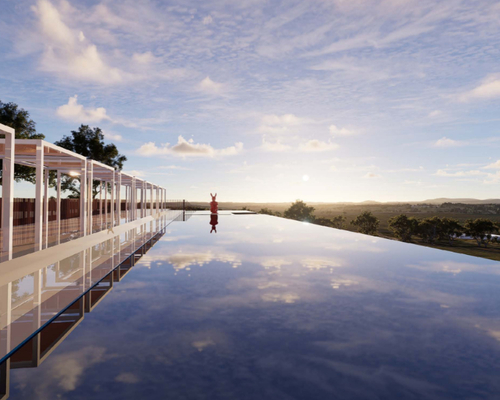
Luxury resort coming to Hunter Valley will have longevity spa
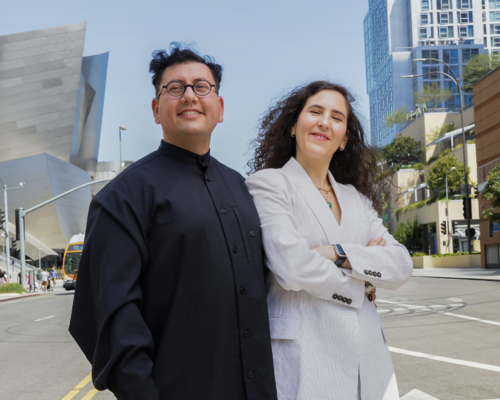
'Data chocolate', dreams made real and artworks shaped by visitors’ emotions: Refik Anadol’s AI art museum launches in Los Angeles
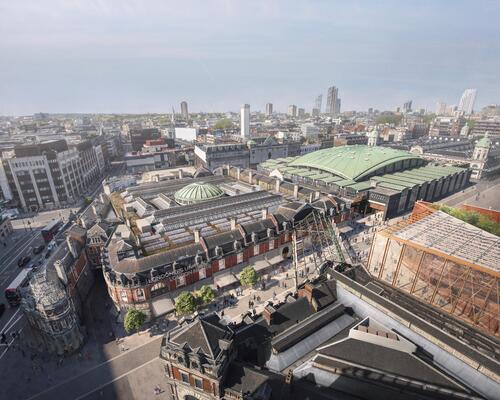
London Museum reveals 2026 opening date for new Smithfield home
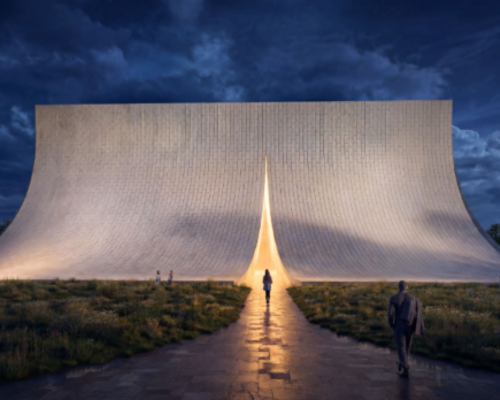
BIG unveils Eve Music Hall as Croatia venue nears completion
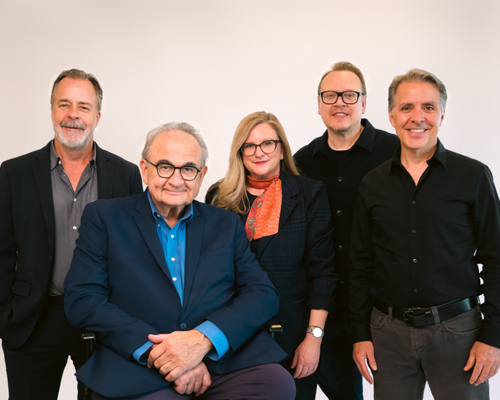
Bob Rogers hands BRC to long-serving leadership team

Palazzo di Varignana launches family wellbeing and longevity retreat in Emilia Romagna
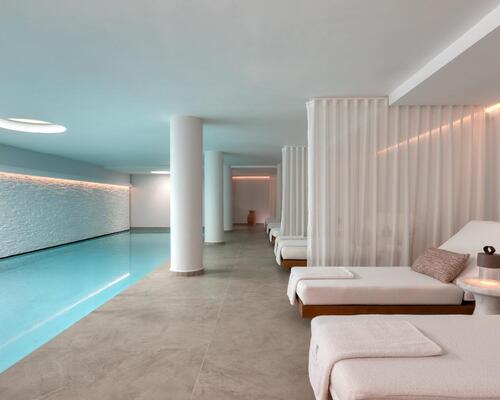
Anasa Wellness and Spa debuts at Patmos Aktis as it joins Marriott
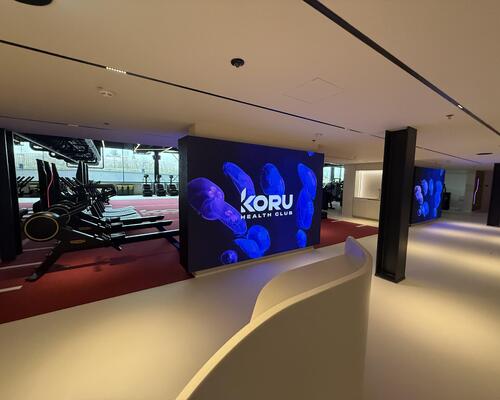
Design-led Koru Health Club combines high-performance training with recovery

Wellness care hospital opens in Vilnius with innovative spa and hospitality concept

Universal and Puy du Fou projects point to rise of Oxford–Cambridge corridor
A proposed Puy du Fou development near Bicester and Universal Destinations and Experiences’ planned resort in Bedford are emerging as part of a wider transformation of the Oxford–Cambridge Growth Corridor into a major centre for UK leisure and tourism investment.
For years, the corridor has been associated primarily with science, technology, housing and university-led economic growth. However, the clustering of large-scale visitor attraction projects along the

All-inclusive eco-wellness development Auko to open near Vietnam’s Son Doong caves









Designed to restore neglected land and renew the identity of Iraq’s capital city, Baghdad Sustainable Forests promises a new way of living surrounded by nature. Gensler’s Ian Mulcahay tells us why he thinks the project could become a model for the repair and enhancement of urban centres