Mehrdad Yazdani: Design creativity and government investment essential to continue 'wonderful renaissance' of public realm


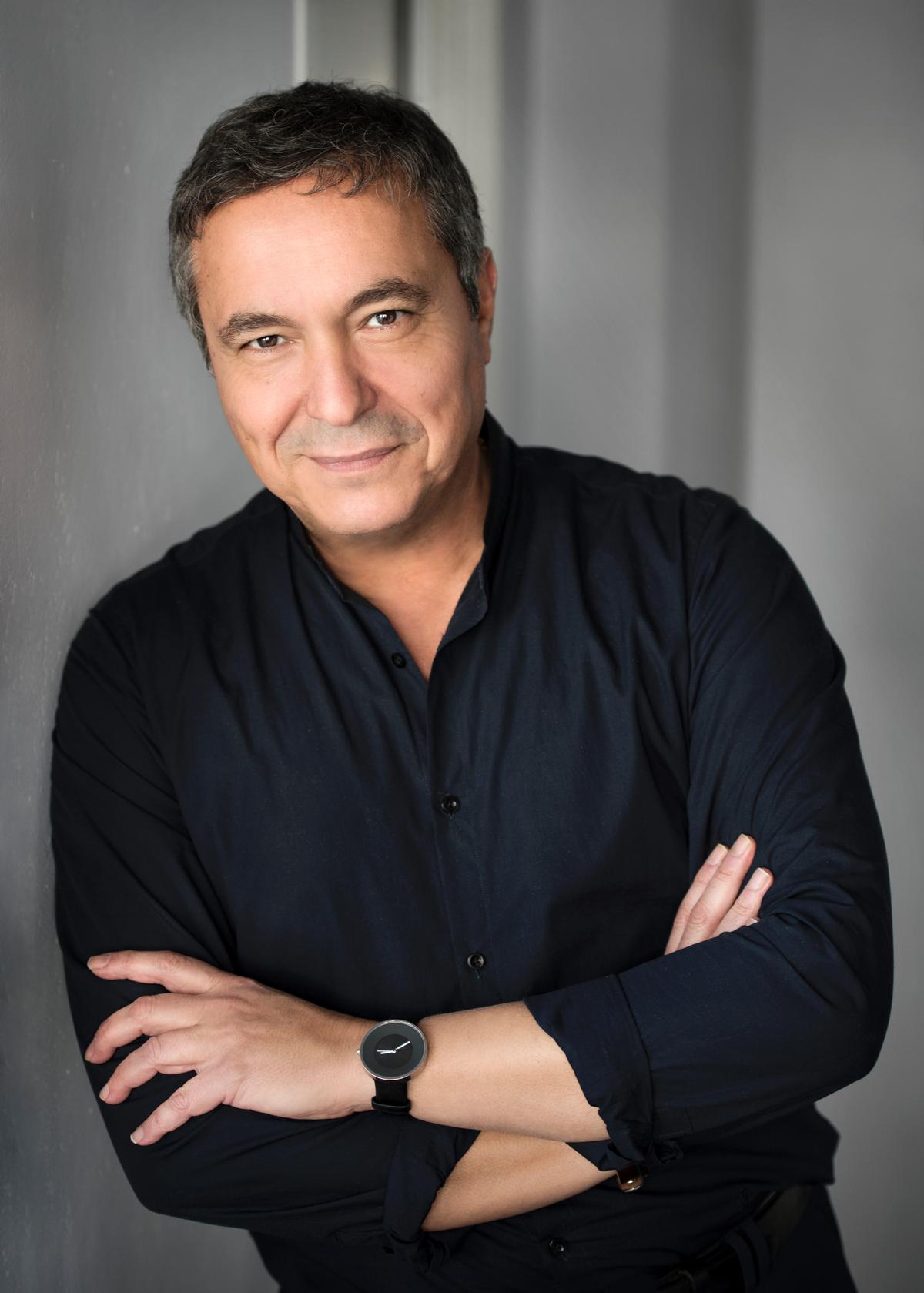
There has been “a wonderful renaissance” in public realm design, but a lack of meaningful investment threatens to hold back further progress.
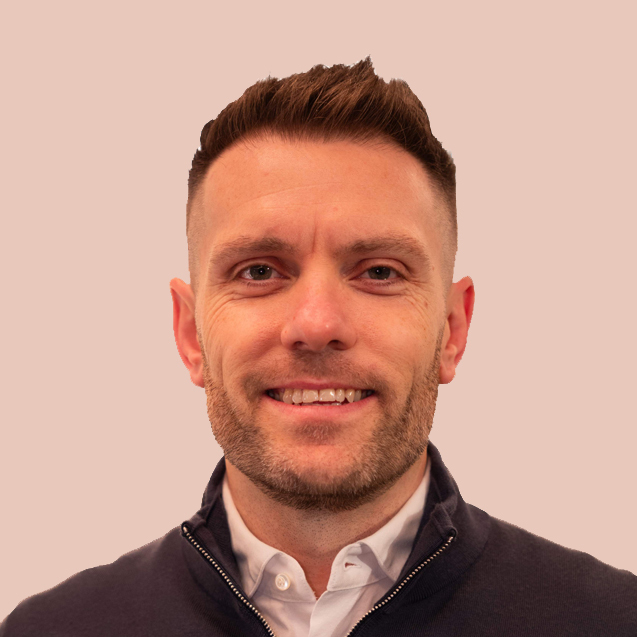
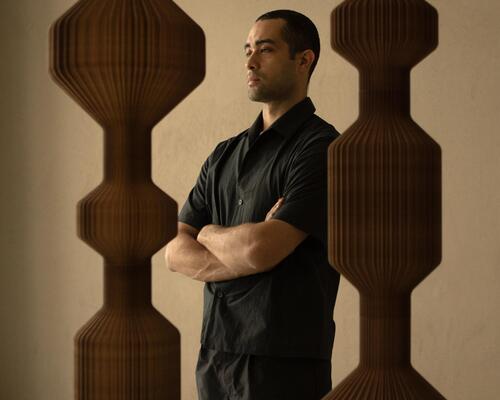
That is the view of Mehrdad Yazdani, design principal of Yazdani Studio at CannonDesign, who told CLADglobal that “the design community needs to lead the way in helping cities address issues” challenging the long-term success of great public spaces.
“My team has worked on a vast array of public projects and over the past three decades of my career, I’ve seen our collective perception of public space evolve,” he said. “Emerging generations of urbanites are moving back into our cities’ urban cores and seeking quality public spaces and amenities. The urban environment is attractive to young people disinterested in owning a car, more focused on environmentally friendly transit, and eager to ride, bikes, visit cafes, and socialise in the public realm.
“Occurring in parallel, a large number of Baby Boomers are now retiring, leaving suburbia and moving into downtown apartments and condos. They represent a highly educated population with resources who prefer to be within walking distance of public amenities like performing arts centres, museums, great restaurants. The convergence of these two trends - Millennials and Boomers - is fueling a wonderful renaissance for urban spaces.”
Yazdani argued that these trends are driving the creation of more livable cities. He said: “Across the world, cities with downtowns that had come to resemble ghost towns are welcoming all different types of people, activity and opportunity.
“This civic resurgence is an exciting moment for architects and landscape designers – it compels our most innovative work. Urban centres are often plagued by limited space, congestion, high construction costs, and so even the smallest interventions, like transforming a redundant parking area into a sidewalk seating area or a small park, require us to address these constraints and require high levels of creative energy.”
However, the architect warned that, in the US at least, a lack of meaningful investment is threatening the long-term success of the current public realm renaissance.
“The level of investment and the prioritisation of public space that has occurred for centuries in Europe, the Middle East and Asia doesn’t exist anymore in the US,” he said.
“I remember taking my teenage daughter to Rome and we had just visited St. Paul’s Cathedral and were sitting in the Piazza reflecting on the experience when she looked at me and said, ‘Dad, this is an amazing space. Why don’t we have these kinds of spaces in the US?’
“Public spaces here often aren’t owned by entities committed to creating lasting contributions to our public realm. Cities struggle with limited budgets and creating lasting public space is rarely a key agenda item for governments. This means it can fall to communities and/or private developers with different interests or even tighter budgets. Fixing this reality is the largest challenge we face. Until we do, we’re still far from creating the lasting spaces our future generations deserve.”
Yazdani heads his own laboratory for exploration and experimentation, Yazdani Studio, within the international architecture firm CannonDesign in order to “leverage the best attributes of a small design studio with the resources and reach of a global practice”
The firm's cultural and leisure designs include proposals for the Armenian American Museum in Glendale, California and the Bollywood Museum in Mumbai's Film City.
He is currently working on projects including four high-rise residential and hotel towers in Dubai, a remodelling and expansion of the Museum of Tolerance in Los Angeles and a new Global Neurosciences Institute in Philadelphia.
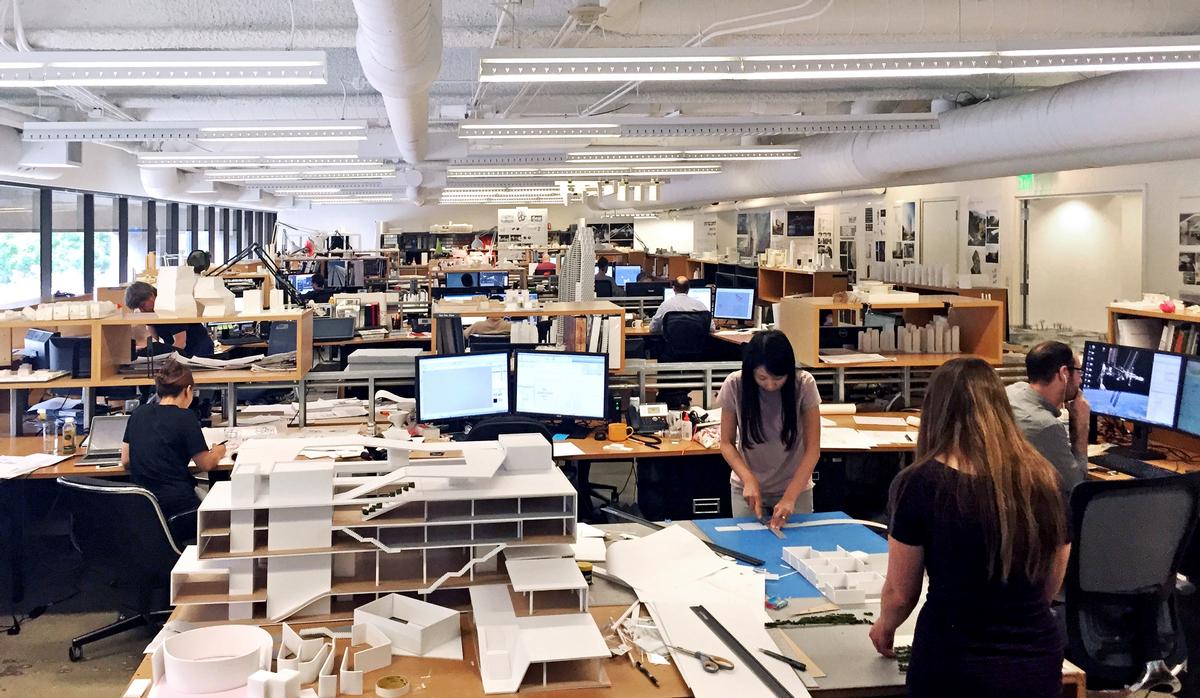
“In the waning years of the last century, I saw important trends emerging. Design technology was advancing rapidly and beginning to incorporate new tools like 3D modelling - this was before parametrics were around. I realised the rapid changes in technology required design firms to invest at a high-level if they wanted to thrive.
"My partners and I, as owners of a mid-sized regional firm, found it difficult to make the investments needed to keep up with the competition, never mind lead the industry. At the same time, clients increasingly expected that the firms they retained would have industry-leading market acumen, making it difficult for smaller firms like ours to keep up. It had become almost impossible for us to acquire this depth of expertise, and we were losing the ability to compete.
“Since a lot of regional firms were experiencing this, the architecture industry was undergoing a period of mergers and consolidation during which numerous mid-sized practices were acquired by national firms. The design world became flatter and flatter during this period, and our mid-sized practice now had to compete with national firms with significantly more resources. So, merging with CannonDesign, offered many advantages.
“But I knew that mergers aren’t easy. It’s challenging for two firms with different cultures to work together on singular projects. In the 2-10 years that it takes buildings to complete, many relationships fall apart, and clients can be caught in the middle of a dysfunctional situation. So, when my firm merged with CannonDesign, our solution was to do something entirely different.
A different approach
“I posed the idea that we could create a practice within the firm that unites the best attributes of a small, hands-on, agile and experimental studio with the expertise, talent, geographic reach and resources of a large firm. This reality would allow clients to work with a single firm offering the best attributes of each. That idea led to the creation of our entirely unique platform, Yazdani Studio of CannonDesign in 2000. Now 18 years later, we’ve grown to a team of 25 people working across multiple markets, scales and typologies. We’ve achieved our vision and I’m really excited for the future.
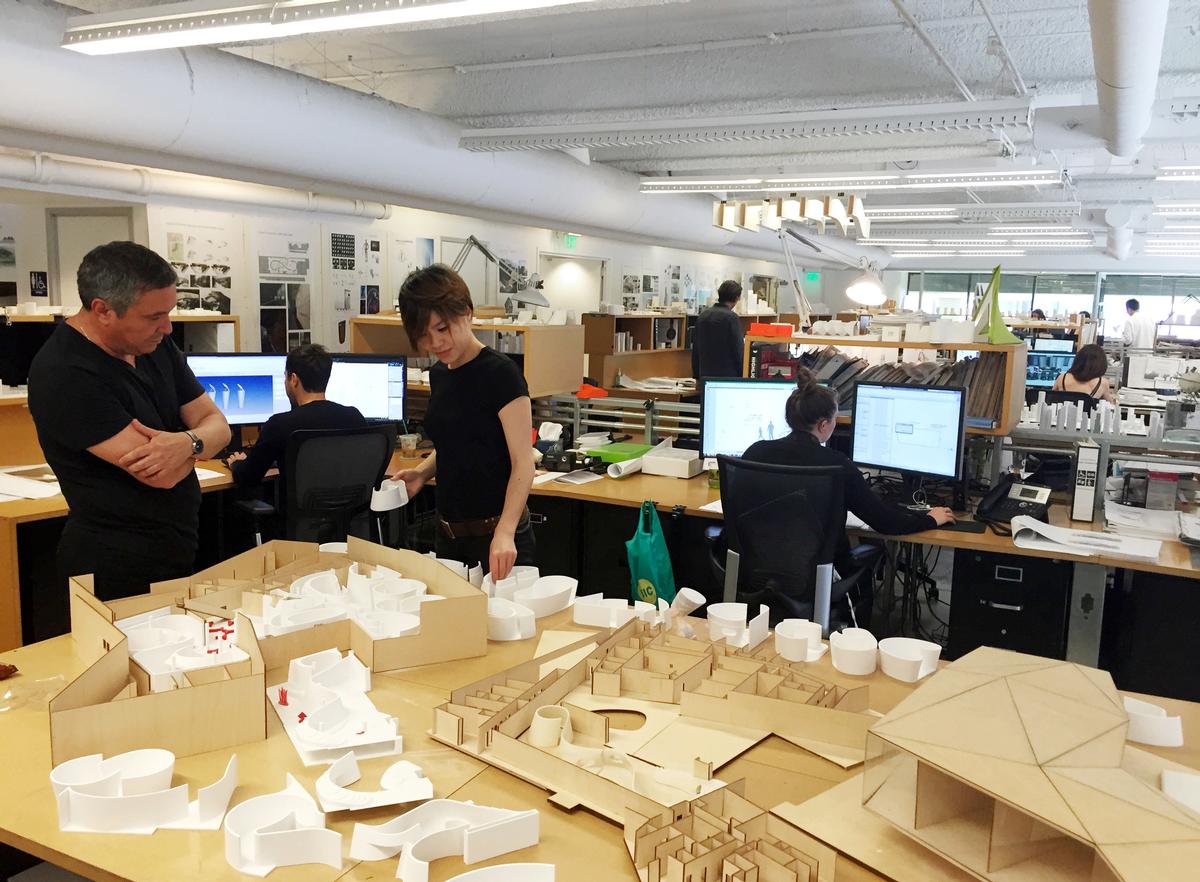
“The Yazdani Studio is a homegrown team of creative individuals who work with me on a wide range of projects and advance research and experimentation in the firm. We have embraced the singular culture of CannonDesign and its values, and while I direct the Yazdani Studio, I am also a design principal and a member of CannonDesign’s board of directors, so my responsibilities overlap.
“While the Yazdani Studio is based in CannonDesign’s LA office, we operate as a separate platform, and monitor our performance independently. We’re responsible for acquiring projects and executing them around the world, helping to strengthen the larger firm and vice versa.
“Thanks to CannonDesign’s Single Firm, Multi Office (SFMO) approach, we are able to form teams that combine Yazdani Studio members with talented architects and subject matter experts from across the firm’s network of offices to best respond to our clients’ unique challenges and opportunities.”
CannonDesign's Baltimore basketball arena 'embraces movement' through design
'An icon for the city': CannonDesign craft Maryland Heights sports and wellness centre
Quebec ice hockey and entertainment arena to deliver 'unrivalled spectator experience'

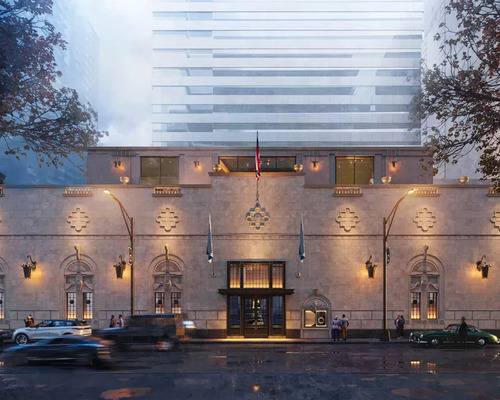
OMA completes New Museum transformation with landmark expansion and Oberon restaurant
OMA has completed a major transformation of New York's New Museum, creating a larger cultural campus that combines expanded exhibition spaces with learning, performance, hospitality and public programming. The latest addition, Oberon, extends the visitor experience beyond the gallery, reflecting a growing trend for museums to become all-day destinations.
The New Museum in New York has entered a new chapter with the completion of a major
David Rockwell creates immersive magic destination, The Hand and The Eye
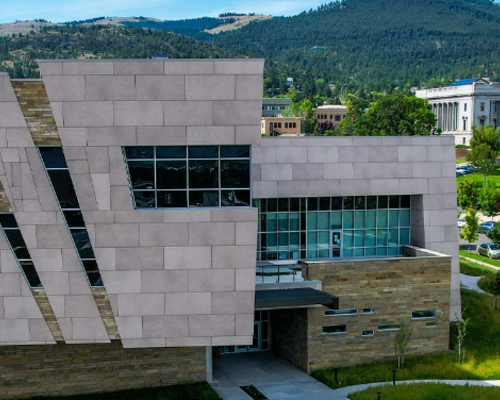
Montana Heritage Center by Cushing Terrell opens after US$107 million investment
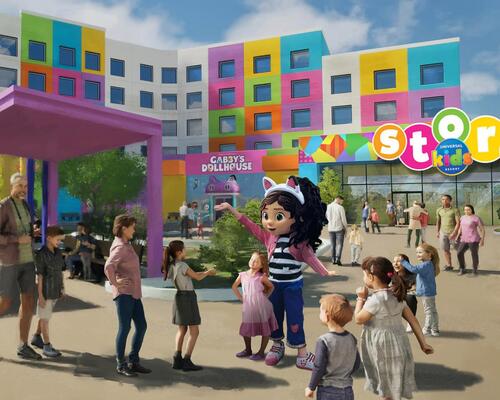
Universal launches new theme park model with Kids Resort
'Minor wellness hotels' recorded the strongest growth across top KPIs in 2025, finds RLA Global
Great Barrier Reef attraction set for AU$180 million reinvention
Fairmont Cheshire, The Mere, has architecture by Leach Rhodes Walker and interiors by Bergman Design House.
Marriott International partners with Fitwel for wellness solutions across its residential portfolio
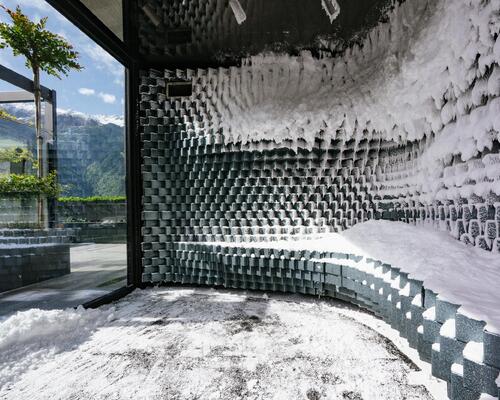
Preidlhof Luxury DolceVita Resort to unveil new spa in February 2027
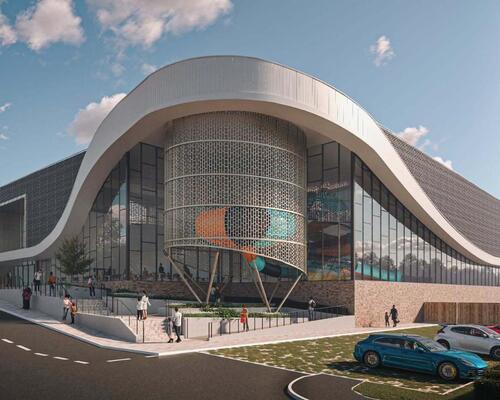
Places Leisure is working with Roberts Limbrick to build £60m wellness flagship in Basingstoke
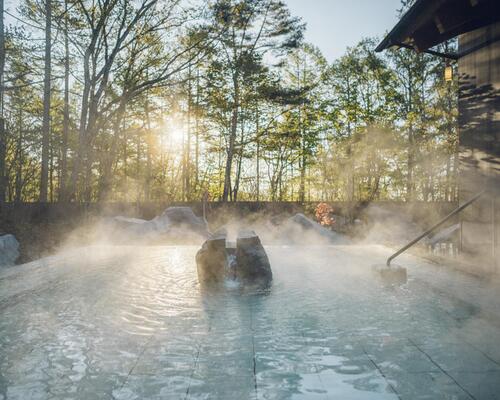
Hoshino Resorts opens Kai Kusatsu as it expands the Kai onsen ryokan brand
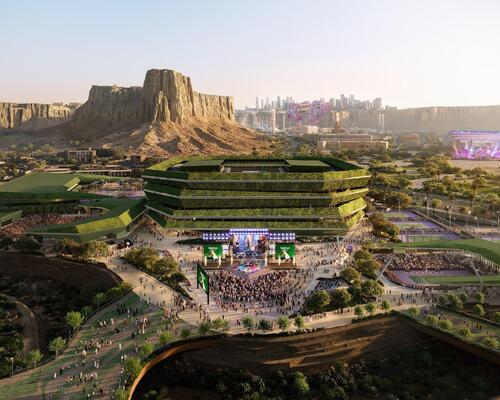
Qiddiya and Populous share details of Saudi Arabia’s National Tennis Centre
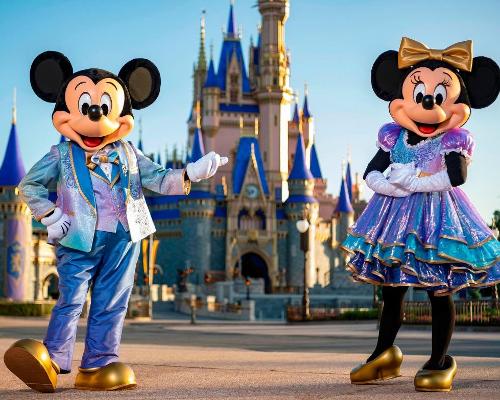
Disney confirms US$30 billion investment programme as it highlights its economic impact
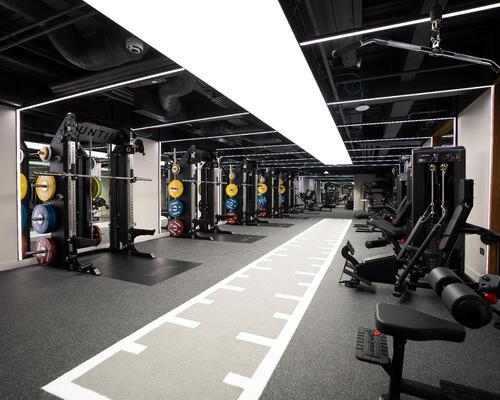
Until combines multiple disciplines at new Canary Wharf club
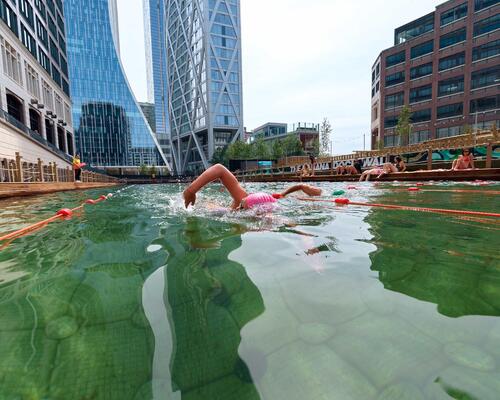
Sea Lanes opens following a partnership between The Eden Project and Canary Wharf Group
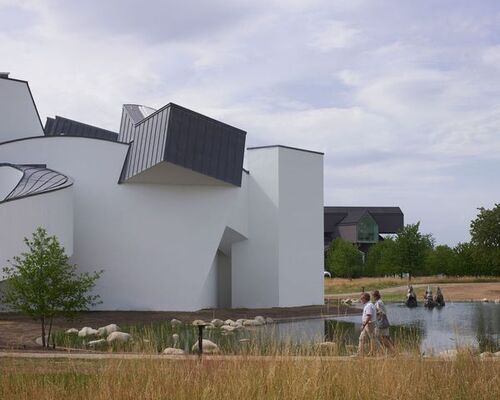
Bas Smets brings water and wilderness to Vitra
Expo 2030 Riyadh will create a permanent global destination
Luxury resort coming to Hunter Valley will have longevity spa
'Data chocolate', dreams made real and artworks shaped by visitors’ emotions: Refik Anadol’s AI art museum launches in Los Angeles
London Museum reveals 2026 opening date for new Smithfield home
BIG unveils Eve Music Hall as Croatia venue nears completion
Bob Rogers hands BRC to long-serving leadership team
Palazzo di Varignana launches family wellbeing and longevity retreat in Emilia Romagna
Anasa Wellness and Spa debuts at Patmos Aktis as it joins Marriott
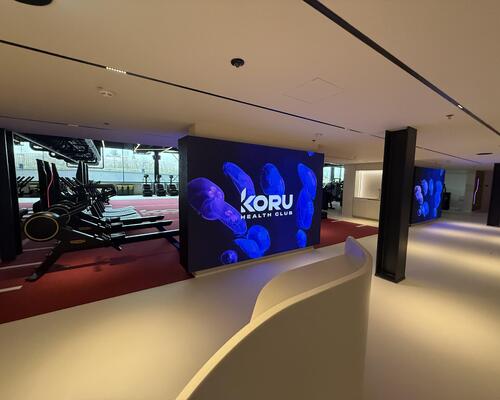
Design-led Koru Health Club combines high-performance training with recovery

Wellness care hospital opens in Vilnius with innovative spa and hospitality concept

Universal and Puy du Fou projects point to rise of Oxford–Cambridge corridor
A proposed Puy du Fou development near Bicester and Universal Destinations and Experiences’ planned resort in Bedford are emerging as part of a wider transformation of the Oxford–Cambridge Growth Corridor into a major centre for UK leisure and tourism investment.
For years, the corridor has been associated primarily with science, technology, housing and university-led economic growth. However, the clustering of large-scale visitor attraction projects along the
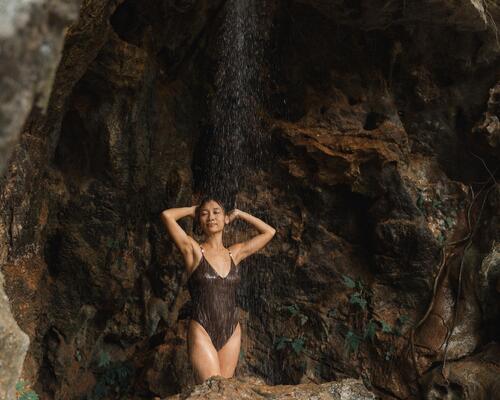
All-inclusive eco-wellness development Auko to open near Vietnam’s Son Doong caves
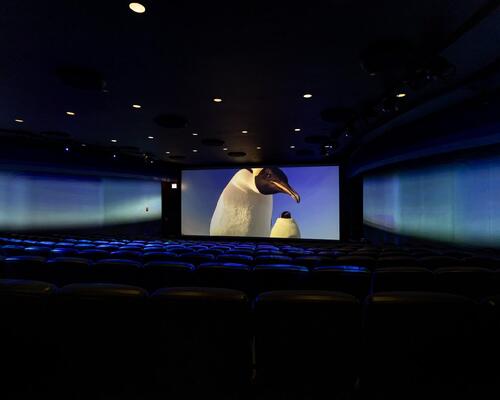
Shedd Aquarium upgrades its visitor experience with new Immersion Theater
Shedd Aquarium has opened the Immersion Theater developed in partnership with SimEx-Iwerks, as part of a wider strategy to enhance the guest experience and create additional revenue opportunities.
The attraction has transformed the aquarium’s Phelps Auditorium into a multi-sensory venue combining panoramic projection, environmental effects and interactive technology.
A new pre-show area allows visitors to engage with augmented reality marine animals before entering the
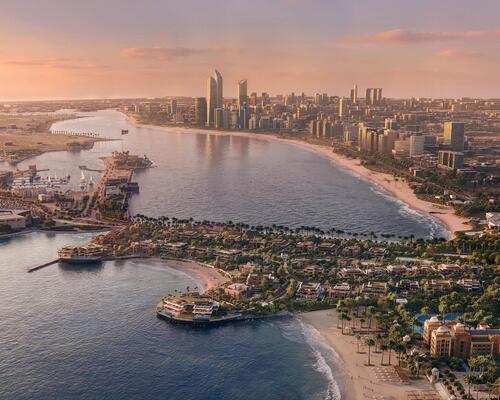
Mandarin Oriental announces standalone Mansions-branded residences for Abu Dhabi