Make Architects designs Chinese hotel complex in restored monastery


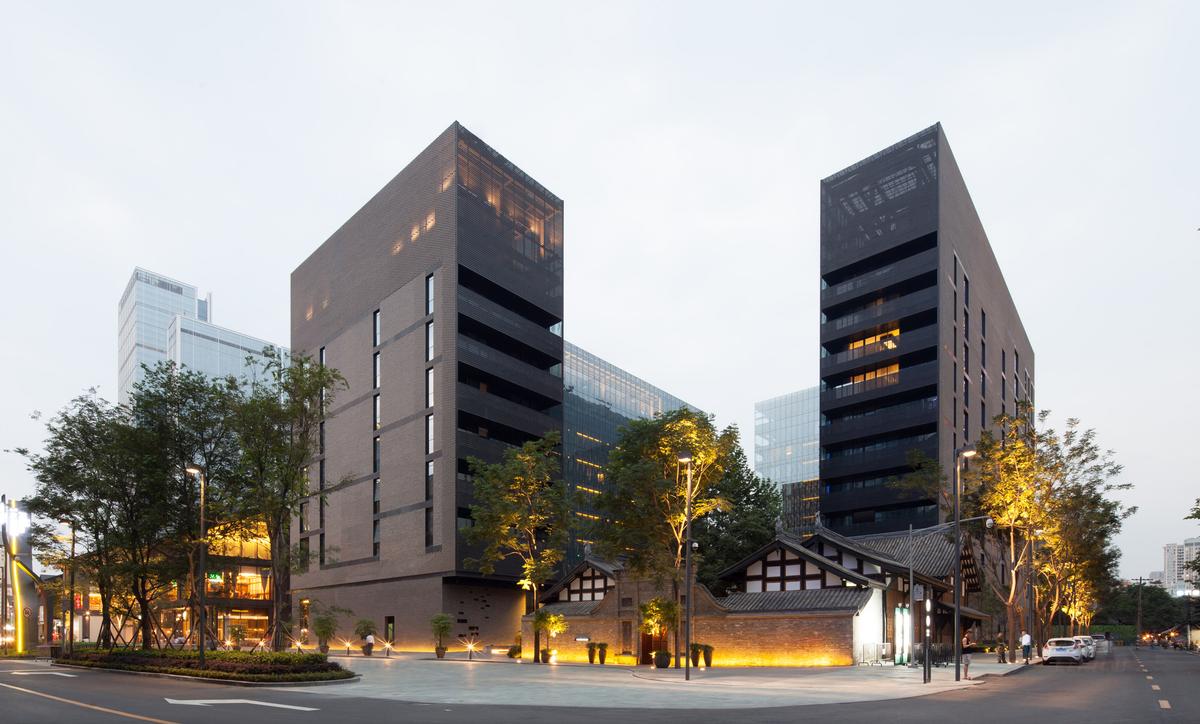
Make Architects have unveiled images of the new Temple House hotel in Chengdu, China, which is sited in a restored monastery.
This is the third in operator Swire’s House Collective portfolio, following The Opposite House in Beijing and The Upper House in Hong Kong. Located in the heart of Chengdu within the Sino-Ocean Taikoo Li Chengdu, the project was jointly developed by Sino-Ocean Land and Swire Properties.
The hotel includes 100 bedrooms and 42 adjoined serviced apartments, and forms part of the government’s conservation project to preserve the heritage buildings surrounding the 1,000-year-old Daci Temple.
The three-dimensional woven façade combines modern design with the traditional Chengdu architectural elements of timber, brick and step stones, the company said. Bamboo trees frame the hotel’s entrance, which is set in a restored hundred-year-old Chinese courtyard building.
Swire said The Temple House is an “understated luxury experience,” designed to evoke the modest houses provided for scholars who came from all over the world to study at the temple. Creating a welcoming, “local” quality was key to the design concept.
“The design was not a linear process,” said Katy Ghahremani, Make partner and lead architect on the project. “It was an iterative dialogue with Swire Hotels, which made the process more interesting. We could look at the design holistically, and this created a really dynamic relationship between the design of the hotel’s external and internal spaces.”
The hotel has a typical Siheyuan, or ‘courtyard house’ design, with a sequence of courtyard gardens bordered by two L-plan medium-rise buildings that house the hotel rooms and apartments. A Qing Dynasty heritage building is the anchor and entrance point for the hotel.
Throughout the design process, Make and Swire Hotels undertook rigorous testing of visual and experiential possibilities relating to surface textures, internal light and shadow effects, and interior views, the company said. This means that rooms with city-facing views are solid and brick-built, for instance, while courtyard-facing facades are sheer curtain-walls of subtly fritted glass, designed to maximise the reflection of light into the courtyard.
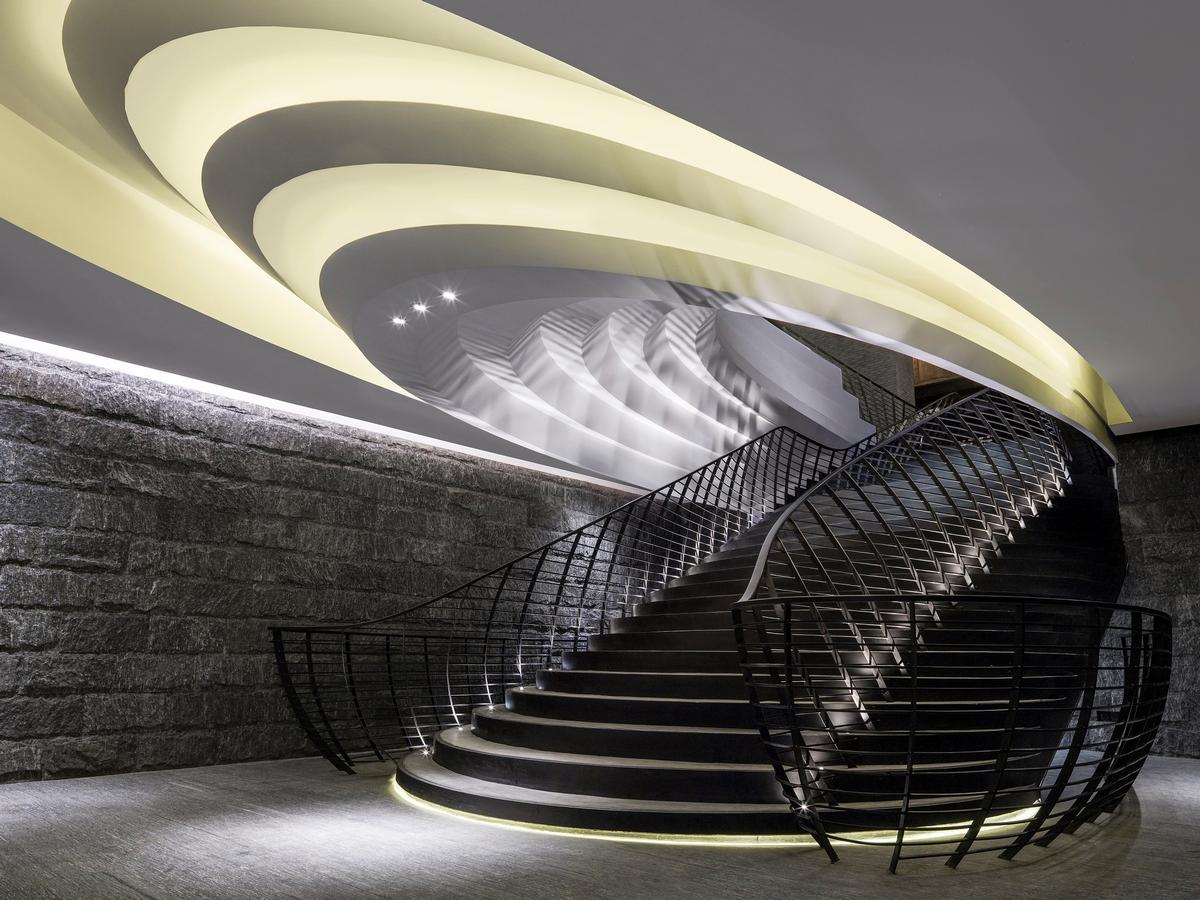
The city-facing brick façades of the hotel were inspired by the local production of brocade, and feature woven-in brass elements, combining modern design with the traditional Chengdu architectural elements of timber, brick and step stones. The courtyard section includes stepped elements designed to be reminiscent of the terraced paddy fields of Sichuan’s hillsides when seen from beneath, an effect also echoed in the design of the grand staircase.
“We want people to come to Chengdu and have a unique hotel experience, one they couldn’t have in Hong Kong or Beijing,” said Brian Williams, managing director of Swire Hotels. “The hotel is unique to Chengdu, and unique in Chengdu.”
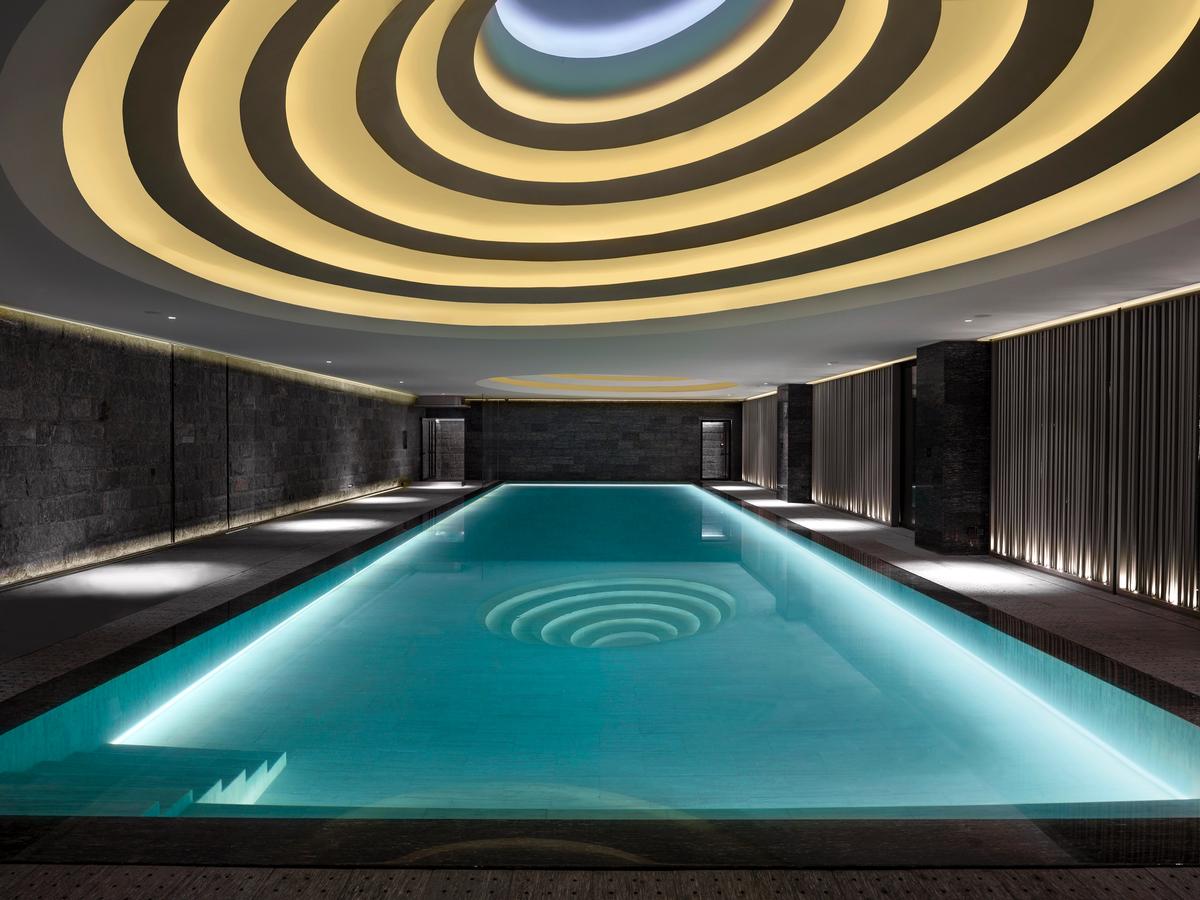
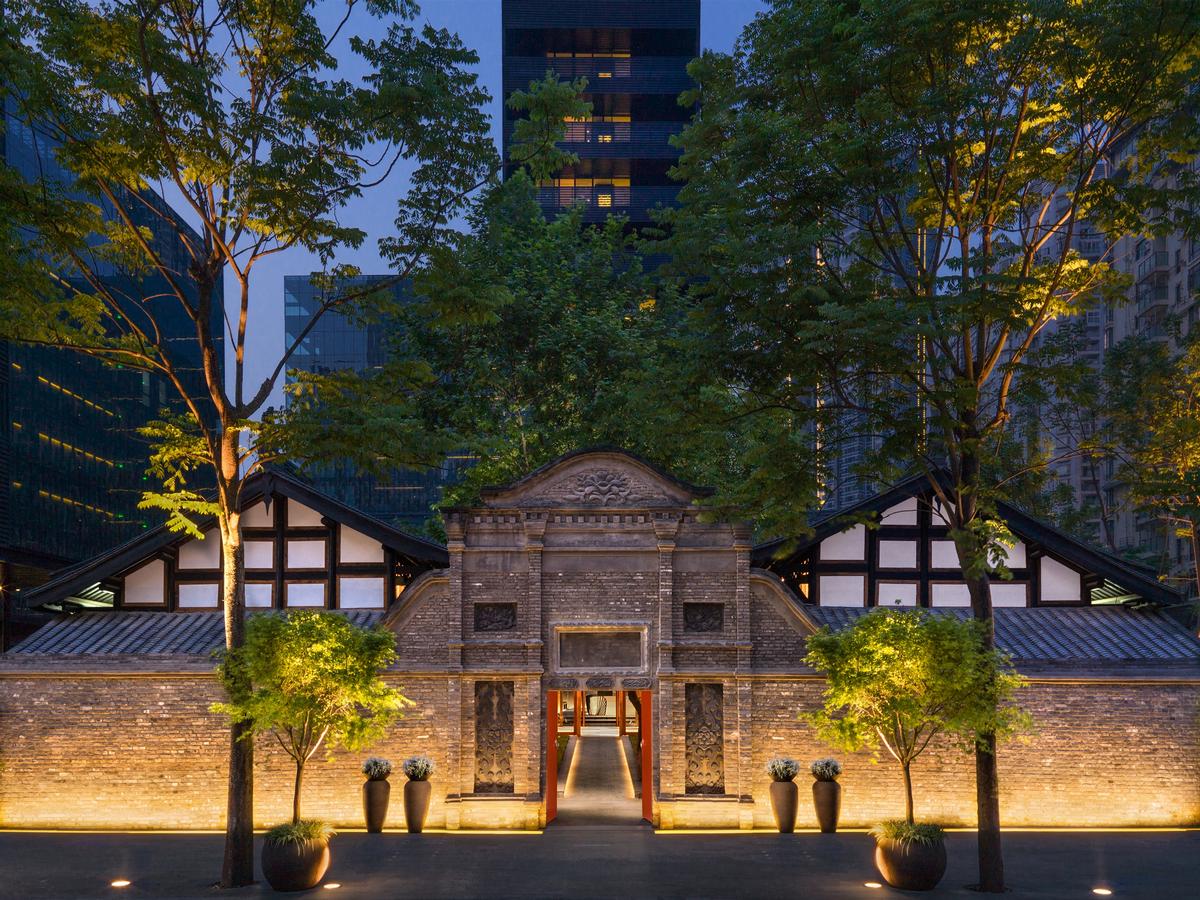
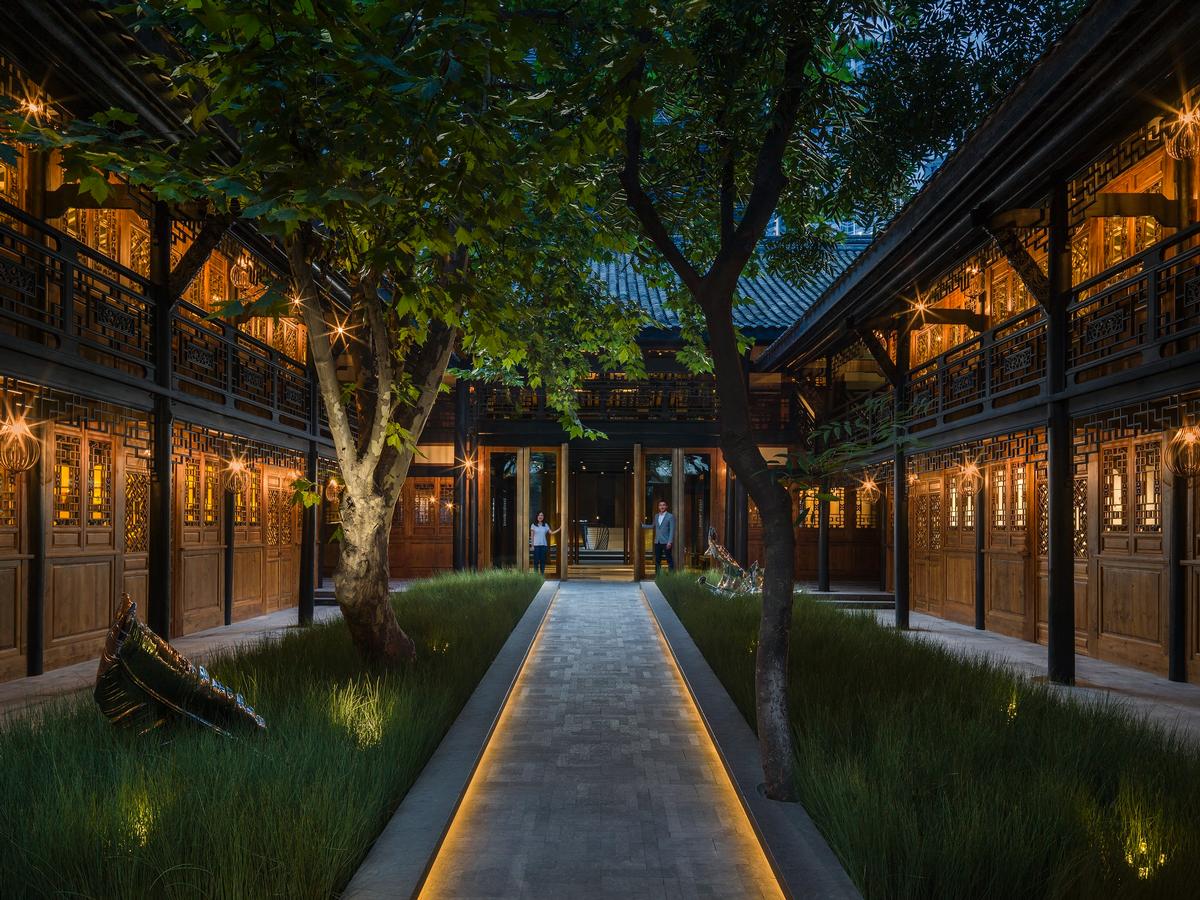
Make Architects design urban hotel, spa and teahouse in restored Chengdu monastery
Swire Hotels to launch The Temple House in Chengdu in May 2015
AI firm Midjourney enters wellness with spa, fitness and body scanning concept
Hot spring wellness community Ameyalli sells residences and breaks ground on resort and spa

OMA completes New Museum transformation with landmark expansion and Oberon restaurant
OMA has completed a major transformation of New York's New Museum, creating a larger cultural campus that combines expanded exhibition spaces with learning, performance, hospitality and public programming. The latest addition, Oberon, extends the visitor experience beyond the gallery, reflecting a growing trend for museums to become all-day destinations.
The New Museum in New York has entered a new chapter with the completion of a major
David Rockwell creates immersive magic destination, The Hand and The Eye
Montana Heritage Center by Cushing Terrell opens after US$107 million investment

Universal launches new theme park model with Kids Resort
'Minor wellness hotels' recorded the strongest growth across top KPIs in 2025, finds RLA Global
Great Barrier Reef attraction set for AU$180 million reinvention
Fairmont Cheshire, The Mere, has architecture by Leach Rhodes Walker and interiors by Bergman Design House.
Marriott International partners with Fitwel for wellness solutions across its residential portfolio
Preidlhof Luxury DolceVita Resort to unveil new spa in February 2027
Places Leisure is working with Roberts Limbrick to build £60m wellness flagship in Basingstoke
Hoshino Resorts opens Kai Kusatsu as it expands the Kai onsen ryokan brand
Qiddiya and Populous share details of Saudi Arabia’s National Tennis Centre
Disney confirms US$30 billion investment programme as it highlights its economic impact
Until combines multiple disciplines at new Canary Wharf club
Sea Lanes opens following a partnership between The Eden Project and Canary Wharf Group
Bas Smets brings water and wilderness to Vitra
Expo 2030 Riyadh will create a permanent global destination
Luxury resort coming to Hunter Valley will have longevity spa
'Data chocolate', dreams made real and artworks shaped by visitors’ emotions: Refik Anadol’s AI art museum launches in Los Angeles
London Museum reveals 2026 opening date for new Smithfield home
BIG unveils Eve Music Hall as Croatia venue nears completion
Bob Rogers hands BRC to long-serving leadership team
Palazzo di Varignana launches family wellbeing and longevity retreat in Emilia Romagna
Anasa Wellness and Spa debuts at Patmos Aktis as it joins Marriott
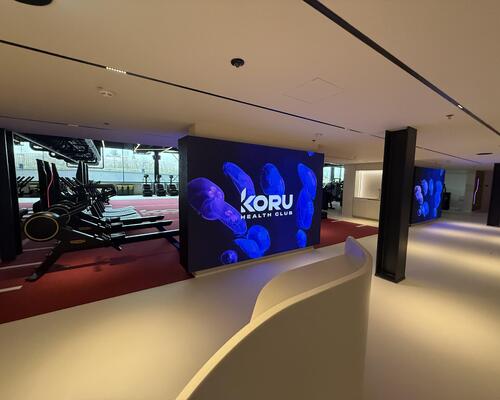
Design-led Koru Health Club combines high-performance training with recovery

Wellness care hospital opens in Vilnius with innovative spa and hospitality concept

Universal and Puy du Fou projects point to rise of Oxford–Cambridge corridor
A proposed Puy du Fou development near Bicester and Universal Destinations and Experiences’ planned resort in Bedford are emerging as part of a wider transformation of the Oxford–Cambridge Growth Corridor into a major centre for UK leisure and tourism investment.
For years, the corridor has been associated primarily with science, technology, housing and university-led economic growth. However, the clustering of large-scale visitor attraction projects along the
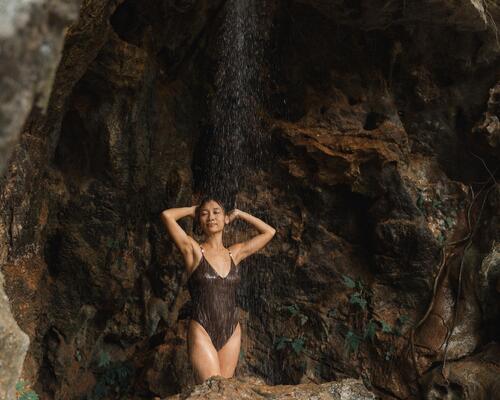
All-inclusive eco-wellness development Auko to open near Vietnam’s Son Doong caves














Designed to restore neglected land and renew the identity of Iraq’s capital city, Baghdad Sustainable Forests promises a new way of living surrounded by nature. Gensler’s Ian Mulcahay tells us why he thinks the project could become a model for the repair and enhancement of urban centres