Long-awaited National Museum of African American History and Culture opens in Washington





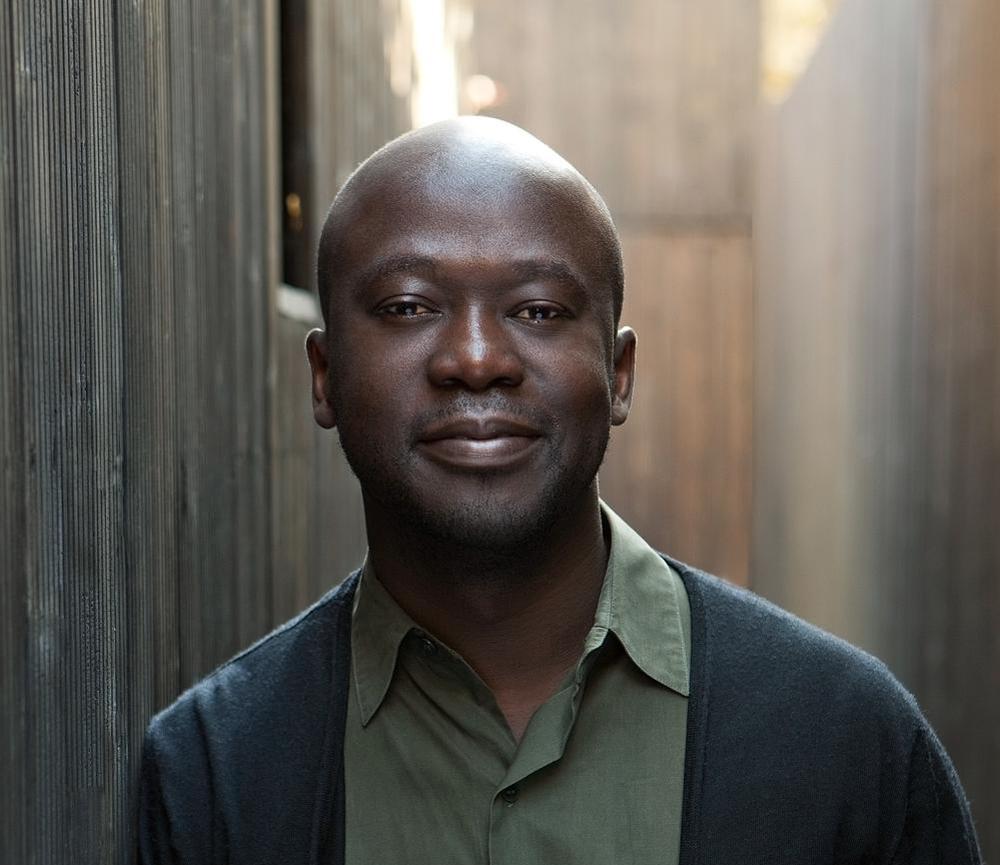
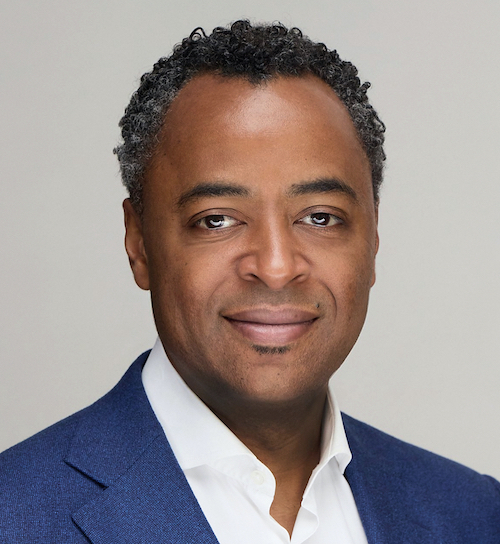
– David Adjaye
The long-awaited opening of the National Museum of African American History and Culture in Washington D.C. will take place this Saturday (24 September), with US president Barack Obama in attendance.
A three-day festival of music, literature, dance and film will accompany the opening of the museum, which is dedicated to exploring the story of America through the lens of the African American experience.
Obama will lead the museum’s dedication ceremony and mark the opening by ringing a specially restored and shipped bell from the First Baptist Church in Williamsburg, which was founded by slaves and free blacks in 1776.
Thousands of free tickets are being released for the museum’s opening day as part of the Smithsonian’s annual Museum Day Live! event.
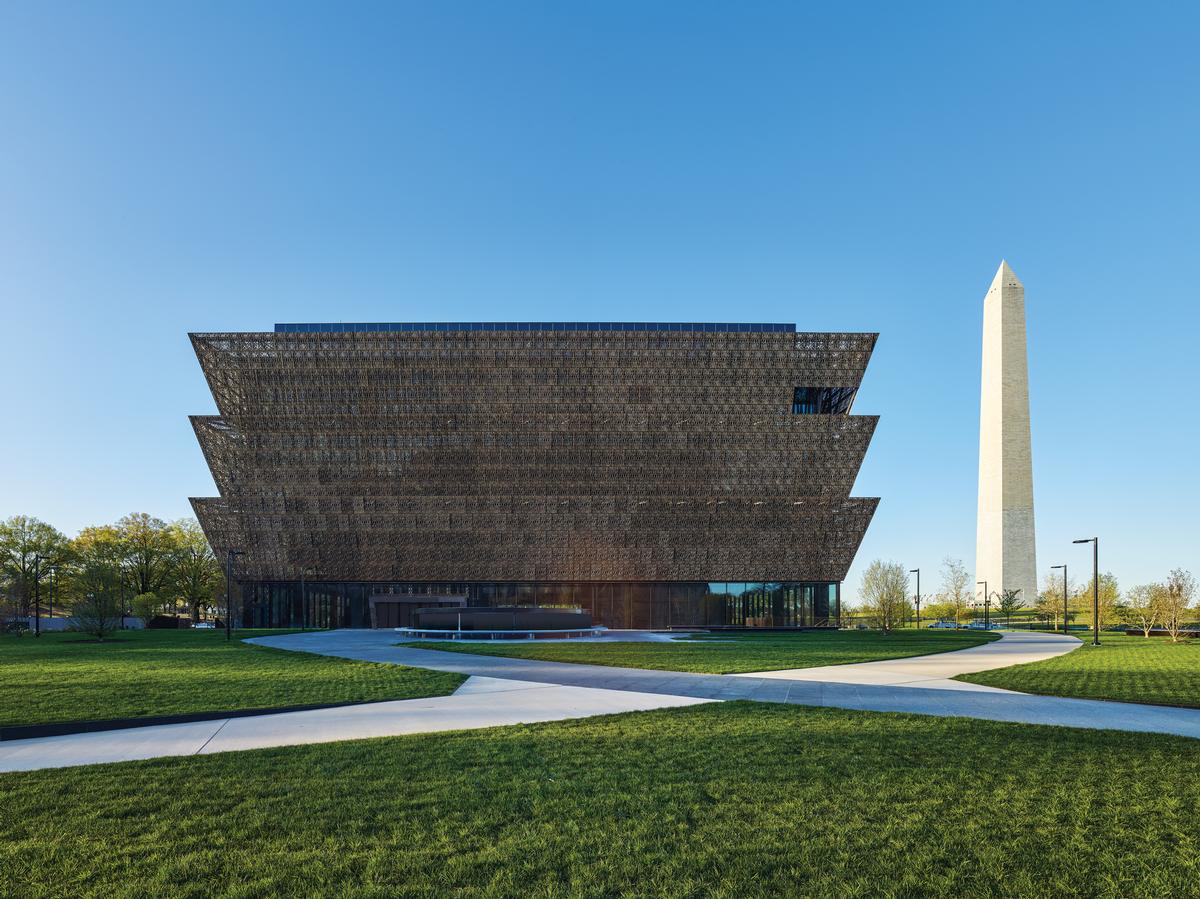
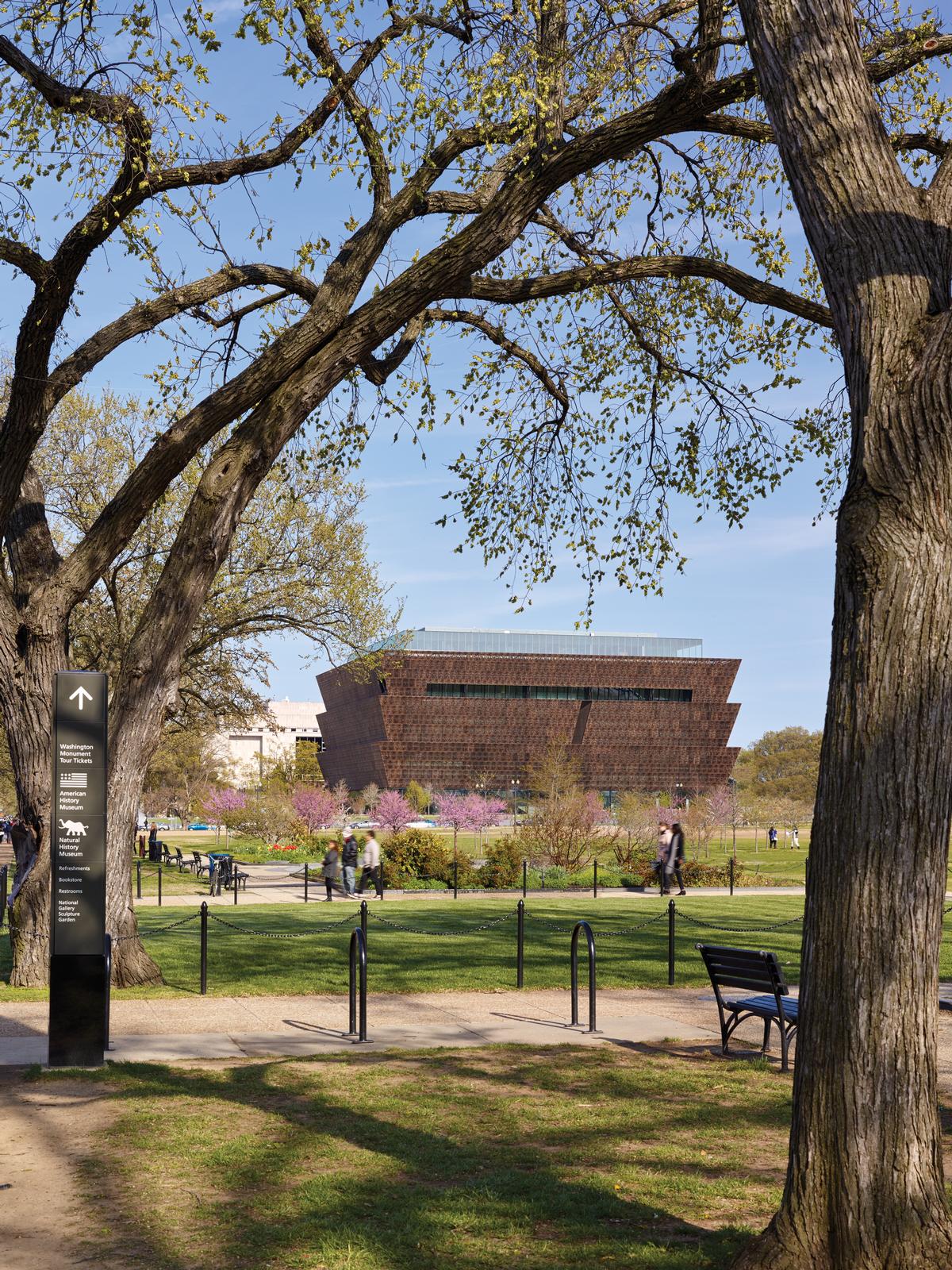
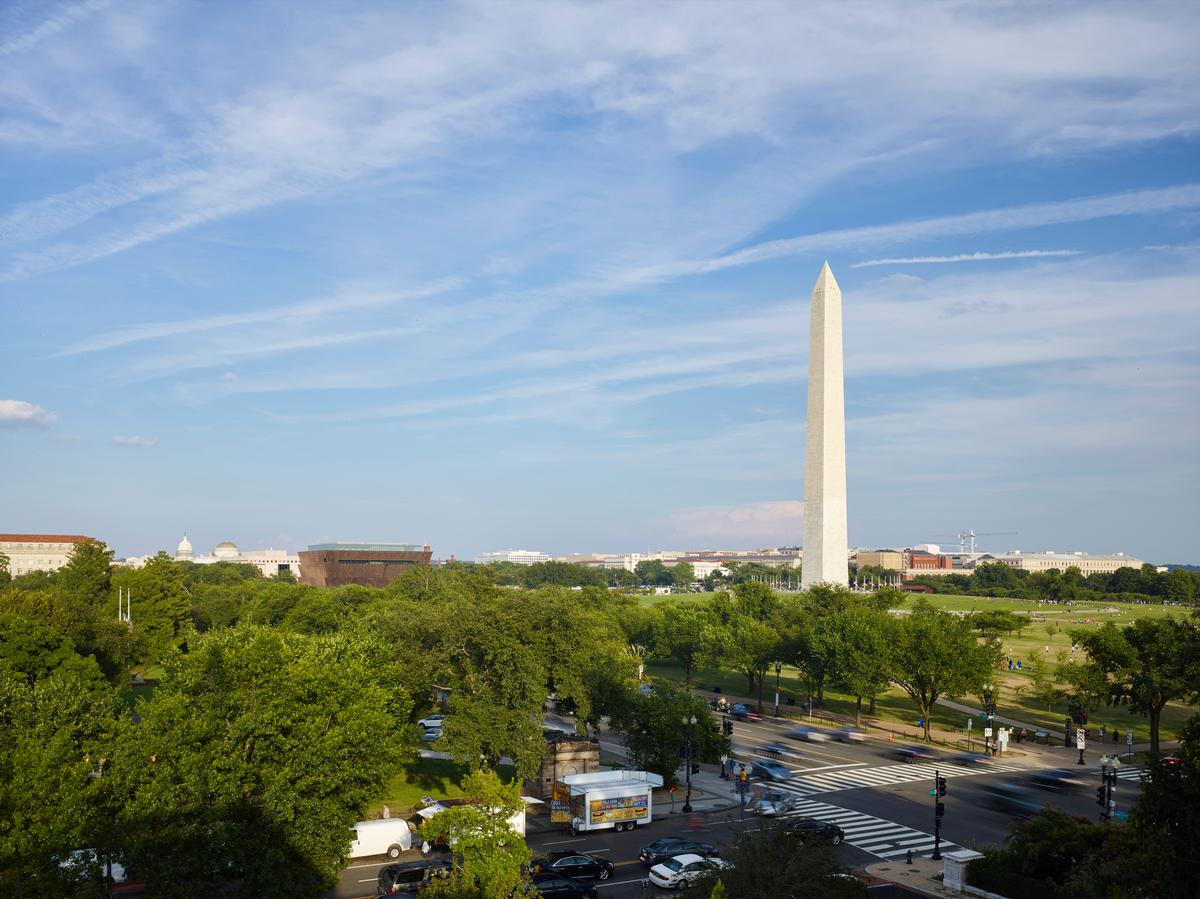
The 400,000sq ft (37,000sq m) museum, which focuses on themes of African American history, culture and community, is located on a five-acre site on Constitution Avenue next to the Washington Monument.
The nine-story building features exhibition galleries, an education centre, a 350-seat theatre and a café. Signature spaces are the Contemplative Court, a memorial area for reflection; the Central Hall, the primary public space in the museum; and a reflecting pool at the south entrance.
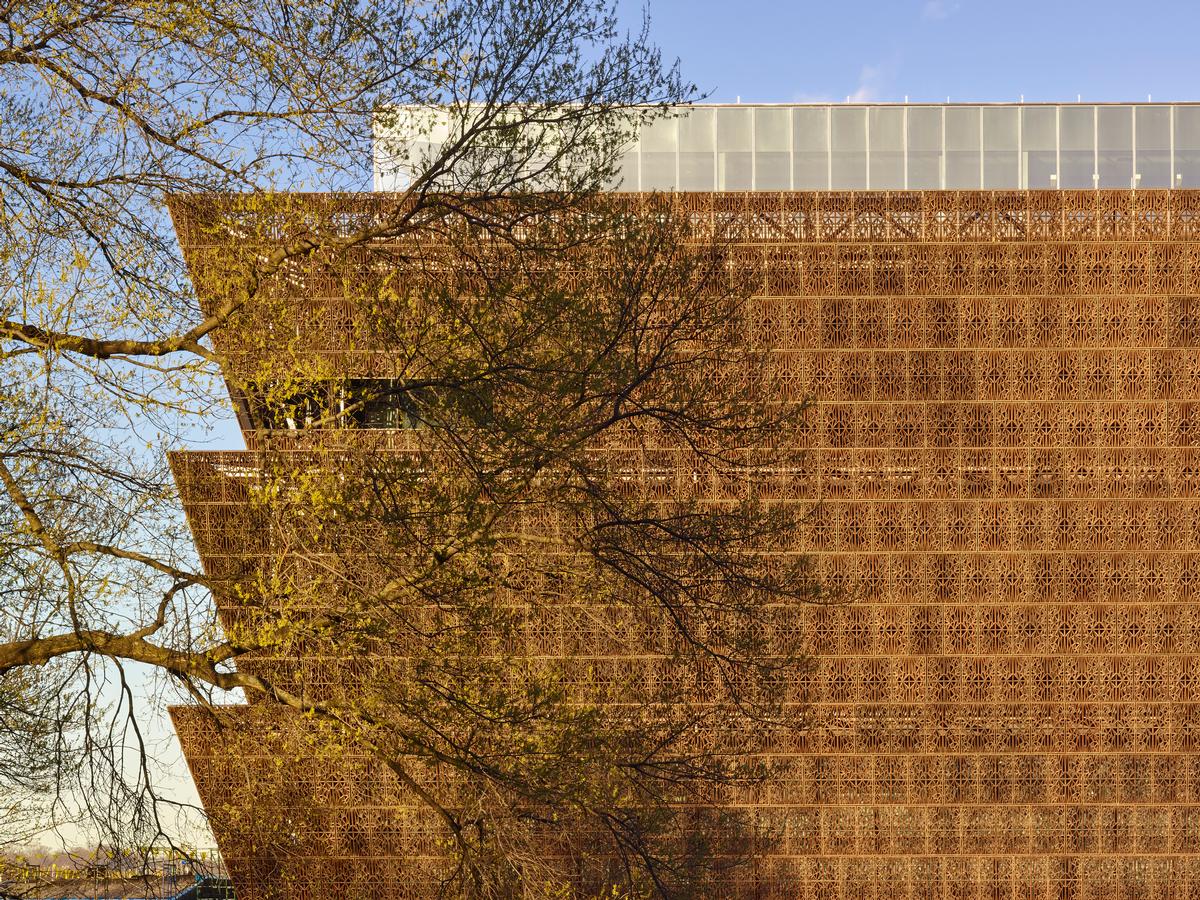
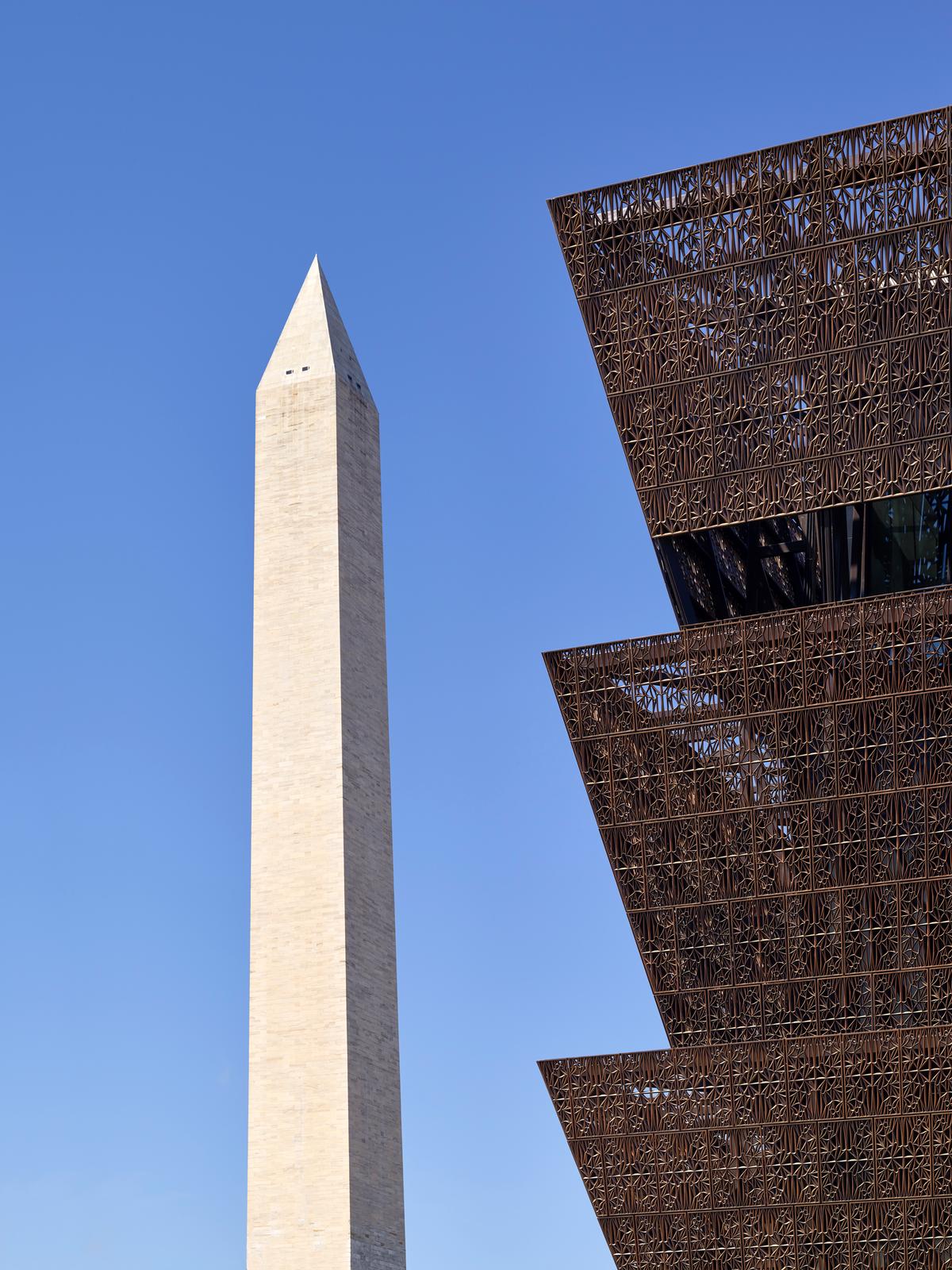
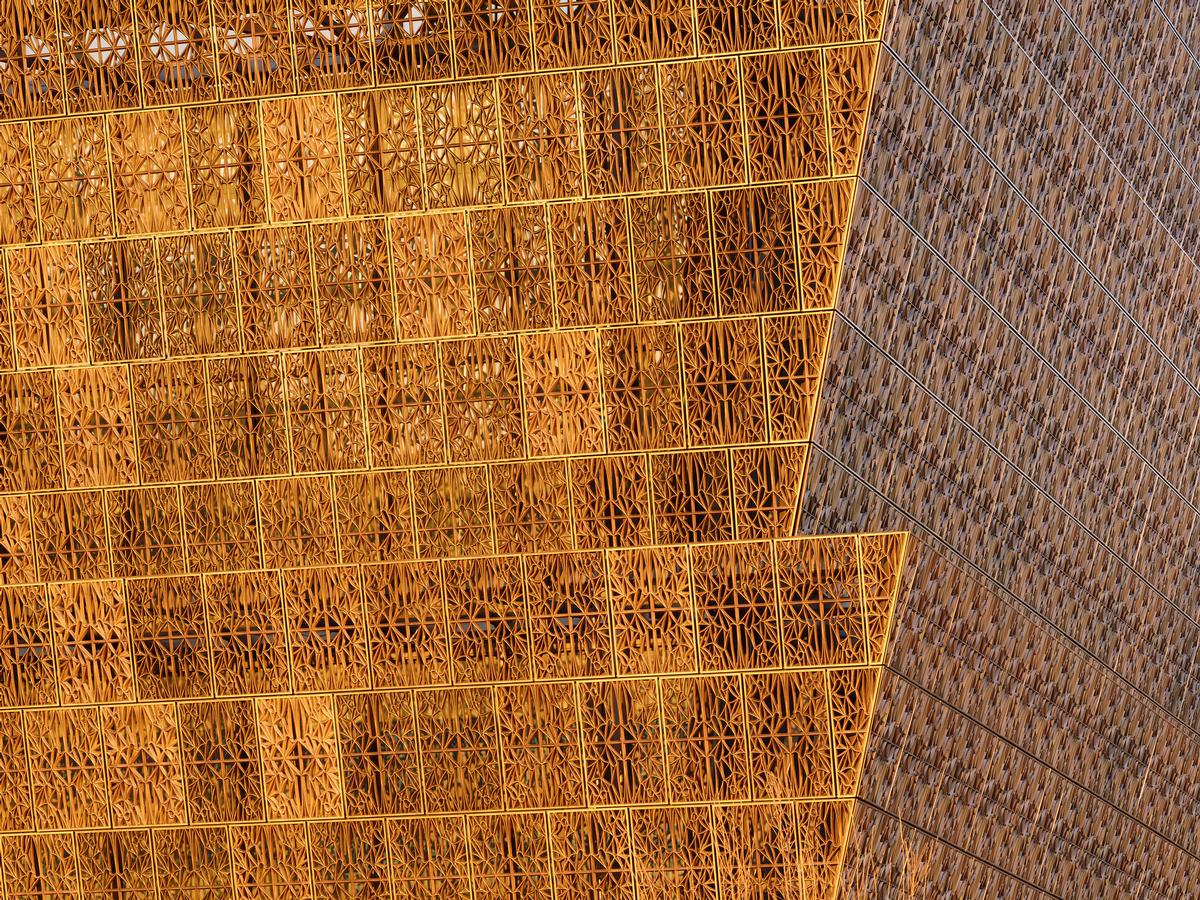
The most significant component of the design is the bronze crown-like Corona, which forms the visible exterior of the building. Three inverted pyramids, inspired by the form of a Yoruba sculpture and echoing the angle of the Washington Monument, sit on top of each other to give a sense of uplift. Meanwhile, the patterned façade evokes the architectural ironwork made by African American artisans in southern US cities before and after the Civil War.
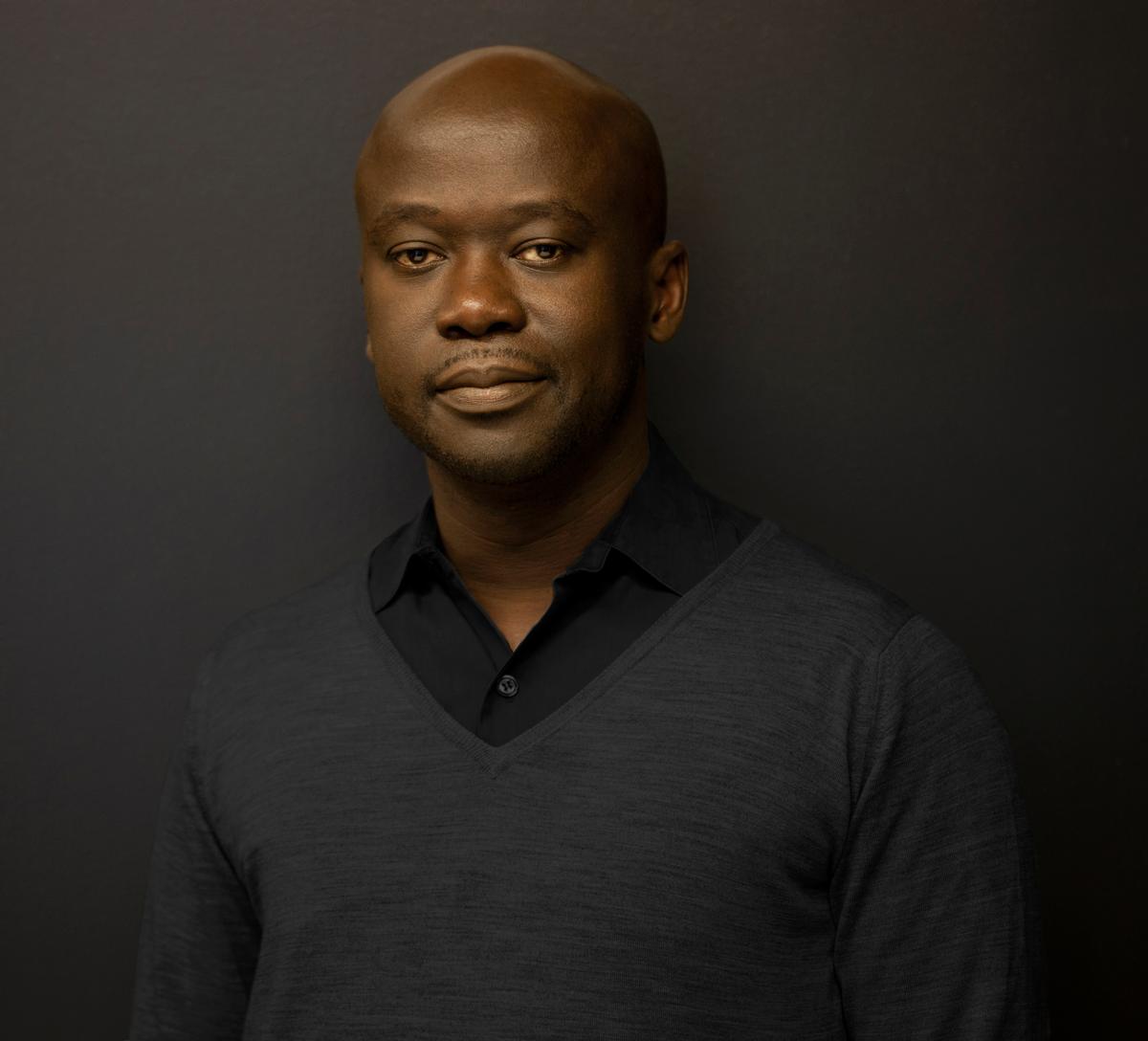
The building was designed by the Freelon Adjaye Bond/SmithGroup collective, with Tanzanian-born British architect David Adjaye leading the overall vision.
“Several things absolutely came to mind in thinking through what this building should be and how it should work with the programme that we were given,” Adjaye told CLAD.
“How do you add to such a fantastic masterplan, one of the most significant masterplans in the world – this incredible monumental core to the capital city of the most powerful country in the world? How do you understand its intrinsic nature, which is the idea of the pastoral and the ordered landscape? How do you make an end to the ordered landscape and begin the pastoral, which is the National Mall proper, and then open onto the Washington Monument grounds?
“In a way, I always conceived of this building as a kind of turning point – a knuckle, a joint – which articulates the two things, neither one nor the other, but bridging between the two. This can be understood as a metaphor for the less tangible bridge between cultures – ensuring that the African American story becomes a universal story.
“I could never remake this museum, or repeat it, because it’s so bound up in the particulars of its location, of its goals and of its place in history.”
The inaugural exhibitions will include A Changing America: 1968 and Beyond; Defending Freedom, Defining Freedom: Era of Segregation 1876-1968; and Double Victory: The African American Military Experience.
“A project isn’t finished and nothing is achieved until it’s used,” said Adjaye. “I can’t wait to see the museum once it has opened, to see how people respond to the space and use it in ways I hadn’t anticipated.
“That’s when the project is finished for me; only then can I begin to comment on whether any of my goals have been realised.”
The full interview with David Adjaye can be read in the current issue of CLADmag, available to read as a PDF or on digital turning pages.
Do you have a personal favourite part of the museum?
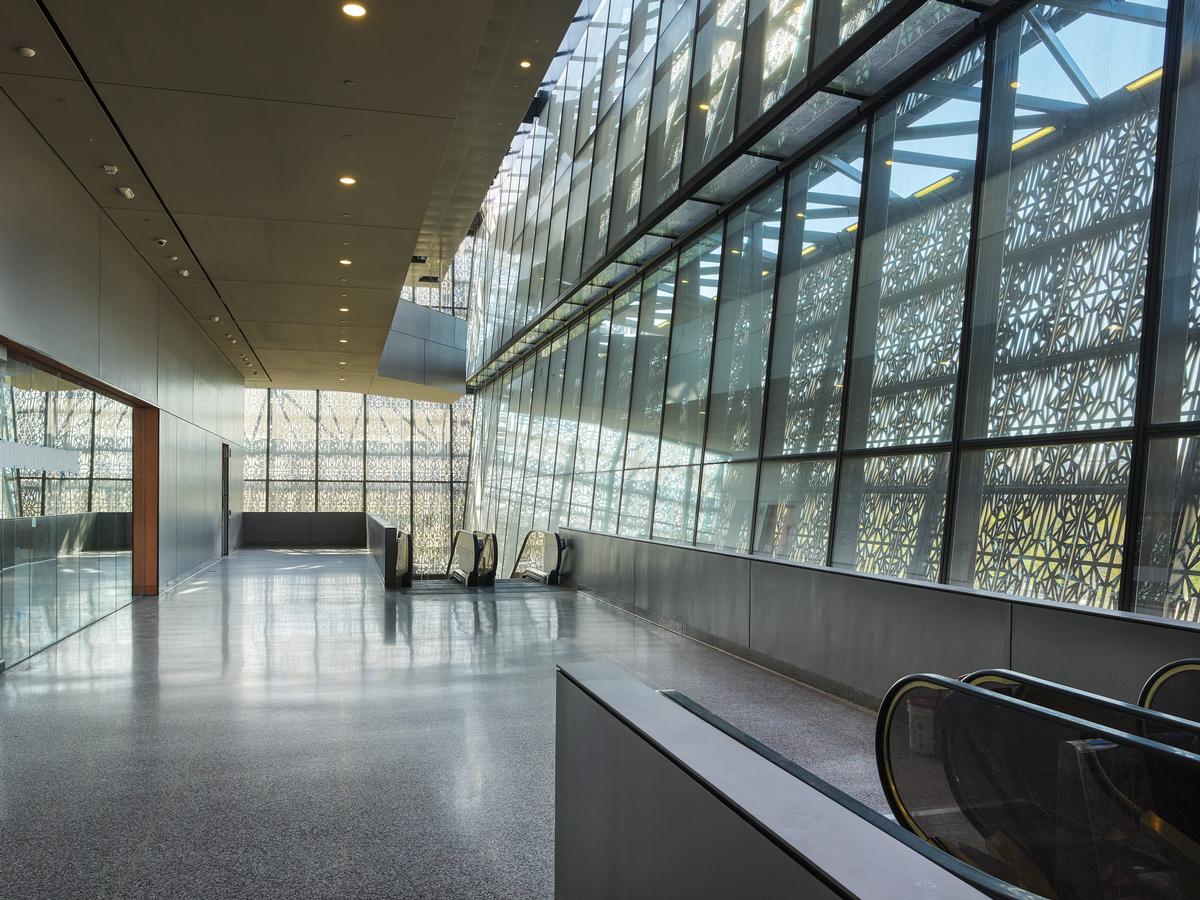
Inside, there are ‘lens moments’, where visitors enjoy clear, unobstructed windows onto specific views of the city and the Washington Memorial grounds. The internal glazed skin is mostly fritted with a 20 per cent density for the purpose of night-time luminosity, yet at these moments where one encounters the façade, the frit is removed completely to provide an immediate, powerful and tactile experience of the corona skin. For example, as one rises up the building via the escalators to the west, the fritting disappears to reveal the corona. This effect is repeated on the east in the education spaces and the café on the south-west corner.
You’ve said that you believe in architecture as a force for good. How important is that when considering what projects to take on?
My ideal is to be able to explore new typologies, experiment with different materials and establish a meaningful connection to contemporary culture while exploring a social discourse. The simple act of building forces engagement – you can’t ignore it. Things always happen from that and the question is how we celebrate it or deny it. It is important not to be hampered or intimidated by the idea of difference – but rather to seek to be open and even speculative about the possibilities it offers.
Why do you think it’s important that our cultural and leisure spaces are well designed?
As civic buildings, the role of cultural and leisure spaces is to provide access to a collective consciousness while offering the chance for dialogue between different generations and social groupings. These kinds of buildings offer an opportunity for re-invention.
Thinking about what an institution should look like, and how, for example, a museum should work with its audience, is something that’s still playing out. Good design has a critical role to play in this challenge.
Exclusive: David Adjaye tells CLAD about his design for the 'monumental' National Museum of African American History and Culture
Video shows interiors of David Adjaye's National Museum of African American History and Culture in Washington D.C.
AI firm Midjourney enters wellness with spa, fitness and body scanning concept
Hot spring wellness community Ameyalli sells residences and breaks ground on resort and spa

OMA completes New Museum transformation with landmark expansion and Oberon restaurant
OMA has completed a major transformation of New York's New Museum, creating a larger cultural campus that combines expanded exhibition spaces with learning, performance, hospitality and public programming. The latest addition, Oberon, extends the visitor experience beyond the gallery, reflecting a growing trend for museums to become all-day destinations.
The New Museum in New York has entered a new chapter with the completion of a major
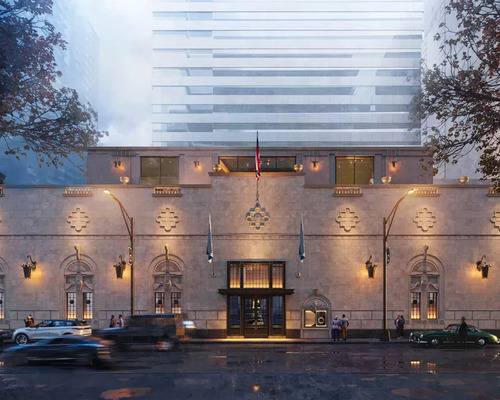
David Rockwell creates immersive magic destination, The Hand and The Eye
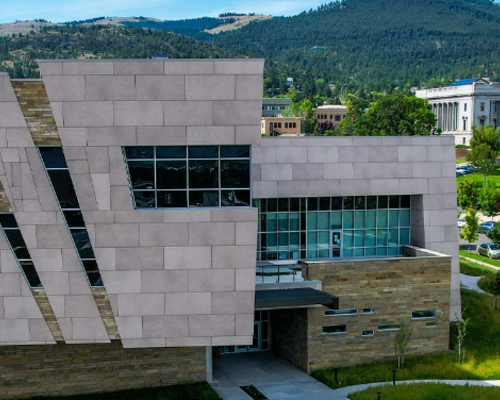
Montana Heritage Center by Cushing Terrell opens after US$107 million investment
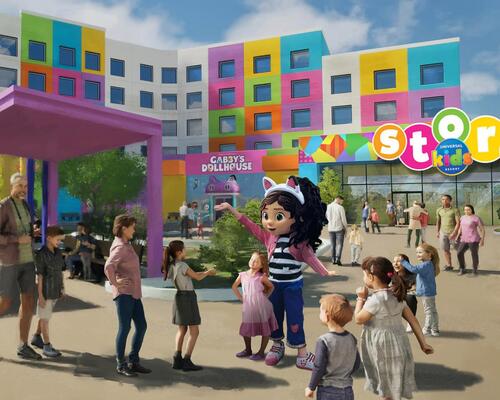
Universal launches new theme park model with Kids Resort
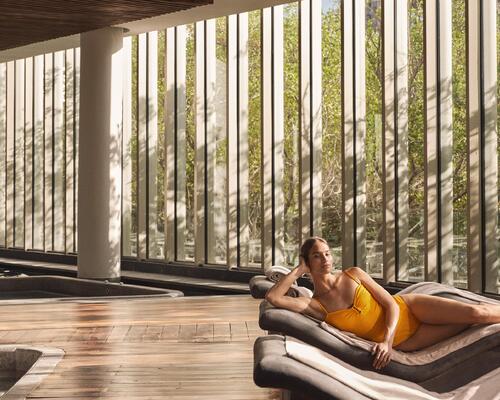
'Minor wellness hotels' recorded the strongest growth across top KPIs in 2025, finds RLA Global
Great Barrier Reef attraction set for AU$180 million reinvention
Fairmont Cheshire, The Mere, has architecture by Leach Rhodes Walker and interiors by Bergman Design House.
Marriott International partners with Fitwel for wellness solutions across its residential portfolio
Preidlhof Luxury DolceVita Resort to unveil new spa in February 2027
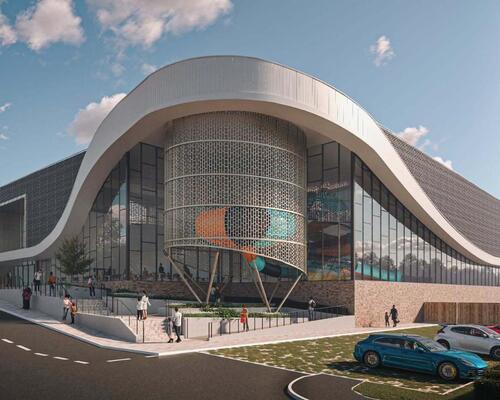
Places Leisure is working with Roberts Limbrick to build £60m wellness flagship in Basingstoke
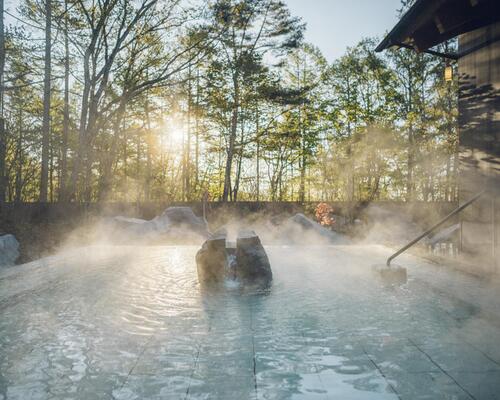
Hoshino Resorts opens Kai Kusatsu as it expands the Kai onsen ryokan brand
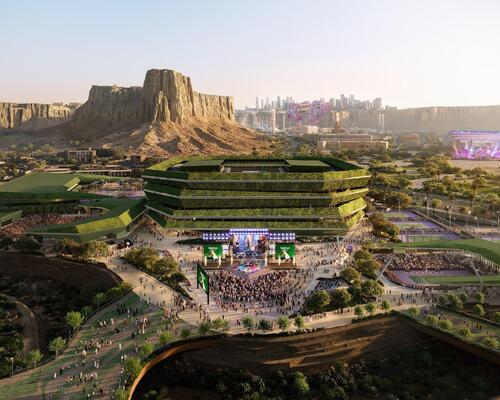
Qiddiya and Populous share details of Saudi Arabia’s National Tennis Centre
Disney confirms US$30 billion investment programme as it highlights its economic impact
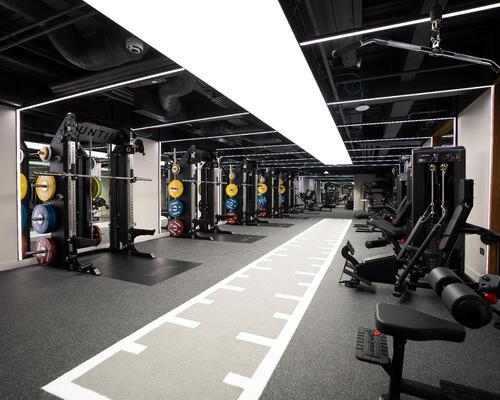
Until combines multiple disciplines at new Canary Wharf club
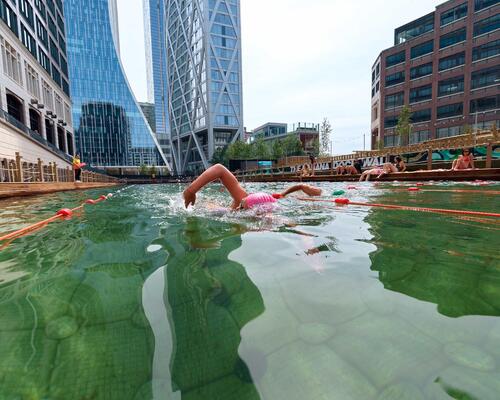
Sea Lanes opens following a partnership between The Eden Project and Canary Wharf Group
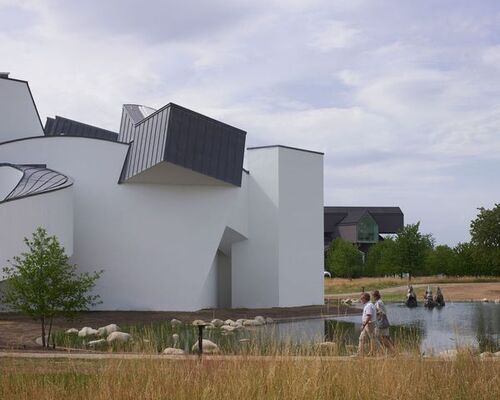
Bas Smets brings water and wilderness to Vitra
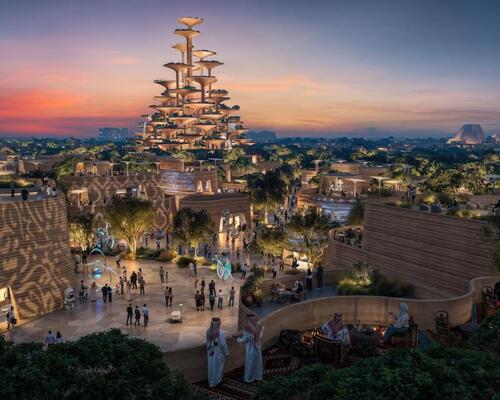
Expo 2030 Riyadh will create a permanent global destination
Luxury resort coming to Hunter Valley will have longevity spa
'Data chocolate', dreams made real and artworks shaped by visitors’ emotions: Refik Anadol’s AI art museum launches in Los Angeles
London Museum reveals 2026 opening date for new Smithfield home
BIG unveils Eve Music Hall as Croatia venue nears completion
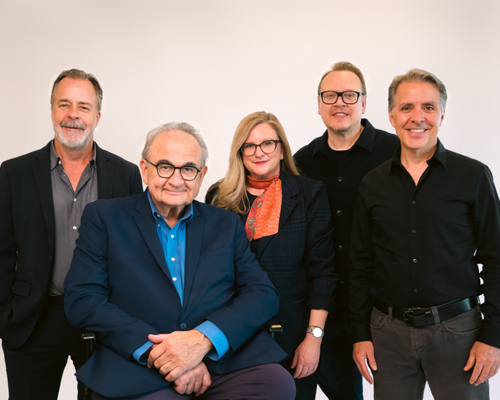
Bob Rogers hands BRC to long-serving leadership team
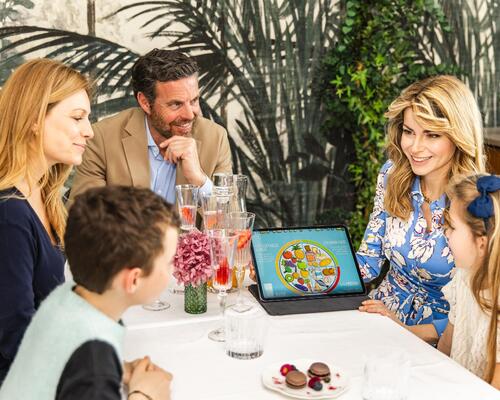
Palazzo di Varignana launches family wellbeing and longevity retreat in Emilia Romagna
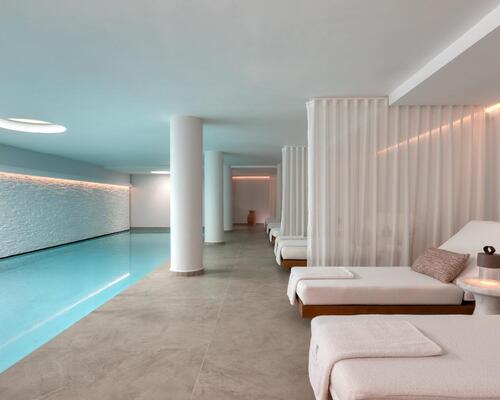
Anasa Wellness and Spa debuts at Patmos Aktis as it joins Marriott
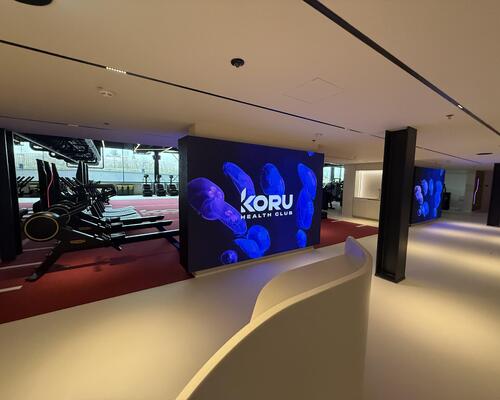
Design-led Koru Health Club combines high-performance training with recovery

Wellness care hospital opens in Vilnius with innovative spa and hospitality concept

Universal and Puy du Fou projects point to rise of Oxford–Cambridge corridor
A proposed Puy du Fou development near Bicester and Universal Destinations and Experiences’ planned resort in Bedford are emerging as part of a wider transformation of the Oxford–Cambridge Growth Corridor into a major centre for UK leisure and tourism investment.
For years, the corridor has been associated primarily with science, technology, housing and university-led economic growth. However, the clustering of large-scale visitor attraction projects along the
All-inclusive eco-wellness development Auko to open near Vietnam’s Son Doong caves