Saving Le Corbusier's museums – Getty Conservation Institute launches special workshop


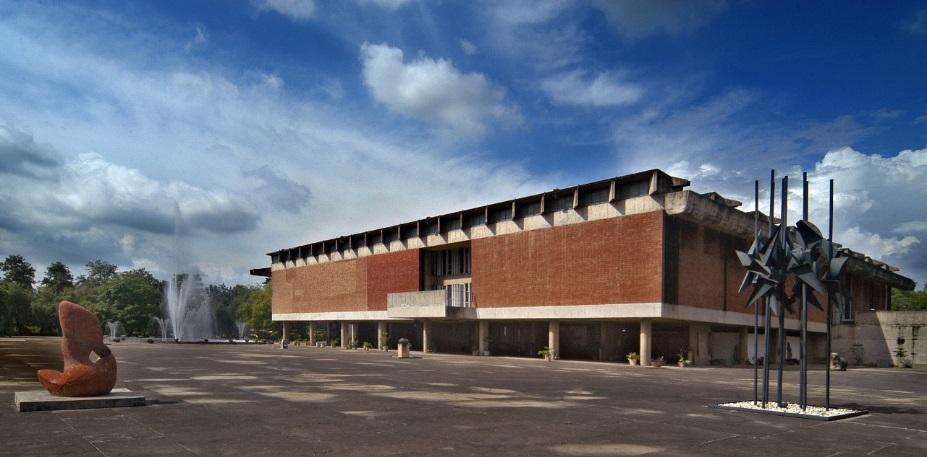
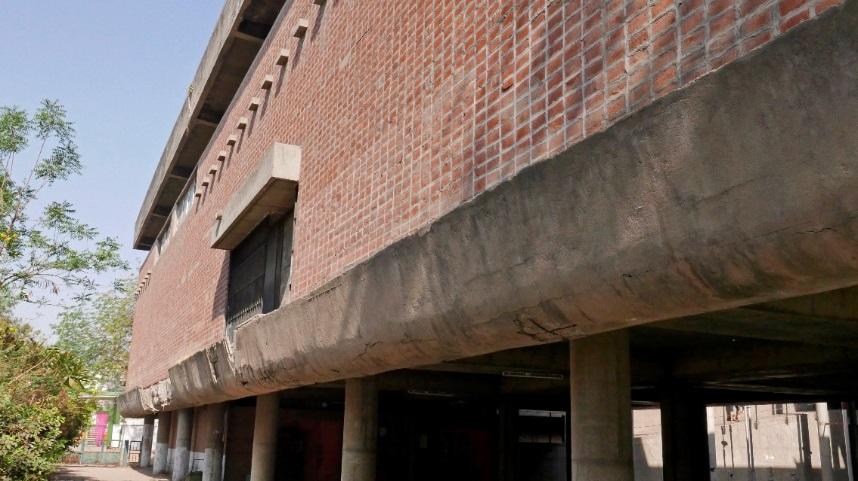
– Susan Macdonald, head of Buildings and Sites at the GCI
The Getty Conservation Institute (GCI) has announced it will prioritise the care and conservation of the only three museums designed by the legendary Le Corbusier.
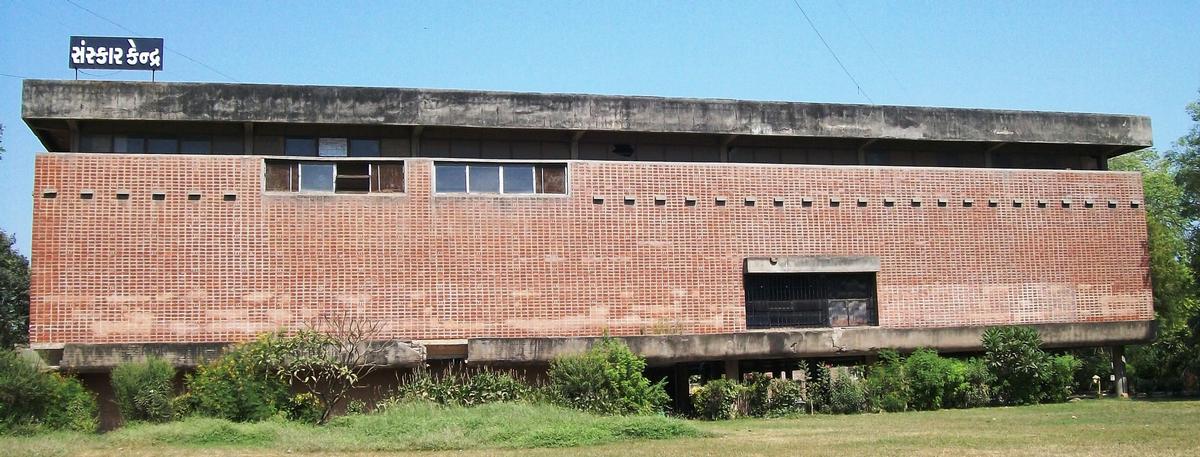
As part of its Conserving Modern Architecture Initiative, the CGI will host two workshops in India, where two of the three museums are located – the Sanskar Kendra Museum in Ahmedabad and the Government Museum and Art Gallery in Chandigarh.
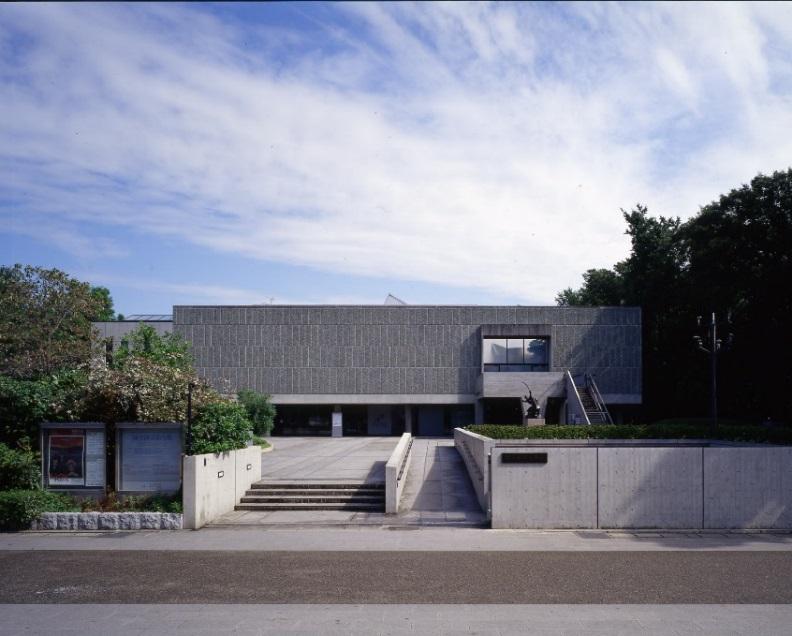
The third, the National Museum of Western Art, is in Tokyo, Japan.
The workshops – taking place from 4 to 6 February in Ahmedabad and concluding 8 February in Chandigarh – will include representatives from the Fondation Le Corbusier and all three museums.
They will focus on improving both architectural conservation and collections management for each building, and a public lecture and panel discussion will be held to discuss the issues in detail.
The three museums were designed by Le Corbusier in the 1950s and 1960s and were the only ones he completed during a prolific career. Based on his trademark modernist philosophy and his concept of a “museum of unlimited growth", he created what he considered an ideal museum plan that allowed for future expansion.
According to the GCI, “the buildings are similar in size, shape, floor plan and exterior appearance, and share features such as sitting on an elevated pilotis, or thick concrete columns, and an exposed concrete frame with concrete floors and roof. Each museum was also designed to occupy a large plaza or open space, and is part of a cultural centre".
Speaking about the workshops, Susan Macdonald, head of Buildings and Sites at the GCI, said: “By asking the museum participants to consider what is significant about their respective museums as individual buildings and as part of the larger collected work of a great architect, each can better develop the necessary conservation policies to care for these significant buildings and their important collections.
“They will also discuss shared conservation challenges and potential solutions, thus creating a network of stewards of these important museums.”
The Conserving Modern Architecture Initiative seeks to advance conservation of 20th-century heritage through information sharing and the development of practical conservation solutions.
Government Museum and Art Gallery, Chandigarh, India
“The entire city of Chandigarh was designed by Le Corbusier, and the Government Museum and Art Gallery (completed in 1968) plays an important role in its cultural life. It also reflects Le Corbusier’s modern design principles, which are fundamental to Chandigarh’s identity as a model modernist city.
“The museum houses one of the largest collections of Gandhara sculptures as well as a collection of Pahari and Rajasthani miniature paintings.
"The museum has identified several challenges related to how best to exhibit and care for the building and its diverse collection of art, and how to manage environmental issues that affect both the collection and the visitor experience. It is addressing these issues by developing a Conservation Management Plan, which is being supported by a 2017 Keeping It Modern grant from the Getty Foundation.”
Sanskar Kendra Museum, Ahmedabad, India
“Sanskar Kendra (completed in 1954) currently houses the popular Kite Museum, which contains examples of traditional Gujarati paper and fabric kites. Its City Museum exhibition tells the story of Ahmedabad and its diverse cultures using objects such as large medieval coins, scripts and documents in Devnagari and Urdu, pottery, and frescoes. BV Doshi, a renowned Indian architect who is still practising architecture in Ahmedabad, worked with Le Corbusier on the original design and construction of the museum.”
National Museum of Western Art, Tokyo, Japan
“The National Museum of Western Art, Tokyo, Japan (completed in 1959) is a UNESCO World Heritage site located in Ueno Park, north of the Imperial Palace. Three Japanese architects – Kunio Maekawa, Junzo Sakakura and Takamasa Yoshizaka – worked with Le Corbusier on this project, which symbolised restored diplomatic ties between France and Japan after WWII.
“The museum has a large number of visitors, with a professional staff who oversee a robust program of exhibits and public programs, and who carefully manage the building. Additions were added in 1979 and in 1994. Major seismic improvements have also been done, and future additions are also being considered in order to accommodate growth.”
AI firm Midjourney enters wellness with spa, fitness and body scanning concept
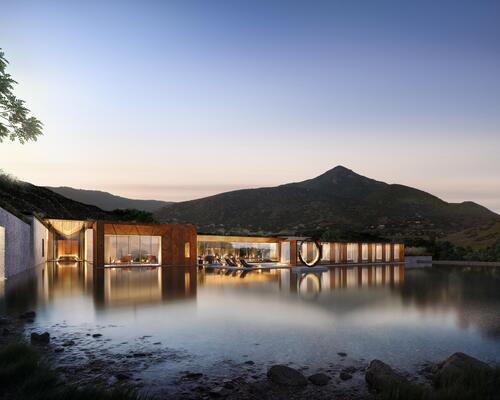
Hot spring wellness community Ameyalli sells residences and breaks ground on resort and spa

OMA completes New Museum transformation with landmark expansion and Oberon restaurant
OMA has completed a major transformation of New York's New Museum, creating a larger cultural campus that combines expanded exhibition spaces with learning, performance, hospitality and public programming. The latest addition, Oberon, extends the visitor experience beyond the gallery, reflecting a growing trend for museums to become all-day destinations.
The New Museum in New York has entered a new chapter with the completion of a major
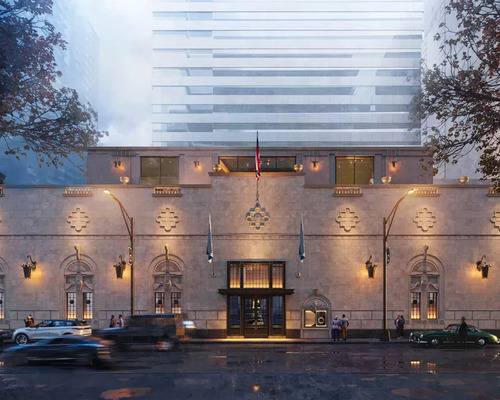
David Rockwell creates immersive magic destination, The Hand and The Eye
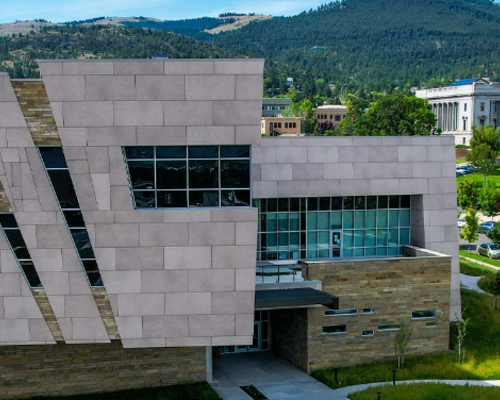
Montana Heritage Center by Cushing Terrell opens after US$107 million investment
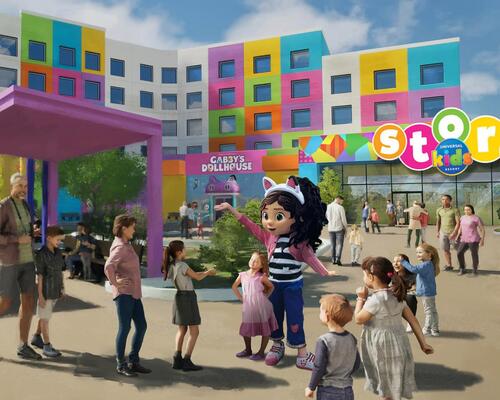
Universal launches new theme park model with Kids Resort
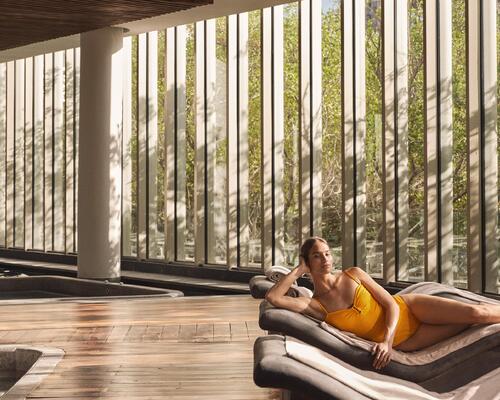
'Minor wellness hotels' recorded the strongest growth across top KPIs in 2025, finds RLA Global
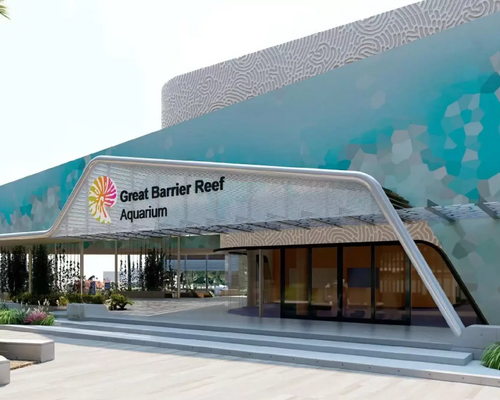
Great Barrier Reef attraction set for AU$180 million reinvention
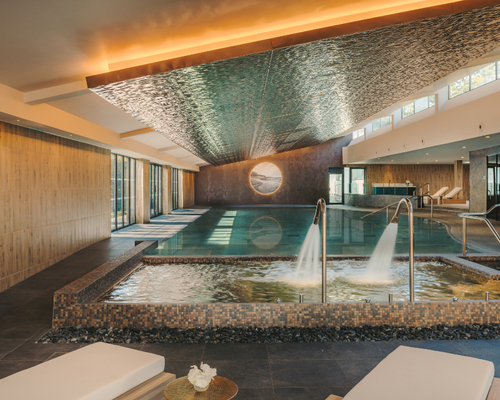
Fairmont Cheshire, The Mere, has architecture by Leach Rhodes Walker and interiors by Bergman Design House.
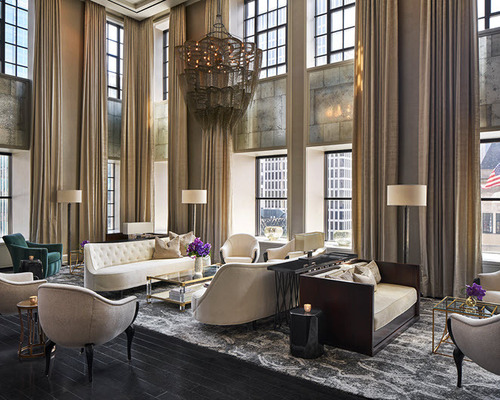
Marriott International partners with Fitwel for wellness solutions across its residential portfolio
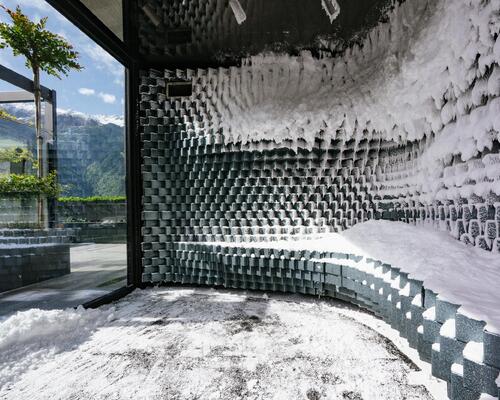
Preidlhof Luxury DolceVita Resort to unveil new spa in February 2027
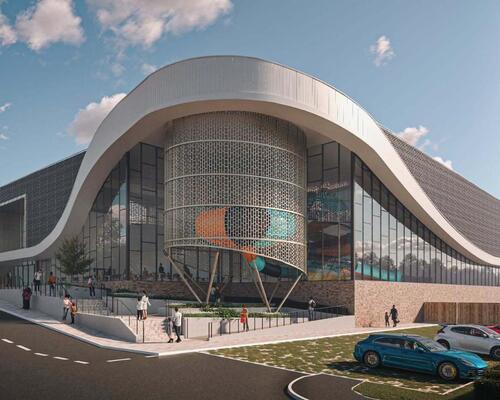
Places Leisure is working with Roberts Limbrick to build £60m wellness flagship in Basingstoke
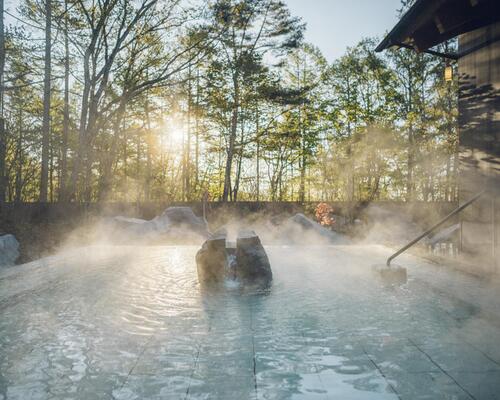
Hoshino Resorts opens Kai Kusatsu as it expands the Kai onsen ryokan brand
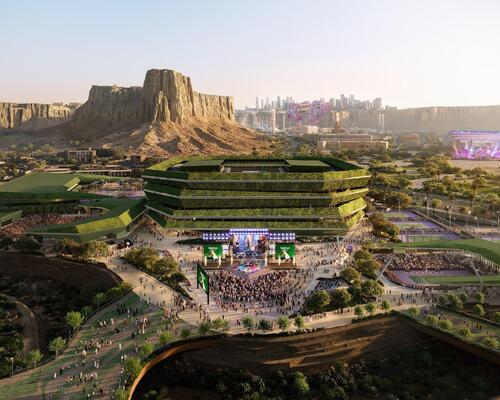
Qiddiya and Populous share details of Saudi Arabia’s National Tennis Centre
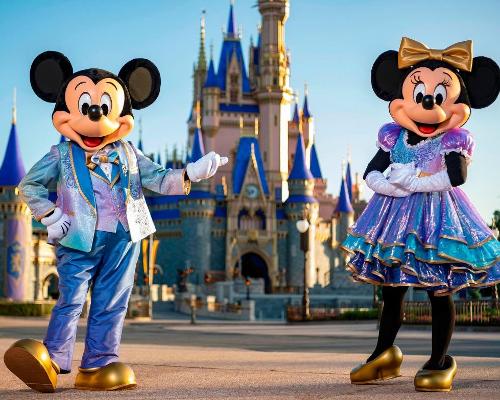
Disney confirms US$30 billion investment programme as it highlights its economic impact
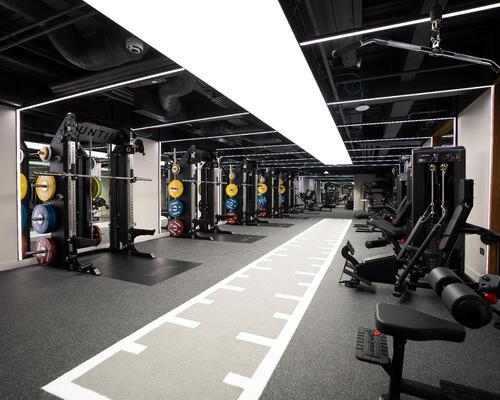
Until combines multiple disciplines at new Canary Wharf club
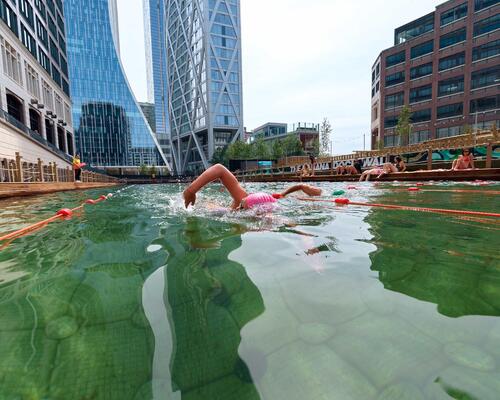
Sea Lanes opens following a partnership between The Eden Project and Canary Wharf Group
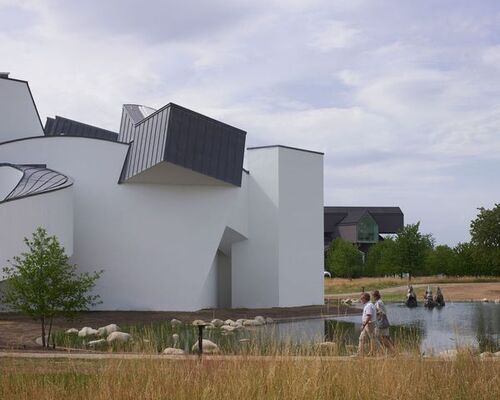
Bas Smets brings water and wilderness to Vitra
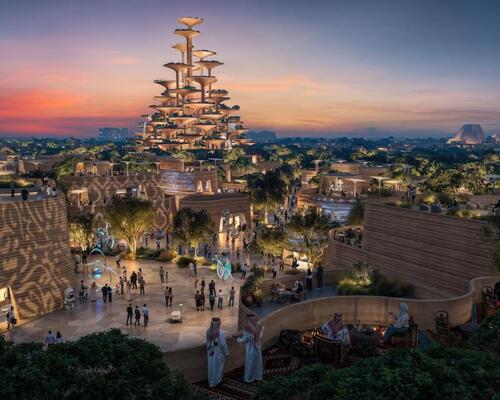
Expo 2030 Riyadh will create a permanent global destination
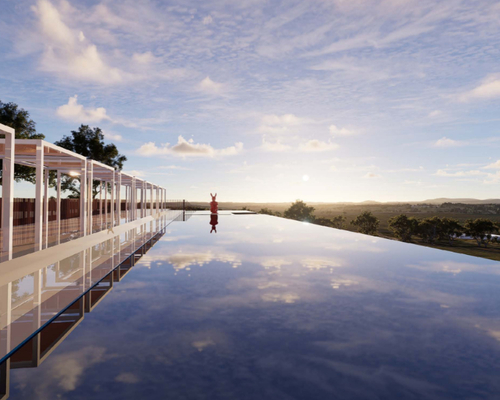
Luxury resort coming to Hunter Valley will have longevity spa
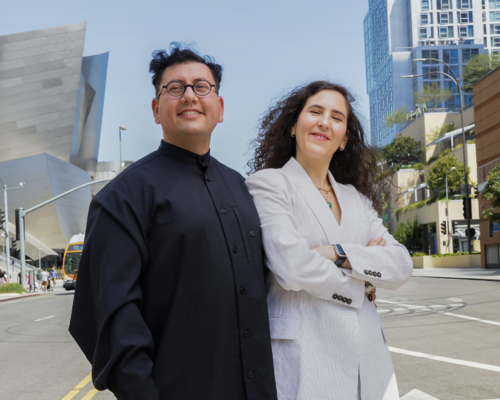
'Data chocolate', dreams made real and artworks shaped by visitors’ emotions: Refik Anadol’s AI art museum launches in Los Angeles
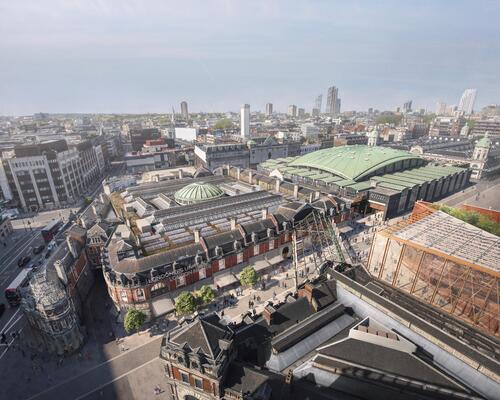
London Museum reveals 2026 opening date for new Smithfield home
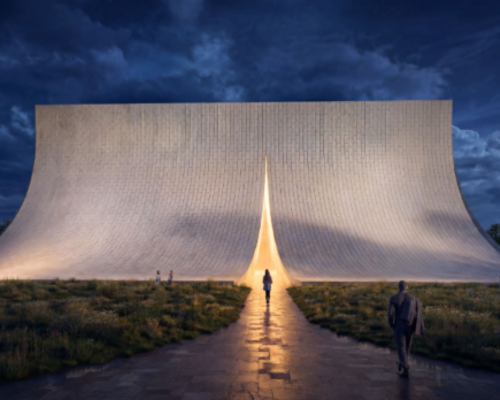
BIG unveils Eve Music Hall as Croatia venue nears completion
Bob Rogers hands BRC to long-serving leadership team
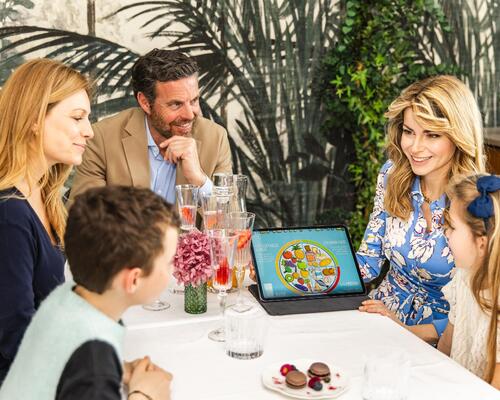
Palazzo di Varignana launches family wellbeing and longevity retreat in Emilia Romagna
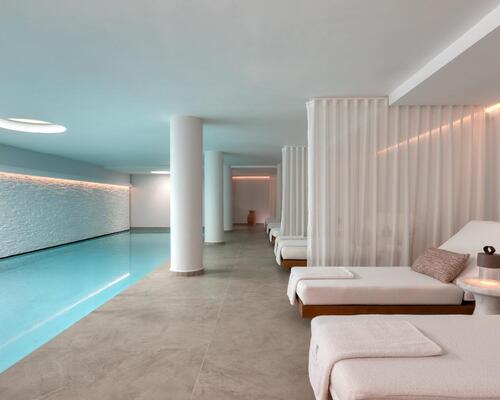
Anasa Wellness and Spa debuts at Patmos Aktis as it joins Marriott
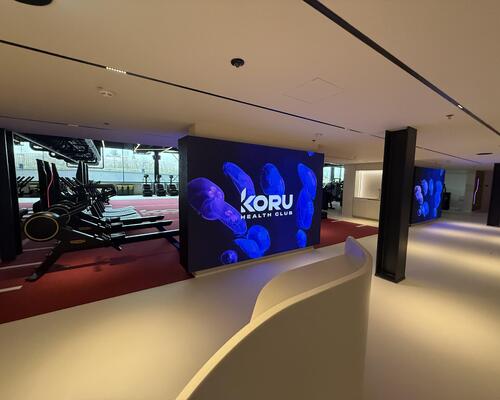
Design-led Koru Health Club combines high-performance training with recovery

Wellness care hospital opens in Vilnius with innovative spa and hospitality concept
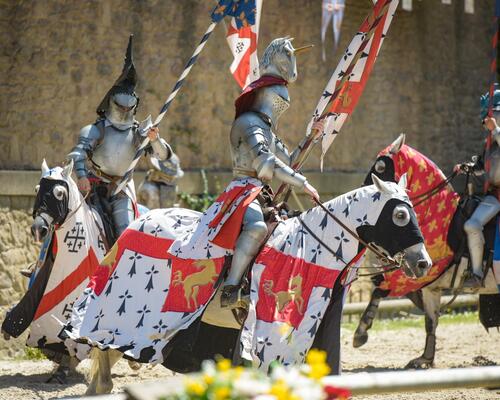
Universal and Puy du Fou projects point to rise of Oxford–Cambridge corridor
A proposed Puy du Fou development near Bicester and Universal Destinations and Experiences’ planned resort in Bedford are emerging as part of a wider transformation of the Oxford–Cambridge Growth Corridor into a major centre for UK leisure and tourism investment.
For years, the corridor has been associated primarily with science, technology, housing and university-led economic growth. However, the clustering of large-scale visitor attraction projects along the
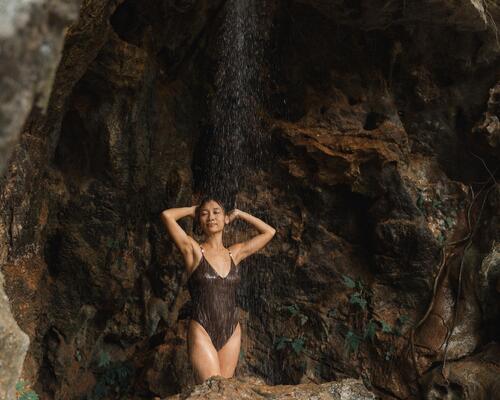
All-inclusive eco-wellness development Auko to open near Vietnam’s Son Doong caves