Hopkins Architects to design new £4.5m visitor attraction for Holkham Hall


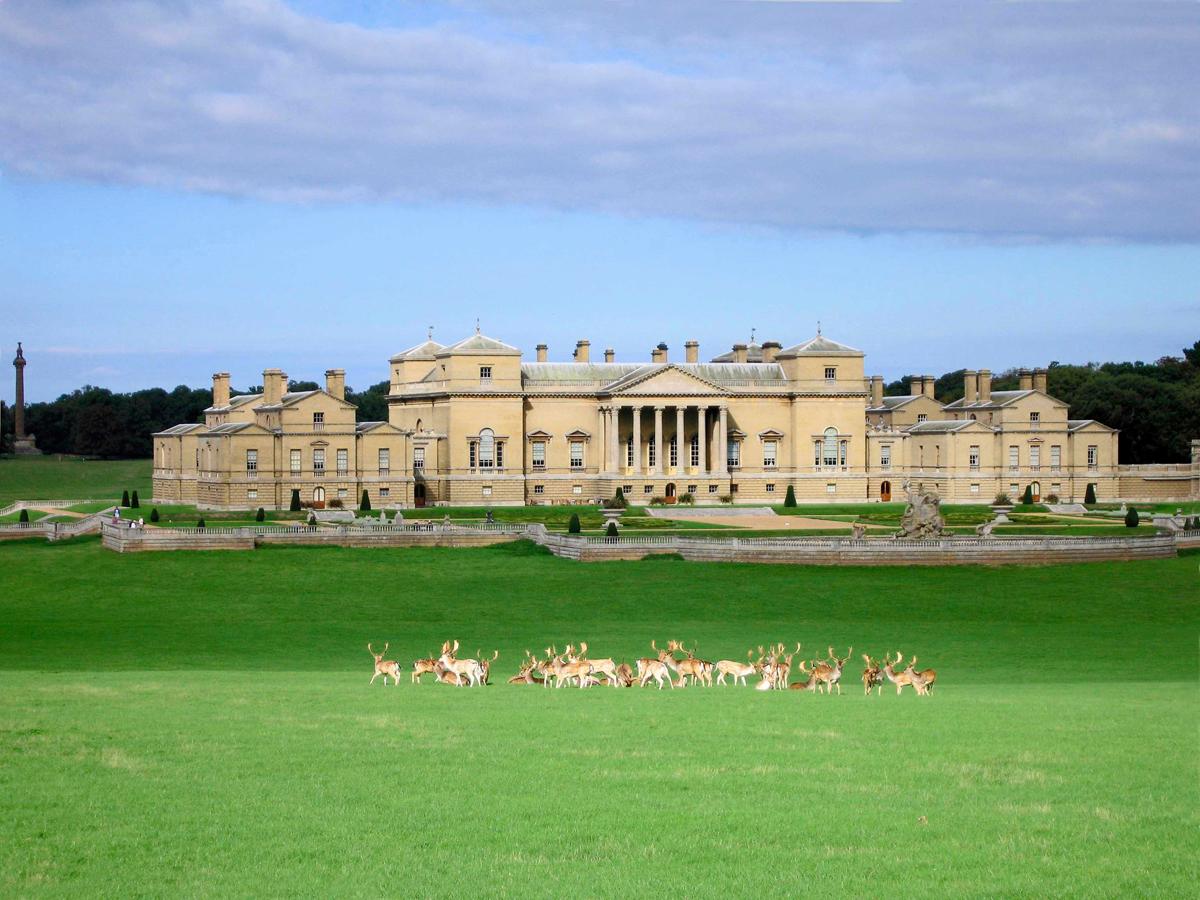
Holkham Hall on the Holkham Estate in Norfolk has announced plans for a new £4.5m visitor attraction which will focus on agricultural evolution and sustainable food production.
The privately-owned, 18th century estate is well respected for its environmentally responsible approach to farming and its 'inseparable links’ with the local community. The project will have a strong educational bias and will focus on how Holkham has evolved its farming practices over the centuries and how it intends to further develop the efficiency of its food production.
"Holkham was the crucible of the Agricultural Revolution and there can be no story which is more relevant to Norfolk," said estates director David Horton-Fawkes. "We believe the final result will provide a fantastic new visitor experience, designed to rival anything found in any other stately home in the country."
Hopkins Architects has been appointed to design the new 2,625sq m scheme, which where possible will feature natural products such as lambs wool for insulation and Holcombe’s own oak for the structural roof beams and doors.
“The outstanding aspect of this project is the sensitive reworking of important heritage buildings to provide much enhanced visitor facilities,” said project architect Jack Gregory. “While the character of the building will be respected, a completely new building management system will be installed to control the internal climate along with high-end lighting and AV equipment.”
Hopkins is a market leader in environmentally-responsible architecture, with iconic structures such as the London 2012 Velodrome, Goodwood Racecourse, Sussex and Denmark’s Copenhagen Arena to its name. The practice’s work on nearby Norwich Cathedral’s visitor centre and educational facility was influential in their selection for this project.
Experience designer Drinkall Dean will create the exhibition telling the story of Holkham’s farming pedigree. There will be a focus on implementing the Estate's ambitious education programme, drawing on the historical aspect of groundbreaking Norfolk husbandry and showcasing the way today's farmland is linked to sustainable food production.
The attraction will replace the current Bygones Museum which houses agricultural memorabilia and machinery from around the region.
A major part of the investment will be the restoration of a dilapidated pottery into a 250-seat events space for weddings, concerts and conferences. This will enable Holkham to diversify and increase its secondary spend revenue. It will also extend the visitor season beyond the summer months and support local accommodation providers in low season. The current stable block will be enhanced to include a larger shop showcasing local products and the eating areas will be doubled in size, with a new restaurant and cafe planned.
Holkham Hall, which is one of the Treasure Houses of England, has worked closely with English Heritage on the scheme, which will involve changes to a number of listed buildings. The development will be privately funded.
Work will commence on-site in January 2015, with plans for an Easter 2016 opening.
AI firm Midjourney enters wellness with spa, fitness and body scanning concept
Hot spring wellness community Ameyalli sells residences and breaks ground on resort and spa

OMA completes New Museum transformation with landmark expansion and Oberon restaurant
OMA has completed a major transformation of New York's New Museum, creating a larger cultural campus that combines expanded exhibition spaces with learning, performance, hospitality and public programming. The latest addition, Oberon, extends the visitor experience beyond the gallery, reflecting a growing trend for museums to become all-day destinations.
The New Museum in New York has entered a new chapter with the completion of a major
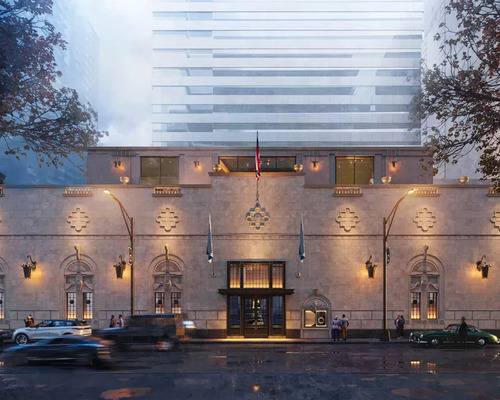
David Rockwell creates immersive magic destination, The Hand and The Eye
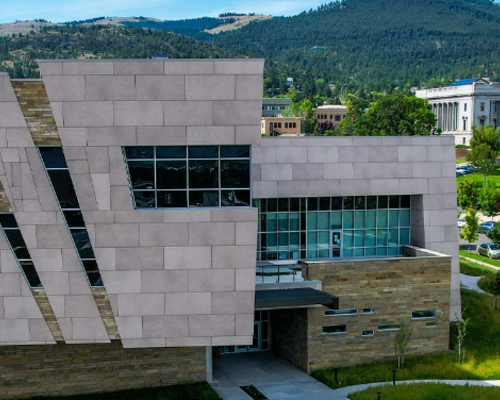
Montana Heritage Center by Cushing Terrell opens after US$107 million investment

Universal launches new theme park model with Kids Resort
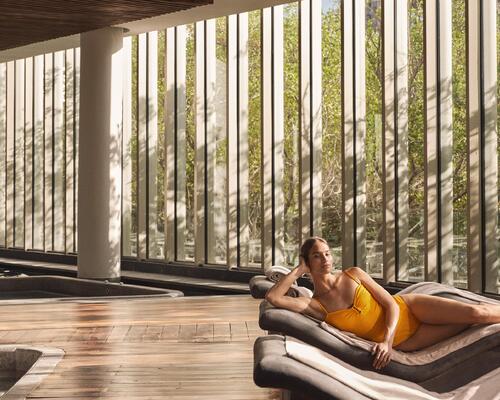
'Minor wellness hotels' recorded the strongest growth across top KPIs in 2025, finds RLA Global
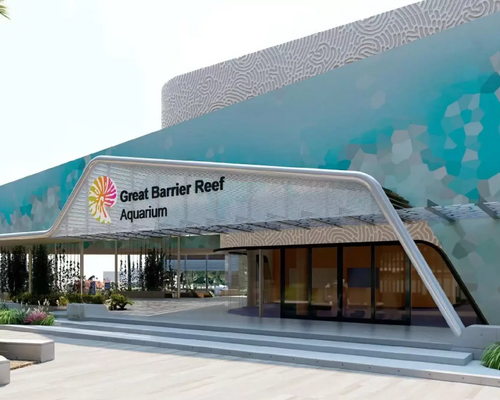
Great Barrier Reef attraction set for AU$180 million reinvention
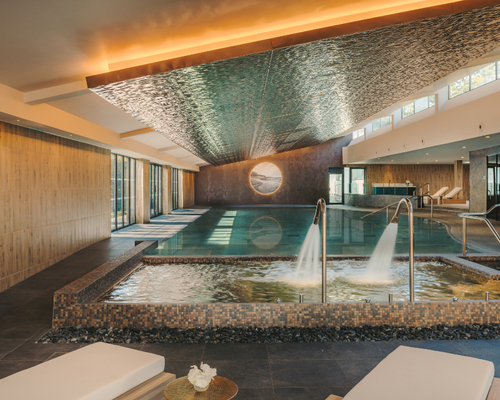
Fairmont Cheshire, The Mere, has architecture by Leach Rhodes Walker and interiors by Bergman Design House.
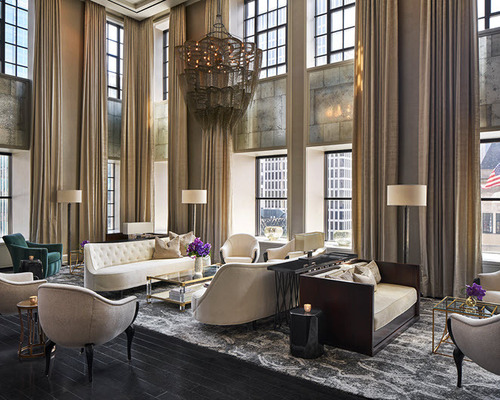
Marriott International partners with Fitwel for wellness solutions across its residential portfolio
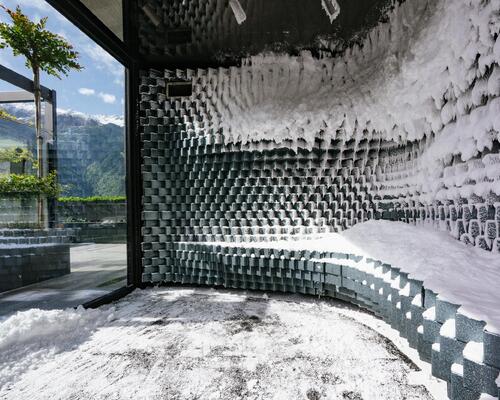
Preidlhof Luxury DolceVita Resort to unveil new spa in February 2027
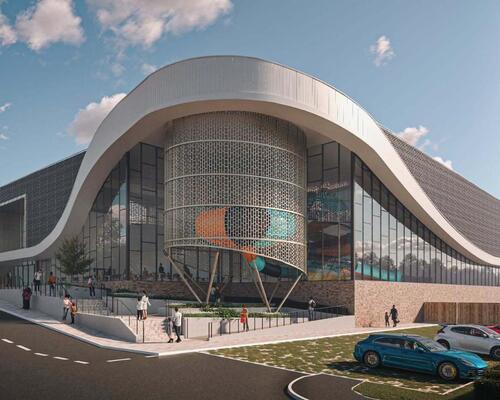
Places Leisure is working with Roberts Limbrick to build £60m wellness flagship in Basingstoke
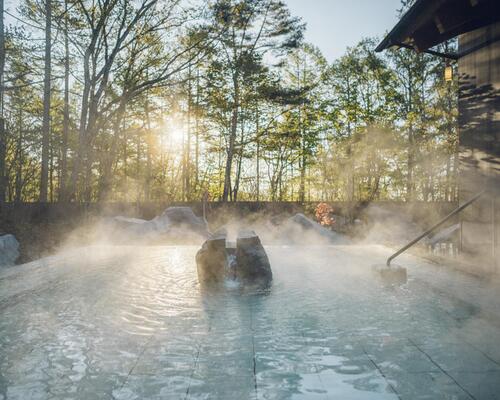
Hoshino Resorts opens Kai Kusatsu as it expands the Kai onsen ryokan brand
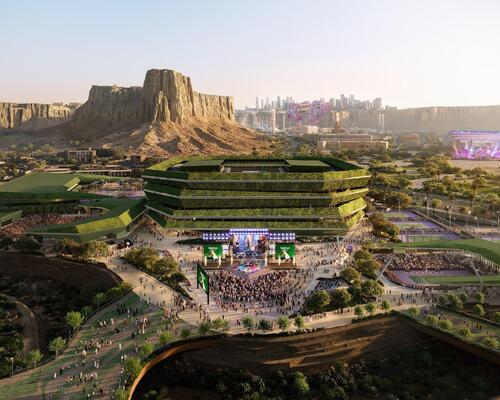
Qiddiya and Populous share details of Saudi Arabia’s National Tennis Centre
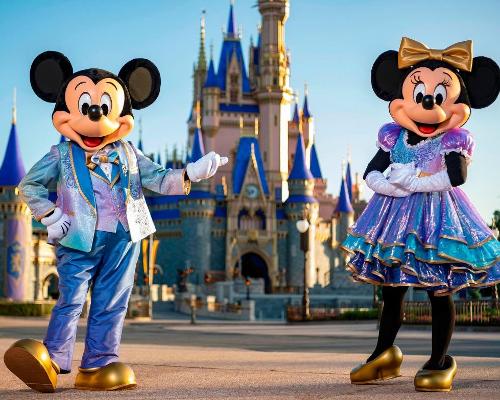
Disney confirms US$30 billion investment programme as it highlights its economic impact
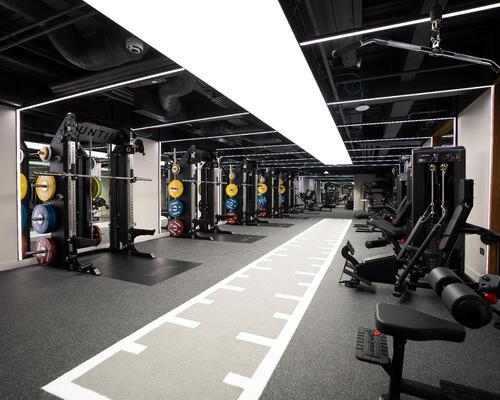
Until combines multiple disciplines at new Canary Wharf club
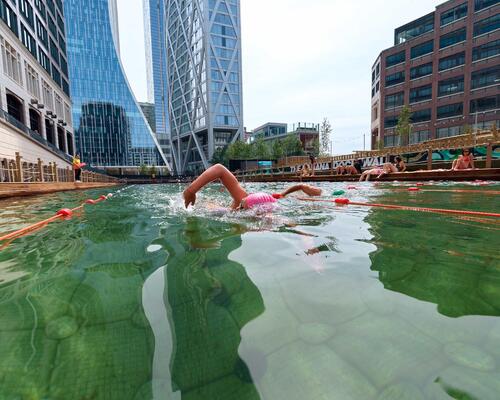
Sea Lanes opens following a partnership between The Eden Project and Canary Wharf Group
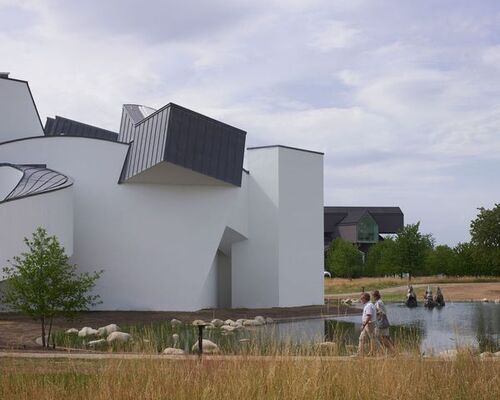
Bas Smets brings water and wilderness to Vitra
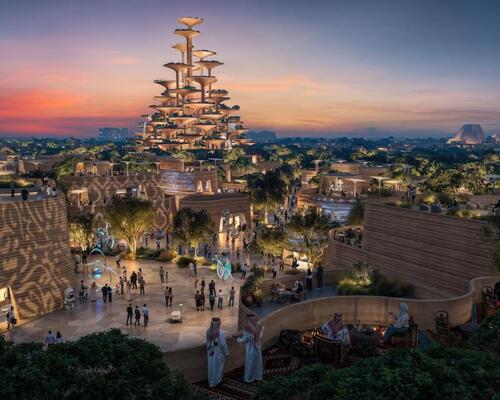
Expo 2030 Riyadh will create a permanent global destination
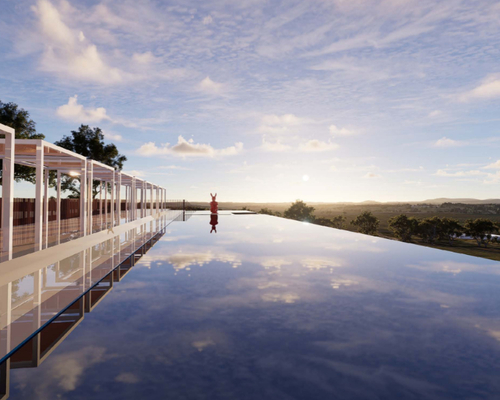
Luxury resort coming to Hunter Valley will have longevity spa
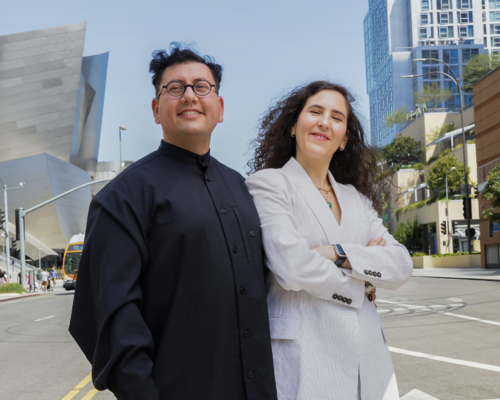
'Data chocolate', dreams made real and artworks shaped by visitors’ emotions: Refik Anadol’s AI art museum launches in Los Angeles
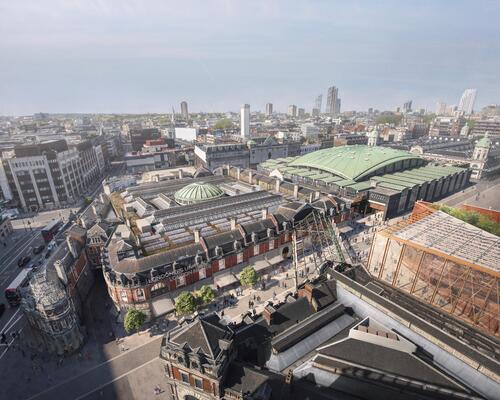
London Museum reveals 2026 opening date for new Smithfield home
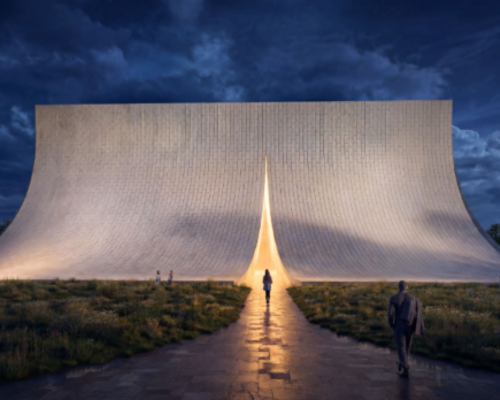
BIG unveils Eve Music Hall as Croatia venue nears completion
Bob Rogers hands BRC to long-serving leadership team
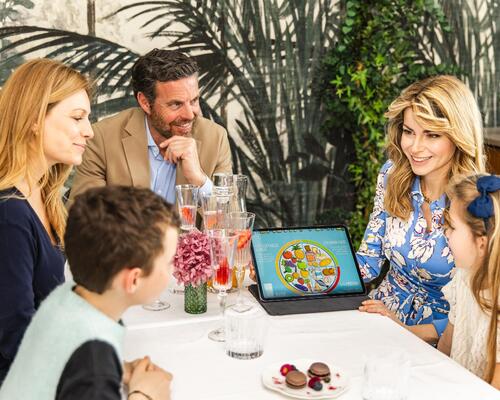
Palazzo di Varignana launches family wellbeing and longevity retreat in Emilia Romagna
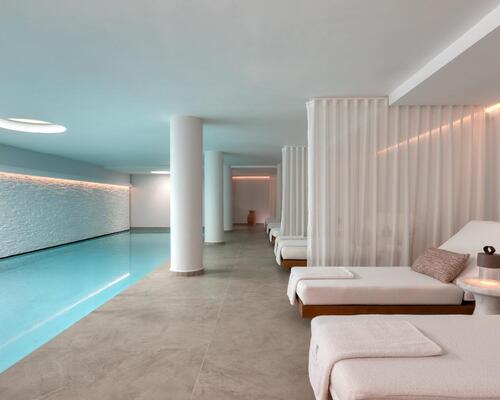
Anasa Wellness and Spa debuts at Patmos Aktis as it joins Marriott
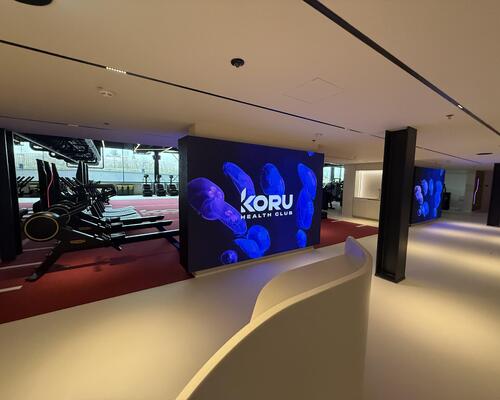
Design-led Koru Health Club combines high-performance training with recovery

Wellness care hospital opens in Vilnius with innovative spa and hospitality concept

Universal and Puy du Fou projects point to rise of Oxford–Cambridge corridor
A proposed Puy du Fou development near Bicester and Universal Destinations and Experiences’ planned resort in Bedford are emerging as part of a wider transformation of the Oxford–Cambridge Growth Corridor into a major centre for UK leisure and tourism investment.
For years, the corridor has been associated primarily with science, technology, housing and university-led economic growth. However, the clustering of large-scale visitor attraction projects along the
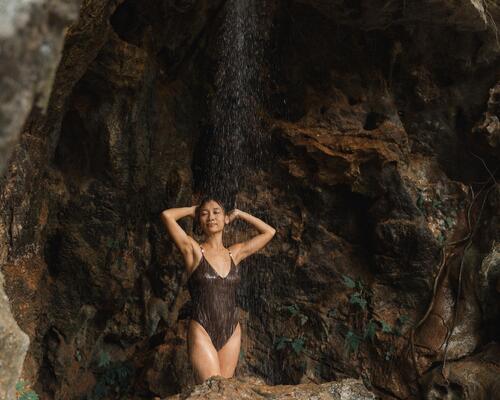
All-inclusive eco-wellness development Auko to open near Vietnam’s Son Doong caves