Building of the Year architect talks to CLAD about form, function and why public space is vital


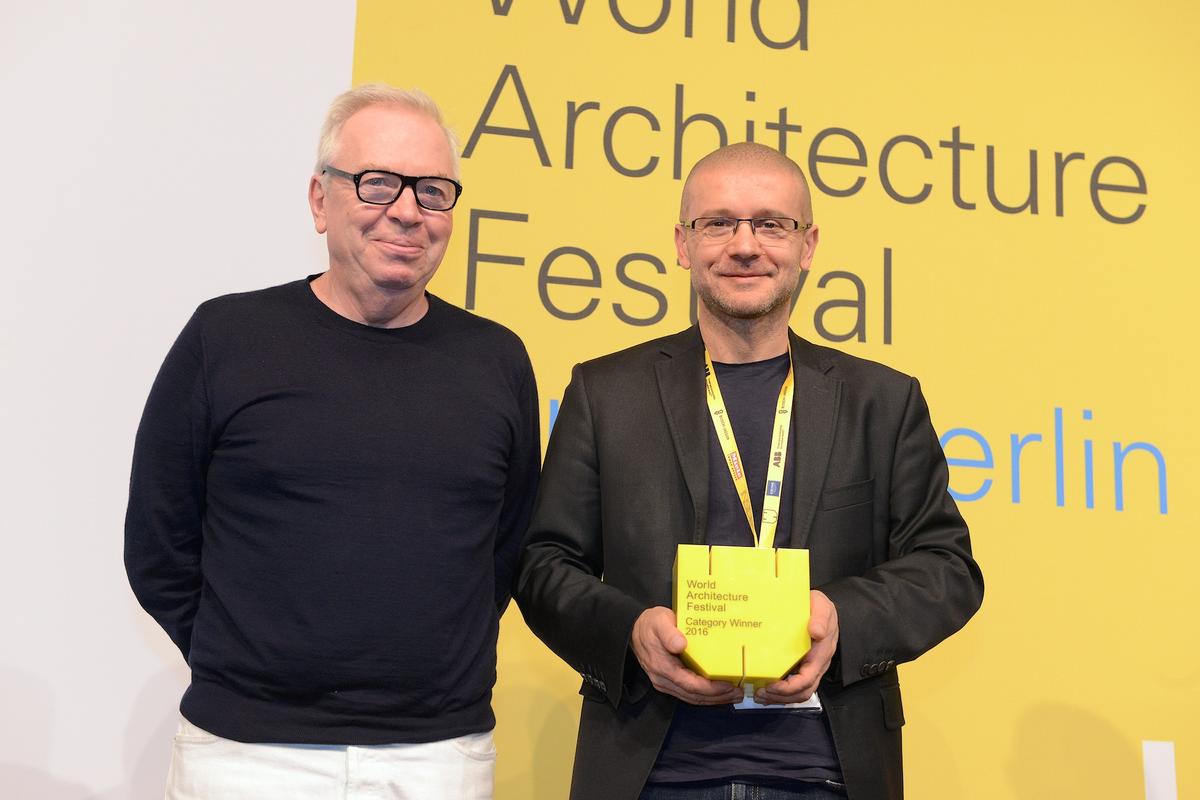
– Robert Konieczny
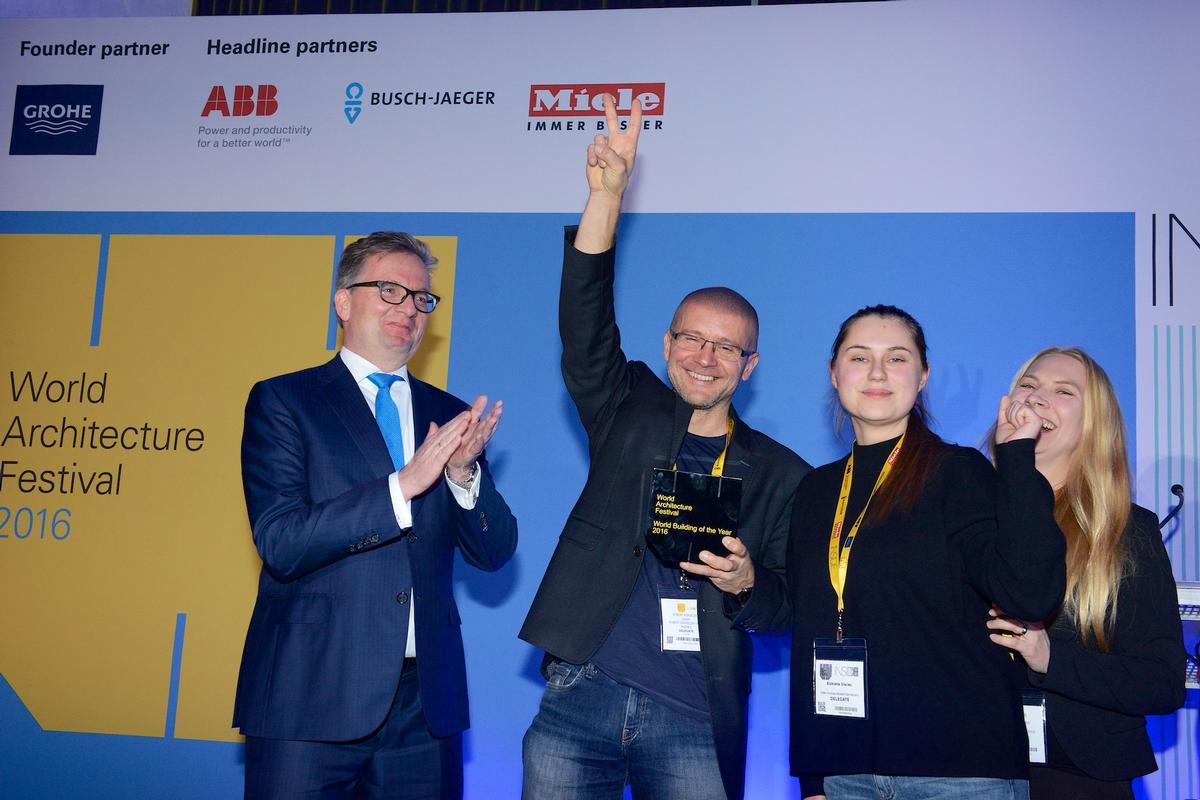
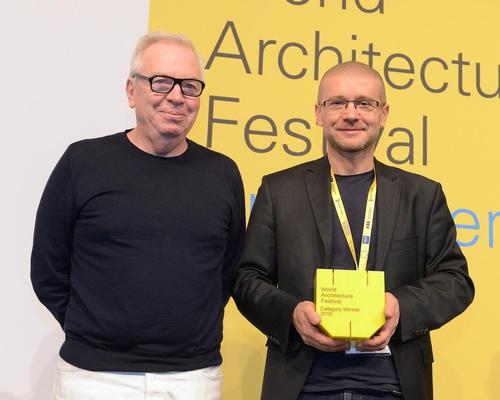
Robert Konieczny, the principal of Polish architecture studio KWK Promes, has described how he won the World Architecture Festival’s 2016 Building of the Year prize by creating a museum that doubles as a “city-forming” public space for the people of Szczecin, Poland.
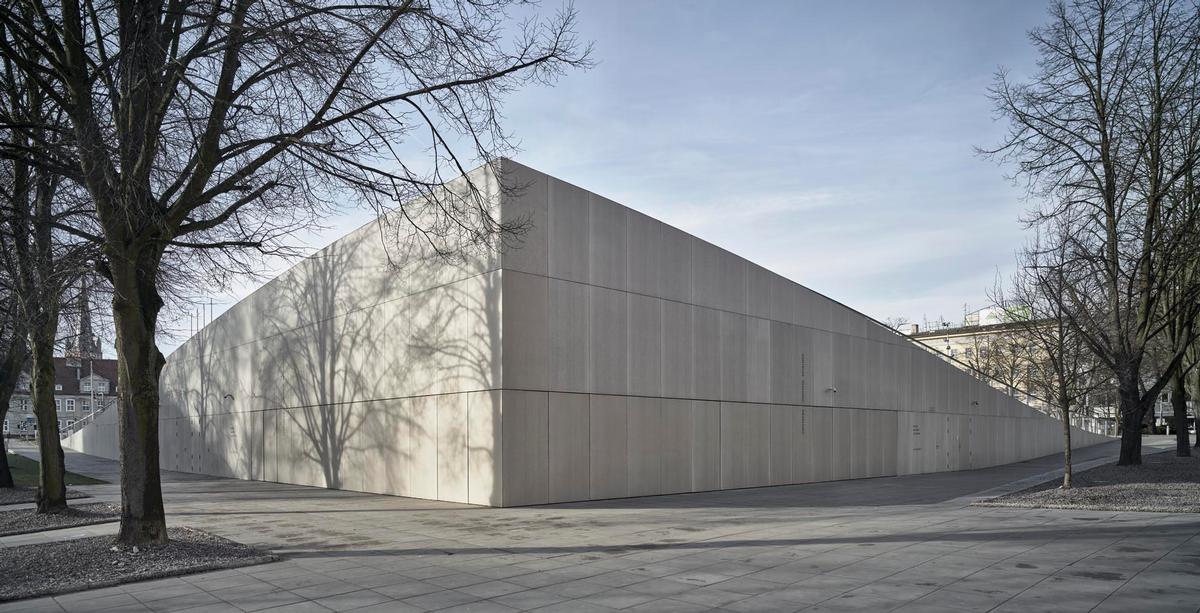
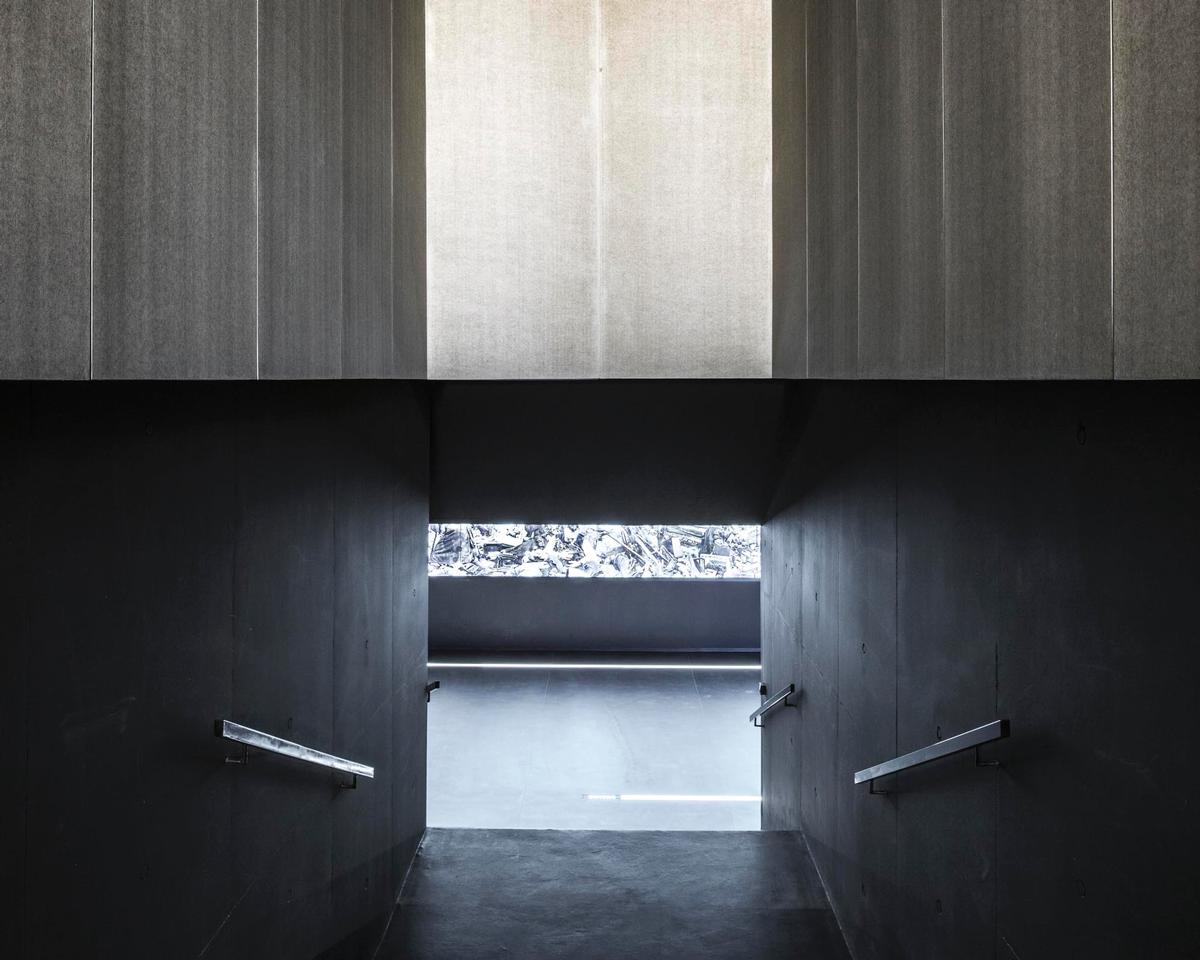
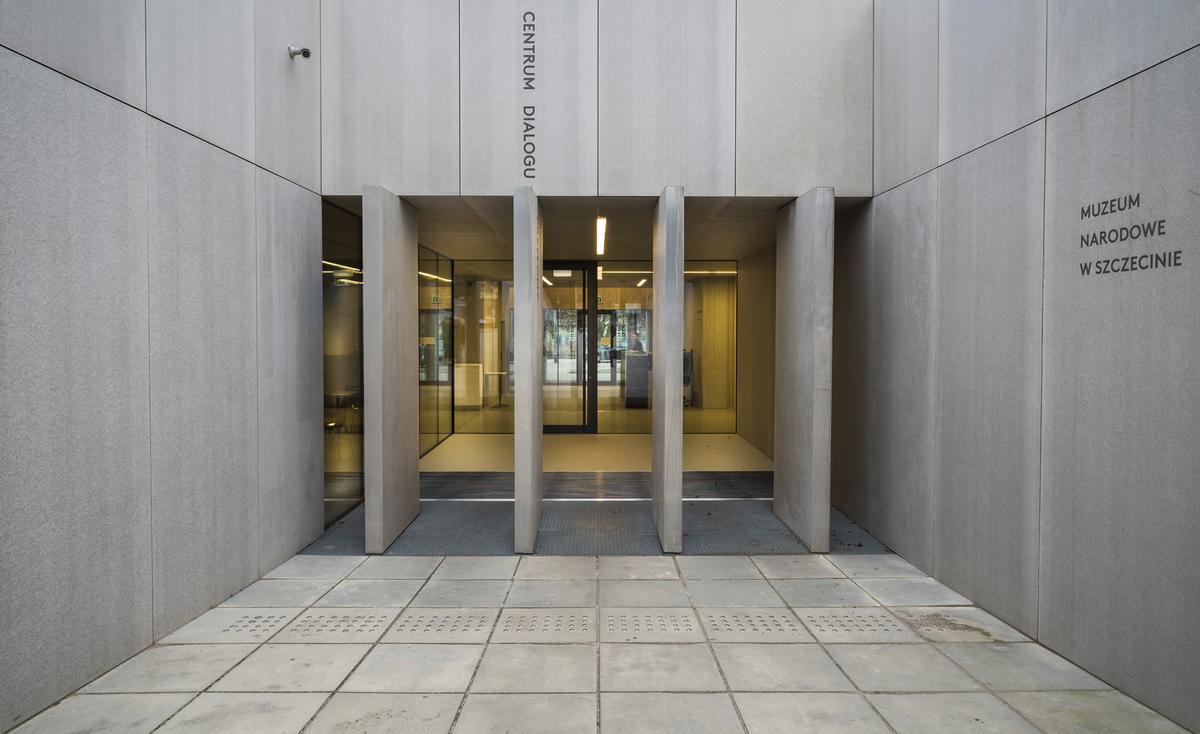
The National Museum and Dialogue Centre Przelomy – which explores the city’s history of Nazi occupation, resistance against post-war Soviet communist authority, and eventual transition to democracy – sits largely underground, with its roof forming part of the Solidarity Square. The concept was hailed by the festival’s competition jury, led by David Chipperfield, as “a piece of topography as well as a museum” that addresses the city’s past “in an optimistic, poetic and imaginative way.”
“We broke the rules for the project’s design competition,” Konieczny told CLAD. “The site was originally smaller, but after we got to know the history of the place, we thought the whole square and the building should be treated as one entity.
“Pre-war the location was an urban quarter and post-war it became a memorial square to remember 16 [anti-regime protesters] who were killed there in fights with militia in December 1970. Our idea was to bring together these two contradictory traditions. We created a hybrid which encloses the site like a quarter, while keeping the values of an open public space.”
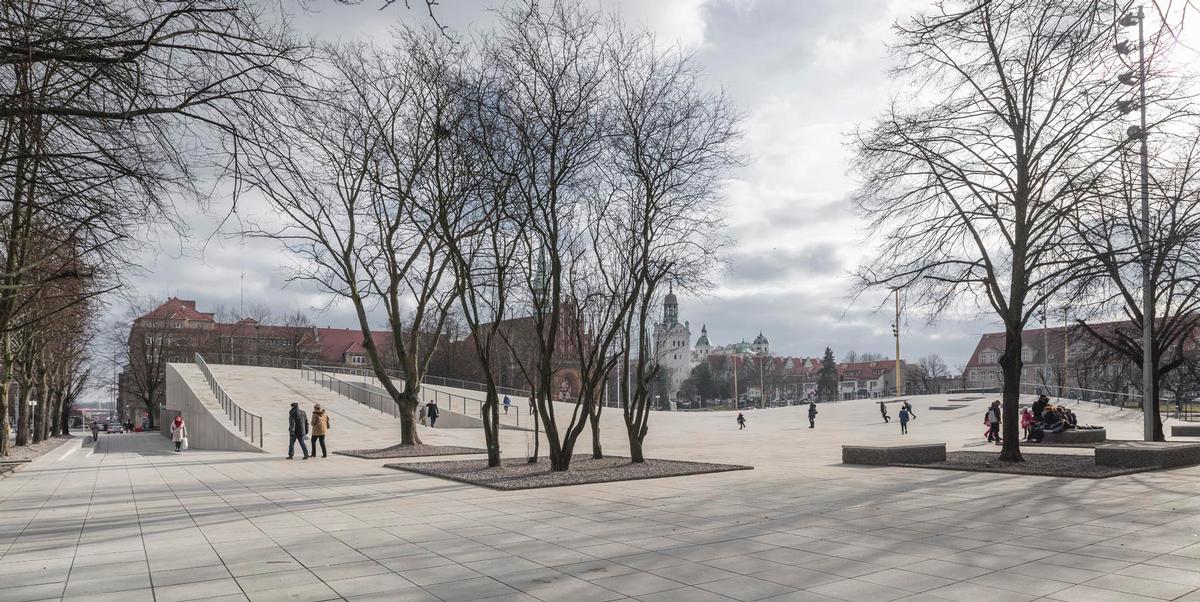
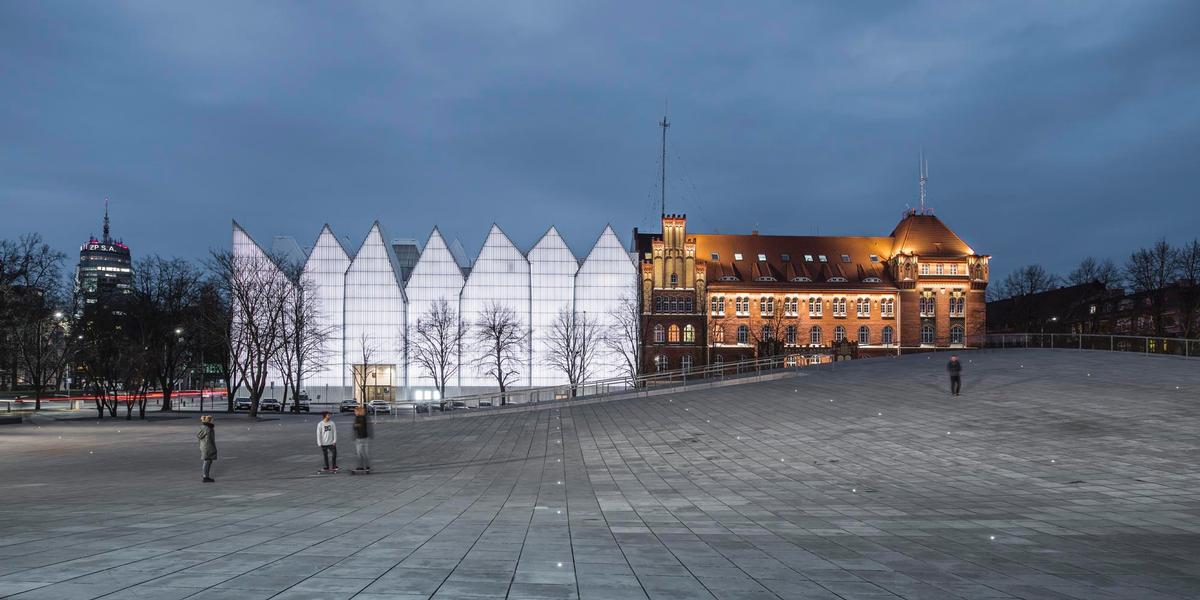
KWK Prones decided to eliminate any barriers in the square, enhancing its potential as a meeting space located walking distance from cultural landmarks such as Estudio Barozzi Veiga’s Konzerthaus – described by Konieczny as “the best building in Europe”. Smooth uplifts in the site were created to house the museum underneath, while enclosing the square from traffic and busy surrounding neighbourhoods. The concrete floor of the square, which is covered with rectangular tiles, was replicated on the slopes and the facade of the museum, creating the illusion of one continuous monolithic structure.
“There are many buildings nowadays that look interesting, but when you analyse deeper, there's nothing more than the form,” said Konieczny. “Our projects have another layer below the surface. They’re always consequence of a logical process, and the form is in a way secondary. This project connects various times and traditions and gives a lot of new possibilities to the city, thanks to the generous public space.
“When the museum is closed, life on the square still goes on, due to the topography. It encourages people to ride a bike, skate or even sledge – because when it snows, it’s the only one hill in the city. Sometimes kids turn the whole square into one big blackboard, covering it with drawings until it becomes a kind of colourful ornament. We’ve created a canvas for events far beyond of our imagination, and life has begun to write its own scenarios in ways we never expected.”
The studio had to fight with city officials to create a space that could be used in such a myriad of ways, as sport and recreational uses were previously banned on the sensitive remembrance site. This issue was eventually resolved, but other controversies hit the project. The rising slopes – which have created a type of urban amphitheatre – provoked anger from some quarters, as they prevent the army from marching through as they once did and place politicians and military leaders below members of the public during ceremonies.
“We believed that the square should not divide people, it should connect them,” Konieczny explained. “It's built to serve everyone. After long discussions and negotiations with veterans and city officials we together came to an agreement on how to use the space. Now they understand it can host various occasions, such as concerts, outdoor cinema screenings and events for thousands of people. Equally, the citizens of Szczecin have learned that this is their place. Now they gather there to express and manifest their opinions.”
Konieczny argues that more cultural buildings should find innovative ways of integrating with areas of public realm.
“A well-designed space can attract crowds and build a positive relationship with institutions,” he said. “In our case, both the museum and the square can be used separately, which is a big advantage, but at the same time the two spaces can constantly stimulate each other. Any one space can have a positive influence on the other. That benefits citizens, which ultimately benefits the city.”
Building of the Year KWK Promes Robert Konieczny World Architecture Festival Szczecin architecture design National Museum and Dialogue Centre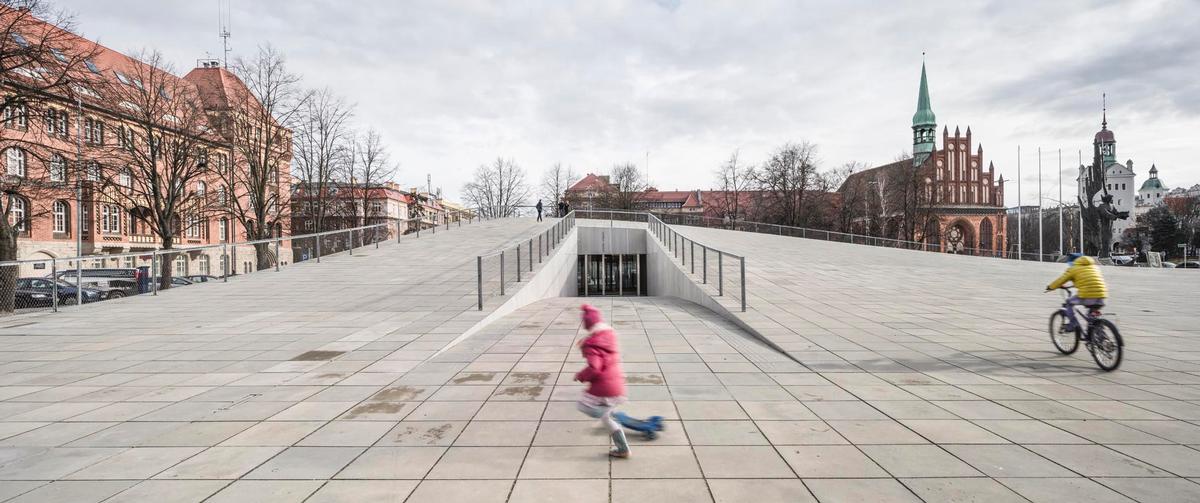

World Building of the Year awarded to Poland's National Museum and Dialogue Centre
European Prize for Urban Public Space awarded to two leisure projects
Bob Rogers hands BRC to long-serving leadership team

Wellness care hospital opens in Vilnius with innovative spa and hospitality concept
Universal and Puy du Fou projects point to rise of Oxford–Cambridge corridor
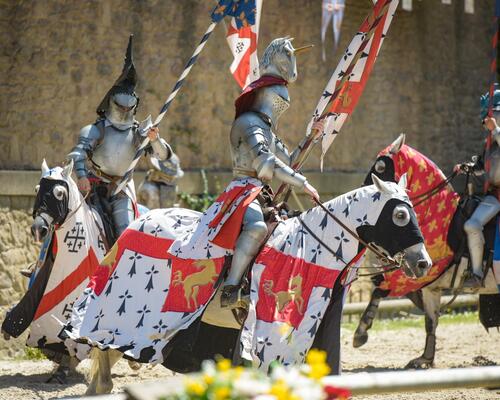
A proposed Puy du Fou development near Bicester and Universal Destinations and Experiences’ planned resort in Bedford are emerging as part of a wider transformation of the Oxford–Cambridge Growth Corridor into a major centre for UK leisure and tourism investment.
For years, the corridor has been associated primarily with science, technology, housing and university-led economic growth. However, the clustering of large-scale visitor attraction projects along the
All-inclusive eco-wellness development Auko to open near Vietnam’s Son Doong caves
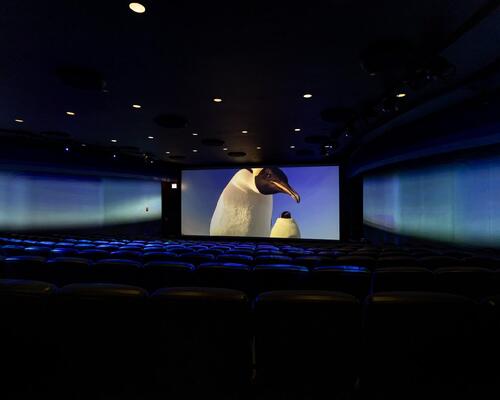
Shedd Aquarium upgrades its visitor experience with new Immersion Theater
Shedd Aquarium has opened the Immersion Theater developed in partnership with SimEx-Iwerks, as part of a wider strategy to enhance the guest experience and create additional revenue opportunities.
The attraction has transformed the aquarium’s Phelps Auditorium into a multi-sensory venue combining panoramic projection, environmental effects and interactive technology.
A new pre-show area allows visitors to engage with augmented reality marine animals before entering the
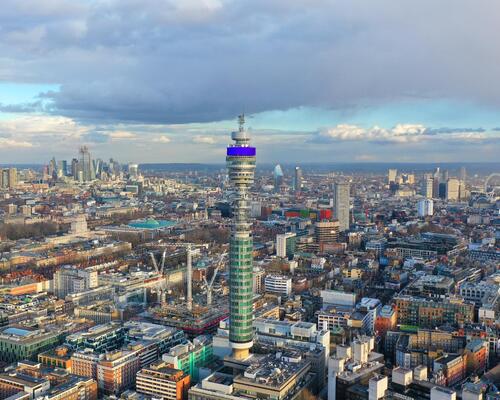
MCR is planning a luxury hotel for London's BT Tower
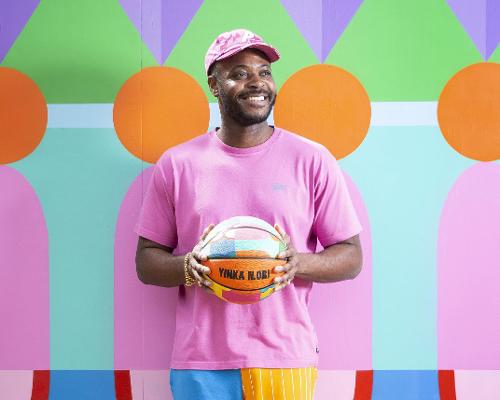
Joy as a radical act: Yinka Ilori launches solo exhibition celebrating the rebellious power of spreading happiness

Work gets underway on Madrid's €800 million leisure complex
Work is underway in Madrid on one of Europe’s most significant multi-functional complexes, combining sport, entertainment, culture and education.
The €800 million initiative to regenerate the former Olympic Aquatic Centre in the north-east of the city, next to the Riyadh Air Metropolitano stadium, is being led by Barsento – a joint venture between Live Nation Entertainment, Oak View Group and Atlético de Madrid. The project will
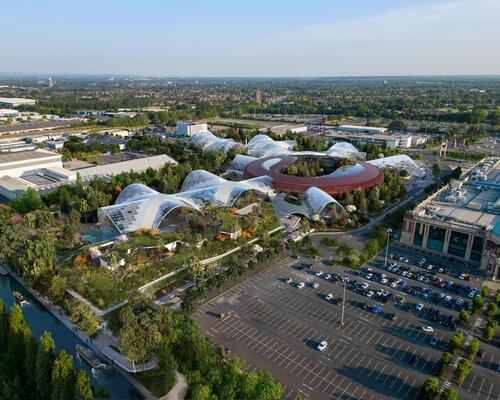
Therme Manchester reveals 90:90 strategy – 90 per cent of the UK population within a 90-minute drive of a Therme

Four Seasons’ Naples Beach Club opens 2,800sq m Sanctuary spa inspired by indigenous Calusa people
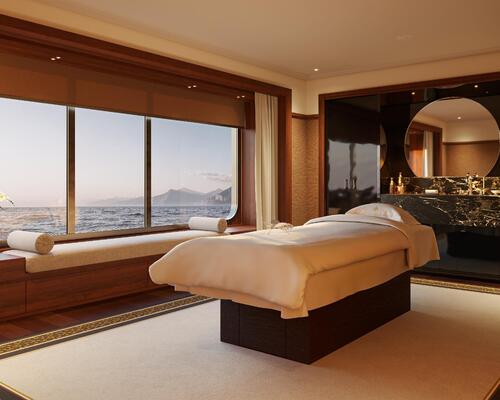
Orient Express Corinthian to host Ocean Rebirth wellness retreat in collaboration with Guerlain
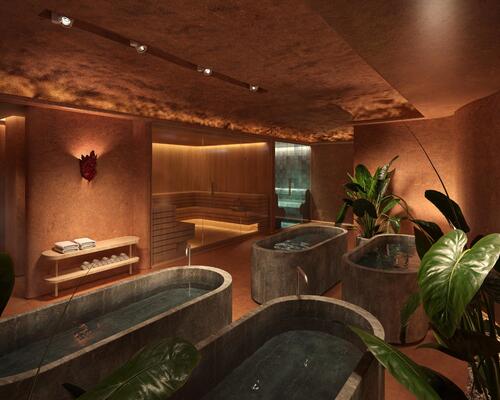
Famed London nightclub, Tramp, launches Tramp Health
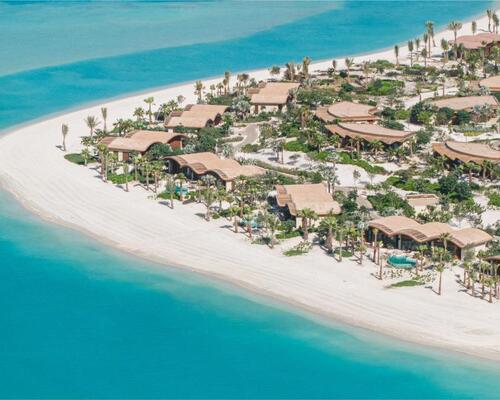
First look: Miraval opens on the Red Sea in Saudi Arabia

Hainan Science Museum by Ma Yansong, opens in China
A new science museum has opened to the public in Haikou after attracting more than 350,000 visitors during a four-month soft opening period.
Designed by Ma Yansong and his practice MAD Architects, the Hainan Science Museum is located on the edge of Wuyuan River National Wetland Park and has already recorded peak attendance of more than 5,800 visitors in a single day.
Commissioned by
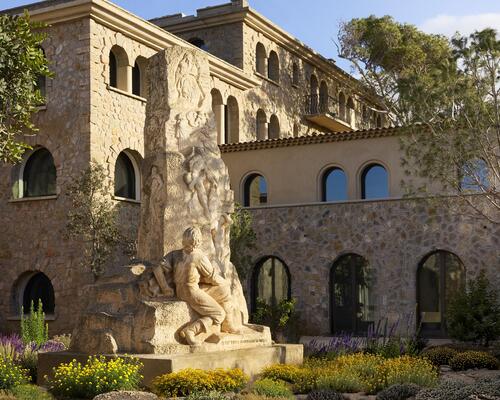
Zannier Île De Bendor launches with design by Hardel Le Bihan Architectes
Sæl Spa readies for launch in London: “a modern British sanctuary”
Immersive art bathhouse Submersive announces debut location in Austin

Construction begins on regenerative wellness destination The Shenandoah Nature Resort

Royal Caribbean reveals record-breaking cruise ship
V&A East opens in London
David Geffen galleries open at LACMA

New venue The Lands by Capella includes a longevity centre to complement sister hotel Capella Sydney

World of Frozen launches at Disneyland Paris
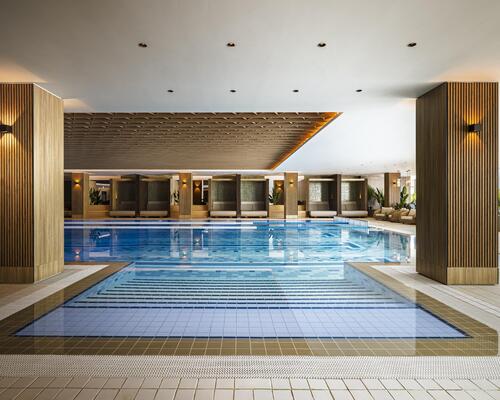
Pical Resort by Valamar reveals first Croatian spa under the ESPA brand

Mandarin Oriental creates end-to-end Egyptian journey with two new hotels and first-ever luxury river cruise

Designers Mendil + Meyer launch new division called Lām Concepts for strategic wellness projects
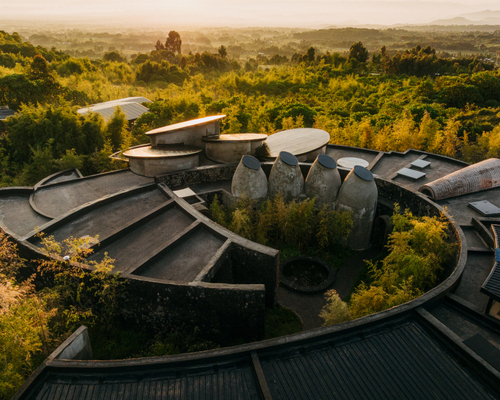
Wilderness Bisate in Rwanda reveals brand’s second Sanctuary spa
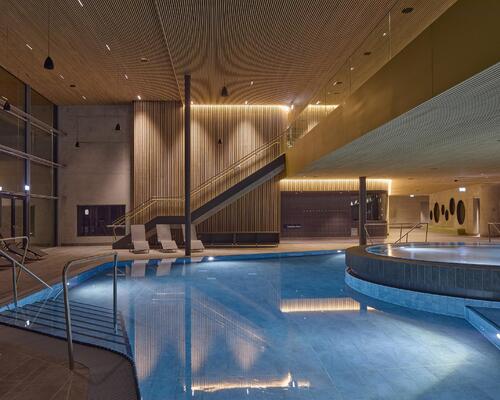
4a Architekten shares details of wellness extension at Salinarium Bad Dürkheim Thermal Spa
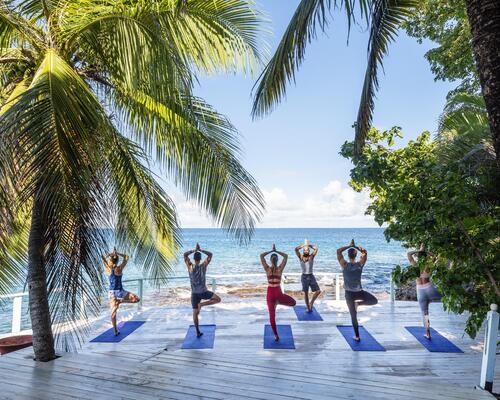
BodyHoliday plans 10-15 locations in the next 15 years
Floating wellbeing destination planned for London’s Royal Docks