Arup report warns urban planners must do more to create child-friendly cities



– Jerome Frost, Arup Global Cities Leader
A child-friendly approach to urban planning is a vital part of creating inclusive cities that work better for everyone.
That is the conclusion of global architecture and engineering firm Arup, which has published a new report warning that cities risk economic and cultural damage if they fail to address the needs of children aged 17 and under.
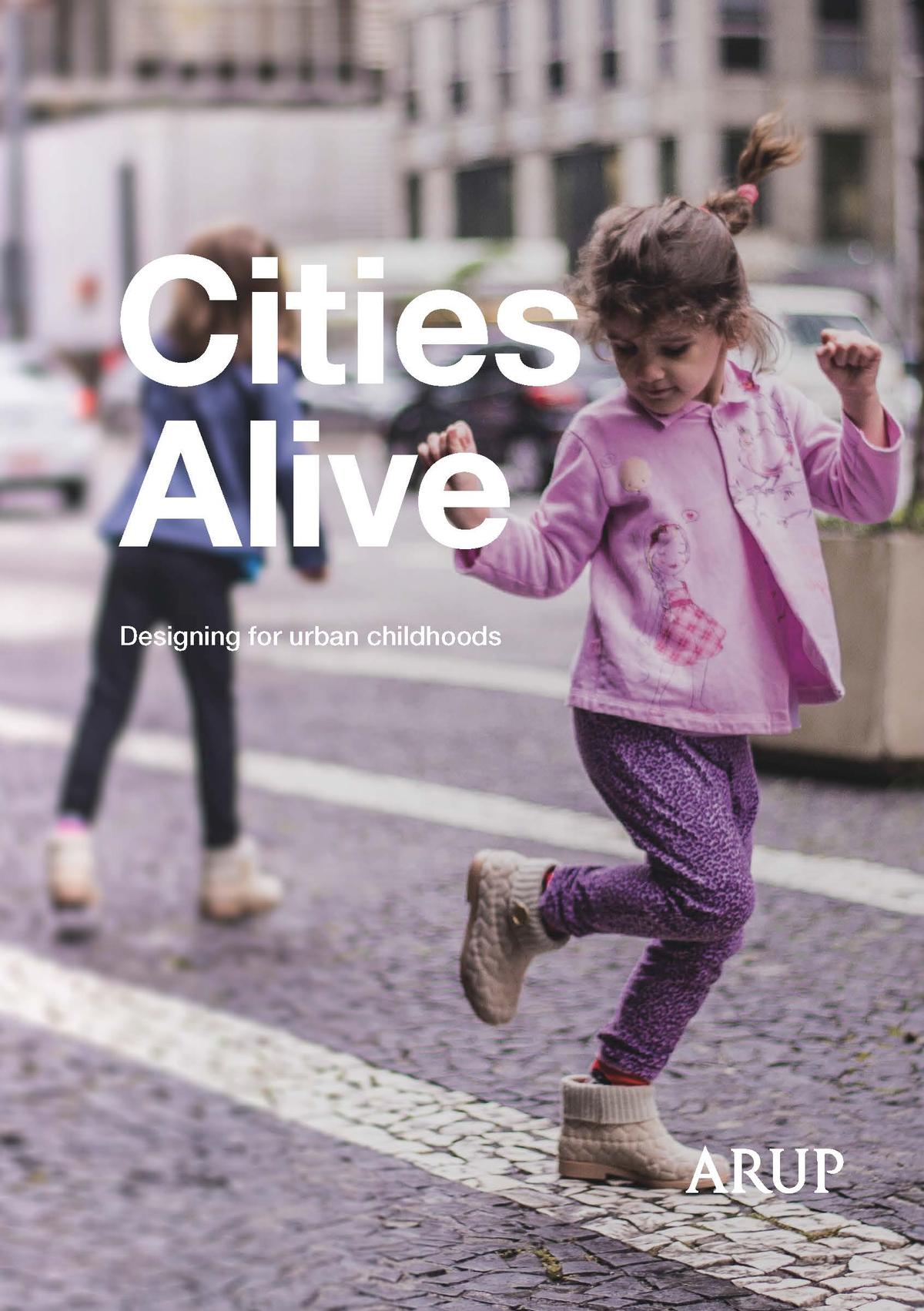
The authors of ‘Cities Alive: Designing for Urban Childhoods’ argue that children’s ability to get around independently, the time they spend playing outdoors and their connection to nature are strong indicators of how a city is performing. However, they warn that many urban design authorities are not doing enough to create these conditions.
High levels of air pollution, traffic, crime and high-rise living are making cities child-unfriendly, they added, as these restrict independence and ability to play, enhance stress levels and can lead to childhood obesity and mental health problems. Arup claims action is required urgently, as 60 per cent of all urban dwellers will be under the age of 18 by 2030.
“We are at a critical moment in the evolution of cities and how we treat our children today is how we will be remembered in the future,” said Arup's Global Cities Leader Jerome Frost, in response to the report, which features 40 global case studies.
“The choices we make in the built environment can help to ensure children are given respect, fair treatment, a healthy life and the best chances of tackling the challenges of tomorrow. By highlighting children’s needs, we will be helping to solve other urban challenges, leading to cities that are better for everyone.
“This report highlights the opportunity to create healthier, more inclusive, resilient and competitive cities for people of all ages.”
City leaders, developers, investors and architects are given 14 recommended interventions and 15 actions to improve the situation,
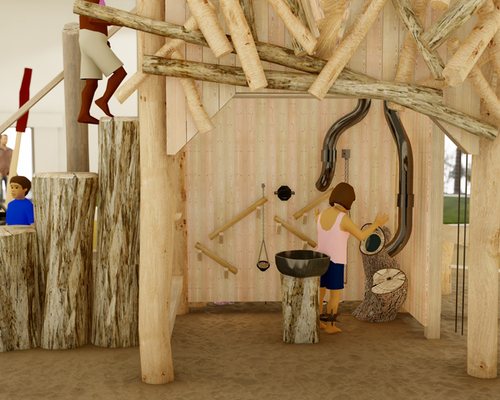
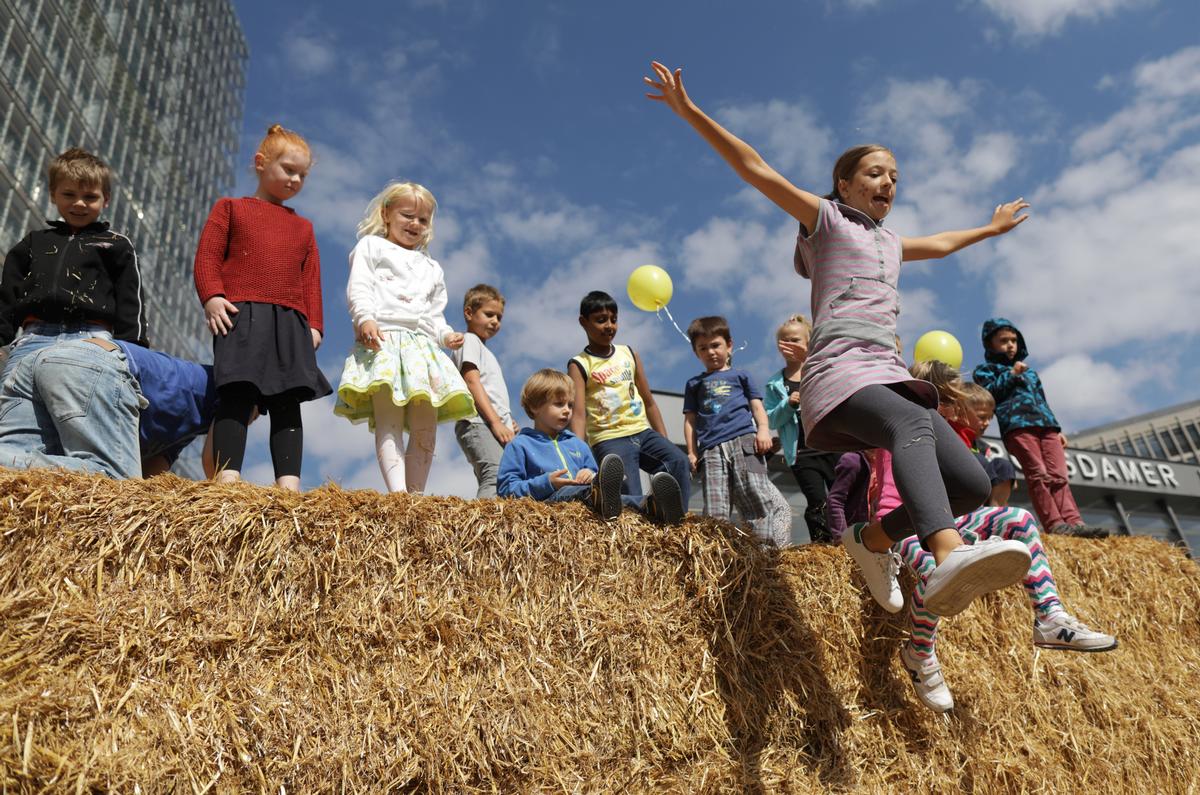
Recommendations include closing streets to traffic to encourage children to be more active; designing public realm for all ages to enjoy together; creating ‘wild spaces’ and community gardens where young people can engage with nature; and installing public art that invites playful interaction.
• Play streets – Independent mobility leads to higher levels of physical activity, sociability and mental wellbeing. Yet fears for children’s safety means that from 1971 to 1990, the number of UK children walking to school unsupervised has decreased from 80% down to just 9%. Temporarily closing streets to traffic would encourage people of all ages to be more active, while reducing air pollution and traffic danger. The City of Bogota is taking a lead in this, regularly closing city streets to cars, while Bristol, London, Adelaide, New York and Toronto are all forging partnerships between residents, local agencies and municipalities to take ‘play street’ schemes forward.
• Intergenerational spaces – Where children go, adults follow. The creation of active space can benefit the health and cohesion of whole communities. From early on King’s Cross Central incorporated playful interventions as a means of urban regeneration and to create a fun and vibrant destination for all ages. This involved incorporating arts programming, urban gardens and a temporary open-air swimming pond to generate outdoor activity.
• Traffic measures – In 2015, road traffic injury was the leading cause of death among 10-19 year olds globally. Increasing drivers’ awareness of pedestrians and street activities is paramount. In South Korea, the School Zone Improvement Project is doing just this, creating safe routes between children’s homes and frequently used facilities. A month-long experiment changed an inner city neighbourhood of Suwon, South Korea into a car-free zone, which proved successful when residents voted to impose parking controls, speeding restrictions and car-free weekends beyond the pilot project.
• Wild spaces – A connection with the natural world is associated with a range of physical and mental health benefits, including lower rates of obesity, depression, stress and attention disorders. Creating better ‘wild spaces’ in cities improves access to these areas, while preventing disused canal sides and parks becoming hotbeds for crime. Residents of Salinas in California saw this when the local community restored the 64-acre Natividad Creek Park, turning it into a refuge for young people from gangs and violence.
“Harnessing political will, testing interventions through pilots and being creative in using the evidence, resources and capabilities available will help us make better choices for child-friendly environments,” said Frost.
City planners in Japan have been among the first to establish child-friendly cities by giving young people a say in the design of their urban environments. Projects have been launched in the cities of Kawasaki and Chiba in which children have designed playgrounds, wall paintings and landscaped parks, while in Ishinomaki, Save the Children Japan coordinated the building of a new children’s centre partly-designed by children.
In the town of Niseko, citizens under the age of 20 are regularly invited to participate in town planning committees and a special children’s parliament has been established for young citizens to give their input and feedback on important design decisions.
Arup has a dedicated research arm which has published several reports on urban planning, including recent ones on promoting health and wellbeing through creating green environments and the need for closer collaboration between architects, designers, developers and investors.
Arup urban design planning architecture child-friendly citiesArup Foresight talks to CLAD about healthy wellness buildings and holistic design
In Japan, children are designing the cities of the future
Arup outline vision for greener global cities
BIG unveils Eve Music Hall as Croatia venue nears completion
Bob Rogers hands BRC to long-serving leadership team

Wellness care hospital opens in Vilnius with innovative spa and hospitality concept

Universal and Puy du Fou projects point to rise of Oxford–Cambridge corridor
A proposed Puy du Fou development near Bicester and Universal Destinations and Experiences’ planned resort in Bedford are emerging as part of a wider transformation of the Oxford–Cambridge Growth Corridor into a major centre for UK leisure and tourism investment.
For years, the corridor has been associated primarily with science, technology, housing and university-led economic growth. However, the clustering of large-scale visitor attraction projects along the

All-inclusive eco-wellness development Auko to open near Vietnam’s Son Doong caves
Shedd Aquarium upgrades its visitor experience with new Immersion Theater
Shedd Aquarium has opened the Immersion Theater developed in partnership with SimEx-Iwerks, as part of a wider strategy to enhance the guest experience and create additional revenue opportunities.
The attraction has transformed the aquarium’s Phelps Auditorium into a multi-sensory venue combining panoramic projection, environmental effects and interactive technology.
A new pre-show area allows visitors to engage with augmented reality marine animals before entering the
Mandarin Oriental announces standalone Mansions-branded residences for Abu Dhabi
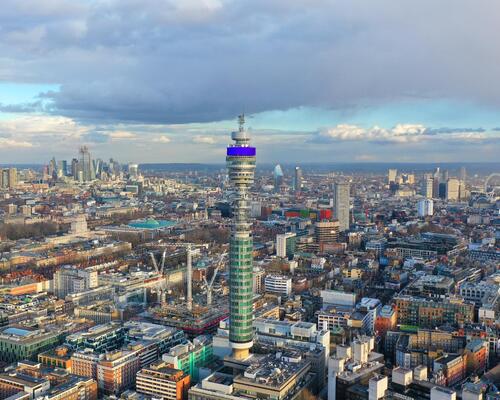
MCR is planning a luxury hotel for London's BT Tower
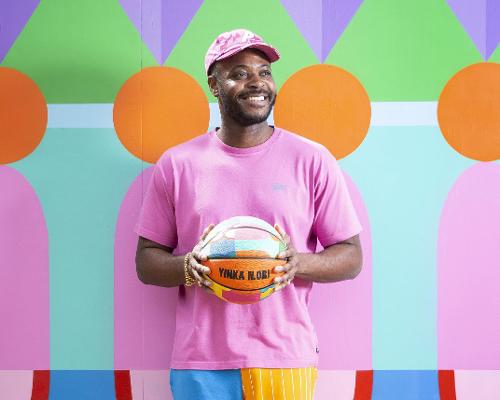
Joy as a radical act: Yinka Ilori launches solo exhibition celebrating the rebellious power of spreading happiness

Work gets underway on Madrid's €800 million leisure complex
Work is underway in Madrid on one of Europe’s most significant multi-functional complexes, combining sport, entertainment, culture and education.
The €800 million initiative to regenerate the former Olympic Aquatic Centre in the north-east of the city, next to the Riyadh Air Metropolitano stadium, is being led by Barsento – a joint venture between Live Nation Entertainment, Oak View Group and Atlético de Madrid. The project will
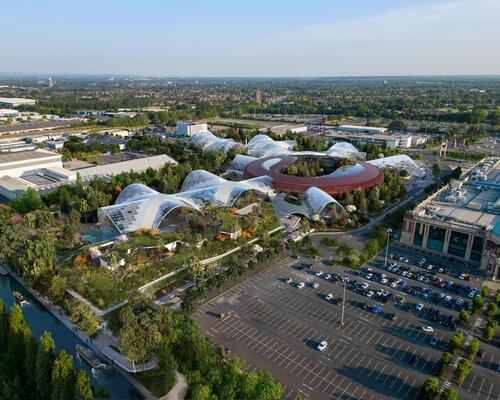
Therme Manchester reveals 90:90 strategy – 90 per cent of the UK population within a 90-minute drive of a Therme

Four Seasons’ Naples Beach Club opens 2,800sq m Sanctuary spa inspired by indigenous Calusa people
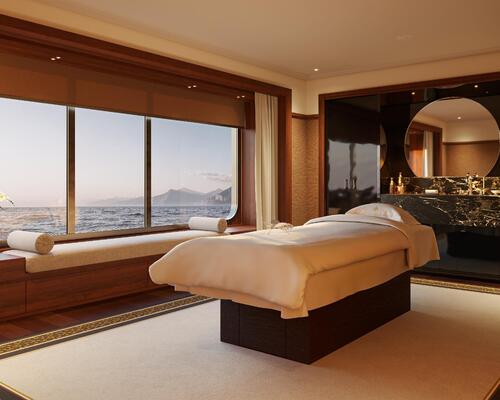
Orient Express Corinthian to host Ocean Rebirth wellness retreat in collaboration with Guerlain
Famed London nightclub, Tramp, launches Tramp Health
First look: Miraval opens on the Red Sea in Saudi Arabia

Hainan Science Museum by Ma Yansong, opens in China
A new science museum has opened to the public in Haikou after attracting more than 350,000 visitors during a four-month soft opening period.
Designed by Ma Yansong and his practice MAD Architects, the Hainan Science Museum is located on the edge of Wuyuan River National Wetland Park and has already recorded peak attendance of more than 5,800 visitors in a single day.
Commissioned by
Zannier Île De Bendor launches with design by Hardel Le Bihan Architectes
Sæl Spa readies for launch in London: “a modern British sanctuary”
Immersive art bathhouse Submersive announces debut location in Austin

Construction begins on regenerative wellness destination The Shenandoah Nature Resort

Royal Caribbean reveals record-breaking cruise ship
V&A East opens in London
David Geffen galleries open at LACMA

New venue The Lands by Capella includes a longevity centre to complement sister hotel Capella Sydney
World of Frozen launches at Disneyland Paris
Pical Resort by Valamar reveals first Croatian spa under the ESPA brand

Mandarin Oriental creates end-to-end Egyptian journey with two new hotels and first-ever luxury river cruise

Designers Mendil + Meyer launch new division called Lām Concepts for strategic wellness projects
Wilderness Bisate in Rwanda reveals brand’s second Sanctuary spa
4a Architekten shares details of wellness extension at Salinarium Bad Dürkheim Thermal Spa