Andrew Frontini and Paul Kulig – of Perkins and Will Toronto – tell CLAD the pandemic opens up opportunities to reinvent cities to create a better future


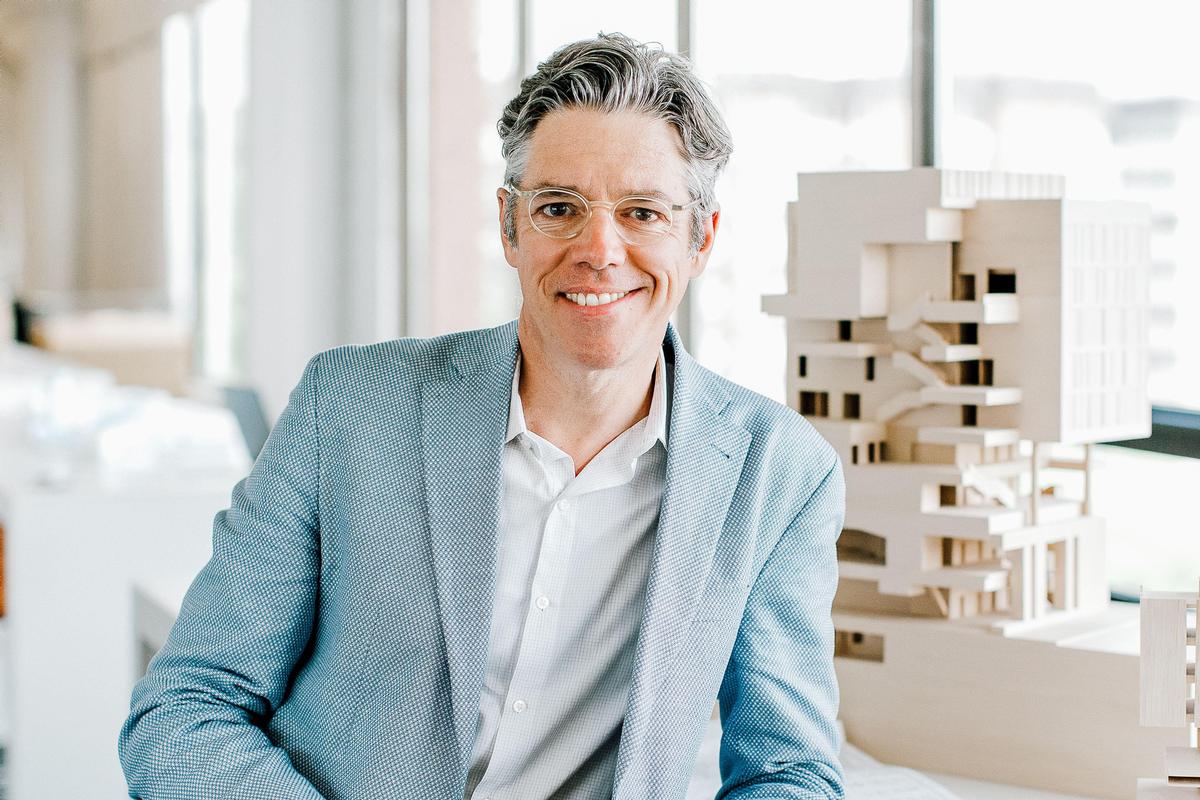
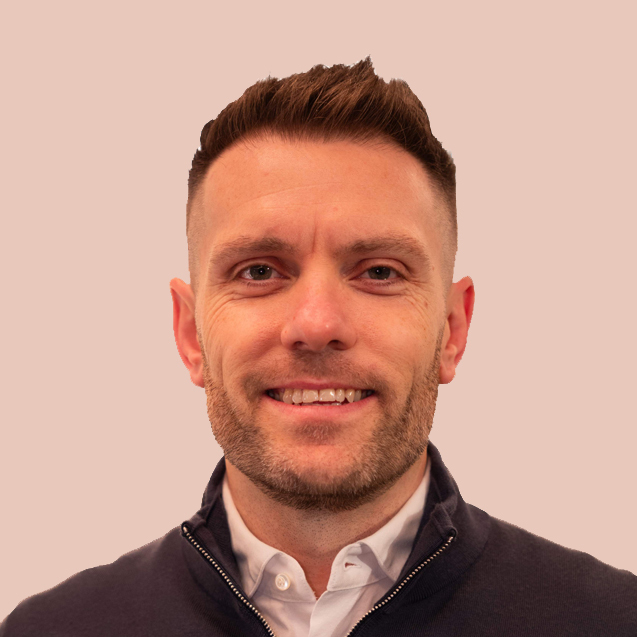
Andrew Frontini, principal and design director of Perkins and Will in Toronto, and his colleague Paul Kulig, principal for urban design and transit, told CLAD how the Covid-19 pandemic will change how we live and move around cities.
There has been a significant trend towards designing health and wellness into the built environment over the last decade, perhaps best illustrated by the launch of the International WELL Building Institute and its WELL Building Standard in 2014.
As Frontini explained, though, the pandemic has exposed weaknesses in the resilience of society when faced with a major health threat.
"It's struck us by surprise that there's a whole other element to health and wellness in the wake of this virus that is about the density of occupation of space," he said. "The question will be: how can we re-enter the public realm and under what conditions?"
Behavioural change
"Social distancing is now enforced in many countries, but I think it will last as an imprint and we will be inclined to social distance for many months, if not years, to come. At that stage, it will start to shape the city and public spaces – the idea of there being a bubble, a two-metre circle, around everybody. That those circles can't overlap will influence how you line up for coffee, what an escalator is, what an elevator is, what a public staircase is and what a sidewalk is."
While new buildings and spaces can be created with these new requirements in mind, it's simply not feasible to restructure the vast majority of existing spaces to accommodate them. Frontini argued, instead, that we will come to inhabit existing spaces differently.
"There will be a dimensional overlay to all public space that allows us to occupy it at lower density. What that means is that we will have to use the city in a kind of timeshare way, or optimise its utilisation, as opposed to the funnelling in of everyone at a peak hour and falling out of everyone at a peak hour."
Adapting uses
Ultimately, such changes to our behaviours and the way we use cities will change how we build them. Kulig illustrated this using the examples of our workplaces and public spaces.
"If we're not commuting to our central offices as frequently – maybe we're only coming in two days a week but we don't have the space in our apartments to work comfortably – are we going to see the creation of new shared office spaces at a neighbourhood or village scale that allow us to commute 10 minutes up to the top of the street? And then what does that mean as far as freeing up capacity on our transportation system?"
He continued: "Another example that a lot of cities have struggled with is the rebalancing of streets. New York tried for a week, reallocating what I think was about one-and-a-half miles and several blocks of streets for recreation to provide a bit of respite for people that didn't have access to parks, but then pulled it back a week later because they figured they didn't have the police resources to manage it.
"It's about finding the right balance. We are going to see a reduction in mobility or movement into central offices. Does that allow us to reallocate some space on the streets for recreation, transportation and cafés that allow for social distancing?"
New norms
As new norms arise from changing behaviours, Frontini argued the onus will be on designers, urbanists and politicians to ensure they are mapped into the built environment.
"The end-goal from this would be a public realm that could allow business to continue to a much greater degree than it has," Frontini explained. "Could we design or occupy our cities so that we didn't have to shut them down next time this happens?"
Notably, as Kulig went on to explain, we already know that many of the design features or elements that would be required for better promoting health and wellness in the built environment are the same as those required for promoting sustainability and resiliency.
"As an example, providing proper greenways along abandoned land corridors promotes active transportation, reduces chronic conditions like diabetes and similar conditions that are directly linked to lack of mobility, can be used as rain gardens that collect rainwater, manage stormwater impacts, control flooding or mitigate flooding impacts and are also the kinds of places that can have urban gardens, playgrounds, dog parks and provide multiple opportunities for social resilience at a neighbourhood scale."
Living design
This synergy – the recognition that what is good for the environment is typically good for people as well – underpins an overarching approach Frontini referred to as 'living design'.
"The premise is that everything is interconnected," he said. "That energy, energy consumption and resiliency are not separate issues. They're part of a kind of highly-integrated system and you really have to look at humans being part of a continuum of life on the planet."
"What we really hope is that the pandemic can be seen as a symptom of a much larger, integrated problem. It has to do with the way we conduct our business on the planet. When we design cities, when we talk about mobility, when we talk about fabrication and industry, how can we learn from this and do it differently? How can things be adjusted?"
Andrew Frontini Perkins and Will

OMA completes New Museum transformation with landmark expansion and Oberon restaurant
OMA has completed a major transformation of New York's New Museum, creating a larger cultural campus that combines expanded exhibition spaces with learning, performance, hospitality and public programming. The latest addition, Oberon, extends the visitor experience beyond the gallery, reflecting a growing trend for museums to become all-day destinations.
The New Museum in New York has entered a new chapter with the completion of a major
David Rockwell creates immersive magic destination, The Hand and The Eye
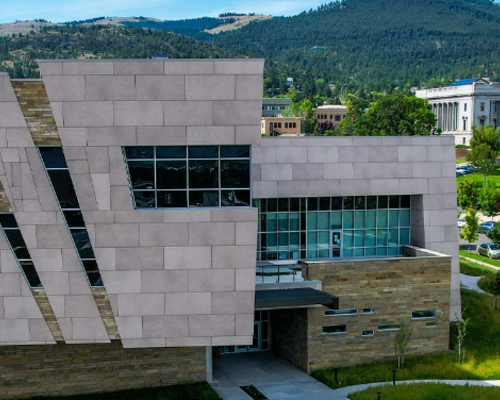
Montana Heritage Center by Cushing Terrell opens after US$107 million investment
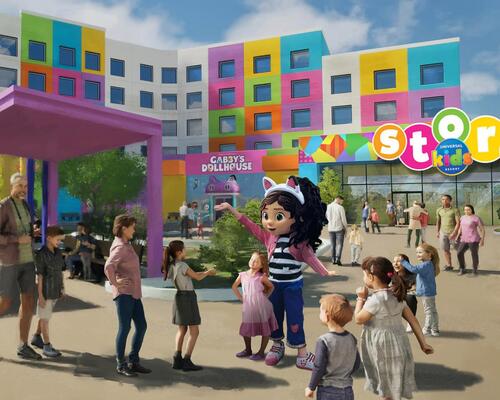
Universal launches new theme park model with Kids Resort
'Minor wellness hotels' recorded the strongest growth across top KPIs in 2025, finds RLA Global
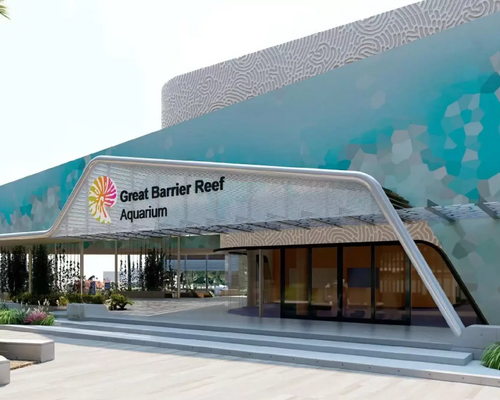
Great Barrier Reef attraction set for AU$180 million reinvention
Fairmont Cheshire, The Mere, has architecture by Leach Rhodes Walker and interiors by Bergman Design House.
Marriott International partners with Fitwel for wellness solutions across its residential portfolio
Preidlhof Luxury DolceVita Resort to unveil new spa in February 2027
Places Leisure is working with Roberts Limbrick to build £60m wellness flagship in Basingstoke
Hoshino Resorts opens Kai Kusatsu as it expands the Kai onsen ryokan brand
Qiddiya and Populous share details of Saudi Arabia’s National Tennis Centre
Disney confirms US$30 billion investment programme as it highlights its economic impact
Until combines multiple disciplines at new Canary Wharf club
Sea Lanes opens following a partnership between The Eden Project and Canary Wharf Group
Bas Smets brings water and wilderness to Vitra
Expo 2030 Riyadh will create a permanent global destination
Luxury resort coming to Hunter Valley will have longevity spa
'Data chocolate', dreams made real and artworks shaped by visitors’ emotions: Refik Anadol’s AI art museum launches in Los Angeles
London Museum reveals 2026 opening date for new Smithfield home
BIG unveils Eve Music Hall as Croatia venue nears completion
Bob Rogers hands BRC to long-serving leadership team
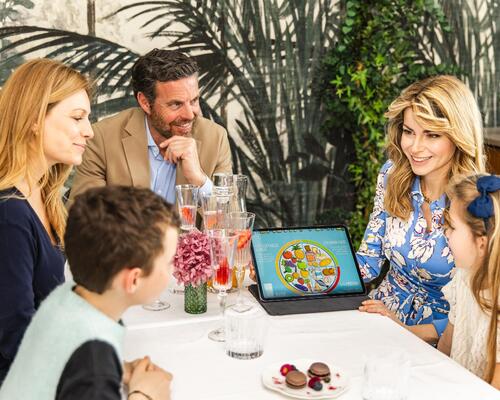
Palazzo di Varignana launches family wellbeing and longevity retreat in Emilia Romagna
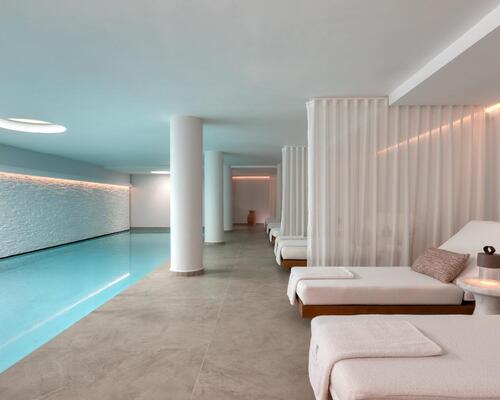
Anasa Wellness and Spa debuts at Patmos Aktis as it joins Marriott
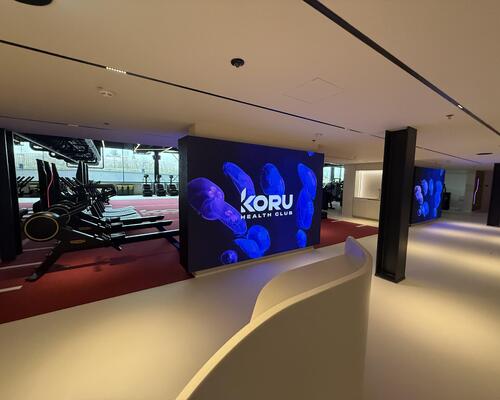
Design-led Koru Health Club combines high-performance training with recovery

Wellness care hospital opens in Vilnius with innovative spa and hospitality concept

Universal and Puy du Fou projects point to rise of Oxford–Cambridge corridor
A proposed Puy du Fou development near Bicester and Universal Destinations and Experiences’ planned resort in Bedford are emerging as part of a wider transformation of the Oxford–Cambridge Growth Corridor into a major centre for UK leisure and tourism investment.
For years, the corridor has been associated primarily with science, technology, housing and university-led economic growth. However, the clustering of large-scale visitor attraction projects along the

All-inclusive eco-wellness development Auko to open near Vietnam’s Son Doong caves
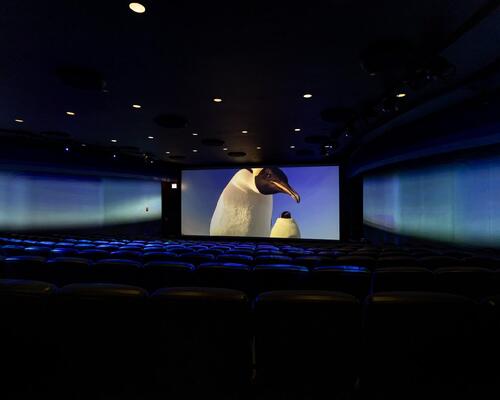
Shedd Aquarium upgrades its visitor experience with new Immersion Theater
Shedd Aquarium has opened the Immersion Theater developed in partnership with SimEx-Iwerks, as part of a wider strategy to enhance the guest experience and create additional revenue opportunities.
The attraction has transformed the aquarium’s Phelps Auditorium into a multi-sensory venue combining panoramic projection, environmental effects and interactive technology.
A new pre-show area allows visitors to engage with augmented reality marine animals before entering the
Mandarin Oriental announces standalone Mansions-branded residences for Abu Dhabi



Designed to restore neglected land and renew the identity of Iraq’s capital city, Baghdad Sustainable Forests promises a new way of living surrounded by nature. Gensler’s Ian Mulcahay tells us why he thinks the project could become a model for the repair and enhancement of urban centres