Revealed: The demountable World Cup stadium Qatar plans to build with shipping containers


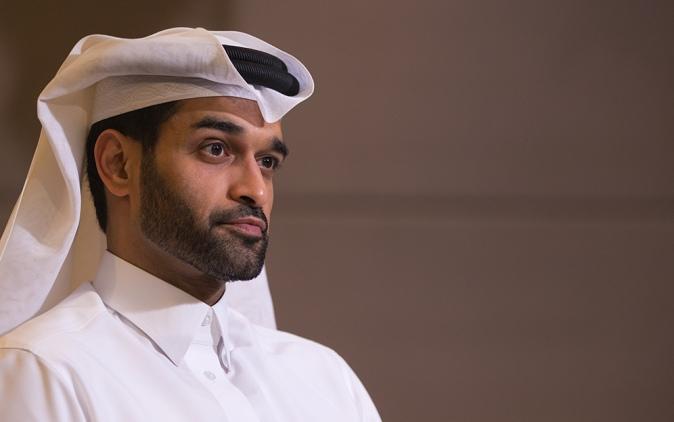
– Hassan Al Thawadi, secretary general, Supreme Committee for Delivery & Legacy
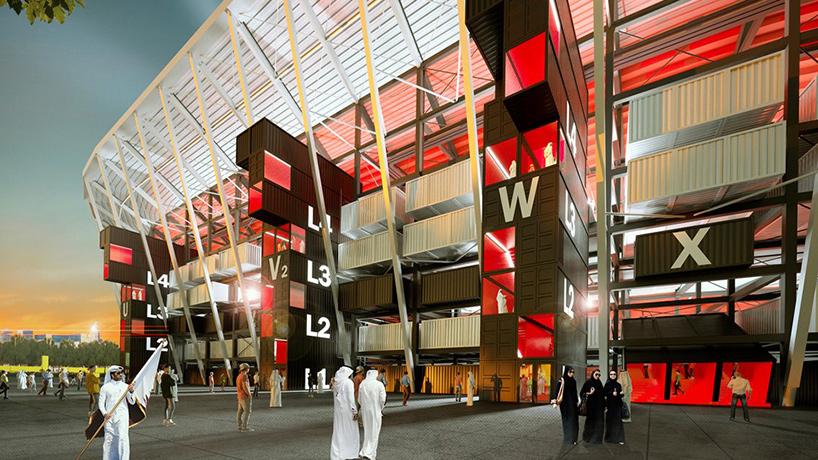
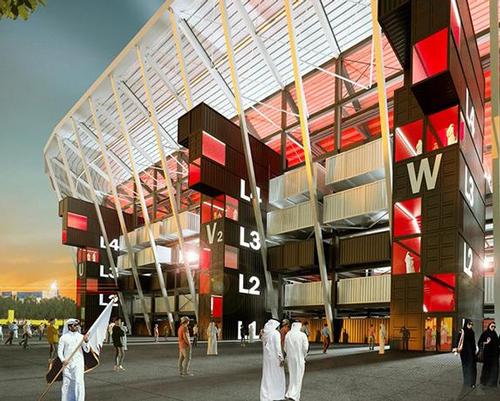
The seventh proposed stadium for the 2022 FIFA World Cup in Qatar will be constructed using shipping containers and will be completely demounted and rebuilt elsewhere after the tournament.
The design of the Ras Abu Aboud Stadium – which will have a capacity of 40,000 and host matches up to the quarter-finals stage – has been officially revealed today (28 November), with World Cup organisers saying “it will change the way host nations deliver mega-event facilities.”
Architecture firms Fenwick Iribarren (FI-A), Schlaich Bergermann Partner and Hilson Moran have devised a modular structure using building blocks that can easily be taken apart when required. Recyclable materials will be used to boost sustainability, with even the shipping containers used to transport the materials becoming part of the stadium.
The demountable nature of the structure means it will either be rebuilt in its entirety elsewhere – in Qatar or another country – or separated into different sections that will be redistributed to create smaller facilities. Everything from the roof to rows of seating can be recycled in this way, and the architects have said the venue could even re-appear at a future World Cup.
Once the stadium has been removed post-tournament, a 450,000sq m (4.8 million sq ft) waterfront leisure and commercial development will be built in its place on the shoreline of the Arabian Gulf, next to Corniche Beach.
“Innovation has always been central to our plans for delivering a historic FIFA World Cup that leaves a legacy for Qatar and the world, and there is no better example of this than the design of Ras Abu Aboud Stadium,” said Hassan Al Thawadi, secretary general of Qatar’s Supreme Committee for Delivery & Legacy.
“This venue offers the perfect legacy, capable of being reassembled in a new location in its entirety or built into numerous small sports and cultural venues. All of this in a stadium that delivers the atmosphere fans expect at a World Cup and which we will build in a more sustainable way than ever before. I’m delighted with this design and confident that Ras Abu Aboud will become a blueprint for future mega-event planners to follow.”
FI-A Senior Partner and architect, Mark Fenwick, said: “We're very proud that our design for Ras Abu Aboud Stadium will go down in history as the first-ever moveable and reusable FIFA World Cup stadium. We're confident this innovative and sustainable concept will be an inspiration for stadium developers and architects around the world, capable of creating aesthetically pleasing venues that offer new legacy possibilities.”
He added that the modular approach requires fewer materials, creates less waste, reduces the carbon footprint of the building process and decreases construction time to as little as three years.
Fenwick’s firm have previously designed the Casablanca Football Stadium in Morocco, Norway’s National Stadium and the Qatar Foundation Stadium, also for the World Cup.
The launch of the design of Ras Abu Aboud Stadium follows the announcement of the Al Thumama Stadium in August 2017 and the completion of Khalifa International Stadium in May.
Ras Abu Aboud Stadium is one of eight proposed host venues for the World Cup, with others designed by the likes of Foster + Partners and Zaha Hadid Architects.
The sustainability of sporting venues has become a hot-button issue in recent times, particularly in the Olympic movement, with architects experimenting with temporary or reusable facilities.
For the 2016 Rio Olympics and Paralympics, Brazilian architecture practices Oficina de Arquitetos and Lopes, Santos & Ferreira Gomes, in collaboration with London studio AndArchitects, created a temporary 12,000-seat handball arena that was dismantled after the Games so that its materials could be used to build four schools.
Meanwhile, South African architect Ruben Reddy – who was planning a host of temporary stadiums for the 2022 Commonwealth Games in Durban before the event was taken away from the city earlier this year – has told CLADglobal that all stadia and arenas built for events such as the FIFA World Cup and the Olympic Games should be demountable.
World Cup 2022 Qatar architecture design temporary stadiums Ras Abu Aboud Stadium Fenwick Iribarren Schlaich Bergermann Partner Hilson Moran
Design unveiled for Qatar 2022 World Cup stadium inspired by Arabian cap
First 2022 World Cup stadium completed in Qatar
South Korean studio net contract to design Qatar World Cup stadium
Stadium seats made from palm tree waste proposed for Qatar World Cup innovation challenge
Qatar World Cup stadium reaches construction milestone
Populous lined up to design Qatar 2022 stadium
Khalifa Stadium set to become first Qatar World Cup venue to be completed

Wellness care hospital opens in Vilnius with innovative spa and hospitality concept

Universal and Puy du Fou projects point to rise of Oxford–Cambridge corridor
A proposed Puy du Fou development near Bicester and Universal Destinations and Experiences’ planned resort in Bedford are emerging as part of a wider transformation of the Oxford–Cambridge Growth Corridor into a major centre for UK leisure and tourism investment.
For years, the corridor has been associated primarily with science, technology, housing and university-led economic growth. However, the clustering of large-scale visitor attraction projects along the

All-inclusive eco-wellness development Auko to open near Vietnam’s Son Doong caves
Shedd Aquarium upgrades its visitor experience with new Immersion Theater
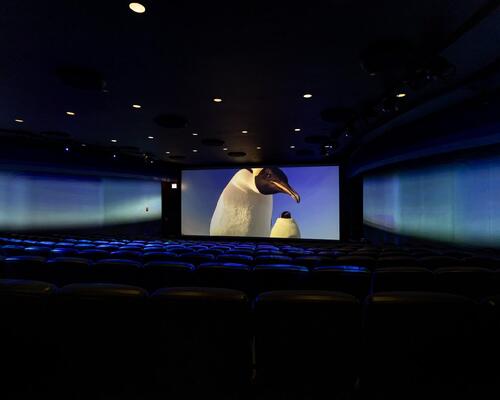
Shedd Aquarium has opened the Immersion Theater developed in partnership with SimEx-Iwerks, as part of a wider strategy to enhance the guest experience and create additional revenue opportunities.
The attraction has transformed the aquarium’s Phelps Auditorium into a multi-sensory venue combining panoramic projection, environmental effects and interactive technology.
A new pre-show area allows visitors to engage with augmented reality marine animals before entering the
MCR is planning a luxury hotel for London's BT Tower
Joy as a radical act: Yinka Ilori launches solo exhibition celebrating the rebellious power of spreading happiness

Work gets underway on Madrid's €800 million leisure complex
Work is underway in Madrid on one of Europe’s most significant multi-functional complexes, combining sport, entertainment, culture and education.
The €800 million initiative to regenerate the former Olympic Aquatic Centre in the north-east of the city, next to the Riyadh Air Metropolitano stadium, is being led by Barsento – a joint venture between Live Nation Entertainment, Oak View Group and Atlético de Madrid. The project will
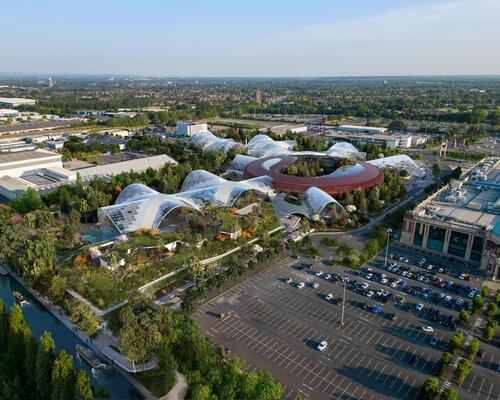
Therme Manchester reveals 90:90 strategy – 90 per cent of the UK population within a 90-minute drive of a Therme

Four Seasons’ Naples Beach Club opens 2,800sq m Sanctuary spa inspired by indigenous Calusa people
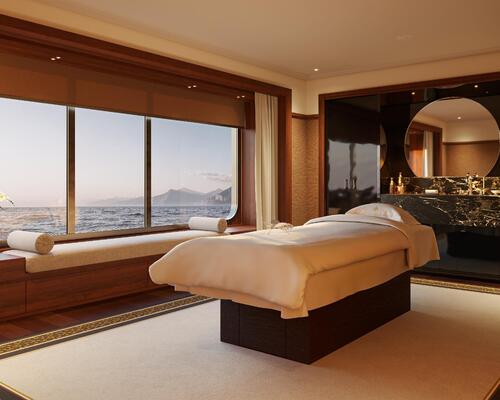
Orient Express Corinthian to host Ocean Rebirth wellness retreat in collaboration with Guerlain
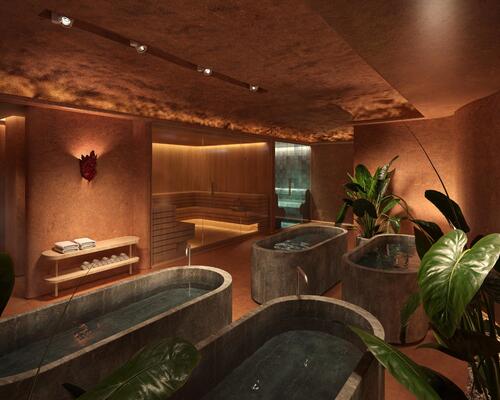
Famed London nightclub, Tramp, launches Tramp Health
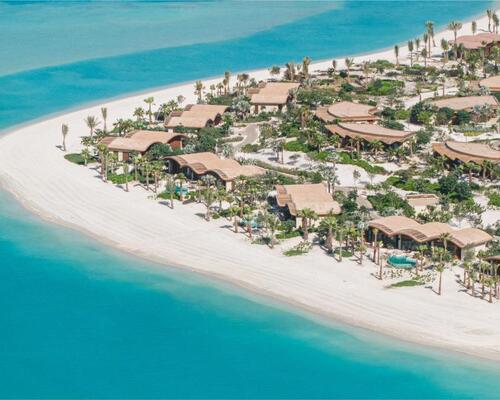
First look: Miraval opens on the Red Sea in Saudi Arabia

Hainan Science Museum by Ma Yansong, opens in China
A new science museum has opened to the public in Haikou after attracting more than 350,000 visitors during a four-month soft opening period.
Designed by Ma Yansong and his practice MAD Architects, the Hainan Science Museum is located on the edge of Wuyuan River National Wetland Park and has already recorded peak attendance of more than 5,800 visitors in a single day.
Commissioned by
Zannier Île De Bendor launches with design by Hardel Le Bihan Architectes
Sæl Spa readies for launch in London: “a modern British sanctuary”
Immersive art bathhouse Submersive announces debut location in Austin

Construction begins on regenerative wellness destination The Shenandoah Nature Resort

Royal Caribbean reveals record-breaking cruise ship
V&A East opens in London
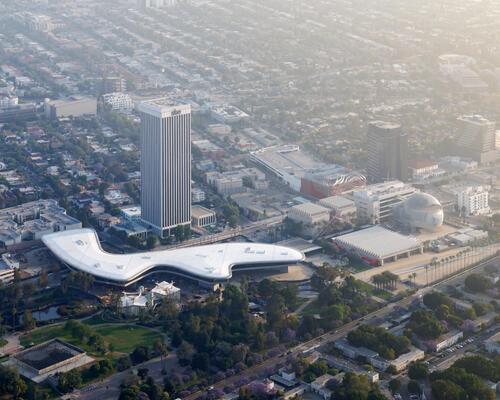
David Geffen galleries open at LACMA

New venue The Lands by Capella includes a longevity centre to complement sister hotel Capella Sydney

World of Frozen launches at Disneyland Paris
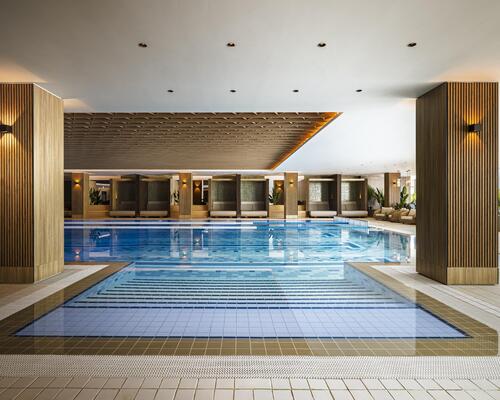
Pical Resort by Valamar reveals first Croatian spa under the ESPA brand

Mandarin Oriental creates end-to-end Egyptian journey with two new hotels and first-ever luxury river cruise

Designers Mendil + Meyer launch new division called Lām Concepts for strategic wellness projects
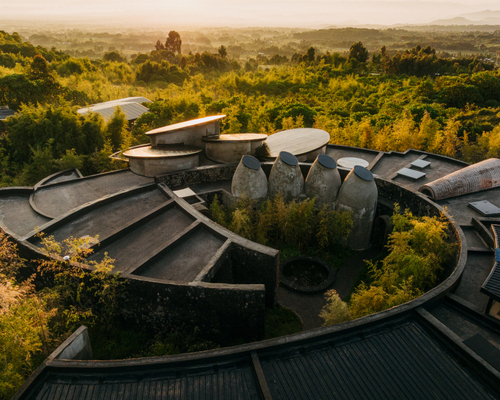
Wilderness Bisate in Rwanda reveals brand’s second Sanctuary spa
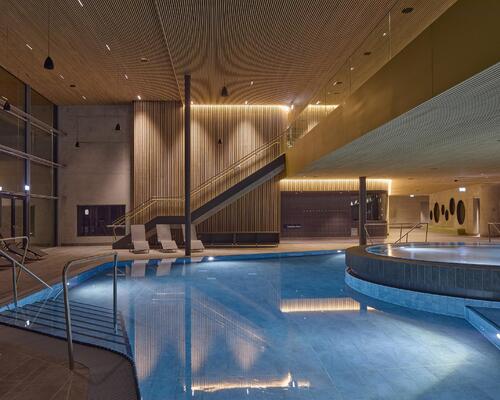
4a Architekten shares details of wellness extension at Salinarium Bad Dürkheim Thermal Spa
BodyHoliday plans 10-15 locations in the next 15 years
Floating wellbeing destination planned for London’s Royal Docks
Aman Group to open second Janu in Dubai with inaugural Janu Club