‘We’re interested in being subversive’ Lyndon Neri tells CLAD


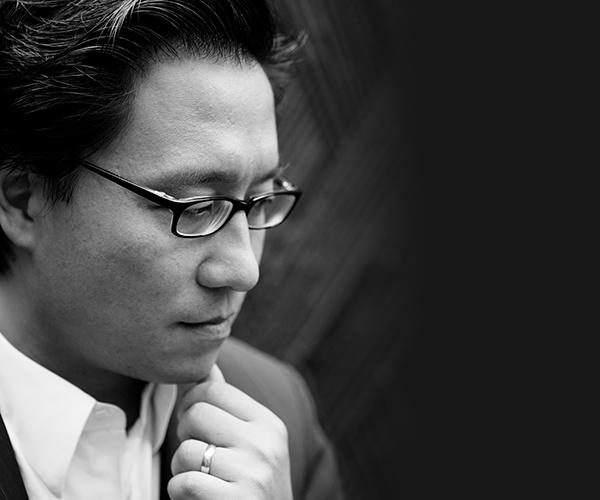
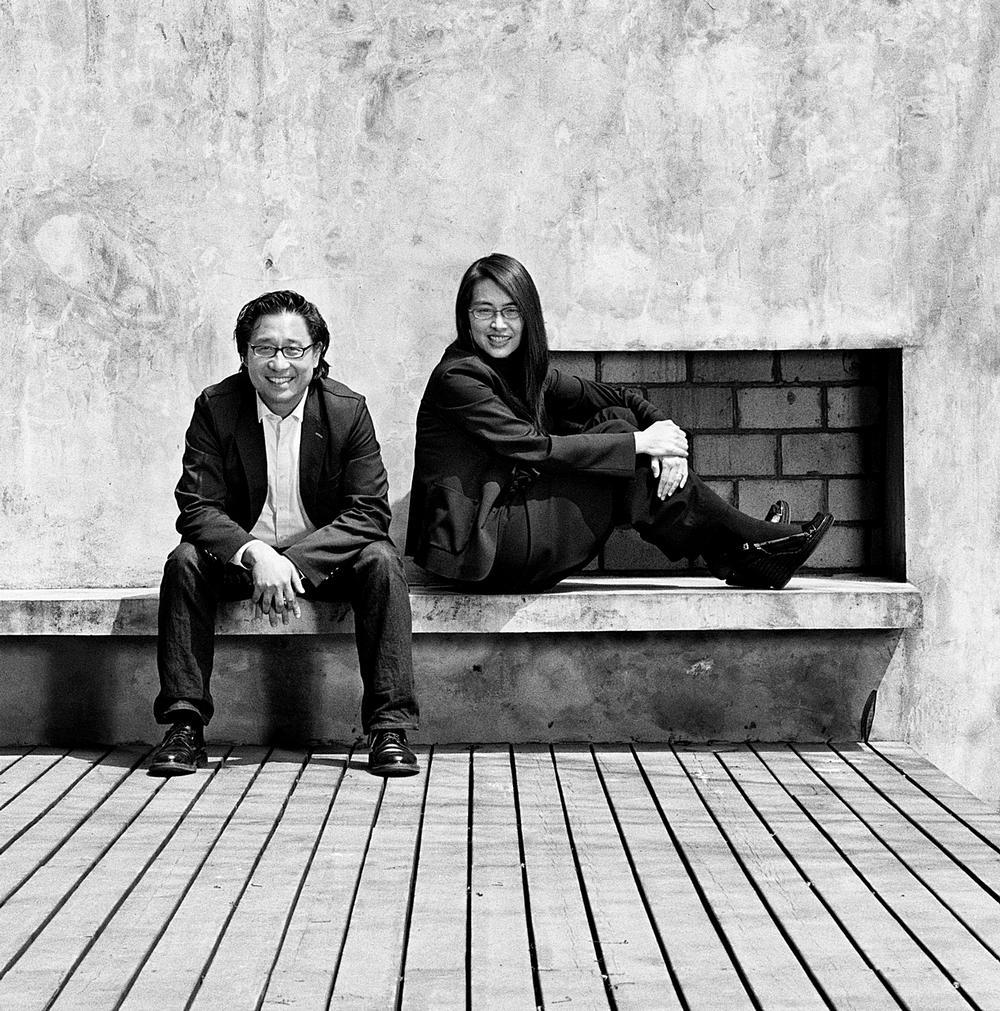
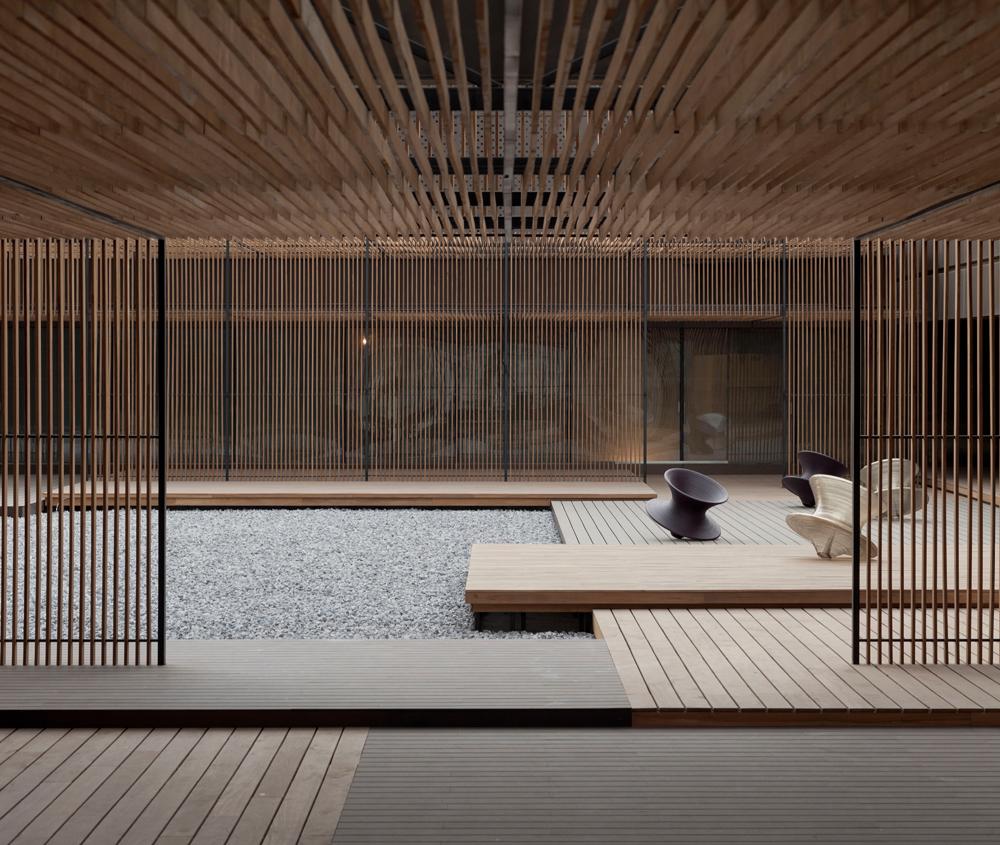
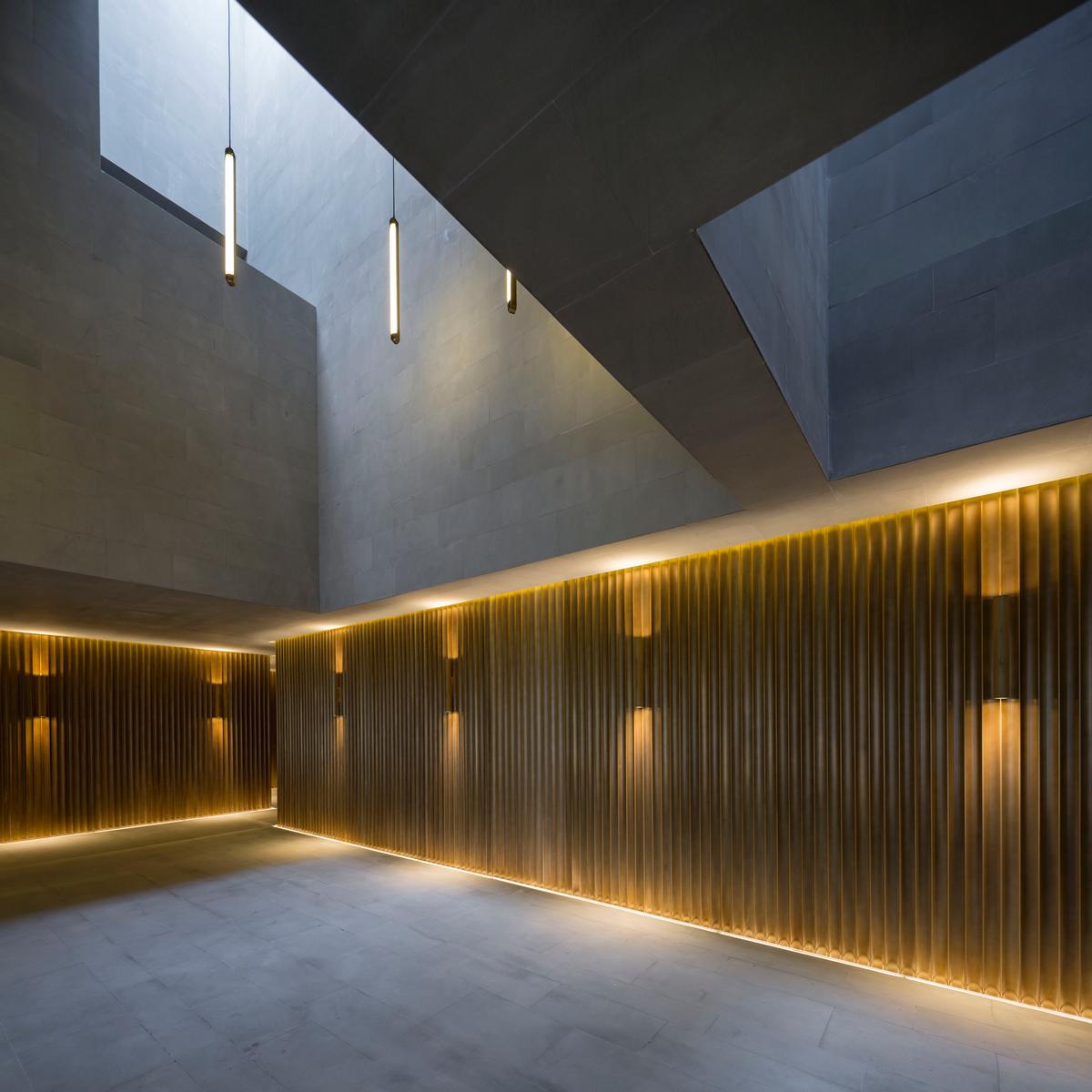
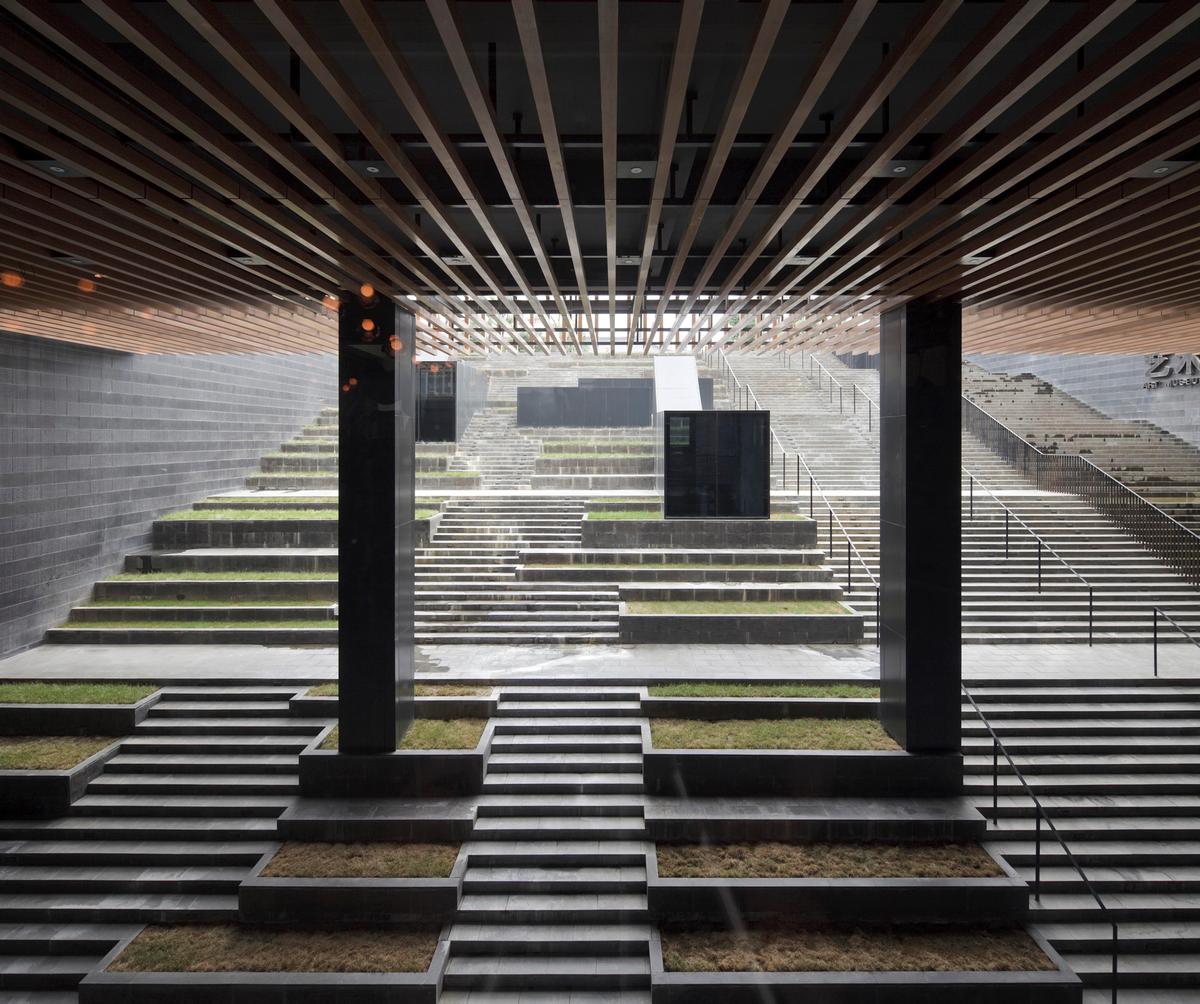
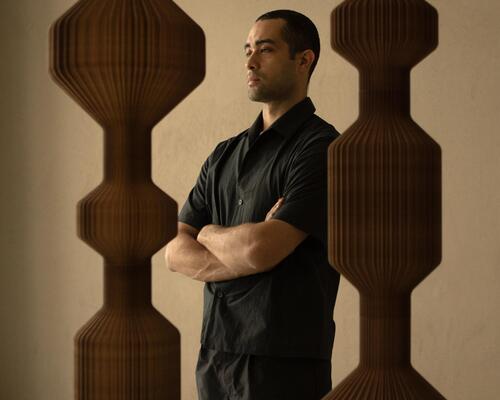
Acclaimed interior designer Lyndon Neri has told CLAD that our notions of personal space should be challenged, and urged designers to celebrate the idea of community.
“Sometimes our celebration of isolation makes us insular and I think that’s dangerous,” he said in an exclusive interview.
“We’re trained to think that we need to be separate. When we come home from work, we close our front door, we make sure we have our privacy. We have a garden so that we can separate ourselves from our neighbours, and the length of our garden tells people how rich we are.
“[But] I think we need to feel part of a community. Why is the community of the internet so important? Because we have a need to be connected to other people.”
The designer – a founding partner of husband-and-wife studio Neri and Hu alongside Rossana Hu – also discussed the duo's upcoming projects, the Chinese design scene and why they want to challenge the status quo.
The full feature appears below. The interview appears in the new issue of CLADmag – our quarterly magazine – which is available to read now both online and on digital turning pages.
How would you sum up Neri & Hu’s philosophy?
We’re interested in being subversive and always questioning things. We deal with the notion of blurring the public and the private, the old and new. We’re constantly challenging the refined and the rough. People need these contrasts to understand and appreciate differences in society.
What are your thoughts on hotel design?
The problem with hotels today is that guests just go into their rooms and close the door behind them. They ask if the light is okay, if the stationary is nice. They crave comfort; there’s no sense of questioning what’s there. It’s all about providing luxury in a decorative way – better wall coverings, a beautiful chair. Those are good, but they’re not enough.
We like to question what’s taken for granted. I often wonder whether the privacy of the hotel bedroom should be truly respected, for example. Could the room be open, so that natural light can filter down from above and guests don’t always have to turn on the light in their rooms?
Hoteliers will tell you that hotel bedrooms need to be totally blacked out. In the old days, people were very happy in their homes because their rooms weren’t blacked out and they learned to live with the land; when morning came, they woke up. Nowadays, with blackout curtains, we sometimes don’t wake up until 11am, then at night we can’t sleep so we take sleeping pills. We are becoming abnormal beings.
I also think that maybe our notion of personal space should be challenged. We’re trained to think that we need to be separate. When we come home from work, we close our front door, we make sure we have our privacy. We have a garden so that we can separate ourselves from our neighbours, and the length of our garden tells people how rich we are.
I think we need to feel part of a community. Why is the community of the internet so important? Because we have a need to be connected to other people. Sometimes this celebration of isolation makes us insular and I think that’s dangerous.
A few years back, you said that Chinese architects were a bit lost because of the pace of change in the country. How are things now?
It’s better, because things have slowed down. When I made that comment five or six years ago, everyone and their grandmothers were winning projects. You could come to China without architectural experience and get buildings built. It was scary. People are being a lot more careful about who they hire now.
How would you sum up the architectural scene in China right now?
There is a growing seriousness. Younger generations are leaving the country earlier and earlier – before they used to go to graduate school abroad, but now they’re going to colleges in the US to study architecture. A lot of parents are even sending their children to prep school abroad because they understand that in order for China to be a significant player they have to be engaged with the world and learn the language and culture.
Simplicity is no longer seen as a bad thing in China. Preserving the old and trying to understand context are no longer seen as negative. It’s not just about building bigger, shinier, better buildings. Another change is that people aren’t just interested in the city now; a lot of people are going back to the provinces and the villages.
The Le Meridien hotel in Zhengzhou was a major project for you. How did that come about?
When we were approached by Le Meridien to do that project, we were asked to do the interiors for a building that was, in my opinion, commercial looking and hideous. I respectfully said, ‘if you want us to do that, we’re not the architects for you’.
The client was shocked, because he wanted us. He said, ‘I’ve already poured the foundation, what can I do?’ I said, ‘fine, we won’t change the structural formation or the floor area ratio, but allow us to change the way it is seen. The building was so nondescript, it could have been anywhere in the world. We wanted to design something modern but contextual.
Our idea was to design something around the concept of an archive of the history of the area. We were inspired by the idea of the mountains and the cave people of Zhenzhou.
The design of the building features a series of glass boxes; the idea is that they are archival boxes that contain the history of the area. The atrium was inspired by the historic Longmen Caves nearby. We wanted to reflect that history, and that’s how the large, cave-like atrium came about.
On the ground, we created a whole new landscape. It’s like a bamboo field; a forest of bronze columns.
Can you tell us about the hotels you are designing for Ian Schrager?
We’re working on three projects for Ian Schrager in China – Edition hotels in Shanghai, Wuhan and Xiamen. The Shanghai project is the one that’s really going forwards at the moment.
The hotel will celebrate the 1920s Art Deco history of Shanghai. It’s in a historic property of that period; Ian Schrager really wants to refurbish that building and make sure that the decadence and the play of material in its richness will be glorified. The five-storey building has a tower, which will house the rooms, with all of the F&B in the main building.
What else are you working on?
We’re doing a Louis Vuitton hotel in Miami’s Design District. It’s an interesting project because it celebrates the home and questions the notion of domesticity. Each of the hotel’s bedrooms is like a little house inserted into the concrete shell of the building. This project will take around two years.
We’re designing a beautiful 19 room resort in the mountains of Moganshan, which is about an hour and half from Shanghai. We’re also designing a six room villa resort in the mountains of Wenzhou, between Shanghai and Taiwan. We’re building all of the architecture and space out of the local river rocks.
We’re working with Alila on the brand’s first city hotel, in Malaysia – we’ve taken up the top seven floors of a residential tower – and we’re also designing a new hotel in Shanghai for Thai brand Sukhothai. The brand is all about hospitality, tranquility, the idea of using artisanal products, of crafting.
In Thailand you have the tropical weather, you have lots of space around you, so landscape is integral.
In Shanghai, there’s hardly any landscape anywhere and so our biggest challenge was how to make the interiors of the hotel respect the small amounts of landscape you can see in the urban jungle that is Shanghai.
We achieved that through exquisite detailing. We put mirrors in the bedroom so that when you’re in bed the plants outside are reflected into the room. We created the bathrooms so they feel more like a primitive hut than a hotel bathroom; as though you have to first go outside to get to it.
What will the next 10 years bring for Neri & Hu?
We’ve been concentrating on designing buildings in the city for a long time, but now people are approaching us to do projects outside of the city. We’re exhilarated by this. We currently have five or six projects in the villages or in the mountains.
We’ve also gone international. A lot of people are approaching us to do projects in Europe, and we now have a London office.
We’re very excited and positive about the future.

Wellness care hospital opens in Vilnius with innovative spa and hospitality concept

Universal and Puy du Fou projects point to rise of Oxford–Cambridge corridor
A proposed Puy du Fou development near Bicester and Universal Destinations and Experiences’ planned resort in Bedford are emerging as part of a wider transformation of the Oxford–Cambridge Growth Corridor into a major centre for UK leisure and tourism investment.
For years, the corridor has been associated primarily with science, technology, housing and university-led economic growth. However, the clustering of large-scale visitor attraction projects along the
All-inclusive eco-wellness development Auko to open near Vietnam’s Son Doong caves
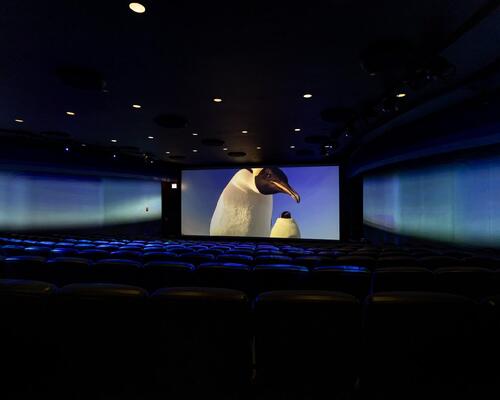
Shedd Aquarium upgrades its visitor experience with new Immersion Theater
Shedd Aquarium has opened the Immersion Theater developed in partnership with SimEx-Iwerks, as part of a wider strategy to enhance the guest experience and create additional revenue opportunities.
The attraction has transformed the aquarium’s Phelps Auditorium into a multi-sensory venue combining panoramic projection, environmental effects and interactive technology.
A new pre-show area allows visitors to engage with augmented reality marine animals before entering the
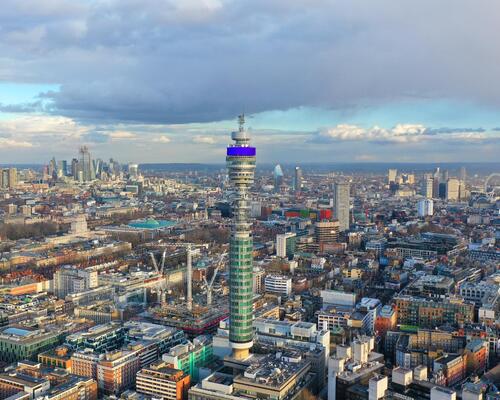
MCR is planning a luxury hotel for London's BT Tower
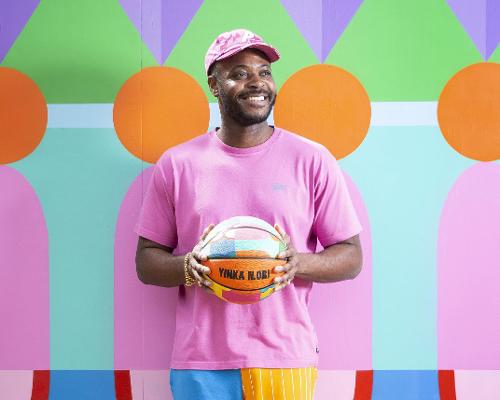
Joy as a radical act: Yinka Ilori launches solo exhibition celebrating the rebellious power of spreading happiness

Work gets underway on Madrid's €800 million leisure complex
Work is underway in Madrid on one of Europe’s most significant multi-functional complexes, combining sport, entertainment, culture and education.
The €800 million initiative to regenerate the former Olympic Aquatic Centre in the north-east of the city, next to the Riyadh Air Metropolitano stadium, is being led by Barsento – a joint venture between Live Nation Entertainment, Oak View Group and Atlético de Madrid. The project will
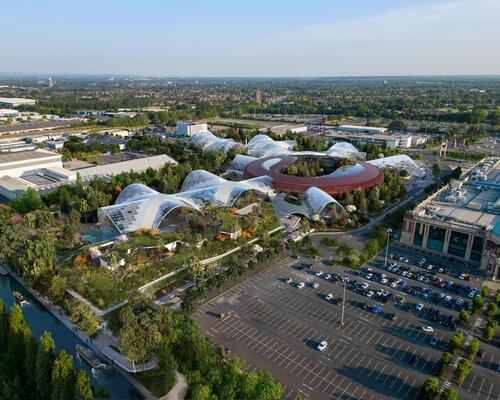
Therme Manchester reveals 90:90 strategy – 90 per cent of the UK population within a 90-minute drive of a Therme

Four Seasons’ Naples Beach Club opens 2,800sq m Sanctuary spa inspired by indigenous Calusa people
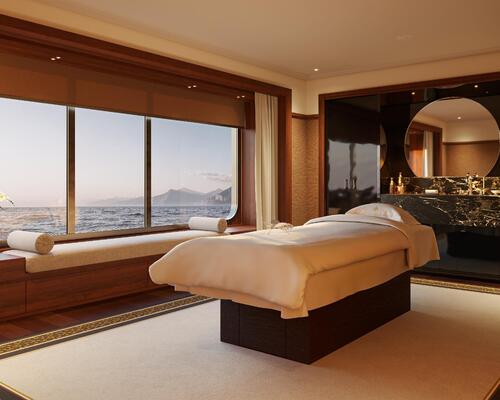
Orient Express Corinthian to host Ocean Rebirth wellness retreat in collaboration with Guerlain
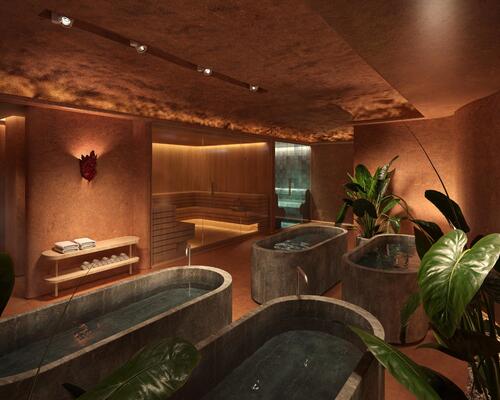
Famed London nightclub, Tramp, launches Tramp Health
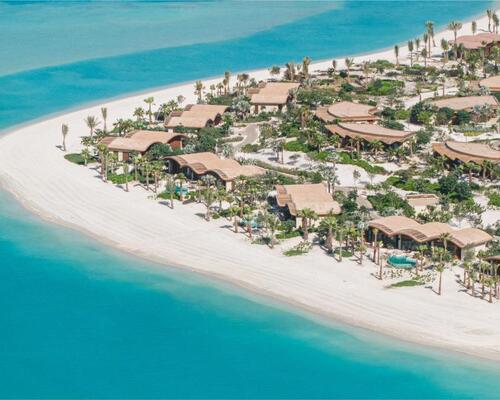
First look: Miraval opens on the Red Sea in Saudi Arabia

Hainan Science Museum by Ma Yansong, opens in China
A new science museum has opened to the public in Haikou after attracting more than 350,000 visitors during a four-month soft opening period.
Designed by Ma Yansong and his practice MAD Architects, the Hainan Science Museum is located on the edge of Wuyuan River National Wetland Park and has already recorded peak attendance of more than 5,800 visitors in a single day.
Commissioned by
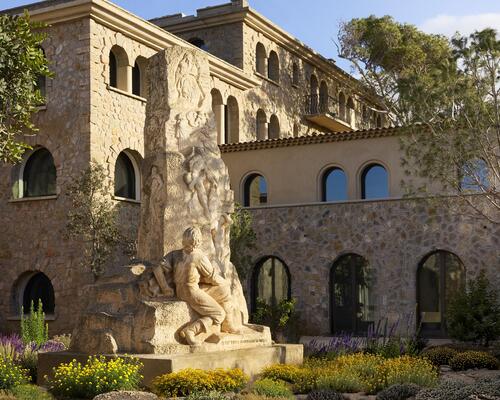
Zannier Île De Bendor launches with design by Hardel Le Bihan Architectes
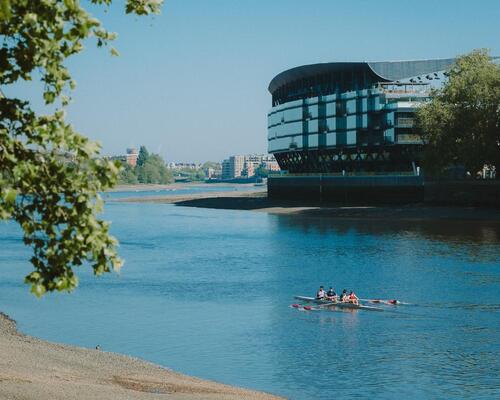
Sæl Spa readies for launch in London: “a modern British sanctuary”
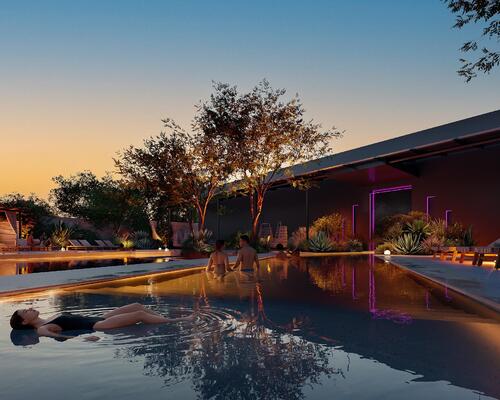
Immersive art bathhouse Submersive announces debut location in Austin

Construction begins on regenerative wellness destination The Shenandoah Nature Resort

Royal Caribbean reveals record-breaking cruise ship
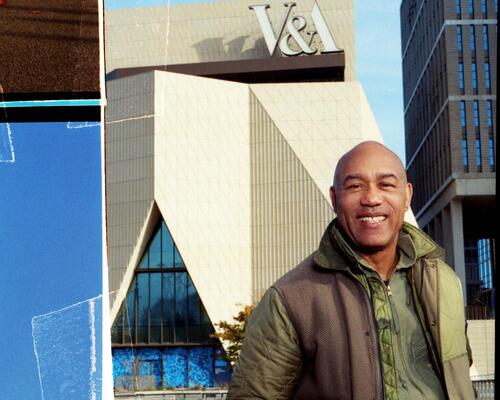
V&A East opens in London
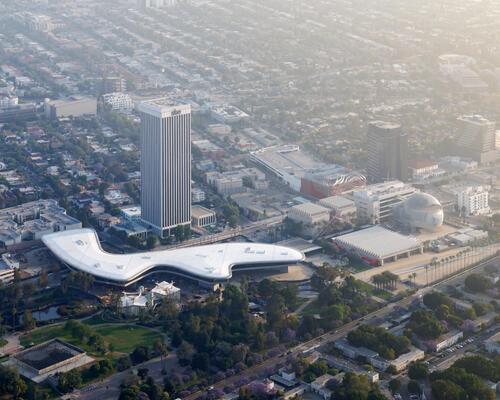
David Geffen galleries open at LACMA

New venue The Lands by Capella includes a longevity centre to complement sister hotel Capella Sydney

World of Frozen launches at Disneyland Paris
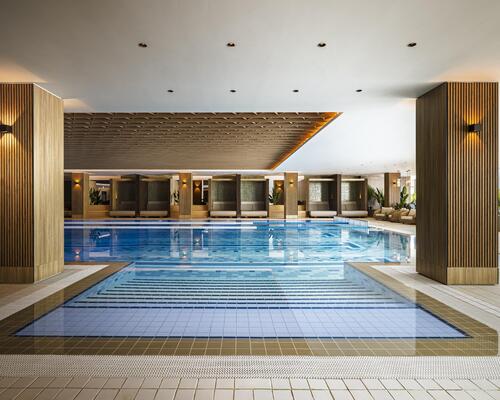
Pical Resort by Valamar reveals first Croatian spa under the ESPA brand

Mandarin Oriental creates end-to-end Egyptian journey with two new hotels and first-ever luxury river cruise

Designers Mendil + Meyer launch new division called Lām Concepts for strategic wellness projects
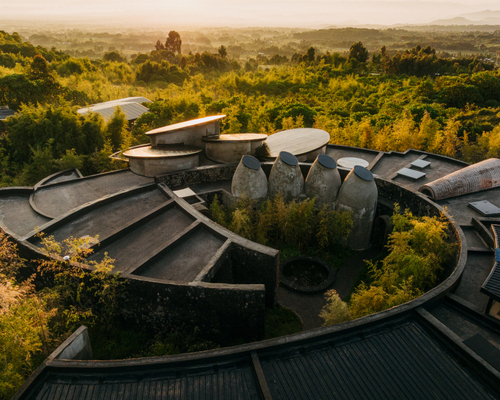
Wilderness Bisate in Rwanda reveals brand’s second Sanctuary spa
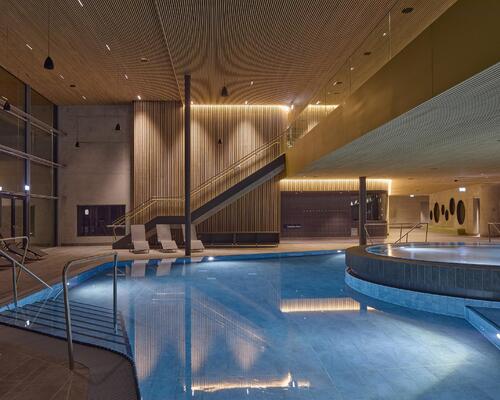
4a Architekten shares details of wellness extension at Salinarium Bad Dürkheim Thermal Spa
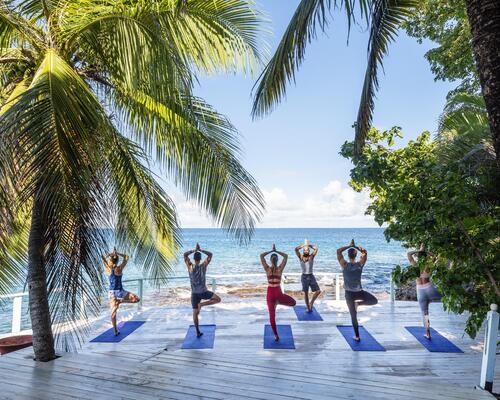
BodyHoliday plans 10-15 locations in the next 15 years
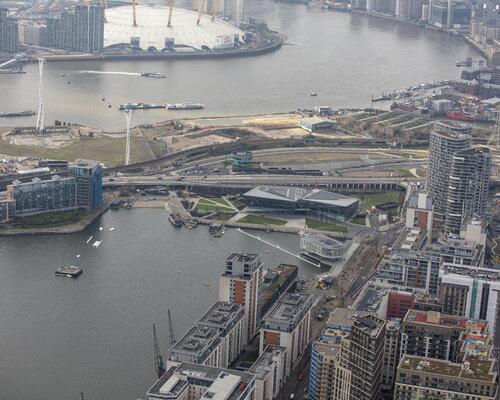
Floating wellbeing destination planned for London’s Royal Docks
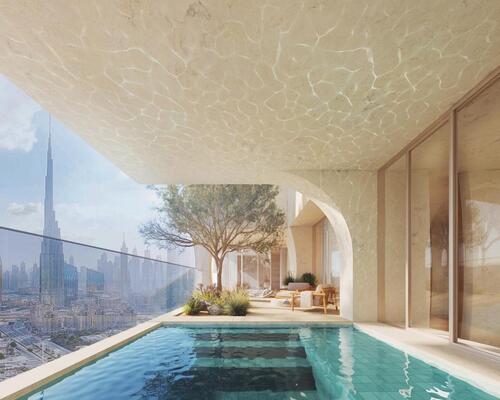
Aman Group to open second Janu in Dubai with inaugural Janu Club




Designed to restore neglected land and renew the identity of Iraq’s capital city, Baghdad Sustainable Forests promises a new way of living surrounded by nature. Gensler’s Ian Mulcahay tells us why he thinks the project could become a model for the repair and enhancement of urban centres