DCMS secures £8.2bn in UK Spending Review


The much-anticipated UK government’s Spending Review (SR) 2025 was delivered yesterday (11 June), which sets departmental budgets until 2028-9.
Chancellor Rachel Reeves said the SR delivers on the government’s Plan for Change, including kickstarting economic growth, cutting hospital waiting lists, giving children the best start in life and securing home-grown energy.
There were a few places where the fitness and physical activity sectors might be able to engage, including the National Youth Strategy and the modernisation of the NHS from a treatment to a prevention service, including the upcoming 10 Year Plan. There is also a new £132.5 million dormant asset fund aimed at giving opportunities to young people, including greater access to sport.
For the fitness sector to make an inroad with government, value for money will have to be at the forefront. The aim to root out waste and inefficiency was a theme running throughout the report. The government wants to cut spending on back of house in all areas and deliver the savings back to the public.
The government says it is taking long-term decisions to fundamentally rewire the state: using new technology to digitise services and transform how government operates; creating a cost-conscious culture that roots out waste, drives efficiency and protects taxpayers’ money, as well as establish a leaner, higher-skilled civil service that is closer to the communities it serves.
A zero‑based review of spending has been undertaken ahead of the SR, which involved every department completing a line‑by‑line scrutiny of its accounts to identify the lowest value for money expenditure.
The SR says households in the lowest income deciles in 2028-29 will benefit most from the policy decisions made after the Autumn Budget 2024. As part of this the National Living Wage will be increased by 6.7 per cent. Increases in tax will be concentrated on the highest income households. On average, all but the richest 10 per cent of households will benefit as a percentage of income from policy decisions in 2028-29.
The Department of Culture, Media and Sport
Despite rumours of the Department for Culture, Media and Sport (DCMS) being set for abolition, it has secured £8.2 billion, including £2.9 billion in capital funding which will be used to safeguard and modernise cultural and heritage institutions, while expanding access to local sport and physical activity.
Culture Secretary, Lisa Nandy, says: “This will allow us to invest in community sports facilities, youth centres and cultural and heritage institutions – the spaces that promote wellbeing, create opportunities for young people and preserve and celebrate our national story.”
The creative industries – which include gaming and fashion contribute £124 billion a year to the UK economy – were among the SR winners. This subset of the DCMS portfolio has been named as one of eight priority growth sectors so will receive a transformational boost, as well as a Creative Industries Sector Plan setting out how the government willl support this sector to grow, compete globally and deliver high-quality jobs.
Elite sport also got a specific mention as the UK prepares to host a series of world-class sporting events, including the Women’s Rugby World Cup in 2025; the Tour de France in 2027; UEFA EURO 2028, and bid for the FIFA Women’s World Cup in 2035. “These events will not only showcase Britain on the world stage but also inspire the next generation of athletes and fans,” said Nandy.
This autumn, the DCMS will publish a National Youth Strategy setting out how the government will support young people in all aspects of their lives and a further £132.5 million in dormant assets is being unlocked aimed at giving young people greater access to music, arts, sport and safe spaces through investment in facilities and libraries. “This is funding that will open doors for young people across the country, helping them build confidence, find their voice, and thrive – no matter their background,” said Nandy.
The DCMS has committed to delivering at least 5 per cent savings and efficiencies over Phase 2 of the SR period. This includes reducing its estate footprint across eight of its public bodies and the core department, closing the National Citizen Service and streamlining youth funding in support of the new National Youth Strategy. It has also worked with the Office of Value for Money to identify £52 million of technical efficiencies by 2028-29.
The NHS
Annual NHS day-to-day spending will increase by £53 billion cash – £29 billion in real terms from 2023‑24 to 2028‑29; taking spending to £226 billion by 2028‑29, the equivalent of a 3 per cent average annual real terms growth rate over the SR period.
This investment will support the NHS to deliver the government’s Plan for Change commitment, meaning that by the end of the parliament, 92 per cent of patients will start consultant‑led treatment for non‑urgent conditions within 18 weeks of referral.
Reforms include improving productivity and reducing bureaucracy. Up to £10 billion will be invested in NHS technology and digital transformation by 2028‑29.
The forthcoming “radical” 10 Year Health Plan will lay the foundations for the future of health and healthcare in England. The report spoke of the government’s aim to create an NHS which is “fit for the future” by moving from analogue to digital; treatment to prevention and hospital to community.There is also money set aside for training more GPs, in order to bring back the family doctor.
Schools
The core schools budget is being increased by £2 billion in real terms over the period, providing a £4.7 billion cash increase per year by 2028-29, compared to 2025-26.
Breakfast clubs are being set up in primary schools, free school meals eligibility is being expanded and branded uniform items are being capped.
Some 8,500 additional mental health staff will be employed by the end of the parliament and mental health support teams will be expanded across all schools in England by 2029-30. With the declining health of young people, this is a welcome move.
Industry comment
The National Sector Partners Group issued a joint statement: “We welcome the Chancellor’s recognition in the Spending Review that there can be no growth without health and our sector is ready to play a crucial role in the nation’s renewal – maximising its contribution to government missions on economic growth, health and opportunity for young people.
“We now await the precise details around funding for sport, recreation and physical activity, and we stand ready to work with the government to advise on where best to invest in community provision.
“The economic reality facing the Chancellor is reflected in today’s settlement. However, we believe now is the time to invest in our sector in order to reap the major health, economic and social returns of getting more people physically active, when the need and demand for our services has never been greater.
“We welcome a number of the commitments set out in today’s announcement to invest in community sports facilities and programmes. However, it is important this forms part of a compelling government vision to maximise the full potential of sport, recreation, and physical activity in this parliament that is developed with our organisations.”
The NSPG has called on the government to create tangible plans for a number of issues:
To improve the health and happiness of young people through a new national plan for children's physical activity, including PE, sport and play.
To foster the growth and renewal of sustainable and energy efficient community sports facilities by prioritising them in planning and infrastructure decisions, while supporting new streams of investment.
Drive agile skills and workforce policies to harness the potential the sector has to address economic inactivity, especially in young people.
Fully integrate the fitness sector with the NHS to support people with long-term health conditions, including musculoskeletal conditions, cancer, cardiorespiratory diseases and obesity, as well as mental health issues.
Recognise the role that sport can play in delivering a range of social outcomes across the government stated missions, engaging with underserved communities to create opportunities for people to be physically active in ways that work for them.
Huw Edwards, CEO of UK Active, the UK’s trade body for the physical activity sector, says: “The Chancellor’s message that there is no strong economy without a strong NHS reinforces our shared mission with the government.
“The physical activity sector has an essential role to play in our nation’s renewal, given its importance in the fabric of our communities, the prevention of poor physical and mental health, and maintaining a productive workforce.
“Gyms, pools and leisure centres represent the engine room for physical activity in the UK, driven by a growing public demand for their services and we await details of how the settlements announced today will help to grow our sector’s facilities and services so that everyone can benefit.”
Andy Taylor, CEO of the Active Partnerships National Organisation, welcomed the government's plans for renewing pride in communities, including through improvements to parks and leisure facilities.
Tara Dillon, CEO of CIMSPA, said: “It’s encouraging to see the government’s commitment to investing in our young people through increased funding for skills and education.
“The impact that our sector has is immeasurable; our hardworking professionals play a crucial role in the prevention of chronic conditions that can create a barrier to work. Dedicated sport, physical activity and active wellbeing professionals with specialist skills and knowledge are integral to helping more people return to work and becoming economically inactive.
“This Spending Review gives the government a real opportunity to work collaboratively with our sector to recognise the impact that it can have on our economy and local communities with suitable investment into starting careers in sport and physical activity and furthering our workforce’s professional development.”
The NSPG is formed of Active Partnerships, CIMSPA, The Sport for Development Coalition, The Sport and Recreation Alliance, UK Active and The Youth Sport Trust.
Rachel Reeves Spending Review Department of Culture Media and Sport Huw Edwards Lisa Nandy Tara Dillon National Sector Partners GroupSport England appoints Simon Hayes as next CEO for his strong public sector leadership experience
Specialist mental health crisis centres to open in England
UK Government's abolition of NHS England leaves the door open for deeper sector collaboration

BIG unveils Eve Music Hall as Croatia venue nears completion
Bob Rogers hands BRC to long-serving leadership team

Wellness care hospital opens in Vilnius with innovative spa and hospitality concept

Universal and Puy du Fou projects point to rise of Oxford–Cambridge corridor
A proposed Puy du Fou development near Bicester and Universal Destinations and Experiences’ planned resort in Bedford are emerging as part of a wider transformation of the Oxford–Cambridge Growth Corridor into a major centre for UK leisure and tourism investment.
For years, the corridor has been associated primarily with science, technology, housing and university-led economic growth. However, the clustering of large-scale visitor attraction projects along the

All-inclusive eco-wellness development Auko to open near Vietnam’s Son Doong caves
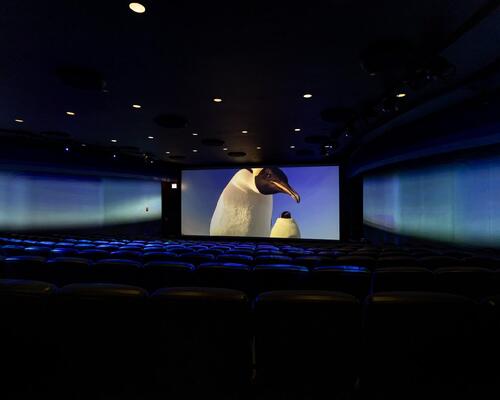
Shedd Aquarium upgrades its visitor experience with new Immersion Theater
Shedd Aquarium has opened the Immersion Theater developed in partnership with SimEx-Iwerks, as part of a wider strategy to enhance the guest experience and create additional revenue opportunities.
The attraction has transformed the aquarium’s Phelps Auditorium into a multi-sensory venue combining panoramic projection, environmental effects and interactive technology.
A new pre-show area allows visitors to engage with augmented reality marine animals before entering the

Mandarin Oriental announces standalone Mansions-branded residences for Abu Dhabi

MCR is planning a luxury hotel for London's BT Tower

Joy as a radical act: Yinka Ilori launches solo exhibition celebrating the rebellious power of spreading happiness

Work gets underway on Madrid's €800 million leisure complex
Work is underway in Madrid on one of Europe’s most significant multi-functional complexes, combining sport, entertainment, culture and education.
The €800 million initiative to regenerate the former Olympic Aquatic Centre in the north-east of the city, next to the Riyadh Air Metropolitano stadium, is being led by Barsento – a joint venture between Live Nation Entertainment, Oak View Group and Atlético de Madrid. The project will
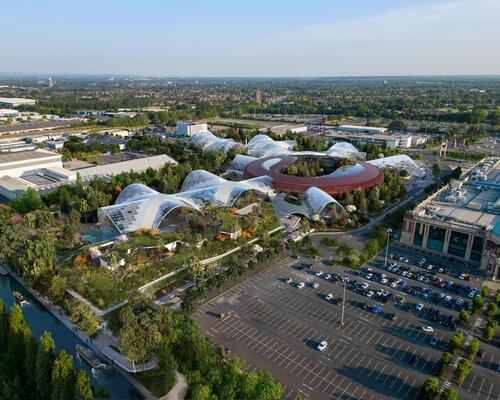
Therme Manchester reveals 90:90 strategy – 90 per cent of the UK population within a 90-minute drive of a Therme

Four Seasons’ Naples Beach Club opens 2,800sq m Sanctuary spa inspired by indigenous Calusa people
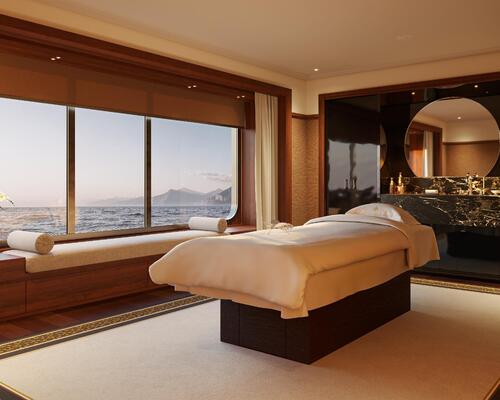
Orient Express Corinthian to host Ocean Rebirth wellness retreat in collaboration with Guerlain
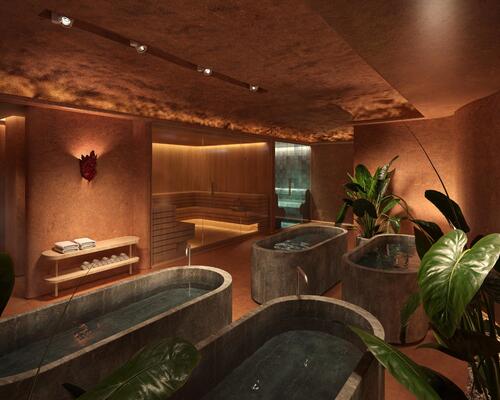
Famed London nightclub, Tramp, launches Tramp Health
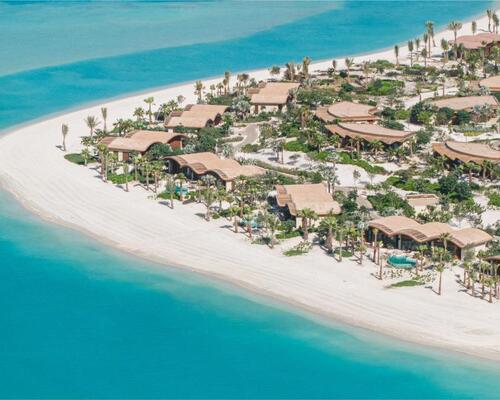
First look: Miraval opens on the Red Sea in Saudi Arabia

Hainan Science Museum by Ma Yansong, opens in China
A new science museum has opened to the public in Haikou after attracting more than 350,000 visitors during a four-month soft opening period.
Designed by Ma Yansong and his practice MAD Architects, the Hainan Science Museum is located on the edge of Wuyuan River National Wetland Park and has already recorded peak attendance of more than 5,800 visitors in a single day.
Commissioned by

Zannier Île De Bendor launches with design by Hardel Le Bihan Architectes
Sæl Spa readies for launch in London: “a modern British sanctuary”
Immersive art bathhouse Submersive announces debut location in Austin

Construction begins on regenerative wellness destination The Shenandoah Nature Resort

Royal Caribbean reveals record-breaking cruise ship
V&A East opens in London

David Geffen galleries open at LACMA

New venue The Lands by Capella includes a longevity centre to complement sister hotel Capella Sydney

World of Frozen launches at Disneyland Paris
Pical Resort by Valamar reveals first Croatian spa under the ESPA brand

Mandarin Oriental creates end-to-end Egyptian journey with two new hotels and first-ever luxury river cruise

Designers Mendil + Meyer launch new division called Lām Concepts for strategic wellness projects
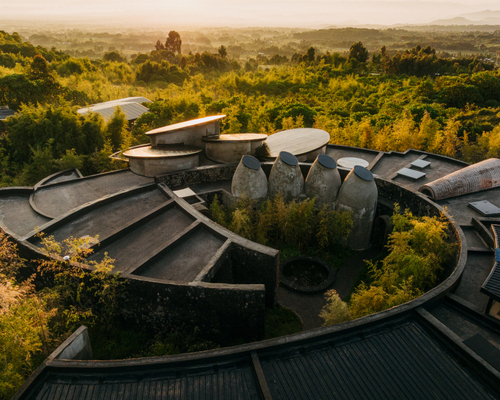
Wilderness Bisate in Rwanda reveals brand’s second Sanctuary spa
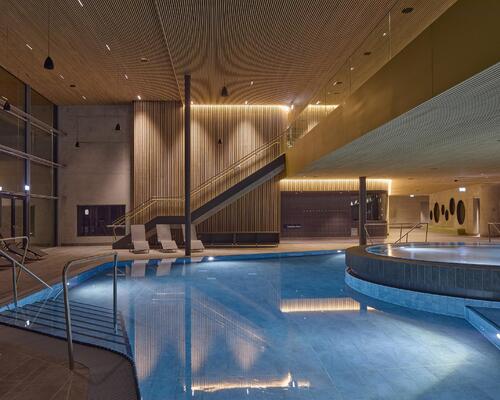
4a Architekten shares details of wellness extension at Salinarium Bad Dürkheim Thermal Spa











Designed to restore neglected land and renew the identity of Iraq’s capital city, Baghdad Sustainable Forests promises a new way of living surrounded by nature. Gensler’s Ian Mulcahay tells us why he thinks the project could become a model for the repair and enhancement of urban centres