Sue Harmsworth: “I’m starting to hate the word wellness”
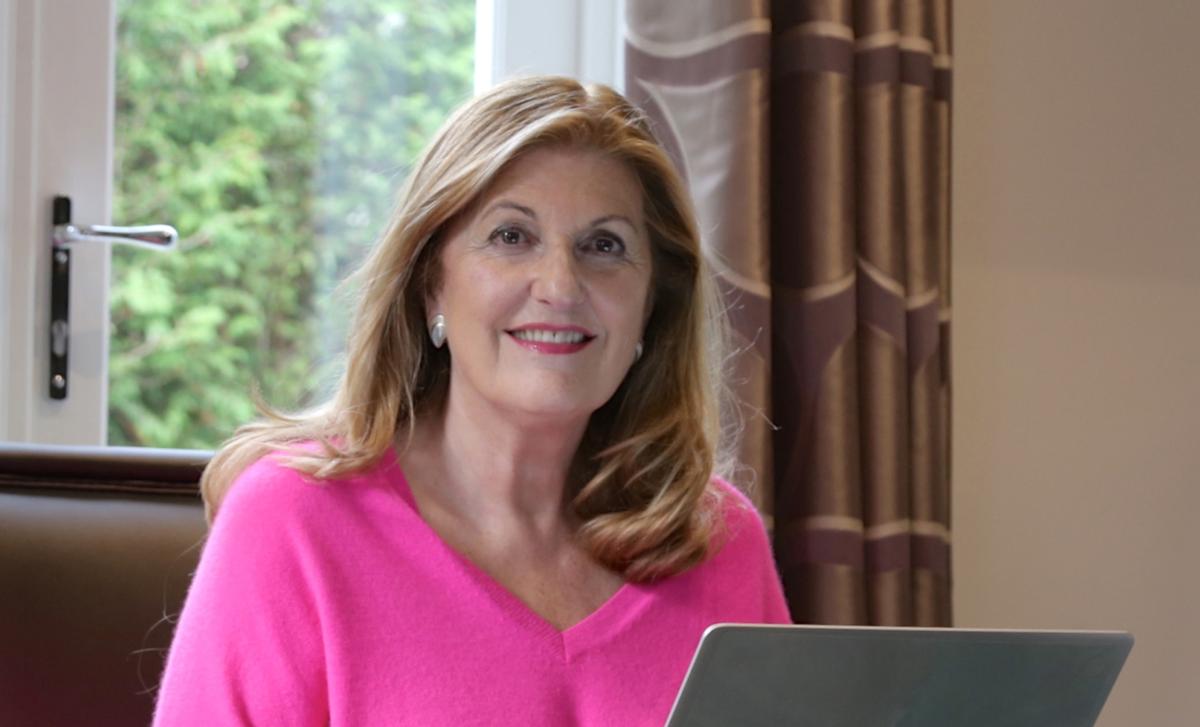
In the Global Wellness Institute’s (GWI) latest Q&A, spa and wellness icon Sue Harmsworth spoke to VP of research and forecasting Beth McGroarty about the trends and challenges facing the spa and wellness industry.
“I’m starting to hate the word wellness because it’s become so generic it’s utterly confusing the consumer,” she began.
In her opinion, the industry should begin differentiating between light wellness and serious wellness.
“As the spa industry took off, the word and concept of wellness became confusing, and it has to do with what the US means by it, versus the rest of the world.
“In the US, every beauty salon, or every two treatment rooms by a pool, suddenly became a spa. When the spa movement became powerful in the 90s, stress was the overwhelming focus and most spas were built for relaxation – from massages to meditation. What I would call light wellness – with no negative connotations.
“But now, we have a much more complex set of modalities and advanced practitioners at wellness destinations. Plus, we also have more medical or ‘serious’ wellness.
“So, you have light wellness, which spas and hospitality destinations have excelled at and you have medical or serious wellness, but it’s different this time around. It’s preventative, functional medicine and diagnostics.”
Ultimately, she believes the word wellness alone is too imprecise to mean anything and that spa businesses have got to focus on what their consumers want and be clear about what they’re delivering.
Integrative wellness is the future
According to Harmsworth, an integrative approach to wellness will become standard practice due to the prevalence of so many lifestyle diseases in today’s society.
“Mental and cognitive health will be huge coming out of the pandemic, with depression and anxiety having risen exponentially since COVID and now affecting a third of the population globally.
“I’m working on properties now that bring everything together: functional medicine and diagnostics, an aesthetics clinic, and all the traditional wellness, from complementary medicine to fitness to serious meditation,” she added.
In her opinion, functional medicine and diagnostics will be a huge part of this trend and are important because they provide people with tangible results.
“It seems crazy, but you really can significantly impact your blood pressure or cholesterol in one week. What I want to do is to be able to programme individuals on a personalised plan with a very full set of stats so they can see their results over time.”
Growing interest for wellness real-estateMcGroarty next touched on how the pandemic has given wellness real estate new momentum and asked Harmsworth for her thoughts on this.
“COVID has obviously woken all of us up to working from home, and this ongoing reality will drive real growth in wellness real estate and communities. Plus, lots of people are spending a lot or all of their time in their second homes.
“As a consequence, more people will choose a wellness community as their primary (or near-primary) residence.”
Harmsworth believes this demand will naturally drive more projects to be conceptualised with more affordable options.
She illustrated this by drawing on one of her current wellness real estate projects, where the most expensive villa costs US$1mn (€825,000, £708,000) while artisan homes sit at US$300,000 (€248,000, £212,300).
"Now that’s relatively affordable," she said, "it's going to be an interesting community where everything will be grown themselves and have its own Waldorf school for the kids."
She firmly champions that the way forward will be affordable and multigenerational wellness communities encompassing an entire lifestyle of wellbeing.
The need for more intensive therapist training
Harmsworth believes the spas that will thrive in future will be underpinned by exceptional flow, therapists, treatments, design and thermal areas, as well as great hardware, air quality and infection control.
However, she urged that spa therapists and practitioners are going to have to be much better trained with deeper skills because the majority of consumers that walk in now will have some kind of contraindication.
“Therapists need a much broader knowledge set to be able to deal with all the things increasingly coming their way. They’re already being bombarded with more serious issues such as diabetes, cancer, heart disease, depression and grief.
“This is why I’m so strong on what we’re doing in the UK with the training ruling bodies, putting modules together so that well-qualified therapists can keep adding extra modules (whether cancer or nutrition training) so they can deliver more 'wellness' than just massages or facials; be empowered to deal with the day-to-day realities they see and be set on a career path of constant skill-upgrading.
“The spas that will take it to the next level will focus on training in a much more intensive way.”
To read the whole interview and hear Harmsworth’s views on why integrative wellness resorts will require a whole new kind of operator, visit the official GWI website later this week.
Sue Harmsworth Global Wellness Institute GWI Beth McGroartySpaFest confirms Sue Harmsworth as keynote for 2021 in-person event
Over 220 spas register for new industry standard for cancer touch therapy, launched by Sue Harmsworth
Montara Hospitality invests US$209m into Thai wellness project specialising in cognitive health
Sue Harmsworth gives GWS masterclass webinar on the spa and wellness industry in the age of COVID-19
FEATURE: Spa people – Sue Harmsworth
'Data chocolate', dreams made real and artworks shaped by visitors’ emotions: Refik Anadol’s AI art museum launches in Los Angeles


London Museum reveals 2026 opening date for new Smithfield home
BIG unveils Eve Music Hall as Croatia venue nears completion
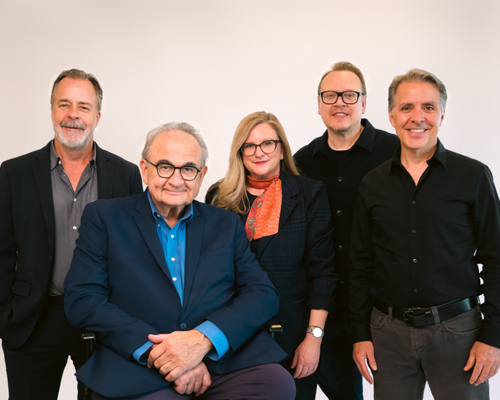
Bob Rogers hands BRC to long-serving leadership team

Wellness care hospital opens in Vilnius with innovative spa and hospitality concept

Universal and Puy du Fou projects point to rise of Oxford–Cambridge corridor
A proposed Puy du Fou development near Bicester and Universal Destinations and Experiences’ planned resort in Bedford are emerging as part of a wider transformation of the Oxford–Cambridge Growth Corridor into a major centre for UK leisure and tourism investment.
For years, the corridor has been associated primarily with science, technology, housing and university-led economic growth. However, the clustering of large-scale visitor attraction projects along the
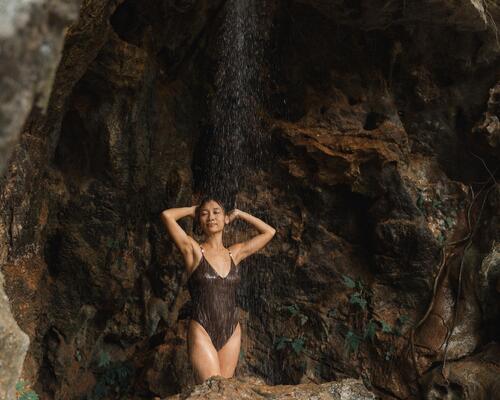
All-inclusive eco-wellness development Auko to open near Vietnam’s Son Doong caves
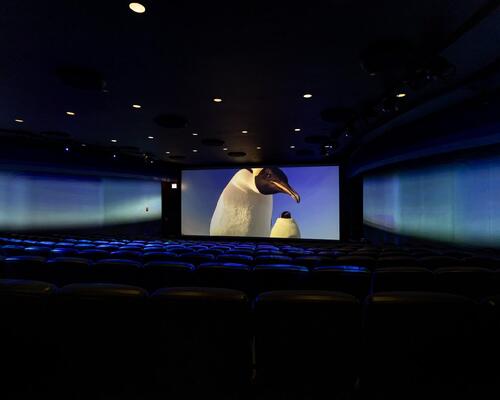
Shedd Aquarium upgrades its visitor experience with new Immersion Theater
Shedd Aquarium has opened the Immersion Theater developed in partnership with SimEx-Iwerks, as part of a wider strategy to enhance the guest experience and create additional revenue opportunities.
The attraction has transformed the aquarium’s Phelps Auditorium into a multi-sensory venue combining panoramic projection, environmental effects and interactive technology.
A new pre-show area allows visitors to engage with augmented reality marine animals before entering the
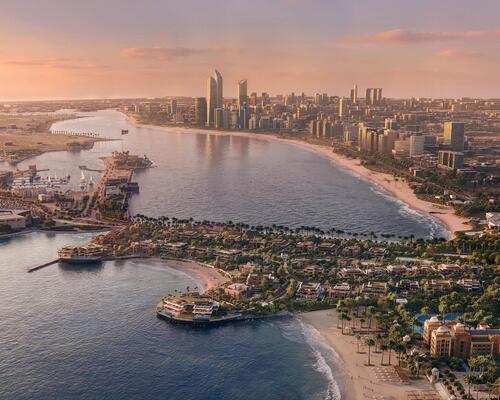
Mandarin Oriental announces standalone Mansions-branded residences for Abu Dhabi
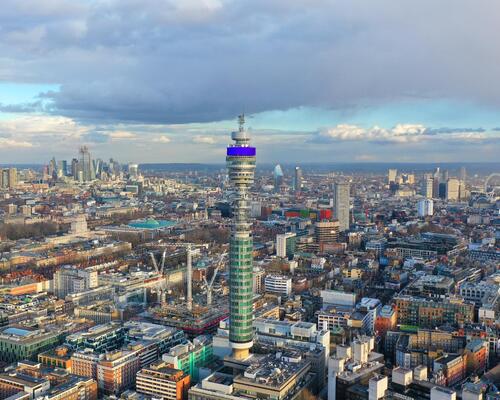
MCR is planning a luxury hotel for London's BT Tower
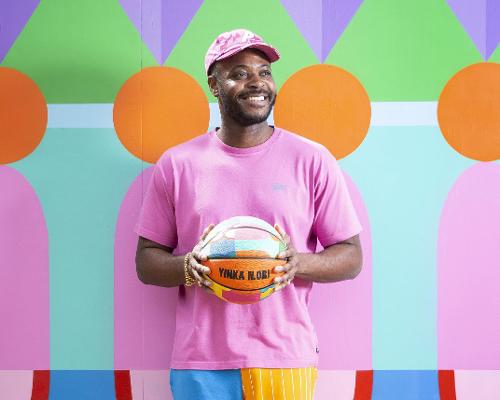
Joy as a radical act: Yinka Ilori launches solo exhibition celebrating the rebellious power of spreading happiness

Work gets underway on Madrid's €800 million leisure complex
Work is underway in Madrid on one of Europe’s most significant multi-functional complexes, combining sport, entertainment, culture and education.
The €800 million initiative to regenerate the former Olympic Aquatic Centre in the north-east of the city, next to the Riyadh Air Metropolitano stadium, is being led by Barsento – a joint venture between Live Nation Entertainment, Oak View Group and Atlético de Madrid. The project will
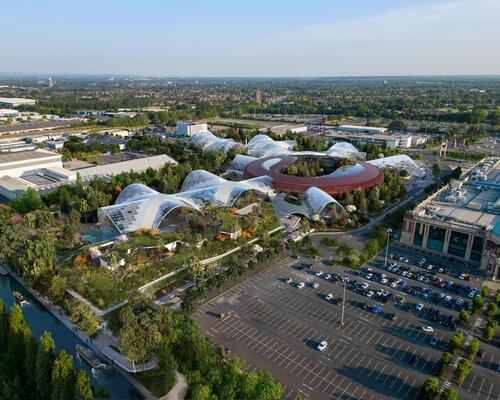
Therme Manchester reveals 90:90 strategy – 90 per cent of the UK population within a 90-minute drive of a Therme

Four Seasons’ Naples Beach Club opens 2,800sq m Sanctuary spa inspired by indigenous Calusa people
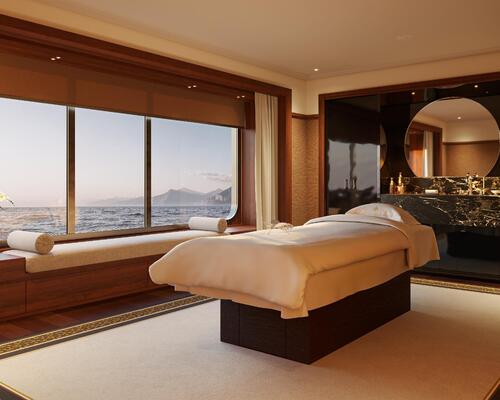
Orient Express Corinthian to host Ocean Rebirth wellness retreat in collaboration with Guerlain
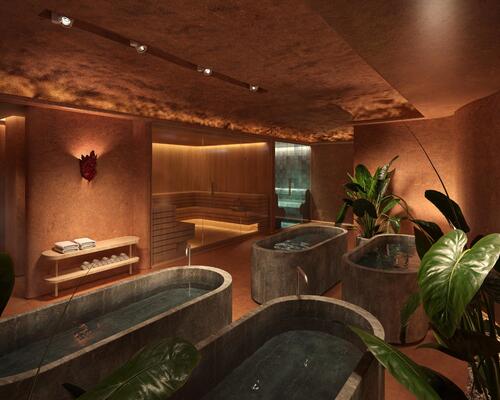
Famed London nightclub, Tramp, launches Tramp Health
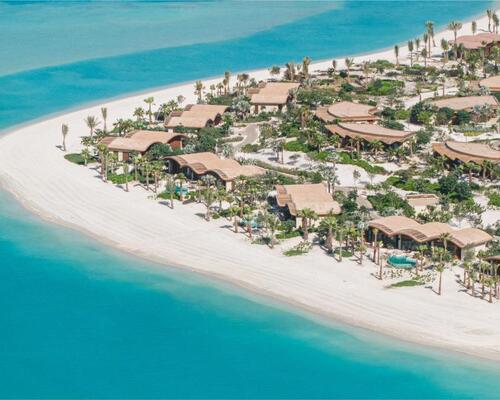
First look: Miraval opens on the Red Sea in Saudi Arabia

Hainan Science Museum by Ma Yansong, opens in China
A new science museum has opened to the public in Haikou after attracting more than 350,000 visitors during a four-month soft opening period.
Designed by Ma Yansong and his practice MAD Architects, the Hainan Science Museum is located on the edge of Wuyuan River National Wetland Park and has already recorded peak attendance of more than 5,800 visitors in a single day.
Commissioned by
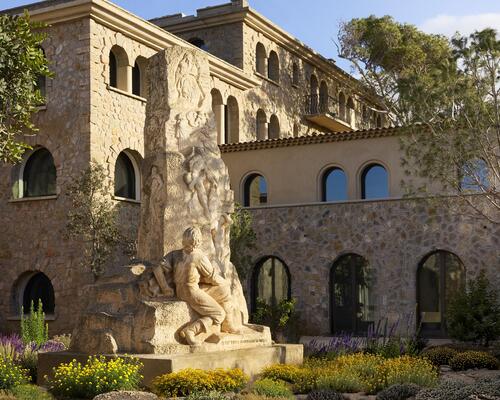
Zannier Île De Bendor launches with design by Hardel Le Bihan Architectes
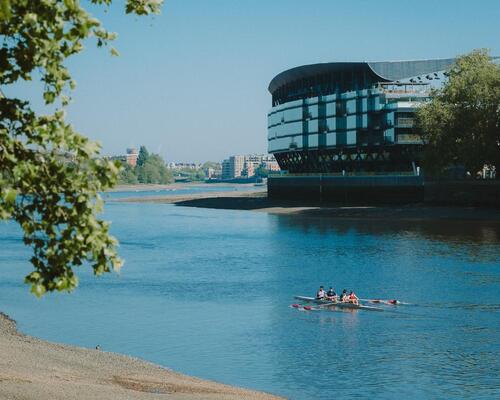
Sæl Spa readies for launch in London: “a modern British sanctuary”
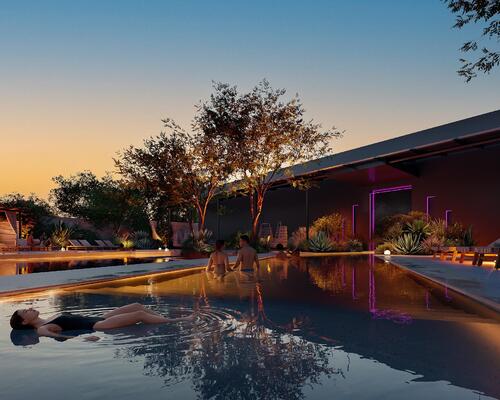
Immersive art bathhouse Submersive announces debut location in Austin

Construction begins on regenerative wellness destination The Shenandoah Nature Resort

Royal Caribbean reveals record-breaking cruise ship
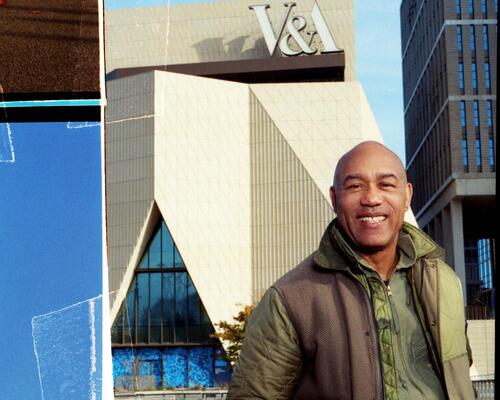
V&A East opens in London
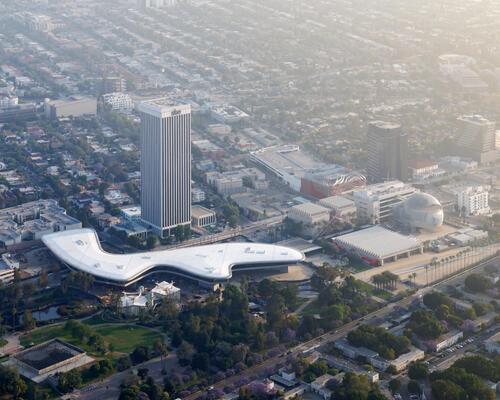
David Geffen galleries open at LACMA

New venue The Lands by Capella includes a longevity centre to complement sister hotel Capella Sydney

World of Frozen launches at Disneyland Paris
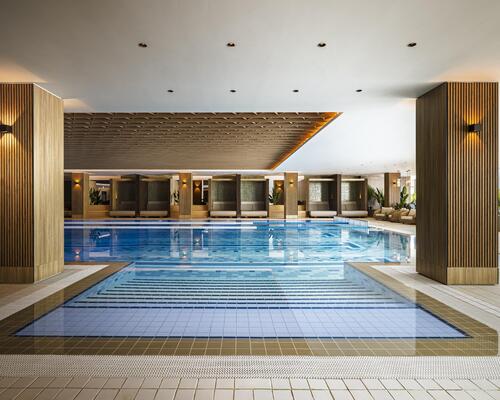
Pical Resort by Valamar reveals first Croatian spa under the ESPA brand

Mandarin Oriental creates end-to-end Egyptian journey with two new hotels and first-ever luxury river cruise

Designers Mendil + Meyer launch new division called Lām Concepts for strategic wellness projects



Designed to restore neglected land and renew the identity of Iraq’s capital city, Baghdad Sustainable Forests promises a new way of living surrounded by nature. Gensler’s Ian Mulcahay tells us why he thinks the project could become a model for the repair and enhancement of urban centres