Coronavirus: how is the health and fitness sector coping?
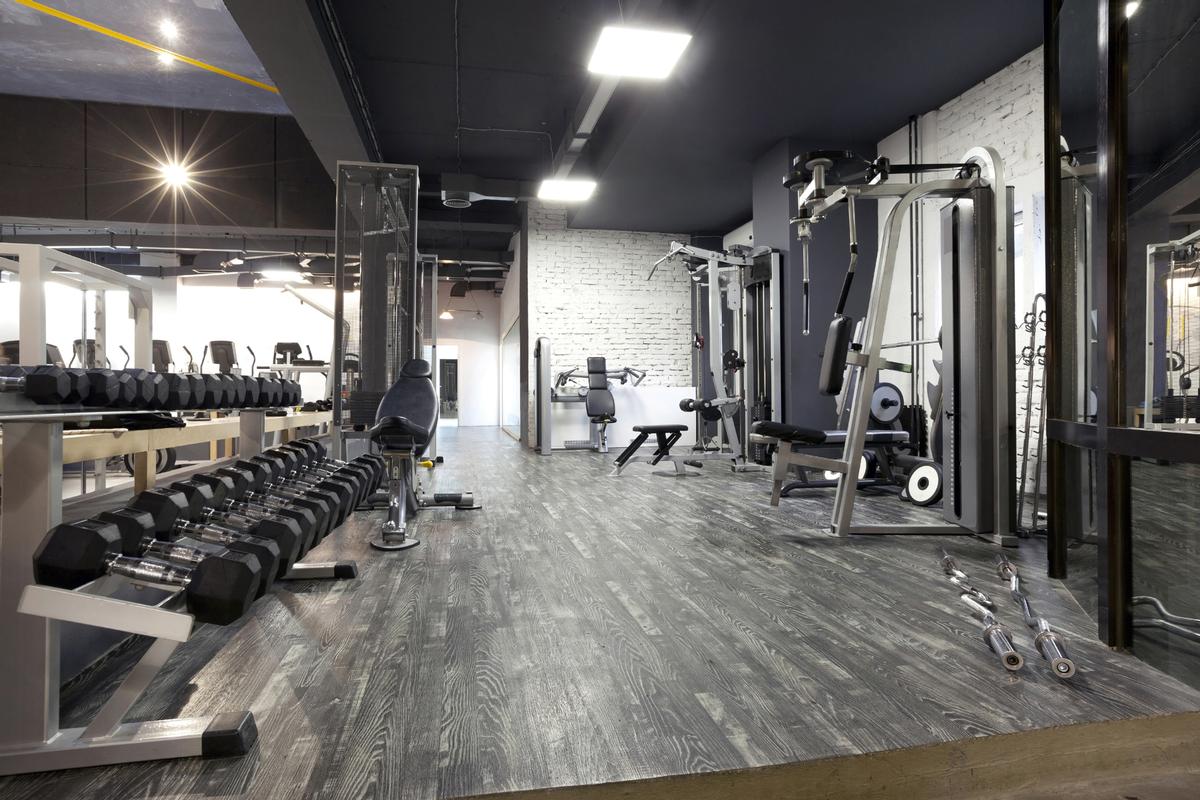
The leisure industry is increasingly feeling the pressure as countries introduce measures to tackle the COVID-19 (Coronavirus) pandemic.
Travel bans, border closures, social distancing measures and outright lockdowns have had an immediate and hard-hitting effect on tourism, hospitality and visitor attraction businesses.
But while the plight of the airlines, restaurants and hotels make headlines across the globe, how is the fitness sector coping?
In Italy and Spain – the two countries hardest hit by COVID-19 – all health clubs and gyms have been closed and face a minimum closure of three weeks.
Speaking to HCM, Andrea Pambianchi, founder and CEO of Fitness Network Italia (FNI), said the country's fitness sector will be badly hit – estimating the closures could cost the industry as much as €45m per week.
In Spain, some large operators – including GoFit and Club Metropolitan – closed their doors before the government's forced lockdown came into force, in order to protect their customers and staff.
Both GoFit and Metropolitan have set up systems allowing their members to train from home.
GoFit launched a GoFit Everywhere service, which enables members to continue to keep fit during the closures, while Metropolitan has used social media to upload a wide range of exercise videos for members to follow.
In addition, GoFit has put in place measures which ensure staff will not lose financially, while the chain will also suspend collecting membership fees from customers.
According to a spokesperson for GoFit, the operator's quick reactions to the crisis, transparent messaging about the staff situation and the launch of the GoFit Everywhere service has led to positive engagement with members and created a "we are in this together" atmosphere.
"Our customers are voluntarily refusing to take the refunded fees we are offering them, as it helps our staff at this time," the spokesperson said. "Getting in front of the crisis has really helped us handle it."
Across the Nordic countries, the situation is similar, as lockdown measures have seen the closure of hundreds of fitness clubs.
SATS, the region's largest operator with around 250 clubs and 700,000 members, has closed all of its clubs for 14 days. Other chains to have closed their gyms are Danish gym giant Fitness World – which operates more than 170 sites in Denmark – and fellow Danish company Loop Fitness, with more than 110 clubs in the country.
Some operators, however, are staying open for now – but have had to implement special measures to be in line with government guidance.
A number of Finnish operators, such as GoGo and Freesi, are limiting group exercise classes to 10 people, to allow "social distancing" during exercises. They have also intensified cleaning procedures, with staff wiping down and disinfecting all equipment and surfaces after each use.
Other European countries in which fitness operators have closed their doors due to the outbreak (either voluntarily or after being told to by authorities) include Germany, France, Austria, Greece, The Netherlands, Czech Republic, Slovakia and Slovenia.
Europe's largest operator, Basic-Fit, has also decided to close all of its 820 clubs across the continent.
Elsewhere, there have been gym closures in Canada and the US, as well as across the Middle East – including Qatar and UAE.
Gold’s Gym, one of the largest operators in the US, announced that all of its company-owned clubs around the country will be closed to the public through and including 31 March.
Going virtual
As operators and clubs look into ways to help alleviate the short-term effects on their business, could virtual fitness operators hold the key?
Some large operators, such as Planet Fitness, are now making their at-home fitness offer free to everyone. The workouts are being streamed on the Planet Fitness' Facebook page and classes are open to anyone, including non-members.
Meanwhile, some at-home providers are also offering free tasters to their platforms.
Clive Ormerod, CEO of Les Mills International, said that the company would offer two-week trials to exercisers in a number of regions.
"We've been receiving many inquires from around the world as everyone is collectively adjusting their lifestyles to navigate this challenging time in history with the aim to stay safe and remain healthy," Ormerod said.
"Furthermore we are also receiving messages from members of fitness clubs who are asking their gym to offer a digital platform to allow them to continue their fitness lifestyle from home as many of us are self-isolating to prevent the spread of Covid-19.
"In answer to this unprecedented health pandemic, we are offering a 14-day trial of LES MILLS On Demand (LMOD) to the residents of the US, UK, Canada, Spain, and other parts of Europe and North America where LMOD is available.
"Additionally we are accelerating our efforts to offer LMOD in Germany and France."
What can be done?
So how should health club operators in countries such as the UK – where the closures are yet to take place – prepare for what seems inevitable?
Industry veteran Rod Hill, CEO of Fit Hill International and former director-general of Anytime Fitness Iberia, shared his thoughts on a LinkedIn post.
"In the event that you do end up having to close, there are ways you can limit the impact on your bottom line and keep members fit and working out from home," he writes.
"Write an open and honest letter to all your members letting them know that you will be running as many digital support programmes to keep them fit and active as much as possible in the event of a lockdown or gym closure.
"Many members will not want to lose their gym experience or the community contacts and motivation they get from being a member and you need to explain how you value their continued custom.
"Develop a whole online and digital platform and make sure your members know how this will work for them from home.
"Live streaming would be a great tool to offer right now but if you are a single gym owner then maybe youtube or access to group workouts and trainers can be accessed over the internet. It's important to offer varied workouts at set hours through the day that give a varied offer of strength, cardio and HITT options to suit as many tastes as possible.
"I believe the fitness business is the ultimate people business, however increasing our non-brick and mortar offerings is probably a good thing to be developing anyway and these moments will encourage us to speed this up."
Others to have offered their advice include retention specialist Paul Bedford, who has released a video tutorial advising health and fitness operators the best ways to retain customers during the coronavirus outbreak.
Bedford says there are up to three phases of change that need to be managed, depending on the degree of lockdown in place – the 'reducing the exercise' phase, the 'isolation phase' and the 'returning phase'. To read more and to view Bedford's video, click here.
According to ukactive chair Tanni Grey-Thompson, the physical activity sector is "one of the most innovative sectors" in the UK and will, over the coming weeks, "adapt and respond in an agile way".
"The significance of maintaining our physical and mental health cannot be underplayed in these circumstances, and the physical activity sector finds itself uniquely placed to offer support to people," Grey-Thompson said.
"Physical activity facilities sit at the heart of our communities, and are dedicated to keeping us fit and healthy. In the weeks since Coronavirus arrived in the UK, staff at gyms and leisure facilities have been working around the clock, taking extra measures to ensure that all surfaces are clean and the public remains as safe as possible. They take their social responsibility incredibly seriously and I commend the work of ukactive’s members during this crisis."
Coronavirus fitness sector COVID-19How to retain customers during the coronavirus – Paul Bedford releases video tutorial
Coronavirus: ukactive issues guidance for health and fitness sector
Coronavirus: Lockdowns and closures put strain on leisure – Olympic stadium designer dies
BIG unveils Eve Music Hall as Croatia venue nears completion


Bob Rogers hands BRC to long-serving leadership team

Wellness care hospital opens in Vilnius with innovative spa and hospitality concept

Universal and Puy du Fou projects point to rise of Oxford–Cambridge corridor
A proposed Puy du Fou development near Bicester and Universal Destinations and Experiences’ planned resort in Bedford are emerging as part of a wider transformation of the Oxford–Cambridge Growth Corridor into a major centre for UK leisure and tourism investment.
For years, the corridor has been associated primarily with science, technology, housing and university-led economic growth. However, the clustering of large-scale visitor attraction projects along the

All-inclusive eco-wellness development Auko to open near Vietnam’s Son Doong caves
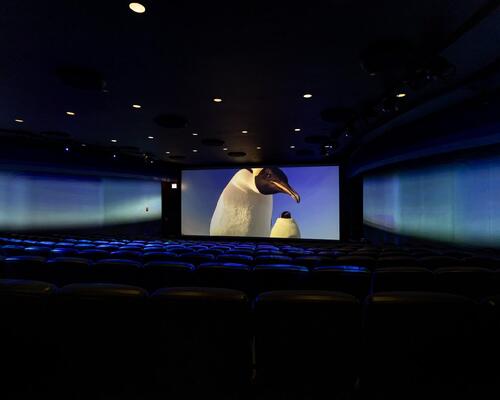
Shedd Aquarium upgrades its visitor experience with new Immersion Theater
Shedd Aquarium has opened the Immersion Theater developed in partnership with SimEx-Iwerks, as part of a wider strategy to enhance the guest experience and create additional revenue opportunities.
The attraction has transformed the aquarium’s Phelps Auditorium into a multi-sensory venue combining panoramic projection, environmental effects and interactive technology.
A new pre-show area allows visitors to engage with augmented reality marine animals before entering the

Mandarin Oriental announces standalone Mansions-branded residences for Abu Dhabi
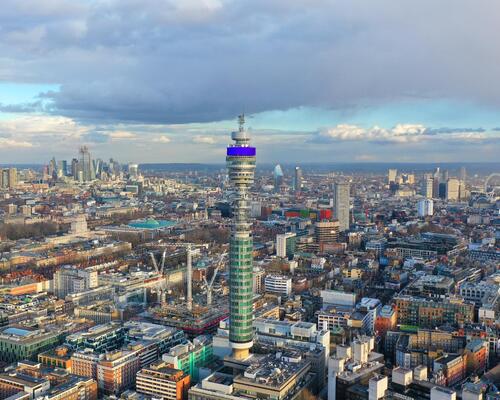
MCR is planning a luxury hotel for London's BT Tower
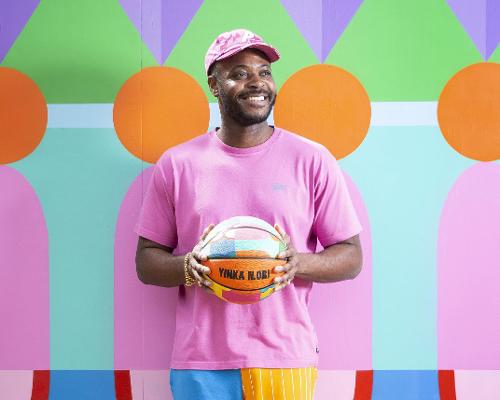
Joy as a radical act: Yinka Ilori launches solo exhibition celebrating the rebellious power of spreading happiness

Work gets underway on Madrid's €800 million leisure complex
Work is underway in Madrid on one of Europe’s most significant multi-functional complexes, combining sport, entertainment, culture and education.
The €800 million initiative to regenerate the former Olympic Aquatic Centre in the north-east of the city, next to the Riyadh Air Metropolitano stadium, is being led by Barsento – a joint venture between Live Nation Entertainment, Oak View Group and Atlético de Madrid. The project will
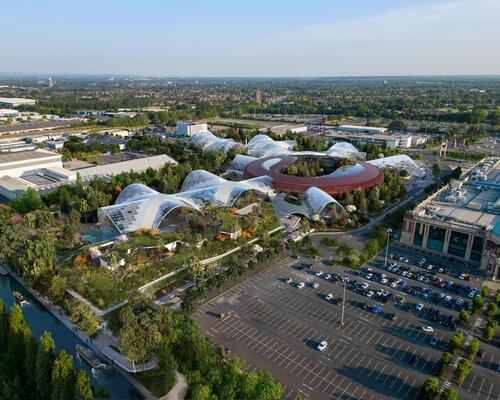
Therme Manchester reveals 90:90 strategy – 90 per cent of the UK population within a 90-minute drive of a Therme

Four Seasons’ Naples Beach Club opens 2,800sq m Sanctuary spa inspired by indigenous Calusa people
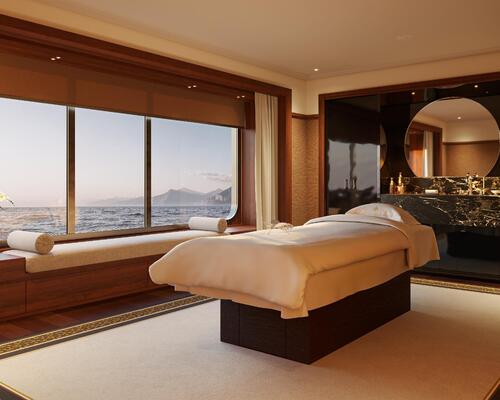
Orient Express Corinthian to host Ocean Rebirth wellness retreat in collaboration with Guerlain
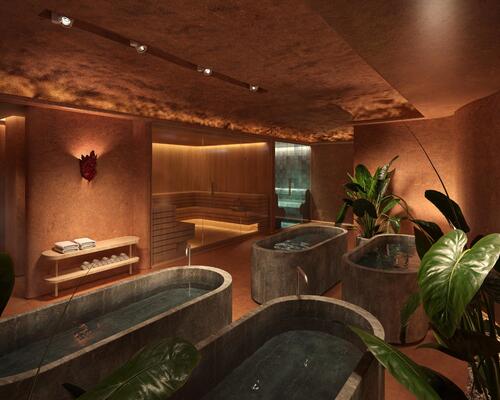
Famed London nightclub, Tramp, launches Tramp Health

First look: Miraval opens on the Red Sea in Saudi Arabia

Hainan Science Museum by Ma Yansong, opens in China
A new science museum has opened to the public in Haikou after attracting more than 350,000 visitors during a four-month soft opening period.
Designed by Ma Yansong and his practice MAD Architects, the Hainan Science Museum is located on the edge of Wuyuan River National Wetland Park and has already recorded peak attendance of more than 5,800 visitors in a single day.
Commissioned by

Zannier Île De Bendor launches with design by Hardel Le Bihan Architectes
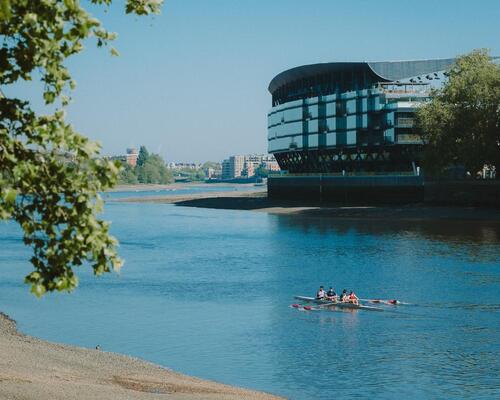
Sæl Spa readies for launch in London: “a modern British sanctuary”
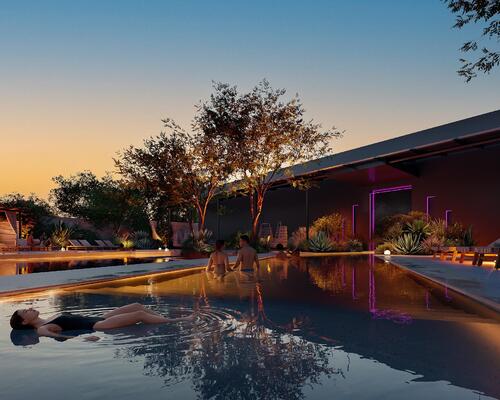
Immersive art bathhouse Submersive announces debut location in Austin

Construction begins on regenerative wellness destination The Shenandoah Nature Resort

Royal Caribbean reveals record-breaking cruise ship

V&A East opens in London

David Geffen galleries open at LACMA

New venue The Lands by Capella includes a longevity centre to complement sister hotel Capella Sydney

World of Frozen launches at Disneyland Paris
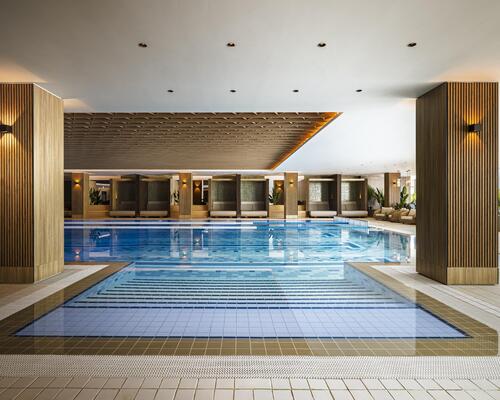
Pical Resort by Valamar reveals first Croatian spa under the ESPA brand

Mandarin Oriental creates end-to-end Egyptian journey with two new hotels and first-ever luxury river cruise

Designers Mendil + Meyer launch new division called Lām Concepts for strategic wellness projects

Wilderness Bisate in Rwanda reveals brand’s second Sanctuary spa
4a Architekten shares details of wellness extension at Salinarium Bad Dürkheim Thermal Spa