New 2020 Tokyo Olympic Stadium design concepts revealed


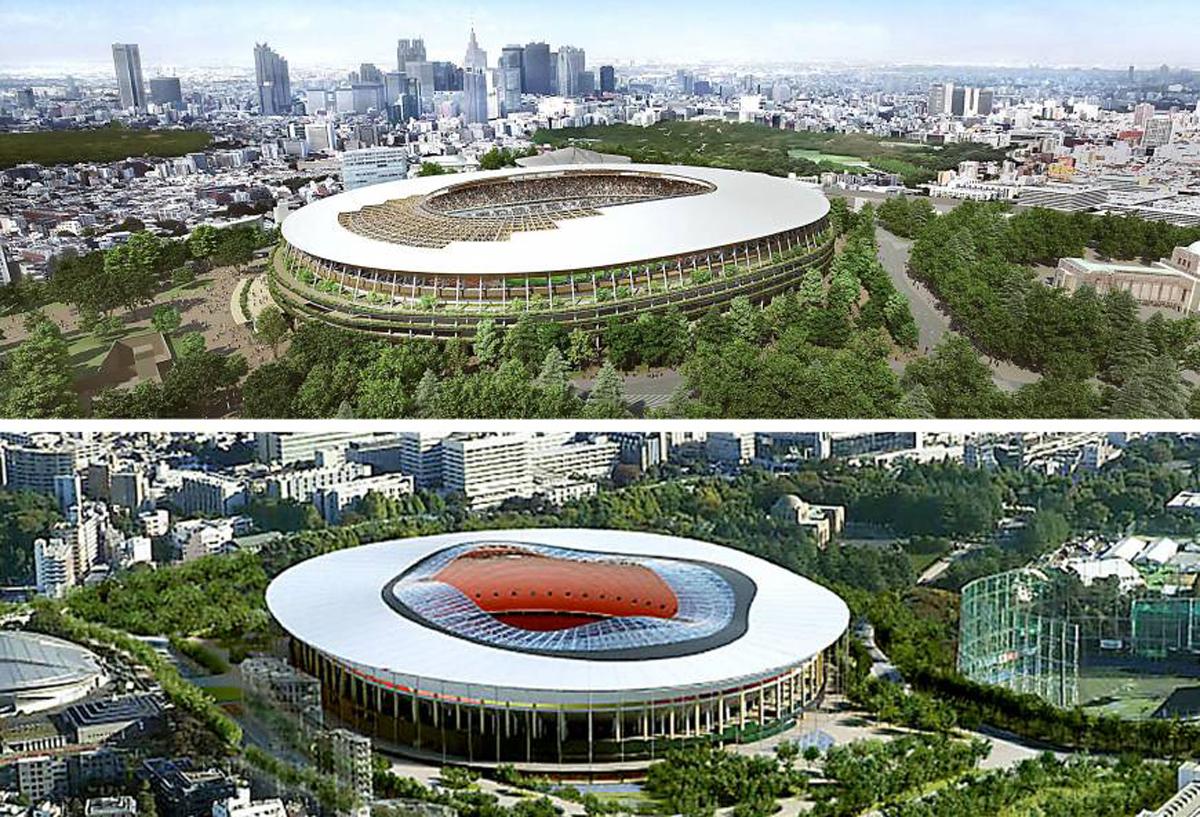
The saga of the Tokyo 2020 Olympic Stadium has moved to another stage, with the Japanese Sports Council revealing two potential designs. The winner is expected to be announced this month.
Both designs have construction budgets of ¥153bn (US$1.26bn, €1.14bn, £832m), putting them within the council's limit of ¥155bn (US$1.28bn, €1.16bn, £848m).
Design A has a flat roof and shrubbery along its outer concourse, stands 50m tall (164ft) and is a combined steel and wood structure.
Design B, standing at 54.3m (178ft), features outer glass walls and 72 wooden pillars.
The Japan Sports Council did not identify the architects behind the designs, but reports in Japan indicate that one proposal may have been submitted by a joint venture involving construction company Taisei Corp, while the other may be by a venture between Takenaka Corp, Shimizu Corp and Obayashi Corp.
Work on both would have a completion date of 30 November 2019 for all elements apart from landscaping and surrounding work.
“We will work to ensure a stadium that will be loved by all,” said Sports Council president, Kazumi Daito.
Zaha Hadid Architects (ZHA) was originally selected to design the Olympic stadium for 2020, but Japanese president Shinzo Abe withdrew the plans, saying stadium costs had increased beyond budget.
Hadid blamed Japanese procurement methods for the price increases.
ZHA considered re-tendering in conjunction with partners Nikken Sekkei, but could not secure a construction partner, so pulled out of the running in September.
Earlier this month the Japanese Sports Council struck a funding agreement for the stadium with Tokyo authorities and the Japanese government.
BACKGROUND BRIEFING
Zaha Hadid Architects originally won the contract to design the stadium in November 2012, ahead of other bidders such as Populous, UNStudio and Toyo Ito. They beat Cox Architecture into second place and SANAA into third.
But the bid was always controversial, and this summer, in series of astonishing events, ZHA was given formal approval on 7 July, only for the scheme to be cancelled by Japanese prime minister, Shinzo Abe, just 10 days later.
In announcing the cancellation, he said the cost of the $2bn stadium “has just ballooned too much”. The design had also suffered stinging criticism from a number of leading Japanese architects.
A succession of skirmishes followed, with ZHA issuing a robust defence of their design, blaming the huge cost increases on Japan's overheated construction market and the tendering process for the building, in which contractors were appointed before they submitted cost estimates: "Our warning was not heeded that selecting contractors too early in a heated construction market and without sufficient competition would lead to an overly high estimate of the cost of construction,” they said.
Sir Richard Rogers, who was on the jury that first selected the design, came out publicly in support of ZHA, saying: "I'd like to express my concern about the decision to cancel Zaha Hadid Architects' design at this late stage.
"For Japan to lose their nerve now, and abandon a design by one of the world's foremost living architects that was selected by an international jury, will not only result in a poorer quality stadium for the Tokyo 2020 Olympics, but also in damage to Japan's international credibility, and reputation as a promoter of world-class architectural design."
ZHA were not going to go quietly, so when Japan announced a new design and build competition for the job on 1 September, they announced they would re-bid, working with Nikken Sekkei. “We believe the best way to respond to the new brief is to maximise the use of the expertise and experience gained by the design team over the past two years,” the firm stated.
The revised guidelines for the new competition capped the cost at ¥155 billion (£850 million) – a significant reduction compared to the ¥250 billion (£1.37 billion) estimate for ZHA's initial design. The amount of seating has also been reduced.
The new competition requires bidders to demonstrate capabilities in planning and design, construction and construction supervision, and to form consortiums of firms to cover all these capabilities and in last night's statement, Nikken Sekkei and ZHA said they had not been able to secure a construction company in their consortium and that "as a result they are unable to enter the competition.”
ZHA said: "It is disappointing that the two years of work and investment in the existing design for a new National Stadium for Japan cannot be further developed to meet the new brief through the new design competition.
"Nikken Sekkei and ZHA are prepared and able to deliver a cost-effective stadium that meets the revised brief, is ready in good time for the 2020 Games and provides a new home for sport in Japan for generations to come," they said.
There is one last opportunity for ZHA to maintain an involvement with the project – the practice says it hopes to lend the knowledge it has gained during the project to whoever eventually wins the competition: "While the current competition is closed to the existing design team, we stand ready to use the wealth of detailed knowledge and expertise, built up through the thousands of hours dedicated to the project, to assist the National and Tokyo Governments and Japanese people deliver a stadium fit to welcome the world in 2020 and go on to host national, international and community events for the next 50-100 years," said the statement.
Tokyo’s 2020 Olympic cycling venues approved by IOC
Tokyo City Government to fund a quarter of the 2020 Olympic stadium
Zaha Hadid pulls out of Tokyo stadium competition citing inability to secure construction partner

Wellness care hospital opens in Vilnius with innovative spa and hospitality concept

Universal and Puy du Fou projects point to rise of Oxford–Cambridge corridor
A proposed Puy du Fou development near Bicester and Universal Destinations and Experiences’ planned resort in Bedford are emerging as part of a wider transformation of the Oxford–Cambridge Growth Corridor into a major centre for UK leisure and tourism investment.
For years, the corridor has been associated primarily with science, technology, housing and university-led economic growth. However, the clustering of large-scale visitor attraction projects along the
All-inclusive eco-wellness development Auko to open near Vietnam’s Son Doong caves
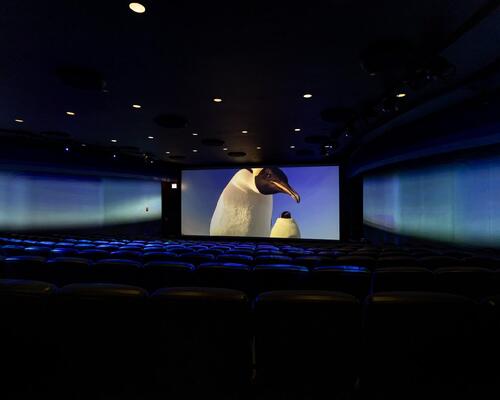
Shedd Aquarium upgrades its visitor experience with new Immersion Theater
Shedd Aquarium has opened the Immersion Theater developed in partnership with SimEx-Iwerks, as part of a wider strategy to enhance the guest experience and create additional revenue opportunities.
The attraction has transformed the aquarium’s Phelps Auditorium into a multi-sensory venue combining panoramic projection, environmental effects and interactive technology.
A new pre-show area allows visitors to engage with augmented reality marine animals before entering the
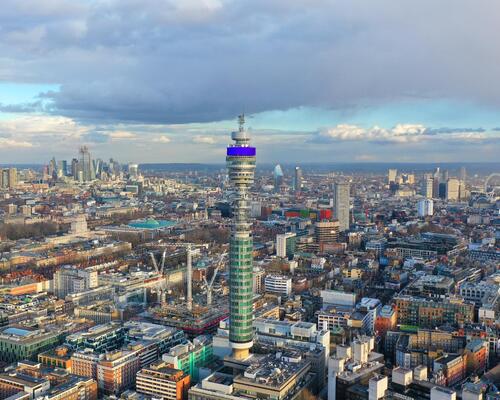
MCR is planning a luxury hotel for London's BT Tower
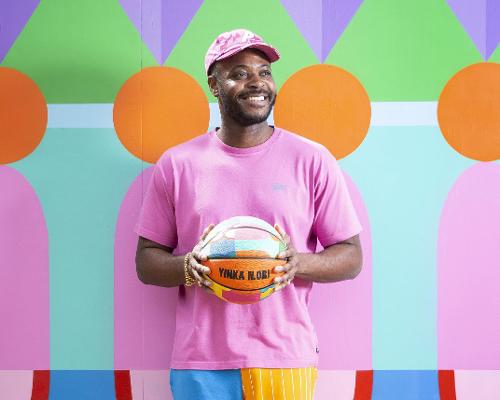
Joy as a radical act: Yinka Ilori launches solo exhibition celebrating the rebellious power of spreading happiness

Work gets underway on Madrid's €800 million leisure complex
Work is underway in Madrid on one of Europe’s most significant multi-functional complexes, combining sport, entertainment, culture and education.
The €800 million initiative to regenerate the former Olympic Aquatic Centre in the north-east of the city, next to the Riyadh Air Metropolitano stadium, is being led by Barsento – a joint venture between Live Nation Entertainment, Oak View Group and Atlético de Madrid. The project will
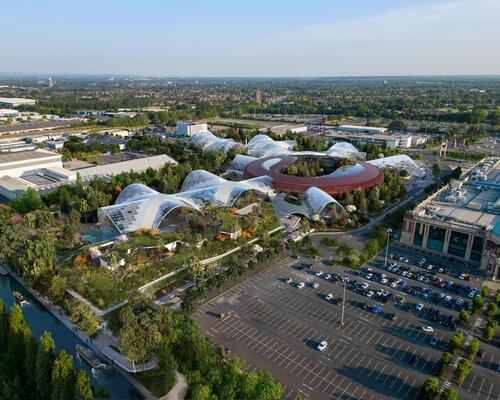
Therme Manchester reveals 90:90 strategy – 90 per cent of the UK population within a 90-minute drive of a Therme

Four Seasons’ Naples Beach Club opens 2,800sq m Sanctuary spa inspired by indigenous Calusa people
Orient Express Corinthian to host Ocean Rebirth wellness retreat in collaboration with Guerlain
Famed London nightclub, Tramp, launches Tramp Health
First look: Miraval opens on the Red Sea in Saudi Arabia

Hainan Science Museum by Ma Yansong, opens in China
A new science museum has opened to the public in Haikou after attracting more than 350,000 visitors during a four-month soft opening period.
Designed by Ma Yansong and his practice MAD Architects, the Hainan Science Museum is located on the edge of Wuyuan River National Wetland Park and has already recorded peak attendance of more than 5,800 visitors in a single day.
Commissioned by
Zannier Île De Bendor launches with design by Hardel Le Bihan Architectes
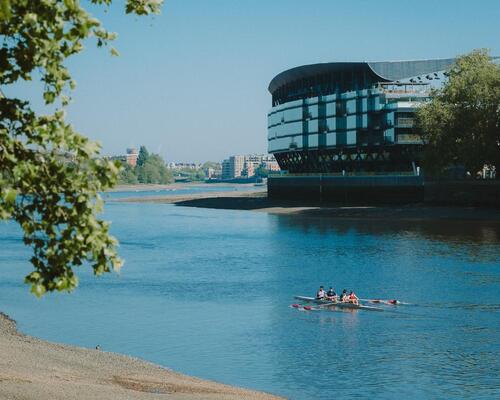
Sæl Spa readies for launch in London: “a modern British sanctuary”
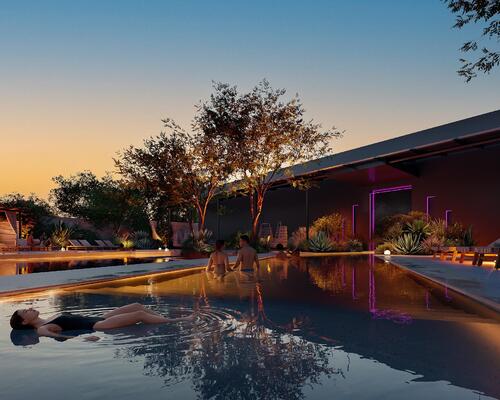
Immersive art bathhouse Submersive announces debut location in Austin

Construction begins on regenerative wellness destination The Shenandoah Nature Resort

Royal Caribbean reveals record-breaking cruise ship
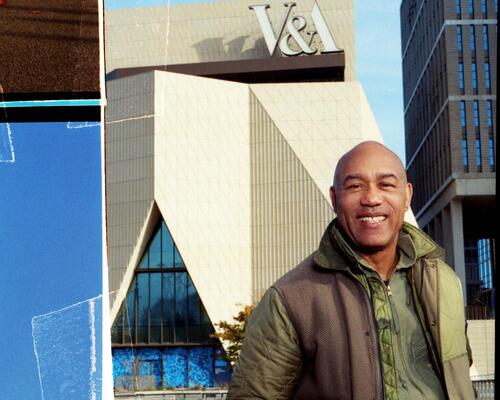
V&A East opens in London
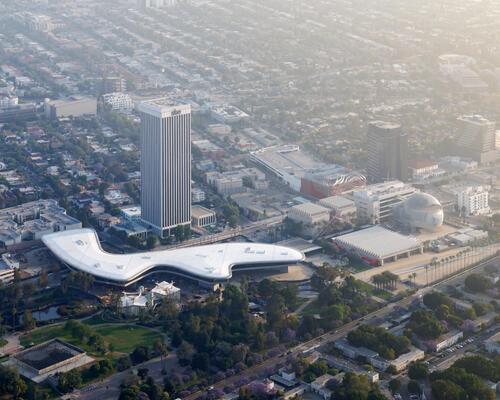
David Geffen galleries open at LACMA

New venue The Lands by Capella includes a longevity centre to complement sister hotel Capella Sydney
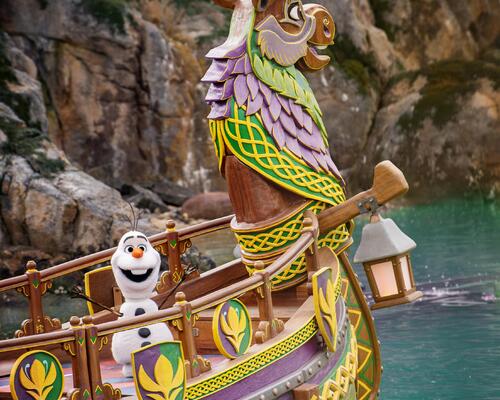
World of Frozen launches at Disneyland Paris
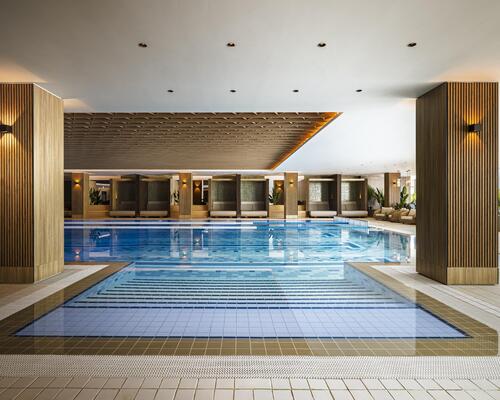
Pical Resort by Valamar reveals first Croatian spa under the ESPA brand

Mandarin Oriental creates end-to-end Egyptian journey with two new hotels and first-ever luxury river cruise

Designers Mendil + Meyer launch new division called Lām Concepts for strategic wellness projects
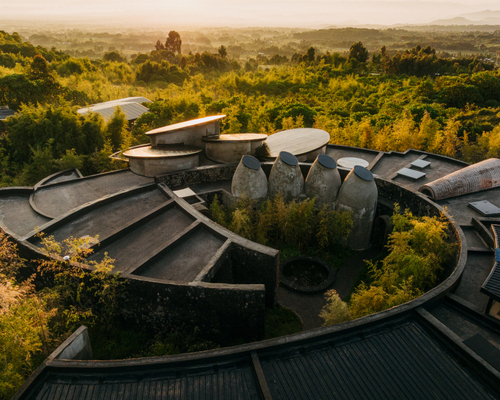
Wilderness Bisate in Rwanda reveals brand’s second Sanctuary spa
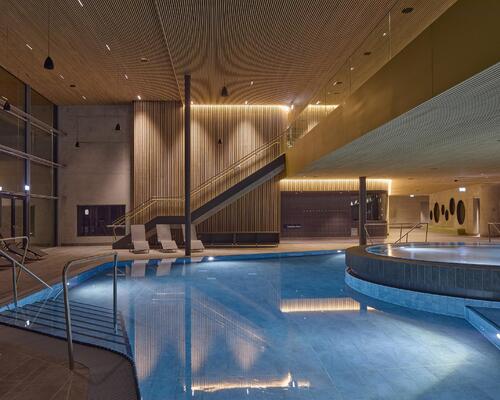
4a Architekten shares details of wellness extension at Salinarium Bad Dürkheim Thermal Spa
BodyHoliday plans 10-15 locations in the next 15 years
Floating wellbeing destination planned for London’s Royal Docks
Aman Group to open second Janu in Dubai with inaugural Janu Club