Opening session of Global Wellness Summit 2015 outlines challenges


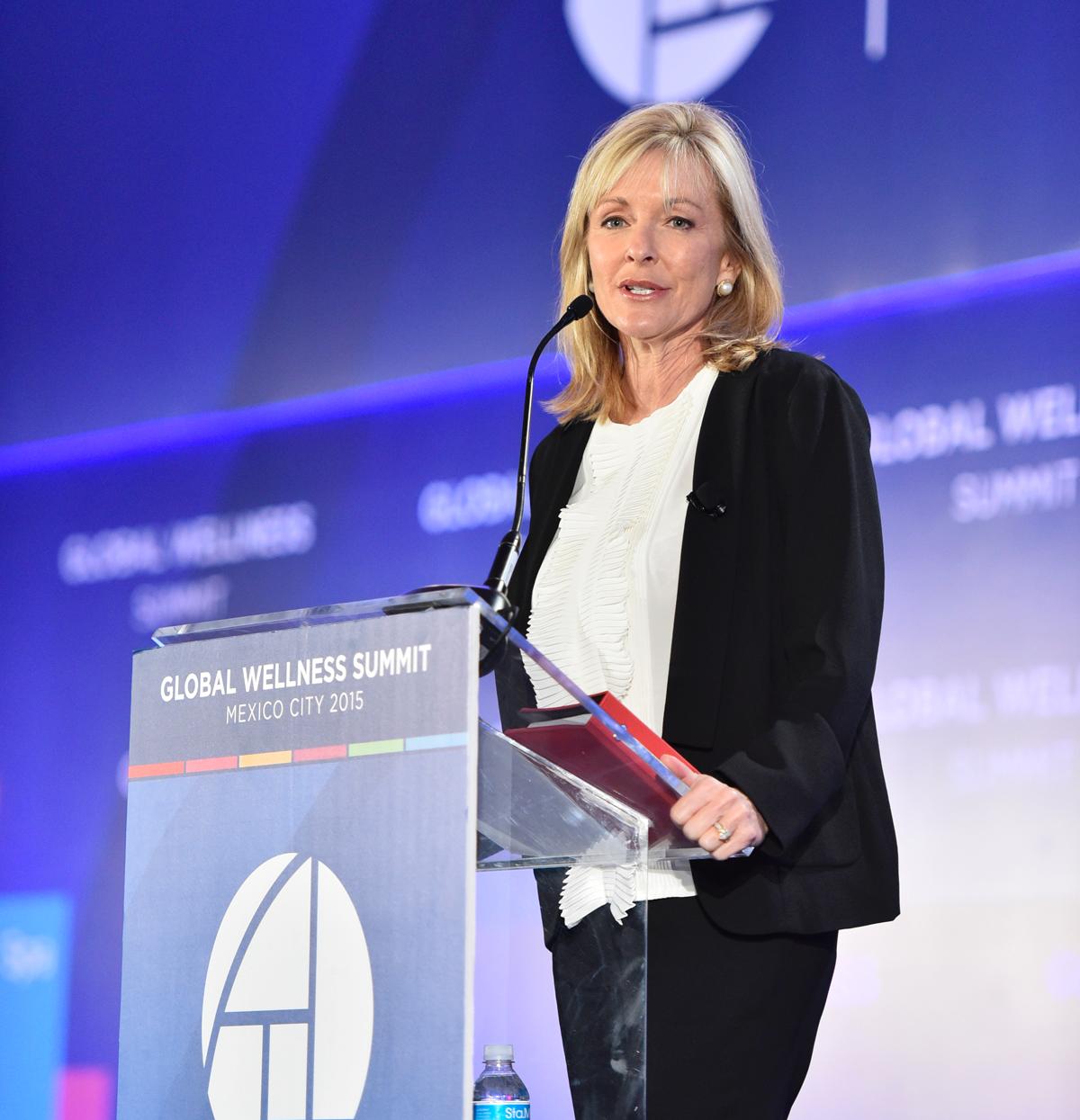
The Global Wellness Summit (GWS) kicked off in Mexico City today (13 November) with a welcome by film maker Louie Schwartzberg, who created inspiring film footage for the GWS audience, looking at the importance of finding focus in establishing your true path.
He said to build a well world, we have to find our focus and to do this we have to be grateful to be alive and to be part of nature.
Schwartzberg, the son of a holocaust survivor, believes people bounce back better from suffering when they have gratitude in their hearts. He said people yearn to live in communities which support them in leading meaningful lives.
"The task we have today is to understand the language of nature," he said, "we need to find commonality with the organisms that support us. If we don’t do this, we’ll not only destroy these organisms, we'll destroy ourselves.
“Nature is beauty’s tool for survival,” he said, “because we protect what we love, and this applies to ourselves and the earth – we must fight against industries which destroy our living planet.”
He said, everything in nature is composed of networks, nothing lives in isolation – we need to have a shift in consciousness to understand this.
Schwartzberg then led delegates in two minutes of energising dance to rousing cheers.
Chair, Susie Ellis, explained the change of name of the event from Global Spa Summit to Global Wellness Summit, saying it’s “an appropriate and purposeful evolution of our name and mission – we recognise the opportunities that open up for the industry as we cast a wider net.”
She said the GWS is galvinising the global movement to shape and define the wellness industry, which is currently worth US$3.4trillion and that the industry’s work in promoting prevention is vital.
“Educating people about healthy lifestyles is what we do well,” said Ellis, “and this extends to healthy travels, schools, workplaces and homes.
“We share a sense of purpose and responsibility - none of us can do this on our own. Standing together we can do so much more.”
The 2015 summit has a new focus on workplace wellness which is becoming more important. Another theme is medical and wellness worlds coming together.
Economist Thierry Malleret said the ageing world population, combined with growing obesity and ill health, will take us to a point where there will be no “other choice for the world but to make wellness mandatory.”
He said there are only two ways to overcome the challenge of ageing and ill health – a sudden increase in productivity triggered by technology or preventive healthcare to reduce costs through wellness. The first in uncertain, making the second – wellness – inevitable, in his view.
Ageing trumps other trends, he said, and is the single biggest biggest challenge. Many undeveloped countries are going to be old before they have the chance to become rich.
Maggie Hsu from Zappos talked about holacracy – an organisational system based on self management and transparent teamworking which Zappos is deploying.
She said working in a holacracy means playing to people’s strengths so each worker can have numerous roles within an organisation depending on their strengths and interests.
In a holacracy, everyone has a responsibility to sense gaps between what is and what could be and to take action to close it. Holacracy separates the work from the people.
Hzu said every time the size of a city doubles, innovation and productivity increases by 15 per cent, but when companies get bigger, innovation and productivity goes down. Zappos wants its organisation to function more like a city. Structures need to appear and disappear based on the forces that are acting on the organisation at any one time. In a holacracy, everyone is responsible for innovation.
Samer Hamadeh founder and CEO of Zeel explained how the company has built its startup operation around home massage treatments which are booked online and delivered by pre-vetted and registered therapists.
He said 21 per cent of massages are booked after 9.00pm and 64 per cent after 5.00pm, when most spas are closed, so he believes the Zeel service is complementary to spas and has unlocked new potential demand.
In line with this, Hamadeh announced Zeel is working with spas on a programme called Zeel Professional which launched recently. The programme was piloted with Nic Ronco’s Yelo Spa which is using Zeel’s tech platform to optimise previously unfilled appointments each month.
Zeel coordiates therapists’ attendance and payment and Yelo Spa interviewed and trained Zeel massage therapists for this opportunity. Customers pay the operators’ price, but they’re using Zeel’s staff.
Zeel is also offering massage in the office in the form of a workplace wellness 'Zeel Massage' – 50,000 have already been delivered to companies such as Google, Zappos and Pinterest.
The company is also offering a “Massage Zeelot” membership which requires a monthly subscription. Members get a 15-25 per cent discount and a minimum of one massage a month. When they sign up, a massage table is shipped to their home. “We’re out to power massage everywhere,” he said.
He said although his business is disruptive, the economics are similar to spas, “but we pay therapists better.”
Neuroscientist Clauida Aguirre talked about the skin:brain connection, explaining that we are only beginning to understand the science of how the state of the skin affects and reflects our health. She said: “We wear our identity on our skin.”
Delegtes heard that there is a clear neurobiological difference between people who say they have sensitive skin and those who don’t, in terms of their brain response.
SRI International (SRI) revealed early findings from the Global Wellness Institute’s upcoming research report into wellness at work. The full report will be published in January 2016.
SRI’s Ophelia Yeung and Katherine Johnston said bad working conditions worldwide were undermining the wellness of the planet and productivity. Seventy-four per cent of people live on less than $3/day. Johnston said: “Wellness at work is the right to work in a manner that is healthy, safe, motivating and edifying. We are responsible for conducting work in a way that improves our wellness and the wellness of others.”
Their research found that existing workplace wellness schemes are valued by less than one in ten workers because they are suspicious of company’s motives in delivering them.
SRI found the lack of workplace wellness is costing the US $1,100b annually in health charges, $250bn in work-related injuries, $300b in stress at work and $550bn in disengagement at work
Workplace wellness is $40bn globally as an industry but SRI Yeung said many workplace wellness programmes miss the mark because they are seen as an HR function, instead of being integrated into the company culture. She said companies should adopt a wellness culture across the entire organisation. The workplace is an ideal place to form healthy habits.
SRI identified seven trends for the future of work:
1. Both companies and governments will demand change due to rising costs and worsening health.
2. Wellness at work is going to explode across the world in the coming 5-10 years: employers need to keep workers well to stay competitive
3. Workplace wellness programmes will disappear as we know them today - they will no longer exist as an HR function and in their place, companies will create a culture of wellness. Wellness will be imbedded in long-term strategy
4. People will take more responsibility for their own wellness and how work affects it. We are more aware of what parts of work make us unwell. We want to do work that brings us meaning, we want to be respected, treated and paid fairly, with a good work:life balance. People will look for areas they can take action in. As they become empowered they will no longer look so much to governments to take the lead.
5. Companies that do not provide well working environments will not be able to recruit and retain good people.
6. Doing right by employees and the community is good for business. People will be less interested in companies associated with the destruction of the environment or those that don’t treat their employees fairly.
7. Governments will become more aggressive about mandating wellness, including in the workplace.
BIG unveils Eve Music Hall as Croatia venue nears completion
Bob Rogers hands BRC to long-serving leadership team

Wellness care hospital opens in Vilnius with innovative spa and hospitality concept

Universal and Puy du Fou projects point to rise of Oxford–Cambridge corridor
A proposed Puy du Fou development near Bicester and Universal Destinations and Experiences’ planned resort in Bedford are emerging as part of a wider transformation of the Oxford–Cambridge Growth Corridor into a major centre for UK leisure and tourism investment.
For years, the corridor has been associated primarily with science, technology, housing and university-led economic growth. However, the clustering of large-scale visitor attraction projects along the
All-inclusive eco-wellness development Auko to open near Vietnam’s Son Doong caves
Shedd Aquarium upgrades its visitor experience with new Immersion Theater
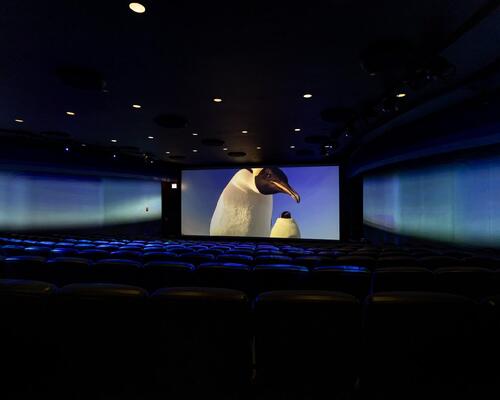
Shedd Aquarium has opened the Immersion Theater developed in partnership with SimEx-Iwerks, as part of a wider strategy to enhance the guest experience and create additional revenue opportunities.
The attraction has transformed the aquarium’s Phelps Auditorium into a multi-sensory venue combining panoramic projection, environmental effects and interactive technology.
A new pre-show area allows visitors to engage with augmented reality marine animals before entering the
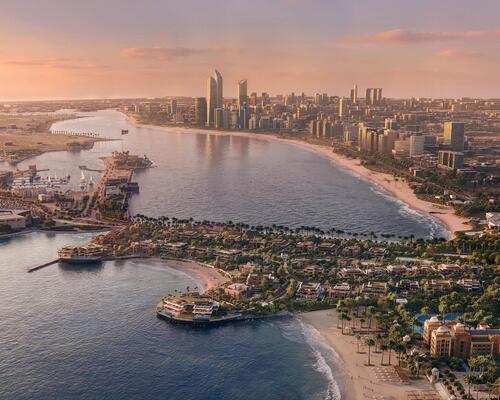
Mandarin Oriental announces standalone Mansions-branded residences for Abu Dhabi
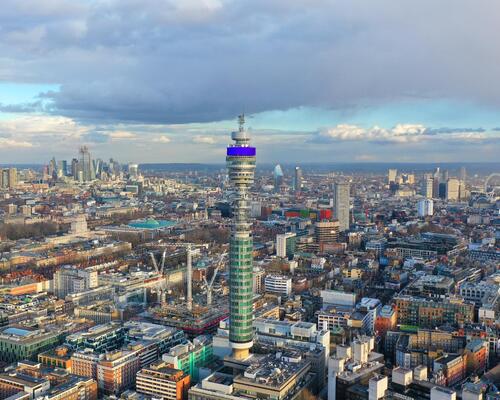
MCR is planning a luxury hotel for London's BT Tower
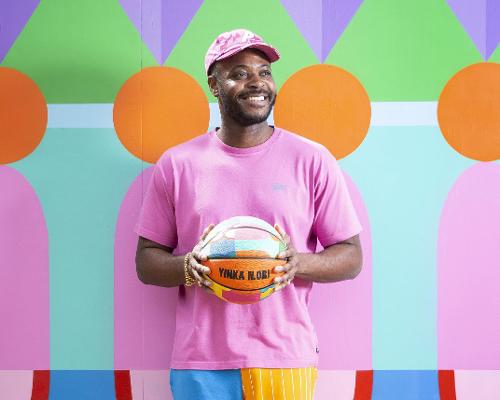
Joy as a radical act: Yinka Ilori launches solo exhibition celebrating the rebellious power of spreading happiness

Work gets underway on Madrid's €800 million leisure complex
Work is underway in Madrid on one of Europe’s most significant multi-functional complexes, combining sport, entertainment, culture and education.
The €800 million initiative to regenerate the former Olympic Aquatic Centre in the north-east of the city, next to the Riyadh Air Metropolitano stadium, is being led by Barsento – a joint venture between Live Nation Entertainment, Oak View Group and Atlético de Madrid. The project will
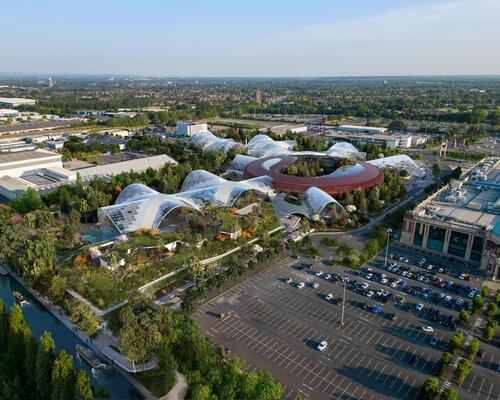
Therme Manchester reveals 90:90 strategy – 90 per cent of the UK population within a 90-minute drive of a Therme

Four Seasons’ Naples Beach Club opens 2,800sq m Sanctuary spa inspired by indigenous Calusa people
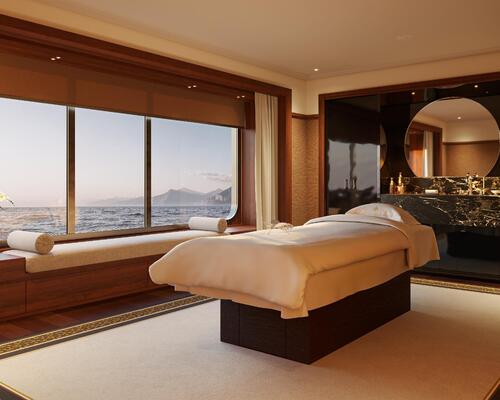
Orient Express Corinthian to host Ocean Rebirth wellness retreat in collaboration with Guerlain
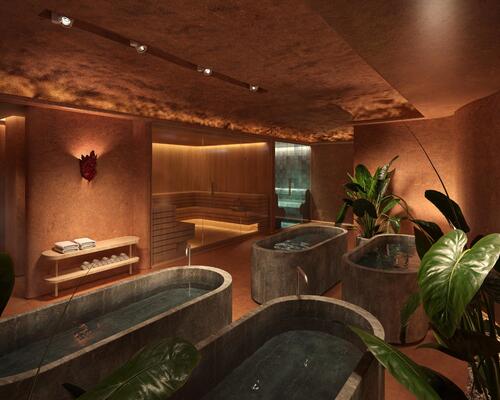
Famed London nightclub, Tramp, launches Tramp Health
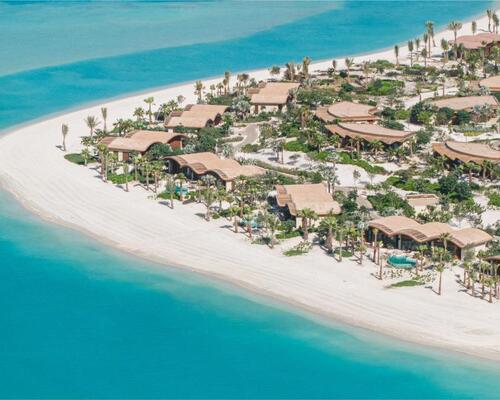
First look: Miraval opens on the Red Sea in Saudi Arabia

Hainan Science Museum by Ma Yansong, opens in China
A new science museum has opened to the public in Haikou after attracting more than 350,000 visitors during a four-month soft opening period.
Designed by Ma Yansong and his practice MAD Architects, the Hainan Science Museum is located on the edge of Wuyuan River National Wetland Park and has already recorded peak attendance of more than 5,800 visitors in a single day.
Commissioned by
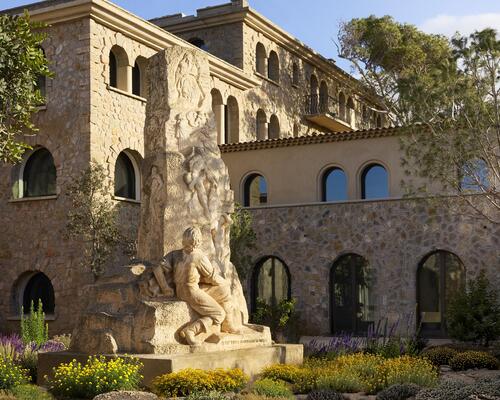
Zannier Île De Bendor launches with design by Hardel Le Bihan Architectes
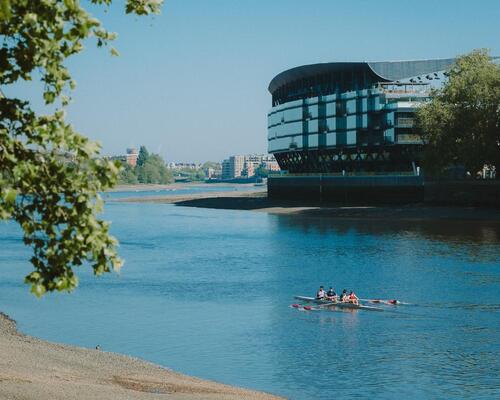
Sæl Spa readies for launch in London: “a modern British sanctuary”
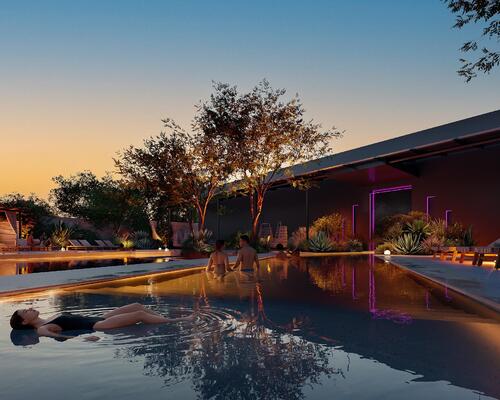
Immersive art bathhouse Submersive announces debut location in Austin

Construction begins on regenerative wellness destination The Shenandoah Nature Resort

Royal Caribbean reveals record-breaking cruise ship
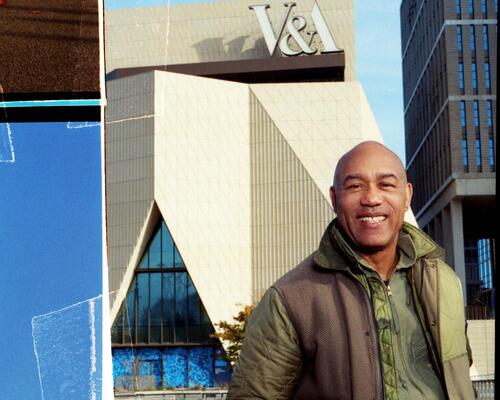
V&A East opens in London
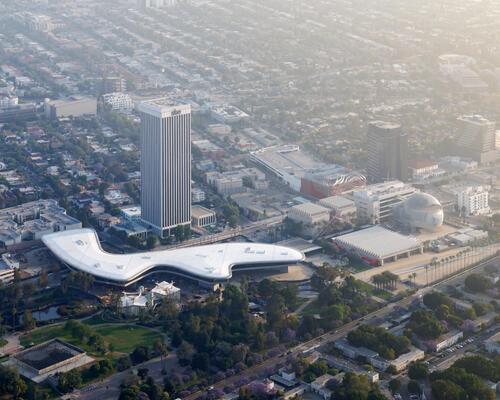
David Geffen galleries open at LACMA

New venue The Lands by Capella includes a longevity centre to complement sister hotel Capella Sydney

World of Frozen launches at Disneyland Paris
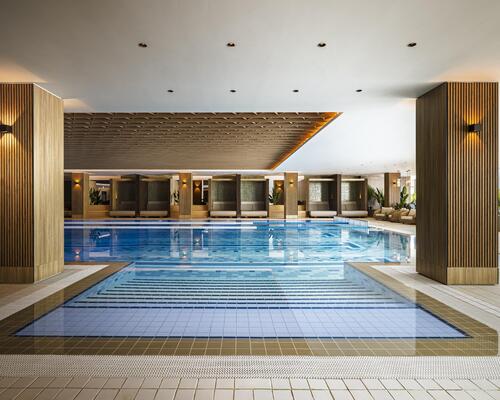
Pical Resort by Valamar reveals first Croatian spa under the ESPA brand

Mandarin Oriental creates end-to-end Egyptian journey with two new hotels and first-ever luxury river cruise

Designers Mendil + Meyer launch new division called Lām Concepts for strategic wellness projects
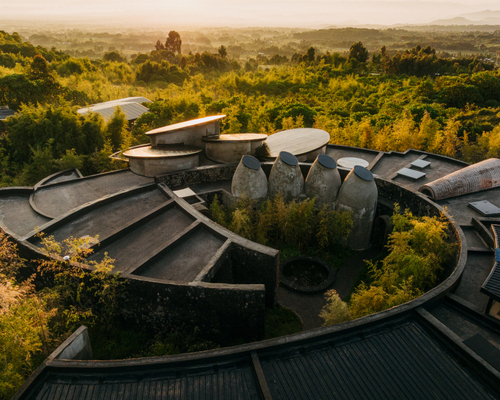
Wilderness Bisate in Rwanda reveals brand’s second Sanctuary spa
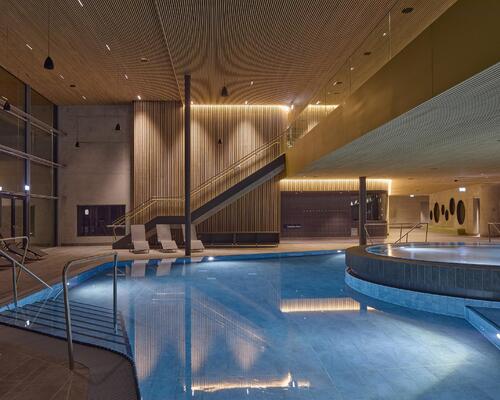
4a Architekten shares details of wellness extension at Salinarium Bad Dürkheim Thermal Spa






Designed to restore neglected land and renew the identity of Iraq’s capital city, Baghdad Sustainable Forests promises a new way of living surrounded by nature. Gensler’s Ian Mulcahay tells us why he thinks the project could become a model for the repair and enhancement of urban centres