Key strategies for wellness tourism growth revealed at GWTC in London
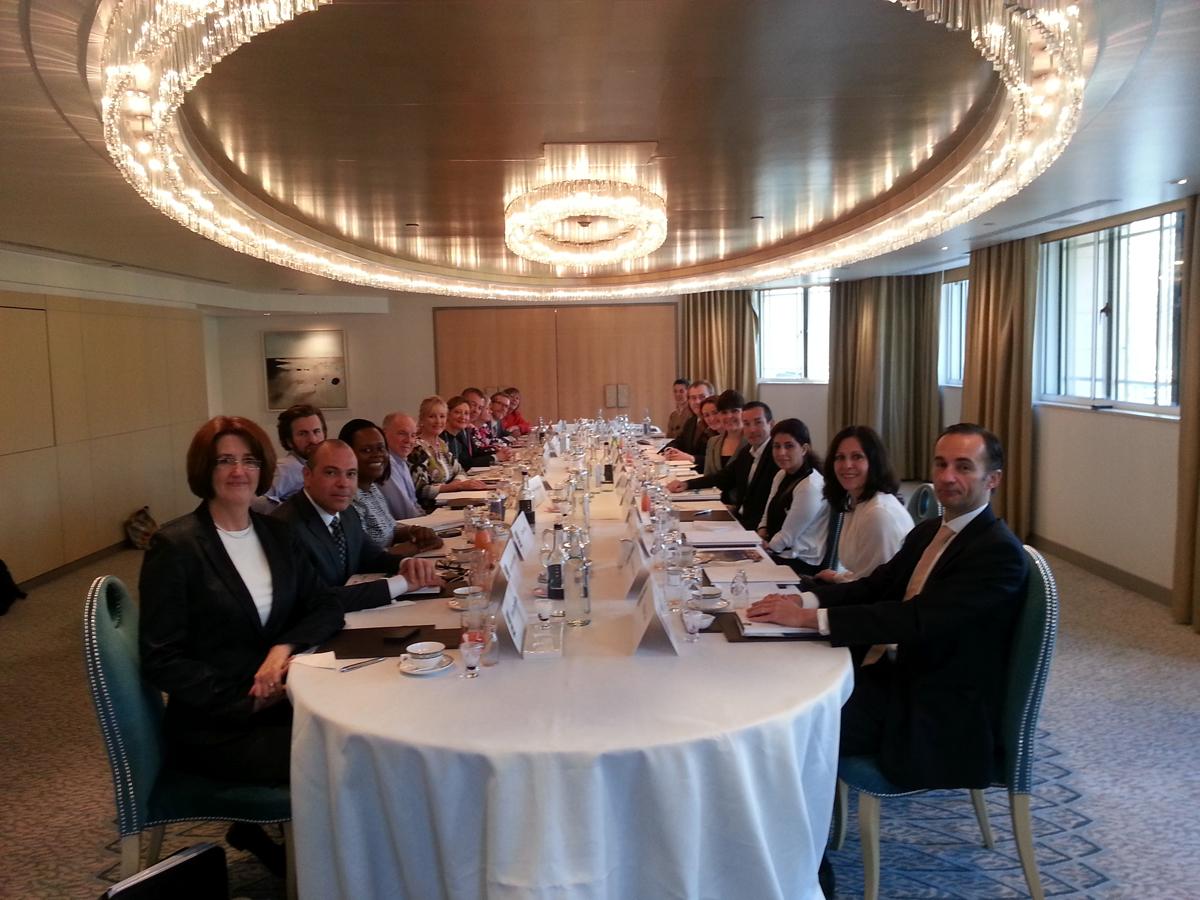
The Global Wellness Tourism Congress (GWTC) held its first roundtable in London on 1 April to plan the growth of the US$439bn (€317bn, £261bn) global wellness travel market.
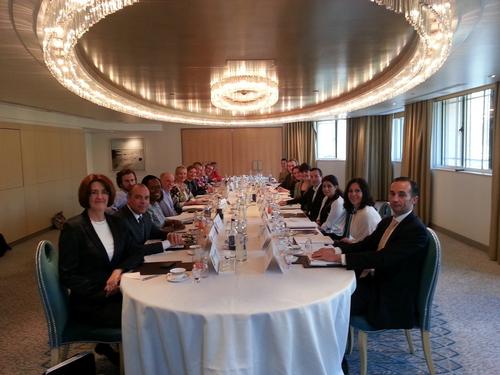
24 tourism board, travel and health leaders took part in a Q&A at the Dorchester hotel – the first of three meetings – moderated by GWTC executives Anni Hood and Susie Ellis. They discussed the different language necessary to promote wellness tourism to consumers and governments.
The umbrella term of “wellness tourism” doesn’t resonate with consumers, who need to know exactly what they can expect from a specific, tangible service – according to James Berresford, chief executive of VisitEngland.
Diane Bouzebiba, managing director of Amadeus UK and Ireland, argued that the wellness tourism industry must standardise its classifications of sub-products – such as hot springs, yoga retreats and weight loss resorts – so that consumers can use technology to search through clear categories. “We live in an age of extreme consumer search where travellers want agencies and websites to manage every aspect of their trip” she said.
Additionally, participants found that telling consumers they should embrace healthier travel options because of the perception that it will do them good is a strategy that often backfires. “Few people are interested in that, talk about having fun and making wellness tourism a core part of an enjoyable, aspirational lifestyle,” said Filipe Silva, director of Portuguese Tourism.
It was also agreed that industry stakeholders must make wellness tourism more mainstream and affordable. “Price perceptions must change so we can showcase this as a mainstream sector rather than a luxury niche – because too many people still believe the latter,” said Diane Bouzebiba.
The roundtable highlighted the key aspects of concern to cover when motivating governments to push for wellness tourism growth – the impact on local financial economy and jobs. “You have to give governments the empirical evidence for its value, but you have to get it down to their language – and the wellness tourism industry needs to get together and message the same things,” said Helen Marano, vice president of Government and Industry Affairs at WTTC.
Participants concurred that data from the “Global Wellness Tourism Economy” report – released in October 2013 – gives stakeholders substantial evidence in their case for industry growth. For example, the sector provides a world economic impact of US$1.3tn (€962bn, £809bn) and 12m jobs worldwide.
The congress attendees also said that there are not enough well-trained people to fill positions opening up in wellness tourism, calling for education infrastructure to be developed to meet demand. “Governments need to understand that tourism cannot be automated and a wellness sector cannot be automated,” said Ruiz de Lera of Spain Tourism.
Tourism directors highlighted the need to promote unique national wellness resources over copied inauthentic offerings, with Graham Wason, co-founder of All Being Well, saying: “You need to build on what you’re known for, and not pioneer too much.”
In Europe, “Alpine Wellness” is a USP for the Swiss wellness industry; Spain has a 3,000 year-old tradition of oil therapy, wine and spas; Portugal is planning to broadening the appeal of its natural thermal waters; and Finland focuses on sauna and its vast expanses of unspoiled nature.
Despite already representing one in every seven tourism dollars, the roundtable concluded that the wellness tourism industry is still very young. “It’s very fragmented, with great opportunity if we’re clear about what it is and train people to deliver within it, said Steve Brown, a founding director of Center Parcs.
Mike Greenacre, vice chairman of the Travel Foundation compared the wellness sector to the UK cruise industry, which has grown annual trips more than four-fold in the last 25 years: “We need to take a broader view of how the wellness tourism industry will develop over the next 2 to 3 decades.”
The two additional roundtables scheduled for the first half of 2014 will take place in New York city and Washington DC.
The GWTC falls under the umbrella of the Global Wellness Institute – an independent body which aims to help attract investment from outside the industry to support growth opportunities for the sector.
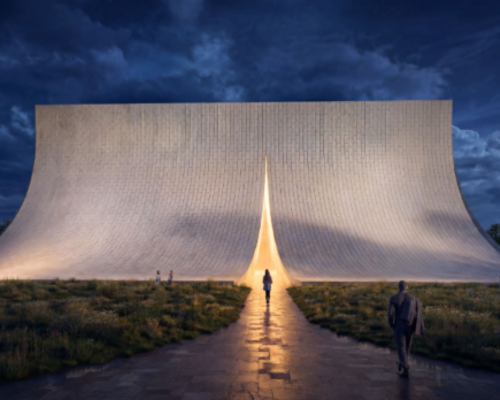
BIG unveils Eve Music Hall as Croatia venue nears completion


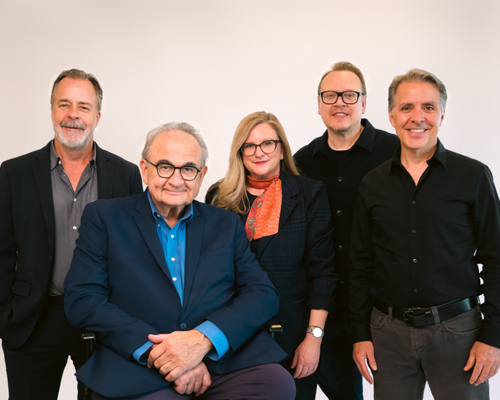
Bob Rogers hands BRC to long-serving leadership team

Wellness care hospital opens in Vilnius with innovative spa and hospitality concept

Universal and Puy du Fou projects point to rise of Oxford–Cambridge corridor
A proposed Puy du Fou development near Bicester and Universal Destinations and Experiences’ planned resort in Bedford are emerging as part of a wider transformation of the Oxford–Cambridge Growth Corridor into a major centre for UK leisure and tourism investment.
For years, the corridor has been associated primarily with science, technology, housing and university-led economic growth. However, the clustering of large-scale visitor attraction projects along the
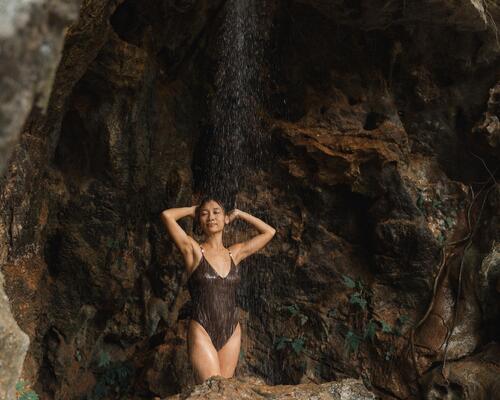
All-inclusive eco-wellness development Auko to open near Vietnam’s Son Doong caves
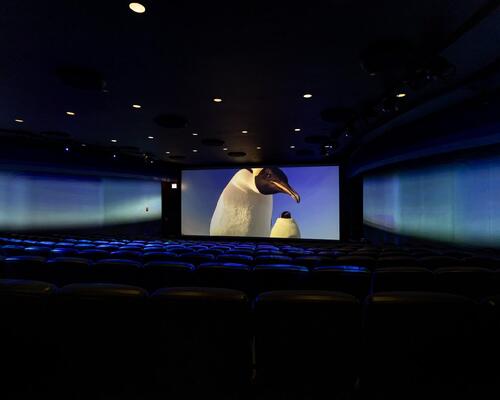
Shedd Aquarium upgrades its visitor experience with new Immersion Theater
Shedd Aquarium has opened the Immersion Theater developed in partnership with SimEx-Iwerks, as part of a wider strategy to enhance the guest experience and create additional revenue opportunities.
The attraction has transformed the aquarium’s Phelps Auditorium into a multi-sensory venue combining panoramic projection, environmental effects and interactive technology.
A new pre-show area allows visitors to engage with augmented reality marine animals before entering the
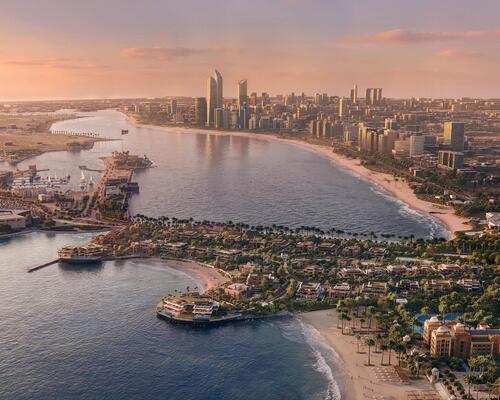
Mandarin Oriental announces standalone Mansions-branded residences for Abu Dhabi
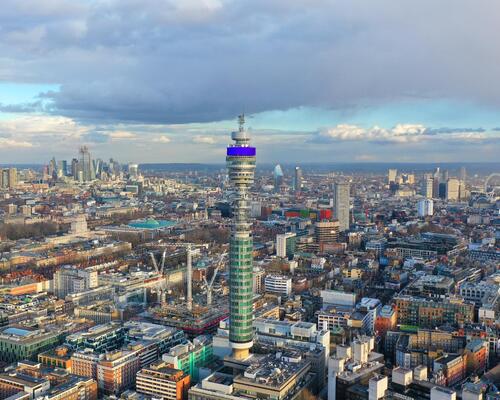
MCR is planning a luxury hotel for London's BT Tower
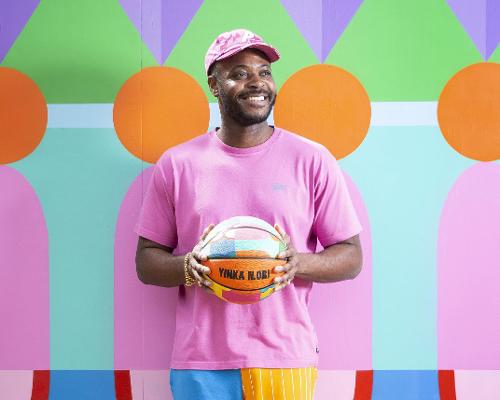
Joy as a radical act: Yinka Ilori launches solo exhibition celebrating the rebellious power of spreading happiness

Work gets underway on Madrid's €800 million leisure complex
Work is underway in Madrid on one of Europe’s most significant multi-functional complexes, combining sport, entertainment, culture and education.
The €800 million initiative to regenerate the former Olympic Aquatic Centre in the north-east of the city, next to the Riyadh Air Metropolitano stadium, is being led by Barsento – a joint venture between Live Nation Entertainment, Oak View Group and Atlético de Madrid. The project will
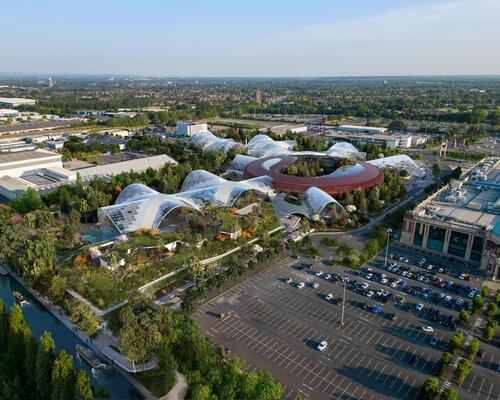
Therme Manchester reveals 90:90 strategy – 90 per cent of the UK population within a 90-minute drive of a Therme

Four Seasons’ Naples Beach Club opens 2,800sq m Sanctuary spa inspired by indigenous Calusa people
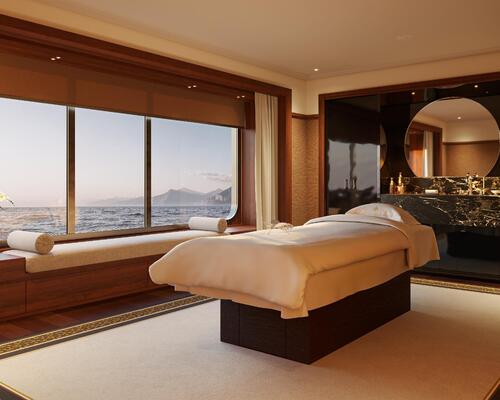
Orient Express Corinthian to host Ocean Rebirth wellness retreat in collaboration with Guerlain
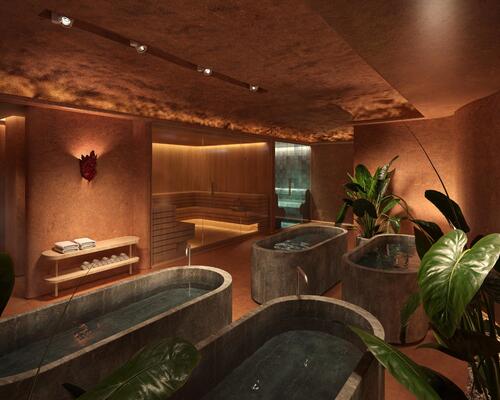
Famed London nightclub, Tramp, launches Tramp Health
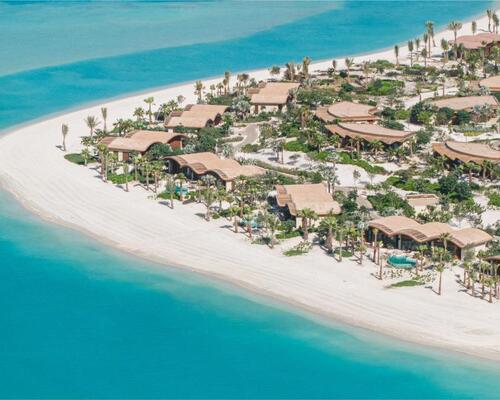
First look: Miraval opens on the Red Sea in Saudi Arabia

Hainan Science Museum by Ma Yansong, opens in China
A new science museum has opened to the public in Haikou after attracting more than 350,000 visitors during a four-month soft opening period.
Designed by Ma Yansong and his practice MAD Architects, the Hainan Science Museum is located on the edge of Wuyuan River National Wetland Park and has already recorded peak attendance of more than 5,800 visitors in a single day.
Commissioned by
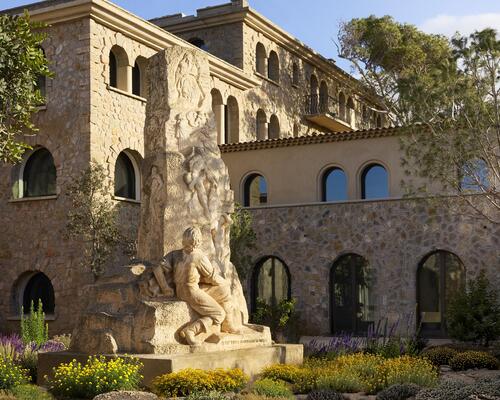
Zannier Île De Bendor launches with design by Hardel Le Bihan Architectes
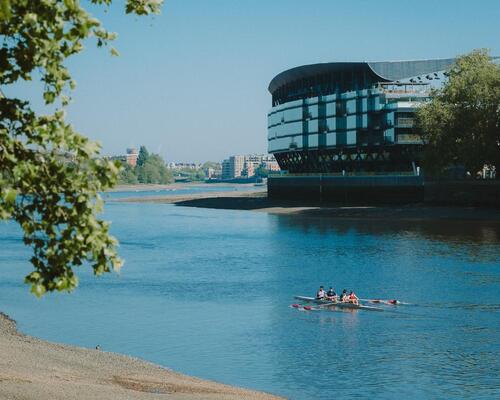
Sæl Spa readies for launch in London: “a modern British sanctuary”
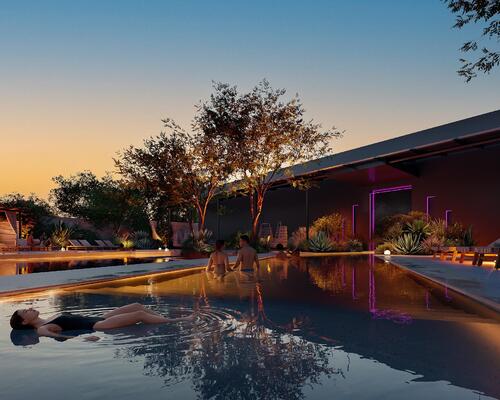
Immersive art bathhouse Submersive announces debut location in Austin

Construction begins on regenerative wellness destination The Shenandoah Nature Resort

Royal Caribbean reveals record-breaking cruise ship
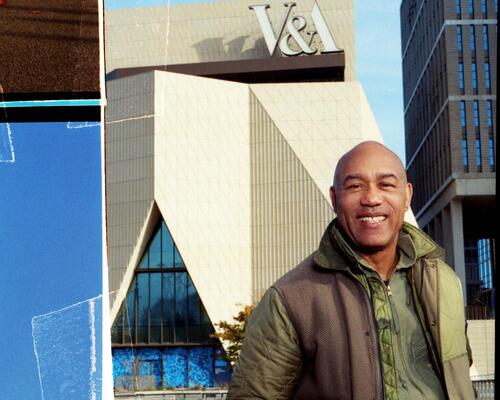
V&A East opens in London
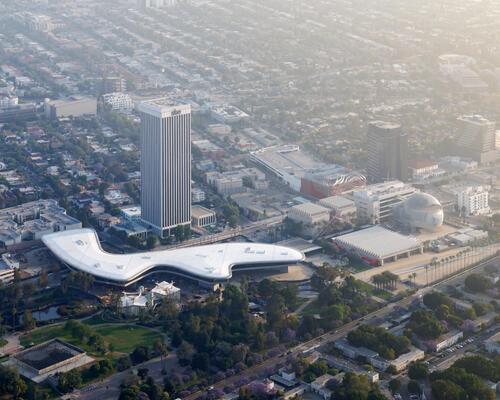
David Geffen galleries open at LACMA

New venue The Lands by Capella includes a longevity centre to complement sister hotel Capella Sydney
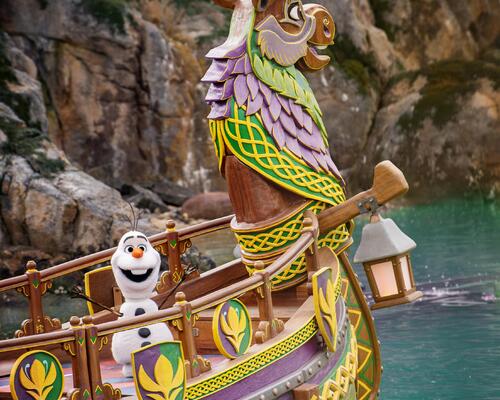
World of Frozen launches at Disneyland Paris
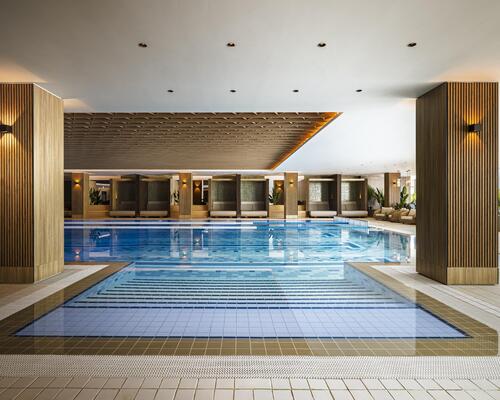
Pical Resort by Valamar reveals first Croatian spa under the ESPA brand

Mandarin Oriental creates end-to-end Egyptian journey with two new hotels and first-ever luxury river cruise

Designers Mendil + Meyer launch new division called Lām Concepts for strategic wellness projects
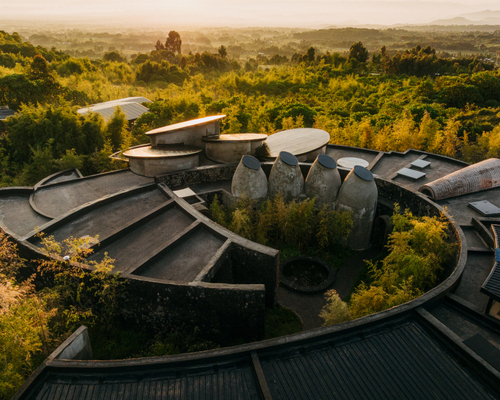
Wilderness Bisate in Rwanda reveals brand’s second Sanctuary spa
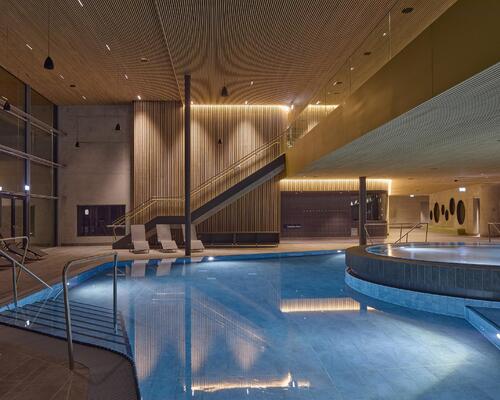
4a Architekten shares details of wellness extension at Salinarium Bad Dürkheim Thermal Spa