Qatar World Cup to be held in November/December

The 2022 FIFA World Cup in Qatar will take place in November and December – despite fierce opposition to the timing from major European football leagues.
Temperatures in Qatar during June and July – the traditional timing for the World Cup – can reach 50C, making elite outdoor sport of any kind impossible in the country. Temperatures in November-December, however, drop to the more manageable mid-20s.
The decision for an end-of-year tournament has angered Europe's top leagues, which preferred an April-May option to minimise disruption to their domestic programmes.
Karl-Heinz Rummenigge, chair of the European Clubs' Association, warned there would be a financial cost for FIFA in forcing Europe's leagues to amend their seasons.
"For the football family, the rescheduling of the FIFA World Cup 2022 presents a difficult and challenging task," he said.
"All match calendars across the world will have to accommodate such tournament in 2022-23, which requires everyone's willingness to compromise.
"However, the European clubs and leagues cannot be expected to bear the costs for such rescheduling. We expect the clubs to be compensated for the damage that a final decision would cause."
It is the latest in a string of contentious decisions made by FIFA relating to Qatar’s successful – but highly controversial – bid to host the event.
FIFA’s logic to award the tournament to a nation with extreme summer temperatures and limited sporting infrastructure has been questioned from the very beginning.
An earlier suggestion by Qatari officials to host games in air-conditioned stadiums were dismissed as “ludicrous” due to environmental concerns.
There have also been widespread accusations of corruption surrounding the Qatar bid – although FIFA’s investigation into its own dealings found “no evidence to strip Qatar of its right to host the tournament”.
Furthermore, Qatar’s track record on human rights has been brought into question, as hundreds of migrant workers have died in the efforts to build the infrastructure needed to host a successful World Cup.
A report by international law firm DLA Piper called on Qatar to improve workers’ rights and bring an end to the much-criticised “kafala” system that ties workers in many Arab nations to their employers.
Qatar currently has the highest percentage of migrant workers in the world – 85 per cent of the total population – according to the UN Special Rapporteur’s Report on the Human Rights of Migrants.
The confirmation of a November/December World Cup is now expected to be ratified by FIFA's executive committee in Zürich on 19 March.
Qatar to host stadium construction expo in June
Qatar reveals third stadium for 2022 World Cup
Qatar cleared of World Cup corruption charges by FIFA while England 'violated bidding rules'
Qatar reveals designs for World Cup 2022 stadium

AI firm Midjourney enters wellness with spa, fitness and body scanning concept


Hot spring wellness community Ameyalli sells residences and breaks ground on resort and spa

OMA completes New Museum transformation with landmark expansion and Oberon restaurant
OMA has completed a major transformation of New York's New Museum, creating a larger cultural campus that combines expanded exhibition spaces with learning, performance, hospitality and public programming. The latest addition, Oberon, extends the visitor experience beyond the gallery, reflecting a growing trend for museums to become all-day destinations.
The New Museum in New York has entered a new chapter with the completion of a major
David Rockwell creates immersive magic destination, The Hand and The Eye
Montana Heritage Center by Cushing Terrell opens after US$107 million investment

Universal launches new theme park model with Kids Resort
'Minor wellness hotels' recorded the strongest growth across top KPIs in 2025, finds RLA Global
Great Barrier Reef attraction set for AU$180 million reinvention
Fairmont Cheshire, The Mere, has architecture by Leach Rhodes Walker and interiors by Bergman Design House.
Marriott International partners with Fitwel for wellness solutions across its residential portfolio
Preidlhof Luxury DolceVita Resort to unveil new spa in February 2027
Places Leisure is working with Roberts Limbrick to build £60m wellness flagship in Basingstoke
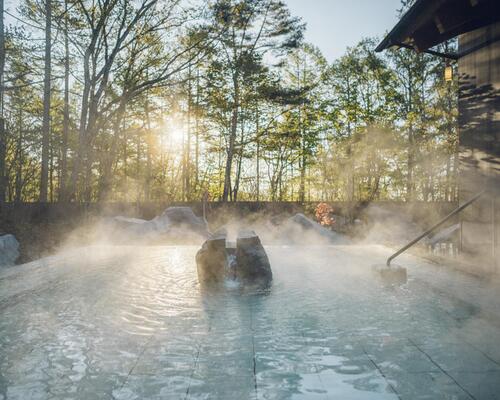
Hoshino Resorts opens Kai Kusatsu as it expands the Kai onsen ryokan brand
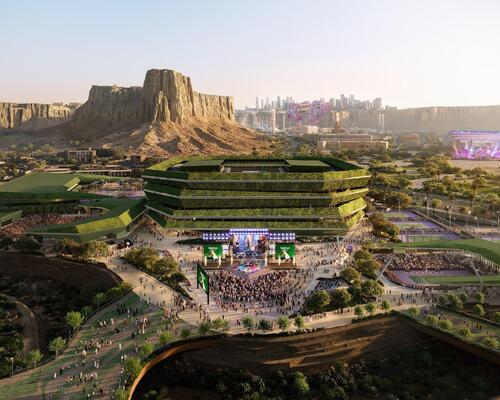
Qiddiya and Populous share details of Saudi Arabia’s National Tennis Centre

Disney confirms US$30 billion investment programme as it highlights its economic impact
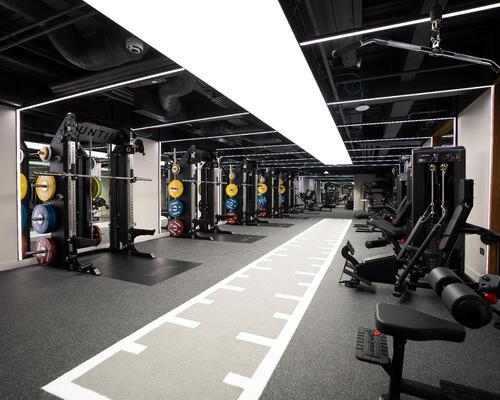
Until combines multiple disciplines at new Canary Wharf club
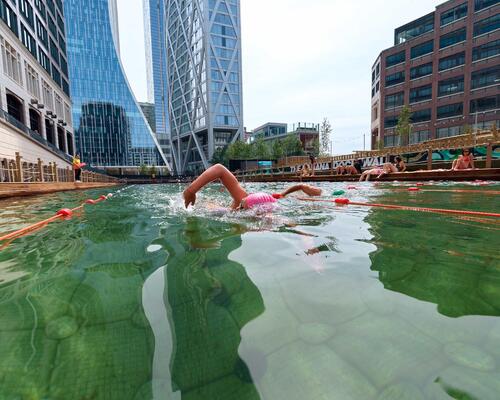
Sea Lanes opens following a partnership between The Eden Project and Canary Wharf Group
Bas Smets brings water and wilderness to Vitra
Expo 2030 Riyadh will create a permanent global destination
Luxury resort coming to Hunter Valley will have longevity spa
'Data chocolate', dreams made real and artworks shaped by visitors’ emotions: Refik Anadol’s AI art museum launches in Los Angeles
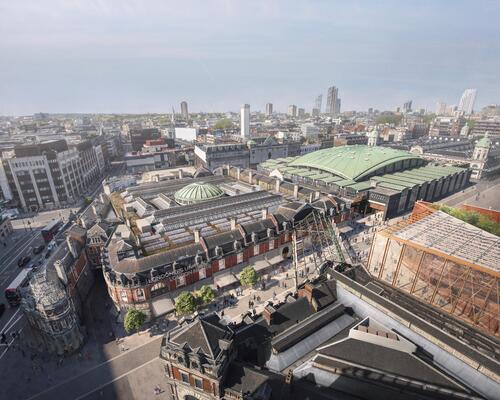
London Museum reveals 2026 opening date for new Smithfield home
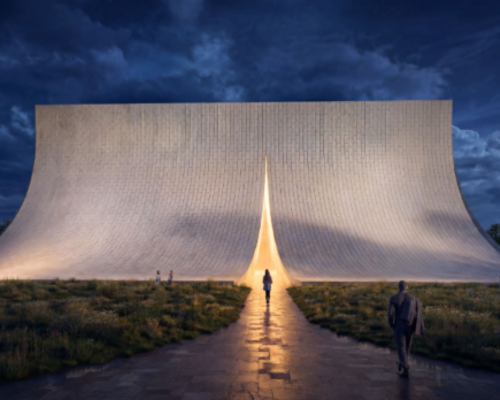
BIG unveils Eve Music Hall as Croatia venue nears completion
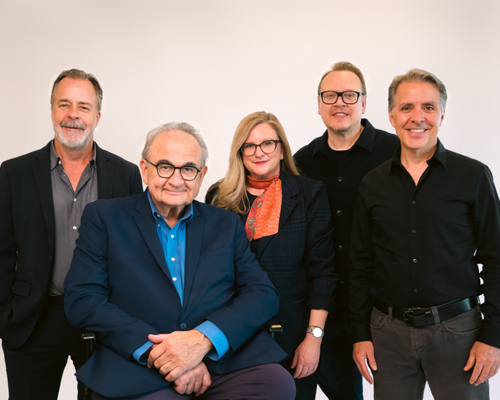
Bob Rogers hands BRC to long-serving leadership team

Palazzo di Varignana launches family wellbeing and longevity retreat in Emilia Romagna
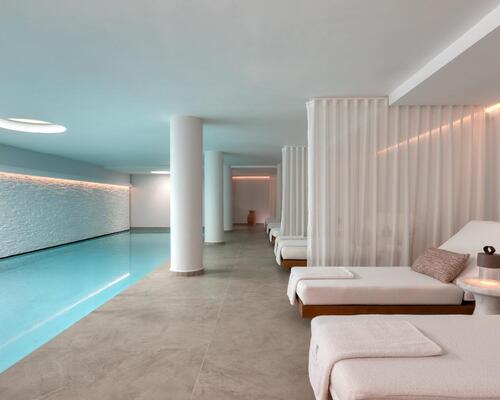
Anasa Wellness and Spa debuts at Patmos Aktis as it joins Marriott
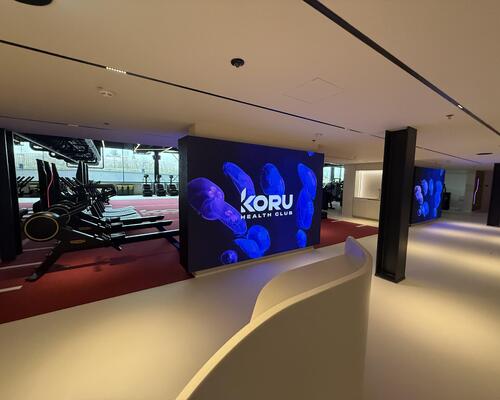
Design-led Koru Health Club combines high-performance training with recovery

Wellness care hospital opens in Vilnius with innovative spa and hospitality concept
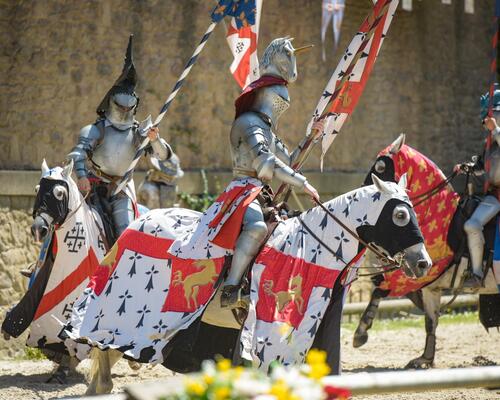
Universal and Puy du Fou projects point to rise of Oxford–Cambridge corridor
A proposed Puy du Fou development near Bicester and Universal Destinations and Experiences’ planned resort in Bedford are emerging as part of a wider transformation of the Oxford–Cambridge Growth Corridor into a major centre for UK leisure and tourism investment.
For years, the corridor has been associated primarily with science, technology, housing and university-led economic growth. However, the clustering of large-scale visitor attraction projects along the
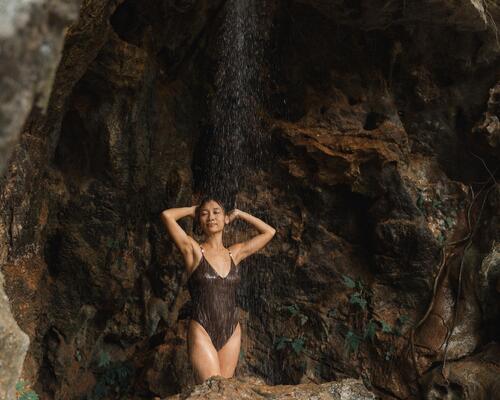
All-inclusive eco-wellness development Auko to open near Vietnam’s Son Doong caves




Designed to restore neglected land and renew the identity of Iraq’s capital city, Baghdad Sustainable Forests promises a new way of living surrounded by nature. Gensler’s Ian Mulcahay tells us why he thinks the project could become a model for the repair and enhancement of urban centres