WHO reveals shocking US$300bn inactivity timebomb


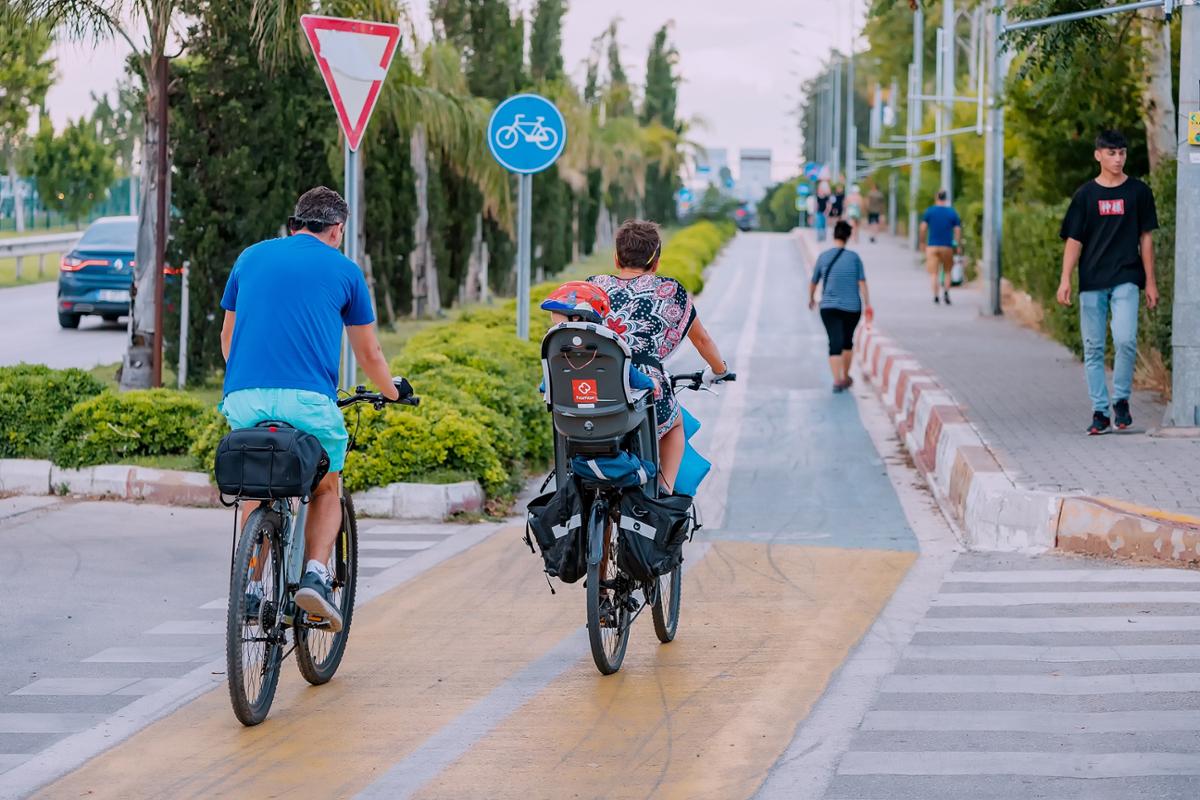
A new report from The World Health Organization (WHO), Global Status Report on Physical Activity 2022, has revealed that physical inactivity between 2020 and 2030 will result in almost 500m people developing a preventable, non-communicable disease (NCD), at a cost of US$300bn, if governments do not act urgently.
The report analysed data from 194 countries to check the extent to which governments are implementing policy recommendations for physical activity across all ages and abilities – as outlined in WHO’s Global Action Plan on Physical Activity (GAPPA) 2018–2030. It discovered that the global target of a 15 per cent reduction in the level of physical inactivity in adults will not be met if efforts aren’t accelerated.
This conclusion is partly due to WHO’s findings that 81 per cent of boys and girls aged 11-17 are engaging in less than an hour of physical activity each day, identifying an urgent need to scale and redouble efforts to meet the 15 per cent target. Those who meet recommended levels of physical activity – 300 minutes a week for adults – have a 20-30 per cent reduced risk of premature death.
Less than half of the 194 countries surveyed have a national physical activity policy. Out of those who do, less than 40 per cent are operational. Just 30 per cent of countries have national physical activity guidelines for all age groups. Adults are monitored in most countries, but only 75 per cent monitor physical activity in adolescents and less than 30 per cent monitor physical activity in children under five years of age.
“We need more countries to scale up implementation of policies to support people to be more active through walking, cycling, sport and other physical activity,” said Dr Tedros Adhanom Ghebreyesus, WHO director general. “The benefits are huge, not only for the physical and mental health of individuals but also for societies, environments and economies. We hope countries and partners will use this report to build more active, healthier and fairer societies for all.”
According to the WHO, NCDs are currently responsible for the death of 41m people each year. The main types are cardiovascular (such as heart attacks and strokes), which account for most deaths at 17.9m per year, cancers, chronic respiratory diseases (such as asthma) and diabetes.
The WHO predicts that two causes of new cases of NCDs – those developed 2020-2030 – will occur because of hypertension (47 per cent) and depression (43 per cent). “The new cases of these two diseases will account for 22 per cent and 28 per cent respectively of total direct health care costs,” states the WHO. “Meanwhile 21 per cent of costs will be incurred for the treatment of dementia, even though this only accounts for 3 per cent of total preventable cases.” The cost is high due to the high-cost nature of dementia treatment.
The report underlines that around 7-8 per cent of all cases of cardiovascular disease, depression and dementia, and about 5 per cent of type-2 diabetes cases, could be prevented if people were more active.
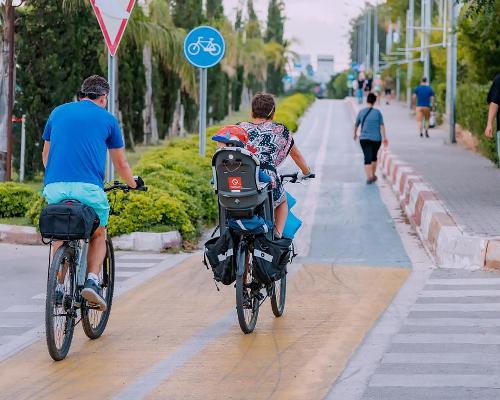
Some of the barriers to progression include: inequalities in levels of physical activity between women and men (which exist in most countries), girls and boys, old and young and the socioeconomically advantaged and disadvantaged; environments that are not conducive to activity – only 40 per cent of countries have road design standards that make walking and cycling safer; and the promotion of physical activity from healthcare providers as part of patient care.
The report also highlights that the economic impact of physical inactivity is “unequally distributed across regions” and is “disproportionate in relation to the disease burden”. The largest economic cost will occur among high-income countries, accounting for 70 per cent of expenditure.
To help countries increase levels of participation WHO set out evidence-based GAPPA policy areas in 2018: active societies, active environments, active people and active systems. However, while carrying out research for the new Global Status Report on Physical Activity 2022report, significant gaps in global data were found to exist, making it difficult to track progress on important policy actions, such as the provision of public open space, walking and cycling infrastructure and physical education in schools.
“We're missing globally approved indicators to measure access to parks, cycle lanes, foot paths – even though we know that data does exist in some countries – and consequently, we cannot report or track the global provision of infrastructure that will facilitate increases in physical activity,” said Dr Fiona Bull, head of WHO’s physical activity unit. “It can be a vicious circle, as no indicator and no data leads to no tracking and no accountability, and then too often, to no policy and no investment.
“What gets measured gets done, and we have some way to go to comprehensively and robustly track national actions on physical activity.”
WHO World Health Organization Tedros Adhanom Ghebreyesus Fiona BullNew Deloitte report finds the health and fitness sector contributes up to US$91.22bn a year to global GDP
Obesity causes 1.2m premature deaths a year in Europe, says World Health Organization
Prehab4Cancer programme cuts treatment time for cancer patients
Global Health and Fitness Alliance commissions Deloitte to prove the value of the sector
BIG unveils Eve Music Hall as Croatia venue nears completion
Bob Rogers hands BRC to long-serving leadership team

Wellness care hospital opens in Vilnius with innovative spa and hospitality concept

Universal and Puy du Fou projects point to rise of Oxford–Cambridge corridor
A proposed Puy du Fou development near Bicester and Universal Destinations and Experiences’ planned resort in Bedford are emerging as part of a wider transformation of the Oxford–Cambridge Growth Corridor into a major centre for UK leisure and tourism investment.
For years, the corridor has been associated primarily with science, technology, housing and university-led economic growth. However, the clustering of large-scale visitor attraction projects along the

All-inclusive eco-wellness development Auko to open near Vietnam’s Son Doong caves
Shedd Aquarium upgrades its visitor experience with new Immersion Theater
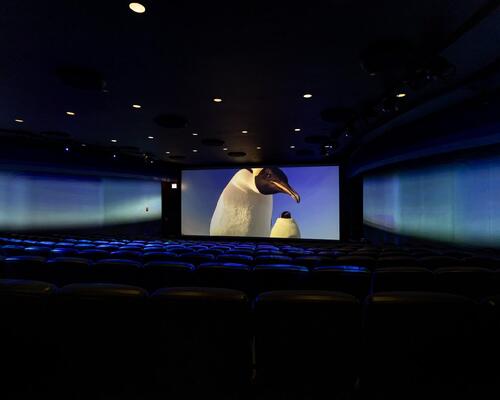
Shedd Aquarium has opened the Immersion Theater developed in partnership with SimEx-Iwerks, as part of a wider strategy to enhance the guest experience and create additional revenue opportunities.
The attraction has transformed the aquarium’s Phelps Auditorium into a multi-sensory venue combining panoramic projection, environmental effects and interactive technology.
A new pre-show area allows visitors to engage with augmented reality marine animals before entering the
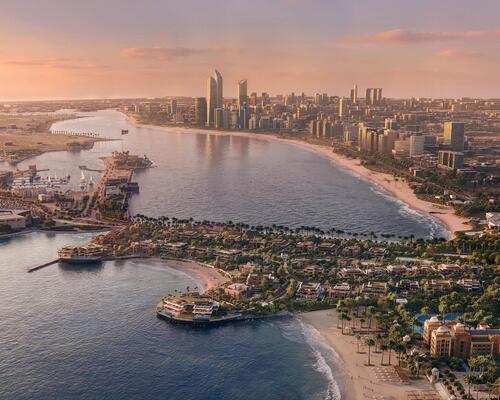
Mandarin Oriental announces standalone Mansions-branded residences for Abu Dhabi
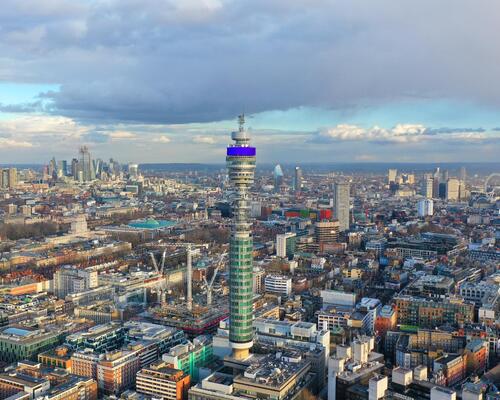
MCR is planning a luxury hotel for London's BT Tower
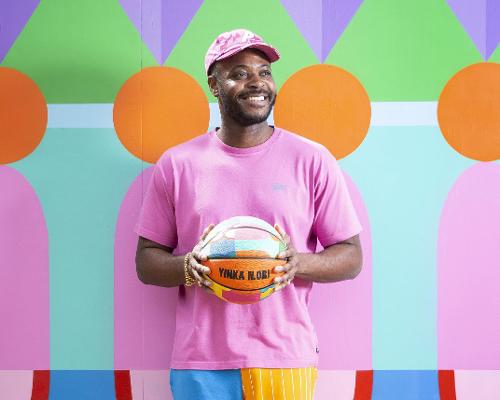
Joy as a radical act: Yinka Ilori launches solo exhibition celebrating the rebellious power of spreading happiness

Work gets underway on Madrid's €800 million leisure complex
Work is underway in Madrid on one of Europe’s most significant multi-functional complexes, combining sport, entertainment, culture and education.
The €800 million initiative to regenerate the former Olympic Aquatic Centre in the north-east of the city, next to the Riyadh Air Metropolitano stadium, is being led by Barsento – a joint venture between Live Nation Entertainment, Oak View Group and Atlético de Madrid. The project will
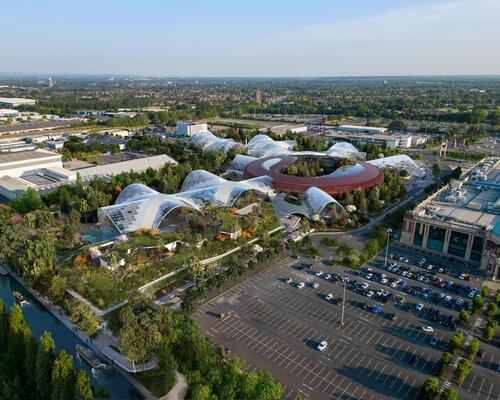
Therme Manchester reveals 90:90 strategy – 90 per cent of the UK population within a 90-minute drive of a Therme

Four Seasons’ Naples Beach Club opens 2,800sq m Sanctuary spa inspired by indigenous Calusa people
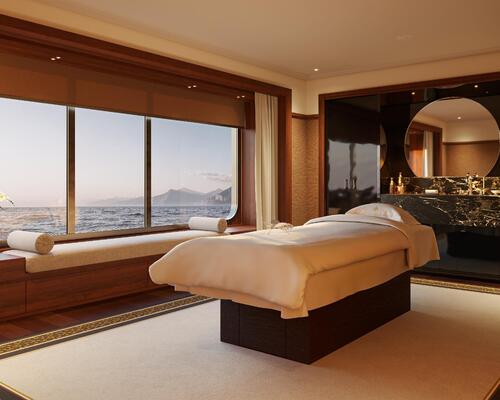
Orient Express Corinthian to host Ocean Rebirth wellness retreat in collaboration with Guerlain
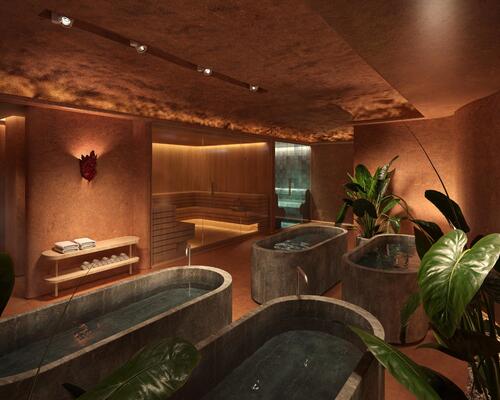
Famed London nightclub, Tramp, launches Tramp Health
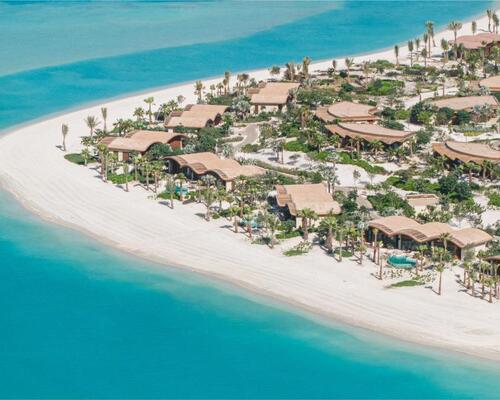
First look: Miraval opens on the Red Sea in Saudi Arabia

Hainan Science Museum by Ma Yansong, opens in China
A new science museum has opened to the public in Haikou after attracting more than 350,000 visitors during a four-month soft opening period.
Designed by Ma Yansong and his practice MAD Architects, the Hainan Science Museum is located on the edge of Wuyuan River National Wetland Park and has already recorded peak attendance of more than 5,800 visitors in a single day.
Commissioned by
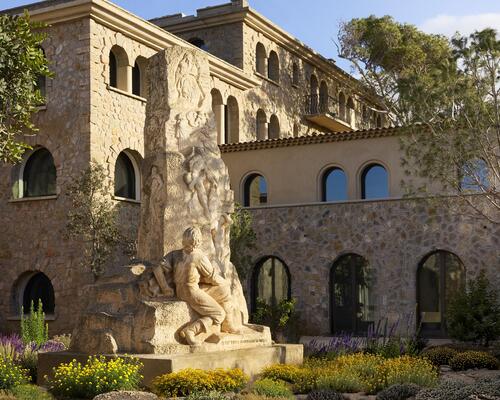
Zannier Île De Bendor launches with design by Hardel Le Bihan Architectes
Sæl Spa readies for launch in London: “a modern British sanctuary”
Immersive art bathhouse Submersive announces debut location in Austin

Construction begins on regenerative wellness destination The Shenandoah Nature Resort

Royal Caribbean reveals record-breaking cruise ship

V&A East opens in London

David Geffen galleries open at LACMA

New venue The Lands by Capella includes a longevity centre to complement sister hotel Capella Sydney

World of Frozen launches at Disneyland Paris
Pical Resort by Valamar reveals first Croatian spa under the ESPA brand

Mandarin Oriental creates end-to-end Egyptian journey with two new hotels and first-ever luxury river cruise

Designers Mendil + Meyer launch new division called Lām Concepts for strategic wellness projects
Wilderness Bisate in Rwanda reveals brand’s second Sanctuary spa
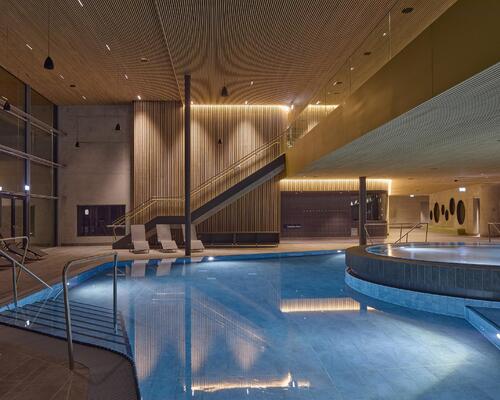
4a Architekten shares details of wellness extension at Salinarium Bad Dürkheim Thermal Spa







Designed to restore neglected land and renew the identity of Iraq’s capital city, Baghdad Sustainable Forests promises a new way of living surrounded by nature. Gensler’s Ian Mulcahay tells us why he thinks the project could become a model for the repair and enhancement of urban centres