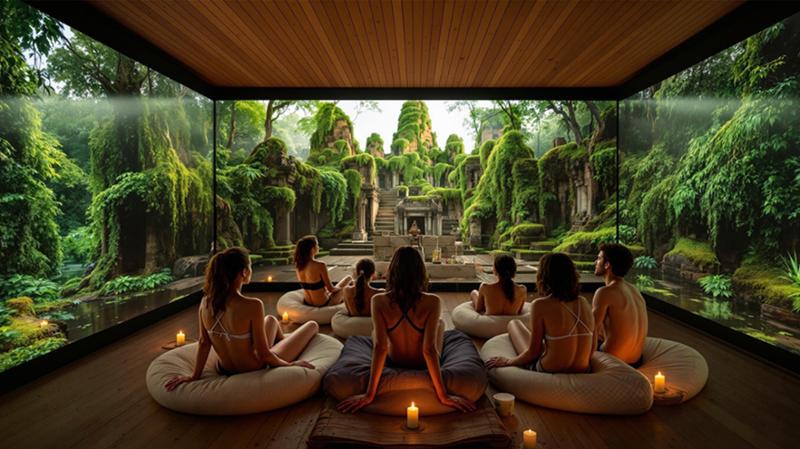
McKinsey releases 2024 wellness market report. Identifies areas for disruption



According to McKinsey’s latest report, The trends defining the US$1.8 trillion global wellness market in 2024, the market for wellness is being driven by consumers taking more control of their health.
The report is based on insight from McKinsey's latest Future of Wellness survey, which was carried out in August 2023, when researchers questioned 5,000 consumers across China, the UK and the US.
They found the US wellness market has reached a value of US$480 billion a year and is growing at 5 to 10 per cent annually.
Eighty seven per cent of Chinese consumers consider wellness a top or important priority in their lives, compared to 82 per cent in the US and 73 per cent in the UK.
Gen Z and Millennial customers are the most wellness-conscious, buying more products and services than older generations.
Improving appearance is cited as the most important motivator, followed by gaining better health and fitness, improving nutrition, sleep and mindfulness.
The pandemic got consumers used to home-testing for COVID-19 and now they're interested in doing additional at-home diagnostics, for example, for vitamin and mineral deficiencies, cold and flu diagnostics and cholesterol. In China some people have even replaced in-person healthcare appointments with at-home tests, says McKinsey.
A new era for biomonitoring and wearables is here as the technology evolves, with biometric rings to measure sleep quality and continuous glucose monitors now available that can be applied on the back of the arm.
Around half of consumers surveyed have purchased a fitness wearable at some point, while 75 per cent are open to using one in the future and a third used their devices more this year than last year.
McKinsey says there is still a gap in the market for wearables to aid with nutrition, weight management, mindfulness and behaviour change. Data privacy and clear insights are most important, with overly complicated information being off putting.
Technological advancements and first-party data is giving personalisation a new edge. Around 20 per cent of UK consumers and 30 per cent of US and Chinese consumers are looking for personalised products and services which use biometric data to provide recommendations. Generative AI could play a greater role here.
Last year consumers showed a shift from clean or natural ingredients to clinically proven ones, particularly in over-the-counter medications, vitamins and supplements. Companies that who have built a brand around natural products may want to seek out third-party certifications to substantiate their claims.
Consumers are done with healthwashing (deceptive marketing which positions a product as healthier than it is) and healthcare provider recommendations are rising in importance, especially around mindfulness and sleep interventions.
Seven areas of growth have been identified in the wellness sector:
1. The sale of women’s health products is on the rise, with the highest spend being on menopause and pregnancy-related products. To date menopause has been an overlooked segment.
2. Demand for healthy aging and longevity products and services is increasing, propelled by a shift towards preventative medicine. Around 70 per cent of consumers in the UK and US, and 85 per cent in China, have purchased a product in this category over the past year.
By 2030 one in six people in the world will be aged over 60, so there will be a greater focus on healthy aging, with younger people looking for preventative solutions and older people seeking to improve their longevity.
3. Weight management is still top of mind, with 60 per cent of US consumers trying to lose weight.
Exercise was the most reported intervention, but more than 50 per cent of US consumers are considering taking prescription weight loss medication.
This was less in the UK and China, with fewer than 30 per cent considering weight loss drugs to be effective.
McKinsey says it's too early to say how the use of weight loss drugs will impact the broader health and wellness market.
4. Fitness is now a priority for many consumers, with around 50 per cent of gym-goers saying it's a core part of their identity.
With more choices, the health and fitness market is getting more competitive. McKinsey recommends building strong communities by delivering experiences such as retreats, nutritional coaching and personalised workout plans, possibly informed by AI.
5. Awareness of the importance of gut health is growing, with more than 80 per cent of consumers appreciating its importance and more than 50 per cent planning to make it a higher priority in the next few years. Over-the-counter probiotic supplements are popular, along with probiotic-rich foods such as yoghurt, kimchi and kombucha. Two potential areas for growth are at-home microbiome testing and personalised nutrition.
6. The market for sexual health products grew during the pandemic and this – coupled with an increase in the prevalence of conversations around sexual health challenges – is driving demand. More traditional retailers are selling sexual-health products and McKinsey says there's room for more disruptor brands.
7. Sleep ranks as the second-highest health and wellness priority for consumers and is also the area where consumers have the most unmet needs. Little has changed since last year when 37 per cent expressed a desire for more sleep and mindfulness products that address cognitive functioning, stress and anxiety management.
There is an opportunity for companies to address the pain points, delivering interventions that induce sleep, minimise sleep interruptions, ease wakefulness and improve sleep quality.
Footnote
More wellness insights will be available next week when Global Wellness Summit hosts a 2024 Trends and Research event and releases its global trends report The Future of Wellness for 2024.
McKinsey trends wellness gut health longevity sleep nutrition wearables sexual health weight management women’s healthCorporate wellness, sleep and indifference to ‘clean’ beauty: McKinsey research reveals six crucial US wellness trends
FEATURE: Industry insights – Trend watching
FEATURE: News report – Trend watching


BIG unveils Eve Music Hall as Croatia venue nears completion
Bob Rogers hands BRC to long-serving leadership team

Wellness care hospital opens in Vilnius with innovative spa and hospitality concept

Universal and Puy du Fou projects point to rise of Oxford–Cambridge corridor
A proposed Puy du Fou development near Bicester and Universal Destinations and Experiences’ planned resort in Bedford are emerging as part of a wider transformation of the Oxford–Cambridge Growth Corridor into a major centre for UK leisure and tourism investment.
For years, the corridor has been associated primarily with science, technology, housing and university-led economic growth. However, the clustering of large-scale visitor attraction projects along the

All-inclusive eco-wellness development Auko to open near Vietnam’s Son Doong caves

Shedd Aquarium upgrades its visitor experience with new Immersion Theater
Shedd Aquarium has opened the Immersion Theater developed in partnership with SimEx-Iwerks, as part of a wider strategy to enhance the guest experience and create additional revenue opportunities.
The attraction has transformed the aquarium’s Phelps Auditorium into a multi-sensory venue combining panoramic projection, environmental effects and interactive technology.
A new pre-show area allows visitors to engage with augmented reality marine animals before entering the

Mandarin Oriental announces standalone Mansions-branded residences for Abu Dhabi
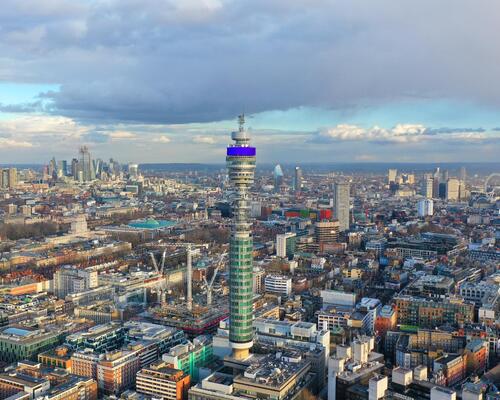
MCR is planning a luxury hotel for London's BT Tower
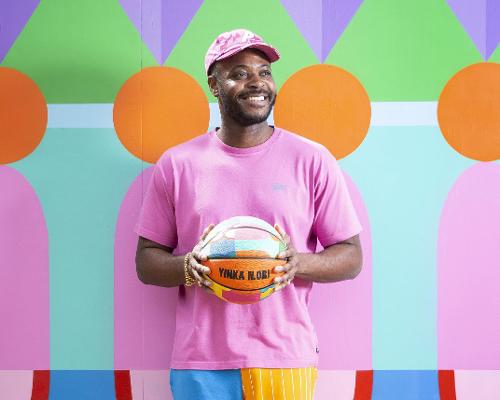
Joy as a radical act: Yinka Ilori launches solo exhibition celebrating the rebellious power of spreading happiness

Work gets underway on Madrid's €800 million leisure complex
Work is underway in Madrid on one of Europe’s most significant multi-functional complexes, combining sport, entertainment, culture and education.
The €800 million initiative to regenerate the former Olympic Aquatic Centre in the north-east of the city, next to the Riyadh Air Metropolitano stadium, is being led by Barsento – a joint venture between Live Nation Entertainment, Oak View Group and Atlético de Madrid. The project will
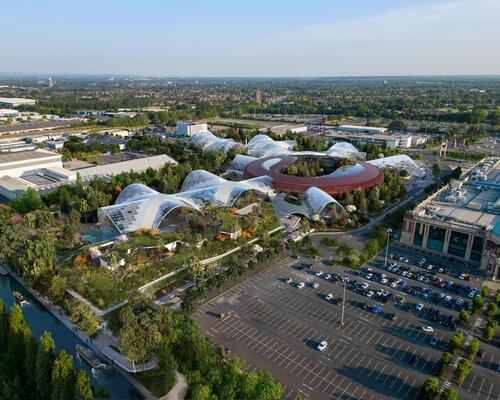
Therme Manchester reveals 90:90 strategy – 90 per cent of the UK population within a 90-minute drive of a Therme

Four Seasons’ Naples Beach Club opens 2,800sq m Sanctuary spa inspired by indigenous Calusa people
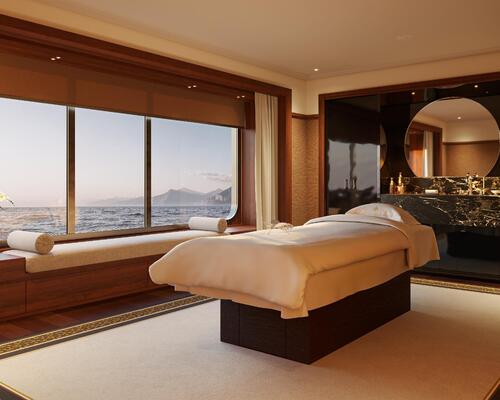
Orient Express Corinthian to host Ocean Rebirth wellness retreat in collaboration with Guerlain
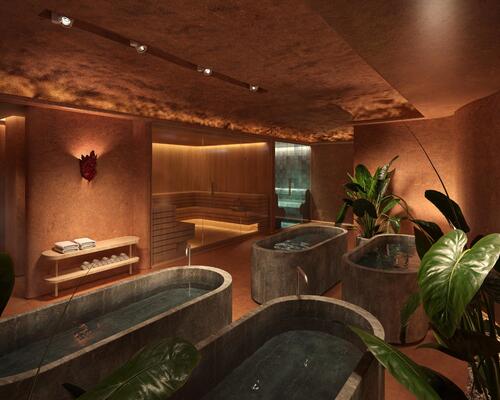
Famed London nightclub, Tramp, launches Tramp Health

First look: Miraval opens on the Red Sea in Saudi Arabia

Hainan Science Museum by Ma Yansong, opens in China
A new science museum has opened to the public in Haikou after attracting more than 350,000 visitors during a four-month soft opening period.
Designed by Ma Yansong and his practice MAD Architects, the Hainan Science Museum is located on the edge of Wuyuan River National Wetland Park and has already recorded peak attendance of more than 5,800 visitors in a single day.
Commissioned by

Zannier Île De Bendor launches with design by Hardel Le Bihan Architectes

Sæl Spa readies for launch in London: “a modern British sanctuary”
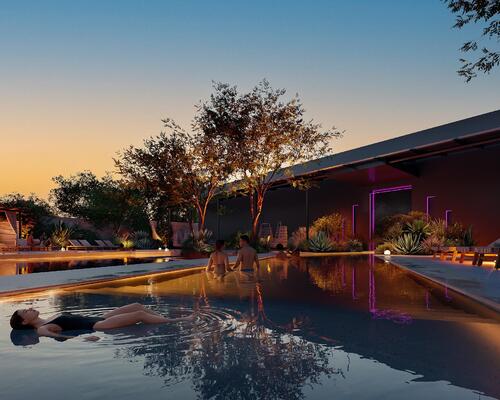
Immersive art bathhouse Submersive announces debut location in Austin

Construction begins on regenerative wellness destination The Shenandoah Nature Resort

Royal Caribbean reveals record-breaking cruise ship

V&A East opens in London

David Geffen galleries open at LACMA

New venue The Lands by Capella includes a longevity centre to complement sister hotel Capella Sydney

World of Frozen launches at Disneyland Paris
Pical Resort by Valamar reveals first Croatian spa under the ESPA brand

Mandarin Oriental creates end-to-end Egyptian journey with two new hotels and first-ever luxury river cruise

Designers Mendil + Meyer launch new division called Lām Concepts for strategic wellness projects
Wilderness Bisate in Rwanda reveals brand’s second Sanctuary spa
4a Architekten shares details of wellness extension at Salinarium Bad Dürkheim Thermal Spa









Designed to restore neglected land and renew the identity of Iraq’s capital city, Baghdad Sustainable Forests promises a new way of living surrounded by nature. Gensler’s Ian Mulcahay tells us why he thinks the project could become a model for the repair and enhancement of urban centres