Emerging tech studio Inition on the cutting-edge of virtual reality


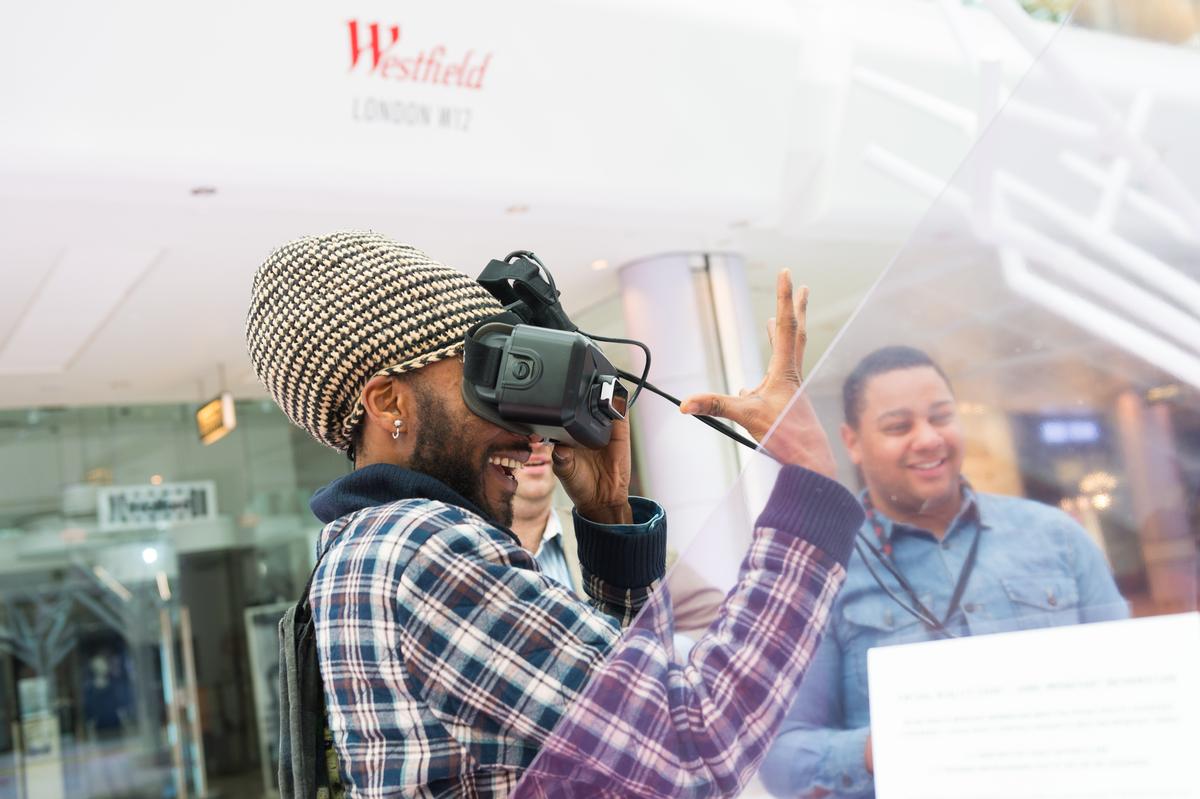
A leading technology studio in London that specialises in emerging technology is changing the game when it comes to the virtual reality.
Inition – a multidisciplinary production company which creates unique experiences harnessing creative minds and emerging technology – has been experimenting with VR for several years. It has worked with many high profile clients such as the V&A, Nissan and Facebook among others, creating virtual reality experiences to enhance visitor experiences.
Jay Short, who is new business and sales director for Inition, told Attractions Management that they are looking for new ways to make VR more and more immersive.
“Right now we’re trying to make our experiences more and more multi-sensory,” said Short. “For example we recently did a virtual plank walk experience where you put the headset on and you walk towards a lift door. The lift goes up, the door opens, a massive fan blows at you and virtually you’re on the top of two skyscrapers where you have to cross between the two buildings on a physical plank.
“The fact you’ve got this plank adds a new element,” he continued. “The minute your foot hits it, your head can say this is just VR but there’s something about feeling your foot on that plank that tricks your mind and crosses your wires.
“Visually the experience is poor but the combination of senses invoked and the narrative behind it is a crazy experience that‘s difficult to rival.”
As an emerging technology, virtual reality to the mass market is a very new concept. Short believes that for virtual reality to thrive and maintain its growing reputation, the technology has to advance with the times or risk stagnating.
“Because virtual reality is so new to the majority of the population, those limitations in terms of things like graphics quality are counterbalanced by 360 degree immersion,” he said. “Your brain forgets because it gets so engaged with the environment.
“As people become more acclimated to VR, you’ll need to do more to engage them and the narrative will become more and more important. Look at videogames like Doom or Duke Nukem. When they first came out and something jumped out at you, you were genuinely scared. Resident Evil is another example but you look back at it now and think ‘how was a scared by that incredibly pixelated kind of zombie dog?’ It’s because it was new and a big shift in terms of quality.
“In terms of VR things are going to have to move forward. If your graphic quality doesn’t improve it’s going to be harder to convince people to adopt the technology as the novelty wears off.”
Short added that while VR can be a great thing, instead of being the centre of attention, it should add to the experience.
“You want the transition from reality to virtual reality to seem almost seamless,” he said. “You’re not doing a VR experience, you’re doing a motorbike experience, you’re doing a skydiving experience, you’re doing a diving experience. People need to shift away from the mindset of doing a VR experience. That’s not what it is. It’s an experience meant to replicate something else. The more you can make this experience more natural, the more immersed they’re going to be.
“I’m sceptical about anything wearable because there’s always a stigma attached. We had some guys in recently. One of them was loving it, the other two you could tell from their body language were incredibly self-conscious. It’s about creating the right environment so people can fully release themselves.
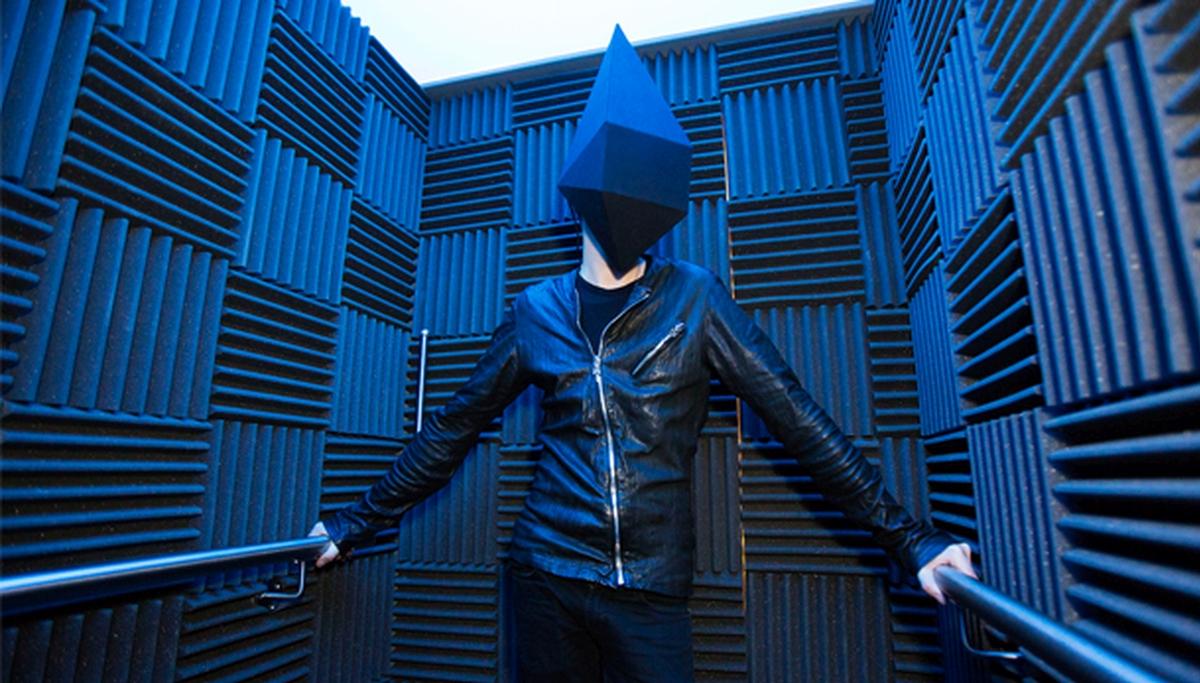
“One way we’ve addressed this is to make the headset part of the experience. We did a project with fashion designer Gareth Pugh and Selfridges. The installation was a peek into the mindset Pugh had around the collection he was creating.
“He had this experience where you went through this nightmarish world inside his head. These scary looking pointy-headed soldiers were coming through in this really sort of hellish vision. For that it was amazing but I think if we’d just had an Oculus, you look at it and it’s just a piece of kit. What we did was create this bespoke 3D-printed headset to fit in with the theme. The whole experience, the headset actually adds to it. If you’re going to be creating a ghostly experience for example, make sure the headset feels the same.”
With the attractions sector starting to adopt VR and the technology this year seemingly making its way to the mainstream, Short said that the next couple of years will be crucial.
“It’s a very pivotal time in 2016,” he said. “People’s experiences with VR are going to make or break whether they use it moving forward from there. If it’s shoddy content that makes them nauseous, chances are they aren’t using it again. If it’s great they’ll come back for more.
“The possibilities for VR are endless but in 18 months time, certain things will be pushed to the forefront and certain things will be dropping off. VR for the attractions marketplace is a huge area. They’re looking at it as an alternative revenue stream or even as a means of actually pushing foot flow towards things. It’s a hugely exciting time.”
Inition virtual reality V&A emerging tech 3D printing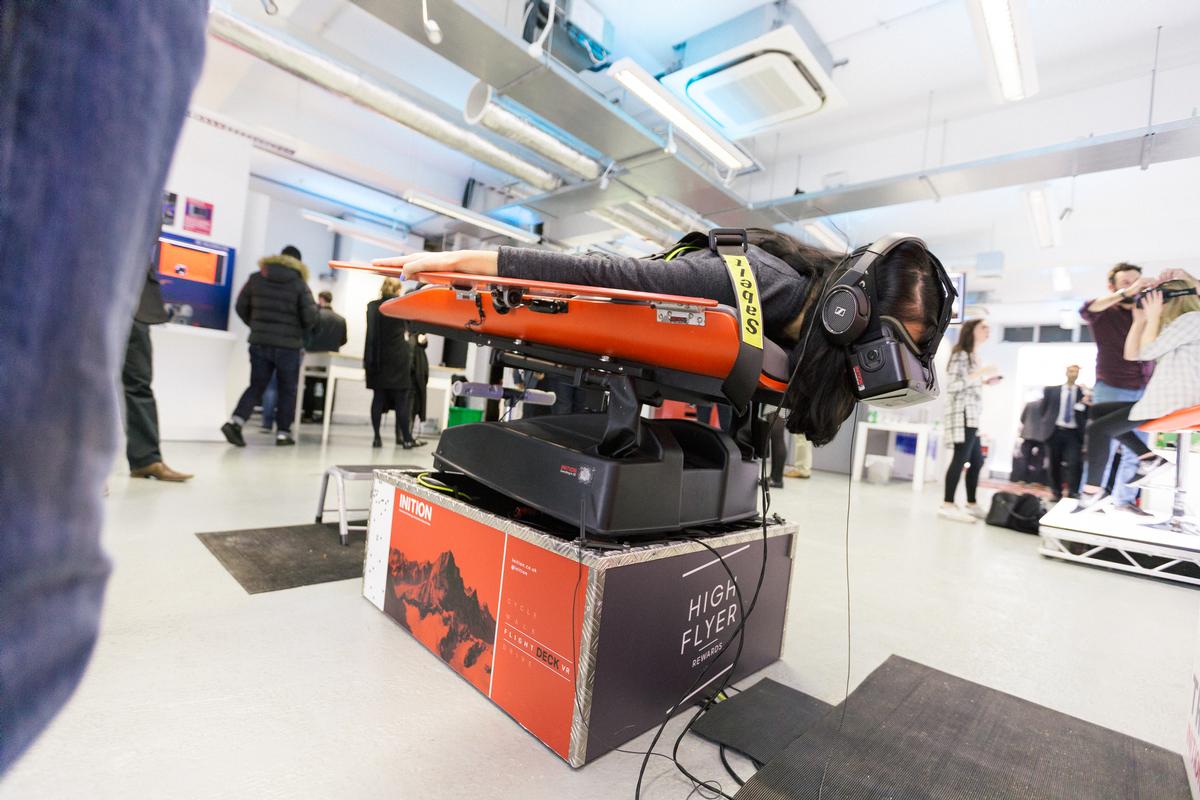
Universal debuts company's first VR coaster at Japanese park
Google launches virtual reality division
Tech startup touts VR as the future of aquariums
Alton Towers confirms plans for UK's first virtual reality rollercoaster
Oculus Rift gets commercial release date
Exclusive: Mack currently developing at least nine virtual reality rollercoasters for major operators worldwide
AI firm Midjourney enters wellness with spa, fitness and body scanning concept
Hot spring wellness community Ameyalli sells residences and breaks ground on resort and spa

OMA completes New Museum transformation with landmark expansion and Oberon restaurant
OMA has completed a major transformation of New York's New Museum, creating a larger cultural campus that combines expanded exhibition spaces with learning, performance, hospitality and public programming. The latest addition, Oberon, extends the visitor experience beyond the gallery, reflecting a growing trend for museums to become all-day destinations.
The New Museum in New York has entered a new chapter with the completion of a major
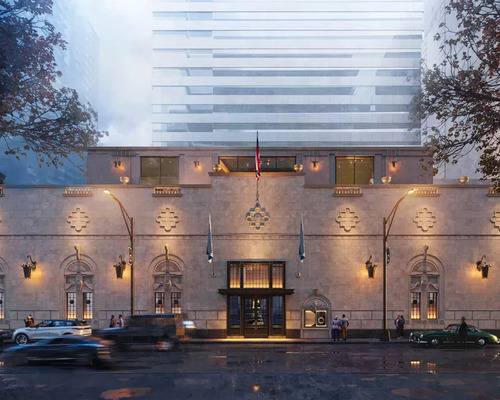
David Rockwell creates immersive magic destination, The Hand and The Eye
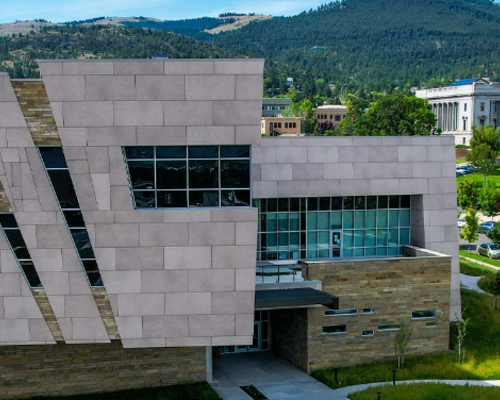
Montana Heritage Center by Cushing Terrell opens after US$107 million investment
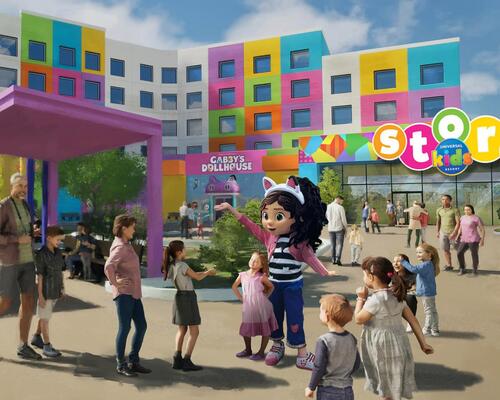
Universal launches new theme park model with Kids Resort
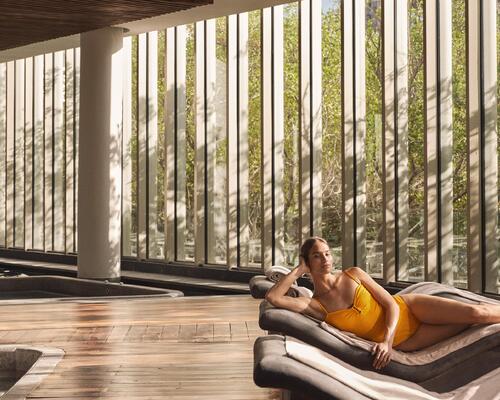
'Minor wellness hotels' recorded the strongest growth across top KPIs in 2025, finds RLA Global
Great Barrier Reef attraction set for AU$180 million reinvention
Fairmont Cheshire, The Mere, has architecture by Leach Rhodes Walker and interiors by Bergman Design House.
Marriott International partners with Fitwel for wellness solutions across its residential portfolio
Preidlhof Luxury DolceVita Resort to unveil new spa in February 2027
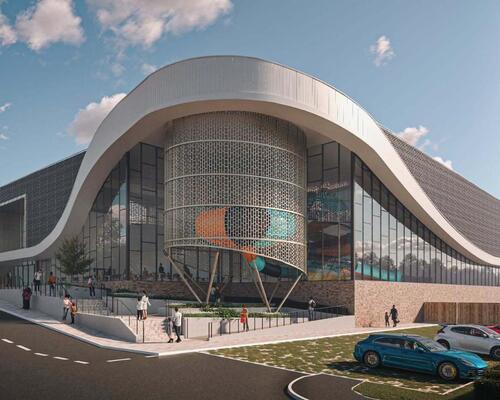
Places Leisure is working with Roberts Limbrick to build £60m wellness flagship in Basingstoke
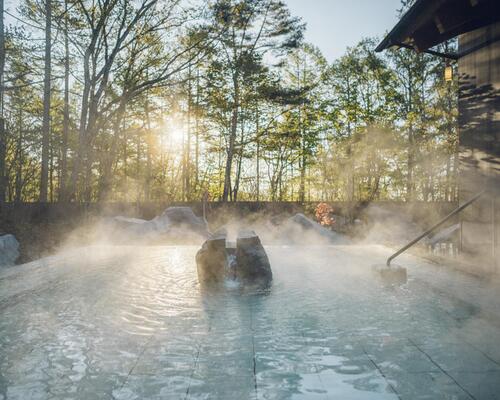
Hoshino Resorts opens Kai Kusatsu as it expands the Kai onsen ryokan brand
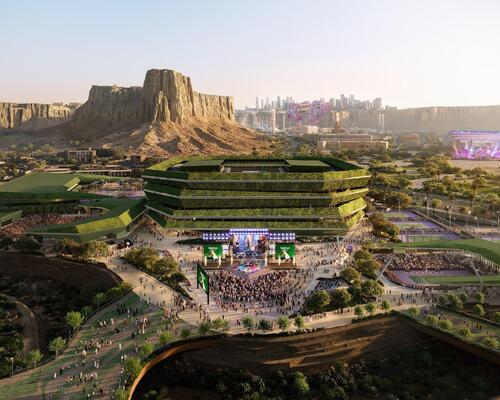
Qiddiya and Populous share details of Saudi Arabia’s National Tennis Centre
Disney confirms US$30 billion investment programme as it highlights its economic impact
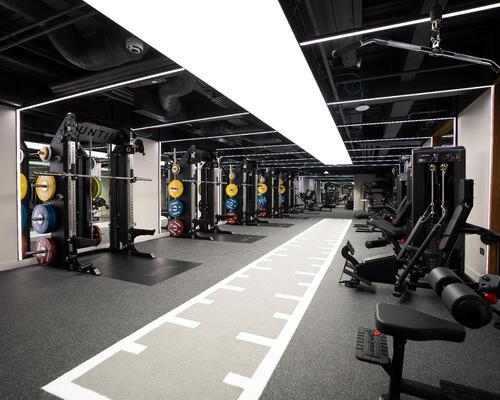
Until combines multiple disciplines at new Canary Wharf club
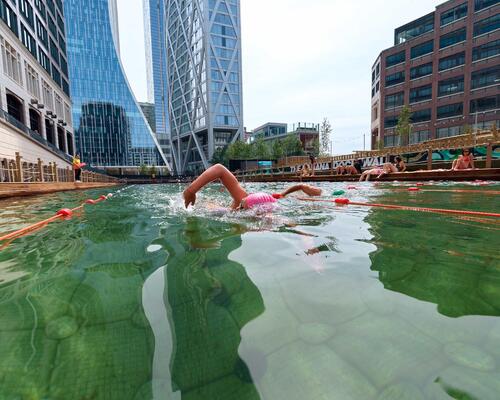
Sea Lanes opens following a partnership between The Eden Project and Canary Wharf Group
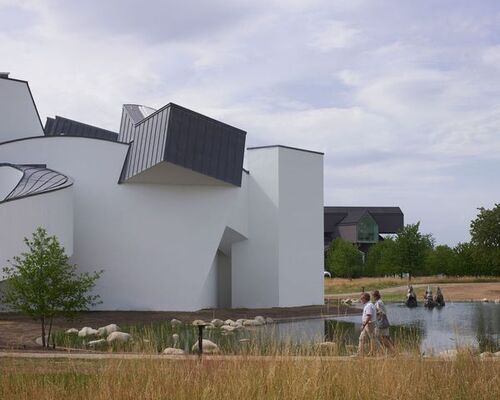
Bas Smets brings water and wilderness to Vitra
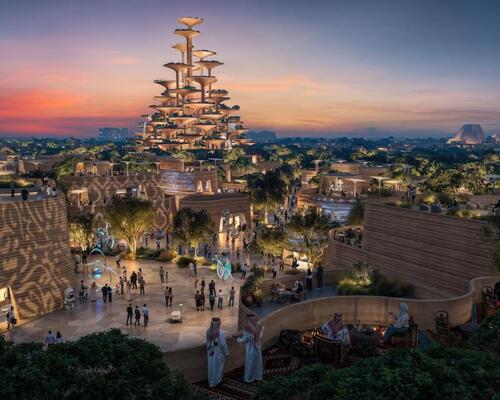
Expo 2030 Riyadh will create a permanent global destination
Luxury resort coming to Hunter Valley will have longevity spa
'Data chocolate', dreams made real and artworks shaped by visitors’ emotions: Refik Anadol’s AI art museum launches in Los Angeles
London Museum reveals 2026 opening date for new Smithfield home
BIG unveils Eve Music Hall as Croatia venue nears completion
Bob Rogers hands BRC to long-serving leadership team
Palazzo di Varignana launches family wellbeing and longevity retreat in Emilia Romagna
Anasa Wellness and Spa debuts at Patmos Aktis as it joins Marriott
Design-led Koru Health Club combines high-performance training with recovery

Wellness care hospital opens in Vilnius with innovative spa and hospitality concept

Universal and Puy du Fou projects point to rise of Oxford–Cambridge corridor
A proposed Puy du Fou development near Bicester and Universal Destinations and Experiences’ planned resort in Bedford are emerging as part of a wider transformation of the Oxford–Cambridge Growth Corridor into a major centre for UK leisure and tourism investment.
For years, the corridor has been associated primarily with science, technology, housing and university-led economic growth. However, the clustering of large-scale visitor attraction projects along the
All-inclusive eco-wellness development Auko to open near Vietnam’s Son Doong caves






Designed to restore neglected land and renew the identity of Iraq’s capital city, Baghdad Sustainable Forests promises a new way of living surrounded by nature. Gensler’s Ian Mulcahay tells us why he thinks the project could become a model for the repair and enhancement of urban centres