What does Brexit mean for British sport?
Britain, as a nation, will be transformed by its decision to leave the European Union, but what will "Brexit's" impact be on sport?
One obvious effect will be on the UK’s professional sporting leagues, which will find recruiting non-British talent increasingly difficult, due to the loss of free movement of players offered by the EU membership.
PREMIER LEAGUE TROUBLES
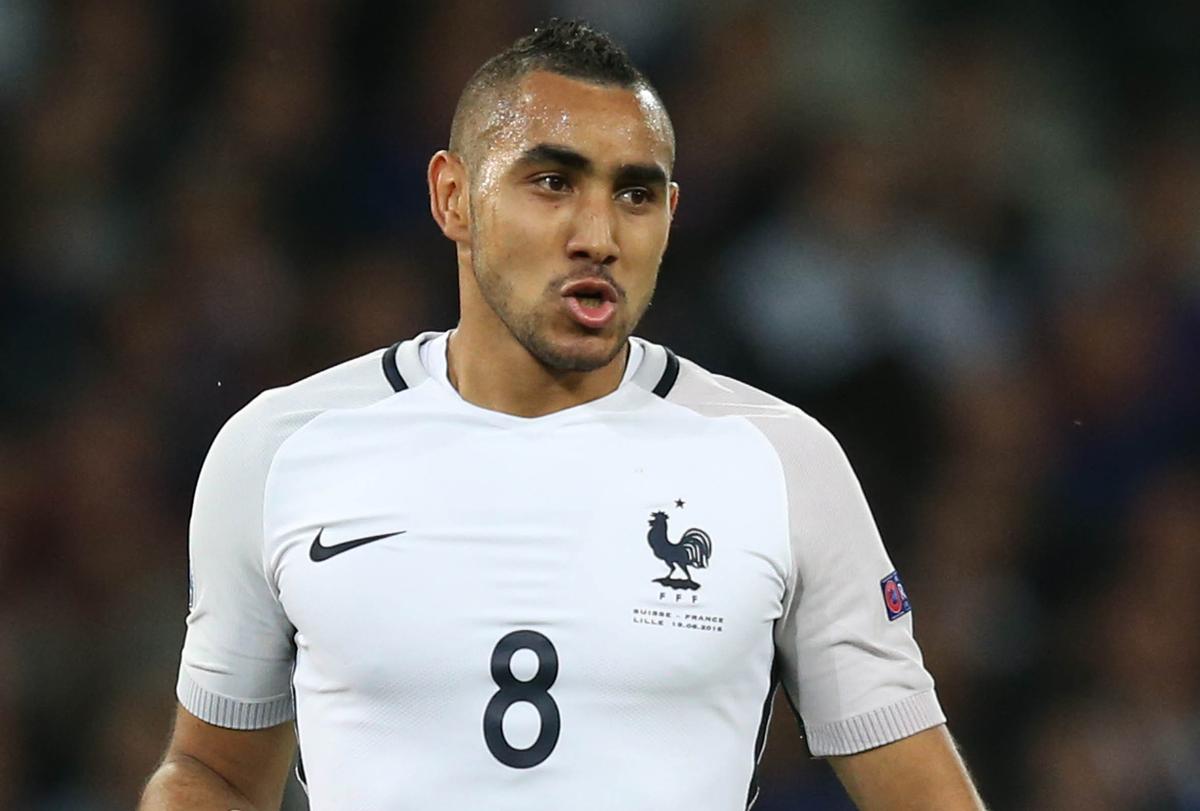
The English Premier League will be hit hardest, as it relies heavily on foreign talent to cling on to its claim of being the “best football league in the world” – just 33.2 per cent of players who started the first Premier League game last season (2015-16) were English.
The ratio of foreign players will change dramatically, however. Players with an EU passport are currently free to play in the UK, but as Britain exits the agreements over free movement of labour, the players will no longer have an automatic right to live and work in the UK.
All players will now need to meet strict Home Office criteria – the most important being that all players are established internationals for “leading nations”.
It is estimated that more than 400 footballers currently plying their trade in the UK would not meet the Home Office criteria – and would lose their right to work.
Replacing that amount of talent with international players who meet the requirements would be, if not impossible, wildly expensive.
The cost of acquiring players from outside the UK has also increased dramatically as the value of the pound plunged more than 11 per cent following the decision to leave the EU – and is unlikely to recover for some time.
While the work permit issues could take months, or even years, to come into force, In the short term at least, the weak pound will mean English clubs are in a disadvantaged position against European clubs when bidding for players.
City analyst David Cheetham from financial brokers XTB.com predicts that 2016 will now become “the most expensive premier league transfer window on record for English clubs”.
“The sharp decline seen today in the wake of the UK's decision to leave the EU could well have an impact on Premier League clubs and their transfer activity this summer.
“In addition to the initial decline seen in the pound in relation to the Euro – with the pair trading over 6 per cent so far today – the nature of the decline suggests there could be more to come as the period of uncertainty could be long and protracted.”
EQUIPMENT COSTS
Leaving the EU is also likely increase the cost of sports equipment and limit access to sports funding for British organisations, according to Sport and Recreation Alliance chief executive Emma Boggis.
Boggis said that potential tariffs on imports from the EU could increase the cost of goods, which could have a knock-on effect for participation in physical activity.
“Grassroots sport could be impacted on by the absence of any formally negotiated free-trade agreements,” she says.
“We will see some form of tariffs on EU goods exported to the UK and vice versa, which will make goods, including sportswear and sports equipment, more costly than they are now.
“With the focus on driving participation, particularly amongst minority communities, the increase in costs could prove to be particularly unhelpful.”
FUNDING CUTS
The UK will now also be cut from accessing EU funding streams designed to support sport, principally ERASMUS+, but also the EU Structural Funds.
This could have a dramatic effect, as the EU recently identified grassroots sports as a “positive force” in the battle against lifestyle illnesses and social exclusion – while also helping to promote equal opportunities.
As a result, the EU has increased its funding for the ERASMUS+ programme – from which British sport will now be excluded.
POSITIVES
Predicting the possible uplifts for sport provided by an EU exit is harder – and only time will tell if there are any.
The Premier League having to adjust its reliance on foreign talent could free up more opportunities for home grown players to prosper at elite level, but nurturing that talent – and ensuring it is ready to play at the highest level – will take time.
According to Matthew Elliott, Vote Leave chief executive, there are many ways in which the EU has held the UK back from achieving its full potential.
"Having an open border to almost 500 million people from within the EU restricts the Football Association’s ability to introduce rules to support young British players," he said.
"As the European Court ruled in December 1995, the EU Treaties forbid 'rules laid down by sporting associations under which, in matches in competitions which they organise, football clubs may field only a limited number of professional players who are nationals of other member states'.
"By imposing restrictions on non-EU countries in an attempt to control immigration, British sport effectively loses out on talent from outside the EU. Currently players from within the EU can work in Britain, but those from outside must be proven internationals to satisfy Home Office criteria for a work permit. This blatant discrimination will as we leave the EU and take back control."
Brexit sportStar architects rally against Brexit as UK's EU referendum begins
Research suggests Brexit could cost UK tourism £4.1bn
Fitness leaders speak out against Brexit
Museums would suffer if Britain votes to leave the EU, experts warn
Brexit could increase equipment costs and limit sports funding
Culture, Media and Sport minister campaigns for Brexit
Karren Brady: Brexit would be devastating for Premier League
FEATURE: Opinion – Brexit Column
FEATURE: ukactive update – Brexit
FEATURE: News Feature – EU Referendum
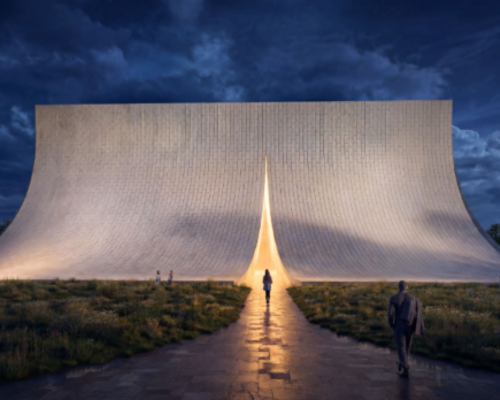
BIG unveils Eve Music Hall as Croatia venue nears completion


Bob Rogers hands BRC to long-serving leadership team

Wellness care hospital opens in Vilnius with innovative spa and hospitality concept

Universal and Puy du Fou projects point to rise of Oxford–Cambridge corridor
A proposed Puy du Fou development near Bicester and Universal Destinations and Experiences’ planned resort in Bedford are emerging as part of a wider transformation of the Oxford–Cambridge Growth Corridor into a major centre for UK leisure and tourism investment.
For years, the corridor has been associated primarily with science, technology, housing and university-led economic growth. However, the clustering of large-scale visitor attraction projects along the

All-inclusive eco-wellness development Auko to open near Vietnam’s Son Doong caves
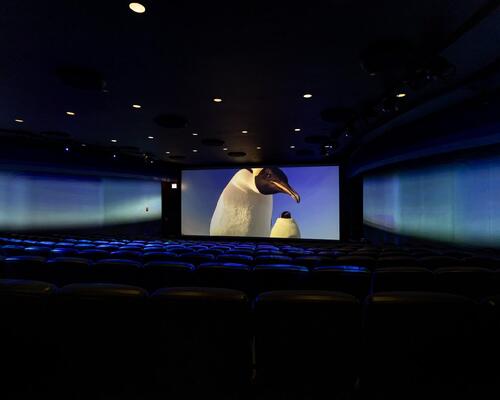
Shedd Aquarium upgrades its visitor experience with new Immersion Theater
Shedd Aquarium has opened the Immersion Theater developed in partnership with SimEx-Iwerks, as part of a wider strategy to enhance the guest experience and create additional revenue opportunities.
The attraction has transformed the aquarium’s Phelps Auditorium into a multi-sensory venue combining panoramic projection, environmental effects and interactive technology.
A new pre-show area allows visitors to engage with augmented reality marine animals before entering the
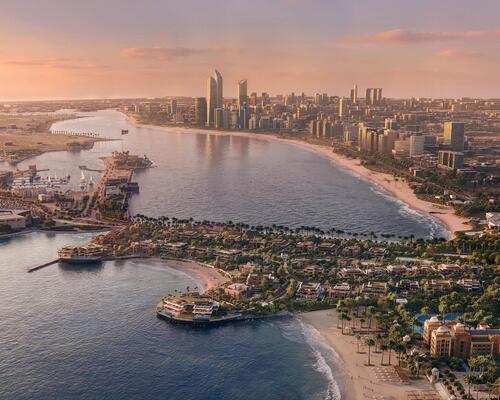
Mandarin Oriental announces standalone Mansions-branded residences for Abu Dhabi
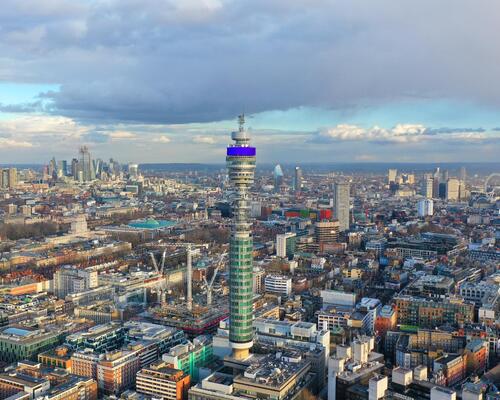
MCR is planning a luxury hotel for London's BT Tower
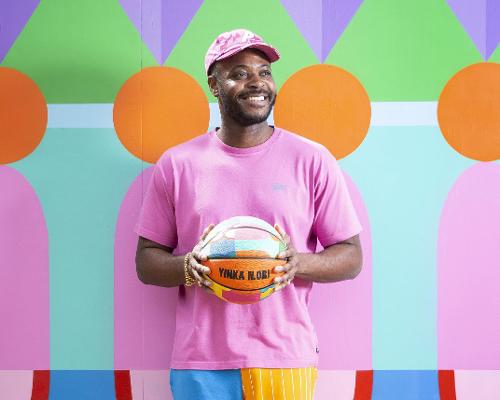
Joy as a radical act: Yinka Ilori launches solo exhibition celebrating the rebellious power of spreading happiness

Work gets underway on Madrid's €800 million leisure complex
Work is underway in Madrid on one of Europe’s most significant multi-functional complexes, combining sport, entertainment, culture and education.
The €800 million initiative to regenerate the former Olympic Aquatic Centre in the north-east of the city, next to the Riyadh Air Metropolitano stadium, is being led by Barsento – a joint venture between Live Nation Entertainment, Oak View Group and Atlético de Madrid. The project will
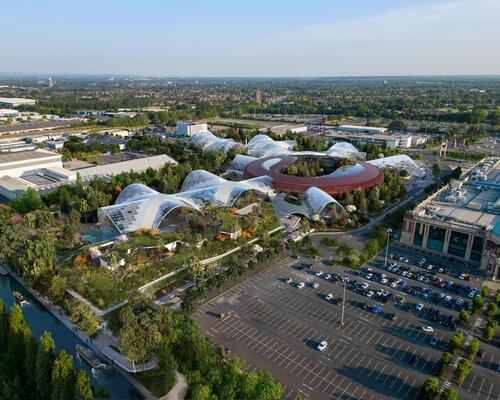
Therme Manchester reveals 90:90 strategy – 90 per cent of the UK population within a 90-minute drive of a Therme

Four Seasons’ Naples Beach Club opens 2,800sq m Sanctuary spa inspired by indigenous Calusa people
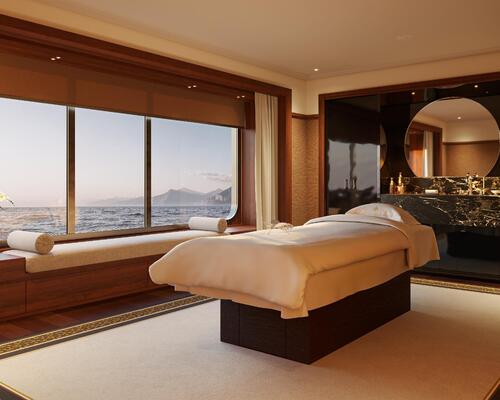
Orient Express Corinthian to host Ocean Rebirth wellness retreat in collaboration with Guerlain
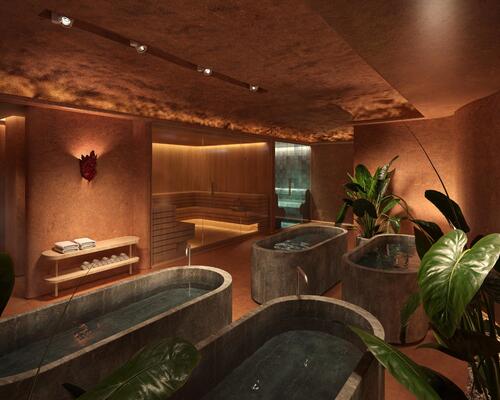
Famed London nightclub, Tramp, launches Tramp Health
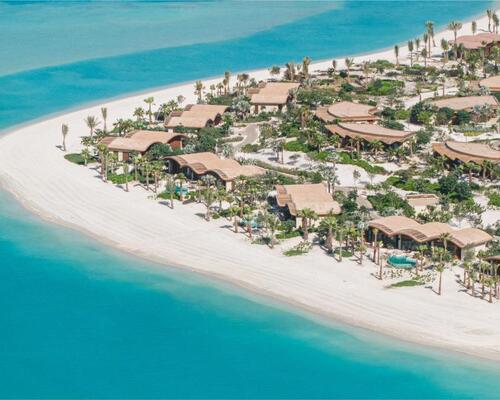
First look: Miraval opens on the Red Sea in Saudi Arabia

Hainan Science Museum by Ma Yansong, opens in China
A new science museum has opened to the public in Haikou after attracting more than 350,000 visitors during a four-month soft opening period.
Designed by Ma Yansong and his practice MAD Architects, the Hainan Science Museum is located on the edge of Wuyuan River National Wetland Park and has already recorded peak attendance of more than 5,800 visitors in a single day.
Commissioned by
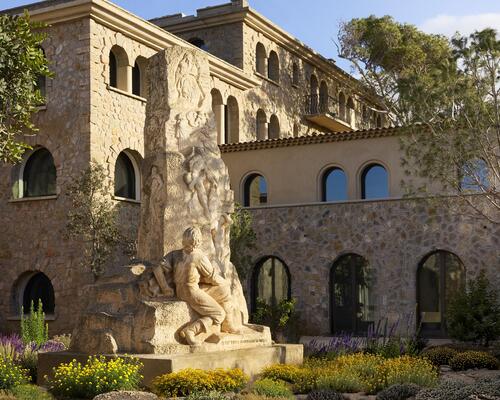
Zannier Île De Bendor launches with design by Hardel Le Bihan Architectes
Sæl Spa readies for launch in London: “a modern British sanctuary”

Immersive art bathhouse Submersive announces debut location in Austin

Construction begins on regenerative wellness destination The Shenandoah Nature Resort

Royal Caribbean reveals record-breaking cruise ship
V&A East opens in London
David Geffen galleries open at LACMA

New venue The Lands by Capella includes a longevity centre to complement sister hotel Capella Sydney
World of Frozen launches at Disneyland Paris
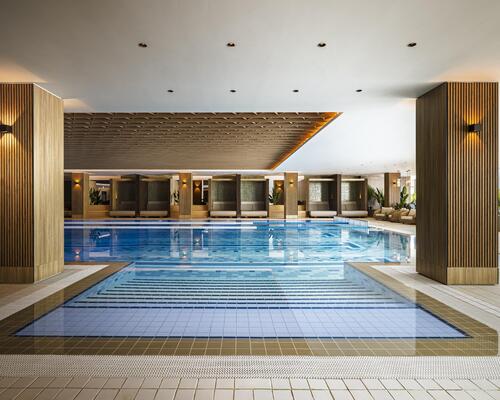
Pical Resort by Valamar reveals first Croatian spa under the ESPA brand

Mandarin Oriental creates end-to-end Egyptian journey with two new hotels and first-ever luxury river cruise

Designers Mendil + Meyer launch new division called Lām Concepts for strategic wellness projects

Wilderness Bisate in Rwanda reveals brand’s second Sanctuary spa
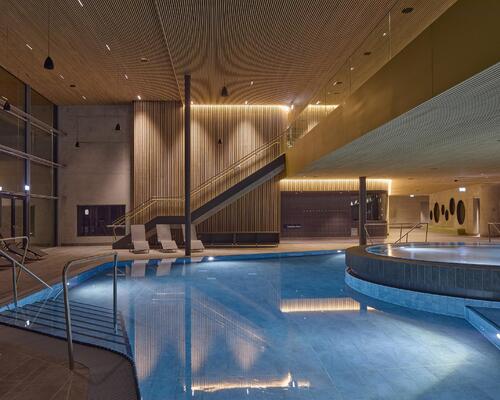
4a Architekten shares details of wellness extension at Salinarium Bad Dürkheim Thermal Spa










Designed to restore neglected land and renew the identity of Iraq’s capital city, Baghdad Sustainable Forests promises a new way of living surrounded by nature. Gensler’s Ian Mulcahay tells us why he thinks the project could become a model for the repair and enhancement of urban centres