Study finds urban architecture to be just as important as green space to our health and happiness


New research published by the University of Warwick in England suggests that urban architecture may have a far greater impact on our wellbeing than previously thought.
While many studies have linked an abundance of green space with physical and mental wellbeing, new evidence suggests that the cohesion of architecture and design in our every day environments plays an equally important role in health and happiness.
Using Scenic-Or-Not – a website specially designed to collect public ratings – researchers asked people to score the ‘scenicness’ of 217,000 images taken from around Britain. In total 1.5 million ratings were gathered and compared to data from a national 2011 Census showing how residents in those areas reported their health and wellbeing.
The study made two surprising findings: areas rated as ‘scenic’ were often not green areas, and people living in ‘scenic’ built environments reported higher ratings of health and happiness than expected.
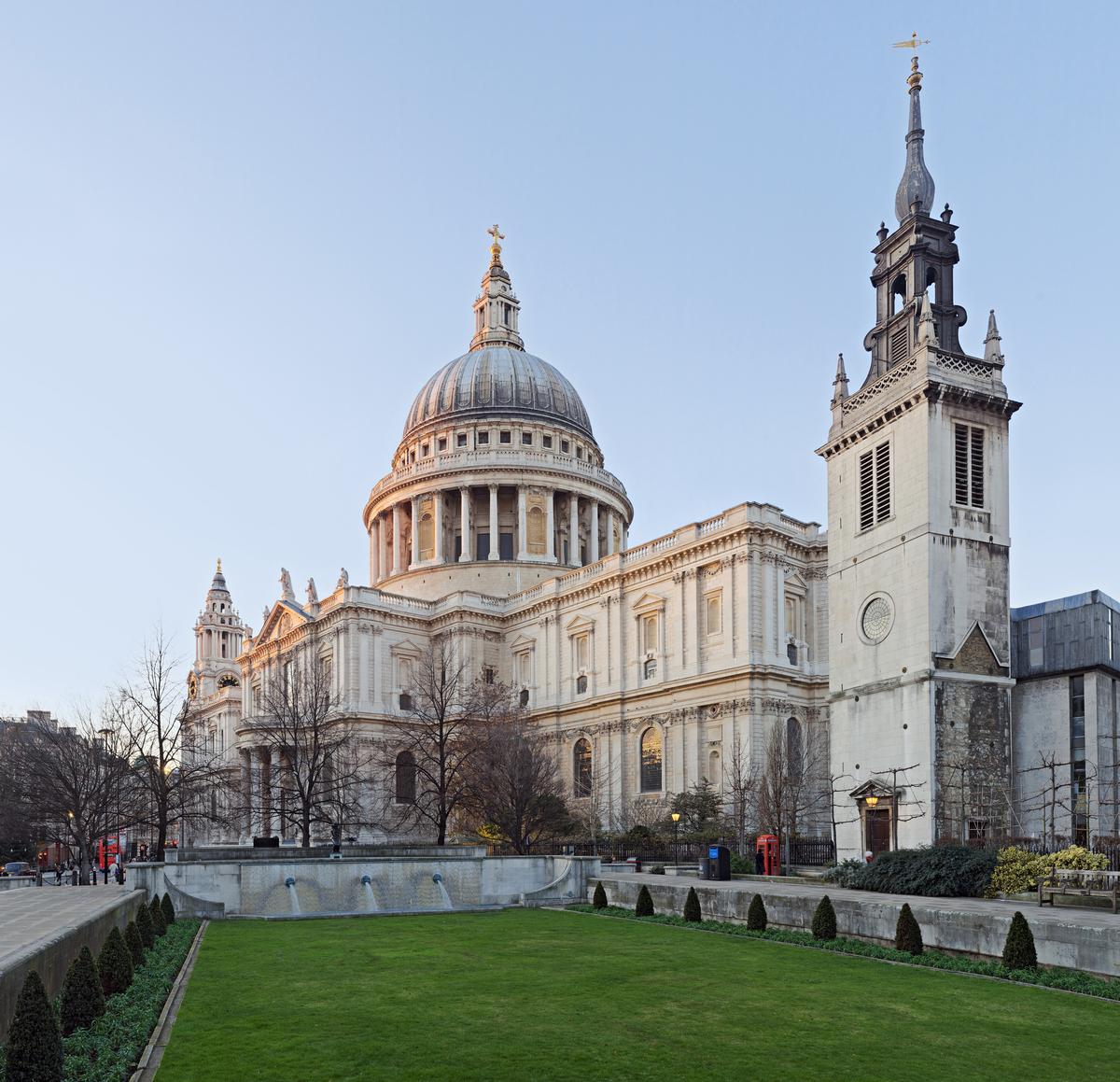
Among the London areas rated as particularly scenic were St. Pauls Cathedral, Canary Wharf, the O2 Arena and Kensington Palace.
“We were surprised to see that the definition of scenicness was so varied,” Chanuki Seresinhe, a PhD student with the Behavioural Science Group at Warwick Business School, told CLAD. “As well as rating stunning natural landscapes as scenic, it was fascinating to find that people also rated images of beautiful buildings and bridges as scenic too.
“Our study provides initial evidence that even in urban areas, just introducing green spaces is not enough. It seems that the aesthetics of the urban environment is also important for people’s wellbeing.”
Seresinhe described the findings as “great news for urban architecture”, adding that architects and developers should think more carefully about how infrastructure, private and commercial buildings and public space can influence our quality of life.
Previous studies into how urban environments impact on wellbeing have been published by the University of California, which found cities which promote physical activity gain a significant economic advantage, and the European Centre for Environment and Human Health, which said living in an urban area with green spaces has a better impact on mid to long-term mental wellbeing than winning the lottery.
Architecture design built environment study health happiness wellbeing green spaceArup outline vision for greener global cities
Crossrail development to bring new leisure complex to London's Canary Wharf
AEG Europe unveils new rooftop tourist attraction at London's O2 Arena

AI firm Midjourney enters wellness with spa, fitness and body scanning concept
Hot spring wellness community Ameyalli sells residences and breaks ground on resort and spa

OMA completes New Museum transformation with landmark expansion and Oberon restaurant
OMA has completed a major transformation of New York's New Museum, creating a larger cultural campus that combines expanded exhibition spaces with learning, performance, hospitality and public programming. The latest addition, Oberon, extends the visitor experience beyond the gallery, reflecting a growing trend for museums to become all-day destinations.
The New Museum in New York has entered a new chapter with the completion of a major
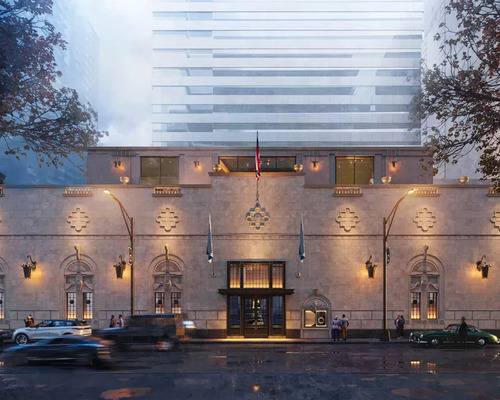
David Rockwell creates immersive magic destination, The Hand and The Eye

Montana Heritage Center by Cushing Terrell opens after US$107 million investment

Universal launches new theme park model with Kids Resort
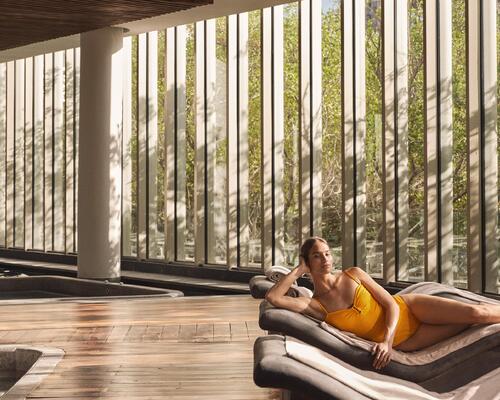
'Minor wellness hotels' recorded the strongest growth across top KPIs in 2025, finds RLA Global
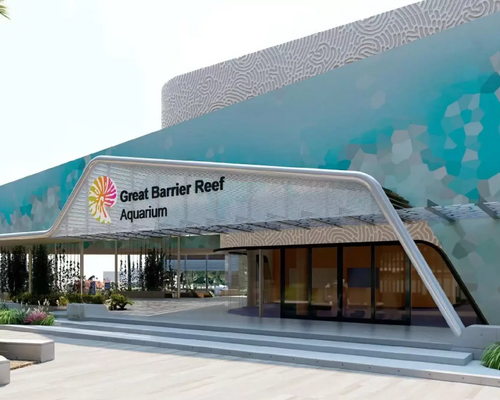
Great Barrier Reef attraction set for AU$180 million reinvention
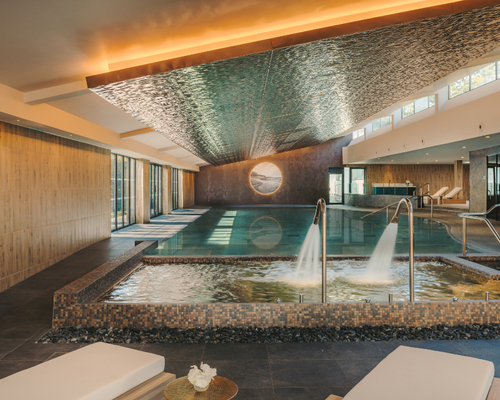
Fairmont Cheshire, The Mere, has architecture by Leach Rhodes Walker and interiors by Bergman Design House.
Marriott International partners with Fitwel for wellness solutions across its residential portfolio
Preidlhof Luxury DolceVita Resort to unveil new spa in February 2027
Places Leisure is working with Roberts Limbrick to build £60m wellness flagship in Basingstoke

Hoshino Resorts opens Kai Kusatsu as it expands the Kai onsen ryokan brand
Qiddiya and Populous share details of Saudi Arabia’s National Tennis Centre

Disney confirms US$30 billion investment programme as it highlights its economic impact
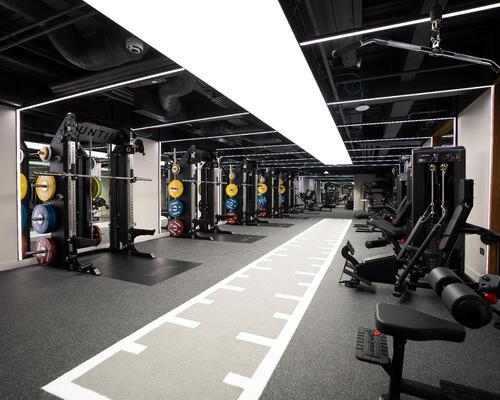
Until combines multiple disciplines at new Canary Wharf club
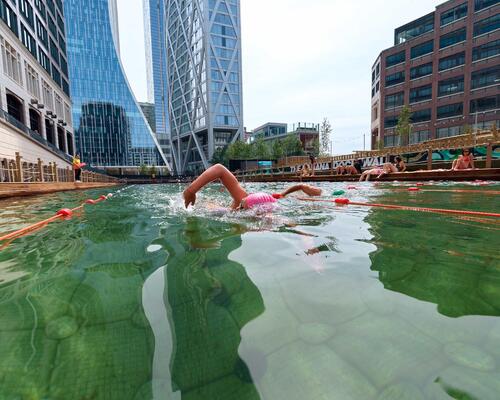
Sea Lanes opens following a partnership between The Eden Project and Canary Wharf Group
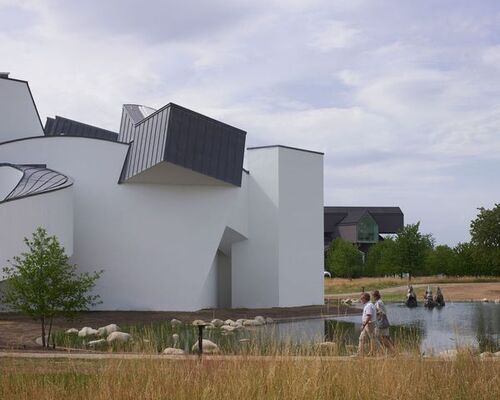
Bas Smets brings water and wilderness to Vitra
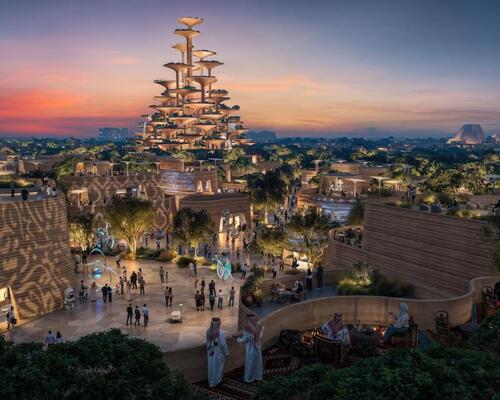
Expo 2030 Riyadh will create a permanent global destination
Luxury resort coming to Hunter Valley will have longevity spa
'Data chocolate', dreams made real and artworks shaped by visitors’ emotions: Refik Anadol’s AI art museum launches in Los Angeles
London Museum reveals 2026 opening date for new Smithfield home
BIG unveils Eve Music Hall as Croatia venue nears completion
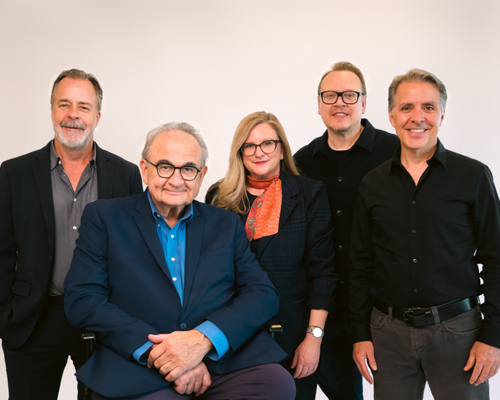
Bob Rogers hands BRC to long-serving leadership team

Palazzo di Varignana launches family wellbeing and longevity retreat in Emilia Romagna
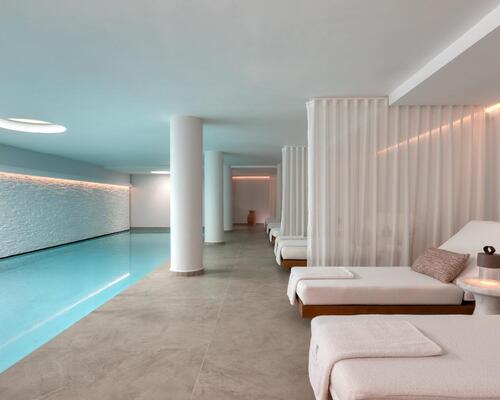
Anasa Wellness and Spa debuts at Patmos Aktis as it joins Marriott
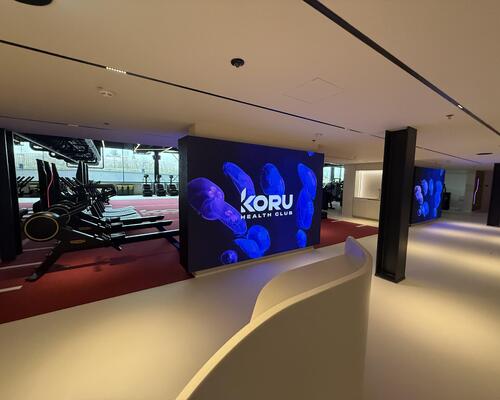
Design-led Koru Health Club combines high-performance training with recovery

Wellness care hospital opens in Vilnius with innovative spa and hospitality concept

Universal and Puy du Fou projects point to rise of Oxford–Cambridge corridor
A proposed Puy du Fou development near Bicester and Universal Destinations and Experiences’ planned resort in Bedford are emerging as part of a wider transformation of the Oxford–Cambridge Growth Corridor into a major centre for UK leisure and tourism investment.
For years, the corridor has been associated primarily with science, technology, housing and university-led economic growth. However, the clustering of large-scale visitor attraction projects along the

All-inclusive eco-wellness development Auko to open near Vietnam’s Son Doong caves