Addressing social fallout at the heart of AAM's 2017 TrendsWatch report



Closing the empathy deficit, the next horizon of civil rights and the rise of the intelligent machines are all trends that will affect cultural institutions in the coming years, according to the 2017 edition of the Center for the Future of Museums’ (CFM) annual TrendsWatch report.
Written by Elizabeth Merritt, the report from the American Alliance of Museums (AAM) identifies the major trends that will shape the way museums worldwide will handle affairs, do business and engage visitors.
A Mile in My Shoes: closing the empathy deficit
The empathy deficit, something previously discussed by former US President Barack Obama, covers the inability to put oneself in someone else's shoes.
“Researchers across the globe are documenting a decline in this crucial capacity at a time when we dearly need to foster mutual understanding,” says the report. “The good news is that just as we can rehabilitate physical injuries, we can retrain our psyches to strengthen weak empathic skills. Museums’ inherent strengths position them to be effective ‘empathy engines’ helping people to understand the ‘other’ and reinforcing social bonds.”
The growing empathy deficit, which according to research has declined by nearly half (48 per cent) over the last four decades, has been tied to a decline in social trust and a rise in discrimination, bullying and hate crimes.
“These developments are of particular concern in a time when we are experiencing a global wave of forced migration that leaves many displaced people vulnerable to xenophobia and discrimination,” says the study.
“Museums should create environments that foster conversations between strangers and meaningful encounters between people of different backgrounds. Museums should also measure and value their ability to teach empathy and other emotional skills, in addition to facts and reasoning. This strength is particularly important in communities suffering from stress and violence, and for audiences that include people in positions of power – be it parents, politicians, teachers, or police – for whom empathy is a critical skill.”
Let Justice Roll Down: the next horizon of civil rights
According to AAM, justice is being re-examined with a critical eye toward how existing structures create or perpetuate inequality. In a museum setting, this means that museums have the opportunity to reflect on how assumptions about power, security, and order are embedded in their own operations, while also helping society to navigate “the next horizon of civil rights”.
“Museums’ communities are being buffeted by the economic, cultural, and political fallout from current inequities in the justice system," says the report. "Increasingly, museums are being called on to play a role in addressing these tensions through serving as venues for dialogue, as places of healing, or by acting as advocates for social justice. Museums can help society re-examine the history and current practice of justice in the US. They can create exhibits and programming that respond to current and local events and shape the discussion of how to move forward.”
As the museum sector continues in its efforts to diversify its workforce, the report adds that it must also consider the potential effects of excluding anyone with a criminal background. It argues that aside from disadvantaging a population that needs employment, the move also impedes progress towards racial diversity, given disproportionate statistics for people from non-white backgrounds with criminal convictions in the US.
The Rise of the Intelligent Machine
With computers and technologies becoming ever-more complex, artificial intelligence offers museums tools to manage data, as well as new tools in a creative capacity.
AI can benefit society in a number of ways, with education right at the top of the list. As referenced in TrendsWatch, the Defense Advanced Research Project Agency's Educational Dominance programme is already using AI-powered digital tutors to speed up training of Navy recruits. There are downsides however, with Oxford University projecting that AI will contribute to the loss of up to 47 percent of US jobs over the next 20 years, many of them being professional jobs typically requiring advanced degrees.
“As AI becomes more effective and affordable, it will become part of the standard toolkit of museums seeking to enhance their business practices,” says the report. “Rather than displacing staff, AI can give smaller museums that can’t afford dedicated specialists access to AI-powered legal services, marketing, communications, and data analytics. Even exploiting the potential of AI itself will not necessarily require AI-specific expertise, as we develop plug-in applications for the technology.”
Reshaping the World: migration, refugees, and forced displacement
“Mass migration, driven by conflict, oppression, political upheaval, climate change, environmental disasters, and economic distress has been described as the defining issue of this century,” says the report, adding that these events reshape the lives of people who are displaced, sparking both the best and the worst of human behaviour.
For museums, it is suggested that they can use their influence to build bridges between established residents and newcomers – to ease fears, build trust, and find common ground.
“Addressing migration gives older cultural museums a way to connect their mission to current events and new community members,” it says, while warning of a potential negative backlash from some parties and urging proper training to handle such a situation.
“Serving a community that includes recent migrants and refugees may require museums to adapt their hiring and training. Understanding the difficulties of conflict and conflict resolution can require a skill set unfamiliar within traditional museum professions. Museums may adapt by hiring people from nontraditional backgrounds, developing new training, and giving representatives of migrant communities meaningful roles in determining how the museum serves their needs. Museum staff may also need training to deal productively with anti-immigrant attitudes directed at the community, visitors, or the museum itself.”
The report suggests combating fear and prejudice by using storytelling to build levels of empathy, countering negative press with their collections, telling the story of migration and the resulting evolution of local communities. It also states that museums should help refugees find jobs, which has a twofold effect of meeting immediate practical needs, while also helping to integrate them into the local community.
Failing Toward Success: the ascendance of agile design
“Failure is a necessary design process”, suggests the paper, which argues that in a time of rapid social, technological, and economic change, organisations must try new things in order to succeed, and such innovation requires a tolerance for risk. With many museum business models experiencing significant disruptions, TrendsWatch suggests that museums must become comfortable with positive failure, meaning they need encouragement, tools, and positive feedback to buck the “traditional of perfectionism that has characterised the sector”.
“Museums, as a sector, share a culture of perfection that places large bets on getting a product – whether an exhibit, programme, or building – right the first time,” it says.
“This culture is often rooted in traditional, hierarchical management structures that evolved in a time that valued authority and control over collaboration and creativity. Museums that decide to move away from dysfunctional perfectionism have to work consciously to change an organisational culture that discourages risk taking. A culture of continuous improvement can’t simply be isolated in a new department or grafted onto traditional structures – it requires fundamental shifts in a museum’s ethos, including new forms of leadership and management.”
To read the full report click here.
American Alliance of Museums TrendsWatch Museums Visitor attractions empathy deficitTrendsWatch annual report says radical reshaping of the workplace will affect museums sector
Wearable tech revolution, open culture and ethical scrutiny all forecast in 2015 museums TrendsWatch report
2014 TrendsWatch forecasts museum innovation

BIG unveils Eve Music Hall as Croatia venue nears completion
Bob Rogers hands BRC to long-serving leadership team

Wellness care hospital opens in Vilnius with innovative spa and hospitality concept

Universal and Puy du Fou projects point to rise of Oxford–Cambridge corridor
A proposed Puy du Fou development near Bicester and Universal Destinations and Experiences’ planned resort in Bedford are emerging as part of a wider transformation of the Oxford–Cambridge Growth Corridor into a major centre for UK leisure and tourism investment.
For years, the corridor has been associated primarily with science, technology, housing and university-led economic growth. However, the clustering of large-scale visitor attraction projects along the

All-inclusive eco-wellness development Auko to open near Vietnam’s Son Doong caves
Shedd Aquarium upgrades its visitor experience with new Immersion Theater
Shedd Aquarium has opened the Immersion Theater developed in partnership with SimEx-Iwerks, as part of a wider strategy to enhance the guest experience and create additional revenue opportunities.
The attraction has transformed the aquarium’s Phelps Auditorium into a multi-sensory venue combining panoramic projection, environmental effects and interactive technology.
A new pre-show area allows visitors to engage with augmented reality marine animals before entering the
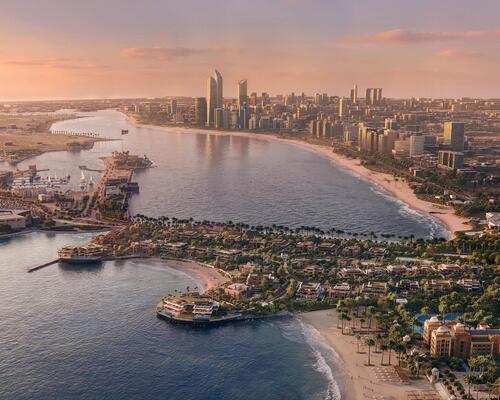
Mandarin Oriental announces standalone Mansions-branded residences for Abu Dhabi
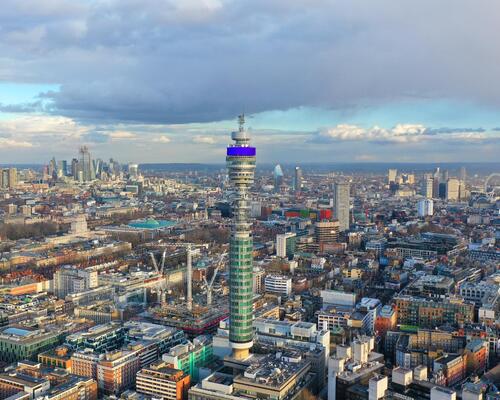
MCR is planning a luxury hotel for London's BT Tower
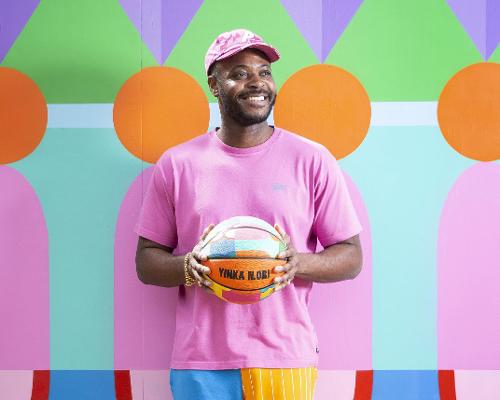
Joy as a radical act: Yinka Ilori launches solo exhibition celebrating the rebellious power of spreading happiness

Work gets underway on Madrid's €800 million leisure complex
Work is underway in Madrid on one of Europe’s most significant multi-functional complexes, combining sport, entertainment, culture and education.
The €800 million initiative to regenerate the former Olympic Aquatic Centre in the north-east of the city, next to the Riyadh Air Metropolitano stadium, is being led by Barsento – a joint venture between Live Nation Entertainment, Oak View Group and Atlético de Madrid. The project will
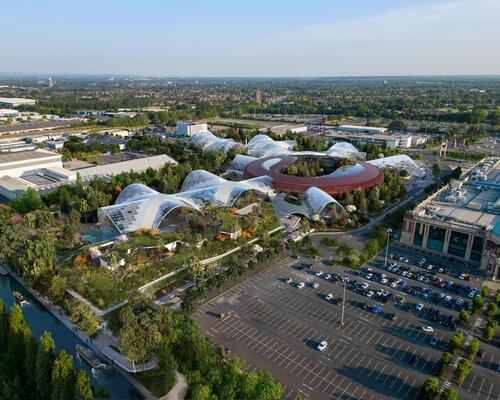
Therme Manchester reveals 90:90 strategy – 90 per cent of the UK population within a 90-minute drive of a Therme

Four Seasons’ Naples Beach Club opens 2,800sq m Sanctuary spa inspired by indigenous Calusa people
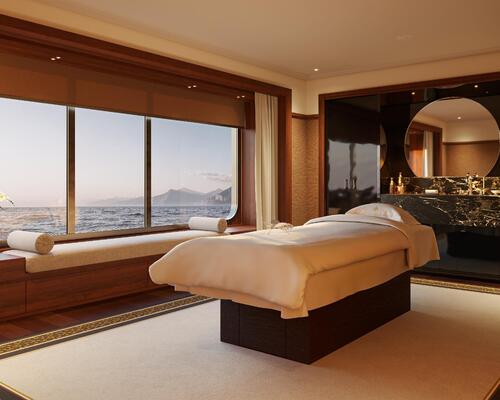
Orient Express Corinthian to host Ocean Rebirth wellness retreat in collaboration with Guerlain
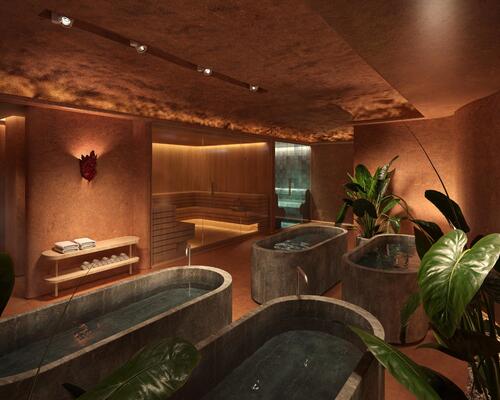
Famed London nightclub, Tramp, launches Tramp Health
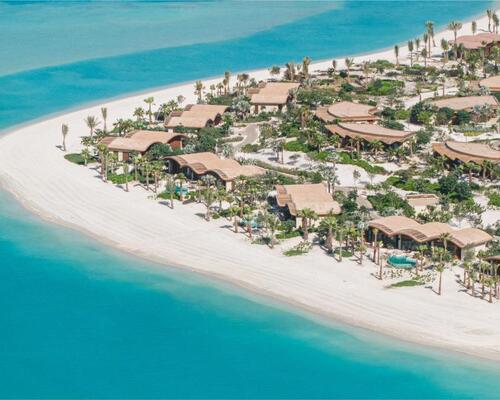
First look: Miraval opens on the Red Sea in Saudi Arabia

Hainan Science Museum by Ma Yansong, opens in China
A new science museum has opened to the public in Haikou after attracting more than 350,000 visitors during a four-month soft opening period.
Designed by Ma Yansong and his practice MAD Architects, the Hainan Science Museum is located on the edge of Wuyuan River National Wetland Park and has already recorded peak attendance of more than 5,800 visitors in a single day.
Commissioned by
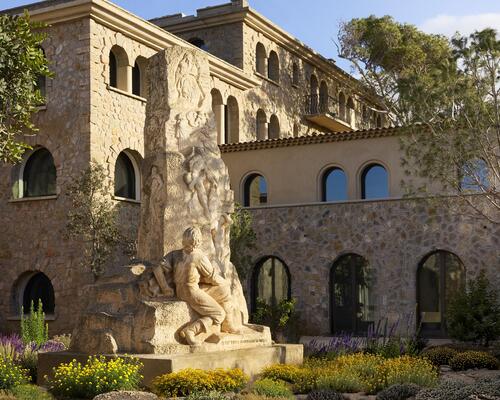
Zannier Île De Bendor launches with design by Hardel Le Bihan Architectes
Sæl Spa readies for launch in London: “a modern British sanctuary”
Immersive art bathhouse Submersive announces debut location in Austin

Construction begins on regenerative wellness destination The Shenandoah Nature Resort

Royal Caribbean reveals record-breaking cruise ship
V&A East opens in London
David Geffen galleries open at LACMA

New venue The Lands by Capella includes a longevity centre to complement sister hotel Capella Sydney

World of Frozen launches at Disneyland Paris

Pical Resort by Valamar reveals first Croatian spa under the ESPA brand

Mandarin Oriental creates end-to-end Egyptian journey with two new hotels and first-ever luxury river cruise

Designers Mendil + Meyer launch new division called Lām Concepts for strategic wellness projects
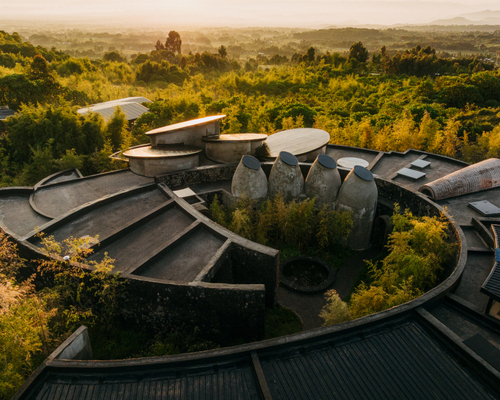
Wilderness Bisate in Rwanda reveals brand’s second Sanctuary spa
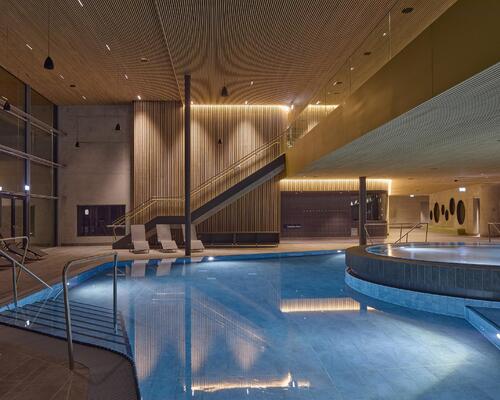
4a Architekten shares details of wellness extension at Salinarium Bad Dürkheim Thermal Spa
















Designed to restore neglected land and renew the identity of Iraq’s capital city, Baghdad Sustainable Forests promises a new way of living surrounded by nature. Gensler’s Ian Mulcahay tells us why he thinks the project could become a model for the repair and enhancement of urban centres