TrendsWatch annual report says radical reshaping of the workplace will affect museums sector



The 2016 edition of the TrendsWatch report – which highlights trends to watch out for in
museums in the coming year – has predicted culture of work, the spectrum of ability, and the struggle over representation to be prominent trends in the sector.
Written by Elizabeth Merritt of the Center for the Future of Museums (CFM), the report, from the CFM and the American Alliance of Museums (AAM), annually identifies the major trends that will shape the way museums worldwide will handle affairs, do business and engage visitors.
At the top of this year’s agenda is the concept of Labor 3.0 – the radical reshaping of the workplace thanks to technology, culture and economic forces.
“The continued mutation of work into a 24/7 proposition may leave people even less time for leisure,” says the report. “On the other hand, flexible work hours, the rise of freelance and contract labour, as well as “sharing economy” jobs, create a large class of people with the flexibility to visit when it suits them.”
Additionally, the report says that the evolving economy and job market will redefine what people expect from museums in terms of education and training opportunities, with museums finding themselves using more part-time and outsourced labour, characterised by temporary teams of skilled specialists.
The document also looks at how the next quarter of a century might unfold in relation to the disabled and how advancing technology is expanding the spectrum of human ability. It’s suggested that museums are about to meet a “new kind of visitor” – people who experience the world in ways no human ever has before.
Merritt encourages museums to play a leadership role in society, acting as thought leaders, educators and ethicists. For that to work though, museums must stand at the forefront of disability rights, rather than treading the narrowly legal trailing edge. Additionally, significant numbers of people choosing to enhance and expand their senses through technology would profoundly alter the experience of art and music created in a pre-augmentation era. The report added that museums will have to adapt everything right down to exhibit and public space design to accommodate the augmentable era.
Not only is augmented reality going to play a huge role in the future of museums; so too will virtual reality. With museums needing to stay one step ahead of the game when it comes to future tech, as VR and AR become more affordable, these institutions will need to be able to develop experiences which will draw visitors to their attraction. Increasingly sophisticated AR and VRexperiences will heighten the impact museums can make as they push their content out into the world via these platforms.
The struggle over representation and identity was also spotlighted in the report, with museums finding themselves often in delicate positions in a sometimes volatile social media age.
“Objects – powerful symbols of individuals, groups, history and society as a whole – have become explosive points of contention.” reads the report. “Museums, as public stewards of our collective history, find themselves enmeshed in the struggle over representation, identity and material culture.”
What this means for museums, says Merritt, is they are being called to act as “cultural hazmat teams”, for example taking down confederate flags or removing commemorative plaques. As time goes on, museums will have to address how they cover certain topics, deciding whether and how to play a role in decommissioning or relocating culturally explosive icons in their states, cities and communities.
The final trend identifies a rebellion against financial focus, with museums using non-financial metrics such as happiness, wellbeing and satisfaction for its workers. In the absence of shared measures of wellbeing, museums often fall back on trying to demonstrate financial impact. Given traditionally low museum salaries, the report suggests it may be more realistic for the sector to focus on employee happiness and wellbeing, as well as trying to budget financial incentives.
To read the full report click here.
TrendsWatch museums workplace augmentedWearable tech revolution, open culture and ethical scrutiny all forecast in 2015 museums TrendsWatch report
2014 TrendsWatch forecasts museum innovation
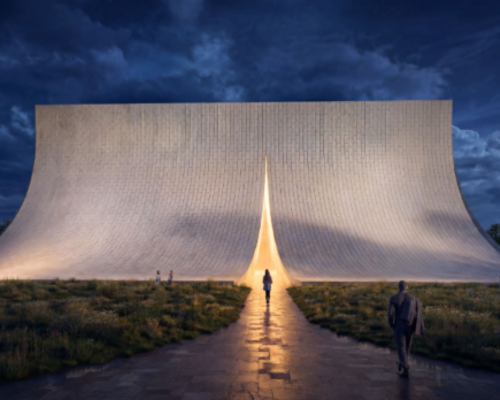
BIG unveils Eve Music Hall as Croatia venue nears completion
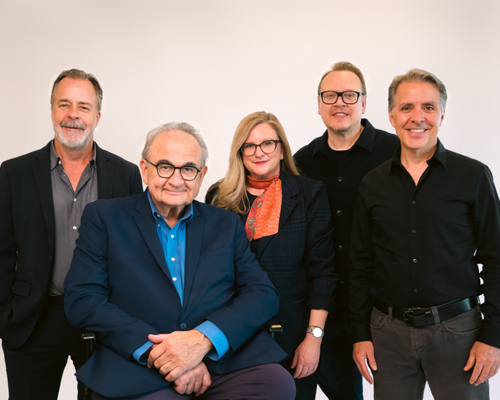
Bob Rogers hands BRC to long-serving leadership team

Wellness care hospital opens in Vilnius with innovative spa and hospitality concept

Universal and Puy du Fou projects point to rise of Oxford–Cambridge corridor
A proposed Puy du Fou development near Bicester and Universal Destinations and Experiences’ planned resort in Bedford are emerging as part of a wider transformation of the Oxford–Cambridge Growth Corridor into a major centre for UK leisure and tourism investment.
For years, the corridor has been associated primarily with science, technology, housing and university-led economic growth. However, the clustering of large-scale visitor attraction projects along the
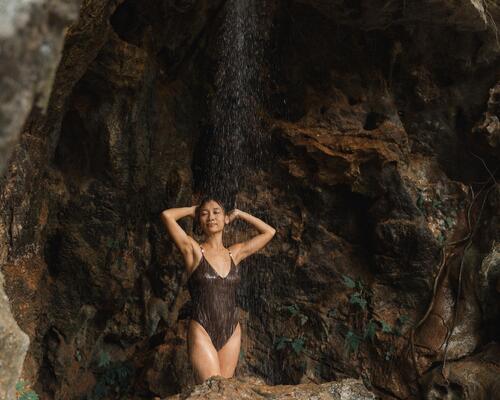
All-inclusive eco-wellness development Auko to open near Vietnam’s Son Doong caves
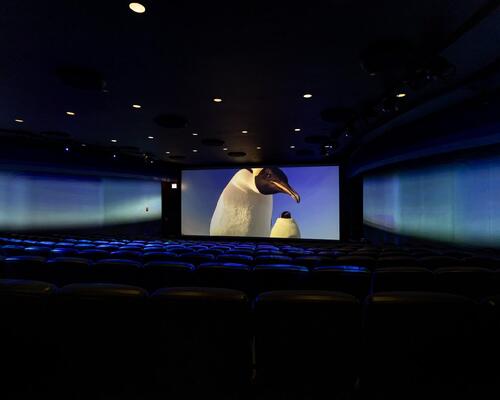
Shedd Aquarium upgrades its visitor experience with new Immersion Theater
Shedd Aquarium has opened the Immersion Theater developed in partnership with SimEx-Iwerks, as part of a wider strategy to enhance the guest experience and create additional revenue opportunities.
The attraction has transformed the aquarium’s Phelps Auditorium into a multi-sensory venue combining panoramic projection, environmental effects and interactive technology.
A new pre-show area allows visitors to engage with augmented reality marine animals before entering the
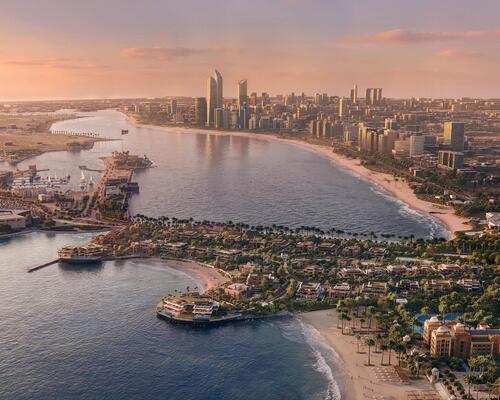
Mandarin Oriental announces standalone Mansions-branded residences for Abu Dhabi
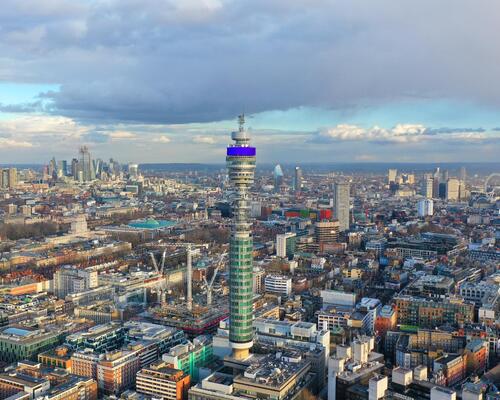
MCR is planning a luxury hotel for London's BT Tower
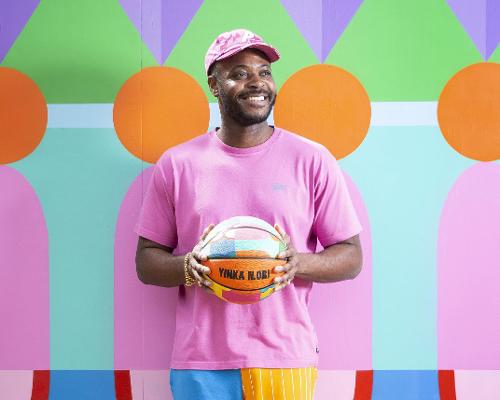
Joy as a radical act: Yinka Ilori launches solo exhibition celebrating the rebellious power of spreading happiness

Work gets underway on Madrid's €800 million leisure complex
Work is underway in Madrid on one of Europe’s most significant multi-functional complexes, combining sport, entertainment, culture and education.
The €800 million initiative to regenerate the former Olympic Aquatic Centre in the north-east of the city, next to the Riyadh Air Metropolitano stadium, is being led by Barsento – a joint venture between Live Nation Entertainment, Oak View Group and Atlético de Madrid. The project will
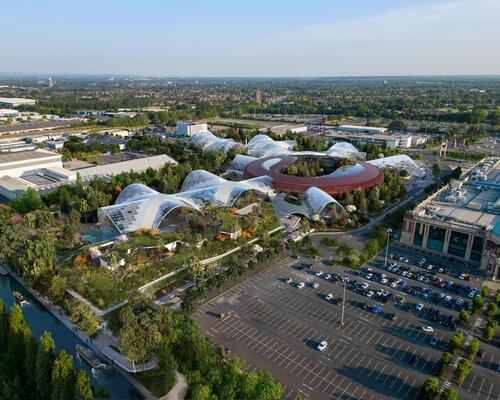
Therme Manchester reveals 90:90 strategy – 90 per cent of the UK population within a 90-minute drive of a Therme

Four Seasons’ Naples Beach Club opens 2,800sq m Sanctuary spa inspired by indigenous Calusa people
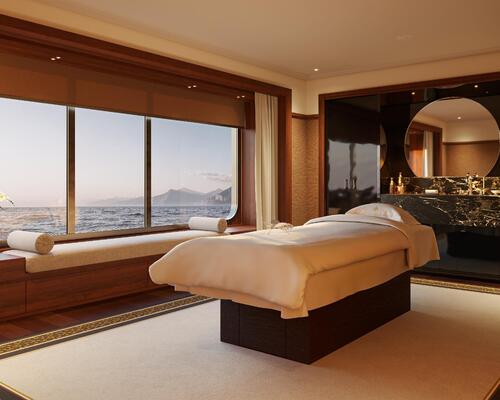
Orient Express Corinthian to host Ocean Rebirth wellness retreat in collaboration with Guerlain
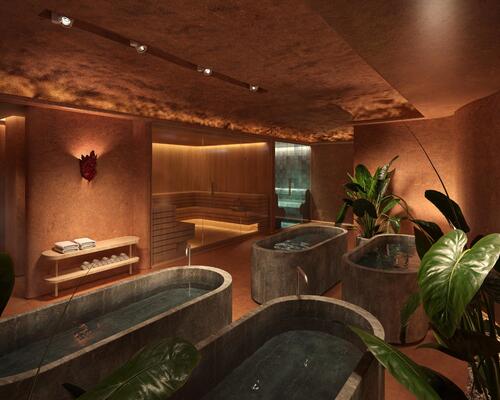
Famed London nightclub, Tramp, launches Tramp Health
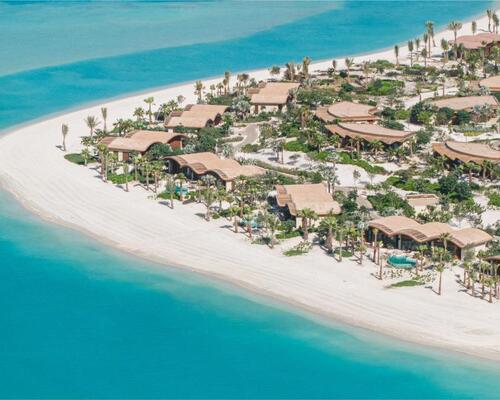
First look: Miraval opens on the Red Sea in Saudi Arabia

Hainan Science Museum by Ma Yansong, opens in China
A new science museum has opened to the public in Haikou after attracting more than 350,000 visitors during a four-month soft opening period.
Designed by Ma Yansong and his practice MAD Architects, the Hainan Science Museum is located on the edge of Wuyuan River National Wetland Park and has already recorded peak attendance of more than 5,800 visitors in a single day.
Commissioned by
Zannier Île De Bendor launches with design by Hardel Le Bihan Architectes
Sæl Spa readies for launch in London: “a modern British sanctuary”
Immersive art bathhouse Submersive announces debut location in Austin

Construction begins on regenerative wellness destination The Shenandoah Nature Resort

Royal Caribbean reveals record-breaking cruise ship
V&A East opens in London
David Geffen galleries open at LACMA

New venue The Lands by Capella includes a longevity centre to complement sister hotel Capella Sydney
World of Frozen launches at Disneyland Paris
Pical Resort by Valamar reveals first Croatian spa under the ESPA brand

Mandarin Oriental creates end-to-end Egyptian journey with two new hotels and first-ever luxury river cruise

Designers Mendil + Meyer launch new division called Lām Concepts for strategic wellness projects
Wilderness Bisate in Rwanda reveals brand’s second Sanctuary spa
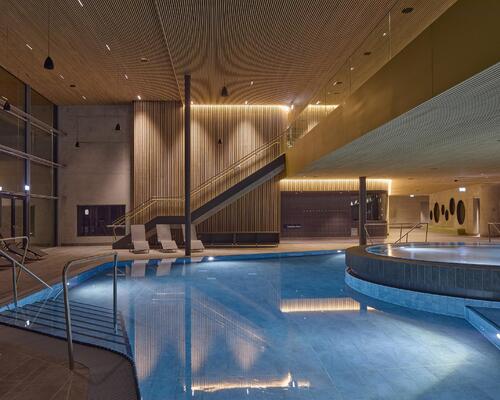
4a Architekten shares details of wellness extension at Salinarium Bad Dürkheim Thermal Spa








Designed to restore neglected land and renew the identity of Iraq’s capital city, Baghdad Sustainable Forests promises a new way of living surrounded by nature. Gensler’s Ian Mulcahay tells us why he thinks the project could become a model for the repair and enhancement of urban centres