Pritzker Prize 2018 awarded to Balkrishna Doshi


– Balkrishna Doshi
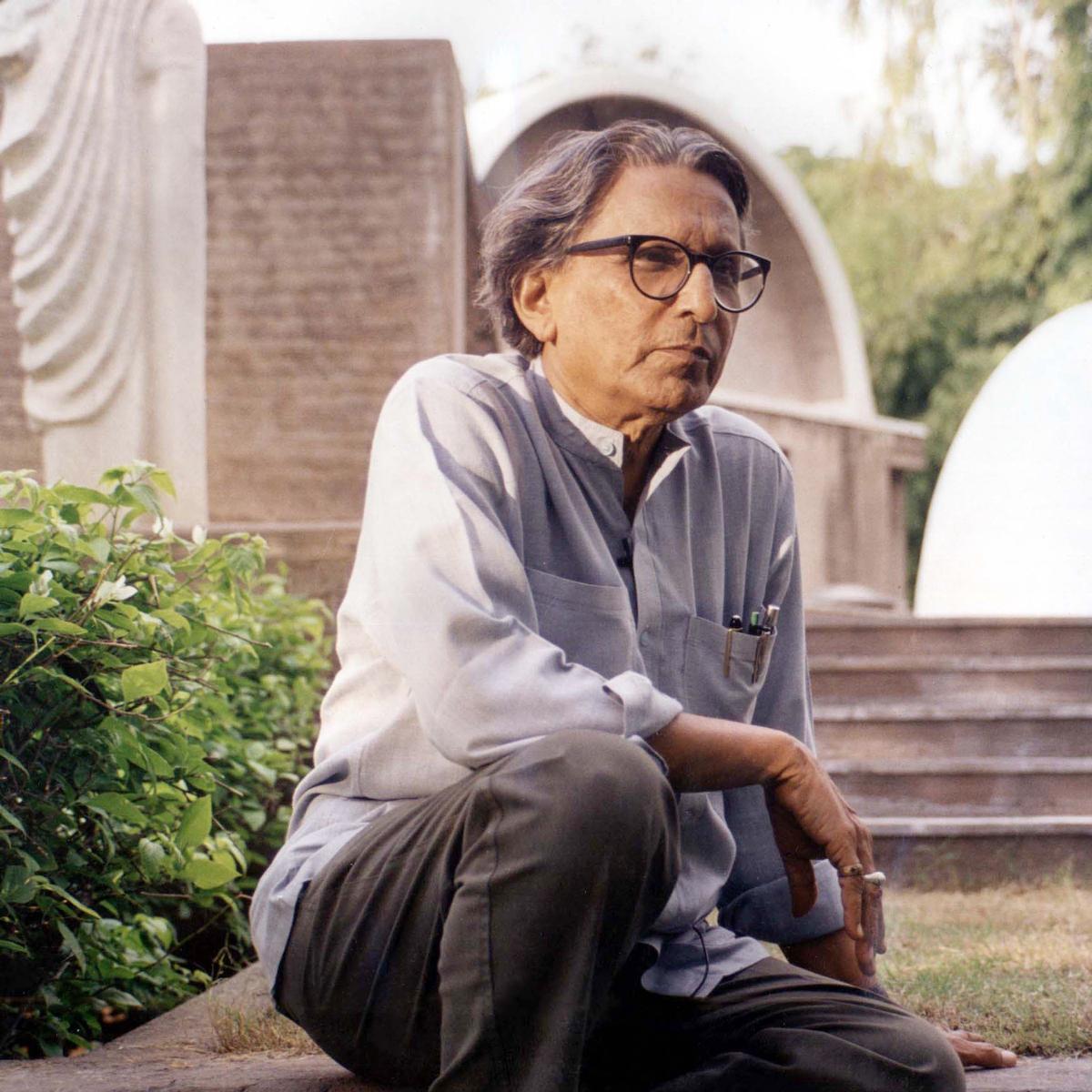
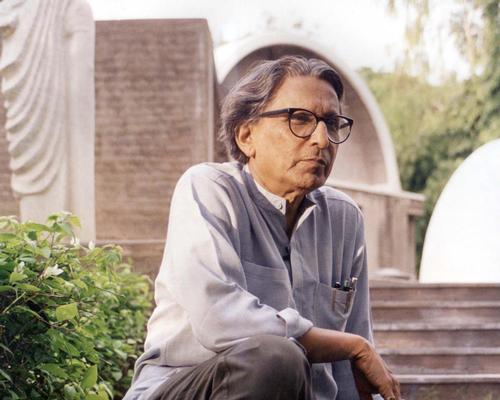
Indian architect Professor Balkrishna Doshi has today (7 March) been selected as the winner of the 2018 Pritzker Architecture Prize.
The award – widely regarded as architecture's highest accolade – honours a living architect or architects “whose built work demonstrates a combination of talent, vision, and commitment, and who has produced consistent and significant contributions to humanity and the built environment.”
Doshi, aged 90, is the 45th winner the prize, and its first Indian recipient. The jury hailed his “deep sense of responsibility and a desire to contribute to his country and its people through high quality, authentic architecture” – from cultural projects to buildings for public administration, education and housing.
"Doshi is acutely aware of the context in which his buildings are located," they added. "His solutions take into account the social, environmental and economic dimensions, and therefore his architecture is totally engaged with sustainability.
“He has always created an architecture that is serious, never flashy or a follower of trends.”
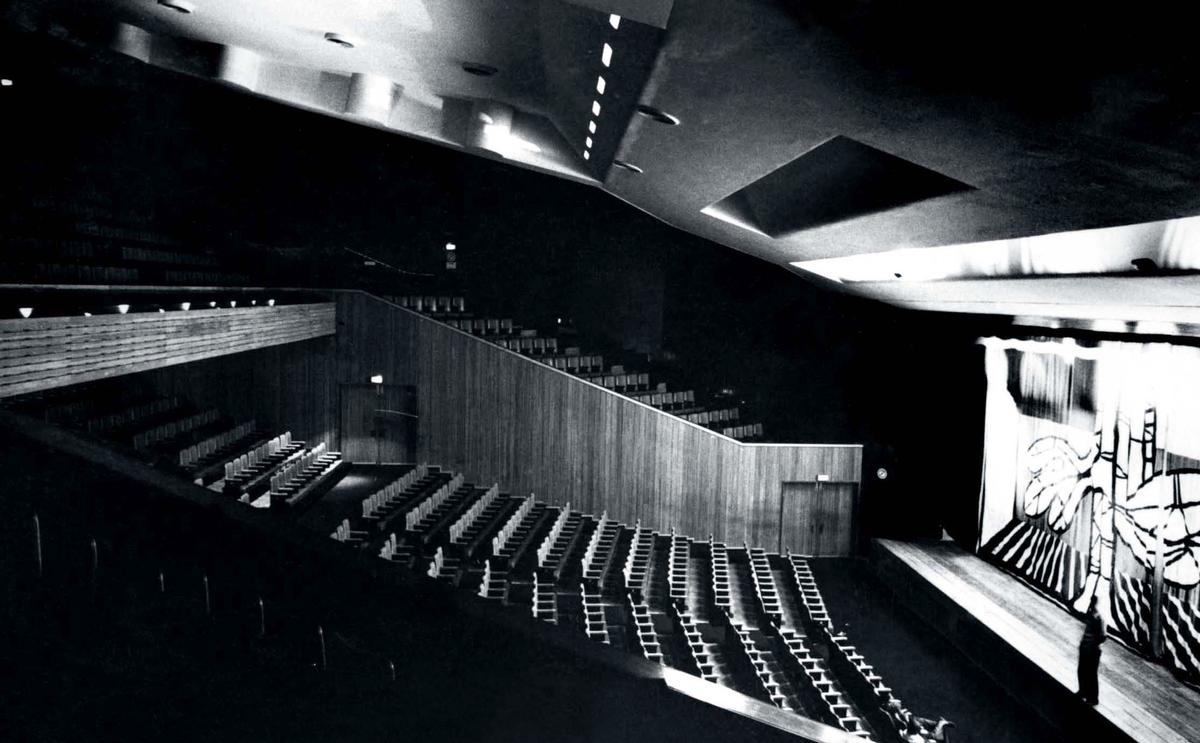
Doshi's leisure work includes spaces such as Tagore Memorial Hall (Ahmedabad, 1967), the Institute of Indology (Ahmedabad, 1962), and Premabhai Hall (Ahmedabad, 1976).
Responding to the announcement, he said: “With all my humility and gratefulness I want to thank the Pritzker jury for this deeply touching and rewarding recognition of my work. This reaffirms my belief that, ‘life celebrates when lifestyle and architecture fuse.’"
He added: “My works are an extension of my life, philosophy and dreams trying to create treasury of the architectural spirit. I owe this prestigious prize to my guru, Le Corbusier. His teachings led me to question identity and compelled me to discover new regionally adopted contemporary expression for a sustainable holistic habitat.
“Every object around us, and nature itself – lights, sky, water and storm – everything is in a symphony. And this symphony is what architecture is all about. My work is the story of my life, continuously evolving, changing and searching to take away the role of architecture, and look only at life.”
Tom Pritzker, Chairman of Hyatt Foundation, which sponsors the award, remarked: “Professor Doshi has said that ‘Design converts shelters into homes, housing into communities, and cities into magnets of opportunities. His life’s work truly underscores the mission of the Prize – demonstrating the art of architecture and an invaluable service to humanity.”
Nominations for Pritzker candidates were accepted internationally from past laureates, architects, academics, critics and politicians. The list was then judged by the jury, including previous laureates Richard Rogers, Wang Shu and Sejima Kazuyo.
The Prize was founded in 1979 by the Pritzker family. Previous winners include Peter Zumthor, Shigeru Ban, Toyo Ito, Jean Nouvel, Zaha Hadid, Herzog and de Meuron, Frei Otto, Richard Meier and James Stirling. Last year, Rafael Aranda, Carme Pigem and Ramon Vilalta from Spanish practice RCR Arquitectes claimed the award.
The 2018 Pritzker Architecture Prize ceremony commemorates the 40th anniversary of the accolade and will take place at the Aga Khan Museum in Toronto, Canada, this May. Doshi will receive US$100,000 (€80,500, £72,00) in prize money and the famous Pritzker bronze medal.
Indian architect Balkrishna Doshi has continually exhibited the objectives of the Pritzker Architecture Prize to the highest degree. He has been practicing the art of architecture, demonstrating substantial contributions to humanity, for over 60 years. By granting him the award this year, the Pritzker Prize jury recognizes his exceptional architecture as reflected in over a hundred buildings he has realized, his commitment and his dedication to his country and the communities he has served, his influence as a teacher, and the outstanding example he has set for professionals and students around the world throughout his long career.
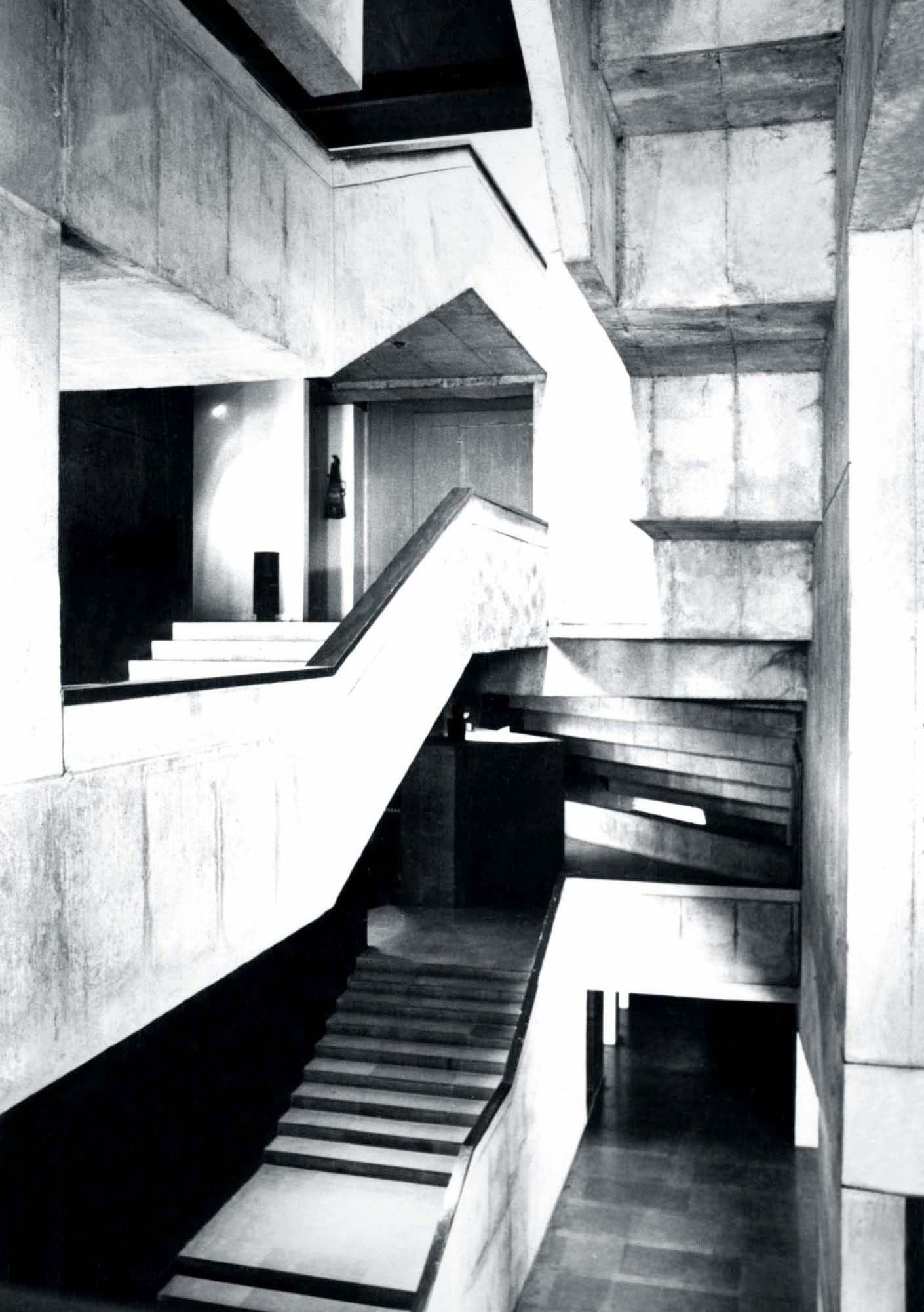
Doshi, as he is fondly called by all who know him, worked with two masters of the 20th century — Le Corbusier and Louis Kahn. Without a doubt, Doshi’s early works were influenced by these architects as can be seen in the robust forms of concrete which he employed. However, Doshi took the language of his buildings beyond these early models. With an understanding and appreciation of the deep traditions of India’s architecture, he united prefabrication and local craft and developed a vocabulary in harmony with the history, culture, local traditions and the changing times of his home country India.
Over the years, Balkrishna Doshi has always created an architecture that is serious, never flashy or a follower of trends. With a deep sense of responsibility and a desire to contribute to his country and its people through high quality, authentic architecture, he has created projects for public administrations and utilities, educational and cultural institutions, and residences for private clients, among others.
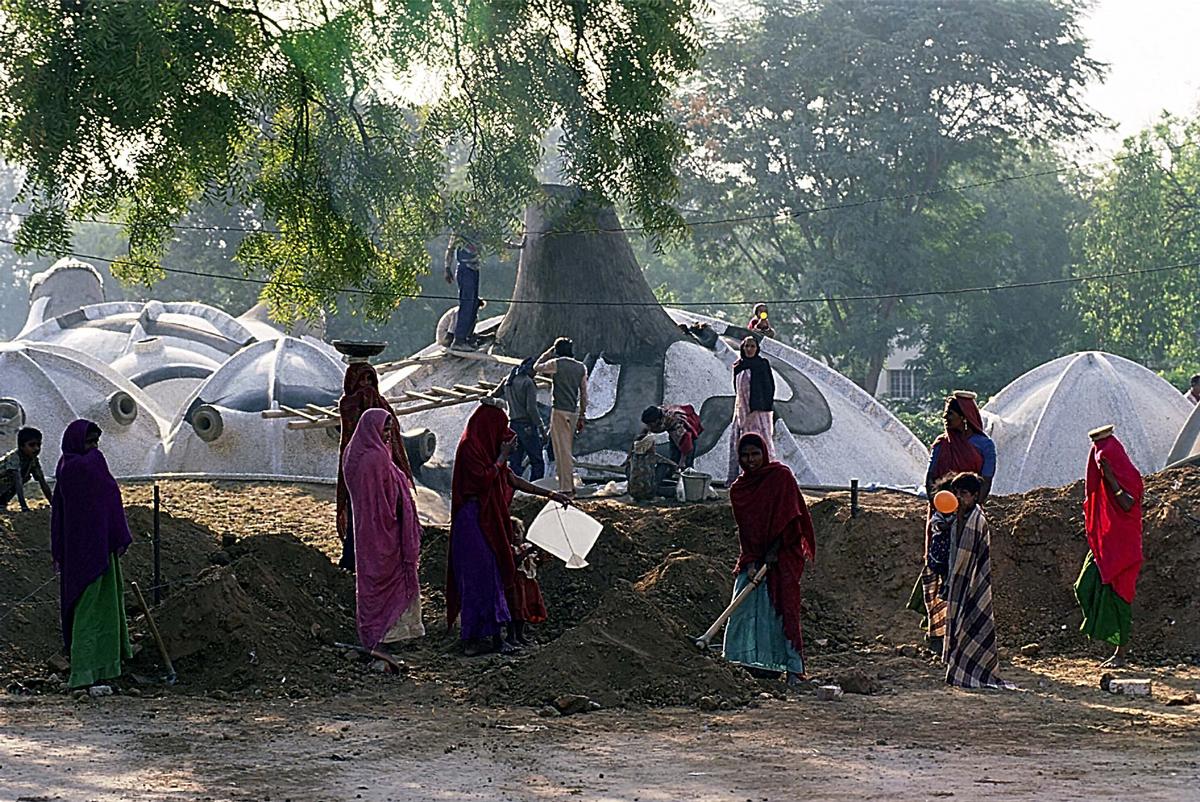
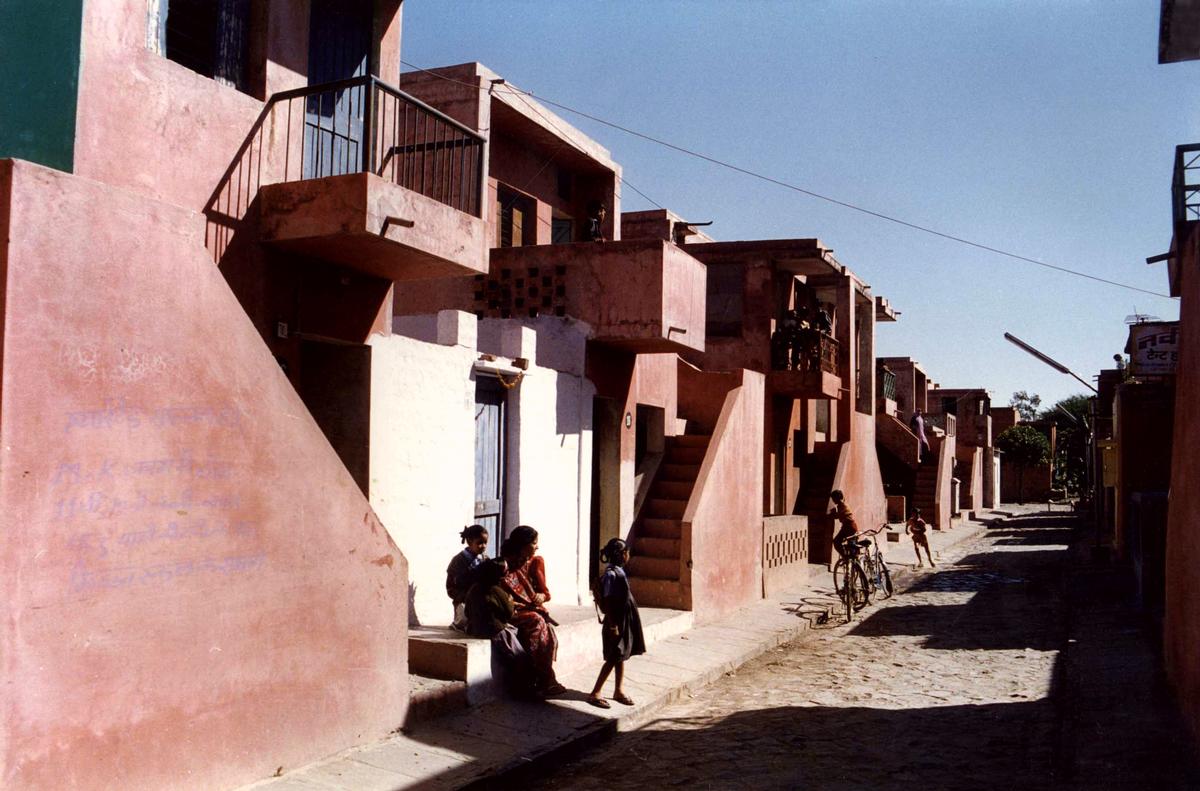
He undertook his first project for low-income housing in the 1950s. Doshi stated in 1954, “It seems I should take an oath and remember it for my lifetime: to provide the lowest class with the proper dwelling.” He fulfilled this personal oath in projects such as Aranya Low-cost Housing at Indore, 1989, in central-west India and the Co-Operative Middle Income Housing, Ahmedabad, India of 1982, and many others. Housing as shelter is but one aspect of these projects. The entire planning of the community, the scale, the creation of public, semi-public and private spaces are a testament to his understanding of how cities work and the importance of the urban design.
Aranya Low-cost Housing
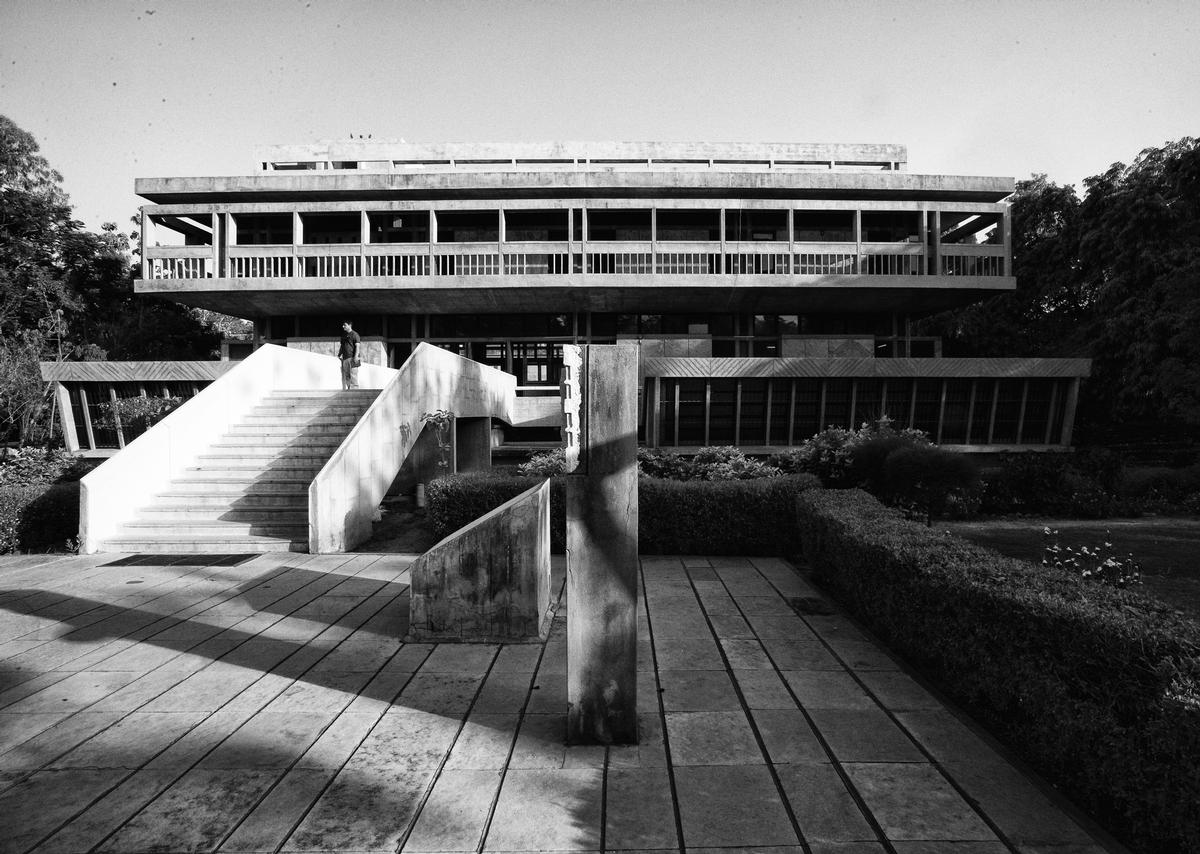
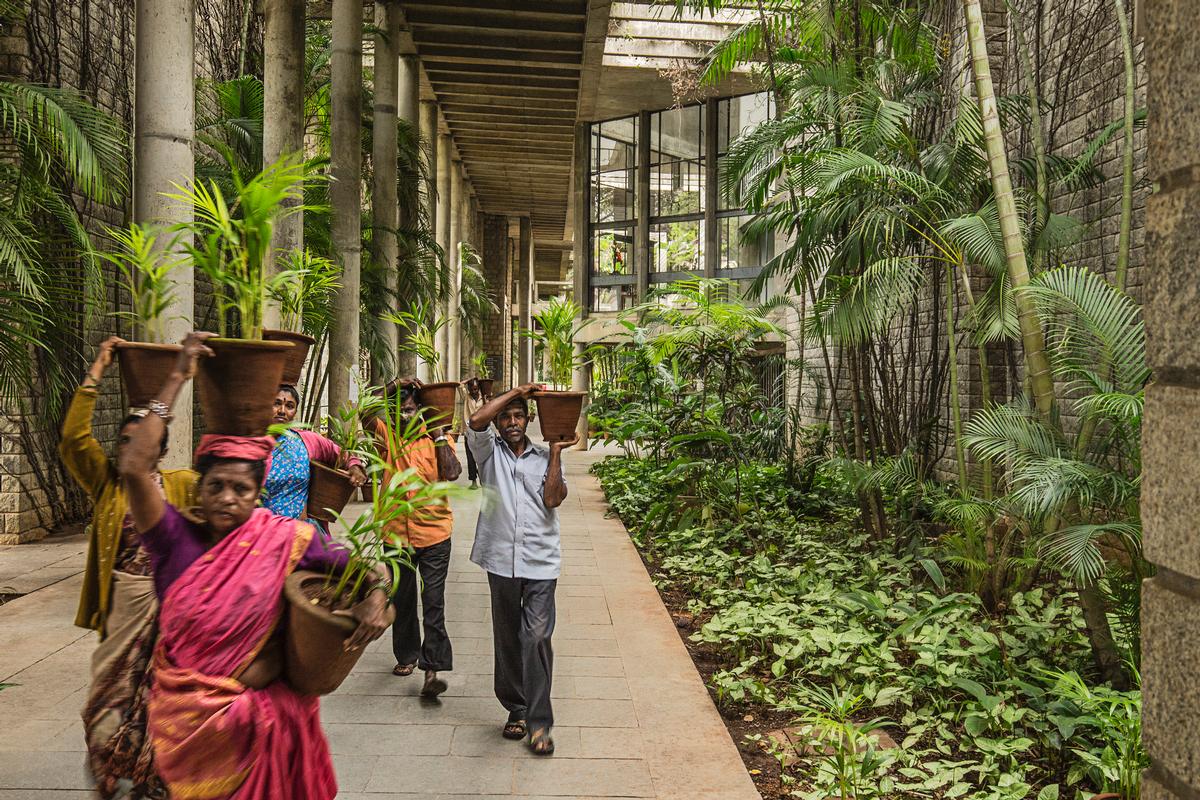
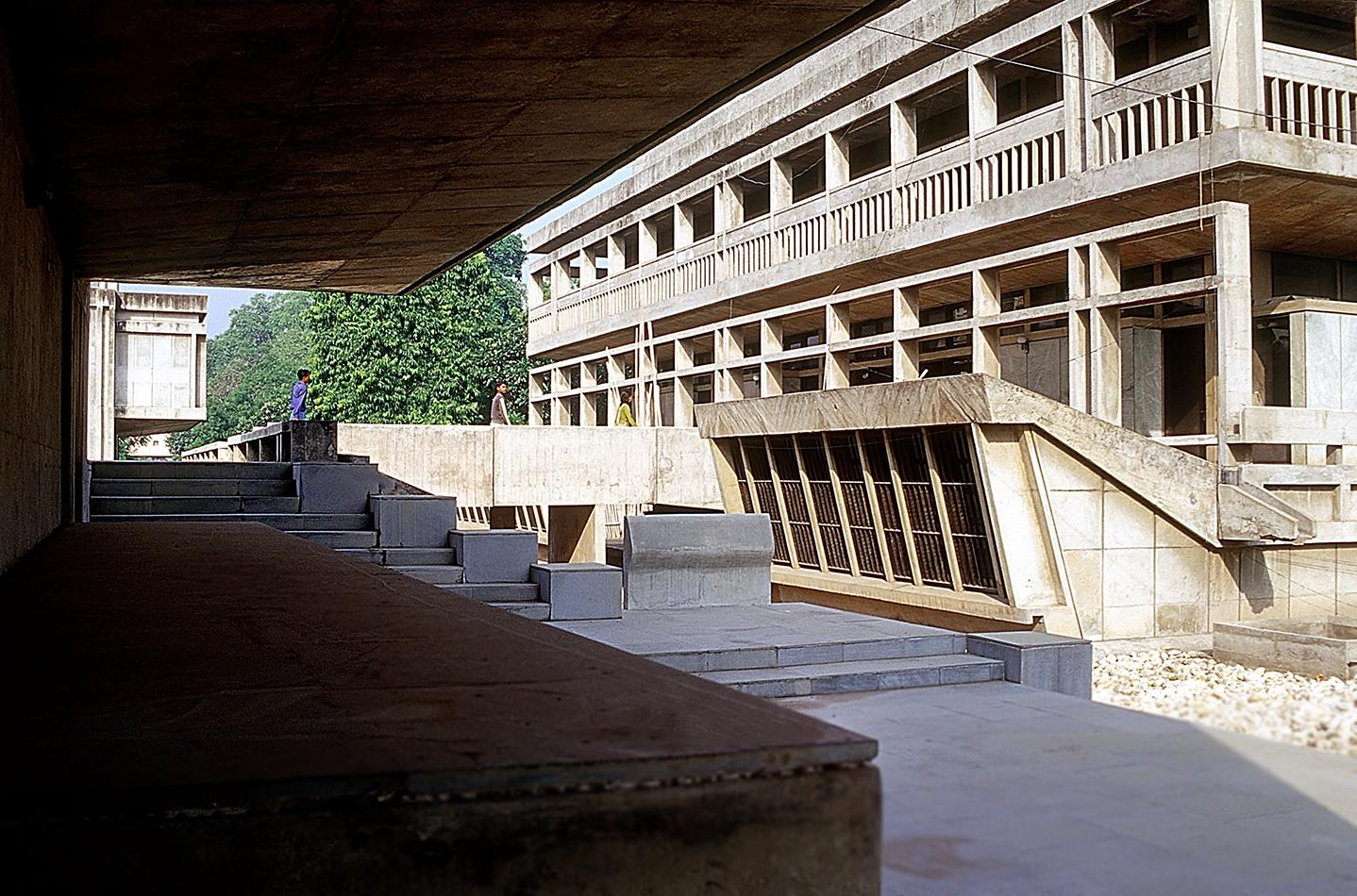
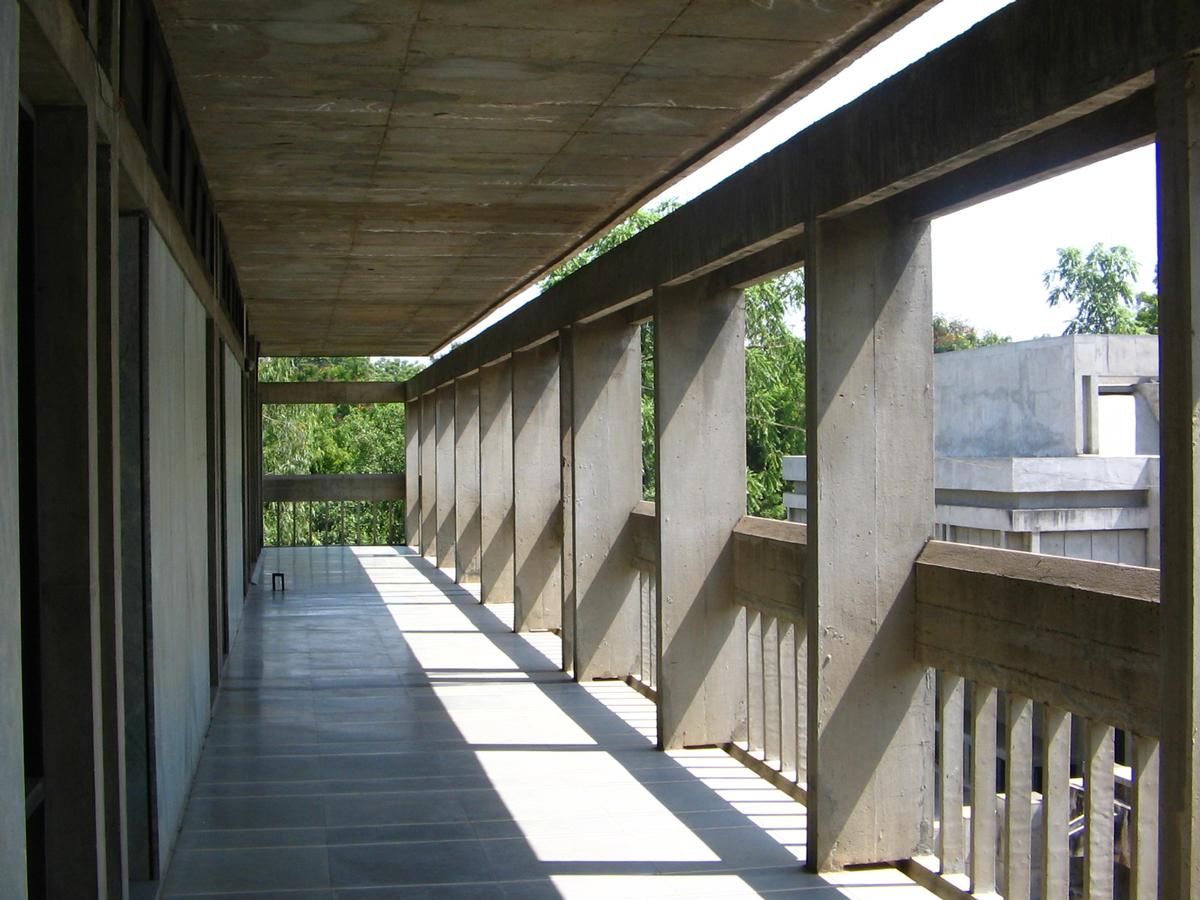
Doshi is acutely aware of the context in which his buildings are located. His solutions take into account the social, environmental and economic dimensions, and therefore his architecture is totally engaged with sustainability. Using patios, courtyards, and covered walkways, as in the case of the School of Architecture (1966, now part of CEPT) or the Madhya Pradesh Electricity Board in Jabalpur (1979) or the Indian Institute of Management in Bangalore (1992), Doshi has created spaces to protect from the sun, catch the breezes and provide comfort and enjoyment in and around the buildings.
 Indian Institute of Management, Bangalore
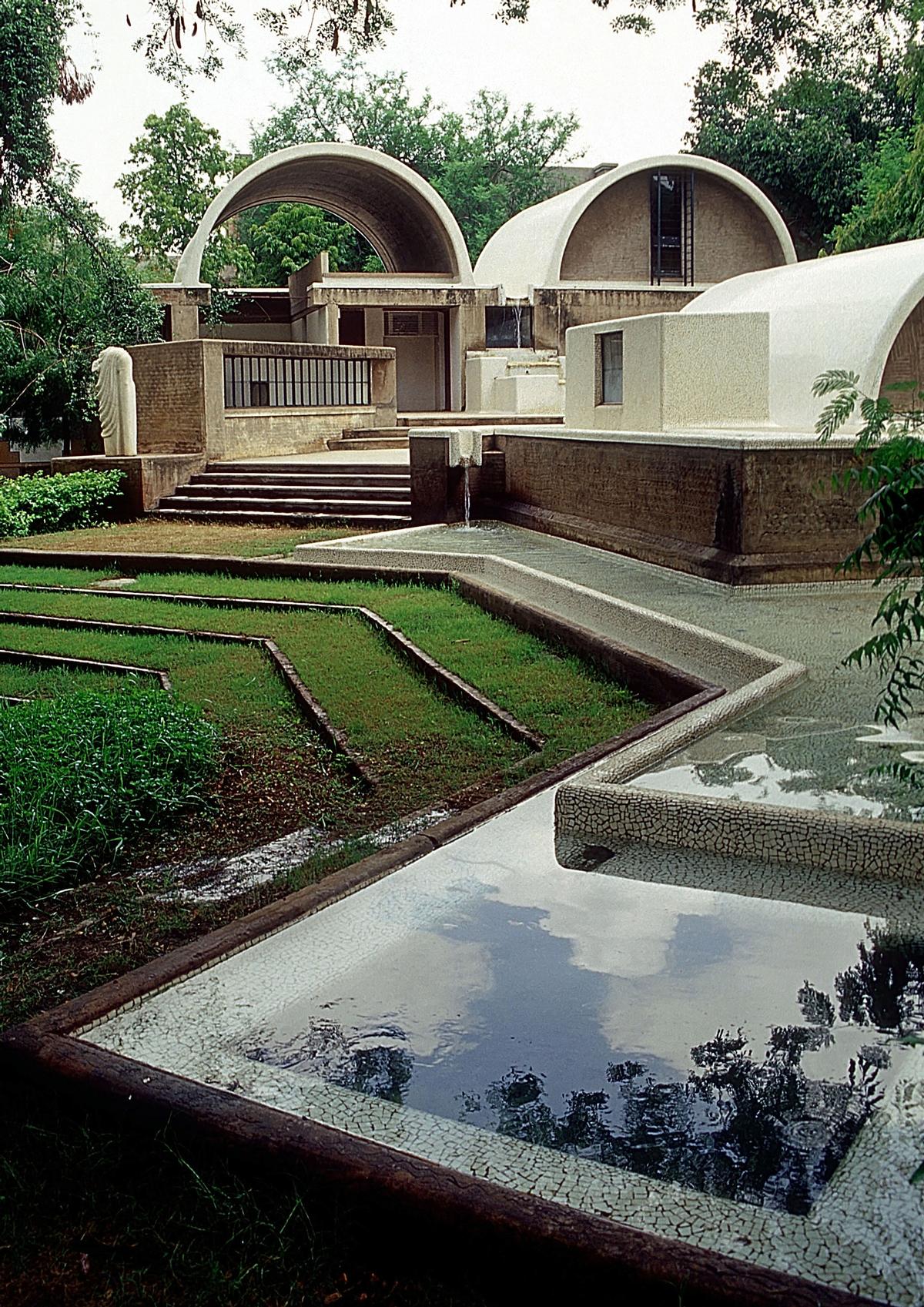
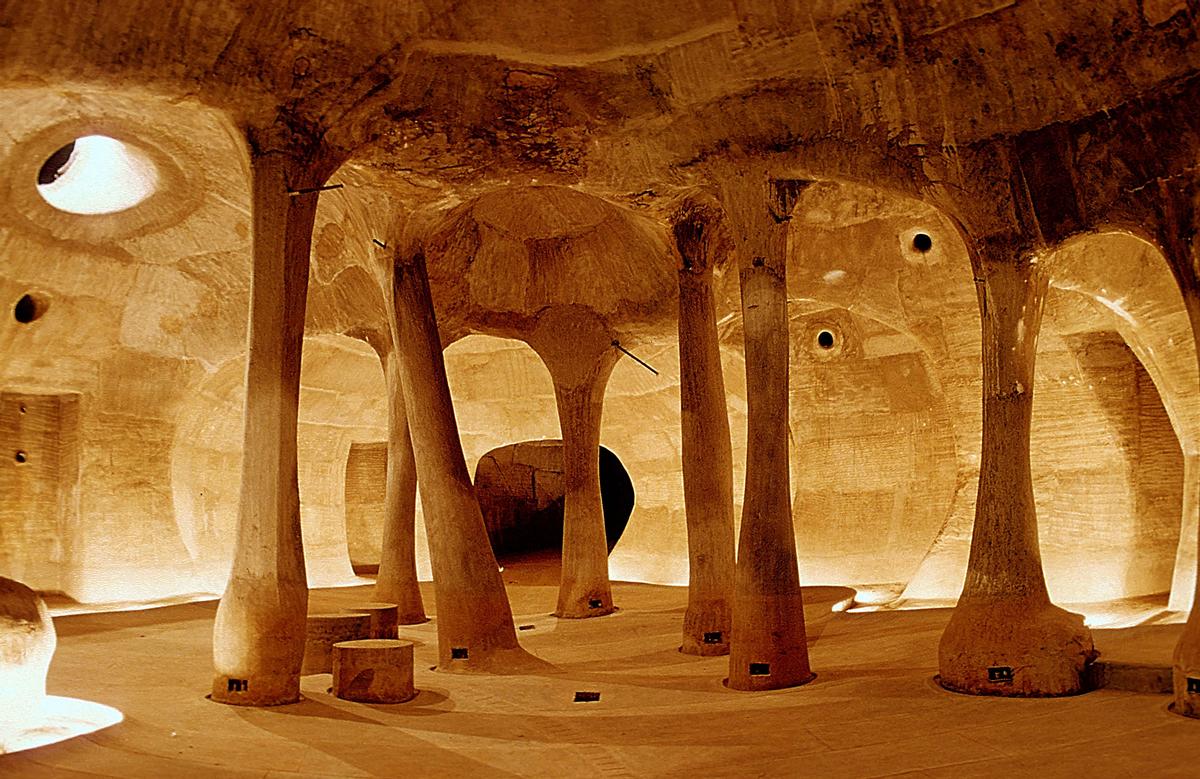
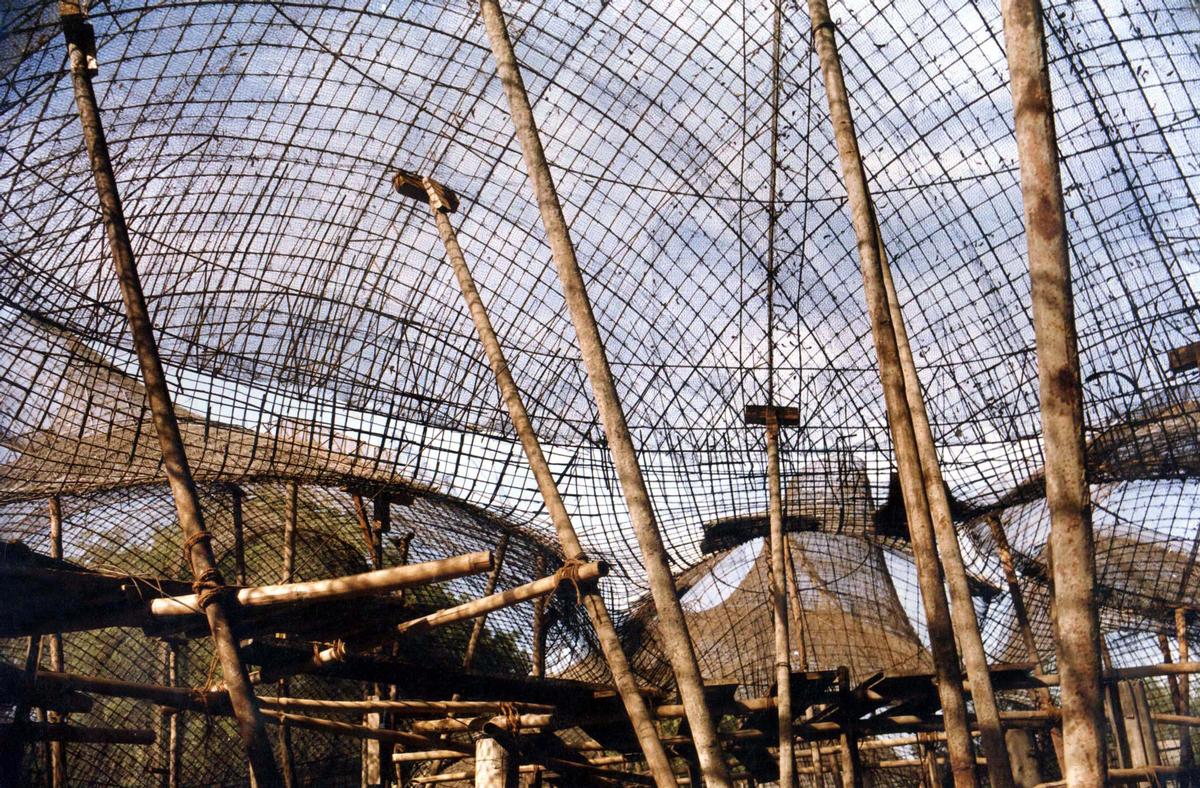
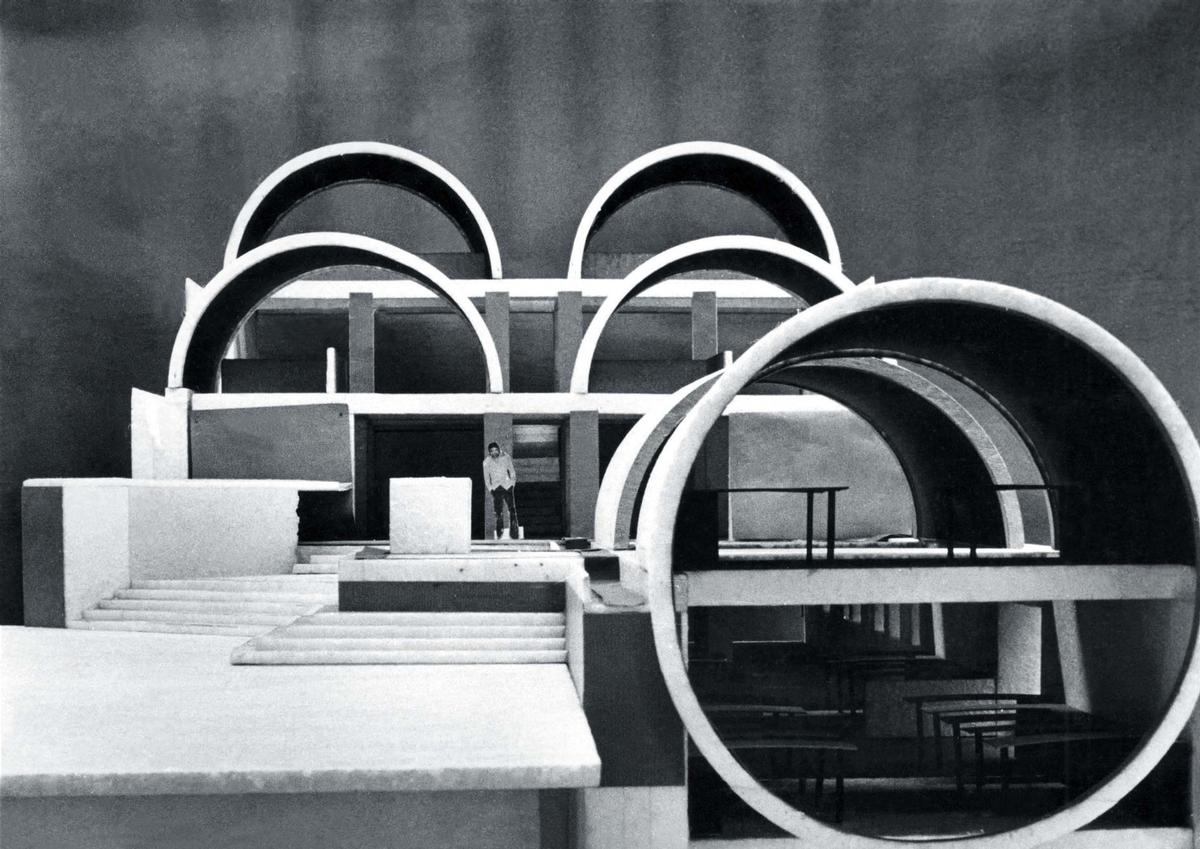
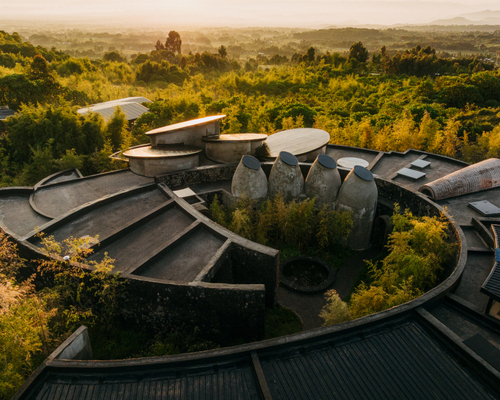
In the architect’s own studio, called Sangath (Ahmedabad, India, 1980), we can see the outstanding qualities of Balkrishna Doshi’s approach and understanding of architecture. The Sanskrit word Sangath means to accompany or to move together. As an adjective, it embodies that which is appropriate or relevant. The structures are semi-underground and totally integrated with the natural characteristics of the site. There is an easy flow of terraces, reflecting ponds, mounds, and the curved vaults which are distinguishing formal elements. There is variety and richness in the interior spaces that have different qualities of light, different shapes as well as different uses, while unified through the use of concrete. Doshi has created an equilibrium and peace among all the components—material and immaterial—which result in a whole that is much more than the sum of the parts.
Sangath
Balkrishna Doshi constantly demonstrates that all good architecture and urban planning must not only unite purpose and structure but must take into account climate, site, technique, and craft, along with a deep understanding and appreciation of the context in the broadest sense. Projects must go beyond the functional to connect with the human spirit through poetic and philosophical underpinnings.
For his numerous contributions as an architect, urban planner, teacher, for his steadfast example of integrity and his tireless contributions to India and beyond, the Pritzker Architecture Prize Jury selects Balkrishna Doshi as the 2018 Pritzker Laureate.
Bob Rogers hands BRC to long-serving leadership team

Wellness care hospital opens in Vilnius with innovative spa and hospitality concept

Universal and Puy du Fou projects point to rise of Oxford–Cambridge corridor
A proposed Puy du Fou development near Bicester and Universal Destinations and Experiences’ planned resort in Bedford are emerging as part of a wider transformation of the Oxford–Cambridge Growth Corridor into a major centre for UK leisure and tourism investment.
For years, the corridor has been associated primarily with science, technology, housing and university-led economic growth. However, the clustering of large-scale visitor attraction projects along the

All-inclusive eco-wellness development Auko to open near Vietnam’s Son Doong caves
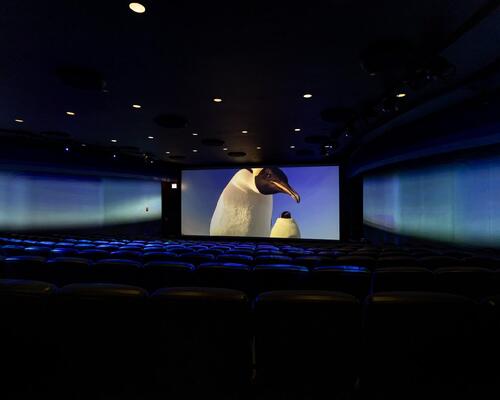
Shedd Aquarium upgrades its visitor experience with new Immersion Theater
Shedd Aquarium has opened the Immersion Theater developed in partnership with SimEx-Iwerks, as part of a wider strategy to enhance the guest experience and create additional revenue opportunities.
The attraction has transformed the aquarium’s Phelps Auditorium into a multi-sensory venue combining panoramic projection, environmental effects and interactive technology.
A new pre-show area allows visitors to engage with augmented reality marine animals before entering the
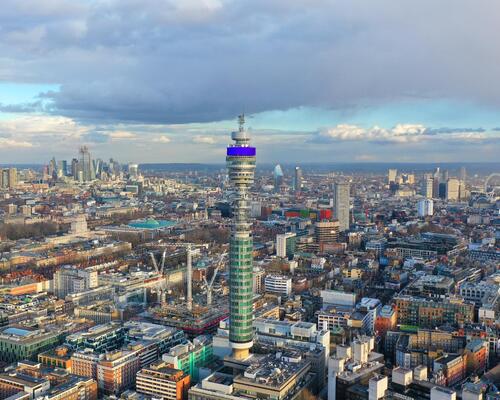
MCR is planning a luxury hotel for London's BT Tower

Joy as a radical act: Yinka Ilori launches solo exhibition celebrating the rebellious power of spreading happiness

Work gets underway on Madrid's €800 million leisure complex
Work is underway in Madrid on one of Europe’s most significant multi-functional complexes, combining sport, entertainment, culture and education.
The €800 million initiative to regenerate the former Olympic Aquatic Centre in the north-east of the city, next to the Riyadh Air Metropolitano stadium, is being led by Barsento – a joint venture between Live Nation Entertainment, Oak View Group and Atlético de Madrid. The project will
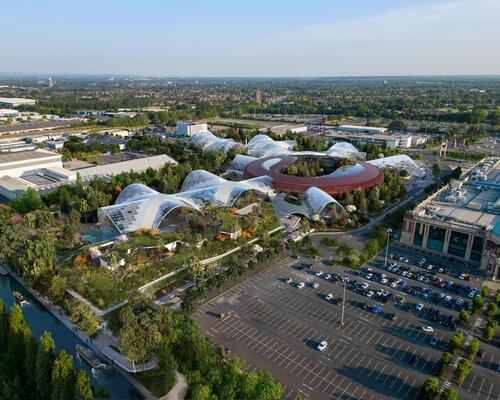
Therme Manchester reveals 90:90 strategy – 90 per cent of the UK population within a 90-minute drive of a Therme

Four Seasons’ Naples Beach Club opens 2,800sq m Sanctuary spa inspired by indigenous Calusa people
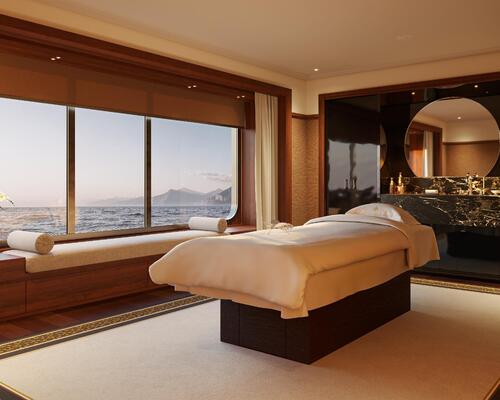
Orient Express Corinthian to host Ocean Rebirth wellness retreat in collaboration with Guerlain
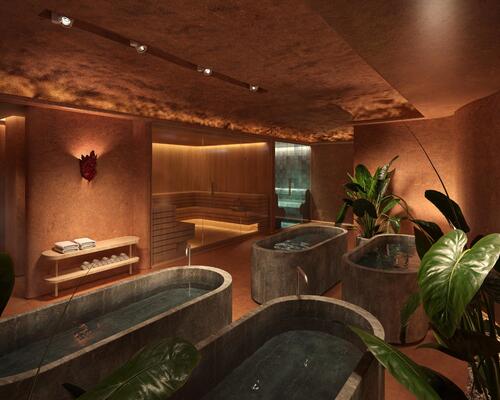
Famed London nightclub, Tramp, launches Tramp Health
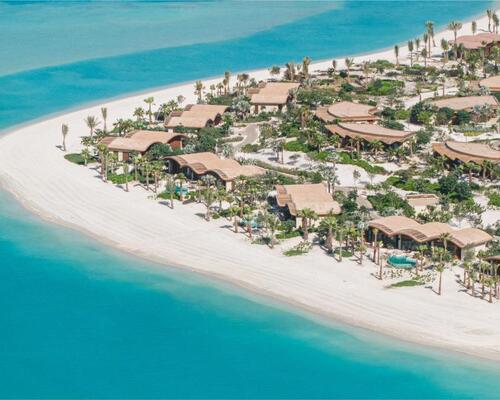
First look: Miraval opens on the Red Sea in Saudi Arabia

Hainan Science Museum by Ma Yansong, opens in China
A new science museum has opened to the public in Haikou after attracting more than 350,000 visitors during a four-month soft opening period.
Designed by Ma Yansong and his practice MAD Architects, the Hainan Science Museum is located on the edge of Wuyuan River National Wetland Park and has already recorded peak attendance of more than 5,800 visitors in a single day.
Commissioned by
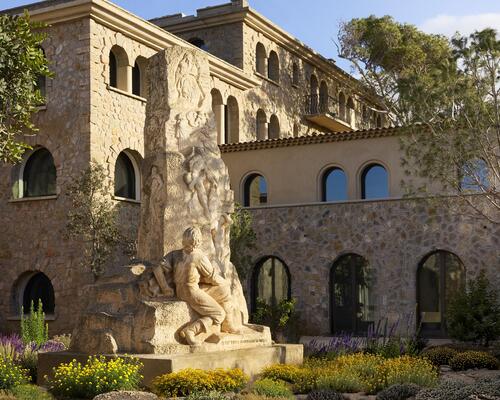
Zannier Île De Bendor launches with design by Hardel Le Bihan Architectes
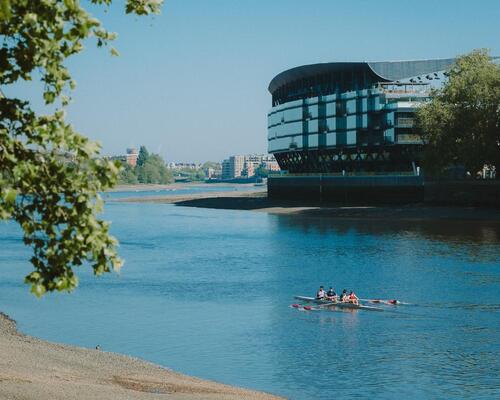
Sæl Spa readies for launch in London: “a modern British sanctuary”
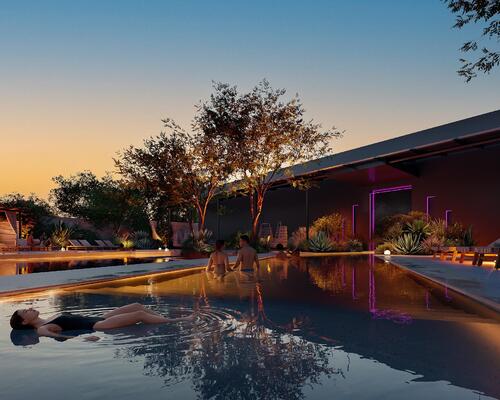
Immersive art bathhouse Submersive announces debut location in Austin

Construction begins on regenerative wellness destination The Shenandoah Nature Resort

Royal Caribbean reveals record-breaking cruise ship
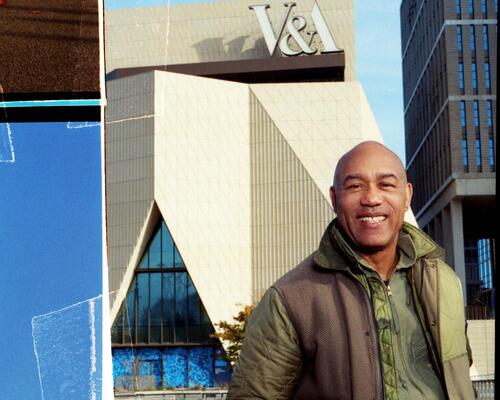
V&A East opens in London
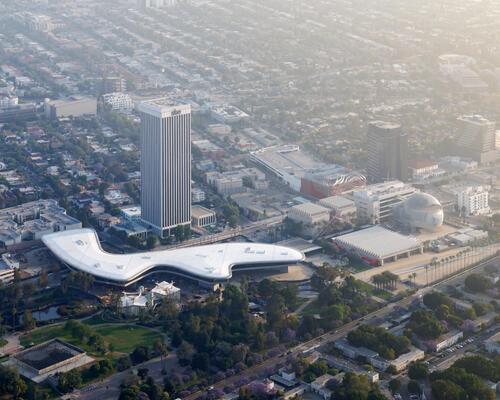
David Geffen galleries open at LACMA

New venue The Lands by Capella includes a longevity centre to complement sister hotel Capella Sydney

World of Frozen launches at Disneyland Paris
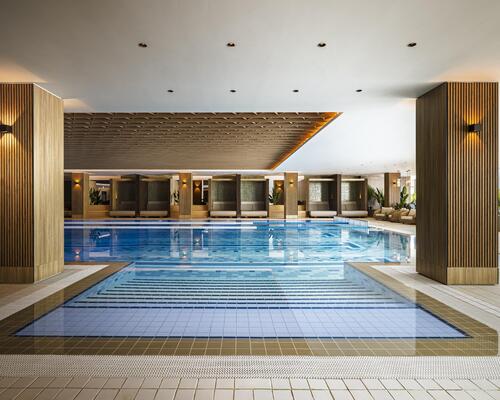
Pical Resort by Valamar reveals first Croatian spa under the ESPA brand

Mandarin Oriental creates end-to-end Egyptian journey with two new hotels and first-ever luxury river cruise

Designers Mendil + Meyer launch new division called Lām Concepts for strategic wellness projects
Wilderness Bisate in Rwanda reveals brand’s second Sanctuary spa
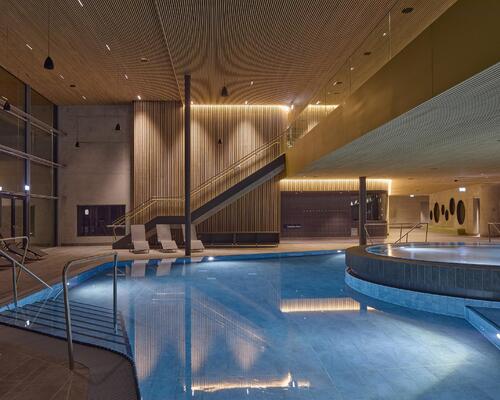
4a Architekten shares details of wellness extension at Salinarium Bad Dürkheim Thermal Spa

BodyHoliday plans 10-15 locations in the next 15 years
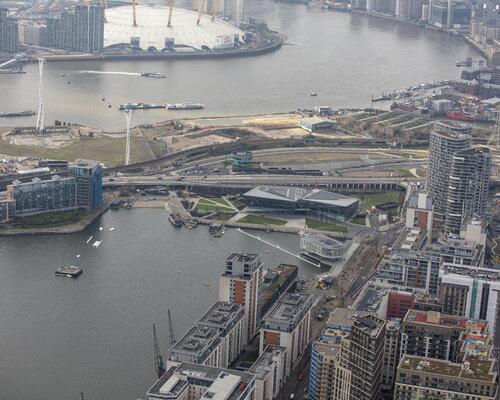
Floating wellbeing destination planned for London’s Royal Docks





Designed to restore neglected land and renew the identity of Iraq’s capital city, Baghdad Sustainable Forests promises a new way of living surrounded by nature. Gensler’s Ian Mulcahay tells us why he thinks the project could become a model for the repair and enhancement of urban centres