Emilio Hernandez explains why Nulty are creating a manifesto for sleep
– Emilio Hernandez
Lighting consultants Nulty have worked with brands including Harrods, Ritz-Carlton and the Royal Albert Hall, but as director Emilio Hernandez told CLAD, their most significant project might simply be helping people to get a good night's sleep.
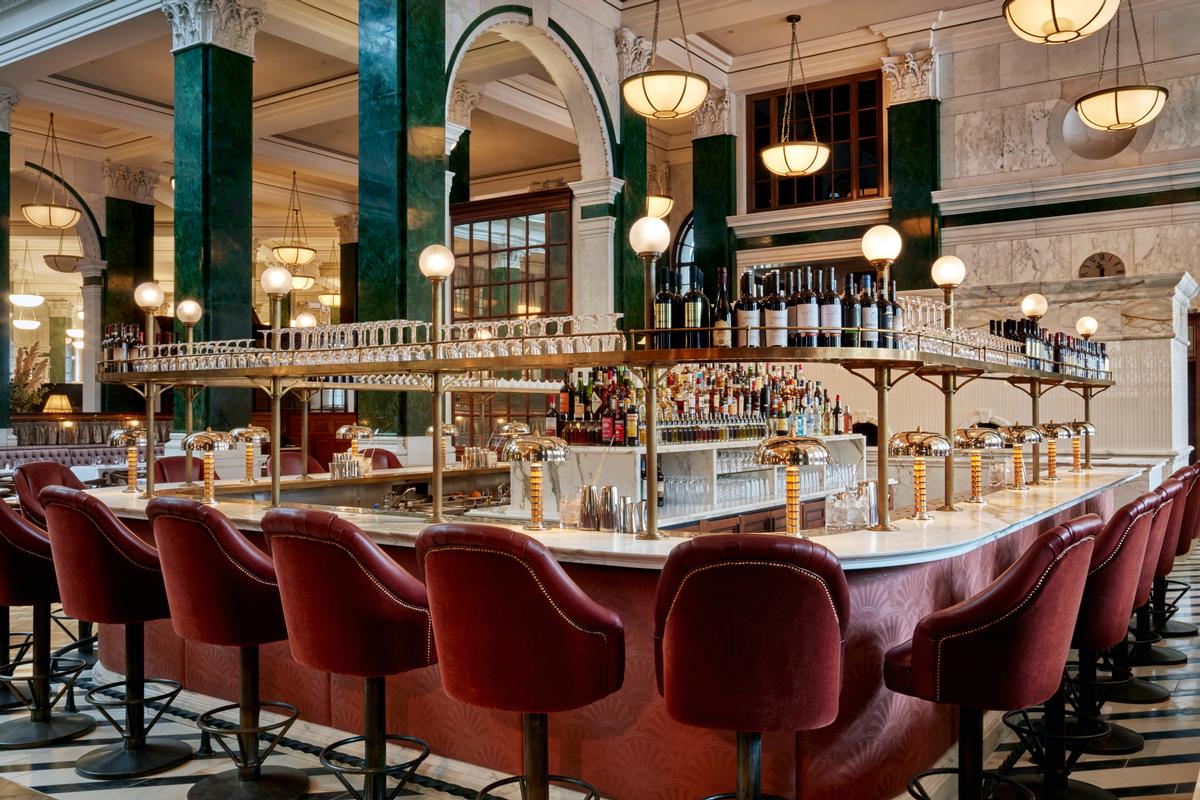
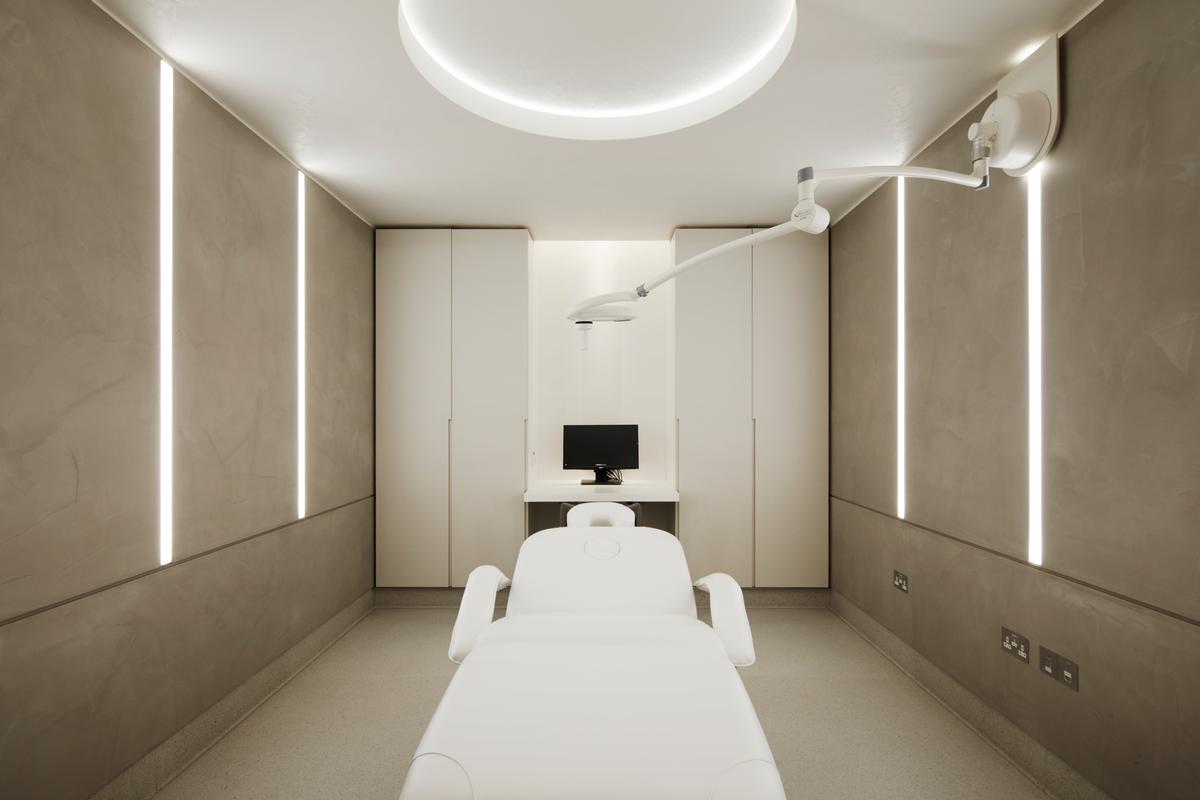
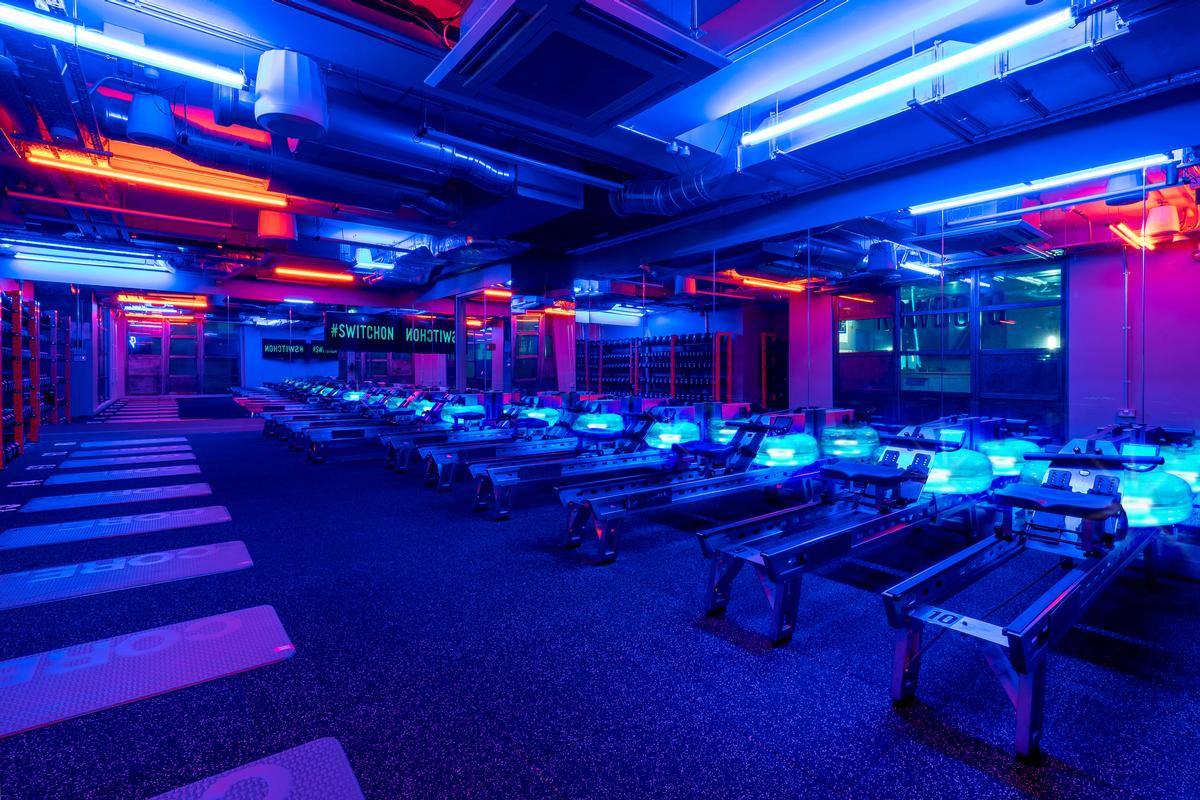
Founded in 2011, the firm has grown to have offices in London, Dubai, Beirut, Miami and Bangkok and it has worked across a variety of sectors, with projects having included restaurants, gyms, homes, stores, offices, hotels and public squares.
With its experience has come the recognition that good lighting design can no longer only be about what is good aesthetically but must also be about what is good for people.
Hernandez explained that the more Nulty looked into the impact light has on individuals, the greater they realised the impact was.
"We went back a step and took a wider, snapshot view of people's light diet and how they consume light throughout the day. Some of the research that we've undertaken and looked into has made it very clear that you can't look at one moment in time when you're looking at how light impacts people's sleep."
In 2018, Nulty began working with Imperial College London's department of endocrinology and architects Perkins and Will to better understand the effects of light in different volumes and colours on individuals.
"We realised that, if you're going to be trying to convince someone that you've got a certain environment outside in order to make them feel differently inside, there should probably be some science to back that up, because we're messing around with people's perception of what time of day it is," said Hernandez.
Although the study is ongoing, its findings are said to be supporting the wider body of research that Nulty has carried out – among them that we're much more sensitive to light than perhaps we realise, that different types of light can affect us differently and that more care can be taken about how we factor light into space design.
"There are three stages throughout the course of the day where light is much more likely to have an impact than others and we can be responsible with how we use light during those times," explained Hernandez.
"Things like the corridors and lobbies in hotels can be important. If you got out of a cab and you're feeling pretty tired, you don't then want to be blasted with light and then go into a room to try and sleep. So there's consideration about those routes through to people's rooms.
"Or even when you're getting up in the middle of the night and going to the loo, you don't want that big injection of light, because you're really sensitive to light at night and in the early morning, whereas during the day you need a much bigger dose of light for it to actually have a hormonal effect."
The problem, however, is that there's little in the way of standardised advice or even concrete guidance for how lighting should be factored into design from this perspective – so Nulty has begun developing a "manifesto for sleep" aimed at providing some of this.
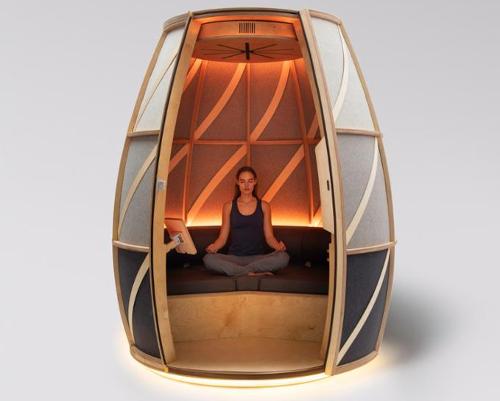
Far from being a tome of rules that must be meticulously followed, the vision is for something that can simply guide people through some of the important things to consider, such as ways to eliminate light spill from devices, how to keep indicator lights on TVs out of view and how automated blinds and curtains can help people to wake up more naturally.
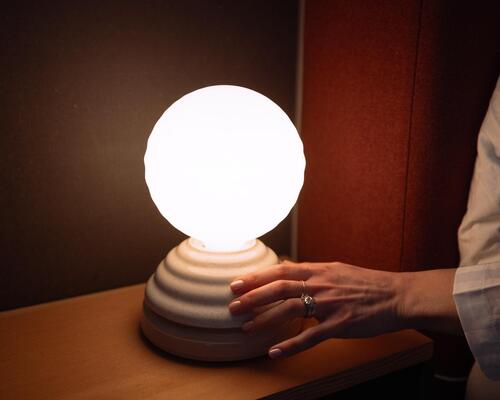
"Rather than just saying to everyone 'cut out all the light and have really low levels of light', if we can suggest that a dose of amber light by the bedside or within the room before going to bed, we could complement going to sleep," said Hernadez.
"To interior designers, we can say that having a very warm light – and giving them the exact wavelength – would be conducive to better sleep. It's a step forward and gives us another tool to help people get off to sleep."
Emilio Hernandez Nulty lighting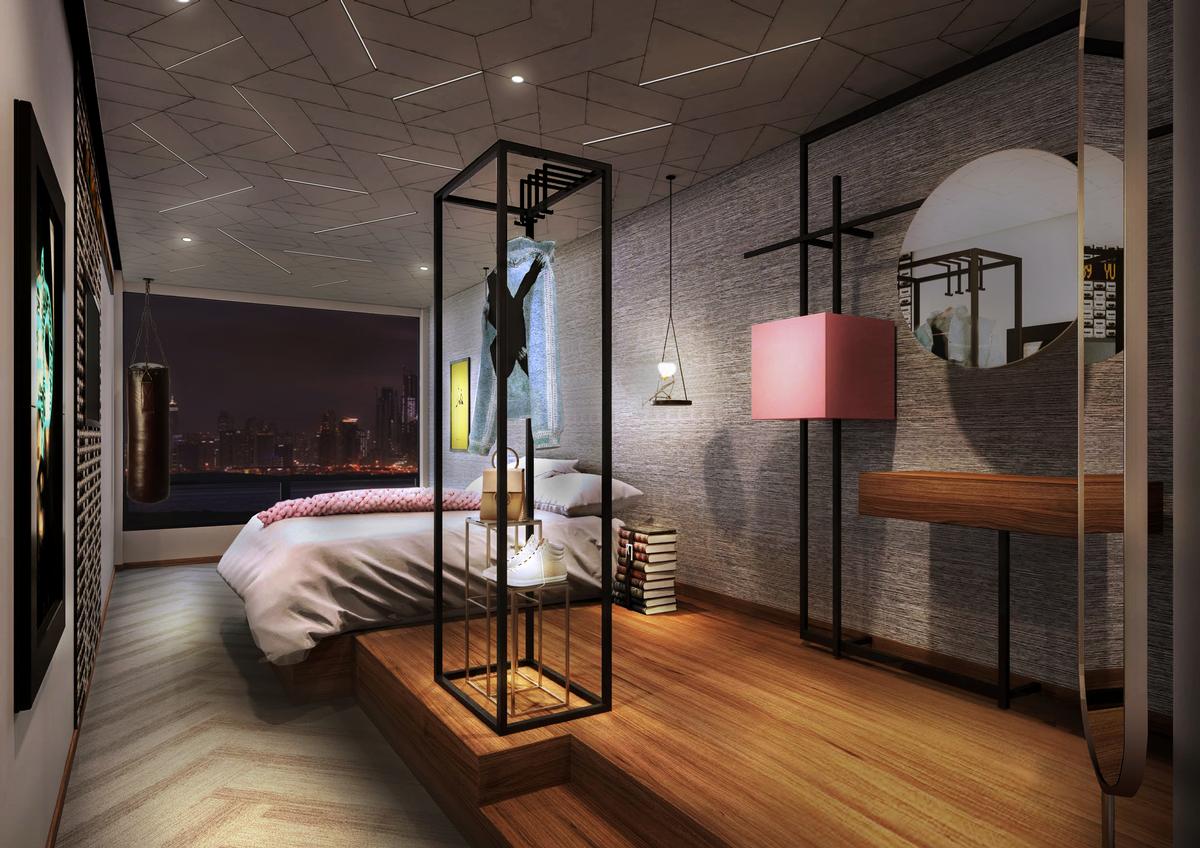

David Rockwell creates immersive magic destination, The Hand and The Eye



Montana Heritage Center by Cushing Terrell opens after US$107 million investment

Universal launches new theme park model with Kids Resort
'Minor wellness hotels' recorded the strongest growth across top KPIs in 2025, finds RLA Global
Great Barrier Reef attraction set for AU$180 million reinvention
Fairmont Cheshire, The Mere, has architecture by Leach Rhodes Walker and interiors by Bergman Design House.
Marriott International partners with Fitwel for wellness solutions across its residential portfolio
Preidlhof Luxury DolceVita Resort to unveil new spa in February 2027
Places Leisure is working with Roberts Limbrick to build £60m wellness flagship in Basingstoke
Hoshino Resorts opens Kai Kusatsu as it expands the Kai onsen ryokan brand
Qiddiya and Populous share details of Saudi Arabia’s National Tennis Centre
Disney confirms US$30 billion investment programme as it highlights its economic impact
Until combines multiple disciplines at new Canary Wharf club
Sea Lanes opens following a partnership between The Eden Project and Canary Wharf Group
Bas Smets brings water and wilderness to Vitra
Expo 2030 Riyadh will create a permanent global destination
Luxury resort coming to Hunter Valley will have longevity spa
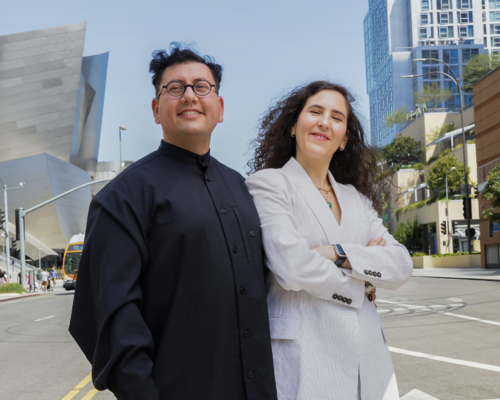
'Data chocolate', dreams made real and artworks shaped by visitors’ emotions: Refik Anadol’s AI art museum launches in Los Angeles
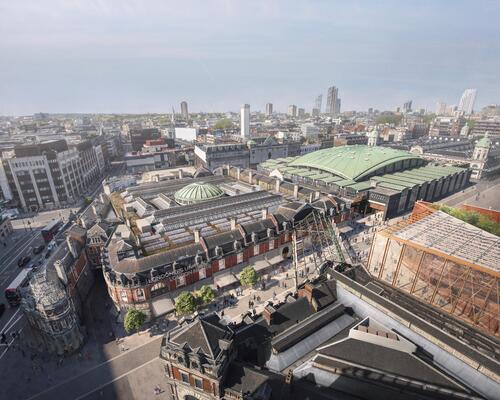
London Museum reveals 2026 opening date for new Smithfield home
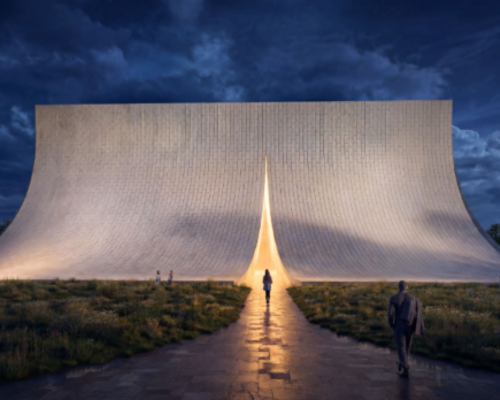
BIG unveils Eve Music Hall as Croatia venue nears completion
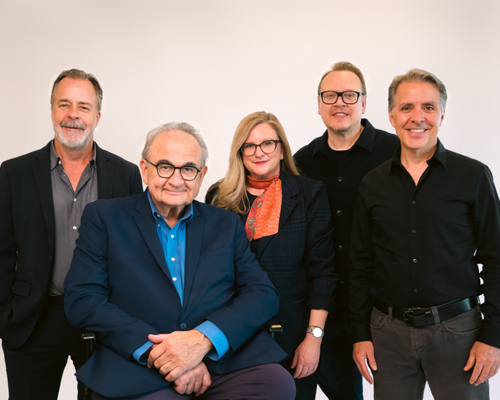
Bob Rogers hands BRC to long-serving leadership team
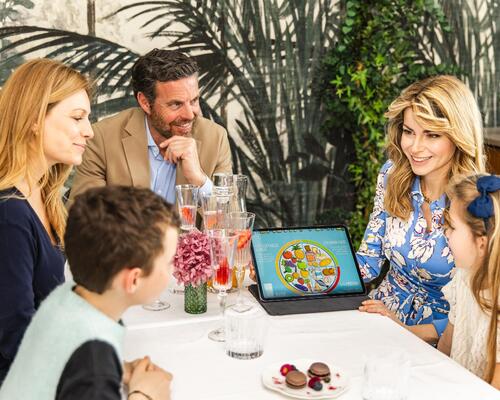
Palazzo di Varignana launches family wellbeing and longevity retreat in Emilia Romagna
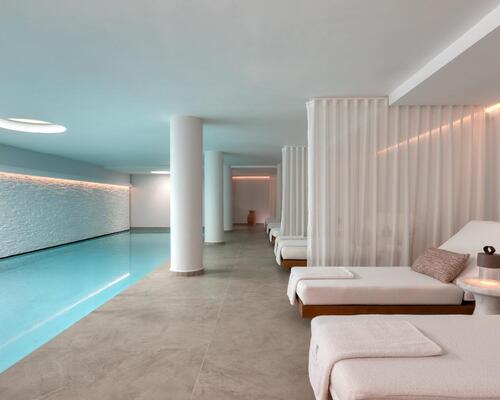
Anasa Wellness and Spa debuts at Patmos Aktis as it joins Marriott
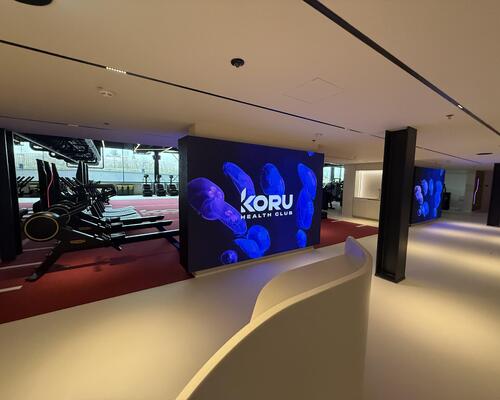
Design-led Koru Health Club combines high-performance training with recovery

Wellness care hospital opens in Vilnius with innovative spa and hospitality concept

Universal and Puy du Fou projects point to rise of Oxford–Cambridge corridor
A proposed Puy du Fou development near Bicester and Universal Destinations and Experiences’ planned resort in Bedford are emerging as part of a wider transformation of the Oxford–Cambridge Growth Corridor into a major centre for UK leisure and tourism investment.
For years, the corridor has been associated primarily with science, technology, housing and university-led economic growth. However, the clustering of large-scale visitor attraction projects along the
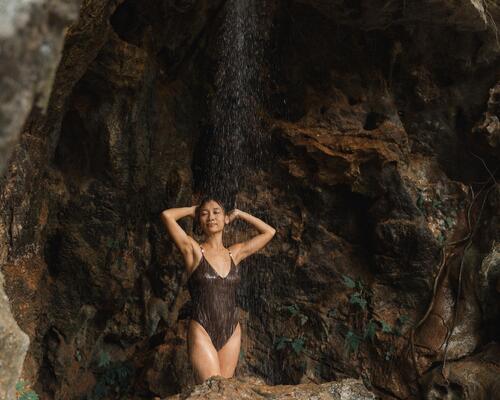
All-inclusive eco-wellness development Auko to open near Vietnam’s Son Doong caves
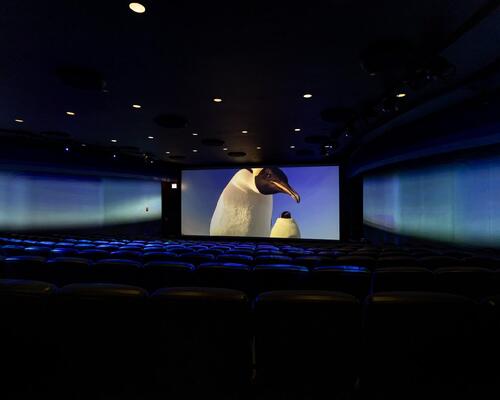
Shedd Aquarium upgrades its visitor experience with new Immersion Theater
Shedd Aquarium has opened the Immersion Theater developed in partnership with SimEx-Iwerks, as part of a wider strategy to enhance the guest experience and create additional revenue opportunities.
The attraction has transformed the aquarium’s Phelps Auditorium into a multi-sensory venue combining panoramic projection, environmental effects and interactive technology.
A new pre-show area allows visitors to engage with augmented reality marine animals before entering the
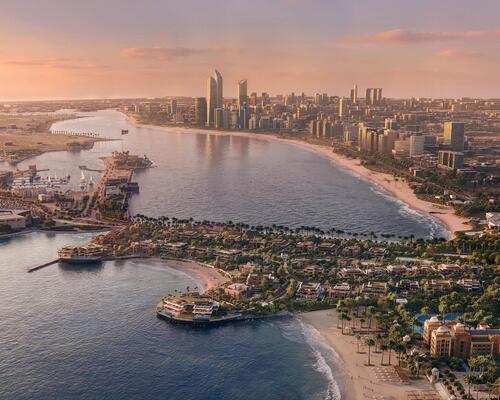
Mandarin Oriental announces standalone Mansions-branded residences for Abu Dhabi
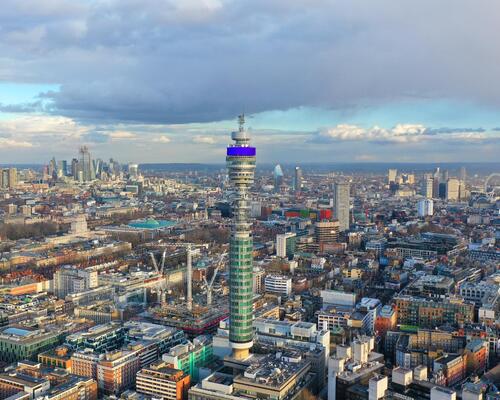
MCR is planning a luxury hotel for London's BT Tower