noa* sensitively transforms 17th-century monastic garden into wellness haven


– Francesco Padovan
Architecture and interior design firm Network of Architecture (noa*) has breathed new life into the former Monastery Serve di Maria Addolorata in Trentino, situated at the northern tip of the iconic Lake Garda in Italy.
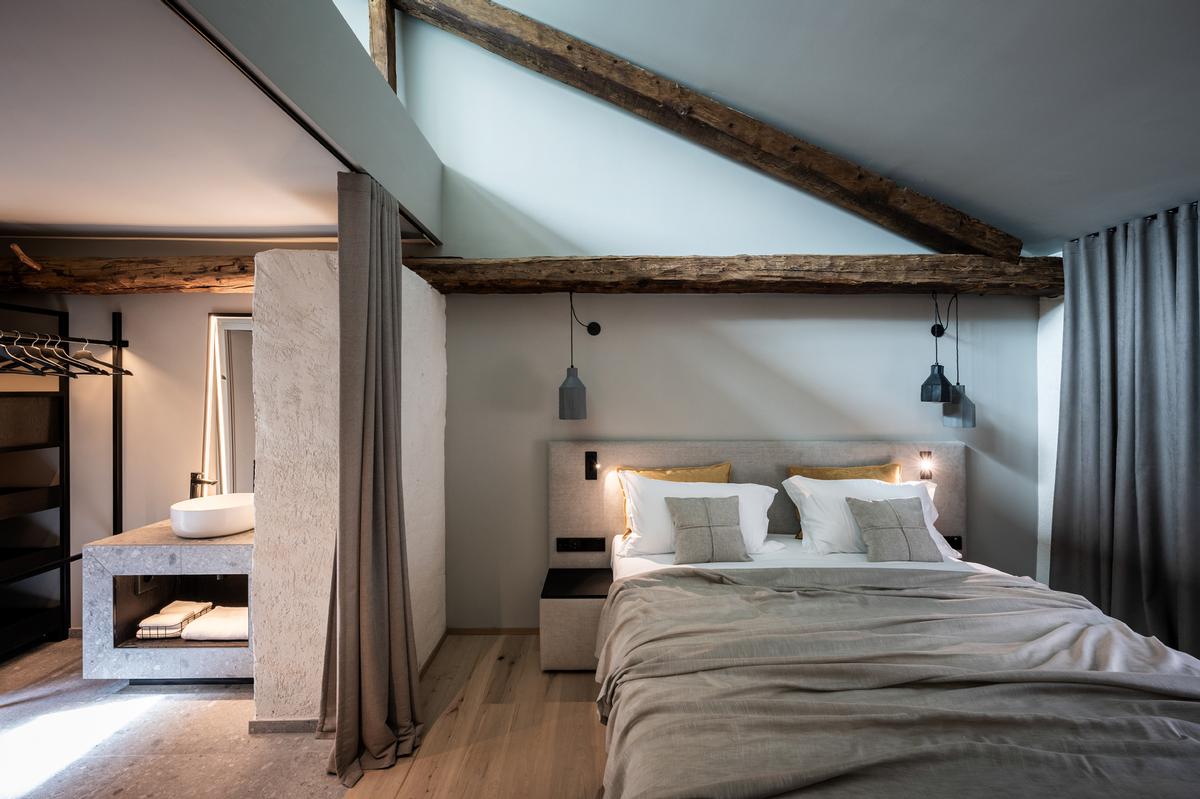
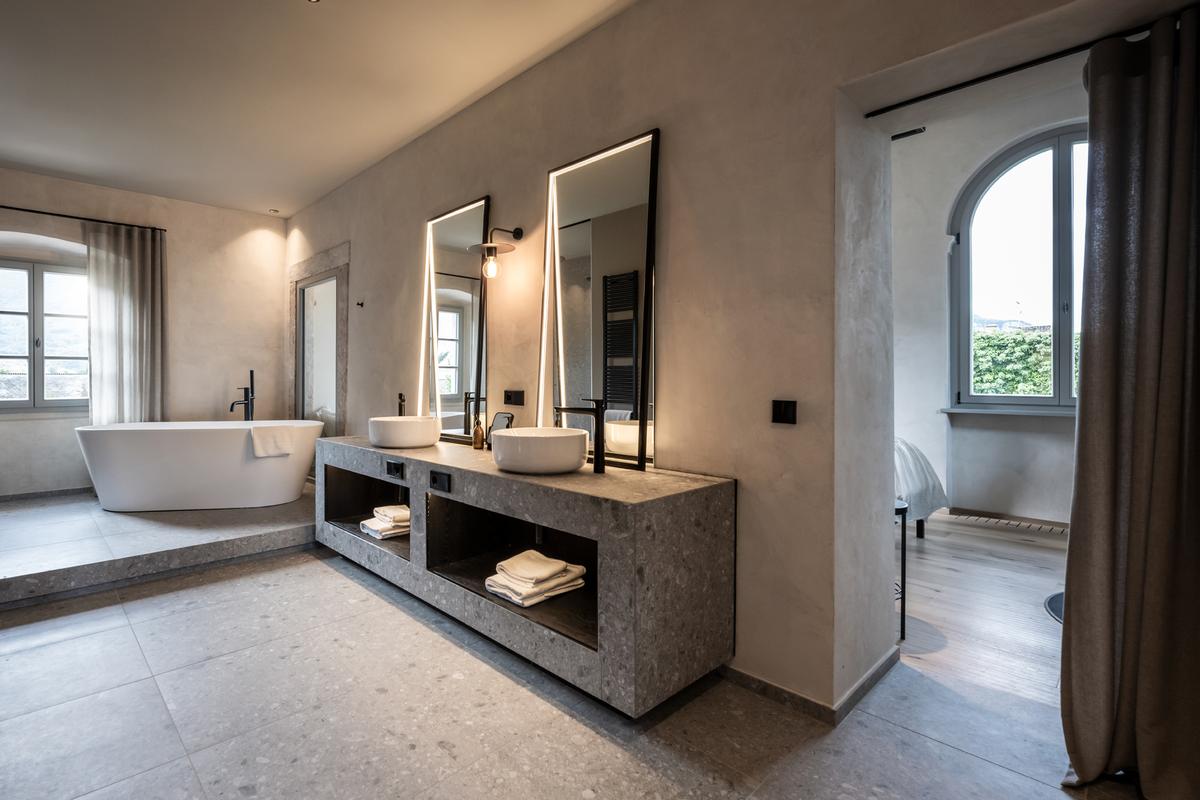
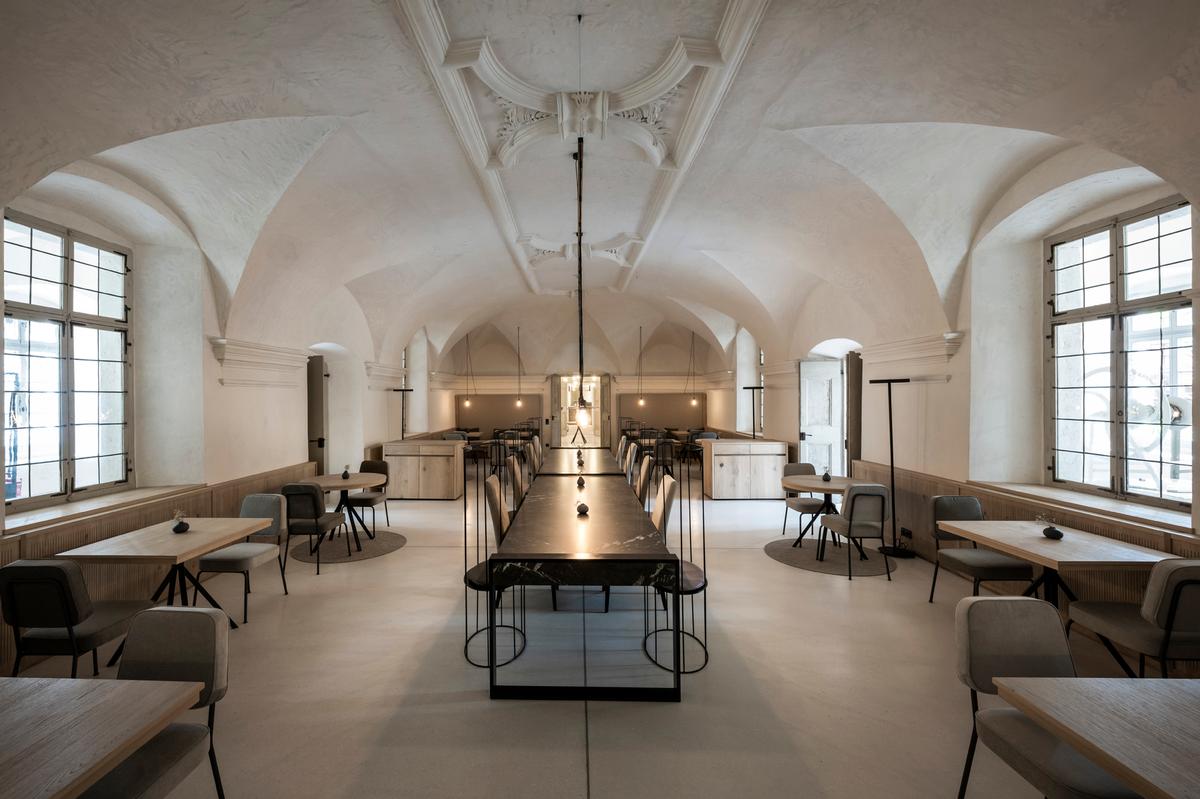
Noa*’s vision was to restore the building’s spiritual dimension and make its most distinctive elements the main features of a charming hotel, named Monastero Arx Vivendi.
The 40-room complex and its extensive garden are encompassed by original seven-metre-high walls and date back to the second half of the 17th century. The noa* project consisted of two main phases; renovating and converting the monastery into a hotel and the development of a new 500sq m wellness area.
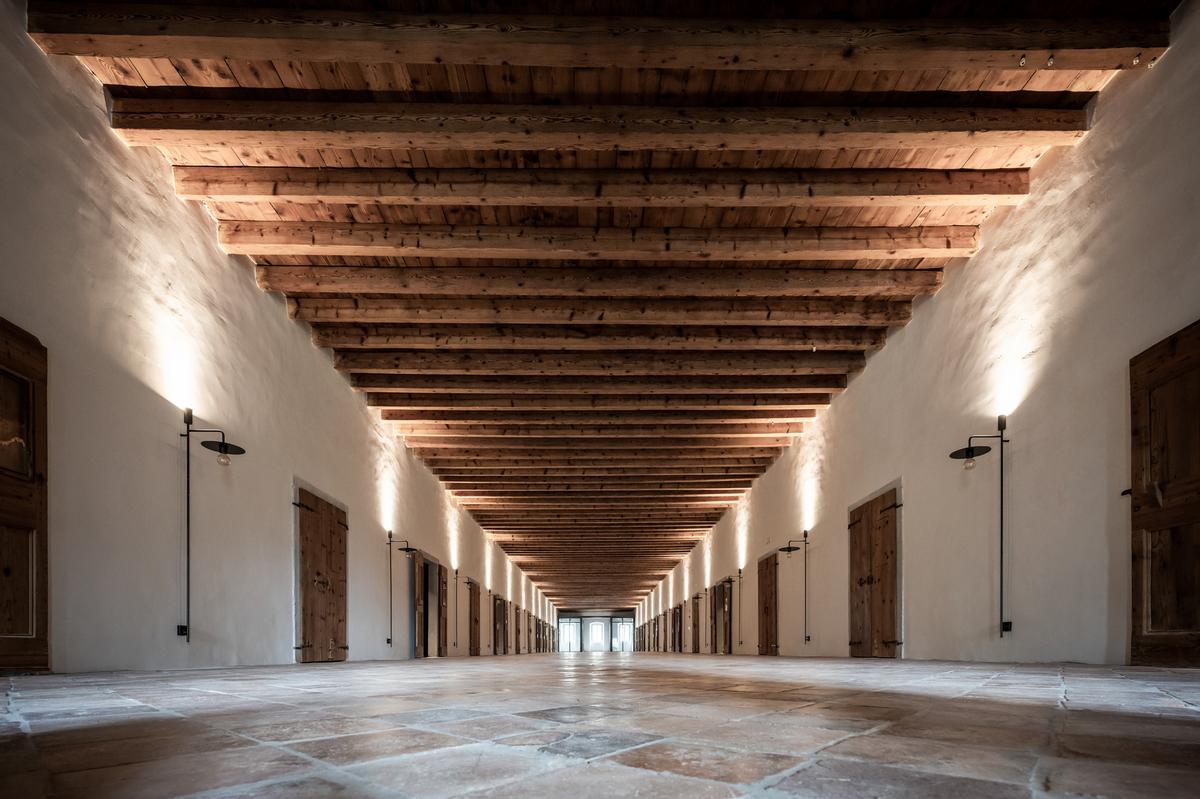
Half of the Monastery building, which also hosts a church and cloister, where nuns continue to live, has been left untouched.
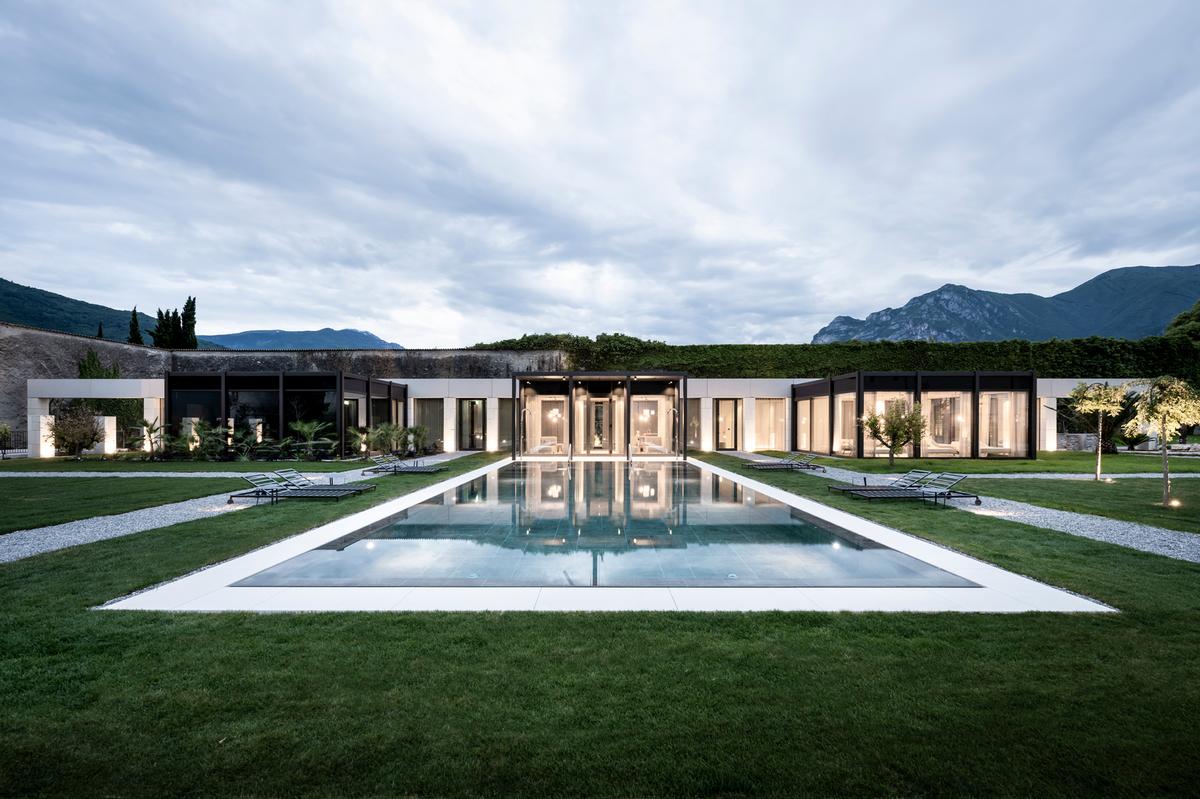
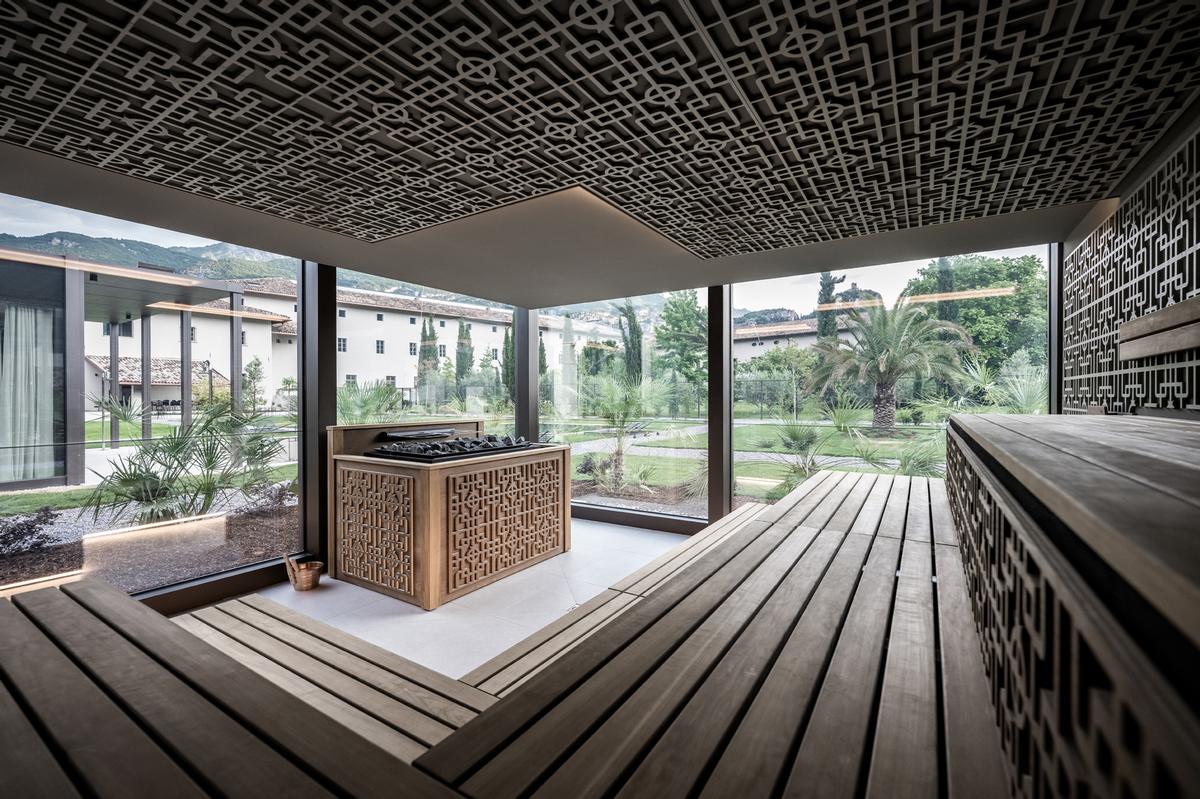
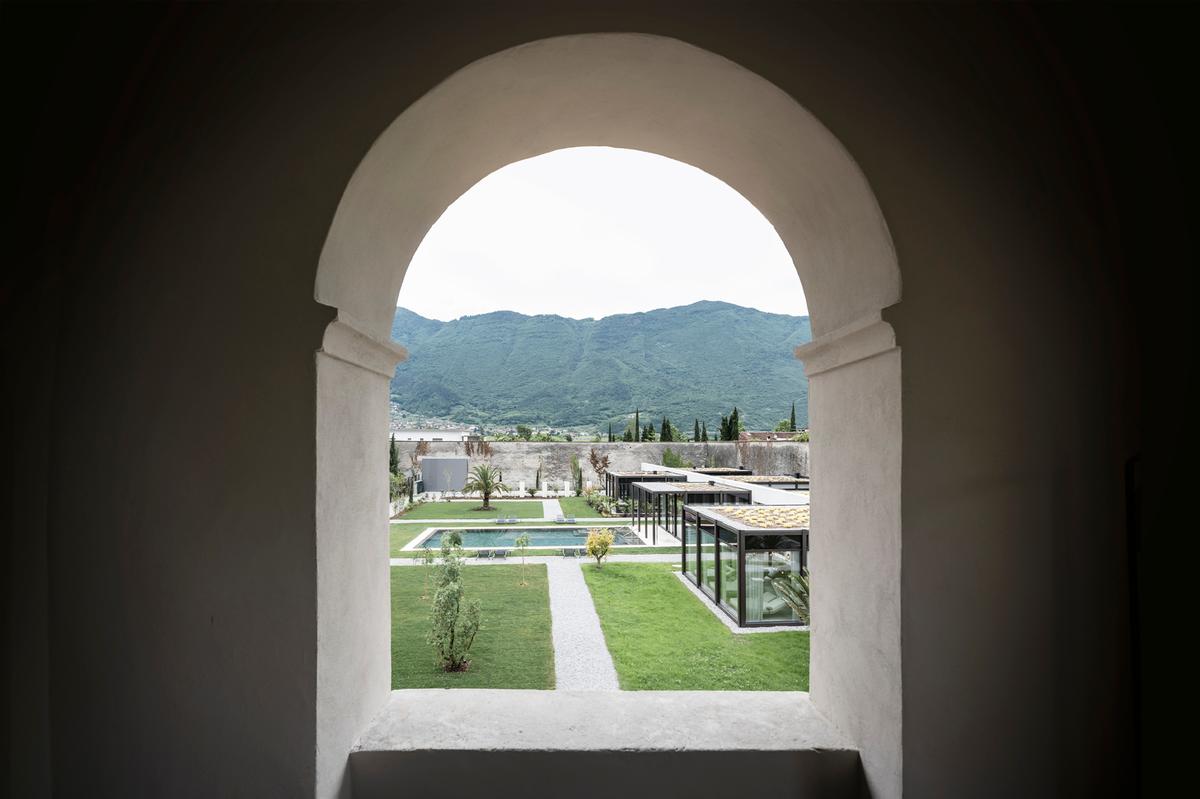
Situated in the monastery garden, the spa consists of seven light glass and metal volumes positioned along a stone spine, which look out onto the location’s lush green courtyard.
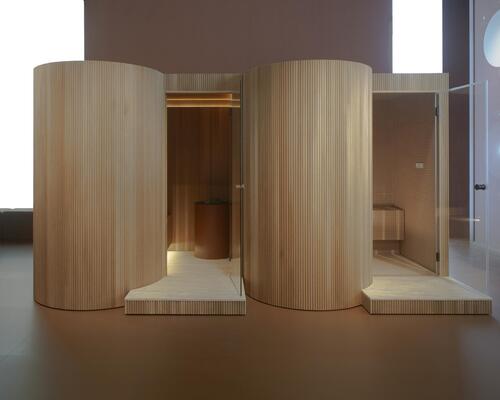
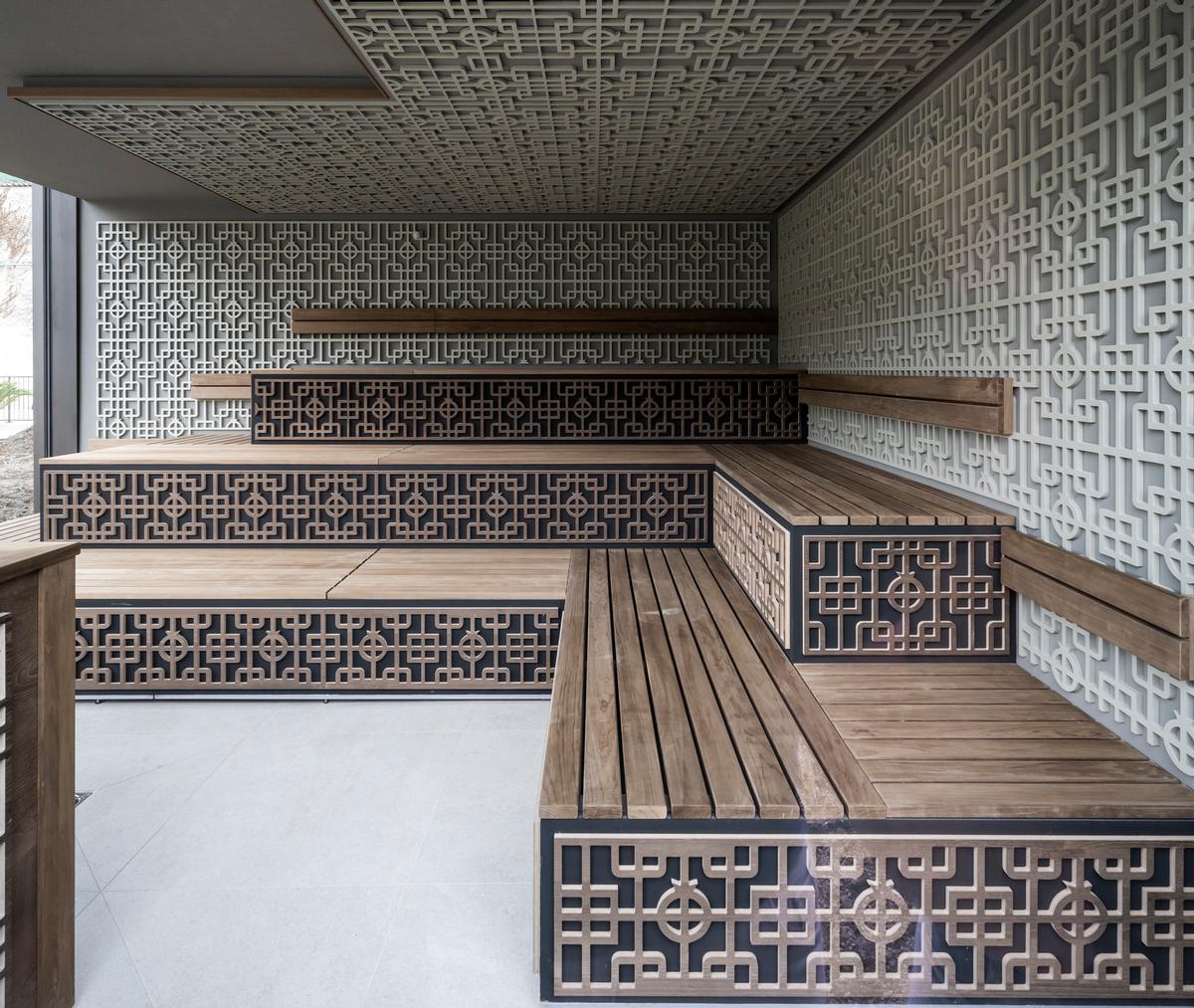
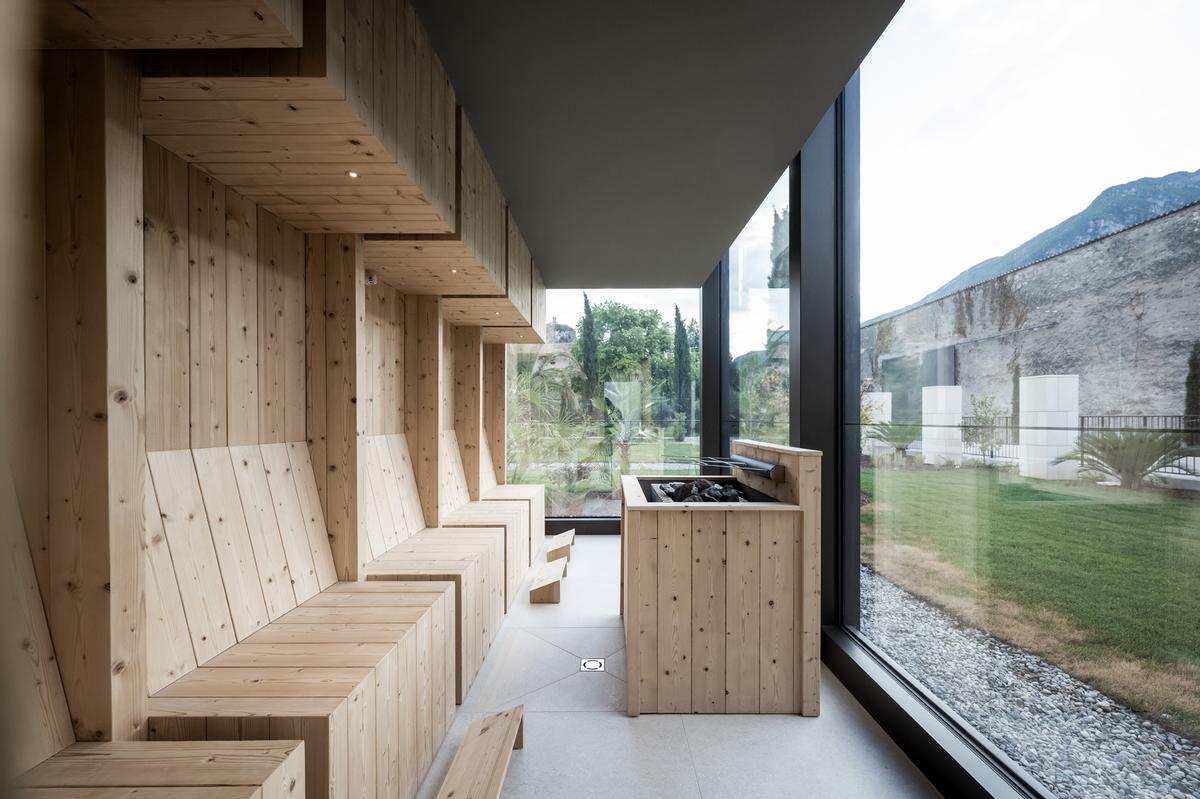
Inside the spa, everything is designed to generate a sense of calm and relaxation, from the milled wood panels that echo the stylised pomegranate symbol of the monastery, to the benches of the bio sauna, which encourage meditation and are reminiscent of a prayer room.
“Monastero Arx Vivendi is a refuge that takes you back in time, closely centred around the history and the particular features of this place,” explains Francesco Padovan, the noa* architect who developed the architectural project.
“Every construction choice, every material and detail, has been studied to draw on the majesty of the pre-existing context, exalting it and giving it new life.”.
The spa is home to three relaxation rooms, two saunas, a hammam, two treatment rooms and a thermal cycle that revolves around a large heated dark stone.
Noa* finished the wellness area with materials and decor to create a warm and calming atmosphere – details include warm tones of bleached oak, linen-effect textiles and cotton.
From a design perspective, the underlying vision was to maintain the typical monastery architecture, preserve the original design of the internal paths and extend its geometrical rigour to the new volumes, paying close attention to the choice of materials and colours.
The spa’s connecting spine – composed of a series of pillars covered in Vicenza stone and a horizontal architrave in pre-fabricated and sandblasted concrete – was constructed to match the stone pilastrade of the raised channel that runs along the eastern side of the convent.
“When designing this area, our aim was to create a dialogue with the surrounding agricultural landscape more so than with the monastery,” concluded Padovan.
“To do this we used very simple elements with strong structural clarity. The light metal framework, organised in pillars and beams, is inspired by the characteristic lemon houses of rural Lake Garda.”
noa* architects Hofer Group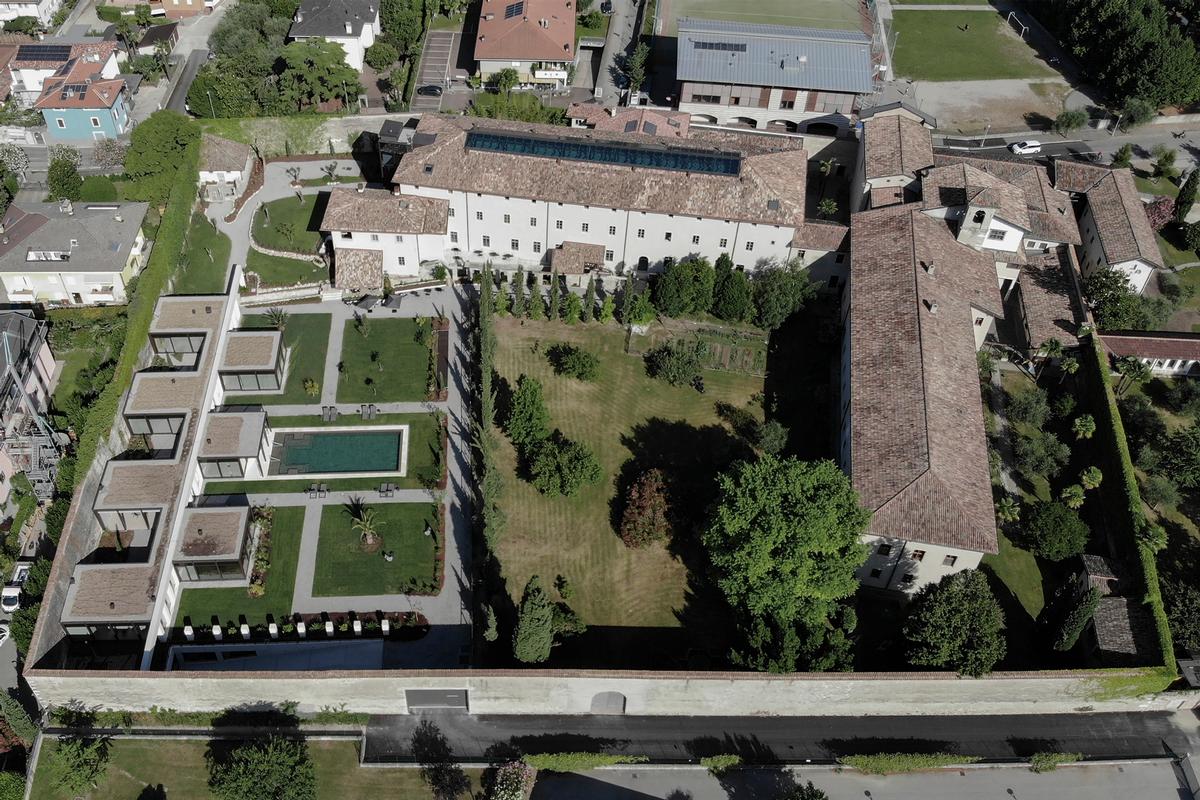


Historic 17th-century monastery operating as wellness sanctuary for exhausted healthcare workers
noa* reimagines alpine wellness retreat to merge seamlessly with mountain landscape
noa*’s Silena Hotel fuses client wishes with architect’s desires
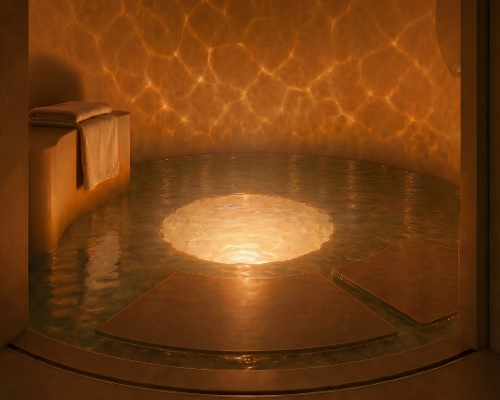
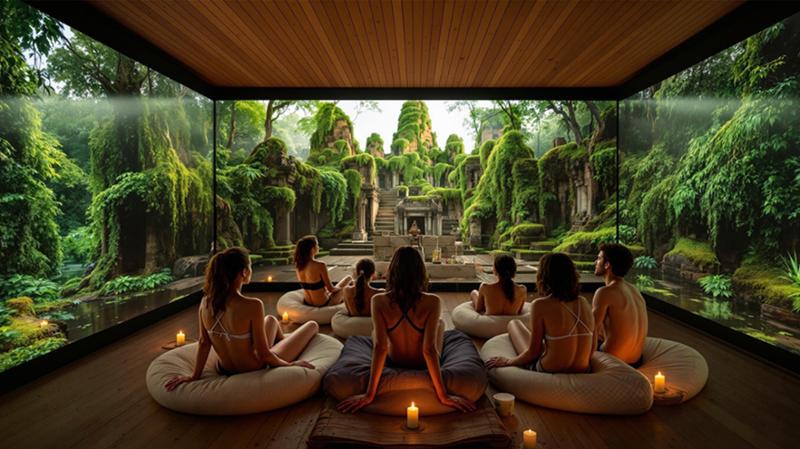
AI firm Midjourney enters wellness with spa, fitness and body scanning concept


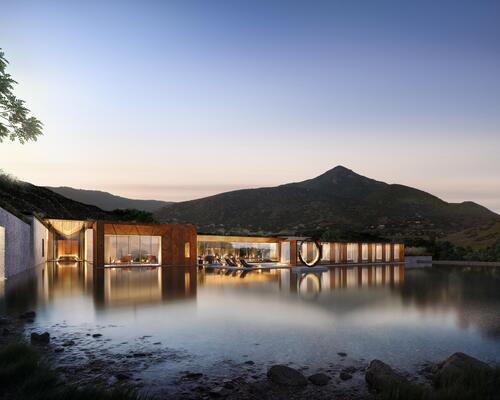
Hot spring wellness community Ameyalli sells residences and breaks ground on resort and spa

OMA completes New Museum transformation with landmark expansion and Oberon restaurant
OMA has completed a major transformation of New York's New Museum, creating a larger cultural campus that combines expanded exhibition spaces with learning, performance, hospitality and public programming. The latest addition, Oberon, extends the visitor experience beyond the gallery, reflecting a growing trend for museums to become all-day destinations.
The New Museum in New York has entered a new chapter with the completion of a major
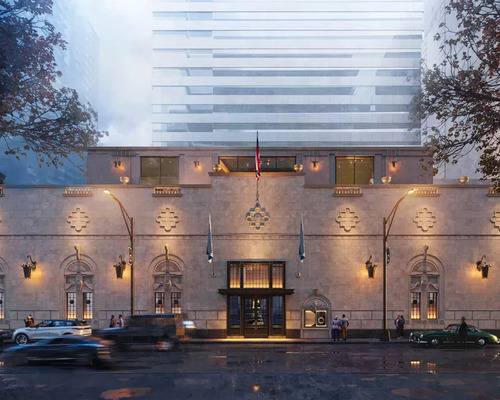
David Rockwell creates immersive magic destination, The Hand and The Eye
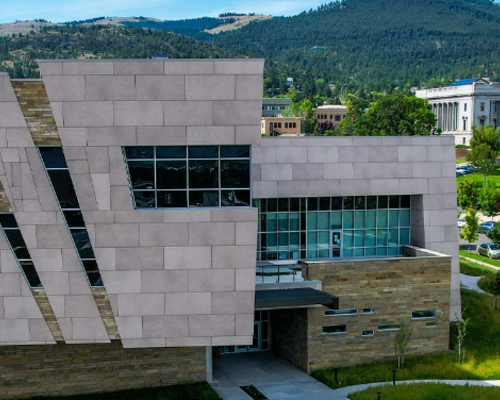
Montana Heritage Center by Cushing Terrell opens after US$107 million investment

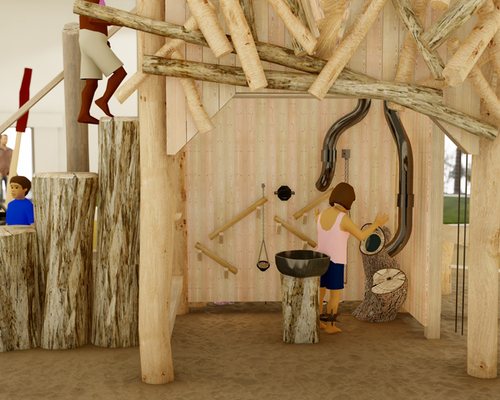
Universal launches new theme park model with Kids Resort
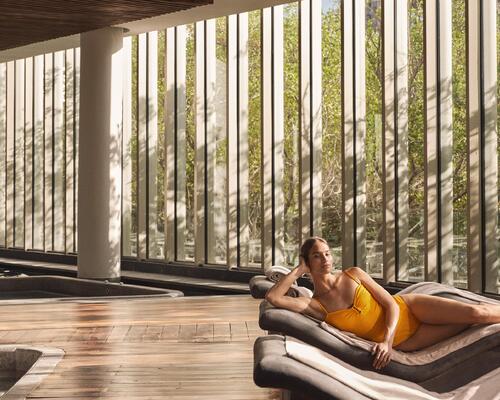
'Minor wellness hotels' recorded the strongest growth across top KPIs in 2025, finds RLA Global
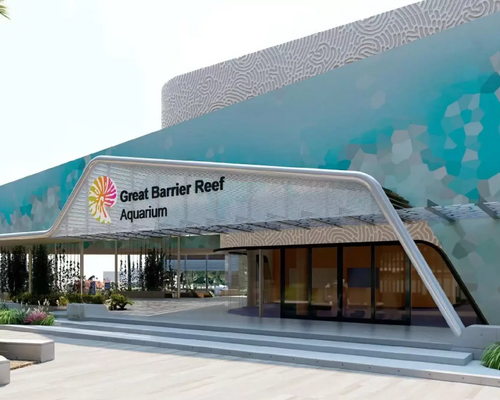
Great Barrier Reef attraction set for AU$180 million reinvention
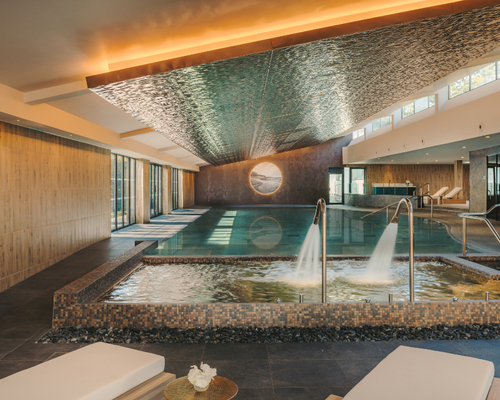
Fairmont Cheshire, The Mere, has architecture by Leach Rhodes Walker and interiors by Bergman Design House.
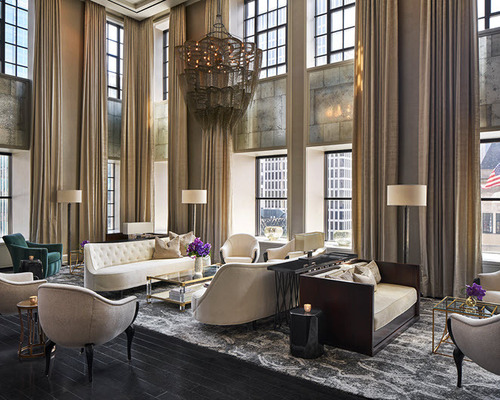
Marriott International partners with Fitwel for wellness solutions across its residential portfolio
Preidlhof Luxury DolceVita Resort to unveil new spa in February 2027
Places Leisure is working with Roberts Limbrick to build £60m wellness flagship in Basingstoke
Hoshino Resorts opens Kai Kusatsu as it expands the Kai onsen ryokan brand
Qiddiya and Populous share details of Saudi Arabia’s National Tennis Centre

Disney confirms US$30 billion investment programme as it highlights its economic impact
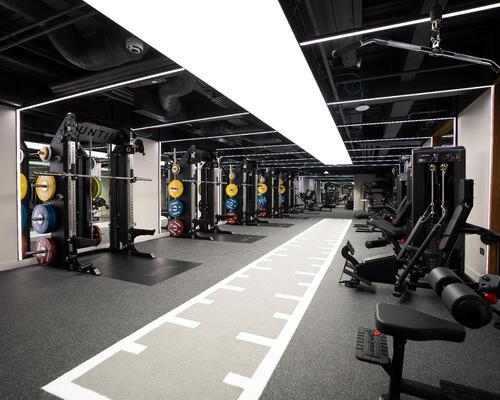
Until combines multiple disciplines at new Canary Wharf club
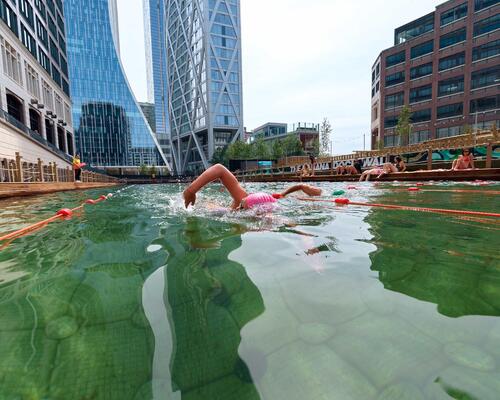
Sea Lanes opens following a partnership between The Eden Project and Canary Wharf Group
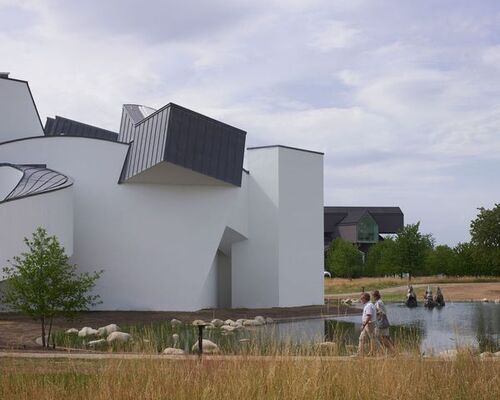
Bas Smets brings water and wilderness to Vitra
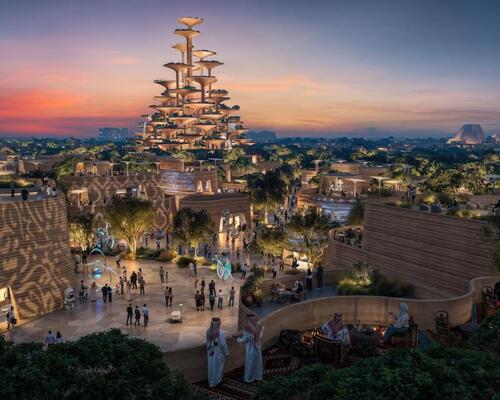
Expo 2030 Riyadh will create a permanent global destination
Luxury resort coming to Hunter Valley will have longevity spa
'Data chocolate', dreams made real and artworks shaped by visitors’ emotions: Refik Anadol’s AI art museum launches in Los Angeles
London Museum reveals 2026 opening date for new Smithfield home
BIG unveils Eve Music Hall as Croatia venue nears completion
Bob Rogers hands BRC to long-serving leadership team
Palazzo di Varignana launches family wellbeing and longevity retreat in Emilia Romagna
Anasa Wellness and Spa debuts at Patmos Aktis as it joins Marriott
Design-led Koru Health Club combines high-performance training with recovery

Wellness care hospital opens in Vilnius with innovative spa and hospitality concept

Universal and Puy du Fou projects point to rise of Oxford–Cambridge corridor
A proposed Puy du Fou development near Bicester and Universal Destinations and Experiences’ planned resort in Bedford are emerging as part of a wider transformation of the Oxford–Cambridge Growth Corridor into a major centre for UK leisure and tourism investment.
For years, the corridor has been associated primarily with science, technology, housing and university-led economic growth. However, the clustering of large-scale visitor attraction projects along the
All-inclusive eco-wellness development Auko to open near Vietnam’s Son Doong caves