Snøhetta look to the stars for planetarium and visitor centre in Norway inspired by the night sky
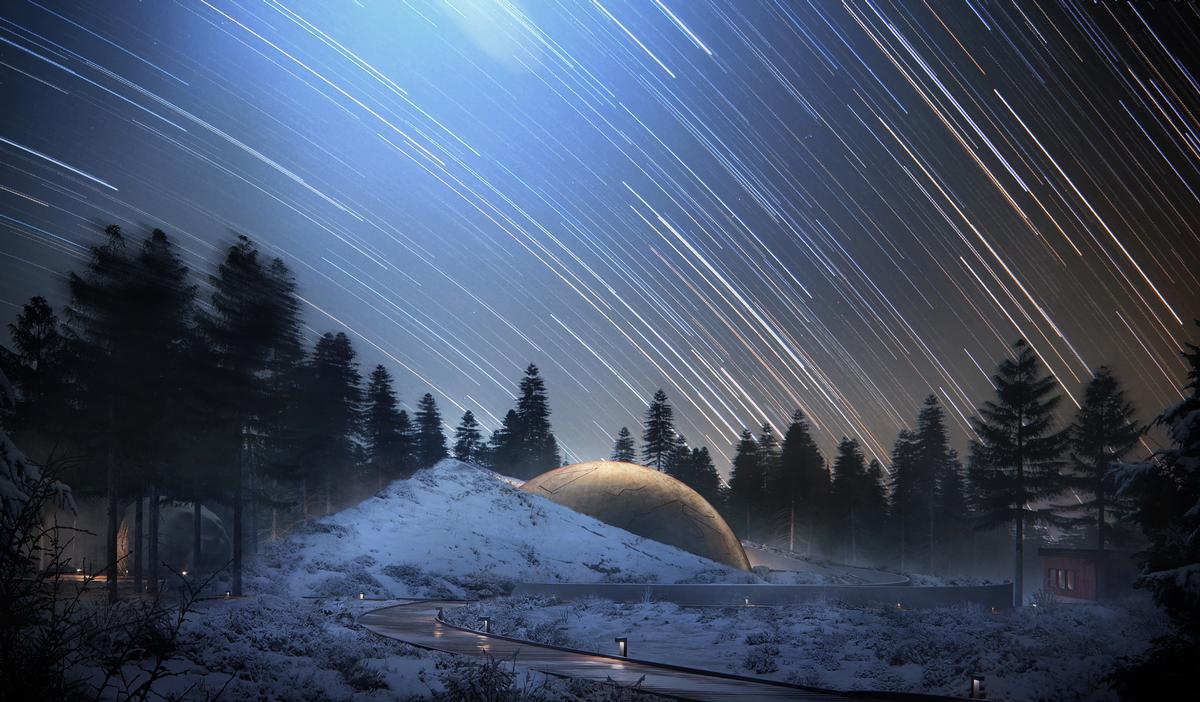
– Snøhetta
International architects Snøhetta have designed a new planetarium and a visitor centre for Norway’s largest astronomical facility by studying the night sky for design inspiration.
Nestled in the dense forest of Harestua, 45km north of Oslo, Solobservatoriet is the largest solar observatory North of the Alps. Its original observatory was built by the University of Oslo for the total solar eclipse of 1954, and a satellite tracking station was established by the US Air Force during the Cold War to monitor Soviet activity, before being decommissioned in the 1980s.
The Tycho Brahe Institute, named after the 16th century Danish scientist and founder of modern observational astronomy, is bankrolling the new project, turning the site into a visitor attraction. It commissioned Snøhetta to create a design that inspires a sense of wonder and curiosity, “as if the architecture itself was asking the question: ‘Where does the Universe come from?’”
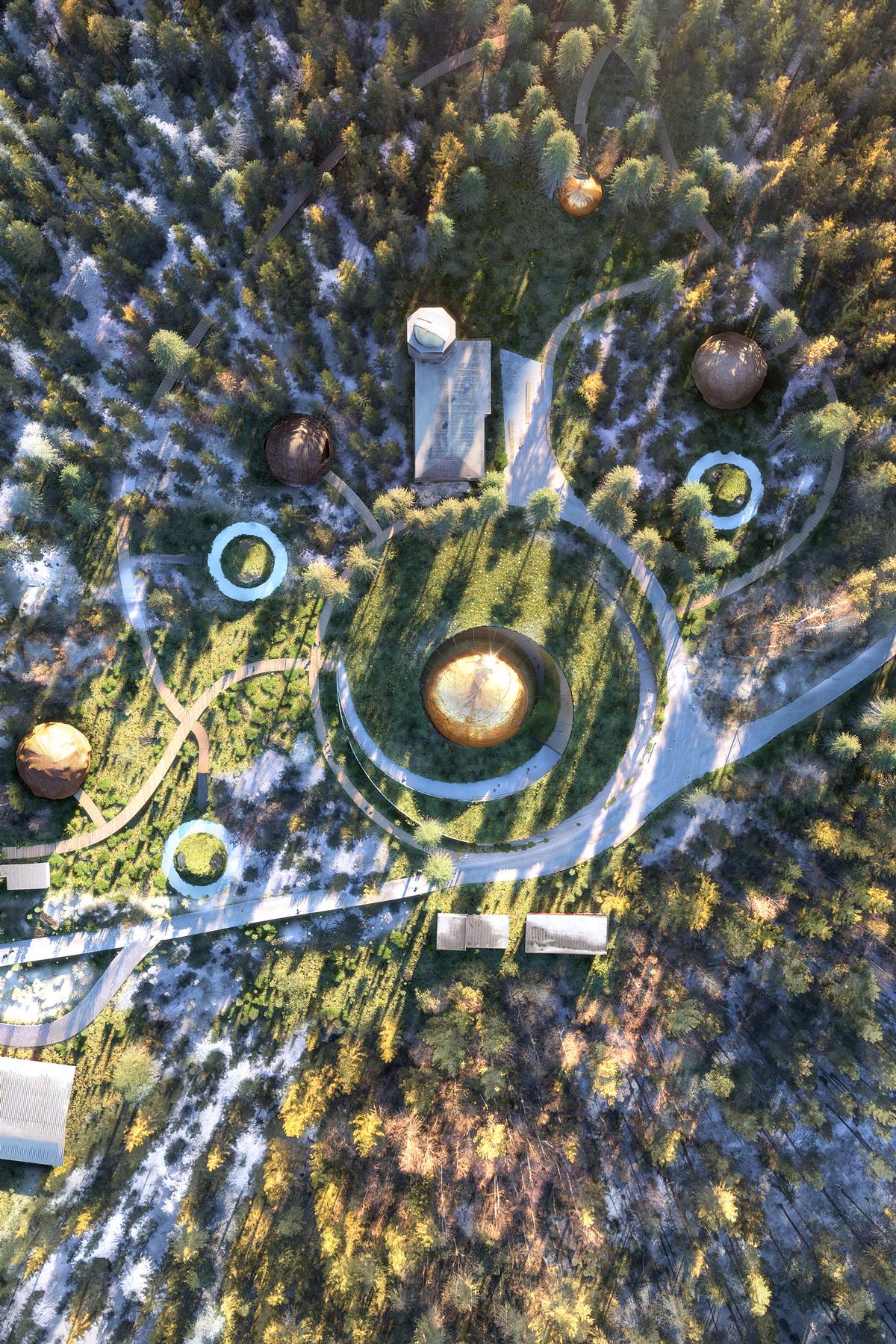
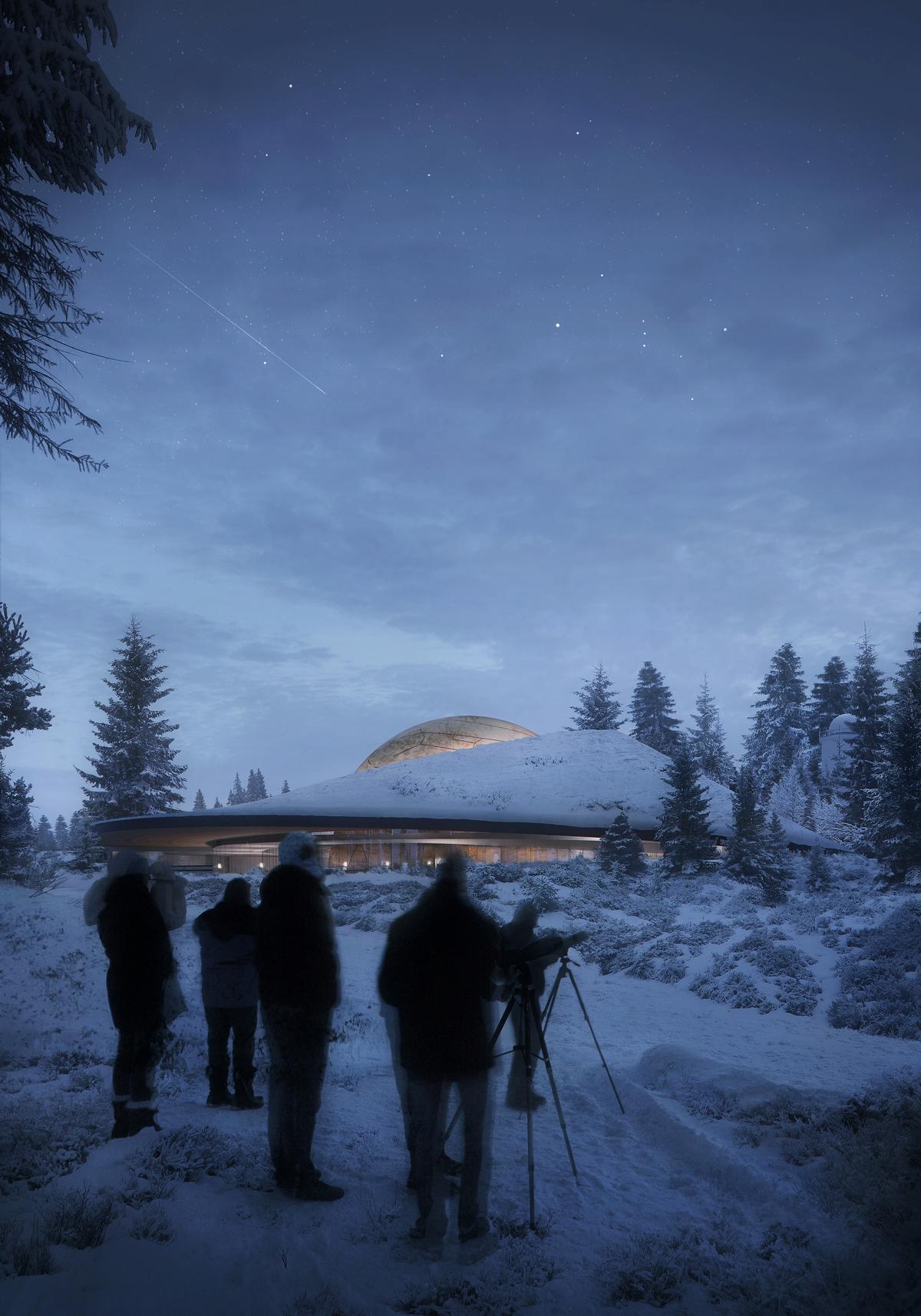
The design team have embraced the interstellar theme by spreading the visitor centre’s amenities across a series of scattered cabins, each shaped like a small planet. The surfaces of these buildings will be clad with rough or smooth materials; some will appear to be halfway driven into the ground, while others will gently rest on the forest floor.
These different facilities will offer a range of scientific activities within astronomy, sun studies and natural science for “researchers, school children, retirees and international tourists.” Six of the planets alternate between 8 and 10m in diameter and can accommodate up to 10 and 32 people respectively. The smallest, ‘Zolo’, is a two-bed cabin, 6m in diameter, allowing select visitors to sleep under the stars.
The planetarium will be 1,500sq m (16,100sq ft) in size, and situated next to the observatory's original research tower. It will be orbited, like the Sun, by the ‘planet’ cabins.
The visitor experience, which will accommodate up to 118 guests, will be “an intellectual, visual and tactile journey into the realm of astronomy,” Snøhetta claimed in a statement.
Explaining their design, they added: “The planetarium is the first object that catches the eye when arriving at the facility by foot, via trails though the woodland with its grazing sheep. It’s a celestial theatre that represents over two millennia of astronomical advance and scientific progress, echoing the world’s very first planetarium which was conceived by Archimedes around 250 B.C.
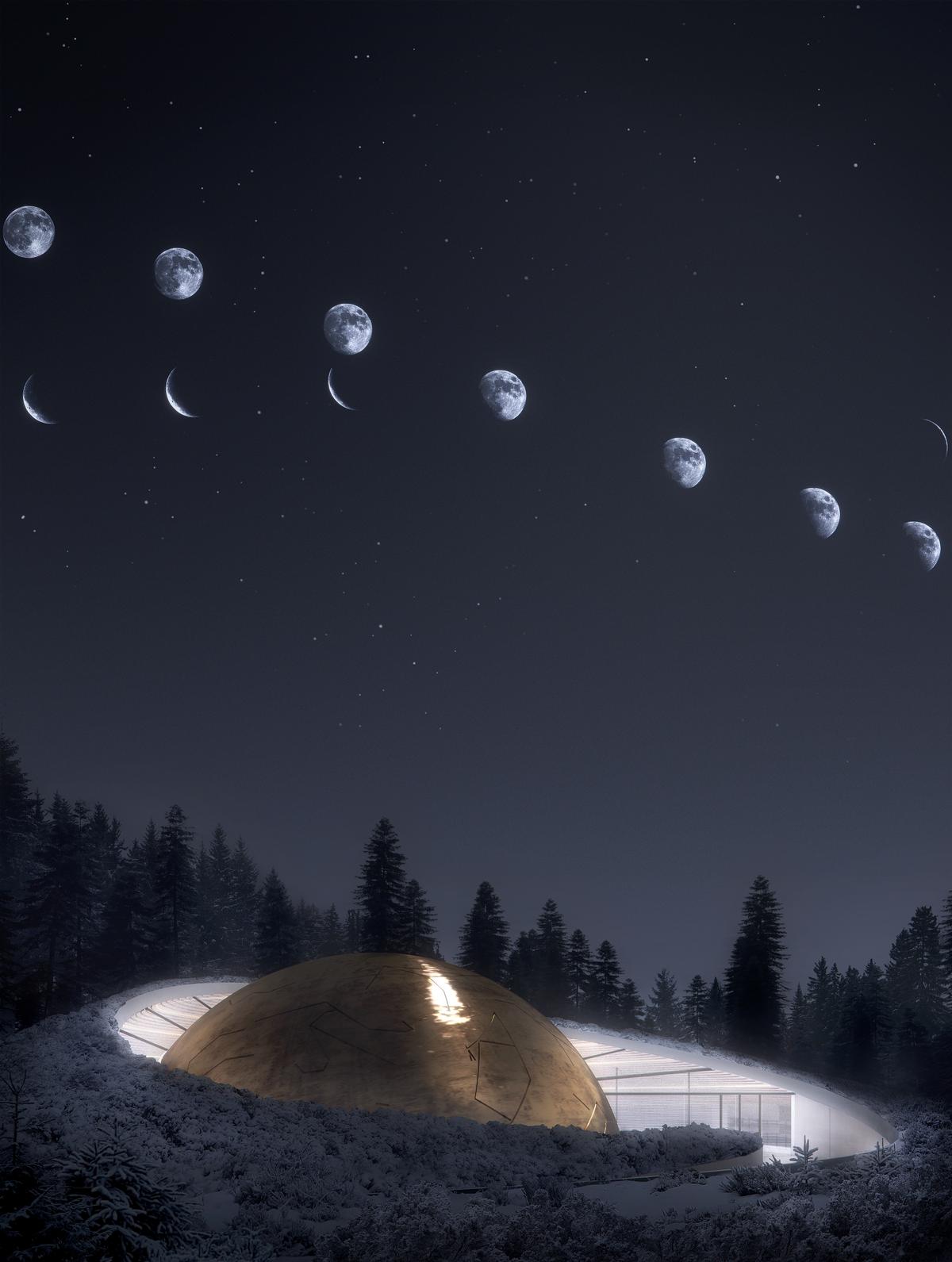
“The sinuous roof is lushly planted with grass, wild heather, blueberry and lingonberry bushes, curling up from the ground. Wrapping around the golden cupola, the living roof functions as a cross between landscape and built structure that visitors can stroll on to gaze up at the starry sky. Half-sunken into the ground, the three-story theatre emerges from the earth as an orb engraved with constellations, gradually revealing itself as people approach.”
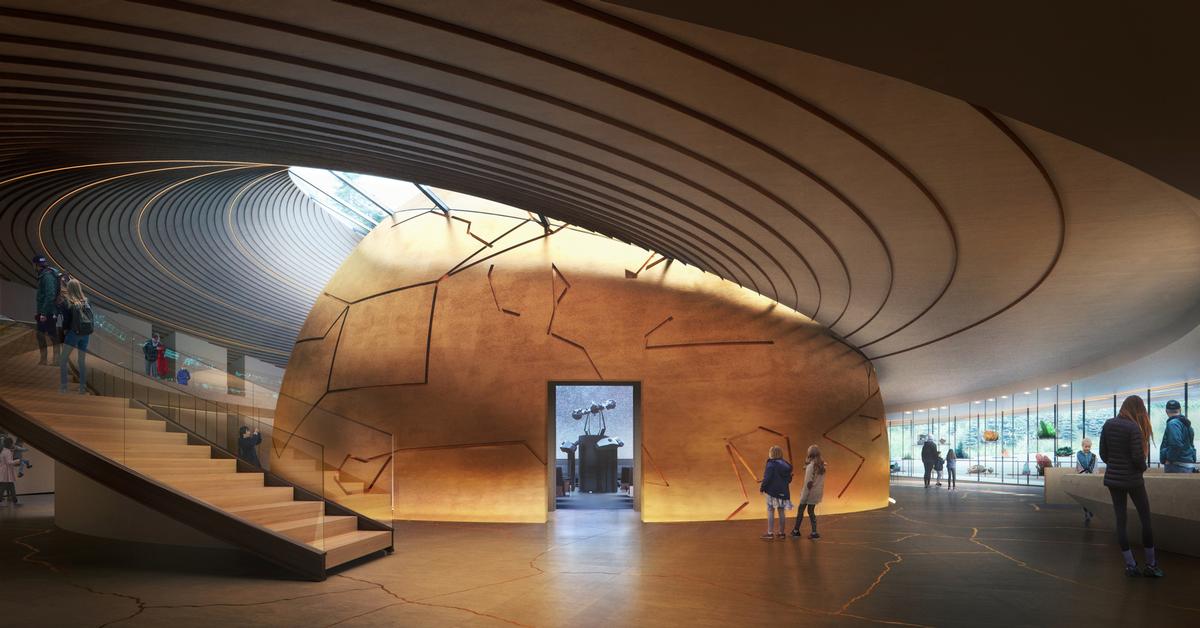
A 100-seat auditorium will feature inside the planetarium, from which visitors can watch realistically projected stars, planets and celestial objects. A reception, café and exhibition area are also planned, while a gently swirling ramp will lead up to an exhibition mezzanine and an outdoor roofscape. Below ground, there will be a large, bowl-shaped children’s activity centre.
The new-look Solobservatoriet will join a host of new planetariums, that are currently in development around the world.
Ennead Architects recently released a video glimpse of their 38,000sq m (409,000sq ft) planetarium for the Shanghai Science and Technology Museum, and images have been released for a new attraction at Edmonton’s Telus World of Science, which will boast a higher screen resolution than any other planetarium in the world.
Meanwhile, Dutch design agency NorthernLight are turning the old media centre at Sochi’s Olympic Village into a science and art park with a planetarium, Buffalo State College in New York is opening a public planetarium as part of a US$35.5m expansion; and the world’s highest planetarium is set to launch at the Tibet Museum of Natural Sciences in 2019.
Late last year, a 150-year-old gas storage facility on St Petersburg’s Obvodny Canal was fully transformed into the world’s largest planetarium, with its 37m (121ft) dome outstripping the former record holder in Nagoya, Japan.
Filling a 4,000sq m (43,000sq ft) space and capable of hosting up to 500 people at a time, Planetarium No1 features 40 8K projectors, with the dome’s screen offering a resolution of 100 million pixels.
Snøhetta Norway Solobservatoriet University of Oslo Tycho Brahe Institute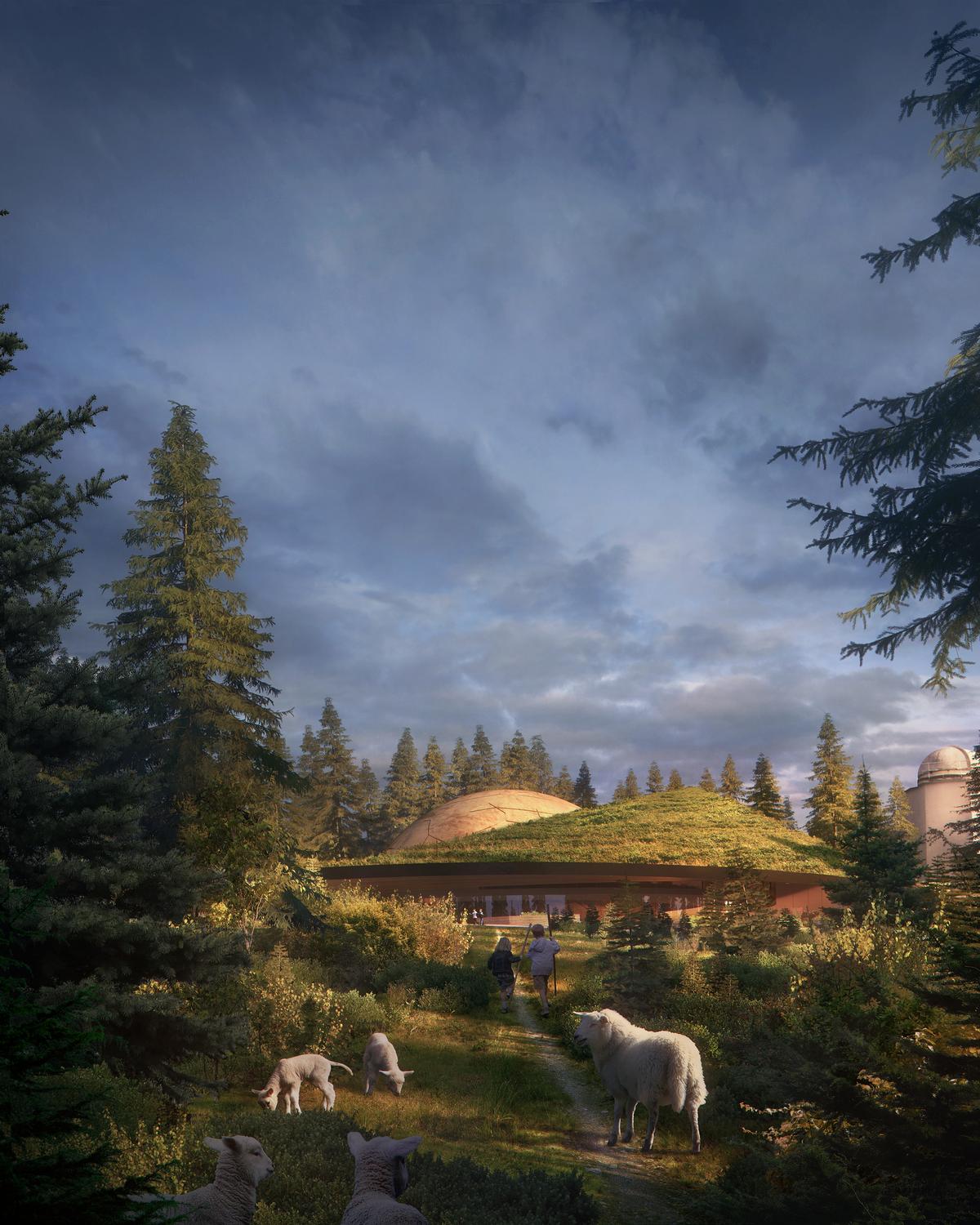



Shanghai's stellar planetarium revealed in swooping construction video
Worlds of leisure and commerce collide at Snøhetta's sculptural Oman fish market
Snøhetta, KoningEizenberg and TEN face public vote on El Paso kids’ museum
Snøhetta and HOK join forces to design 'new kind of ballpark' promoting sport, wellness and culture in Oakland
World's highest planetarium coming to Tibet's Museum of Natural Sciences
Telus World of Science starts work on 'jaw dropping' planetarium development
Work starting on new planetarium development for Buffalo State
Cape Town's Iziko Planetarium among Africa's elite following R30m digital upgrade
Snøhetta unveil dramatic riverwalk design for North America's second largest waterfall
Snøhetta go back to basics with wooden 'social cabin' designed for any landscape
Snøhetta celebrate 'radical reinvention' of New York's Times Square
Snøhetta wins competition to design Hilbert’s Hotel in Helsinki
Plans approved to develop largest planetarium in Romania
Snøhetta fight for sustainability with solar-powered installation at Singapore light festival
Opening date revealed for Snøhetta's spectacular San Francisco SFMOMA expansion
FEATURE: Planetariums – Ten out of Ten
AI firm Midjourney enters wellness with spa, fitness and body scanning concept


Hot spring wellness community Ameyalli sells residences and breaks ground on resort and spa

OMA completes New Museum transformation with landmark expansion and Oberon restaurant
OMA has completed a major transformation of New York's New Museum, creating a larger cultural campus that combines expanded exhibition spaces with learning, performance, hospitality and public programming. The latest addition, Oberon, extends the visitor experience beyond the gallery, reflecting a growing trend for museums to become all-day destinations.
The New Museum in New York has entered a new chapter with the completion of a major
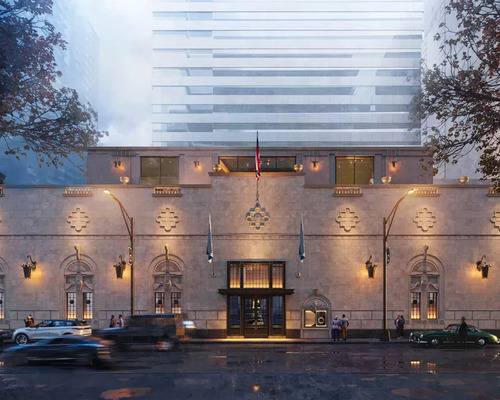
David Rockwell creates immersive magic destination, The Hand and The Eye
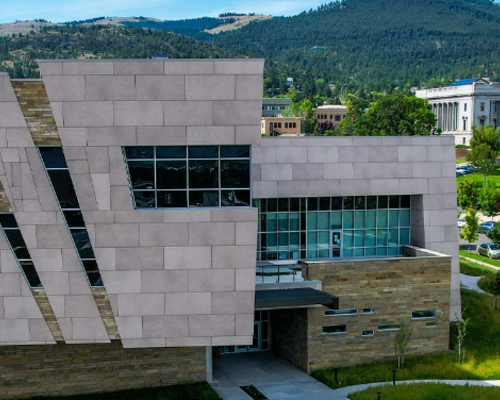
Montana Heritage Center by Cushing Terrell opens after US$107 million investment

Universal launches new theme park model with Kids Resort
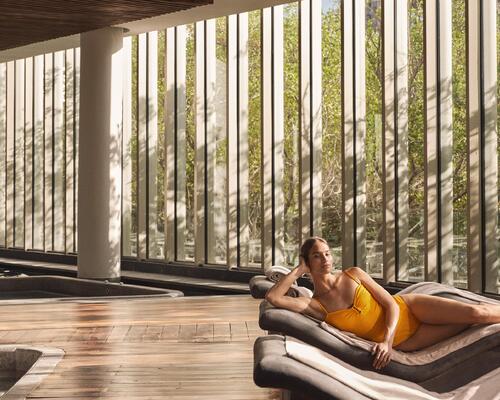
'Minor wellness hotels' recorded the strongest growth across top KPIs in 2025, finds RLA Global
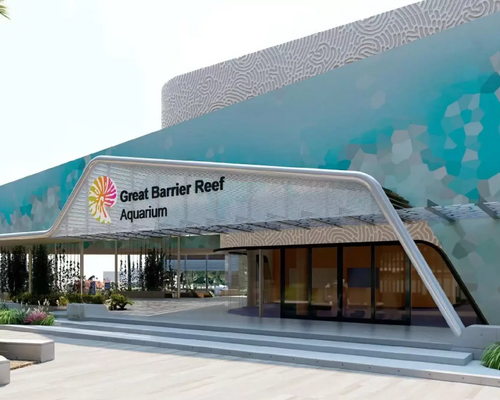
Great Barrier Reef attraction set for AU$180 million reinvention
Fairmont Cheshire, The Mere, has architecture by Leach Rhodes Walker and interiors by Bergman Design House.
Marriott International partners with Fitwel for wellness solutions across its residential portfolio
Preidlhof Luxury DolceVita Resort to unveil new spa in February 2027
Places Leisure is working with Roberts Limbrick to build £60m wellness flagship in Basingstoke
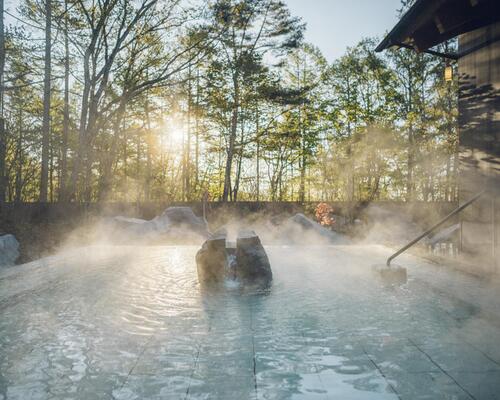
Hoshino Resorts opens Kai Kusatsu as it expands the Kai onsen ryokan brand
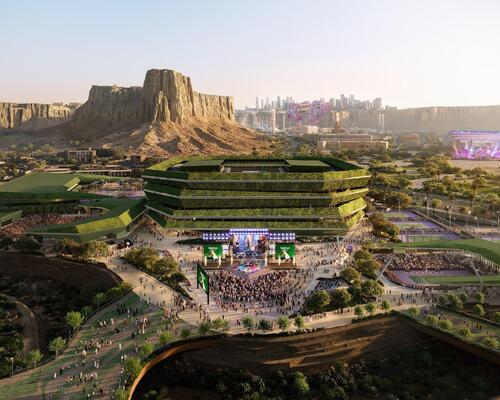
Qiddiya and Populous share details of Saudi Arabia’s National Tennis Centre
Disney confirms US$30 billion investment programme as it highlights its economic impact
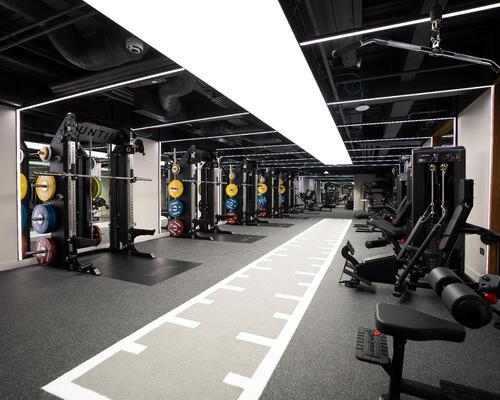
Until combines multiple disciplines at new Canary Wharf club
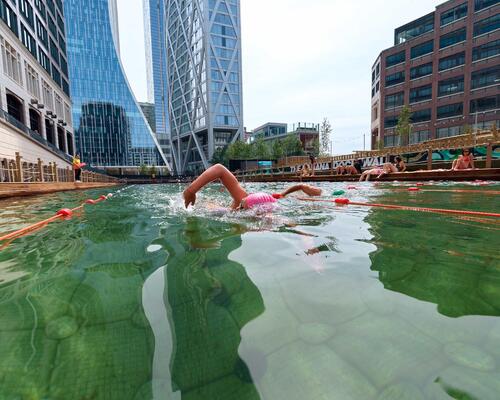
Sea Lanes opens following a partnership between The Eden Project and Canary Wharf Group
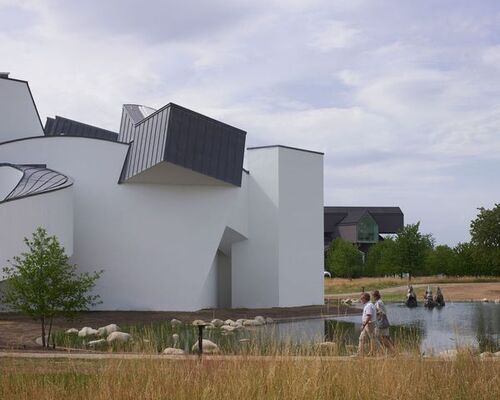
Bas Smets brings water and wilderness to Vitra
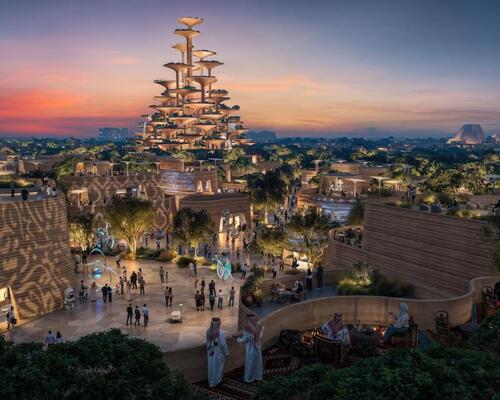
Expo 2030 Riyadh will create a permanent global destination
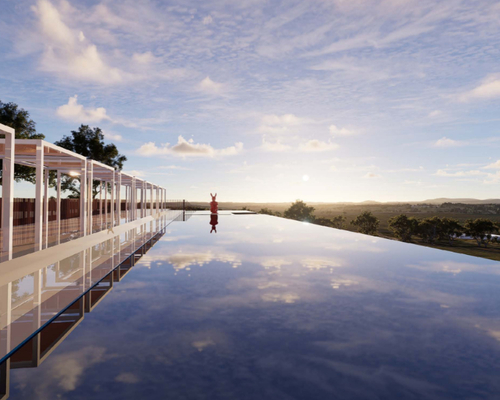
Luxury resort coming to Hunter Valley will have longevity spa

'Data chocolate', dreams made real and artworks shaped by visitors’ emotions: Refik Anadol’s AI art museum launches in Los Angeles
London Museum reveals 2026 opening date for new Smithfield home
BIG unveils Eve Music Hall as Croatia venue nears completion
Bob Rogers hands BRC to long-serving leadership team

Palazzo di Varignana launches family wellbeing and longevity retreat in Emilia Romagna
Anasa Wellness and Spa debuts at Patmos Aktis as it joins Marriott
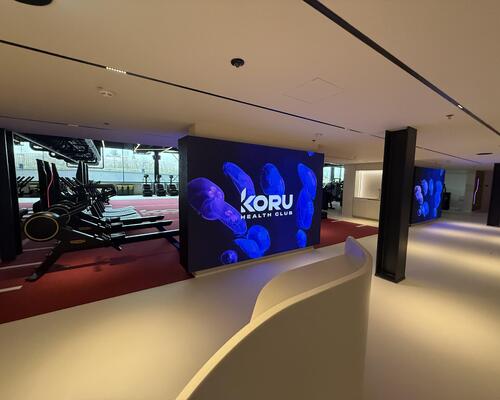
Design-led Koru Health Club combines high-performance training with recovery

Wellness care hospital opens in Vilnius with innovative spa and hospitality concept

Universal and Puy du Fou projects point to rise of Oxford–Cambridge corridor
A proposed Puy du Fou development near Bicester and Universal Destinations and Experiences’ planned resort in Bedford are emerging as part of a wider transformation of the Oxford–Cambridge Growth Corridor into a major centre for UK leisure and tourism investment.
For years, the corridor has been associated primarily with science, technology, housing and university-led economic growth. However, the clustering of large-scale visitor attraction projects along the

All-inclusive eco-wellness development Auko to open near Vietnam’s Son Doong caves