Sector responds to spending review
Leisure sector organisations have issued a mixed response to the chancellor's Comprehensive Spending Review (CSR) published yesterday (20 October).
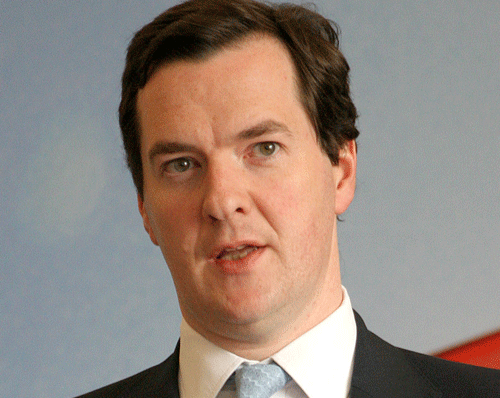
George Osborne announced a 25 per cent cut in the Department for Culture, Media and Sport (DCMS) budget, which will run over the course of the review period to 2014-15. Culture secretary Jeremy Hunt insisted it was a 'good settlement' and will help enable the government to "protect our sporting and cultural core for the long term".
Hunt indicated that a 41 per cent cut in administrative costs is to help prioritise front-line public services, while reiterating plans to provide an additional £150m of Lottery funding after 2012. However, DCMS budget cuts are set to have a knock-on effect as organisations funded by the department face up to overall cuts of at least 28 per cent to their respective budgets.
Arts: Arts Council England (ACE) has warned that a 29.6 per cent cut to its budget will "inevitably" have consequences for the UK's cultural industry. ACE chief executive Alan Davey said: "[We] will seek to minimise the effect of any cuts to the portfolio of arts organisations we regularly fund and will consider the overall position when it meets on 25 October.
"It will be a tough task but we are determined to manage the cuts in the best possible way for the benefit of the whole arts and cultural sector." Royal Opera House chief executive Tony Hall added: "It is encouraging that the government has listened to our concerns and recognises the value that we all bring to this country.
"It's still going to be very tough, but we have been given the chance to manage our way through what will be a very difficult few years." Sport: Among the announcements made by Osborne in the review was the "ongoing provision" of £9.3bn public funding to deliver a "safe and successful" London Olympics in 2012.
British Olympic Association chair Colin Moynihan said: "In this difficult economic climate we welcome the government's continued support for the key elements of the London 2012 Olympic Games programme. "In particular, we strongly support the safeguarding of funding to the national governing bodies (NGB) of Olympic sports and elite athletes through a combination of Exchequer and Lottery funding."
However, the impact of the CSR means that Sport England will now see its budget cut by a third over the review period; a move that it hopes to counter through reducing administration costs. Sport England aims to protect the revenue funding for front-line deliverers until March 2013, although it will consult with NGBs over a 40 per cent cut to its capital grant budget.
Chief executive Jennie Price said: "The announcement is tough for grassroots sport, and in particular the coaches, volunteers and clubs in communities across the country. We recognise, however, that these are challenging times for everyone. "Sport England's priority is a simple one, ensuring as many people as possible play sport. With less grant in aid funding available, it is more important than ever that each pound reaches right down to the grassroots."
Rugby Football League (RFL) chief executive Nigel Wood said: "The RFL welcome the commitment that Sport England have made to protect both frontline services and their investment in sports national governing bodies until 2013." UK Sport, which will see its budget reduced by 28 per cent, has labelled the news as a "positive outcome in difficult times", and said it will continue to have resources to fund athletes to 2012.
Liz Nicholl, the organisation's chief executive, said: "While tough, it recognises that the funding and support we give to Olympic and Paralympic sport is a crucial element of the nation's London 2012 ambition. "Ministers have been clear throughout the process that they see the continued support of sports and athletes through to London 2012 as a priority, and this reduction will not have any significant impact on our goals."
David Sparkes, chief executive officer of British Swimming, said: "While we recognise that these are difficult times, we welcome the proposed increased investment from the Lottery into elite sport which will enable us to continue our planned preparations for the Olympic Games in London." John Derbyshire, performance director at the Royal Yachting Association, said: "The minister for sport had told us that he would do his best to protect athlete funding in the lead up to the incredible opportunity we have in just under two years time. This announcement has done just that and means we can continue with our plans for 2012."
But the Youth Sport Trust (YST) has raised fears that the budget cuts will place school sports in "jeopardy" after the Department of Education ended ring-fenced funds for school sport partnerships. YST chief executive Steve Grainger said: "The cuts are staggering given the transformational change that has been created and the incredible results which have been delivered in school sport.
"In these very challenging times, what does not change is our determination to continue using sport as a way of increasing young people's aspiration and achievement." Chris Dunne, head teacher at Langdon Park School in London, warned: "These cuts will have such a damaging effect on school sport that there is a very real danger that everything that has been achieved thus far will be lost."
Dave Stalker, executive director of the Fitness Industry Association, said: "For those who are bold and creative in the provision of public services, be it healthcare, leisure or education and training, the environment has never been more receptive to new ways of approaching the challenges we now face." Museums and Heritage: English Heritage has said that it is "disappointed" that it will face a 32 per cent reduction in grant funding from the government - more than the DCMS' overall cut of 25 per cent.
Baroness Andrews, chair of English Heritage, said: "The 32 per cent cut to English Heritage's grant from government will be exceptionally challenging to manage after years of funding decline - £130m real-term cuts over 13 years. "It will require us to make some tough decisions. We will work with the Heritage Lottery Fund to ensure there is no overlap or duplication in the services we provide."
Elsewhere, the National Heritage Memorial Fund (NHMF) has welcomed the news that the government will contribute £20m in grant-in-aid funding over the course of the review period. NHMF chair Dame Jenny Abramsky said: "We are pleased that in difficult circumstances the important role of the National Heritage Memorial Fund - the emergency fund to save our most important and precious heritage - has been recognised.
"Of course, it is disappointing that this is less than the grant in aid since 2007 of £10m per year, but, in these difficult times, we will continue to do our utmost to play a vital part in saving great heritage right across the UK." Museums Association (MA) president Vanessa Trevelyan said the 15 per cent cuts to Renaissance and national museums were not as bad as first feared.
However, Trevelyan admitted that regional museums could be worst affected by local authority spending cuts, while plans to reduce administration costs "shows a lack of understanding". Trevelyan said: "While central government is clearly trying to protect front line services, local authorities have to make their own decisions and might not follow the same formula."
National Museums Directors' Conference chair Dr Michael Dixon - also director of the Natural History Museum - said the cuts will be challenging but welcomed the retention of free entry. Dixon said: "NMDC has been working closely with DCMS and is very grateful for the work Jeremy Hunt, Ed Vaizey and department officials have done to ensure that the unique situation of museums has been understood and reflected in this settlement.
"In the current circumstances we may have to reduce some of the things that we currently offer, but we will preserve free access and as much of our service to the public as possible." However, the move to retain free entry at museums and galleries has not been universally welcomed, with the British Association of Leisure Parks, Piers and Attractions (BALPPA) criticising the decision.
BALPPA chief executive Martin Barratt said: "I was not surprised to learn that the government will continue to fund free entry to museums, it's in the coalition document and is therefore considered sacrosanct even though it's barmy. "We're heading into a period when the effort to market England will rely less on government agencies and more on the initiative of groups of attraction operators."
Tourism: National tourism agency VisitBritain faces one of the largest overall budget cuts within the DCMS' remit, with a 34 per cent reduction confirmed following the CSR. VisitBritain chair Christopher Rodrigues said the agency would examine its operations in order to keep it's Olympic strategy on course and look to slash overheads.
Rodrigues said: "This government understands the value VisitBritain brings to Britain's tourism industry, but this is tough love. VisitBritain will respond to the settlement by further cutting overheads and reducing its physical network overseas to retain as much money as possible for our global marketing effort." However, Tourism Alliance chair Ken Robinson said the cuts went against Prime Minister David Cameron's recent pledge to promote the UK's tourism industry.
Robinson said: "With DCMS saying that all sectors must share the pain, we expected cuts. We know that VisitBritain and VisitEngland will respond, using every pound wisely. "However, the Treasury's attitude to tourism, not recognising that investment in the sector brings immediate and high returns to Britain, is short sighted."
Training: One of Osborne's signature pledges within the CSR is the news that at least 75,000 apprenticeship places are to be created each year by 2014. The chancellor said education was a priority area of additional investment over the coming years, which has been welcomed by Florence Orban, chief executive of the National Skills Academy for Sport and Active Leisure.
Orban said: "The aim to create at least 75,000 new apprenticeships each year is exactly the backing we have been waiting for and are thoroughly looking forward to continuing to be involved in their creation. "Although unemployment will continue to be an issue throughout this recession, we hope the introduction of the government's new work programme will bring the support needed for our young and long-term unemployed."
Architecture and Design: The DCMS has confirmed that it will be axing funding from the Commission for Architecture and the Built Environment (CABE) - one of the bodies whose future had yet to be decided amid last week's quango announcement. A spokesperson for the agency said it was "bitterly disappointed" with the DCMS' decision to protect other areas of the culture and heritage sector.
CABE chair Paul Finch said: "We are very proud of our achievements so far, from the high profile design reviews of the Olympic facilities for 2012 to the less well known support to planning teams and developers up and down the country as they try to create places that look good and work well for everyone. "I know there are literally thousands of new buildings, parks and streets which are better because of CABE's support. I believe the reasons for that work remain and will become ever more relevant to the future of this country."
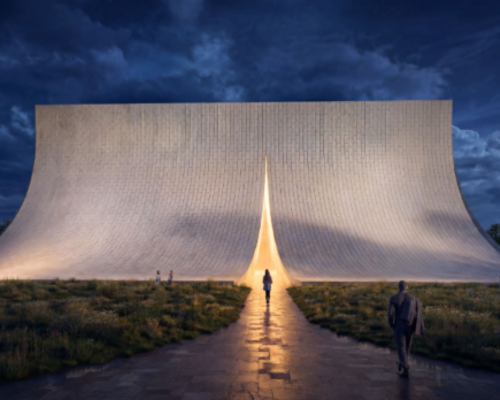
BIG unveils Eve Music Hall as Croatia venue nears completion


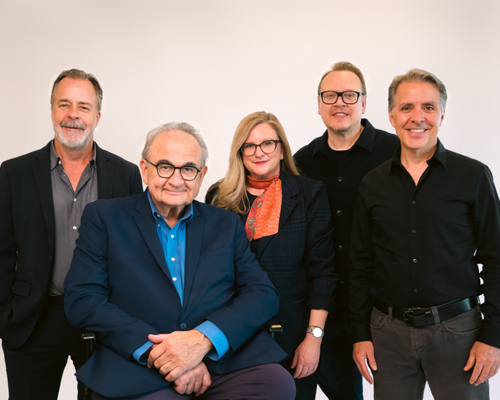
Bob Rogers hands BRC to long-serving leadership team

Wellness care hospital opens in Vilnius with innovative spa and hospitality concept

Universal and Puy du Fou projects point to rise of Oxford–Cambridge corridor
A proposed Puy du Fou development near Bicester and Universal Destinations and Experiences’ planned resort in Bedford are emerging as part of a wider transformation of the Oxford–Cambridge Growth Corridor into a major centre for UK leisure and tourism investment.
For years, the corridor has been associated primarily with science, technology, housing and university-led economic growth. However, the clustering of large-scale visitor attraction projects along the

All-inclusive eco-wellness development Auko to open near Vietnam’s Son Doong caves
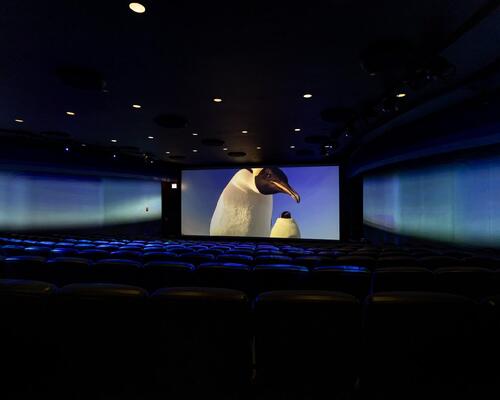
Shedd Aquarium upgrades its visitor experience with new Immersion Theater
Shedd Aquarium has opened the Immersion Theater developed in partnership with SimEx-Iwerks, as part of a wider strategy to enhance the guest experience and create additional revenue opportunities.
The attraction has transformed the aquarium’s Phelps Auditorium into a multi-sensory venue combining panoramic projection, environmental effects and interactive technology.
A new pre-show area allows visitors to engage with augmented reality marine animals before entering the

Mandarin Oriental announces standalone Mansions-branded residences for Abu Dhabi
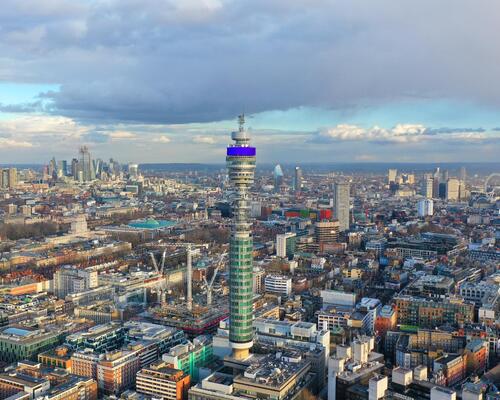
MCR is planning a luxury hotel for London's BT Tower

Joy as a radical act: Yinka Ilori launches solo exhibition celebrating the rebellious power of spreading happiness

Work gets underway on Madrid's €800 million leisure complex
Work is underway in Madrid on one of Europe’s most significant multi-functional complexes, combining sport, entertainment, culture and education.
The €800 million initiative to regenerate the former Olympic Aquatic Centre in the north-east of the city, next to the Riyadh Air Metropolitano stadium, is being led by Barsento – a joint venture between Live Nation Entertainment, Oak View Group and Atlético de Madrid. The project will
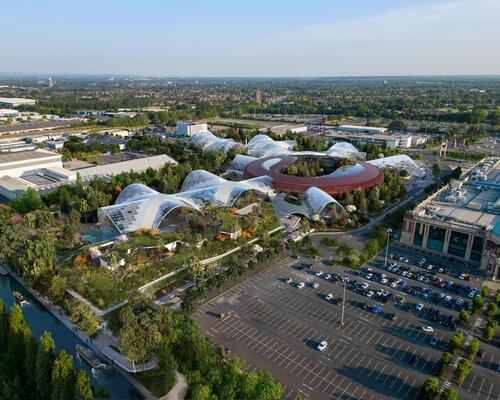
Therme Manchester reveals 90:90 strategy – 90 per cent of the UK population within a 90-minute drive of a Therme

Four Seasons’ Naples Beach Club opens 2,800sq m Sanctuary spa inspired by indigenous Calusa people
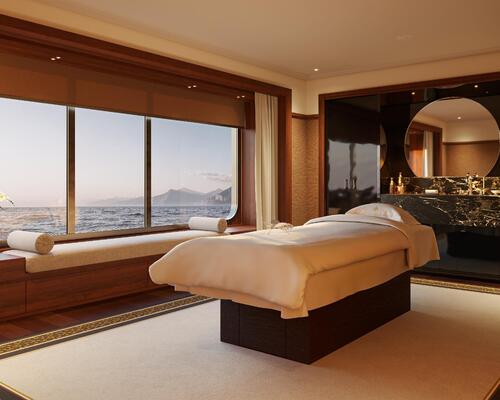
Orient Express Corinthian to host Ocean Rebirth wellness retreat in collaboration with Guerlain

Famed London nightclub, Tramp, launches Tramp Health
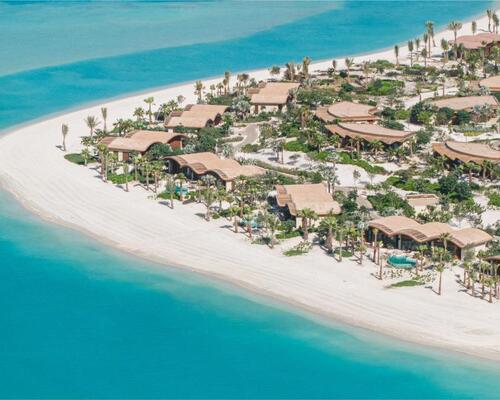
First look: Miraval opens on the Red Sea in Saudi Arabia

Hainan Science Museum by Ma Yansong, opens in China
A new science museum has opened to the public in Haikou after attracting more than 350,000 visitors during a four-month soft opening period.
Designed by Ma Yansong and his practice MAD Architects, the Hainan Science Museum is located on the edge of Wuyuan River National Wetland Park and has already recorded peak attendance of more than 5,800 visitors in a single day.
Commissioned by
Zannier Île De Bendor launches with design by Hardel Le Bihan Architectes
Sæl Spa readies for launch in London: “a modern British sanctuary”
Immersive art bathhouse Submersive announces debut location in Austin

Construction begins on regenerative wellness destination The Shenandoah Nature Resort

Royal Caribbean reveals record-breaking cruise ship
V&A East opens in London

David Geffen galleries open at LACMA

New venue The Lands by Capella includes a longevity centre to complement sister hotel Capella Sydney

World of Frozen launches at Disneyland Paris
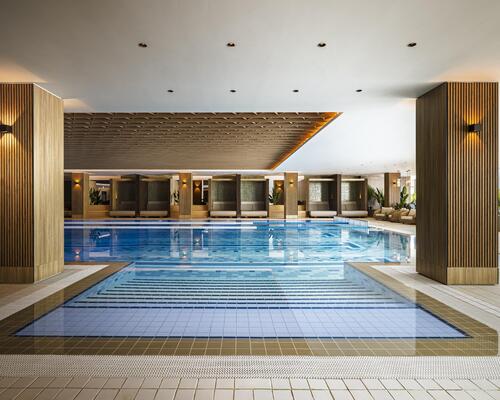
Pical Resort by Valamar reveals first Croatian spa under the ESPA brand

Mandarin Oriental creates end-to-end Egyptian journey with two new hotels and first-ever luxury river cruise

Designers Mendil + Meyer launch new division called Lām Concepts for strategic wellness projects

Wilderness Bisate in Rwanda reveals brand’s second Sanctuary spa
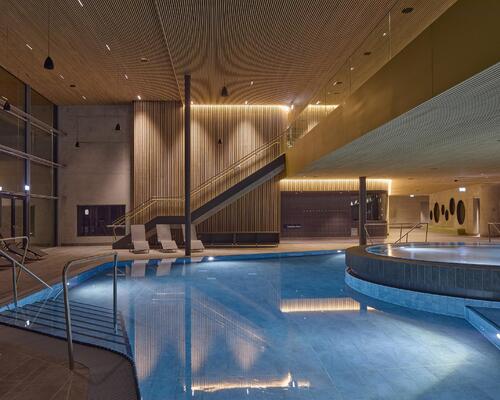
4a Architekten shares details of wellness extension at Salinarium Bad Dürkheim Thermal Spa










Designed to restore neglected land and renew the identity of Iraq’s capital city, Baghdad Sustainable Forests promises a new way of living surrounded by nature. Gensler’s Ian Mulcahay tells us why he thinks the project could become a model for the repair and enhancement of urban centres