Design
Flights of fancy
From an impossible-looking hotel inspired by a fairytale to a ‘strange and surrealist’ olive museum, two new projects from Philippe Starck show his love of the fantastical




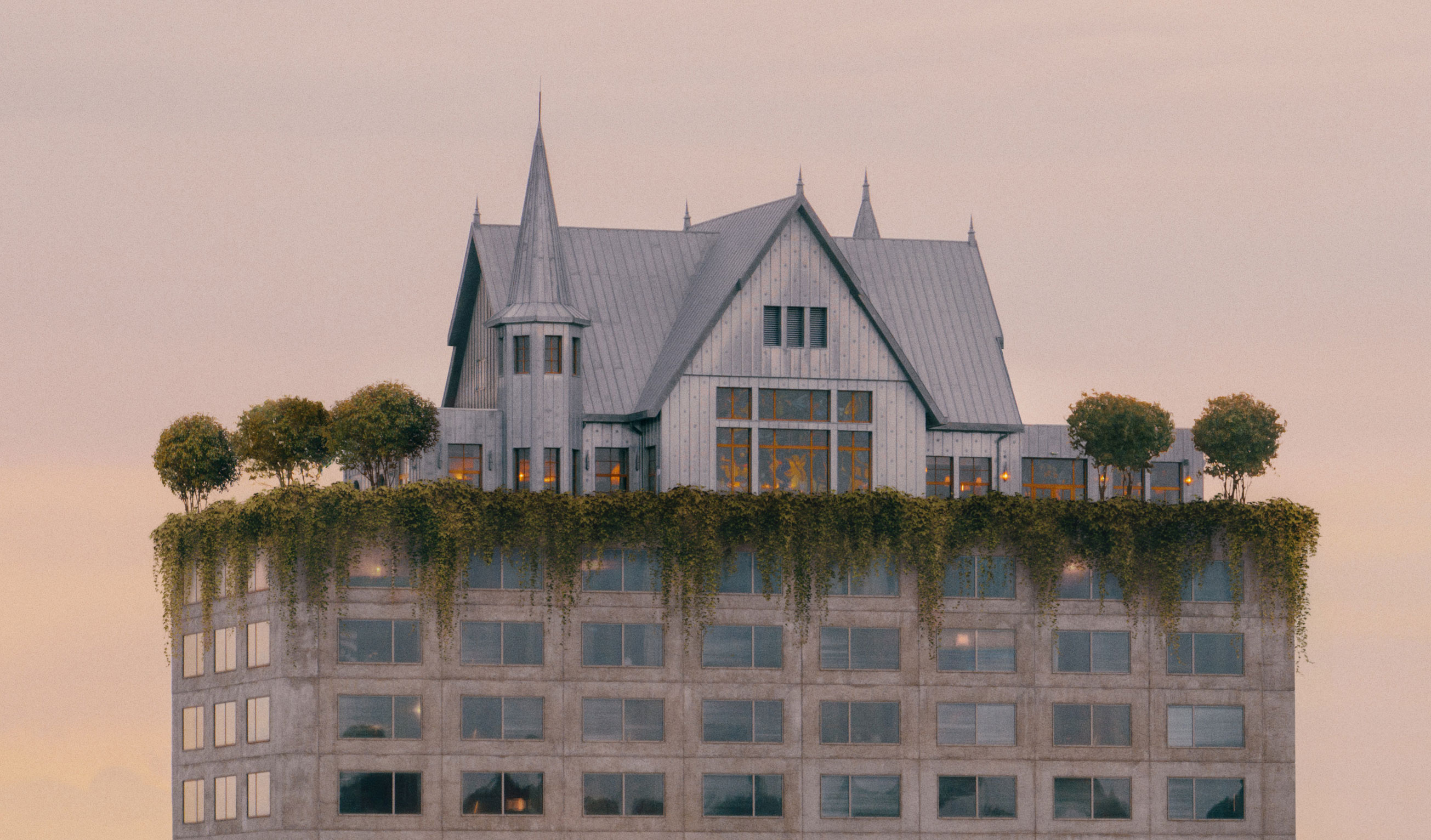
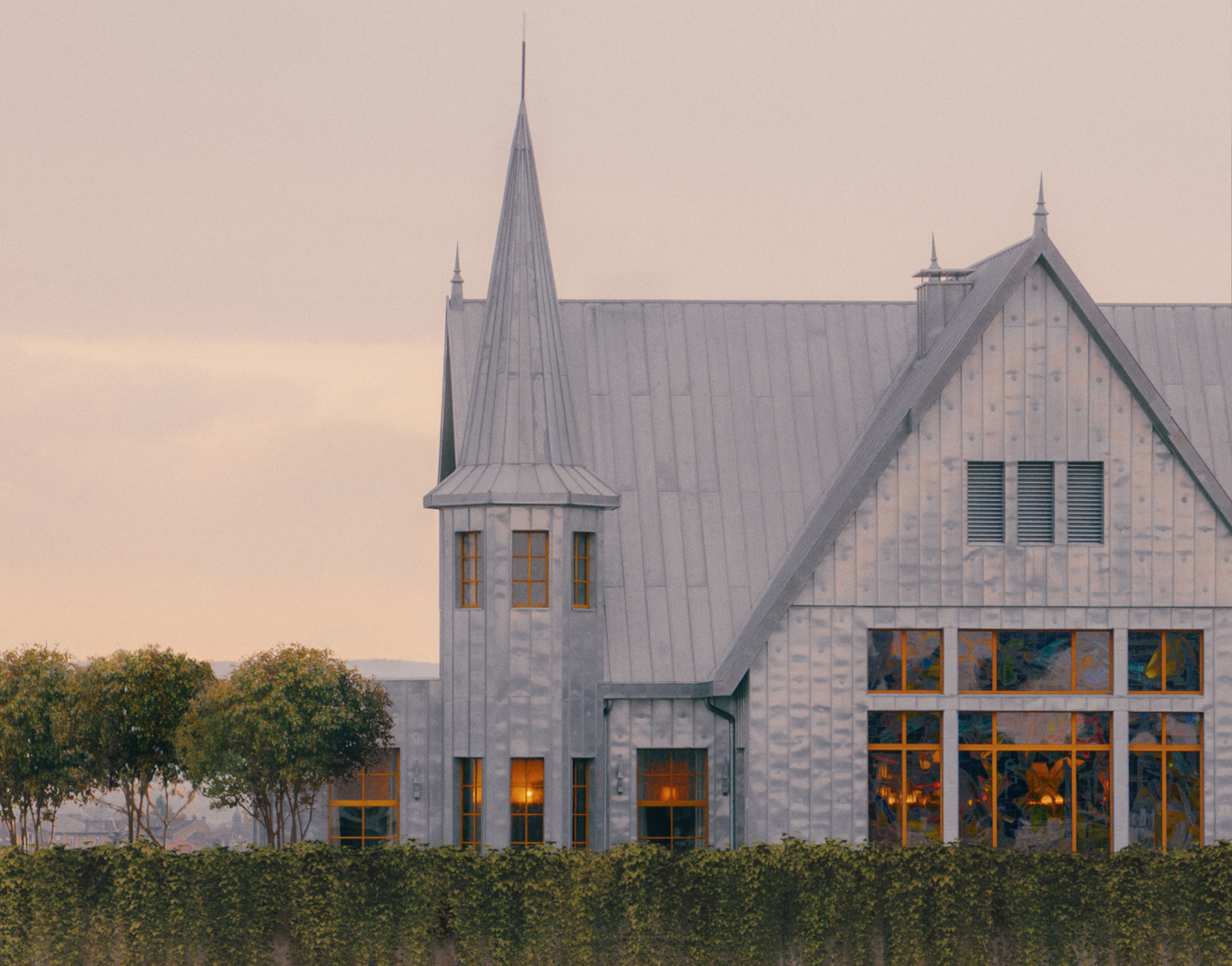
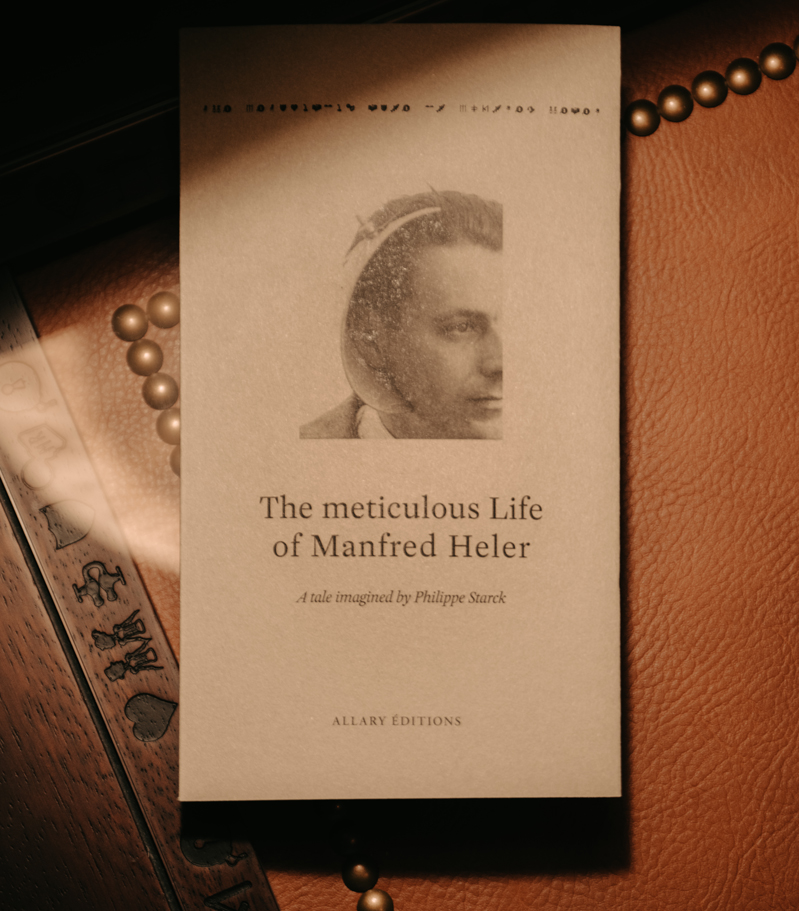
Opened in Metz, France in March 2025, Maison Heler was inspired by a short novel written by Philippe Starck telling the story of the fictional inventor Manfred Heler. Heler lives in a typical Lorraine house, amusing himself by inventing a series of objects, when one day his house is mysteriously thrust high above the city.
Part of Hilton’s Curio Collection, Maison Heler has 104 rooms spread across eight storeys of the contemporary, minimalist tower, with the ground floor home to La Cuisine de Rose – a brasserie dedicated to Manfred Heler’s imaginary lover Rose.
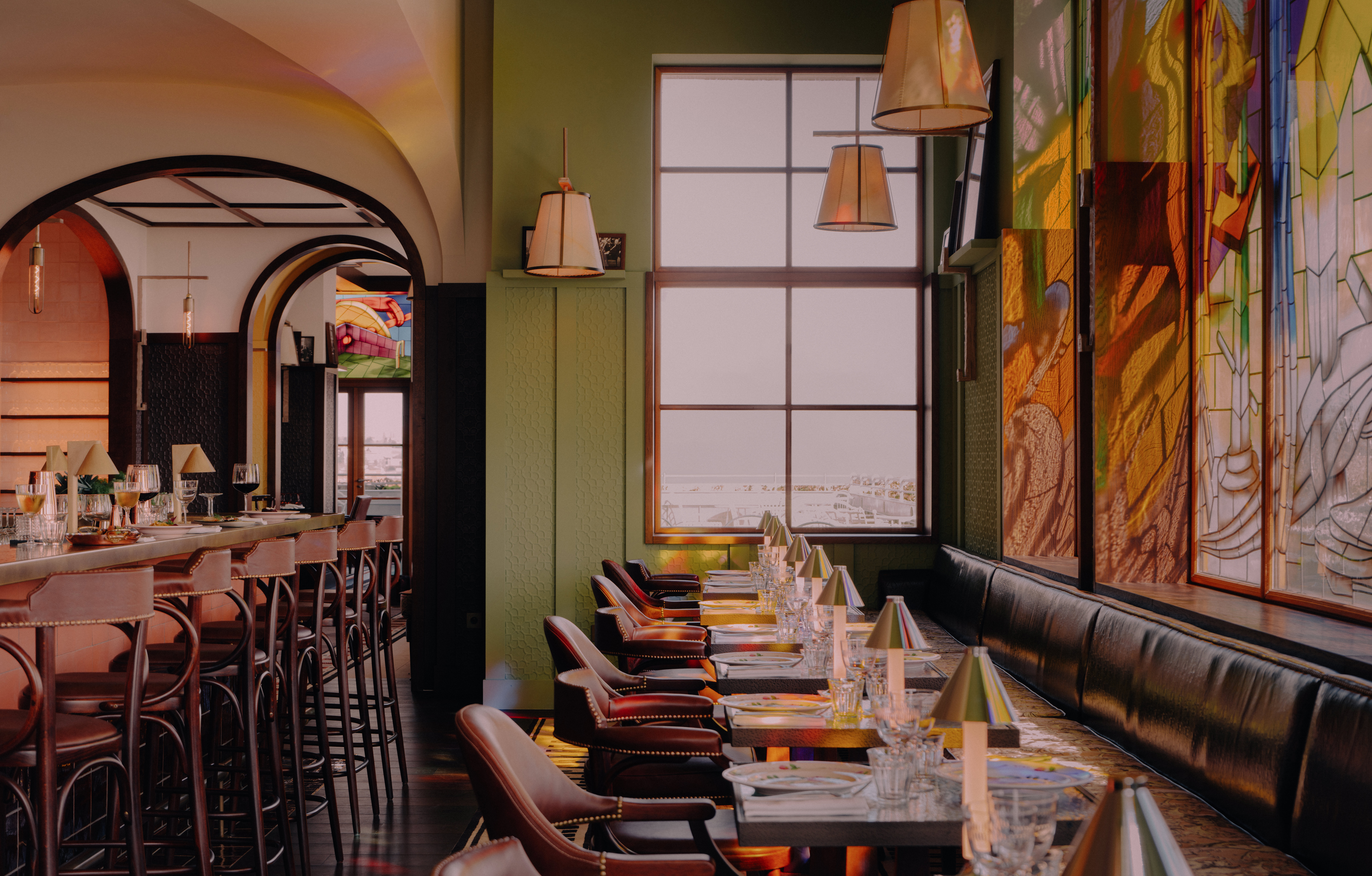
On the top of the tower, a replica of a traditional 19th century Alsatian mansion – complete with its own garden – is home to the hotel’s main restaurant, La Maison de Manfred. The restaurant’s interiors have been inspired by Heler’s fictional home, with soft colours, vintage style fittings and stained-glass windows designed by Philippe Starck’s daughter Ara Starck.
In contrast to the restaurant’s romantic interiors, the hotel rooms are spartan in design, with concrete walls and ceilings and muted colours.
Whimsical objects inspired by French painter and illustrator Jaques Carelman are scattered around the hotel, including inverted rocking chairs, a crystal hammer and a double ended axe. ‘Little mental games’ have been scattered around the hotel for guests to solve, including a secret alphabet to decipher and ancient coins and quotations to discover.
The hotel is situated in Metz’s Amphithéâtre district, next to Metz’s Centre Pompidou. Everything has been designed by Starck, from the architecture, interior design, lighting and furniture.
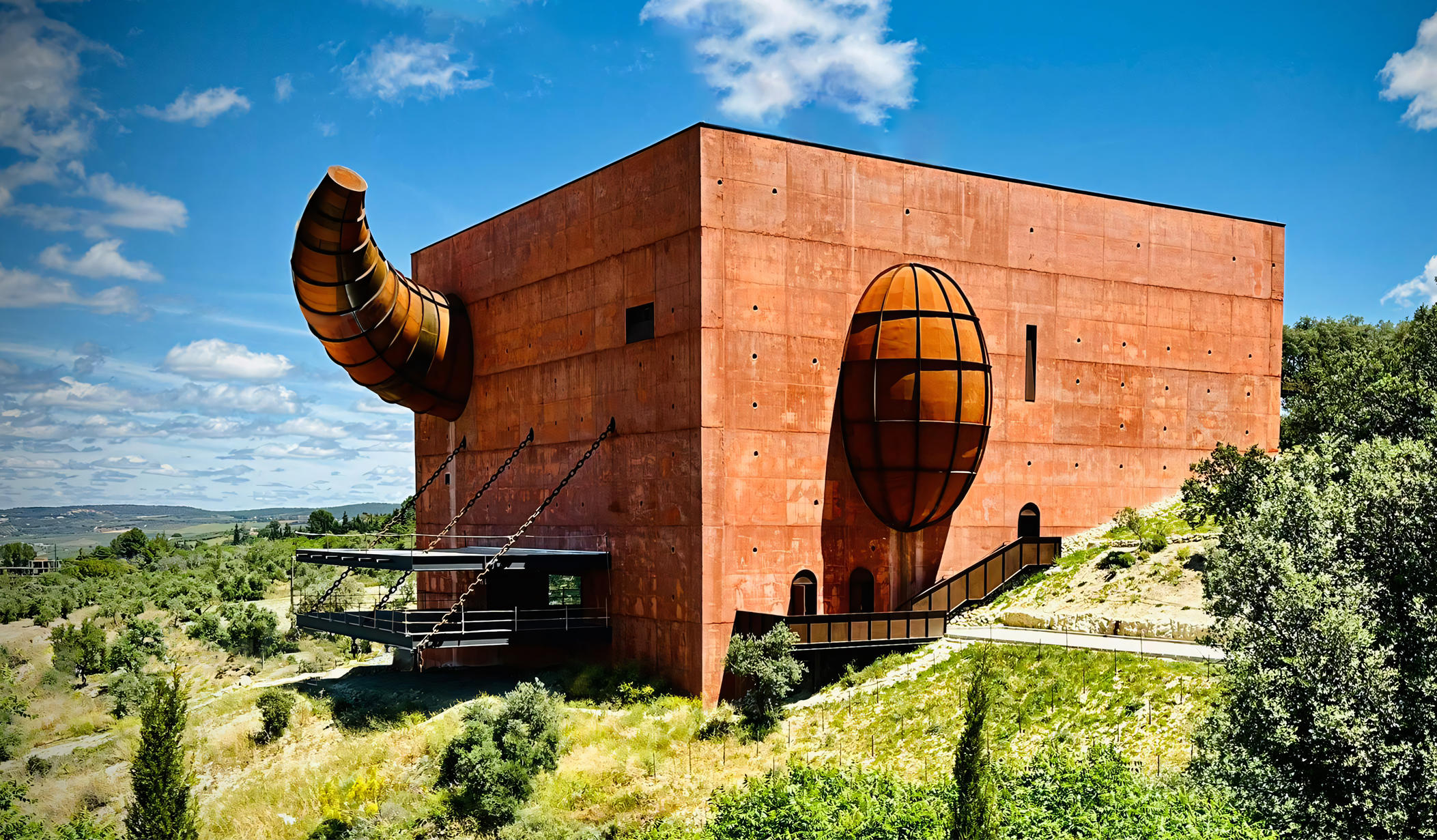
n Spain, a strange new building has appeared on an olive grove near the city of Ronda in Andalusia. La Almazara is an olive oil mill, museum and restaurant designed to boost oleotourism (tourism based on olive oil production) in the region.
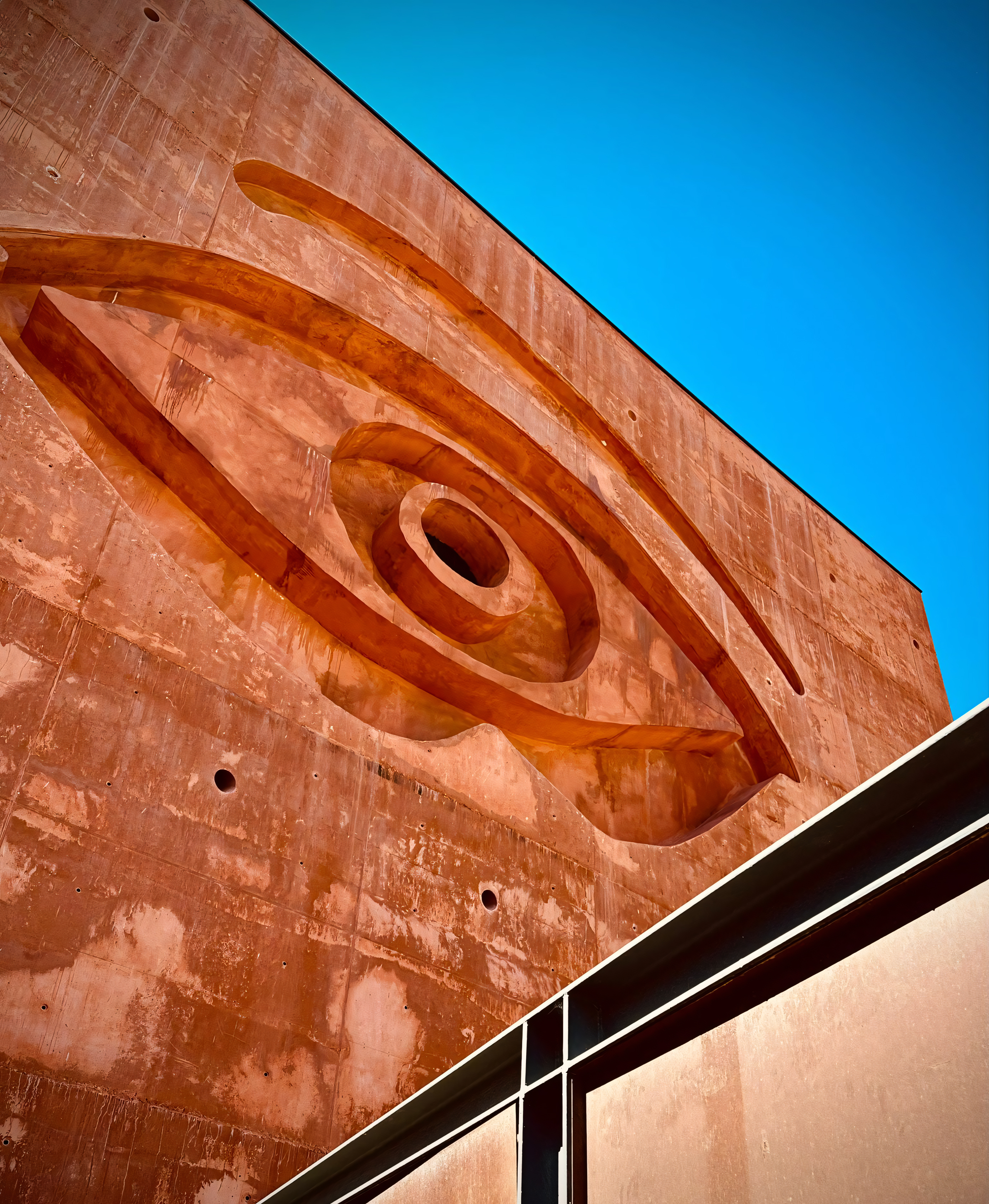
Designed by Philippe Starck for oil producer LA Organic, the building is a rust red cube with a giant steel bull’s horn and an enormous concrete eye emitting black smoke. “The eye to illustrate the vigilance of the great Andalusian surrealist artists, the smoke as a thought or a look,” according to Starck.
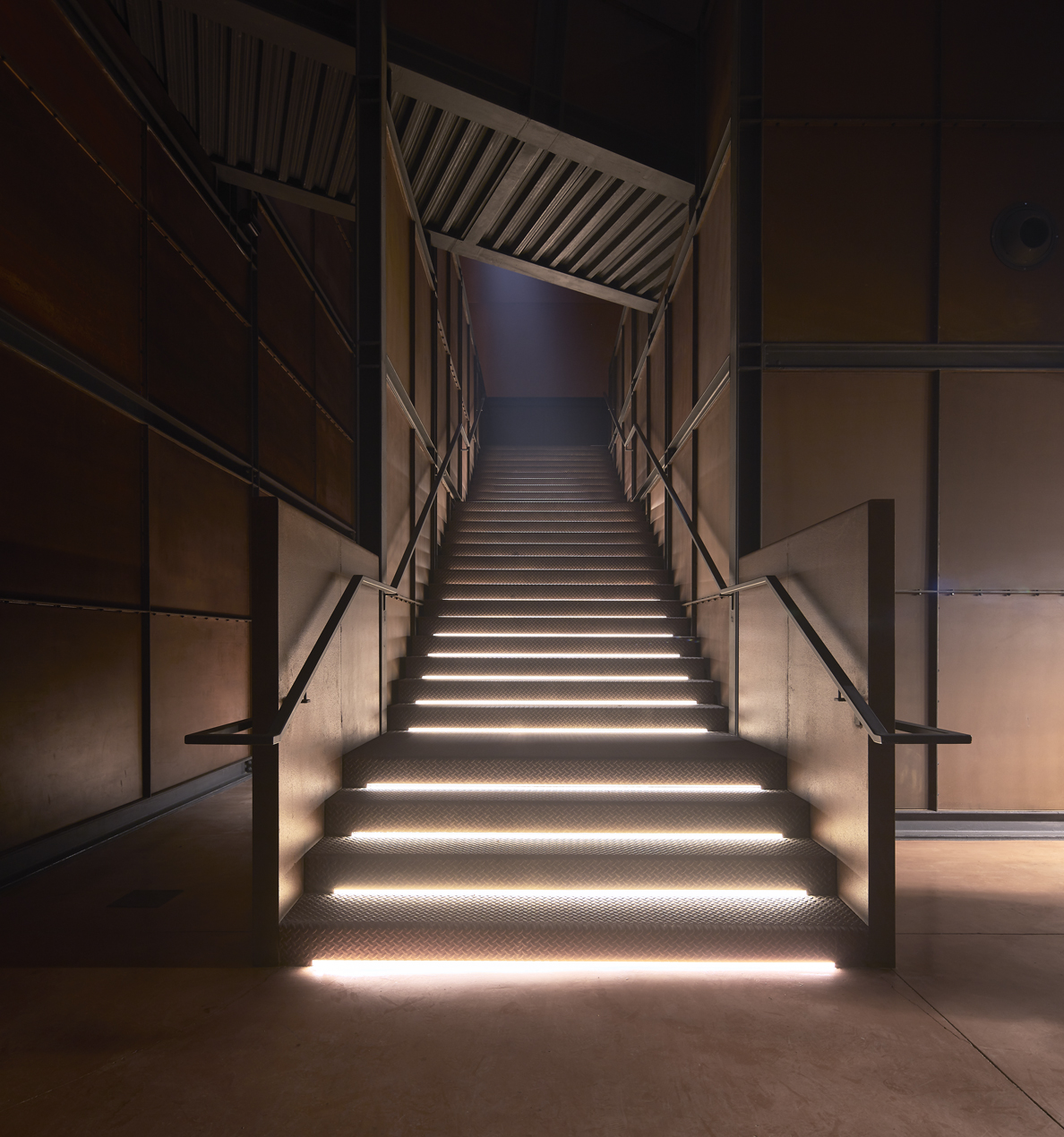
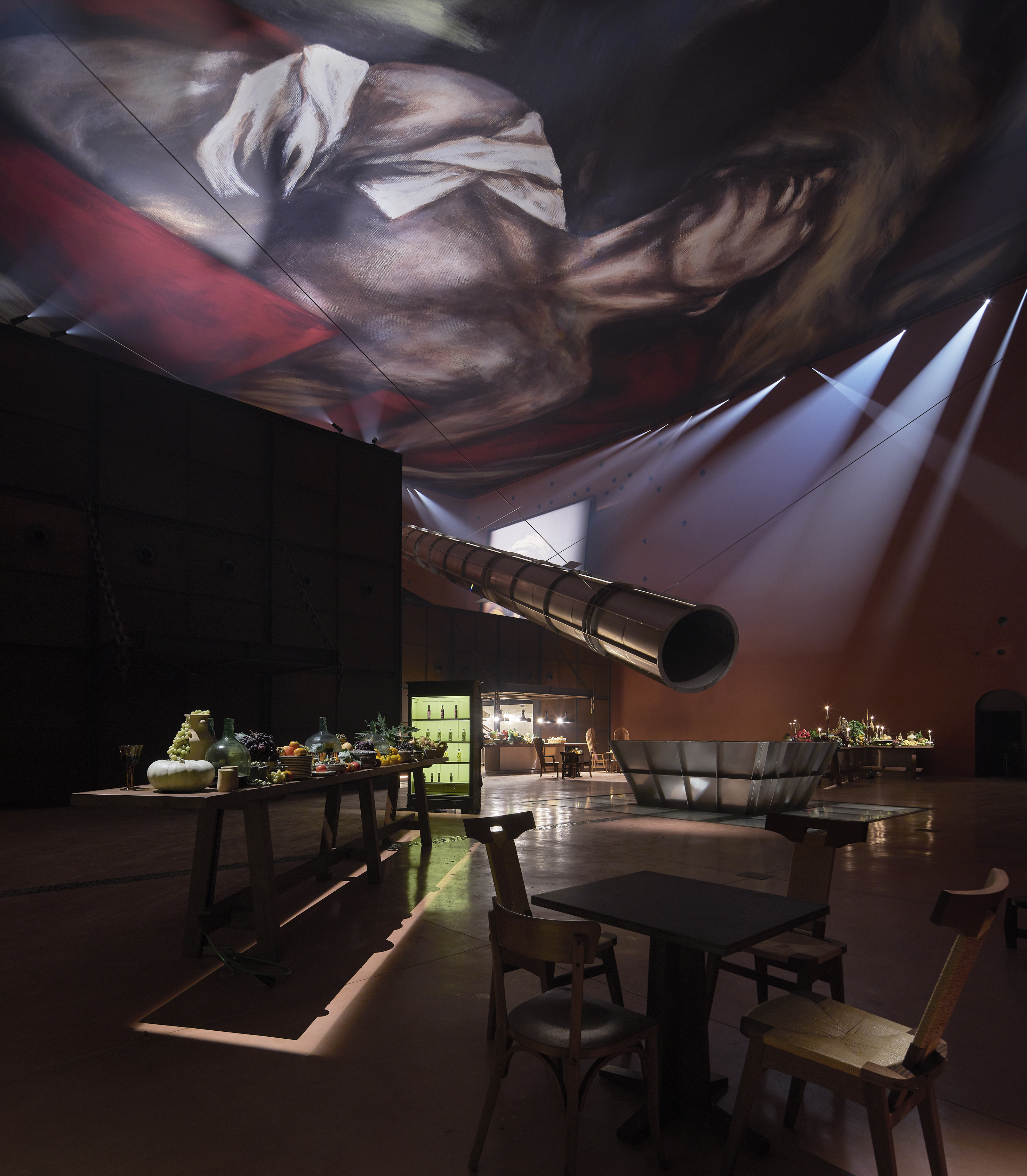
Inside, surprising details show Starck’s love of the quirky – a huge half olive embedded in the corten steel wall, another bull’s horn, a metal pipe that penetrates the building but never comes out, a giant bullfighting sword and a plane made from odds and ends. The dark, cool ground floor room is lit by a rectangle of sunlight from outside, and the ceiling is entirely covered with a mural representing the figure of a farmer by Ara Starck.
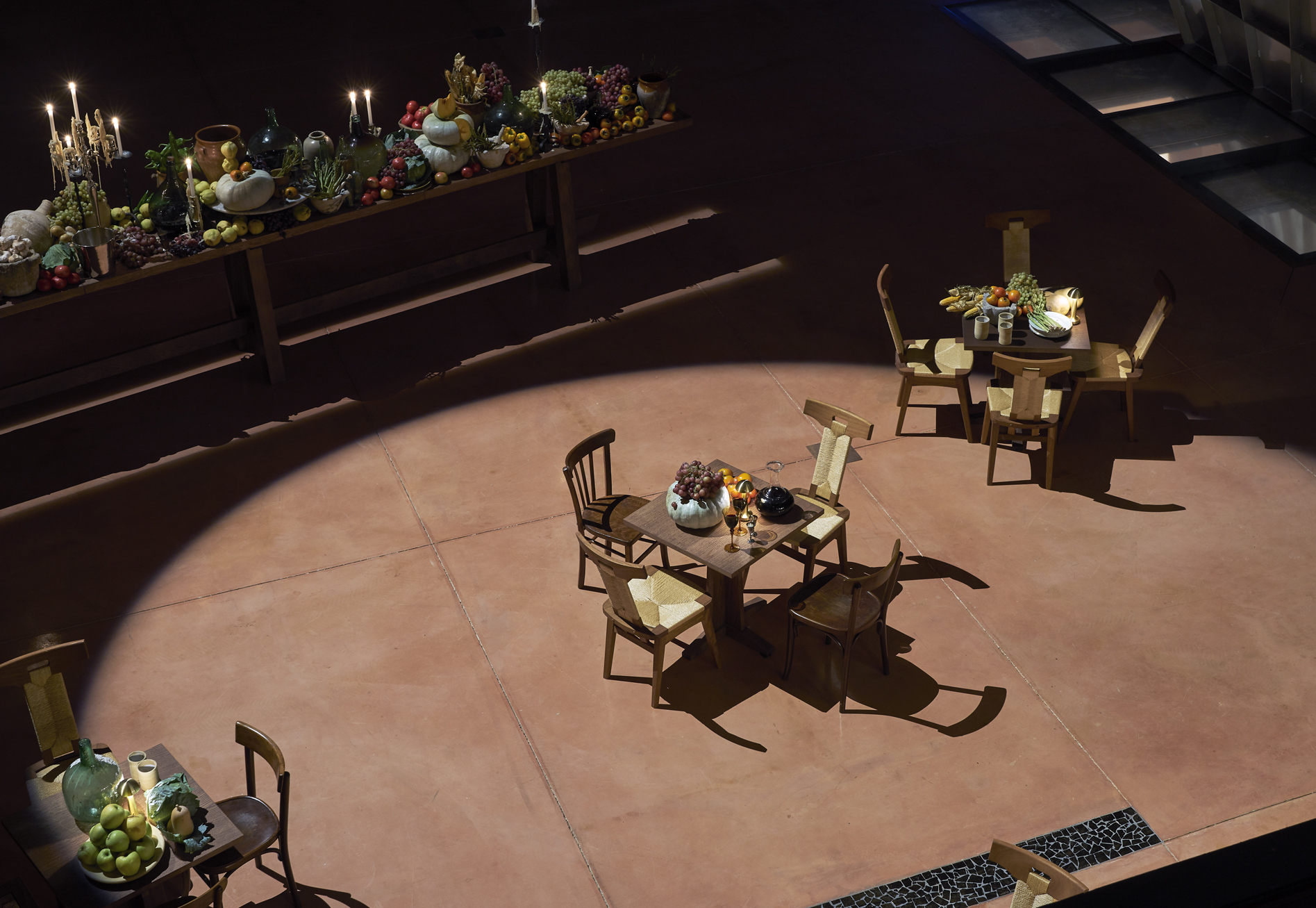
The ground floor houses a large restaurant, while the other two floors of the centre are home to a museum space and olive oil production facilities.
Outside, the building is surrounded by walking trails and sculptures by Philippe Starck. Activities include guided tours of the olive groves, classic olive oil tasting and a chance to take part in the harvesting process. A small guesthouse, El Cortijo LA Almazara, has five rooms designed by Starck for visitors to stay in.





Designed to restore neglected land and renew the identity of Iraq’s capital city, Baghdad Sustainable Forests promises a new way of living surrounded by nature. Gensler’s Ian Mulcahay tells us why he thinks the project could become a model for the repair and enhancement of urban centres