CLAD people
Mariam Issoufou
"In all my projects, the questions are the same"



As the Venice Architecture Biennale gets underway, designer of the Rolex Pavilion Mariam Issoufou speaks exclusively to CLADmag about her aims for the project and her ongoing work.
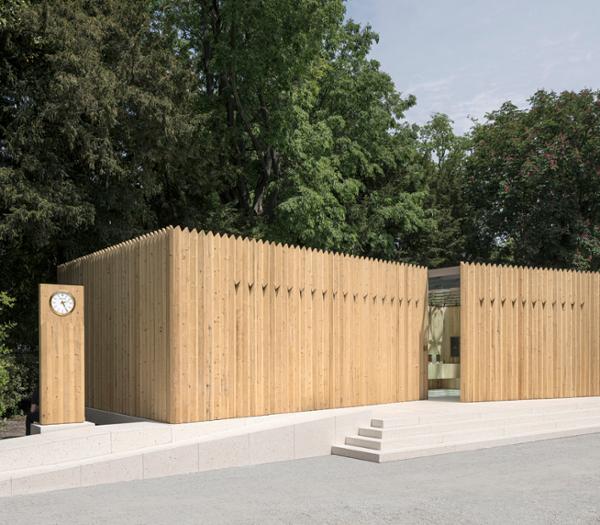
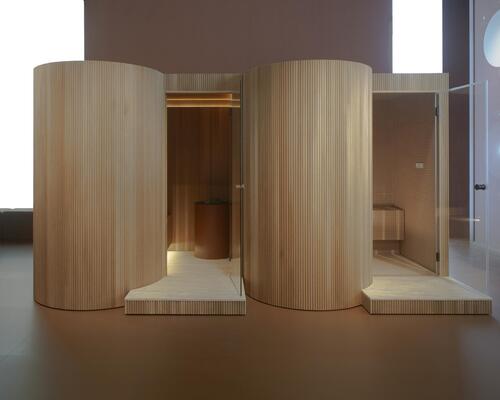
Issoufou was commissioned by Rolex to design the pavilion, which replaces the previous structure built in 2018, and given a brief to design a pavilion to reflect the brand’s identity and explore Venice Architecture Biennale-curator Carlo Ratti’s 2025 theme of adaptation in the face of the climate crisis.
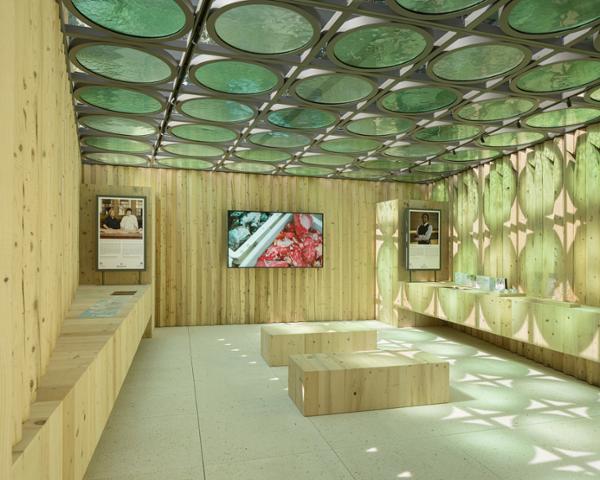
Issoufou has created a wooden facade, crafted locally from recycled wood beams; inside, the translucent coloured ceiling – made by Murano glassmakers – produces a range of hues that change throughout the day. The terrazzo flooring is made of an aggregate that includes recycled Cottisso crushed glass.
Founder of Mariam Issoufou Architecture and professor of architecture heritage and sustainability at ETH Zurich, Issoufou’s designs include an award-winning community library and mosque development in Dandadji, Niger and a raw-earth brick housing development in Niamey, Niger that was shortlisted for the 2022 Aga Khan Award for Architecture.
Ongoing projects include the Bët-bi museum in Senegal (see box out for more details), and the Ellen Johnson Sirleaf Presidential Center in Monrovia, Liberia – Issoufou is the lead architect on this project, with Sumayya Vally of Counterspace as the exhibitions architect, and Liberian architect Karen Richards Barnes as the local architect.
How would you sum up the aims of the Rolex Pavilion? What was your starting point and how did the design evolve?
The aim of the Rolex Pavilion was really to pay homage to the city of Venice itself and its deep-seated relationship to the art of making. In our projects on the African continent, we always collaborate with artisans and makers, and I really wanted to approach the making of this pavilion as an opportunity to collaborate with makers and artisans in Italy, particularly Venice.
The design evolved from considering the client’s brief and this year’s theme for the biennale, which has a particular focus on collaboration across different intelligences and also looks at adaptation in the face of the climate crisis. This is why we relied on the skills of local craftspeople, and utilised waste materials to create a resource-efficient, locally-made intervention. The starting point for the design was the shape of Venice itself, an island sinuously split in half by the Grand Canal, inspiring a form and space to hold exhibitions.
What does this project mean to you? What are you proudest of?
When designing on the African continent, we usually work with a few materials like recycled metal, earth and cement. I wanted to see if we could do that with the Rolex Pavilion as well, so we worked with glass, metal and wood. I was really proud to see the results of the process, particularly during the making of the pavilion, when visiting the different glass, metal and woodworkers and seeing the pavilion coming together.
What unites all of your projects?
It’s my commitment to a research-led process. I don’t design a project and then find people who can make the building. I first research the architectural history, climate and vulnerabilities that exist in a particular context, then go and see what local makers know how to do – then I design the project.
In all my projects, the questions are the same, but the results are different depending on what we find during the research process.
What does sustainability mean to you?
I describe my approach to sustainability as being intersectional. By this I mean, I do not only look at green standards or think of the ecological dimensions of a project, I also want to ensure that the project uplifts the social fabric, cultural history and economic conditions of the people we collaborate with.
What are you working on next?
Two of our projects, Bët-bi Museum in Senegal and the Ellen Johnson Sirleaf Presidential Center are going into construction and I am looking forward to being on site.
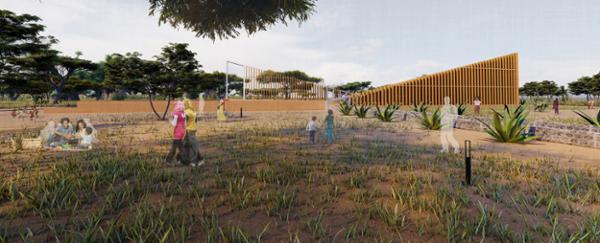
Commissioned by the Josef and Anni Albers Foundation and non-profit organisation Le Korsa, Bët-bi museum in Senegal will showcase contemporary and historic African art and will act as a temporary home for repatriated objects.
Designed by Mariam Issoufou Architects, the 1,000 square metre centre will feature exhibition and events spaces, community rooms and a library.
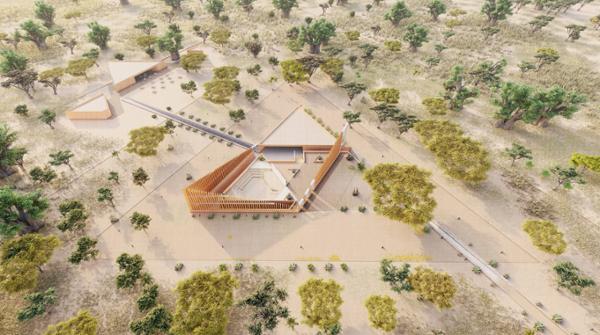
The triangular form of the museum was inspired by the belief system of the Indigenous Serer people – the triangle is a symbol of the relationship between the elements, the living and the dead, representing a self-renewing system. The indigenous Mandika people – historically associated with empire and monumental architecture – were also a major inspiration for the design, according to the architects.
The museum has been designed to form part of the landscape, with the galleries sunk beneath the ground. It will be built using sustainable, traditional materials, with local artisans enlisted to help.
“It is a great honour and a privilege to be selected to lead the design of Bët-bi,” says Issoufou. “For far too long our region has been a place where cultural wealth is pillaged to profit museum collections. This project is an opportunity to design a new type of space inspired by the roots and spiritual legacy of the region. It is a chance to push the boundaries of what defines a museum in the 21st century.”