Interview
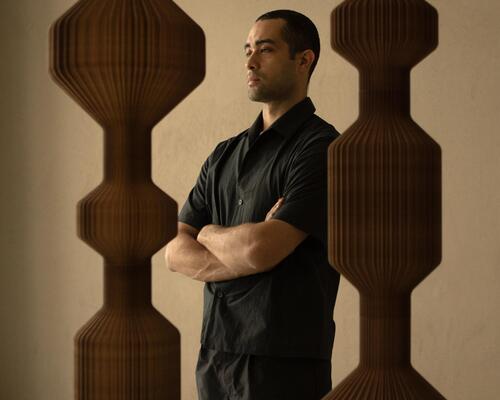
Graham MacVoy
There has never been a shortage of creativity from the team behind Boomtown Festival, and when they decided to create a permanent attraction, they really let it loose. Magali Robathan finds out more from Wake the Tiger co-founder Graham MacVoy



What is Wake the Tiger?
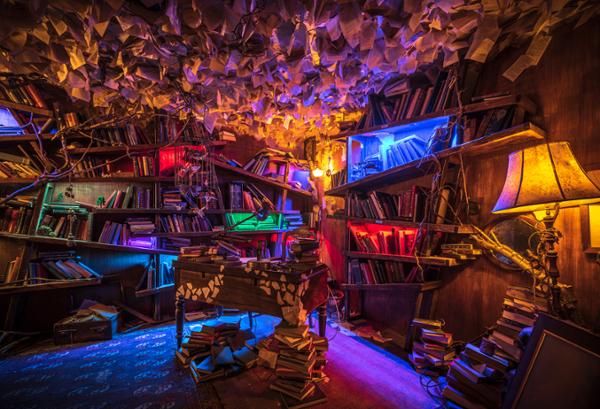
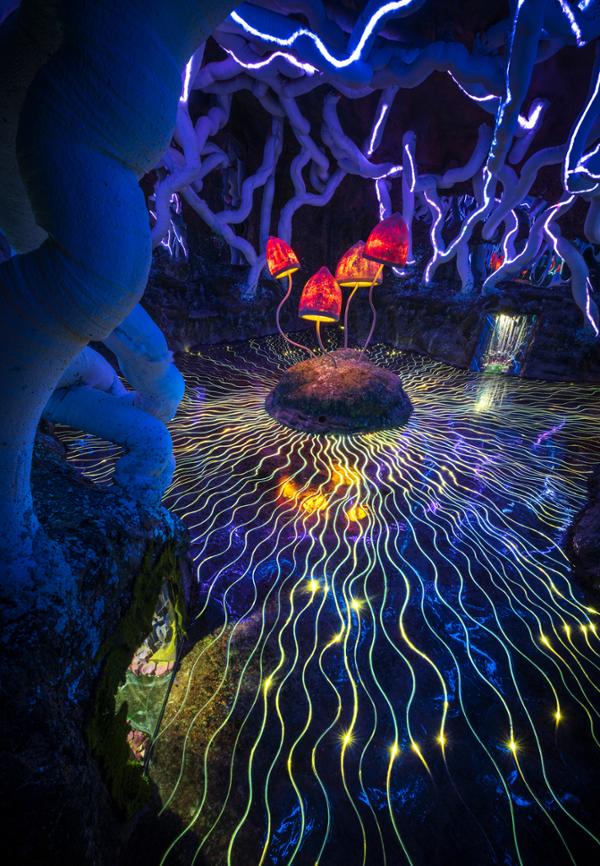
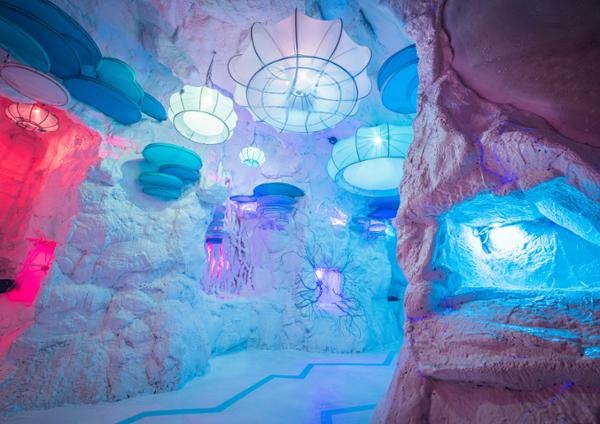
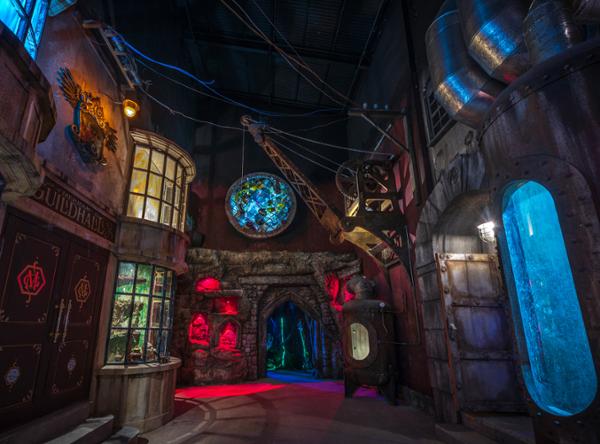
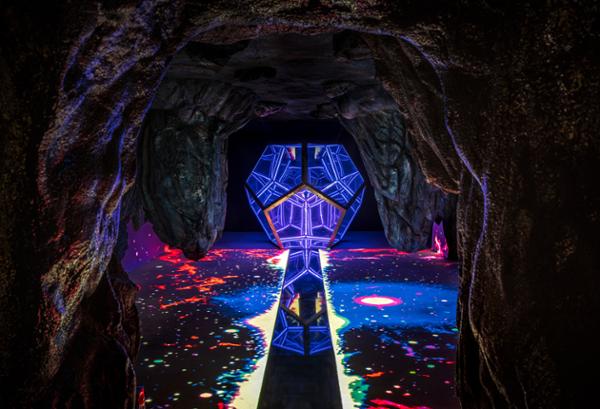
It’s the world’s first Amazement Park®. It’s an otherworldly experience that takes you through a portal to a world where alchemists and scientists have been experimenting with solutions to their world’s problems, which are not too dissimilar to those facing our planet now.
It’s very hard to describe – you really have to experience it. There’s a narrative, but it’s also very abstract in parts. You walk through rooms of insanely creative installations. Everyone comes out with a smile on their face, just saying: Wow!
How was the idea for the attraction born?
Chris Rutherford and Lak Mitchell founded Boomtown 13 years ago – it’s an immersive music festival near Winchester that’s also a living theatre. They effectively build a film set full of actors and music for four days. There’s nothing quite like it.
Rutherford and Mitchell bought the building that now houses Wake the Tiger in 2015 – at that time it was a burnt out shell. My favourite quote is that when they bought it, there were no keys, because there were no doors.
They gutted and refitted it, with the idea that they wanted to do something for Bristol. It was used for various things to begin with; as a workshop for Boomtown, for crew parties and at one point there was a 3,000 person nightclub there.
I joined in 2017 as site and operations director, and over the next few years, Mitchell and I talked a lot about creating a permanent space and began thinking about what kind of attraction we could build, how it would work and what we might want to achieve with it. We watched The Imagineering Story – the story of Disney – on Disney+ and found it really inspiring.
Then COVID-19 came along, and meant that Boomtown was put on hold. Once we got the furlough and support for staff in place, we had the opportunity to dedicate all of our time to bringing together the ideas we’d talked about for the last five years to try to make something cohesive out of them.
How did you go about turning the idea into reality?
We had great input from different people, James Wheale from Innovate UK gave us some really good guidance and help and he said: You guys can deliver stuff no-one else can do. Just do that. At that point we realised we should stop trying to be clever and just do what we’re good at.
We spent the first eight months working on the business plan; developing the ideas and a name, and playing around with the concept. Our initial funds were from the Arts Council, which came through Boomtown as part of the Cultural Recovery Fund to support the costs of the premises. We used that money and built out the cafe and about six test rooms to show investors around and give them an idea of what we were trying to create.
Everyone was totally blown away by what we were doing, and we managed to raise enough investment from private investors to start building the attraction.
How did the concept develop?
We had an idea of the journey and vision of what it might look like, but we didn’t plan out all of the final room detail. When you’ve got amazing, creative people working together, the magic is in the way it develops; sometimes unexpectedly. It was such a diverse thought process that it created this really different experience that wasn’t too formulaic.
It was all done in-house by the team and the network of artists, carpenters, set designers, scenics, painters, seamstresses and robotics experts that we’d built up over 13 years with Boomtown – a lot of whom are based in Bristol. It was pretty intense, but we opened on time – just. It was completed about six hours before we actually opened.
We’re really proud of what we did, and we’re always looking for ways to evolve the narrative and interactions, and see where we can take it. We hold regular maintenance weeks where we change bits up and off the back of these we’ve got really positive feedback. We’re hoping to bring in some quest elements soon, so that visitors can play a more in-depth part in the story.
Where did you source the props and sets?
The props teams sourced a lot of items from car boot sales. I give big props to our artistic director, Doug Francisco, as he’s really passionate about recycling and reusing materials – as we all are. I recently saw a photo of him going through a skip finding barrels and a couple of columns – with permission, I might add. Recycling and reusing are really important to Mitchell and I, so we made sure to source as many of our props second-hand as we could.
Of course, we couldn’t build this without having an impact on the environment, but we have tried to take responsible decisions wherever we can. We had to use a bit of cement and a couple of steel beams, but we tried to minimise that where possible. We built with as much sustainably sourced timber as we could, and we also installed a massive air source heat pump system, which was expensive, but we wanted to do it because we felt it was the right thing to do.
What were the biggest challenges of the project?
For me, the biggest challenge was making sure we had an operational team in place and could raise the money. We continued to raise money through private investors as we were building and creating the attraction – that was an ongoing process. We managed to stay ahead of the curve with it.
With any creative process, you get friction, and that can be difficult sometimes, but that’s also what creates the magic and the fire.
Who were you trying to attract with Wake the Tiger?
It was really important to us that it would appeal to everyone; to families, kids and adults – we hold sensory sessions and host school groups. Festivals are based on whether you like the music, if you can stomach the rain and toilets and camping. We wanted something that allows everyone to experience this amazing wonder all year round.
How are you marketing the attraction?
It’s tricky because it’s such a difficult thing to describe. When we were pitching to investors, they kept asking for our elevator pitch. I just said, it’s not that simple. You can’t describe this in 10 seconds. In the end, enough of them got it, and believed in us, based on our track record, I guess.
We gave very little away to the public before we launched. We had some assets to put out there, and they generated intrigue, but it was important to have a sense of reveal.
In terms of marketing, we started small, marketing to people in Bristol – we’re slowly reaching out as we see where ticket sales are coming from: the M4 corridor, Cardiff to London.
We recently had a ticket sale from Italy; someone from our marketing department contacted them to ask how they knew about us. They told us they were planning to come to London for the weekend, but had read about us, and decided to come and visit. I was in the cafe the other day and a family had come from Pembrokeshire in West Wales specifically to visit Wake the Tiger. It’s growing all the time.
We always knew user-generated content was going to be key to driving our marketing – the feedback from the public and press reviews have been amazing.
What are your plans?
We’ve only been trading a couple of months, so for now it’s about continuing to establish ourselves and ensure we’ve got that consistent footfall to stabilise the business. The focus over the next 18 months will be on building our brand and looking to the future.
We’ve got loads of ideas. Developing a narrative is really important to us, but it’s also important that it’s not a 100 per cent narrative-led experience. The art and the installations are key; if you have a really tight narrative it limits what you can do and it can take away a bit of that magic.
Everyone’s along for the ride, to see what happens next.