Environment
St Sidwell's: on point
St Sidwell’s Point, Exeter, is one of the first Passivhaus leisure centres in the world. Christine Hartigan and the team at S&P talk to Liz Terry about the benefits



Tell us what’s happening
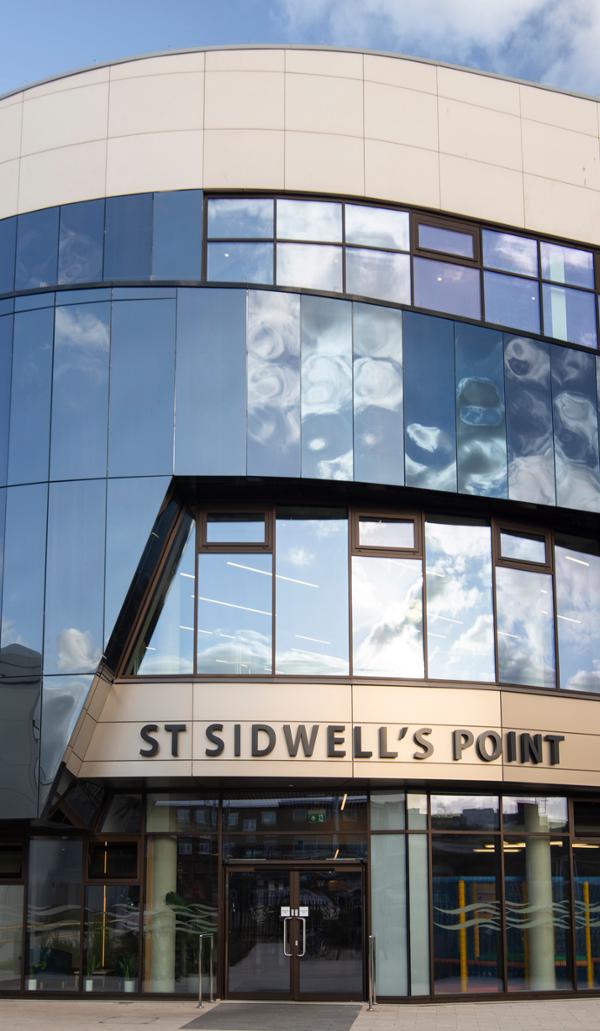
Exeter has a new leisure centre – St Sidwell’s Point. It’s one of a number of sports and leisure facilities owned and operated by Exeter City Council to provide optimum opportunities for residents and workers to enjoy the social and health benefits of exercise.
It’s also a Passivhaus building, the first of its kind in the UK, and has opened at a time when energy costs are a major issue for leisure providers, so it’s good timing for Exeter.
St Sidwell’s Point is part of a wider masterplan for the city incorporating a new bus station and a proposed development called City Point that will link this part of the city to the Princesshay development and incorporate a mixed use offer of offices, a new civic hub, residential apartments and a hotel.
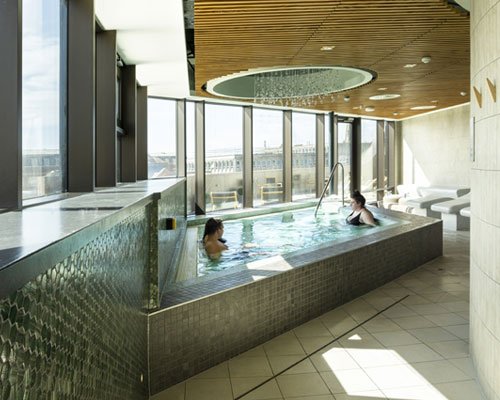
The building was designed with a wider leisure offering incorporating a café, rooftop spa, soft play and creche to reflect the desire to make the centre a destination; somewhere visitors and members are inclined to stay longer than a conventional leisure centre, and perhaps combine a visit with retail and leisure offerings nearby. The mix of facilities was determined in part by the demolition of the ageing swimming pool at Pyramids and sports facilities at Clifton Hill, both of which had reached the end of their lives. St Sidwell’s Point brings the facilities previously housed in these buildings under one roof.
What policies supported this facility mix?
The council’s policy is to create a sustainable future for the city centre through economics, community and the environment and locating the centre in the city has many benefits, bringing visitors to dwell, shop, eat and drink, boosting local businesses. It also enhances a run-down city area with a high-quality design that’s already acted as a catalyst for other redevelopment to regenerate this important gateway site.
Being located next to the bus station makes it easily accessible by the whole community, while it also connects with local cycle routes and arterial roads.
By challenging the architect’s brief and undertaking extensive community consultation the council has ensured St Sidwell’s Point has been developed to satisfy community requirements, as well as responding to its long-term vision.
And its environmental credentials?
We’ve looked at the environmental impact at both macro and micro scales.
On a macro level the project is all about long-term energy use and reducing carbon emissions. This is about more than just greening our supply – we needed to reduce demand as well – so St Sidwell’s Point is designed to certified Passivhaus standards.
At a local level it’s about addressing issues such as quality of townscape, reducing use of chemicals in the building through healthy building design and improving water and air quality – the latter having been made possible by the increased fresh air intake that occurs as a result of the building’s Passivhaus design.
Exeter first invested in state-of-the-art leisure when the Riverside Centre opened in 1986. What’s been driving this?
Having backed several schemes such as Get People Active and Exeter Live Better and Move More it’s clear Exeter prioritises the health and wellbeing of its residents. The city also takes its environmental ambitions seriously, and this is the motivation that prompted the creation of St Sidwell’s Point.
At the start of this project, the council had three primary requests: the centre must be a city gateway building; it must provide state-of-the-art swimming and fitness facilities and it must address three environmental factors: reduced energy and water usage, healthy building principles and future climate readiness.
The council’s aspirations were also to provide a landmark building and promote urban regeneration.
Can you describe the facility mix?
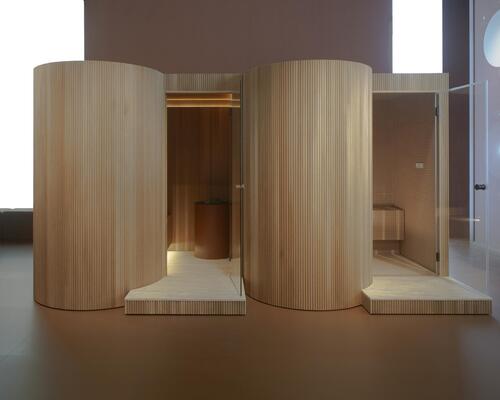
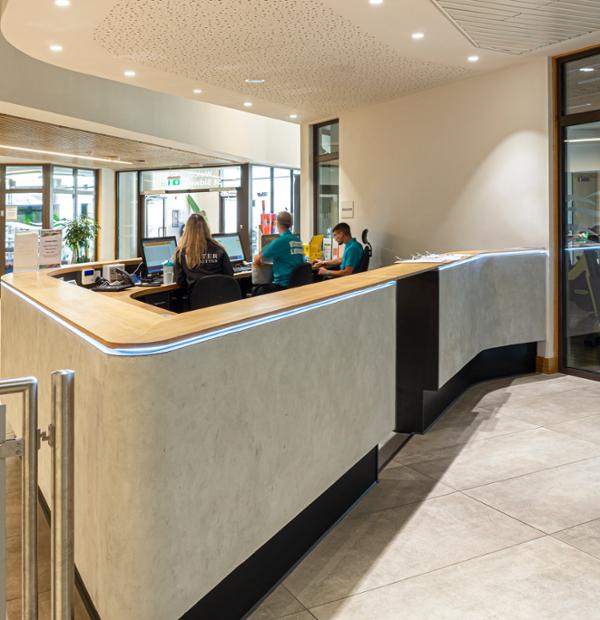
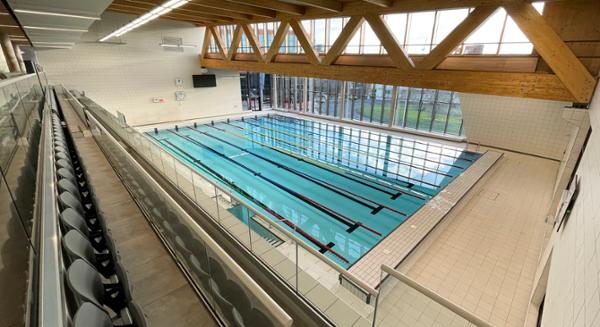
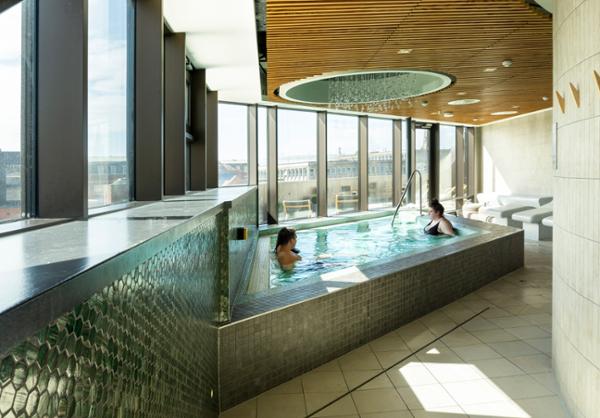
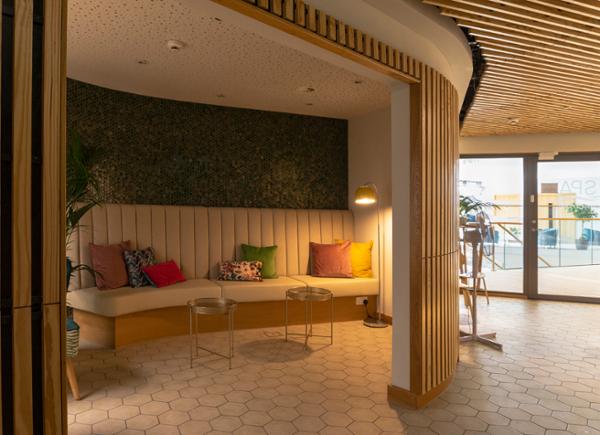
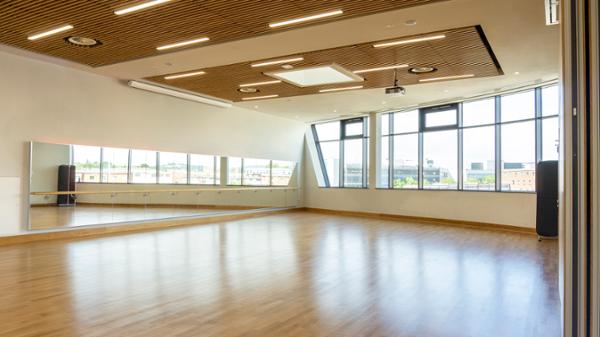
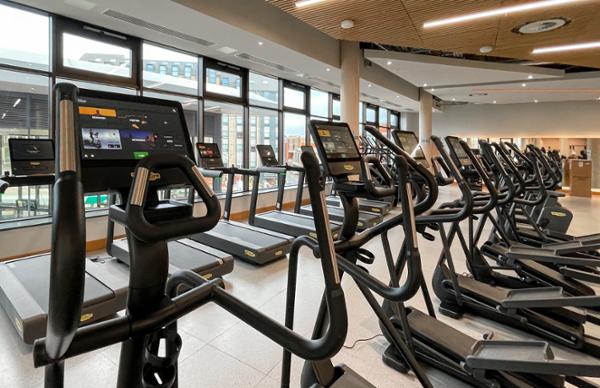
St Sidwell’s Point provides a wide range of facilities, including state-of-the-art swimming and fitness facilities, including a 150-station gym, three pools with water of drinking quality and a rooftop spa and treatment rooms. Guests have an abundance of options to support their fitness journey or simply to relax, unwind and enjoy the calm of the space.
The new leisure centre is also home to a modern café, creche and soft play area, all of which can support the local parents and guardians while they themselves can get to enjoy the other facilities available at the centre.
How was this mix decided?
The facility mix was developed through a feasibility study undertaken by the council and its in-house leisure team and funded by the government’s Technology Strategy Board.
Following the appointment of our team at Space & Place we reviewed the facility mix and engaged with leisure consultants Continuum who undertook consultation with community sports groups and NGOs, in addition reviewing existing local facilities to assess latent demand. We also engaged with a sports management organisation for operational input.
During the design process the facilities were soft-market-tested with a number of operators as part of the council’s review of options for the operation of the centre. Public consultation was also carried out as the design developed.
How did you approach the design?
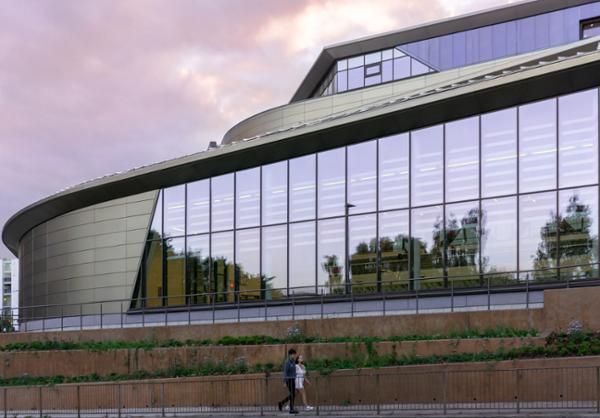
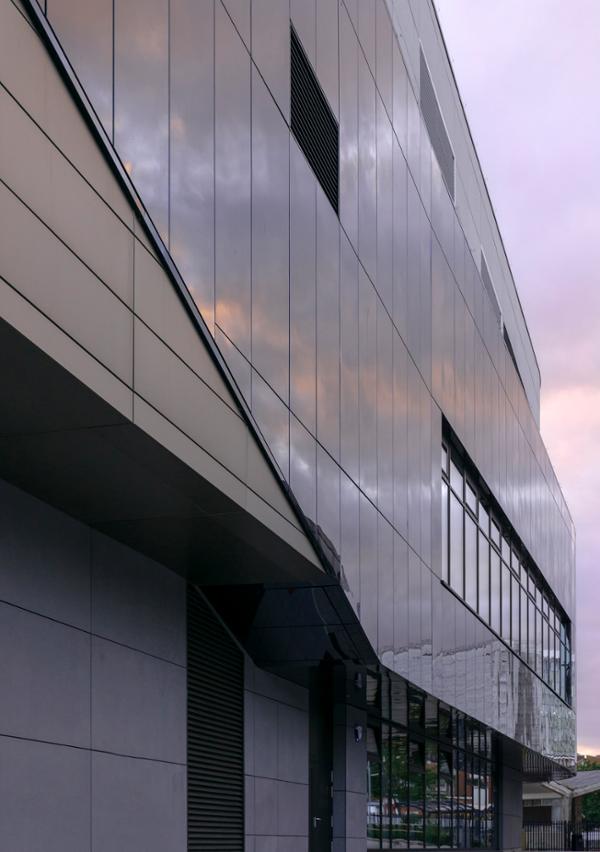
Architecturally, there’s little to suggest it’s a super low energy building, and that’s intentional. From the outset this was the approach agreed with the client.
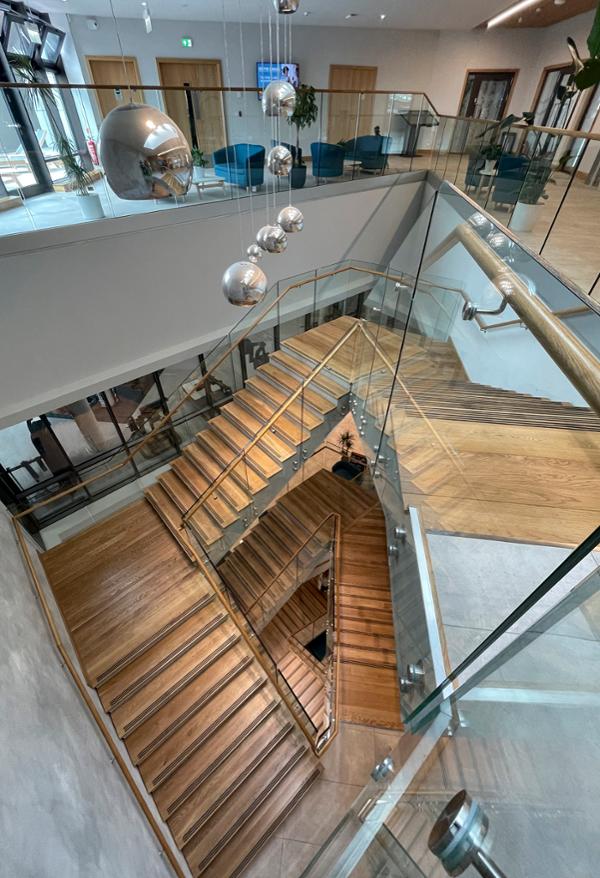
You’ll note a lot of timber in the building – this reflects the quality, beauty and the longevity of the timber, as well as it being a sustainable construction material, when procured in line with Exeter City Council’s timber sourcing policy.
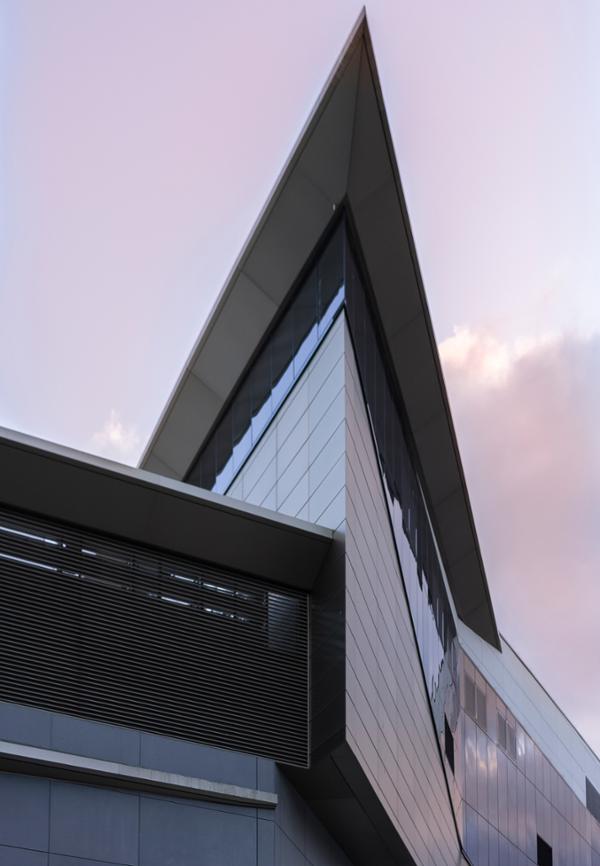
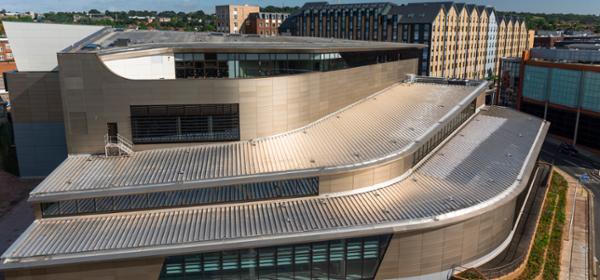
The swooping, stepped roofline looks exciting and dynamic, but also reduces the volume of air to be treated in the smaller pool hall. The glazed steps in the roof bring light deeper into the pool hall while providing insulation and airtightness levels we couldn’t have achieved with a large rooflight at the time of building.
The large areas of glazing in the pool halls were calculated exactly to maximise the free heat gain from the sun into the pool hall, but without overheating the space. They also deliver the psychological benefits of natural light, along with energy savings on artificial lighting.
An added bonus from the triple glazing is sound insulation and the wonderful lack of traffic noise as double decker buses pass less than 10m away.
How did the brownfield site impact things?
The decision to use a brownfield site has proven beneficial, not only because we’ve been able to conserve and maintain existing green space and rural land, but also because we’ve responded to the existing street pattern and helped rebuild the compact, traditional streetscape associated with old cities.
This compact building approach also meant we could minimise the Heat Loss Form Factor, and expand Exeter’s urban character by repurposing dilapidated space.
How about the finances?
The building cost approximately £42m to commission and build. This figure doesn’t tell the whole picture, however, with the actual construction contract being £34m, the fact the centre was constructed through the pandemic threw up a series of further challenges and costs for everyone involved.
It was funded entirely by Exeter City Council as part of its £300m regeneration project, which will also bring updated housing, offices, restaurants and retail hubs to the city.
St Sidwell’s Point is the UK’s first Passivhaus leisure centre. What are the benefits?
Passivhaus criteria requires buildings to be designed to ultra-energy saving standards and therefore, by adopting Passivhaus practise, the council is a step closer to reaching its target of becoming net zero by 2030.
St Sidwell’s Point will ensure long-term financial and energy savings, having been built to be climate resilient and long-lasting.
It’s the most energy efficient leisure centre in the UK, predicted to use up to 70 per cent less energy and 50 per cent less water than a ‘standard’ leisure centre. This is far more than the typical Passivhaus building, which saves around 20-25 per cent.
The centre features many energy-saving innovations, such as the water source heat pump used to recycle the waste heat from the backwash water to top up the water heating. Once the heat is taken out, the backwash water is also recycled to flush the building WCs, contributing to an estimated 50 per cent water savings.
St Sidwell’s Point was created with the vision of being 2080 Climate Resilient, which ensures the building can adapt to increasingly frequent weather extremes in the UK. The centre shows that a low energy, healthy environment for sport and fitness can be developed within high-quality contemporary buildings. Being climate resilient to 2080 will extend the lifetime of the centre, meaning the overall payback will outweigh the up-front costs.
The investment will go far, as the low cost of the building in the longer-term will ensure increasing profits.
Built in line with standards defined by the Institute of Building Biology and Sustainability IBN, this leisure centre provides a clean energy and healthy hub for all users who benefit from a space devoid of toxins and harmful pollutants emitting from its building fabric. The microfiltration technology featured in the swimming pools also means that the water is of drinking quality, further emphasising the centre’s commitment to caring for the health of its users.
How does Passivhaus work?
The building’s design must include very high levels of insulation; high performance windows with insulated frames; airtight building fabric; thermal bridge-free construction and mechanical ventilation systems with highly efficient heat recovery.
Passivhaus standards also require the presence of high levels of insulation to the thermal envelope, with exceptional levels of airtightness and the use of whole-house mechanical ventilation. At St Sidwell’s Point different temperature zones were designed to be thermally separated to create ‘buildings within buildings’.
Increased thermal performance of the building envelope and elimination of cold bridges also enables an increase in pool hall humidity, reducing evaporative energy loss and replacement water heating costs, also enabling reduced air change rates, as less dry air is required. Evaporation is reduced further by the innovative overnight drain-down facility that has been installed under the hydro and teaching pools.
A 40Wh/m3 energy target for the filtration system has been delivered through use of micro-filtration and considered pipe runs and sizes. In addition, all the pipework has been installed within the thermal envelope of the building to eliminate unnecessary heat loss.
This system of microfiltration has contributed to further energy savings, when compared to traditional sand filtration systems, because it requires less backwashing, leading to the 50 per cent water saving.
Free energy generated by participants in the studios and gym is captured through polyvalent air source heat pumps and used to pre-heat water to the pool and showers. This is supplemented by heat recovered from backwash and discharge water.
The highly-insulated building envelope, as well as the other design features, all ensure the building runs efficiently with minimum energy loss or reliance on non-renewable sources.
How much do leisure centres contribute to climate change?
Typically, leisure centres are large consumers of energy, as swimming pools are heated to 30 degrees C and standards dictate that for each bather using the pool, 30 litres of water need to be dumped and replaced with the same volume of heated water.
According to Swim England, leisure centres contribute towards approximately 40 per cent of a council’s direct carbon emissions, so it’s important local authorities prioritise reducing energy use to help the country reach its net zero ambitions.
Passivhaus design is a recognised way for local authorities to drastically reduce their energy demands and lower carbon usage in a new building.
Exeter Council has taken a triple bottom line approach to development, being socially, environmentally, and financially responsible.
What are the economics of Passivhaus?
Whilst the upfront costs are often more expensive than other more traditional methods, the payback period can be quick and the long-term savings significant, due to the long-term energy savings that these buildings deliver.
As S&P and Exeter predict St Sidwell’s Point will use 70 per cent less energy, the payback period for this centre will be eight to nine years.
Long term energy savings such as these, as well as the reduced lifecycle costs that come with a robust and long-lasting centre such as St Sidwell’s Point, mean this building will save the council money. The investment from the council will go far as the long-term low cost of the building ensures rising profits.
Should all leisure buildings meet this standard?
Building to Passivhaus standards, with the considered and logical approach it proposes and its myriad of green solutions, is one of the best ways for architects to battle the climate crisis. By adhering to Passivhaus, architects and designers are able to create beautiful spaces that are energy efficient and durable, regardless of changing weather patterns.
We believe following Passivhaus guidance could provide the solution for many firms looking to become more environmentally-conscious, and hope St Sidwell’s Point will inspire other councils, local authorities and private firms to adopt this standard.
From the popularity of the new centre it’s clear people are not only interested in more eco-friendly architecture, but are also happy for more investments to be made in its development.
Who was on the team?
The project team from day one was extensive and incorporated Passivhaus consultants, architects, engineers, building biologists, climate scientists, project managers and cost consultants.
S&P were appointed by Exeter City Council as lead designer, and throughout the process consulted with the Passivhaus Institute in Darmstadt, Germany.
Through this collaboration we were able to bring together a multi-disciplinary team that included: Arup (structures, civils and services), Gale and Snowden (low energy and building biology), LDA (landscape), Randall Simmonds (cost consulting and client representation), Kier Construction (contractor), T Clarke (M&E), FT Leisure (filtration), Massey Cladding Solutions (cladding and roofing), Dalesauna (spa) and Technogym (gym fit-out).
Exacting environmental performance requirements led to the appointment of this interactive team of expert consultants ahead of appointing a contractor with the capability and capacity to deliver a world-class, world-first centre.
The Client also appointed a technical assurance team that supplemented the contractor’s consultancy team and worked collaboratively to ensure successful delivery.
One of the key drivers of the development was to ensure knowledge was transferred throughout the team, including to all site operatives. Exeter City Council had a track record of delivering Passivhaus developments for a decade before St Sidwell’s Point commenced on site and could, therefore, transfer significant knowledge and experience to the project team and help de-risk the development, while also instilling confidence.
Tell us about Building Greater Exeter
Building Greater Exeter is a partnership of local authorities, training and education providers and construction companies. Their organisation also partners with other construction sector initiatives, such as Building Plymouth to ensure consistency across the south west.
Building Greater Exeter is hosted and supported by Exeter City Council as part of its vision of regeneration for the city, which is an effort to uplift the people and places of the city.
St Sidwell’s Point and the design and build team on this project were able to experience the benefit of the Building Greater Exeter scheme, since some members of the team were part of this training programme. The goal was to inspire a future workforce through an effective engagement programme and to support employers with recruitment and upskilling. Through this scheme, the leisure centre development provided a platform to upskill the local workforce within Exeter.
How is it being received?
Already boasting a membership of 2,000, Exeter City Council – which is managing the building – intends to grow this membership by around 500 new members a month. The hope is that with the affordable and accessible nature of the centre and memberships, people who may otherwise be dissuaded from using such facilities will feel empowered to begin their fitness journey at St Sidwell’s Point.
It only opened at the end of April, so other statistics relating to attendance are still limited. However, in its initial report about the centre, construction firm Kier – the principal contractor – predicted it would attract around 500,000 visitors per year, when compared to a Building Regs-compliant design.
What’s the pricing?
Exeter’s aim has been to create a space accessible and affordable for all, to encourage people to stay active and healthy while also doing good for the planet. As a result, pricing is reasonable and affordable.
Individual memberships for the centre start at £25 per month with this providing access to either the gym, the swimming pools or the sports halls.
For £5 more per month, members are then able to add an additional activity, such as the gym, swimming pools, sports halls or the health suite at Riverside Leisure Centre, which includes access to the spa. Pay-as you-go options are also available.
St Sidwell’s Point members can also access Workout @Home on the Exeter Leisure App. Those interested in trying the spa can experience this for £30 per session (no treatment) while for £49 a month they get unlimited access to the thermal spa, 20 per cent off treatments, 10 per cent off refreshments and a free monthly guest pass.
The spa treatments menu can be viewed here: www.hcmmag.com/StSidwellspricing
What can the sector learn from this development?
St Sidwell’s Point is an exemplary scheme that will inspire others in the wider health and fitness, sport and leisure arena. It forms part of Exeter’s mission to become a greener and more sustainable city council, and is setting a precedent for other local authorities eager to pursue more environmentally-sound architecture and community projects.
By employing Passivhaus design techniques, S&P also hopes to motivate other councils to adopt these methods, since they will be reassured by the success of St Sidwell’s.
As a project that championed collaboration and uplifting the local workforce, St Sidwell’s Point is a lesson not only in the importance of providing state-of-the-art sport and leisure facilities, but also in elevating and advocating for the workforce of a local community.
Overall, the sector should take note, as St Sidwell’s Point is a landmark destination that reminds us of the importance of creating sport and leisure architecture that supports a community, while also protecting and preserving its surroundings and wider global environment.
Reduction in energy use
Construction contract
Total procurement cost
Regeneration budget
Water saving
Filtration system energy target
Projected users per year
Expected financial return


Designed to restore neglected land and renew the identity of Iraq’s capital city, Baghdad Sustainable Forests promises a new way of living surrounded by nature. Gensler’s Ian Mulcahay tells us why he thinks the project could become a model for the repair and enhancement of urban centres