Spa people
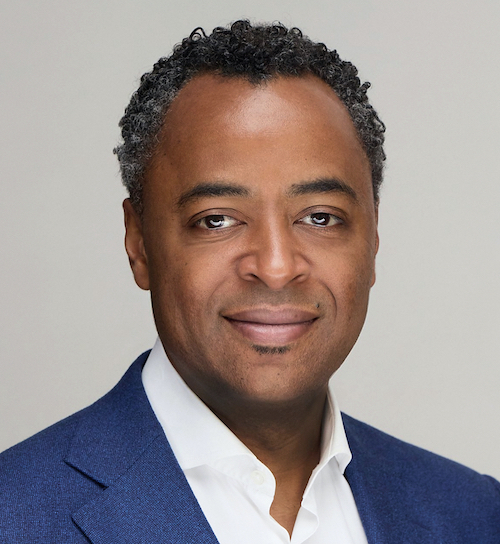
Adrian Zecha
"If you love what you do, there’s no need for retirement"



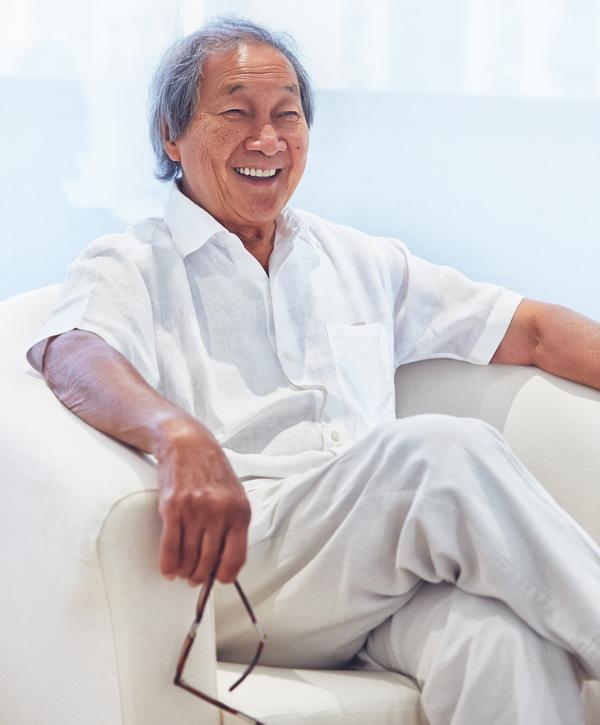
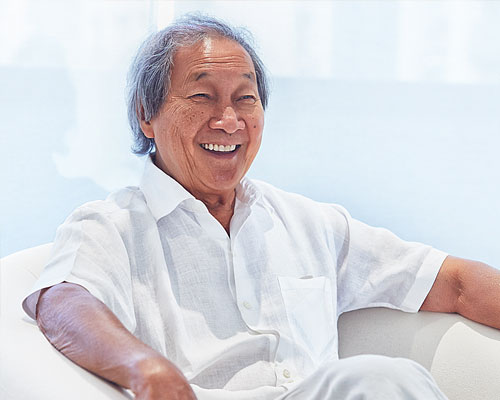
There’s perhaps no one who’s influenced the hospitality market in Asia as much as Adrian Zecha. The Indonesian-born businessman has developed more than 100 luxury hotels around the world. He’s been a key figure for brands such as Regent, one of the first high-end chains in Asia which was sold to Four Seasons and is now owned by IHG; and Rafael, which was acquired by Mandarin Oriental.
He’s possibly most well known in the wellness arena as the founder of Aman resorts, the boutique resort chain which has always placed an emphasis on location and spa despite having smaller properties.
Zecha launched the iconic brand in Phuket in December 1987 and by the time he left the company in 2014, it had properties in 22 countries. “Amanpuri [the first property in Phuket] is 33 years old now,” he says. “It’s still relevant today and its success has been amazing.”
Things went quiet for Zecha after Aman. He took a couple of years to take stock and think about his next move. Now 88 years old, he’d be forgiven for not wanting to start anything new. But in a recent interview with the renowned hospitality management university Ecole hôtelière de Lausanne (see p14) he revealed that’s certainly not the case, before sharing details about new projects and the secret to his success.
“I’ve never thought of retirement,” he told interviewer Joshua Gan, EHL’s regional director in the Asia Pacific. “If you’re bored or unhappy, that’s another matter. But if you’re happy doing what you’re doing, then there’s no retirement.”
Modern ryokan
Such is Zecha’s reputation, that when he puts his name to something new it garners much interest. His latest brand, Azumi, was unveiled in March and has been created as a modern take on traditional Japanese ryokans – inns with hot springs.
“It’s a long love story,” Zecha tells EHL, detailing how he started out as a journalist before becoming a hotelier. “My first introduction to Japan came in 1956. I was sent by Time Out magazine to work in Tokyo… and I fell in love with the ryokan.
“A ryokan never has more than 20-30 rooms and it’s always family run. When things get too much, [the Japanese] go and spend a weekend in their favourite ryokan. It’s for you to get away from everything else and you take many baths because of the hot springs.”
Sixty years after his first visit he says there are still 500-600 ryokans across the country, but they’re having a hard time “because the younger generations in Japan don’t have the same lifestyle… but it’s a fantastic experience and I want to preserve it.”
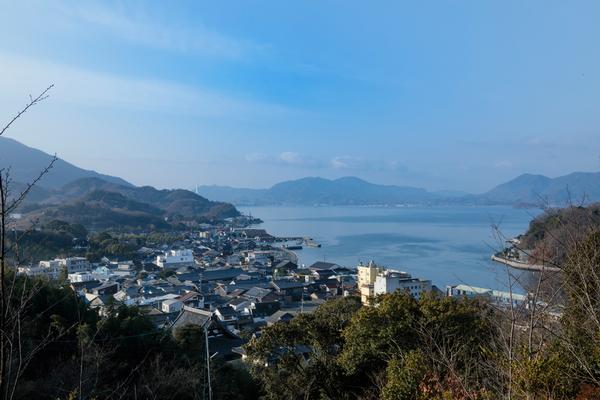
Azumi is situated in Setoda, a fishing village on the small island of Ikuchijima, and has been co-founded with Japanese hospitality group Naru Developments. It’s taken three years to sensitively restore the 140-year-old residential compound it’s based in and across the road is the Yubune bathhouse which Naru has also transformed.
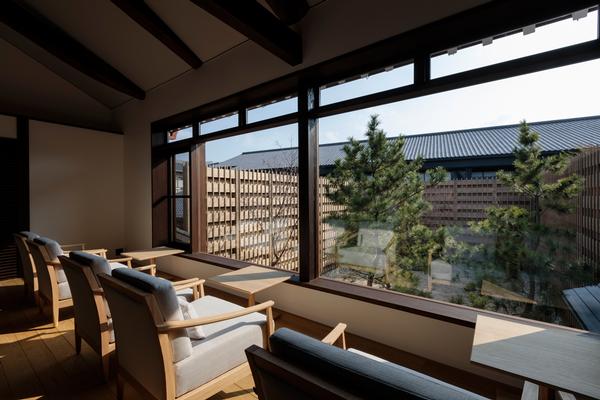
The main building offers a mix of contemporary architecture by Kyoto-based Shiro Miura, service, food, wellness and cultural programming to appeal to today’s travellers. There are 18 suites and four duplexes but, unlike traditional inns where guests usually stay in their own rooms, it also features open and secluded public spaces for guests to relax in and enjoy.
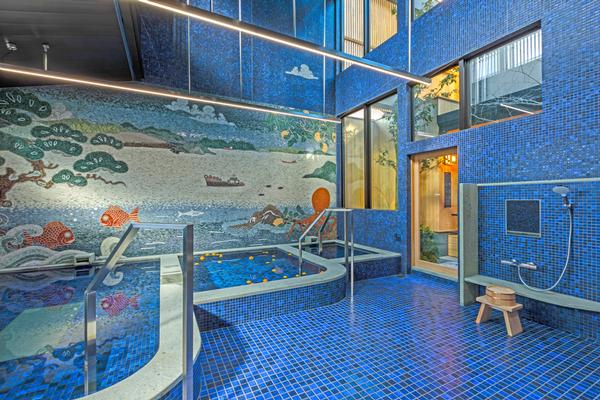
Yubune has 14 bathing rooms and in a gesture to the wider community of Setoda, the hot springs will serve as a public bathhouse. Guests will be invited to learn about and experience Japanese bathing culture, lemon and salt bathing and saunas.
Zecha says: “We’re using the Azumi brand for this first one and hopefully, as with before, it will be the first of many.”
Affordable luxury
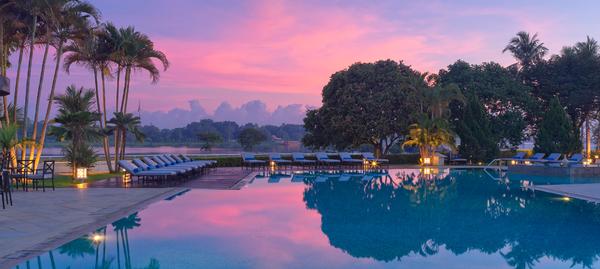
Azumi Setoda launched at the same time as Zecha’s third Azerai property, Azerai Ke Ga Bay in Vietnam. He first revealed the Azerai concept in 2017, three years after leaving Aman. “I didn’t want to do something too quickly after Aman,” he says. “I could have just continued something like it but with a different brand, but I didn’t want people to compare... So I thought ‘OK, let’s do an affordable Aman’. I thought it would be interesting because it’s a larger market.”
The seeds were first sown six years earlier, he tells EHL, when a similar offering was trialled by GHM. “That was the Chedi in Bali,” he says. “It turned out to be a fantastic success and then became an Alila, which was subsequently bought by Hyatt.”
All Azerais are located in Vietnam so far, although there was also one in Laos which was taken over by Minor.
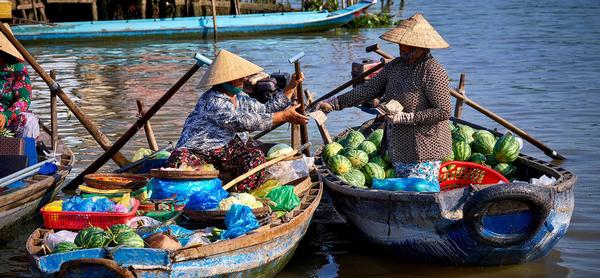
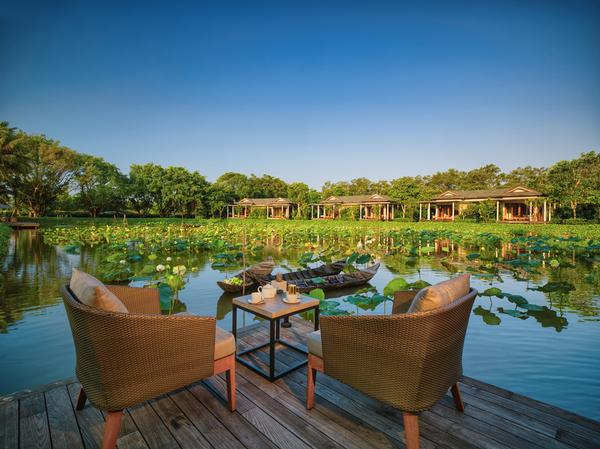
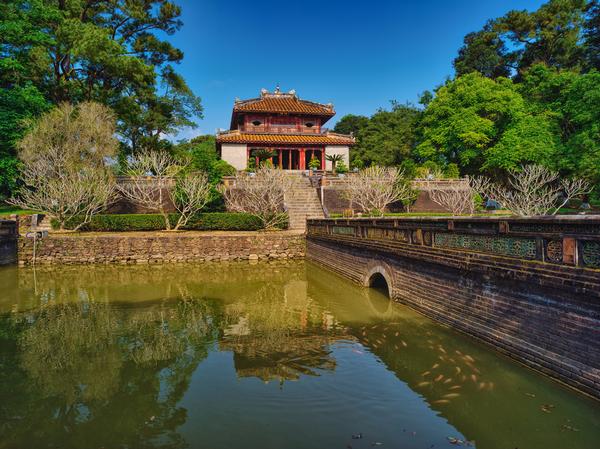
Azerai Can Tho debuted in southern Vietnam in early 2018, La Residence Hue in central Vietnam in 2019 and most recently, Azerai Ke Ga Bay in the east in March.
They range from 46-122 bedrooms/suites and all have sizeable spas with six to 10 treatment rooms on top of additional wellness facilities and locally inspired therapies.
The idea is to offer guests “simple elegance, refined design and discreet attentive service in places of unique beauty and cultural interest”.
Rates start at around US$220 (€179, £155) a night compared to US$900 (€736, £637) at Aman’s Vietnamese property Amanoi.
“Each of them is different because they relate to the local culture,” Zecha says. “And also because all of them, except the first one, are based on existing buildings.” To speed up the rollout Zecha says the future focus will be on refurbishments rather than building something from scratch. “I don’t have time to build brand new ones because I haven’t got another 30 years in the business!”
Secrets to success?
For Zecha, there are several elements to consider for a successful hotel. “You have to be relevant to where it [the hotel] is,” he explains. “You can do something totally different outside of the culture of the place, but I thought that would be wrong to do. Because I think people who come to stay want to experience the place and the culture that’s there.”
This is an ethos he’s held since his journalism days. First starting out at New York-based Time Out magazine before launching his own title, Asia Magazine, to reintroduce the Asian culture to a new generation of Asians who’d studied at western universities. “Take a country like Thailand, which was never colonised,” he explains. “If you were to say Beethoven or Shakespeare at the time, people would know who they were. But they didn’t know anything about the music or literature of neighbouring countries like Burma.”
Asia Magazine ran for 39 years and was one of Rupert Murdoch’s first Asian investments. The regional knowledge and network Zecha accumulated, then led Marriott to headhunt him to grow its Regent brand internationally. This marked his foray into the hospitality arena. He became a land broker for the group and truly learned the ropes of the hotel business.
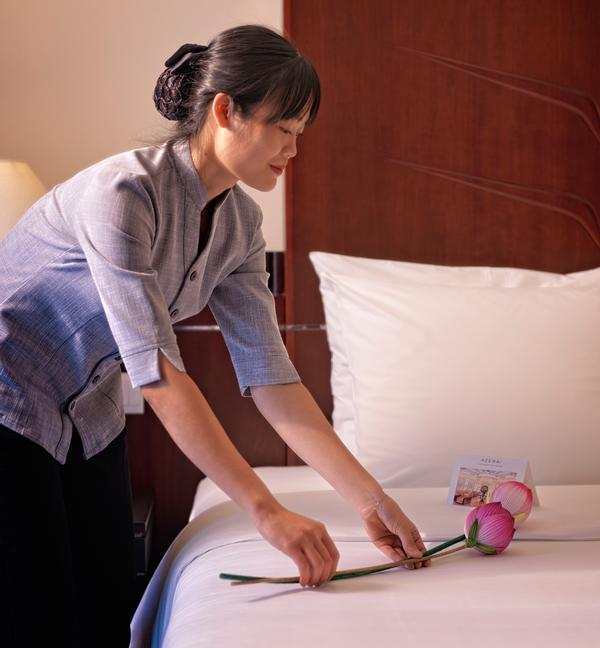
Zecha also clarifies that part of being relevant to where the hotel is located is hiring people from the local region. “We try to always have 90 to 95 per cent of the people who make it happen from the place. You have to have international hoteliers as well, of course, people who’ve been trained properly. But otherwise, we seldom go beyond the local population.”
And it’s the service element, he says, which gives a hotel its special touch. “It’s not just about doing it correctly, it’s about that unspoken word and the way in which it’s done,” he adds.
It will come back
When asked about the future of global hospitality, given the pandemic, Zecha is confident that there will be a rebound eventually.
“I hear too often the question, ‘how do you cope with the new normal’ and I’m always amused by that,” he concludes. “Obviously, we can’t do what we’ve been used to doing right now. But I don’t believe we’ll forget what made us happy in our leisure and travel time.
“It [business] will come back. People won’t forget what they were doing only last year. They’ll go back to what they were doing. I don’t think it will change.”
Founded in 1893, Ecole hôtelière de Lausanne (EHL) has more than 25,000 alumni worldwide and over 120 nationalities among its students. It was one of the world’s first hospitality management schools, providing undergraduate and graduate programmes – including a Spa Management Major – at its campuses in Lausanne and Chur-Passugg, Switzerland, and in Singapore.