CLAD people

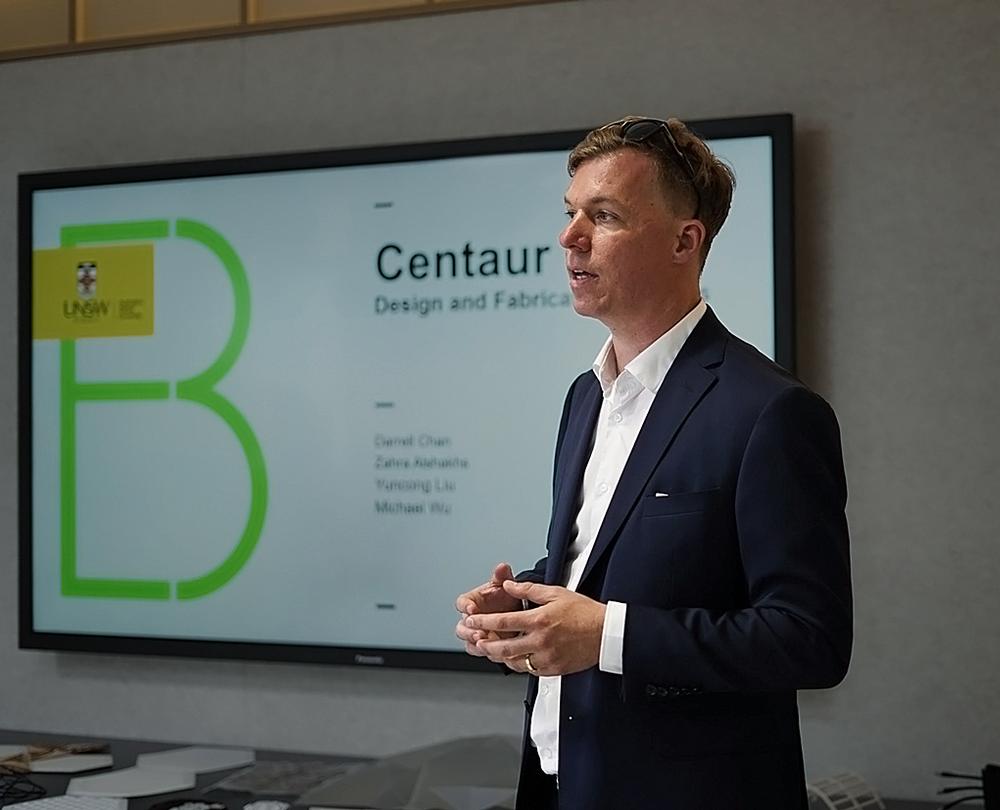
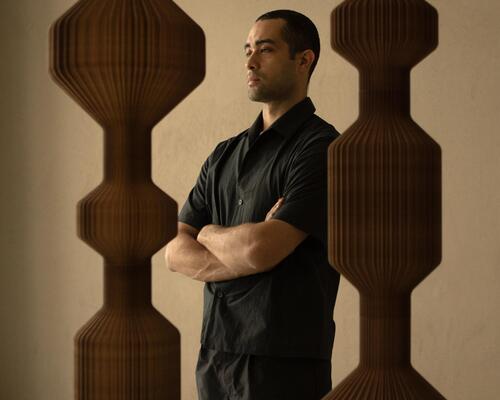
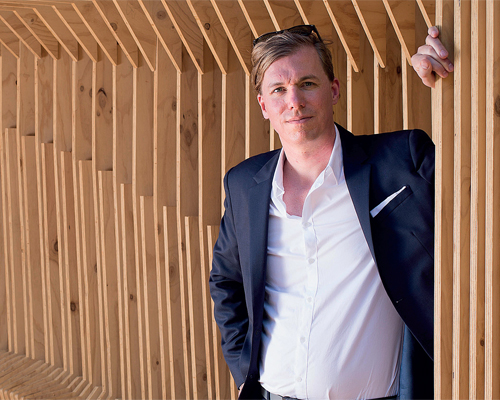
Hank Haeusler, professor, UNSW

What happens if a space becomes a robot?


Could the future of architecture lie in spaces that adapt to the behaviour of the people who use them?

A research project by computational design students at the University of New South Wales in collaboration with Arup set out to answer that question.

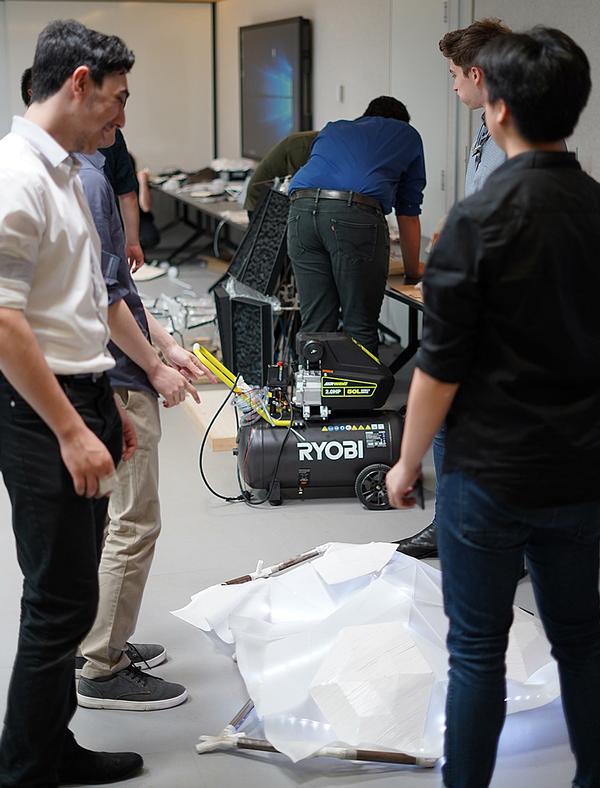
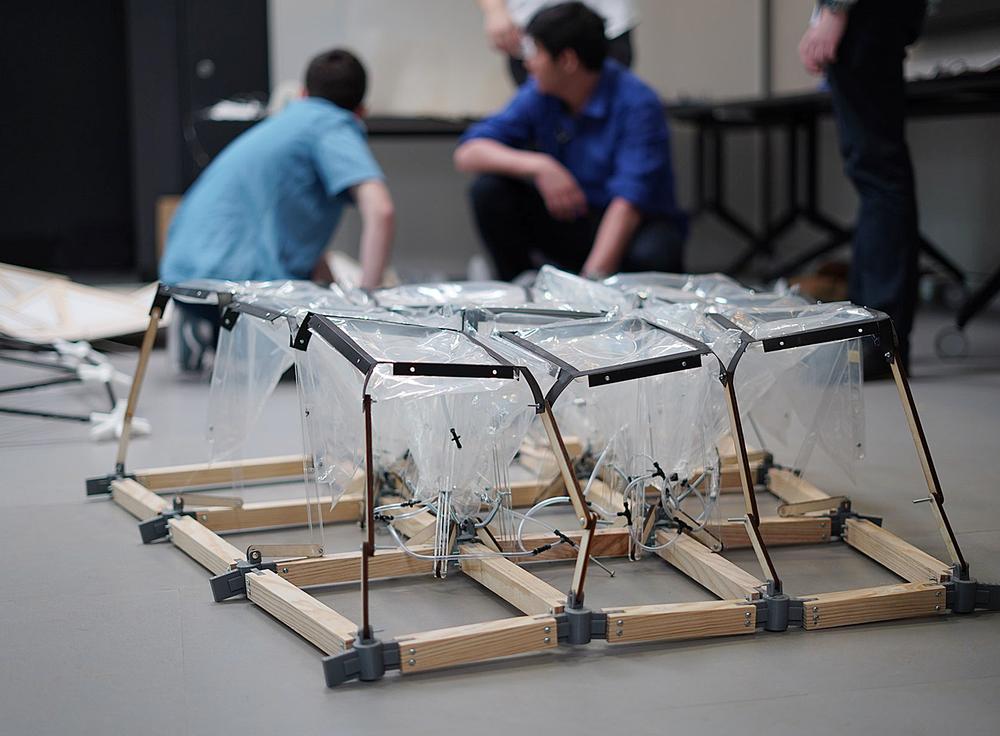
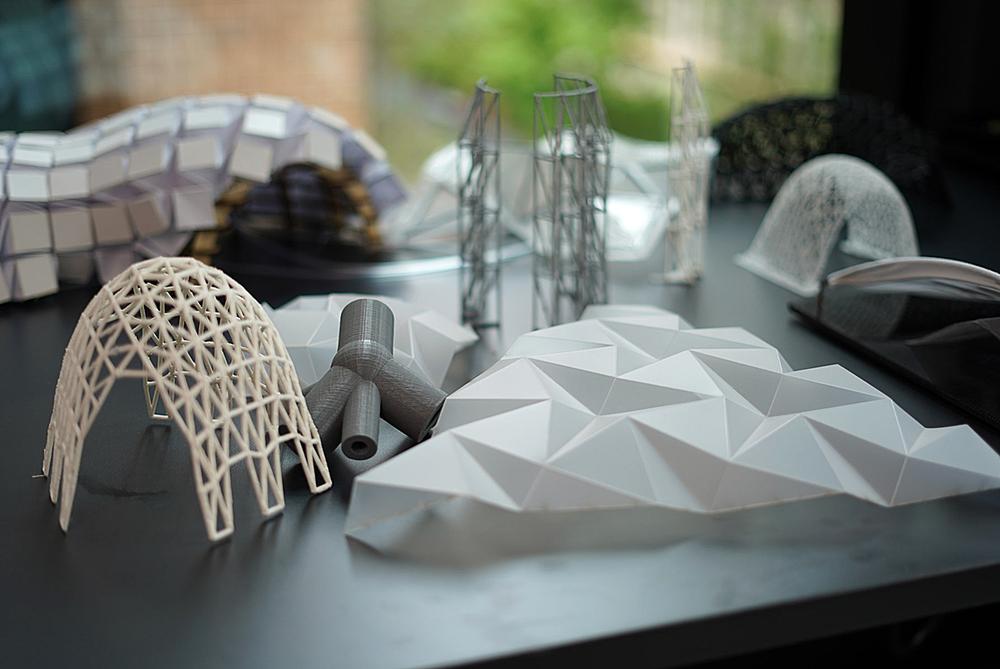
The group have revealed the ‘Centaur Pod’, an interactive meeting room which – when completed – will have the protean ability to learn from and adapt to external stimuli.

Arup, which has been in talks with UNSW researchers since 2017, took on the project to simultaneously explore three interrelated domains: machine learning artificial intelligence (AI), augmented reality (AR) and virtual reality (VR), and digital fabrication.

According to UNSW Professor Hank Haeusler, the Centaur Pod – named after the mythological hybrid – will imitate robotic artificial intelligence (AI) by using a kind of memory process to analyse body movements. The sensory information acquired from these observations will stimulate the Pod to rearrange its structure.

Hausler told CLAD: “We’re interested in the ideas: How will technology change the way cities and buildings will be designed, operated, and constructed? What happens if a space becomes a robot?”

The professor suggested that his colleagues’ findings could have wider applications, telling us: “The research we’re doing with Arup could probably lead into commercial or residential applications quite easily.”

Initial responsive buildings would “alter space depending on need,” continued Haeusler. In doing so, they would also optimise energy output.

“If you have a building that understands your behaviour and is therefore responsive, it can adapt to your day-to-day performance towards energy conservation,” he said. “It can also help create activity-based work environments, such as desks that would arrange themselves into groups based on the work habits of employees.”

The UNSW team is currently working on the specifications of the Pod, which could be built as a six to nine-metre pavilion.

The pod’s first iteration is due to be completed in April or May 2019. The structure will then be presented at Arup’s offices in Sydney, Melbourne and Brisbane.
Gallery
Click on an image to open the image gallery
company profile
Company profile: DJW
DJW offer a way to interpret your story through the use of technology. We can provide Audio Visual consultancy to assist in the planning stage, follow up with AV system design, supply and installation, and provide a bespoke control system to suit your operational needs.
Try cladmag for free!
Sign up with CLAD to receive our regular ezine, instant news alerts, free digital subscriptions to CLADweek, CLADmag and CLADbook and to request a free sample of the next issue of CLADmag.
sign up
Catalogue Gallery
Click on a catalogue to view it online
To advertise in our catalogue gallery: call +44(0)1462 431385
The building is clad in western red cedar, known for its thermal properties
"In Indigenous culture, it’s more important to understand where you come from than what you do for a living"

The Vancouver Art Gallery architect tells us about his mission to bring together Western knowledge and Indigenous ways of knowing

cladkit product news
Lucas Zito aims to show 3D printed lamps can be timeless design objects
Lucas Zito’s practice specialises in the design of lights through 3D printing
Magali Robathan
A collection of lighting from Paris-based designer Lucas Zito aims to reframe the idea of 3D printed objects as cheap ...
TouchWood Play designs new kids’ club for Dubai’s Zuhha Island
The new club aims to connect children with nature
Magali Robathan
Bespoke play environment design and manufacturer TouchWood Play has announced that it is responsible for the creation of a new Kids’ ...
New Balera collection embeds lighting in 
tiled feature walls
Studiotamat has teamed up with Ariana de Luca to create the Balera range
Magali Robathan
The new Balera Collection sees design studio Studiotamat team up with ceramic artist Arianna De Luca and lighting designer Ninefifty ...
cladkit product news
Snow’s holistic cool-down: Embracing inclusivity in post-sauna rituals
Megan Whitby
In the world of wellness, the age-old tradition of sauna bathing is synonymous with relaxation, detoxification and rejuvenation. But, a ...
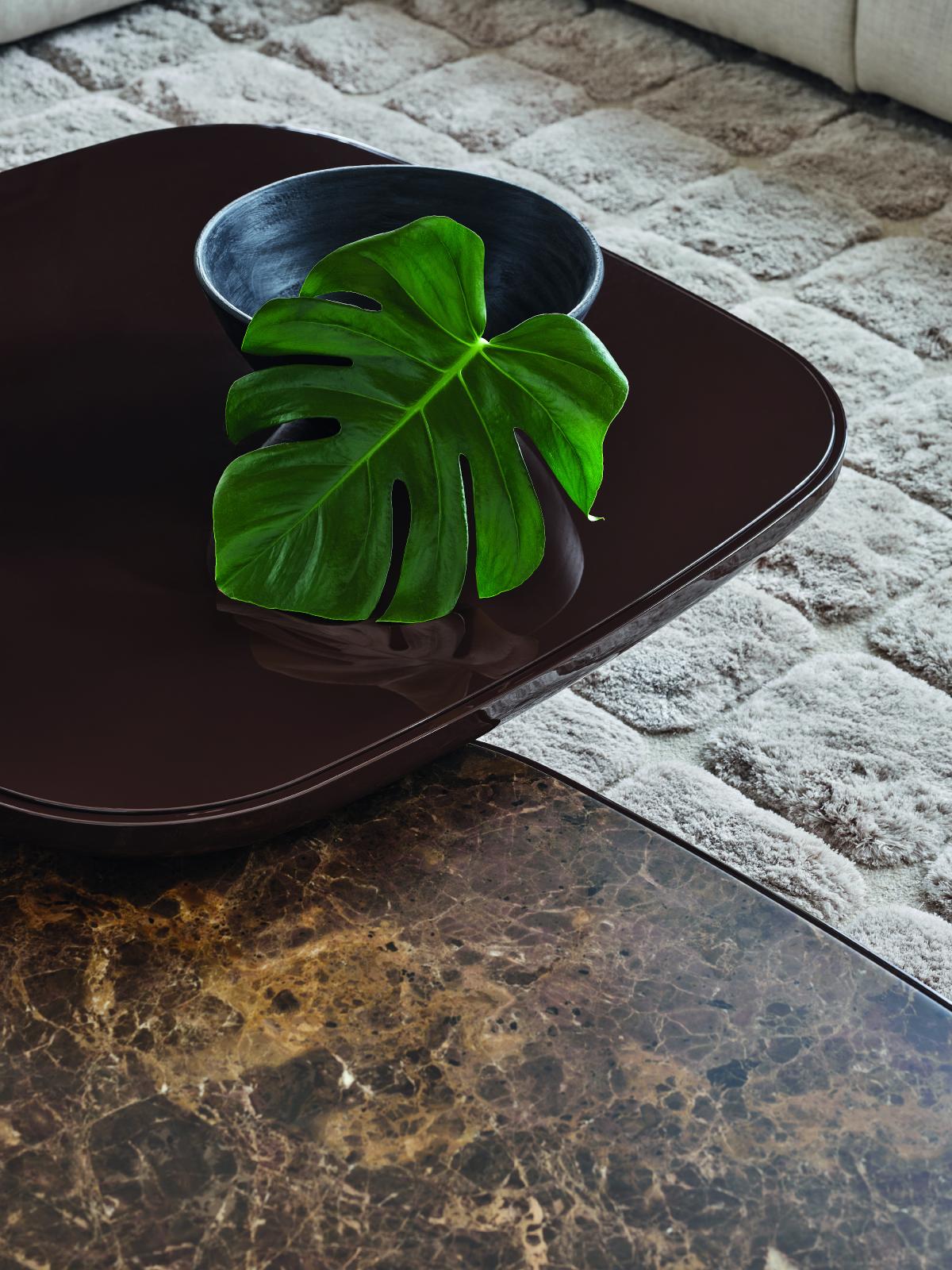
Porada launch retro-inspired coffee table
Porada's new Enook Brillo coffee table
Magali Robathan
Maurizio Marconato and Terry Zappa have created the Enook Brillo coffee table for Italian design studio Porada – a retro-inspired design ...
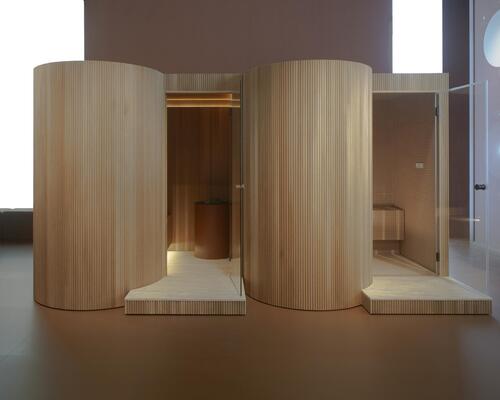
Effe introduces sauna and hammam collection Baluar by Patricia Urquiola
The system uses heat-treated lime wood cladding, available in either a dark or light tone
Helen Andrews
Sauna specialist Effe (formerly Effegibi) has introduced its new sauna and hammam collection, Baluar, designed by architect and designer Patricia ...
cladkit product news
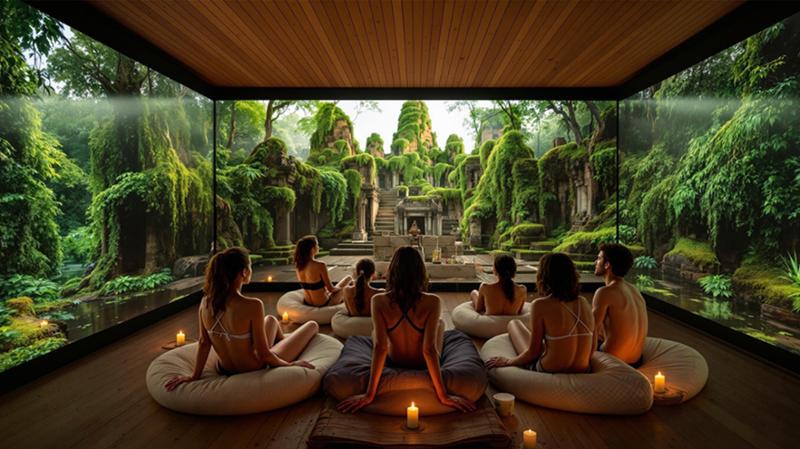
LivinGlobe introduces redesigned adaptable Vidarium
LivinGlobe can install ultra short throw projections or premium LED panels, as well as the surround sound system and video server
Helen Andrews
Founded more than 10 years ago, LivinGlobe was one of the first companies in the immersive wellness space with its ...
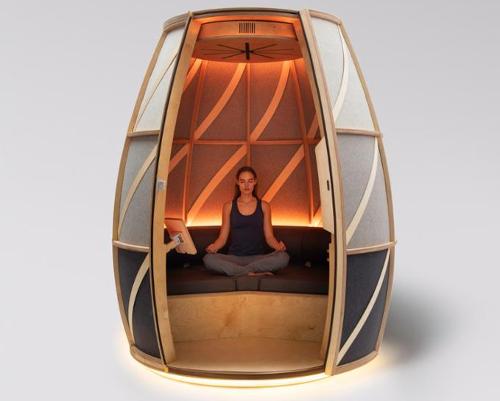
OpenSeed launches private multisensory Iris Meditation Pod
The Iris Pod features vibro-acoustic technology, aromatherapy, light therapy, music, guided meditations and soundscapes
Helen Andrews
OpenSeed has launched its multisensory Iris Meditation Pod, designed in collaboration with Fuseproject – a design and innovation company founded ...
Heatherwick Studio and lighting brand Tala collaborate to create sleep light called Wake
Wake is crafted from hand-spun ceramic and pressed glass, behind which a gentle light emanates to improve sleep routines and wellbeing
Helen Andrews
Design firm Heatherwick Studio and British lighting brand Tala have teamed up to create a sleep light called Wake. The ...

x
Email this to a friend or colleague
I am happy for Leisure Media to contact me occasionally by email and understand that I can opt out at any time.
CLAD people: Hank Haeusler
Could the future of architecture lie in buildings that adapt to the behaviour of their users? This man thinks so @mediafacades