Innovation
Material world
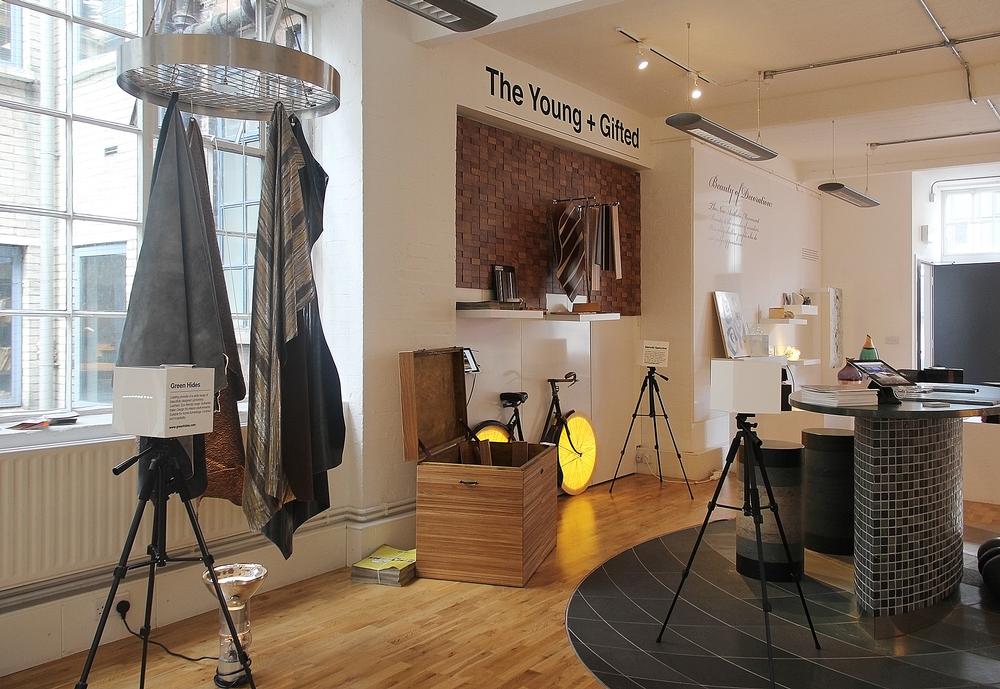
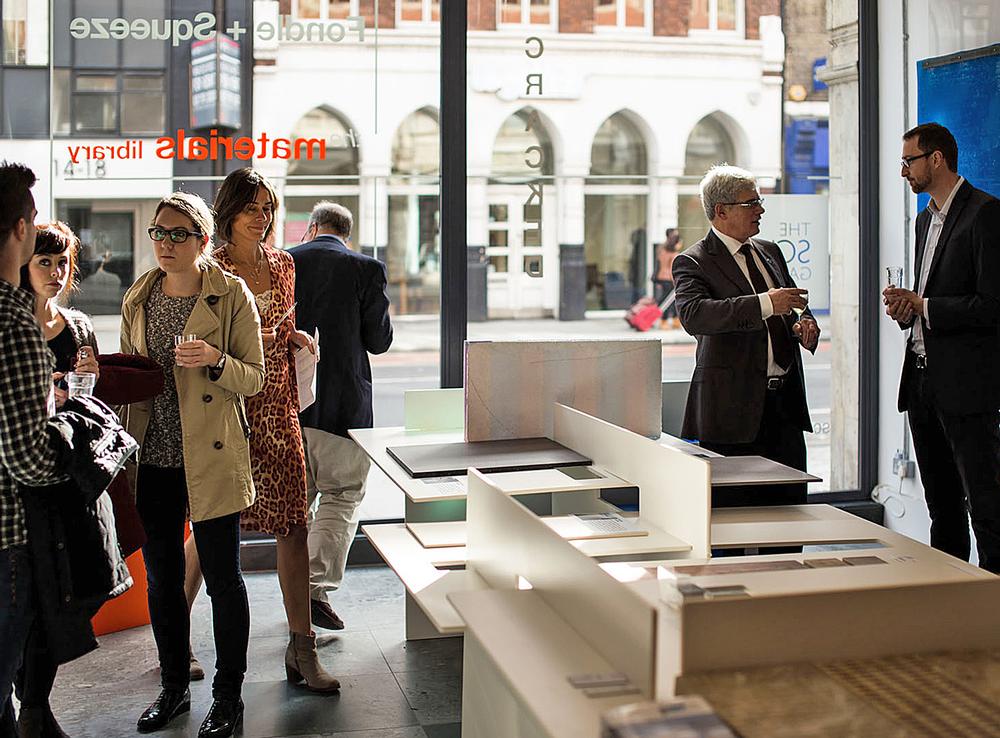
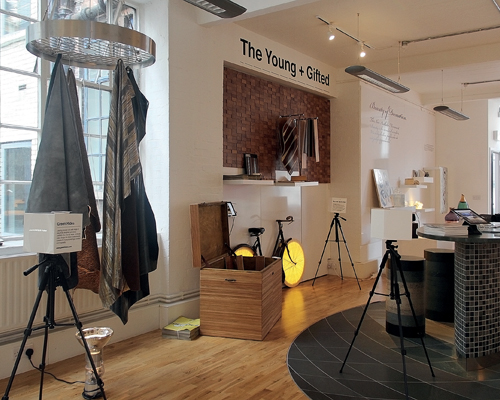
A useful resource for architects and designers, the SCIN Gallery is an independent materials library created to showcase some of the latest, most extraordinary new materials




Founded by Annabelle Filer and Graham Cox, the SCIN Gallery curates external exhibitions and opens its library, by appointment, to clients – often designers and architects – looking for specific material advice.
The materials can be used in many different design disciplines, and some trending agencies are now taking advantage of the gallery to assist with future forecasts.
Here, co-founder Annabelle Filer, who is also SCIN creative director, explains the purpose of the SCIN Gallery, how it can be used, and reveals current and future trends in materials.
Why was the SCIN Gallery set up?
SCIN, which is short for Surfaces Covering Interiors, was initially set up in 2003 to bring new materials to the general public. It coincided with an increasing interest in interior design, as demonstrated through the plethora of new media opportunities that were opening up.
It was conceived as a series of interior design toolkits that had 10 different materials inside, from laminate to leather to wall coverings, and backed up by a magazine that gave suggestions as to how they could be used.
We created five publications to showcase them but found that the materials were still too complicated for the general public to want to use, and we saw that it was architects and designers who were actually buying the toolkits, as it gave them a collection of many samples.
As time went on, architects and designers asked us to help them find other materials and so we created a small library and started to get involved in materials research.
Who uses the gallery today?
We’re used by architects and designers from every area of design. We also have hoteliers, developers, leisure operators, students and the design-savvy public, as well as retail, buyers and trend forecasters.
We’re starting to get more interest from educational establishments and we have many alliances and trade federations too. We’re also finding that the digital community is increasingly interested in the SCIN Gallery.
How do you source and find the materials?
We have been searching for materials for over 10 years and have established many different avenues in that time.
There is one rule we do have and that’s to not use other material libraries, but we’re very happy if we reach the same conclusions and if they come to us.
We also have both an online and offline community that likes to tell us about materials they’ve found, and there is a team of researchers all with their own material specialisms. We’re also prepared to wade through some of the very mundane trade periodicals that specialise in certain material markets.
Curiosity drives us and I think we all have a little bit of the geek within us. Since we began, the internet has become a far more accessible place and there are many more design blogs, as well as scientific papers out there.
What is interesting is that finding materials for a specific use, or finding new materials, is much more difficult that you would think.
What trends are you seeing in material design?
Commercially we’re looking at the following trends in materials:
‘Size Zero’ materials
We want super lightweight yet robust materials. Composites are a natural ally for this, and even concrete is part of this, with concrete panels being created using carbon fibre reinforcement or with unusual admixtures such as ‘TX Active’. These break down carbon monoxide pollution and in doing so, clean the concrete. There is also nanostone – a stone veneer less than 1mm thick – and all sorts of poured resins as well as large format thin ceramic tiles.
‘Playful’ materials
We’re having more fun with materials, and while still obsessed with concrete and solid acrylics and glass, 3D sculptural panels and bold acoustic materials are in demand.
‘Multi Taskers’ – the new smart generation
These must be strong, yet translucent or beautiful and of acoustic merit. We emphasise that they’re low maintenance, scratch resistant and glossy or non-slip and smooth.
Phase-change materials or coatings that create ambient temperature by absorbing or releasing captured heat can be applied as coatings, such as ‘Carbo-e-Therm’, or used in glazing for tiles. Materials can also conduct electricity and respond to external stimuli, such as Water Light Graffiti, which uses moisture sensitive LEDs to work as paint, forming ephemeral art pieces or urban tags.
Materials are moving from the core markets they were created for and can find themselves being ‘repurposed’. Medical plastics are becoming more mainstream in product or interior design; clear cellulose, which was originally insulation within train panels, is finding its way into glazing; and filtration textiles such as ‘Sefar’ polymers are coated with a metal coating to be used in architectural façades.
Future materials
As we continue to try to increase the pace of our lives in the name of efficiency and as we increasingly expose ourselves online, there’ll be – and in fact there already has been – a backlash. Materials are able to contribute to wellbeing and privacy.
The notion that materials are more than just decorative or supportive is part of the new excitement in this particular area. Material innovation is rapidly changing the world of design and architecture.
Future materials
Reconfiguring: We’ll be able to adapt materials at a molecular level to alter their properties where needed.
Water capture: We’ll find ways to capture water in buildings – possibly through new façade materials.
Dynamic: We’ll see materials that sense and alter their state, and memory materials that convey information or analyse and process it to adapt themselves.
Bacteria and algae: These will become more important. We’re seeing bacteria being used for self healing/growth, as well as being able to grow materials into the finished product.
New processes: 3D printing will evolve – but using waste streams, or being combined with bio engineering.
Response: Lessons learned from defence against terrorism will be used in other areas: auxetic materials which expand on impact and then return to their original state will find uses in other forms of energy capture, and textiles will be more widely used.
Waste (emissions, landfills, food, human excrement/decay): Landfills will become the new quarry for raw materials. We’ll use man-made CO2 and – I suspect – human waste and food waste as a feedstock.
New sustainable breeds: Finding natural solutions to fibre-reinforced plastic. Can natural fibre ultimately work with a bioresin?
Calcium carbonate: Can this become an important building material?
Insects: Chitin from insects is an interesting new polymer and building block.
The sea: oceans are an important, underused source of materials and materials inspiration.
SCIN SHOWCASE
A selection of some of the most interesting and diverse materials in the SCIN collection, as chosen by Annabelle Filer
Structural Skin
Spanish designer Jorge Penadés has devised a new production method that transforms the apparently worthless waste from leather factories into an innovative material that is made 100 per cent from an animal source. The result is Structural Skin, a material that Penadés says could be used for creating furniture, flooring, tiles and shoes soles.

Water Light Graffiti
Water Light Graffiti from Art2M is a wall composed of several thousand water sensitive LEDs. When water is splashed onto it, a circuit is completed allowing the user to ‘paint’ with light.

Superslim concrete
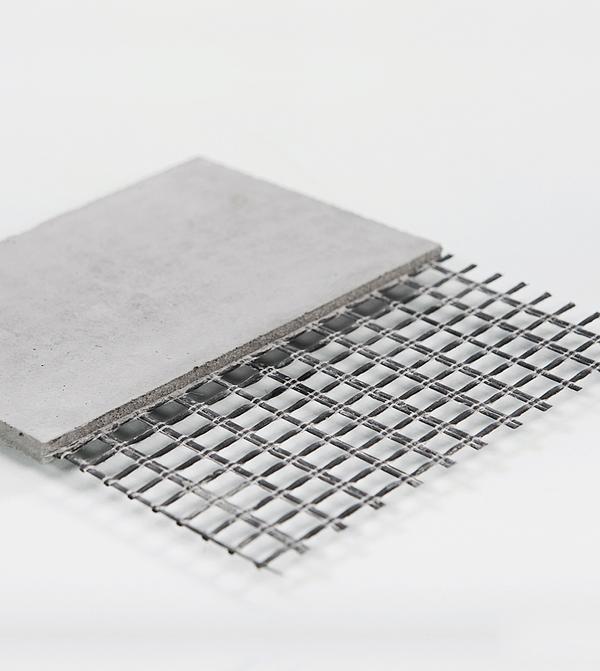
Germany’s Paulsberg creates furniture using concrete with 3D textile reinforcement.
Bioplastic
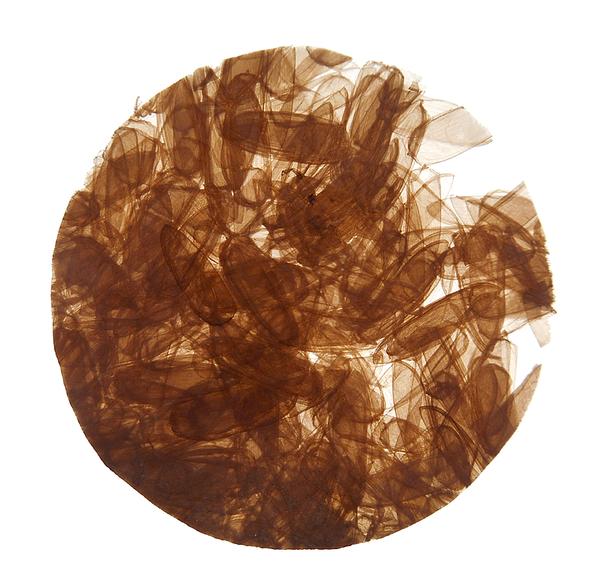
Made from beetle shells and chitin, bioplastic has great future potential as we bring bugs into our food diets. Chitin is the second most common biopolymer with some interesting technical properties including self healing.
Conductive ink
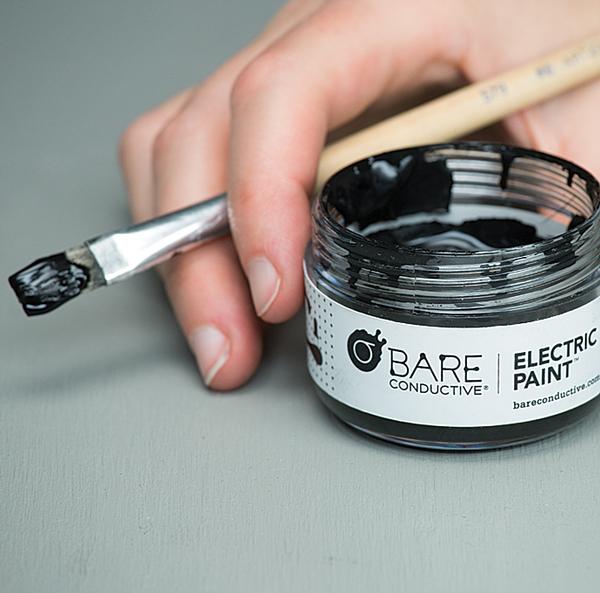
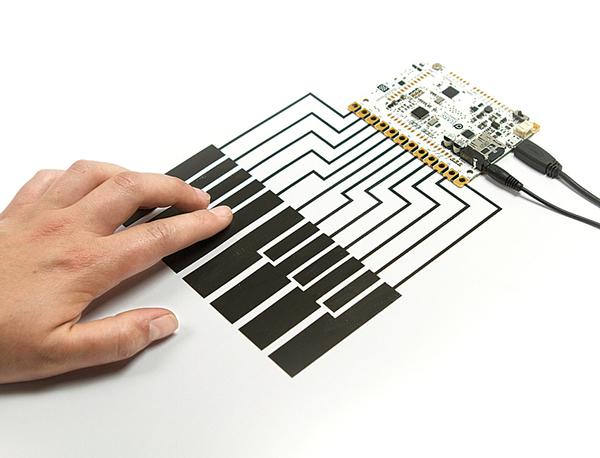
London-based design and technology company Bare Conductive has produced a range of electrically conductive paint and sensor hardware that are changing the way electronics and intelligence are incorporated into the built environment.
Concrete and linen
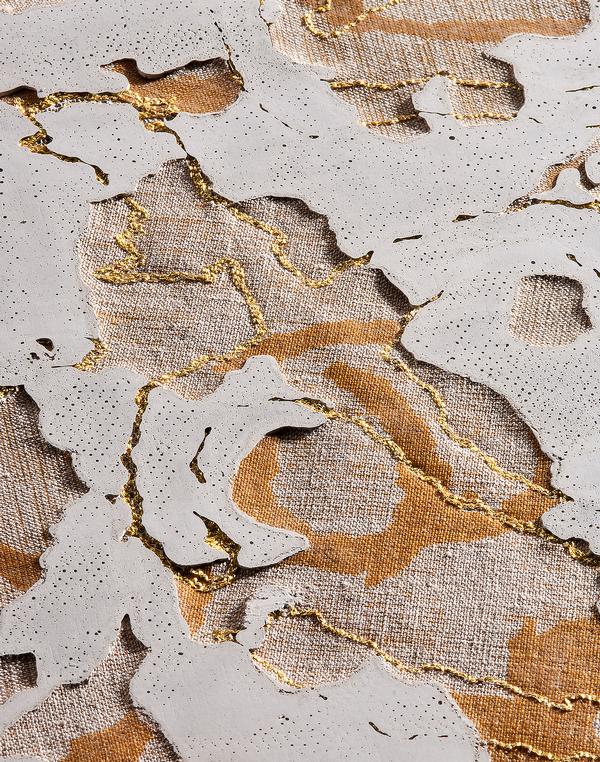
An unusual decorative hybrid and a union between a textile designer and an architect, Tactility Factory applies digital stitching to linen concrete to give a unique finish.ww
Formcard
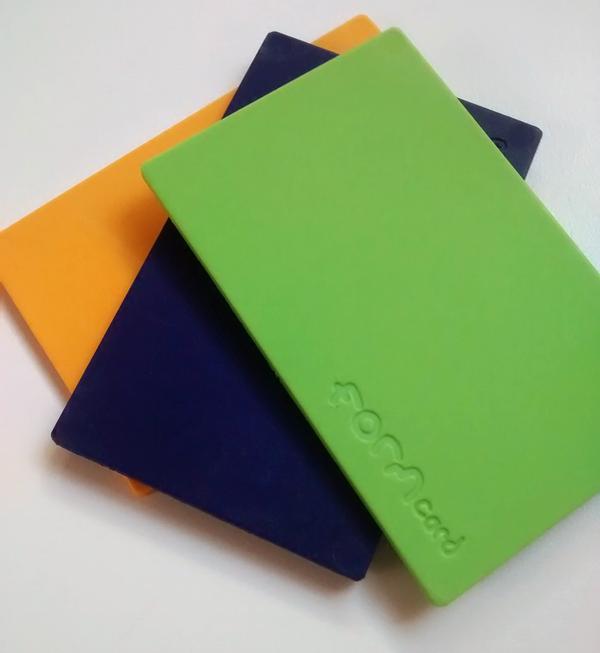
FORMcard™ is a pocket sized card of strong, meltable bio-plastic that can be moulded into new forms or used to fix broken plastic objects. Launched by London-based designer Peter Marigold in November 2015 following a crowdfunding campaign, the FORMcard becomes mouldable when hot – it is dropped into a cup of hot water and is then ready to use.
FFL technology
FFL technology is a flat, flexible loudspeaker created from a number of laminated materials that can be used in a curved or spherical format for more rounded sound design or in a flat panel where the sound is directed at 90 degrees from the speaker.
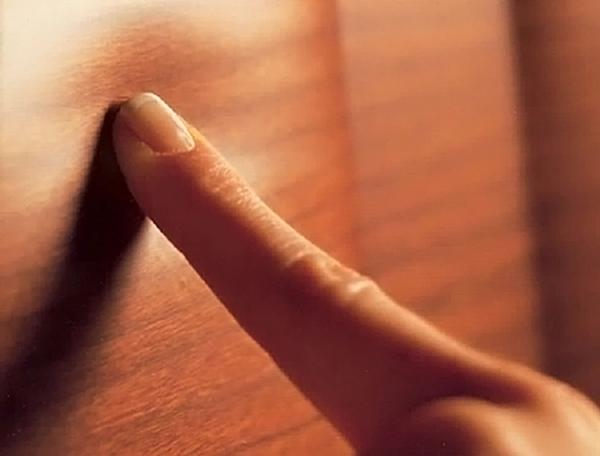
Softwood
Albeflex has created innovative wood veneers laminated onto a foam back which can be used in a vast number of different industrial sectors.
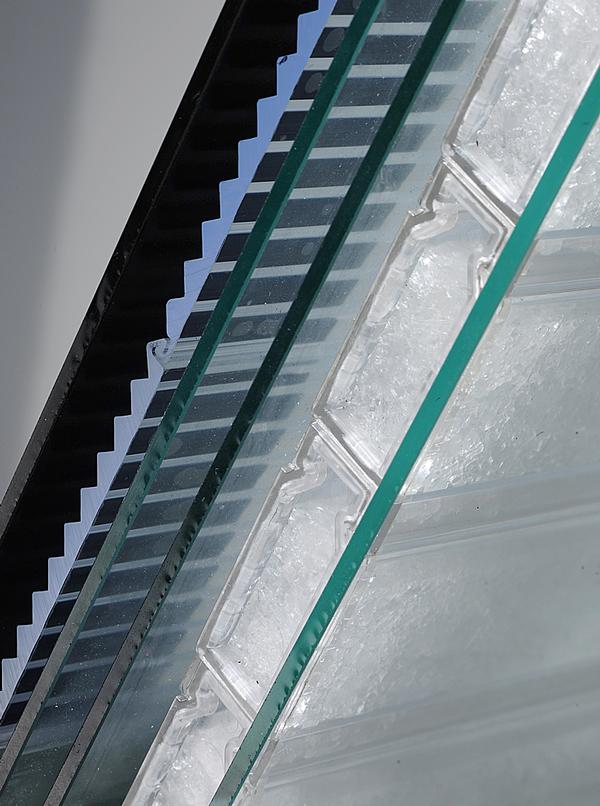
GlassX
Phase-change glass for façades alters its transparency state depending on the internal temperature, absorbing and releasing heat energy as temperature fluctuates. GlassX lets architects flood spaces with natural light and reduces a building’s heating and cooling load.
Gorilla Glass
Corning’s Gorilla Glass will not distort an image when curved. It was designed originally for mobile phone technology.

Elastic conductive tape
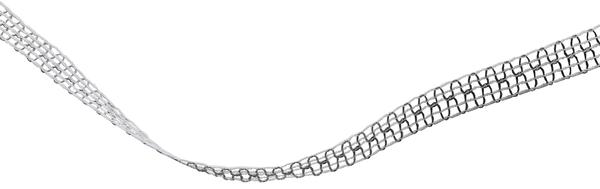
German fabric company AMOHR produces elastic conductive tape ideal for wearables and smart textiles. The wires are are stitched in a curve in order to allow them to stretch with the fabric.