Movers & Shakers
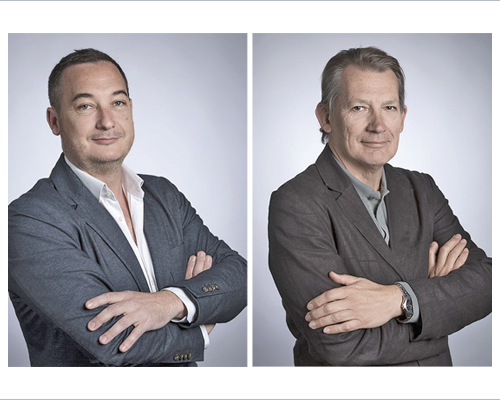
Rod Sheard & Chris Lee
Global design practice Populous has created some of world’s best-known sports and entertainment buildings. Founder Rod Sheard and rising star Chris Lee talk about the changing face of stadia design



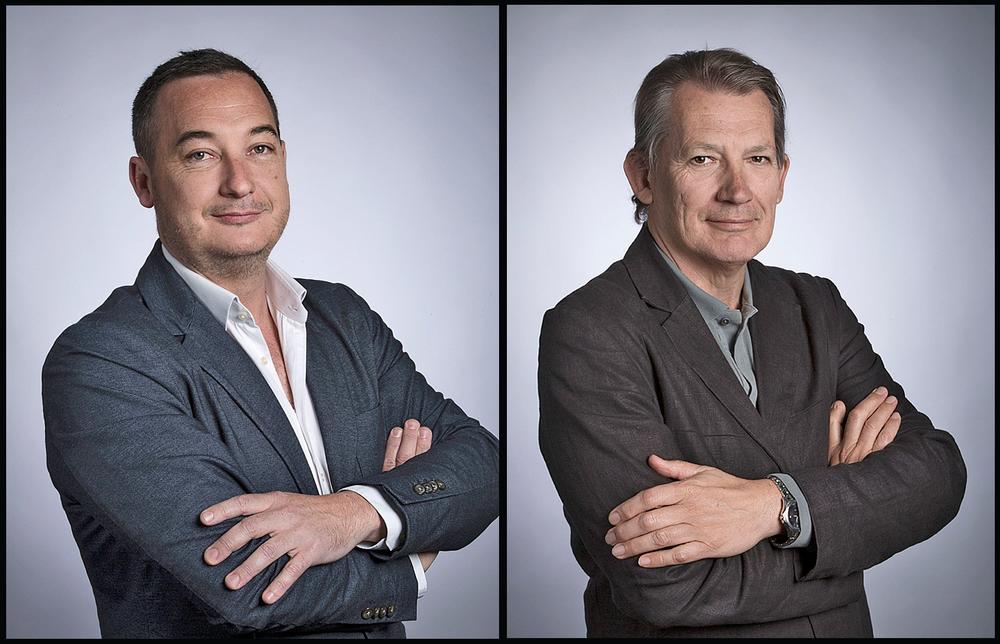
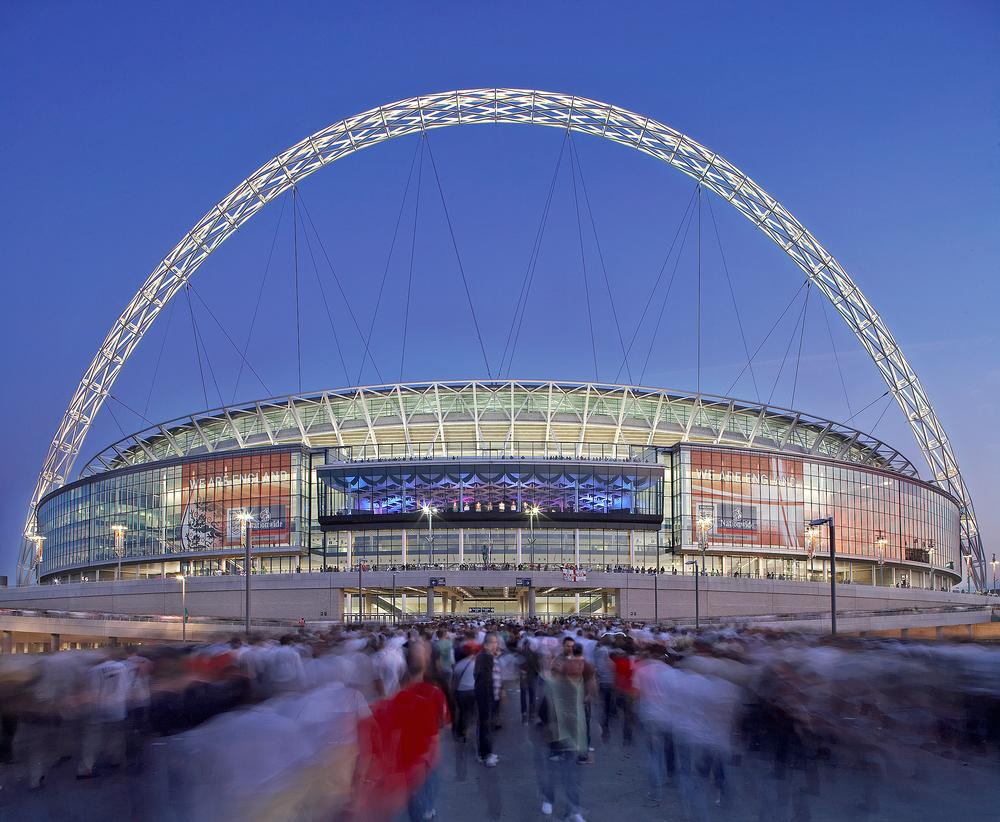
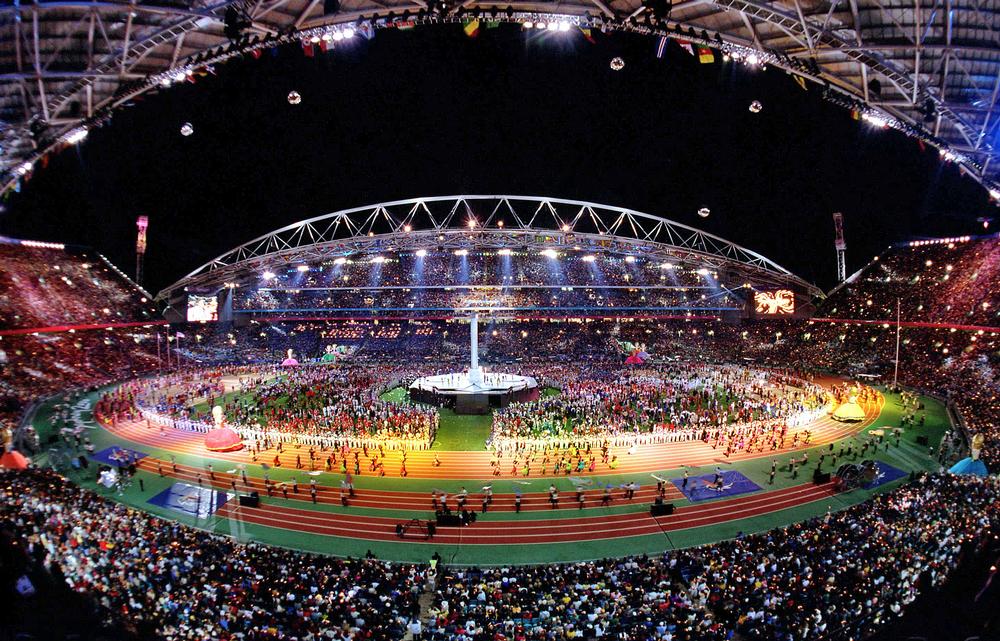
While Rod Sheard’s name might not be the best known in this line-up of movers and shakers, his buildings are undoubtedly among the most seen in the world. With more than 30 years of experience in the field, Sheard can fairly be described as the father of modern sports and entertainment architecture. In addition to two Olympic stadiums – Sydney in 2000 and London in 2012 – his vast portfolio includes London’s Wembley Stadium, Ascot Racecourse and the retractable roof on Wimbledon’s Centre Court.
Born and raised in Australia, Sheard joined London-based practice Howard V Lobb and Partners in 1975 and was soon working on a number of sports projects. He became a partner in 1981 and chairman in 1993, changed the name to LOBB Sports Architecture and opened a second office in Brisbane. Five years later the firm merged with HOK Sport, founded in 1983 as a division of the US-based HOK Group. Finally, in 2009, Populous was created through a management buyout, and now operates as an independently owned collective with more than 500 staff worldwide.
While the firm’s name and structure has been in flux, however, its record of designing world-class sports and entertainment buildings is entirely consistent – and part of the reason for that, says Sheard, has been its emphasis on recognising and nurturing talent.
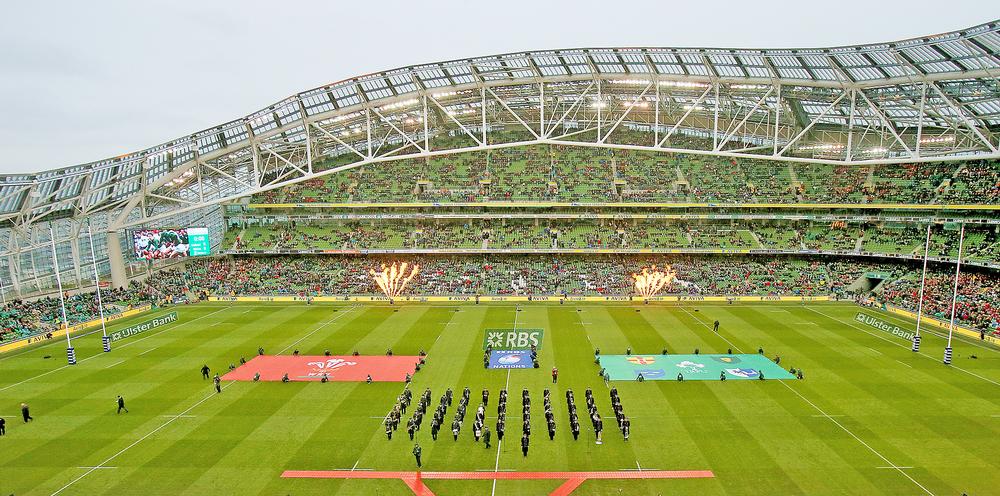
Identified by Sheard as a rising star, Chris Lee is a senior principal at Populous with more than 30 stadia across five continents on his resumé, including the Emirates Stadium for Arsenal Football Club; Aviva Stadium, home of Irish football, in Dublin; and the Estádio das Dunas for the 2014 FIFA World Cup in Brazil. Now based in London, he spent six years in the US leading the firm’s New York studio.
When and where did you meet?
Rod Sheard (RS): Working on the Olympic Stadium in Sydney in 1996.
Chris Lee (CL): That was my first job with Populous, or LOBB as we were called back then. I was fresh from college and a professor of mine said, ‘You should meet these guys. They’re a bunch of Aussies, based in London, who are doing some really interesting work.’ So I met them and I was very impressed.
RS: Chris stood out from the crowd. He’s got a lot of talent, which is pretty clear to everyone who works with him, so taking him on wasn’t a difficult decision.
How has the business of designing and building sports and entertainment buildings changed in the last two decades?
RS: When we started out in the 80s, stadia were pretty boring buildings. They weren’t seen as ‘good neighbour’ buildings and most cities didn’t want them. Because they were only used 25 times a year, they were pushed to the outskirts of the city, where for the vast majority of their life they would sit idle, with a chain link fence around them and a few old newspapers blowing around. They were really a strange sort of building. They weren’t even seen as mainstream architecture, but as engineering structures. I remember a client saying many years ago, ‘Do you really need an architect on a stadium?’
But we never believed that was the way it should be, and over a period of time, from around the mid-90s, that perception started to change. A number of firms, including our own, recognised these could be amazing buildings; they could be good neighbour buildings and they could be used seven days a week. Even a modest stadium can attract more than a million visitors a year, and any city asset that can bring in that number of people can have an incredible impact on city planning. You can grow areas that are slow in developing, you can regenerate areas and you can bring in huge revenues.
CL: Rod is being modest. I think it was in many ways him who saw the opportunity to make these buildings more special than they had been, than these functional concrete seating bowls.
For me, the turning point for the industry and certainly for our practice was a couple of smaller projects: the Reebok Stadium in Bolton and the Galpharm Stadium in Huddersfield. They’re only 25-30,000-seat stadiums but they were seen by their local communities as incredibly important assets, so the buildings Rod designed for them became very special buildings. They were not on the outskirts and huge master plans developed around them. There were new houses, new shops and new facilities all leveraging the infrastructure associated with these stadiums, so they really became urban regenerators.
What sets Populous apart from its rivals?
RS: We’re the only firm in the world that specialises exclusively in this building type – what we call sports and entertainment buildings, but what are really just places where large numbers of people gather. That’s not to say we don’t have competitors, but those firms will also do airports, hospitals or schools. In the architectural profession, specialising is not seen as the thing to do, so we’re a bit of an oddball.
People do ask if we get bored doing the same sort of buildings all the time. If they were simple buildings, maybe we would, but these days they are so complicated and can have such a huge effect on cities. As a building piece alone, a great deal of science goes into them – in people movement, in sight lines, in creating atmosphere – but there’s also a great deal of economics: how do you create income from them?
Specialising means we know the building type like no one else can know it, and that gives you a freedom when you design because you don’t have to worry about practical things. If you were taking on a stadium design for the first time, you’d be so obsessed with getting the science right it would really hinder your creative instincts.
CL: Our other huge advantage is that we have up to 100 projects on the boards at any one time, from Malaysia to Brazil to North America. As a practice, there’s an enormous amount of learning that can be transferred between those projects.
What have you learned from each other?
RS: Something Chris has, quite apart from his natural skills as an architect, is energy – energy to explore new things and not to be daunted by the complexity of an issue. I’ve learned that from him.
CL: I’ve learned everything from Rod. He’s been my mentor throughout my career and still is. Many people view him as the father of sports architecture and I genuinely believe he has defined that sphere.
Which of the other’s projects do you admire?
RS: That’s easy: Chris’s best building is the Aviva Stadium in Dublin. It was one of the most challenging sites we’ve ever done. It was incredibly tight, it had railroads going through it and a million practical issues. But Chris managed to craft out of that awfully difficult site the most amazing gem of a building – a building that to be absolutely honest I don’t think anyone other than Chris could have conceived or driven through.
CL: The Sydney Olympic Stadium was an amazing building that defined large-scale, international-event stadium architecture. It was the pioneer of integrating green architecture into a stadium, pushing forward things like rainwater harvesting and natural ventilation. It was an incredibly simple and elegant piece of architecture for such a big building. And it had an incredibly clever economic strategy behind it, having been designed to drop down in capacity to meet a post-Olympic legacy.
I also have huge admiration for Rod’s work on Centre Court at Wimbledon. Putting a moving roof over a natural grass court without changing the humidity, the temperature or the playing conditions – it’s an incredible bit of science, but when you’re there the experience is seamless.
Why is leisure architecture important?
RS: We’re seeing how big an influence the buildings that house sport can have on a city, and we’re only scratching the tip of the iceberg. Chris and I have been working on ideas where the stadium is literally embedded in the city centre; where you almost don’t know you’re in a stadium. With the technology we have now, we can convert a 40,000-seat stadium into a city square in a day. We’re working on one in Taiwan called the Taipei Dome, which is both a baseball park and a shopping centre. It’s rare for us to design a stadium that’s just a stadium.
Sport also seems to be immune to world financial issues. When the crisis hit a few years ago, almost every building type took a downturn, except sport. The money that flows into sport never seems to reduce – in fact, it increases every year – and some of it goes into the infrastructure that keeps sport running. So we’re starting to see what an amazing contribution to society sport and entertainment buildings can make.
CL: What I like most is the idea of community they create. It’s a rare moment when you get to sit with 60,000 other people, all sharing the same experience. Feeling connected with other human beings is really the magic bit for me.
Not counting your own body of work, what’s your favourite leisure building?
CL: The 1972 Olympic Stadium by Frei Otto. Forty years later, the stadium and the park are still a phenomenal example of integrated architecture and landscape.
RS: I rather like the Bathers’ Pavilion at Balmoral Beach in Sydney!
How would you sum each other up in a single sentence?
CL: For Rod, it’s a single world: visionary.
RS: Chris is a creator. He cannot not generate ideas of how to do things.