Interview
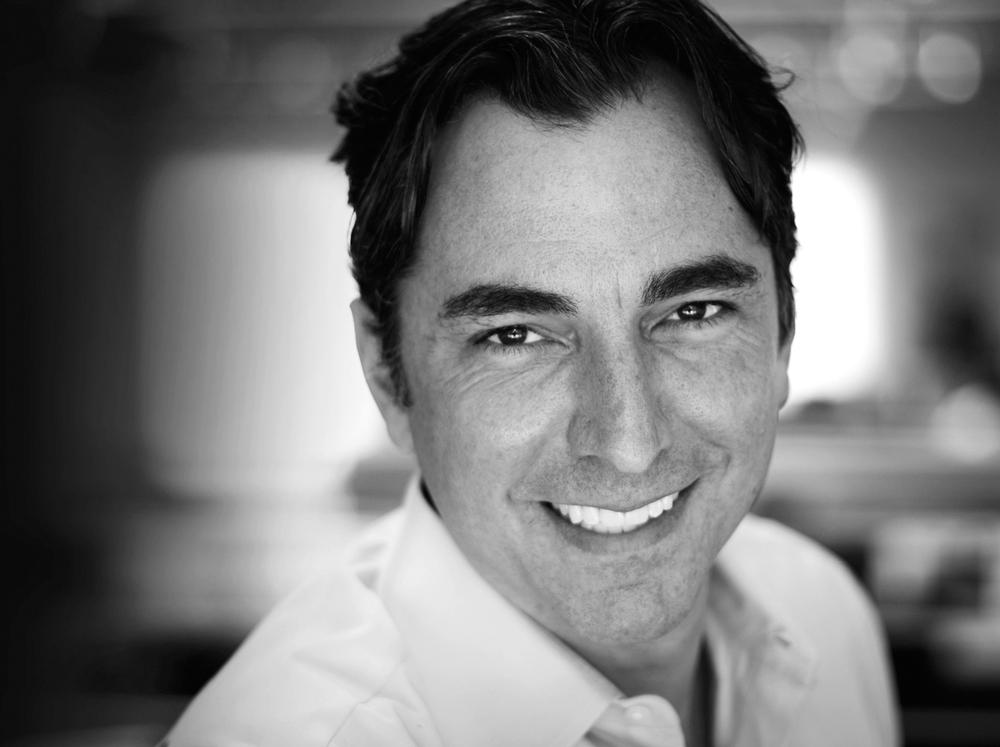
David Manica
The founder of Manica Architecture has come up with a concept which could shape the way major events build their venues in future. Kath Hudson talks to him about his approach



Can you explain your SEED stadium concept and how it works?
The concept is part of an evolution of R+D ideas we’ve been focusing on in relation to creating more successful legacy conversions for major stadium events.
Most legacy conversions try and figure out what to do with a stadium once it’s no longer needed for a major event. The innovation of the SEED concept is that it works first toward the legacy solution as a starting point, and then reverse engineers it.
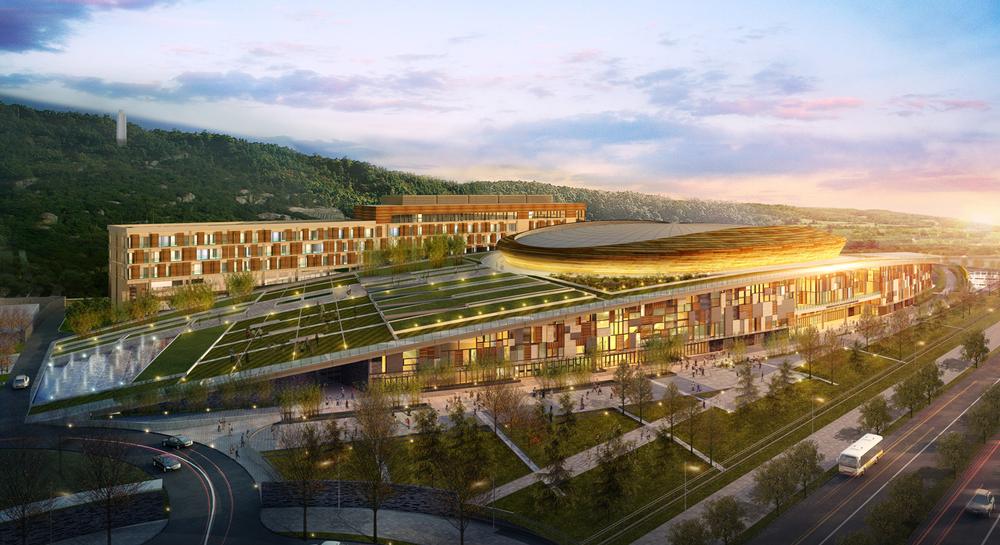
So in summary, we design a development concept that benefits the city, with low income housing, hotels, conference facilities, office and retail, parking, theatres, parks, and even terraced urban gardens – and then find a way to collect those buildings together temporarily for use as a stadium for a one-off event.
The concept is yet to be realised, but I think it makes sense and will be implemented, to some degree, in the near future.
What are the biggest trends in sport and architecture at the moment?
Current trends include heightened awareness of IT and technology, as well as environmental sustainability. I’m also seeing a larger variety of seating types and offerings in each new building that opens.
I think sport architects are collectively pushing the boundaries of the building type further and further along. Each new building which comes online is a clear evolution of what came before it.
I’m pleased and proud to be part of a small group of people in the world who are changing the building type forever.
How does the design of a sports building effect the fan experience?
A successful design can unlock the greatest fan experience and the greatest revenues: both of which are critical when it comes to long term sustainability. The guest experience is choreographed by the architect as they are designing the building, so fantastic and creative design is essential.
What are you working on right now?
We have multiple projects on-site around the world. Our mixed-use sport park – including a small arena, conference facility, hotel, ballroom, natatorium, and parking structure – is about to open just north of Hong Kong in China.
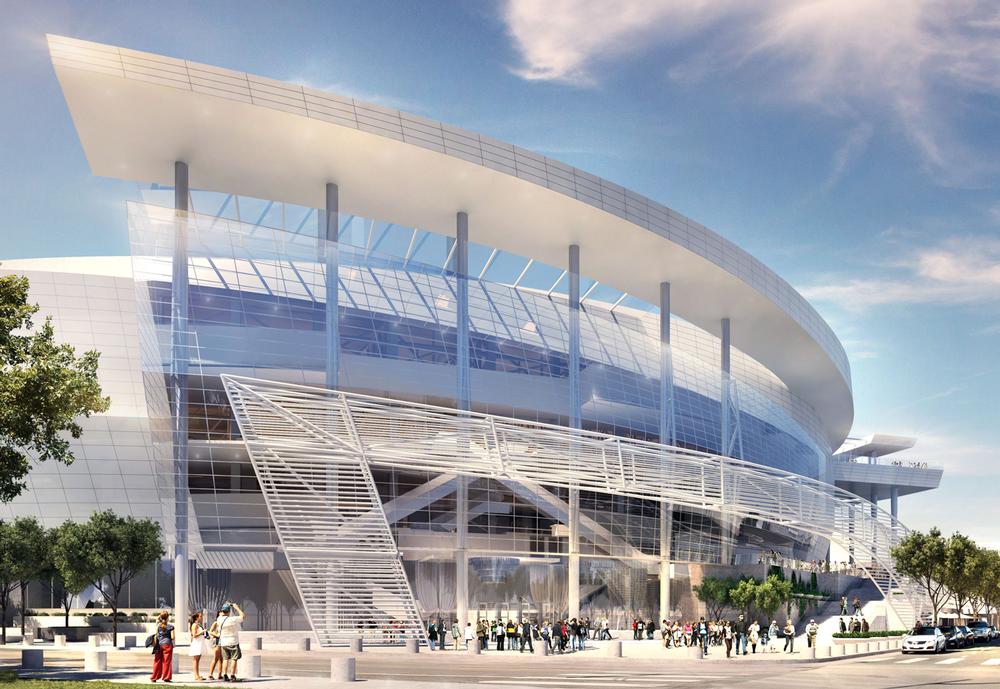
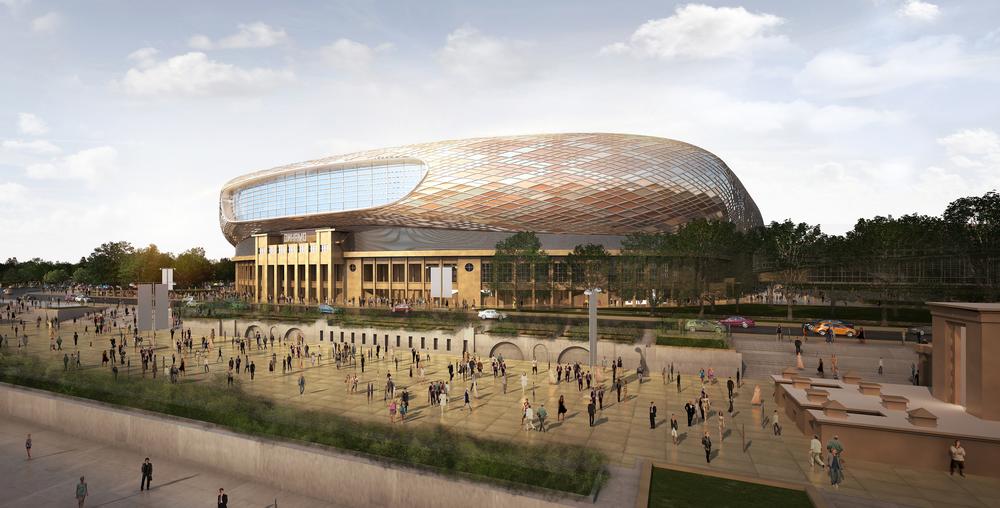
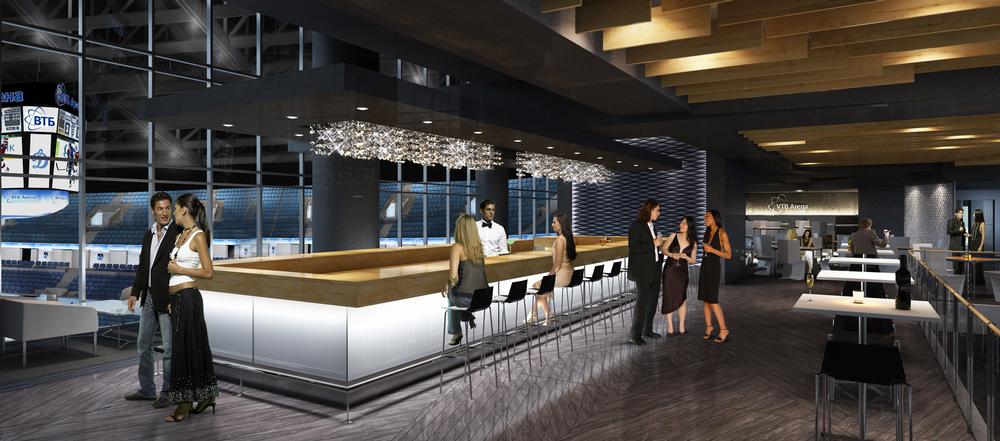
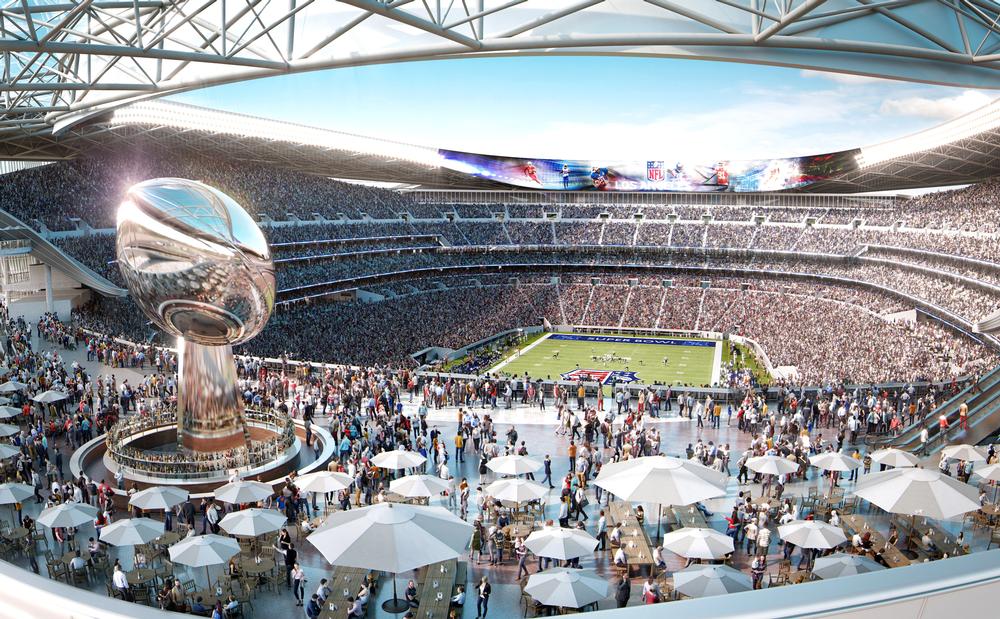
Our VTB Arena project in central Moscow – a singular facility which individually houses both indoor hockey, outdoor football and a retail shopping mall – is under construction. And we’re currently leading the design of the new San Francisco multi-purpose arena, which is due to open in 2018, as well as the new Los Angeles NFL Stadium in Carson for the Chargers and Raiders bid to move there, which will open in 2019.
What have been your career high and low points?
Winning big projects is always a thrill. But seeing them realised and open is what we do as architects. So some of the highlights were seeing our first three arena projects open in China. A recent high point was the win in Los Angeles for the NFL stadium, because we were up against three established companies, and we were selected as the lead design architect.
How do you judge whether a building is a success or not?
First of all it must be built! Nearly anybody can draw a creative building on paper, but it takes a completely different kind of focus, and a strategic sense for compromise, to get a building out of the ground.
Once built, my gauge for success is based on the people who use it. If the building brings people true joy, and it’s a place they want to return to again and again, then this is the final and most important factor in identifying which buildings are successful.
What is the best part of your job?
One of the best parts is walking into the studio every day to greet my team for what I call “another day of awesome”.
The entire team is talented and driven, and it’s an honour for me to lead, work with, and learn from them every day. And although it is challenging and tiring, I consider myself lucky to be able to travel the world to do these projects. I meet the most amazing people, make lifetime friends and end up working on a building which will last for generations in the process.
What is the worst part?
I despise chasing projects. I don’t do it often because many of our clients come to us. But on occasions when we have to pursue projects through a formal interview process, the effort is excruciating, it’s time consuming, a risky use of precious time, and can be very stressful.
I sometimes pass on projects because I don’t feel like going through the pursuit.
Which other architects do you admire?
I admire many of my peers and competitors. We’re all in the same trenches working hard every day to do something special. When I see an idea from them that makes me think,
“Wow! That’s really cool. I wish I’d thought of that”, my reaction is to feel admiration rather than jealousy.
The same holds true really for any building, not just sport. I may not know them by name, but when you see a unique idea executed in somebody else’s work, I appreciate the time and effort it took to get that idea to come to life.
Architecture is hard, because it takes an unbelievable amount of compromise and balance. As designers, so many of our ideas are limited by simple things, like gravity or building codes, so when I see an idea that’s pure in thought and elegantly executed, I admire the designer that took the time to bring it to life.
Why did you become an architect?
I used to draw pictures of houses when I was a child. When I realised that there were people who did that for their work, and that they were called architects, I decided that’s what I wanted to do with my life.
As I grew older, I became interested in classical music, learned the trumpet and went to university on a music scholarship.
I decided I could be an architect and still play the trumpet, but of course, I was wrong. There isn’t enough time in the day.
I eventually stopped practicing trumpet, but I’m very happy with my decision to become an architect and I love what I do.
What’s your career background?
I graduated from the University of Kansas in 1994, with the aim of working in a large practice doing larger projects.
In Kansas City, if you’re an architect at a large company, there’s a good chance you’ll be working on sports buildings, because it’s the US home of sports architecture.
Two weeks after I graduated I went to work at what was then HOK Sport. I focused on 3D design and graphics.
At that time, computers weren’t heavily used in our industry, so the work my generation of architects was doing gained a lot of attention. This gave me the opportunity to work on interesting projects with great mentors very early in my career.
I worked my way up to managing director of design as a principal in the office and then in 2007 I started my own practice.